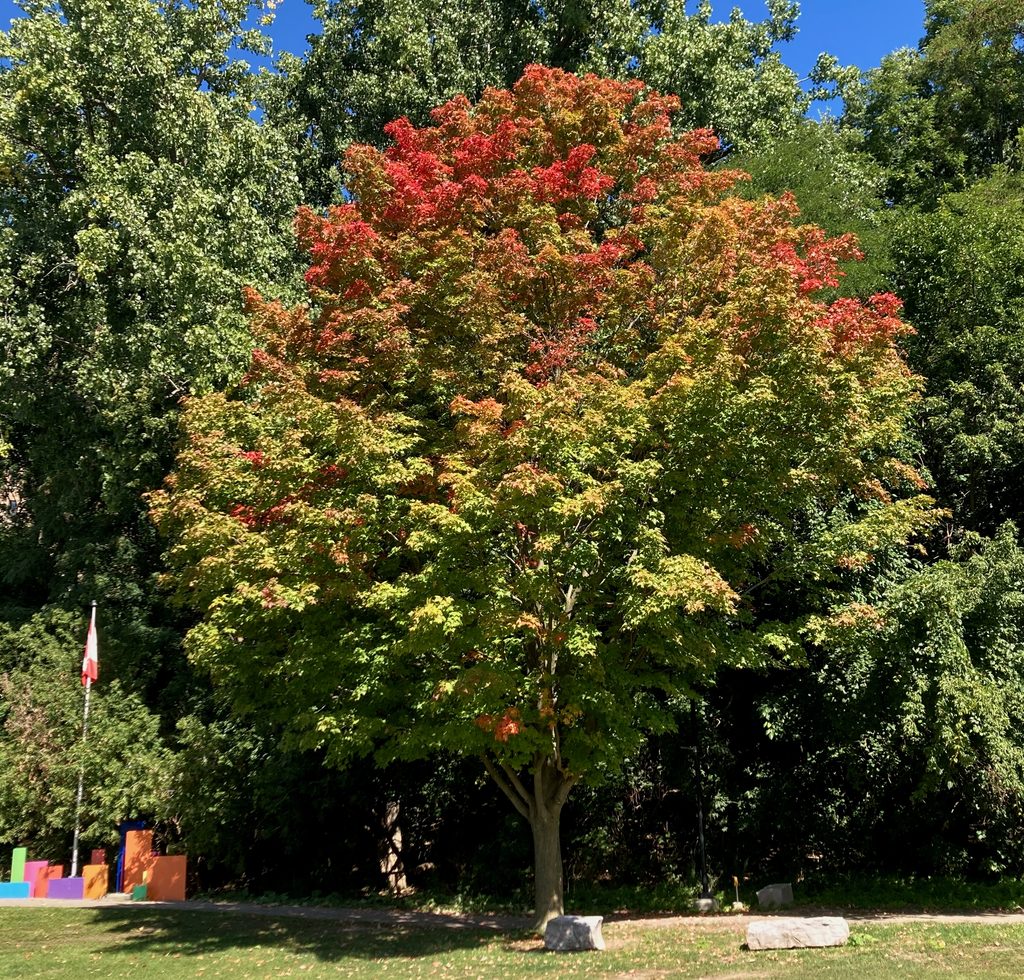
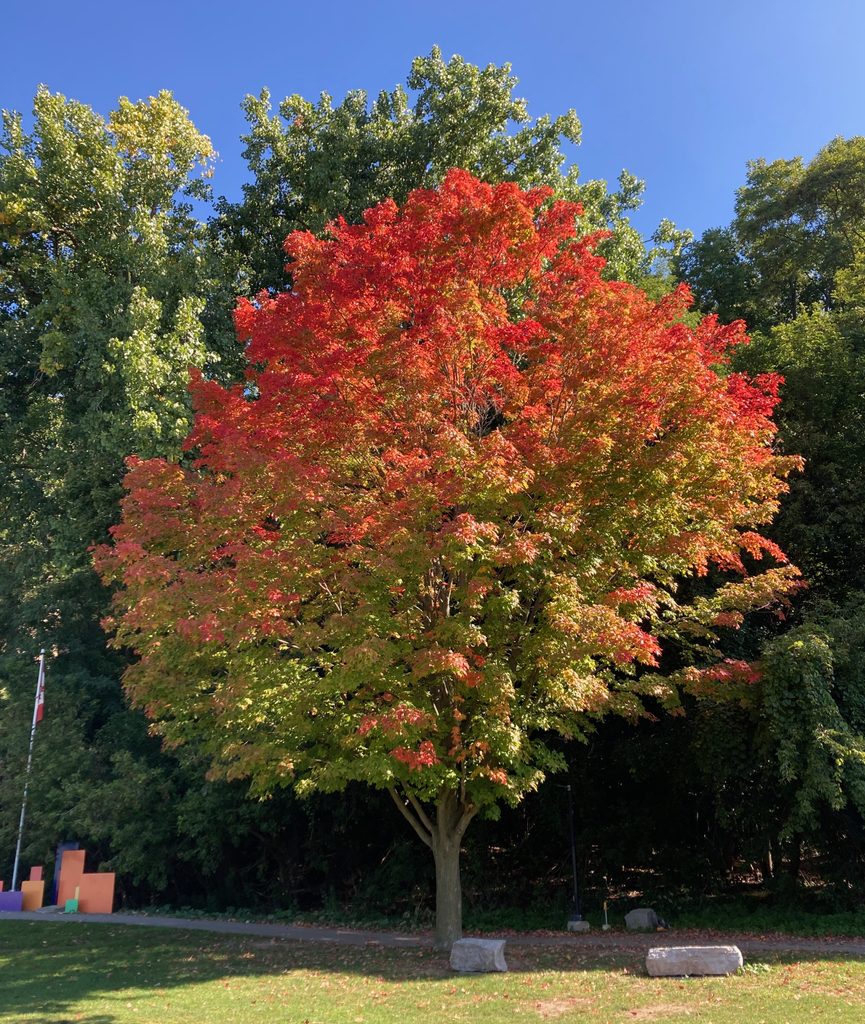
In the last days of September, we had sun-filled days, moderate daytime temperatures, and cool nights. The trees are changing colour rapidly.
Maplecross Coastline Reserve
Maplecross is a 55-hectare site owned and stewarded by the Nature Conservancy of Canada. The site, on undeveloped Lake Ontario coastline in Prince Edward County, encompasses coastal wetland, forest, alvar, and grassland habitats. It provides breeding habitat for species at risk, including Eastern Whip-poor-will and Monarch butterfly and serves as a stopover for a variety of migrating birds.
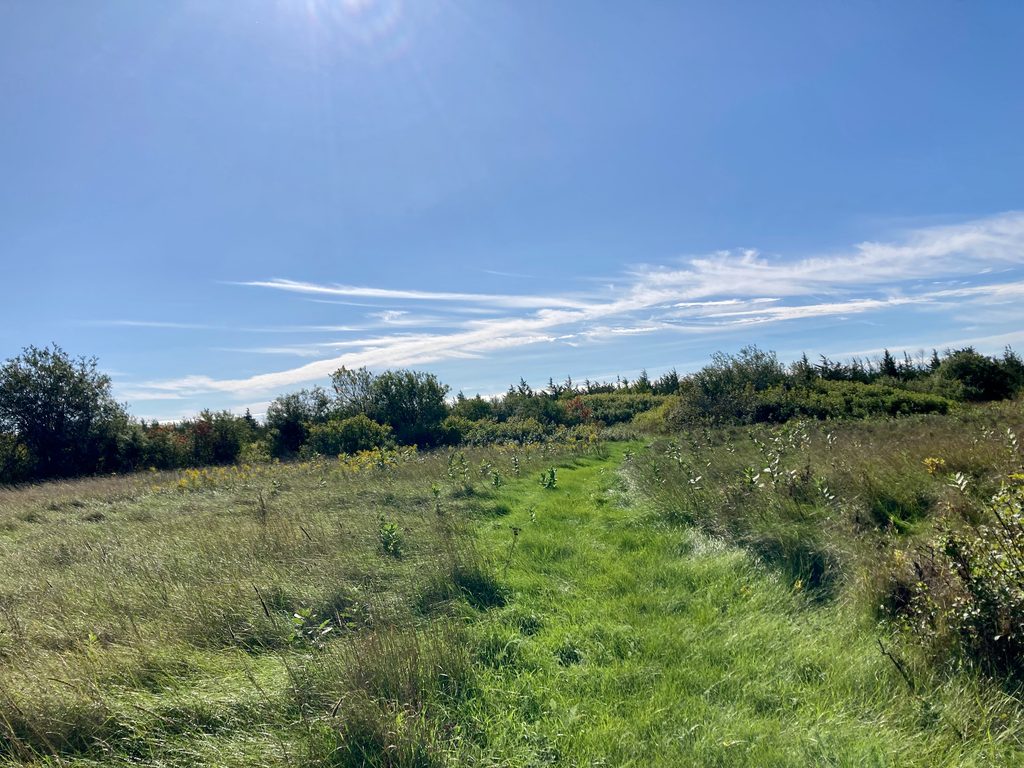
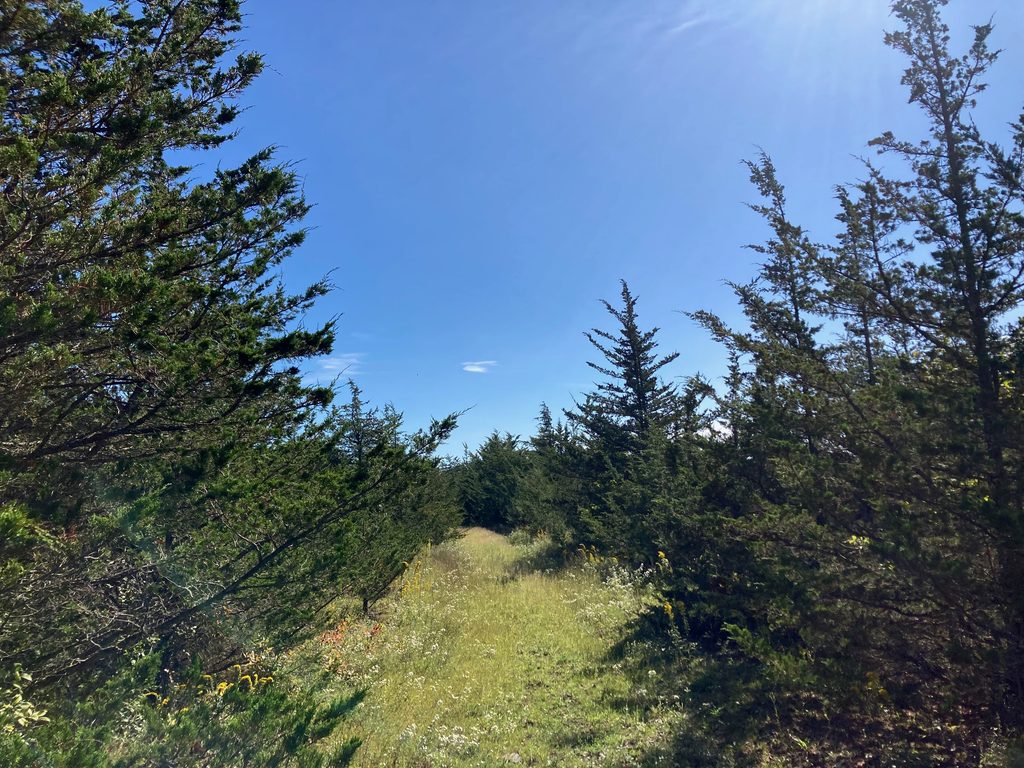
We were extremely fortunate to be led on a guided walk through this reserve by two very knowledgeable naturalists from Prince Edward County.
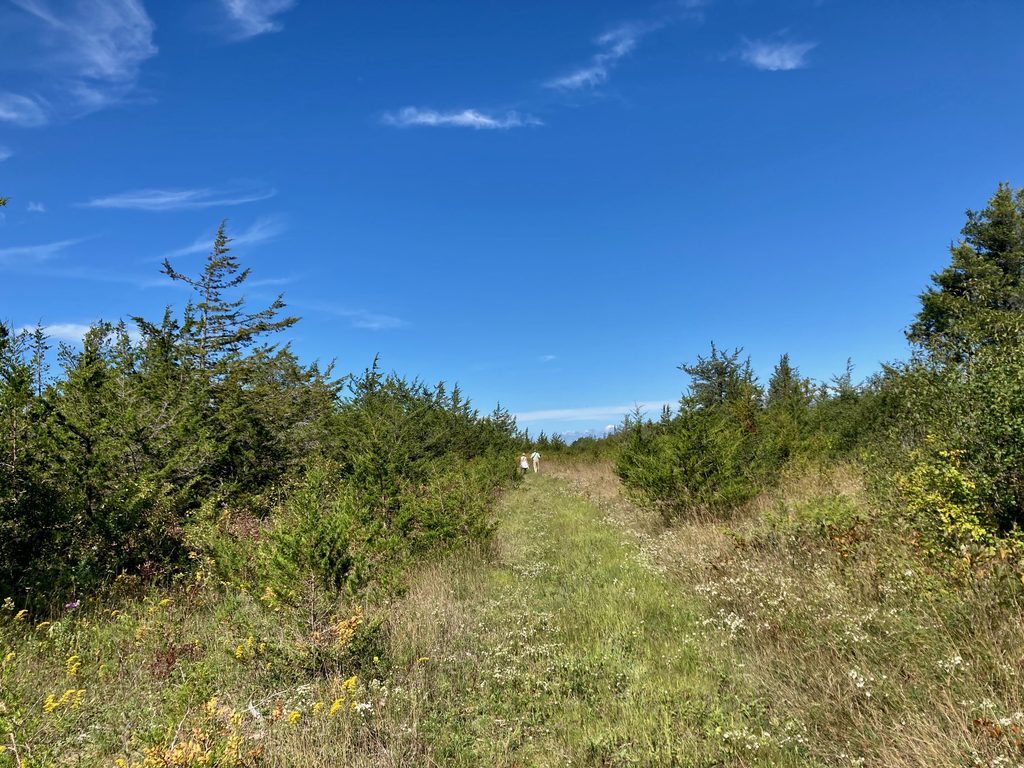
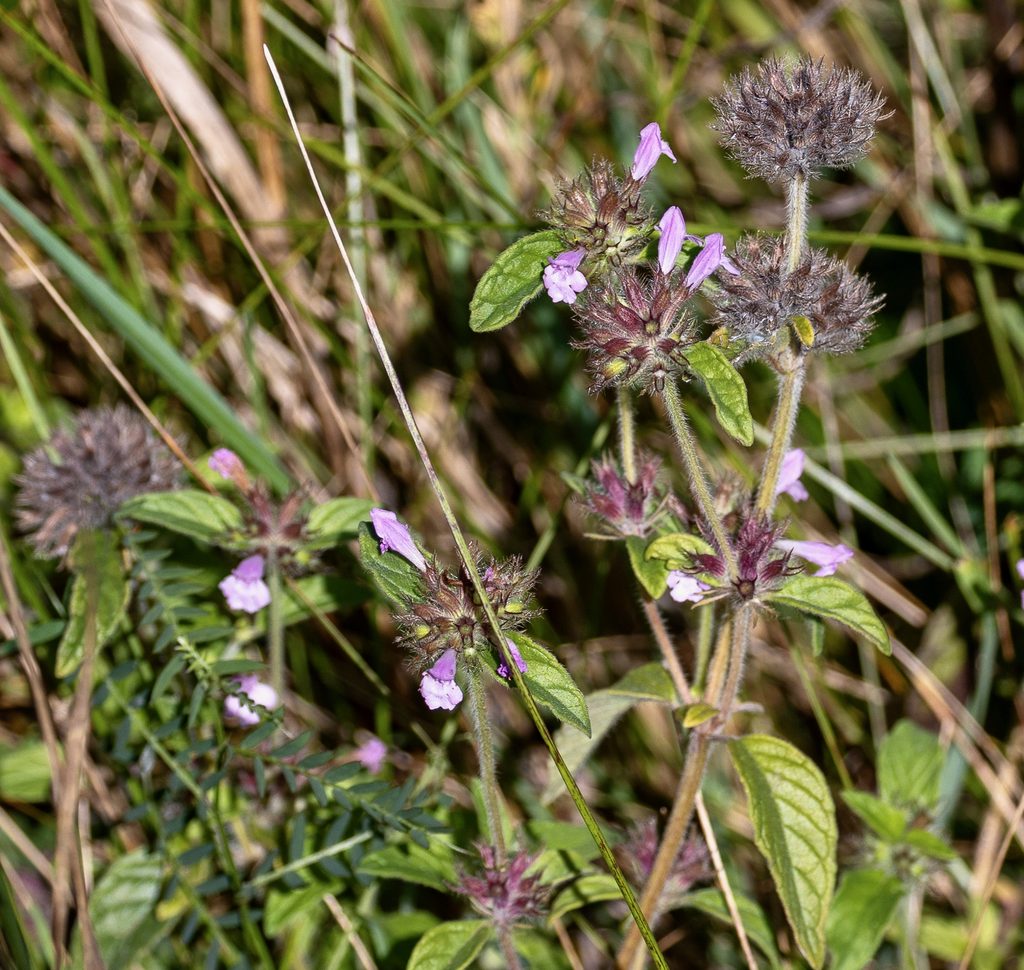
Some of the vegetation we saw was typical for the site, but unfamiliar to us.
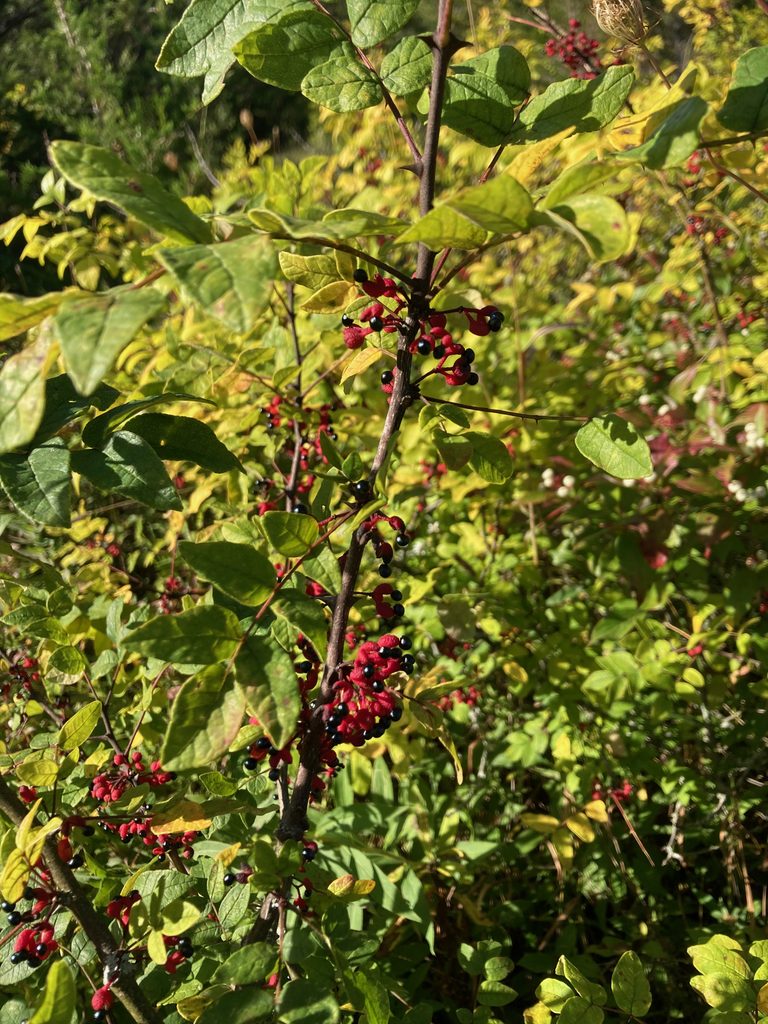
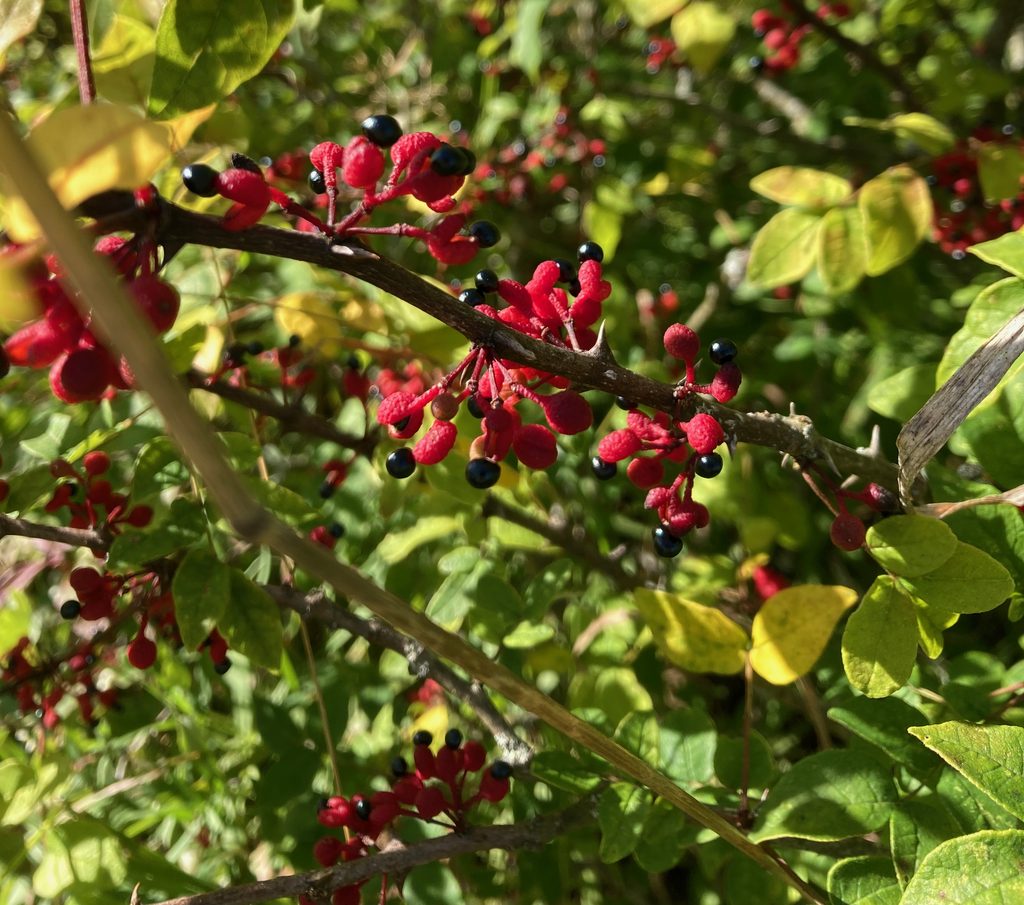
Prickly Ash is a small tree or shrub native to some areas in central and eastern Canada and the US. It is the most northerly member of the citrus family. Prickly Ash is a host plant for the larvae of Giant Swallowtail and Spicebush Swallowtail butterflies.
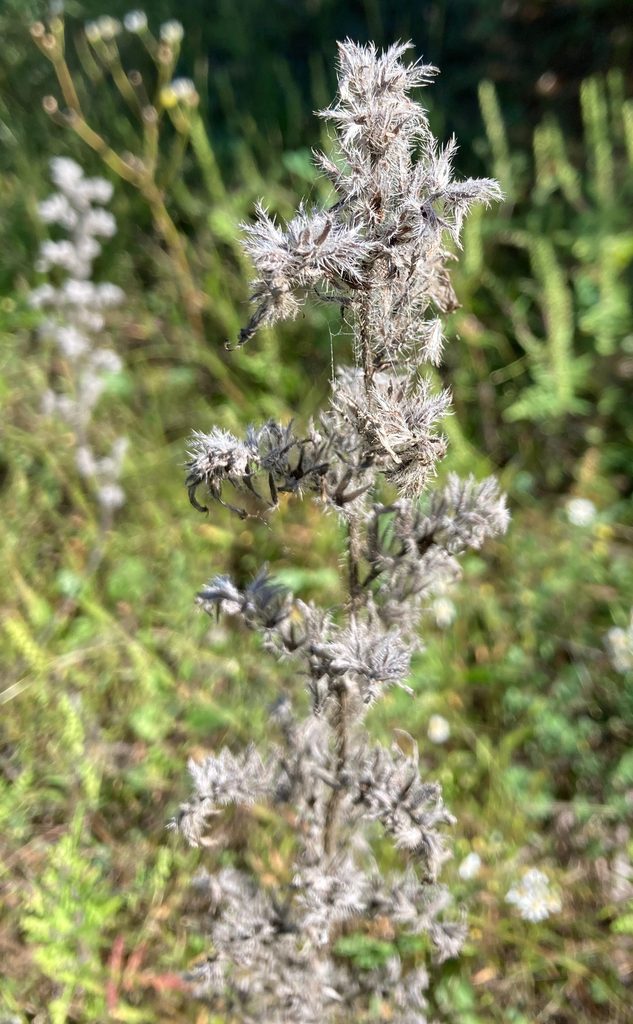
Gray Goldenrod or Field Goldenrod (solidago nemoralis) is a small goldenrod that tolerates dry conditions and poor soil. The plant attracts bees, butterflies and beneficial insects.

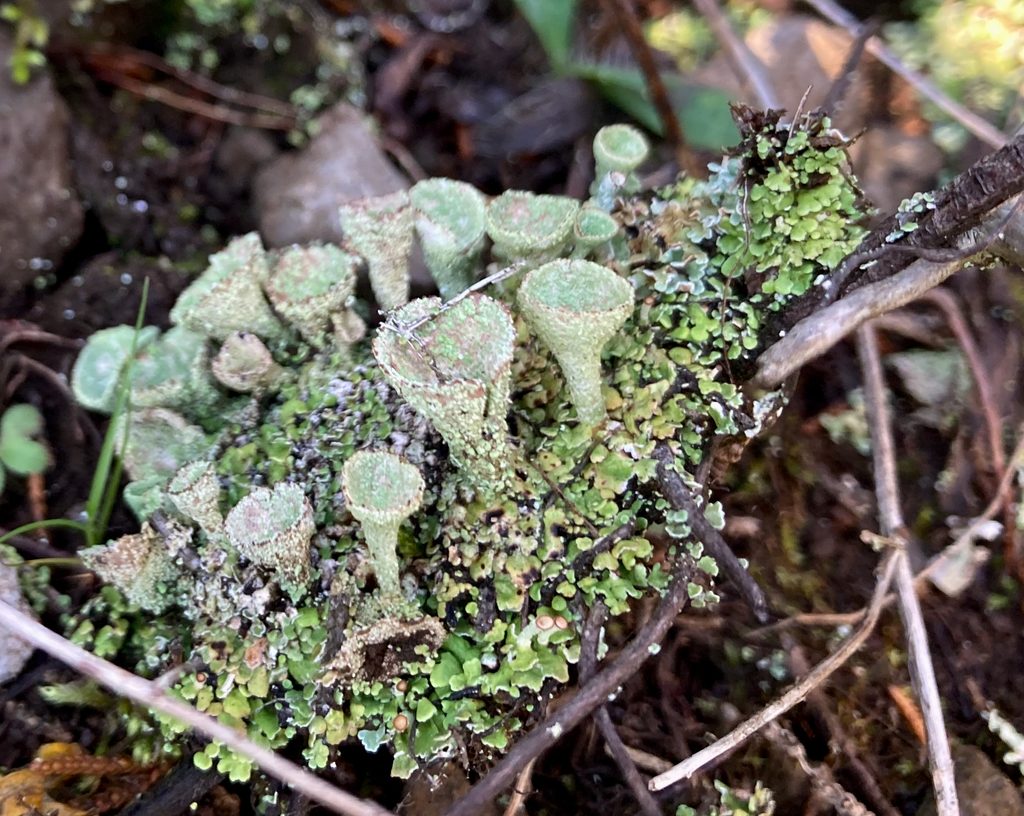
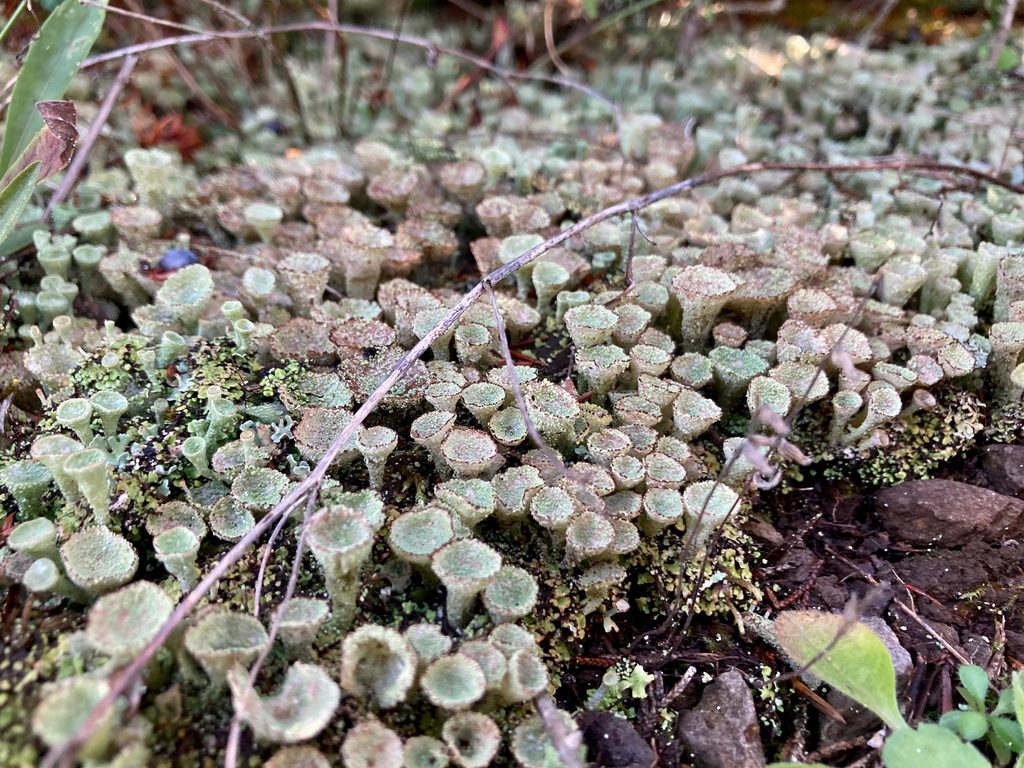
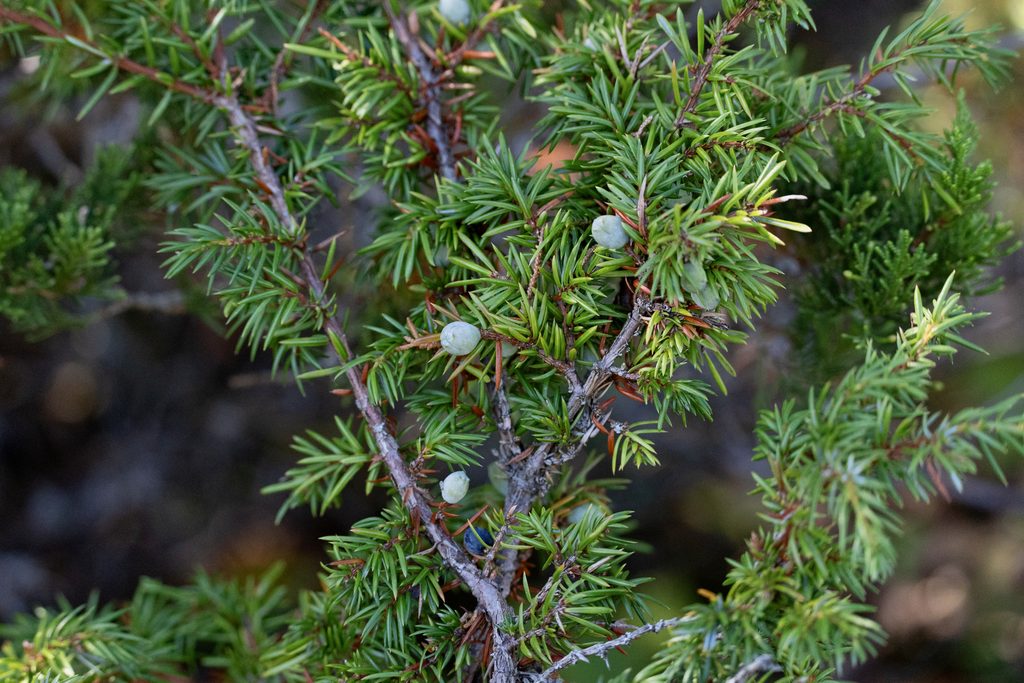
We had not seen a cup lichen like this before – Pebbled Pixie Cup – growing on the ground under the Junipers.
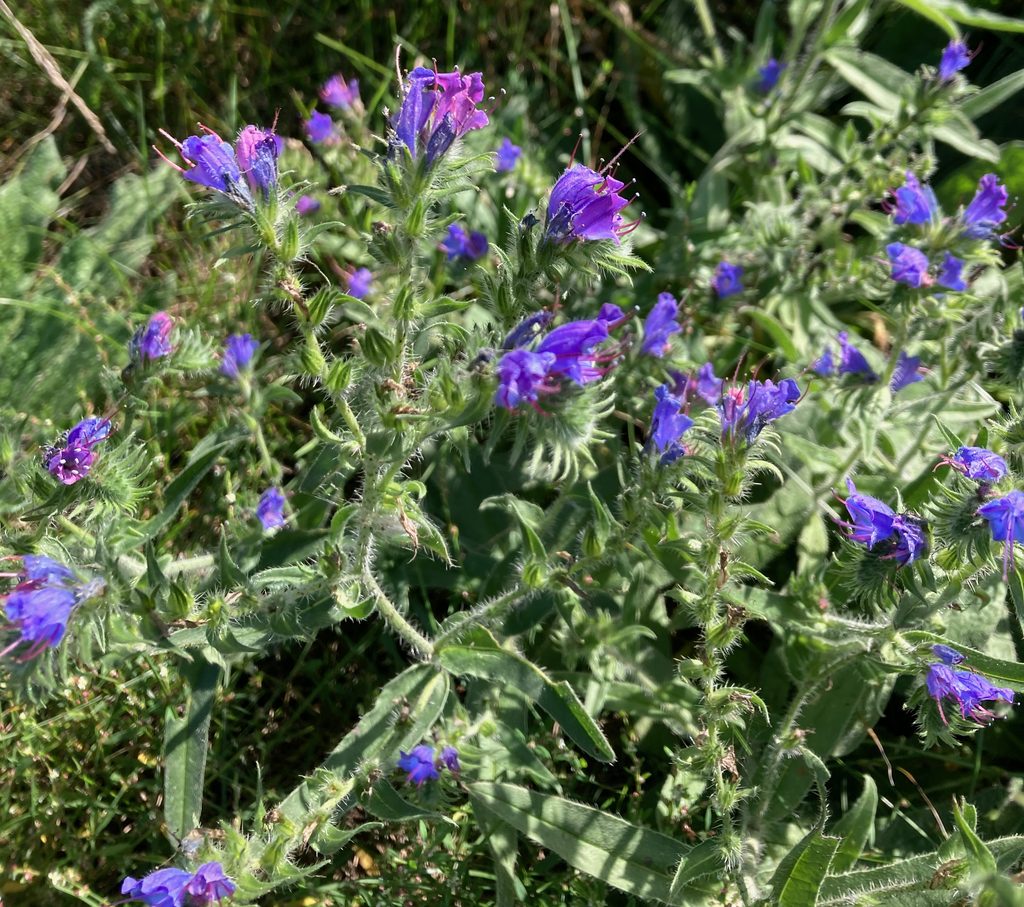
Viper’s Bugloss, an introduced plant, put on a good show, even after it had gone to seed.
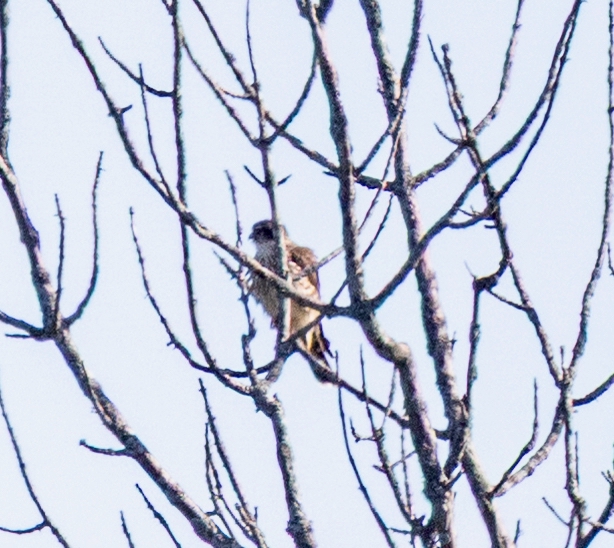
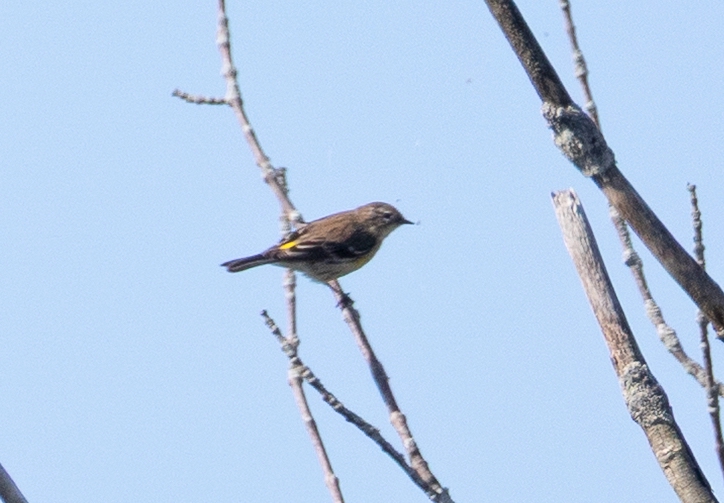
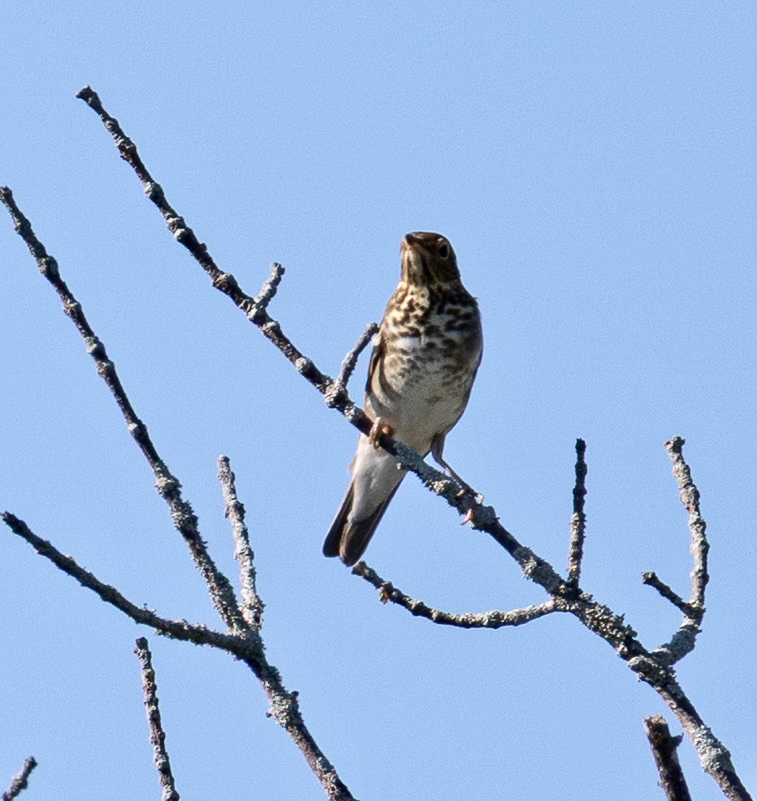
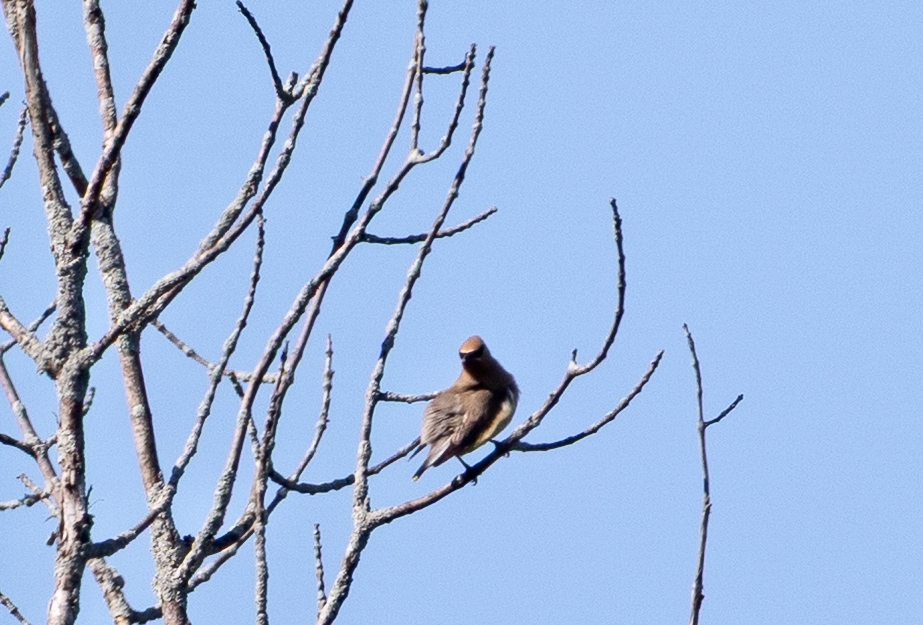
The birds on this day were few and far away. Photos were only good for identification!
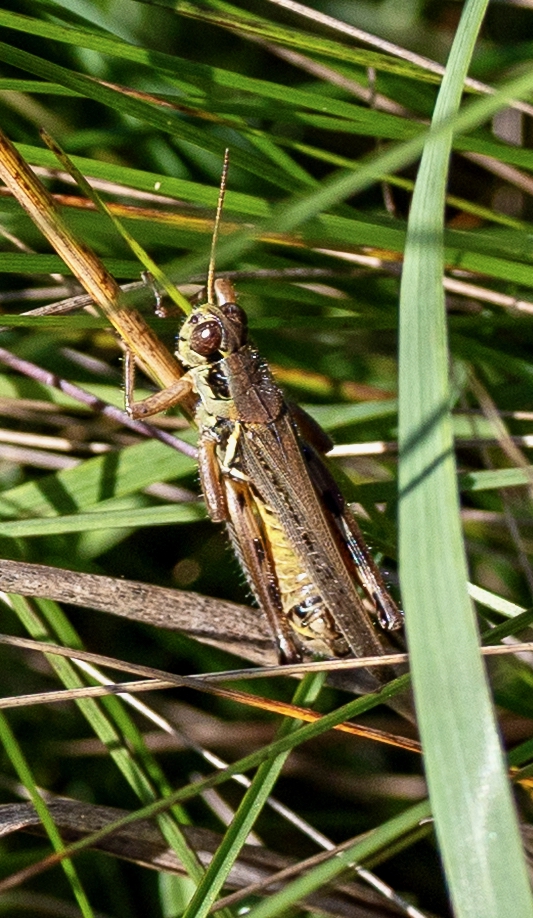
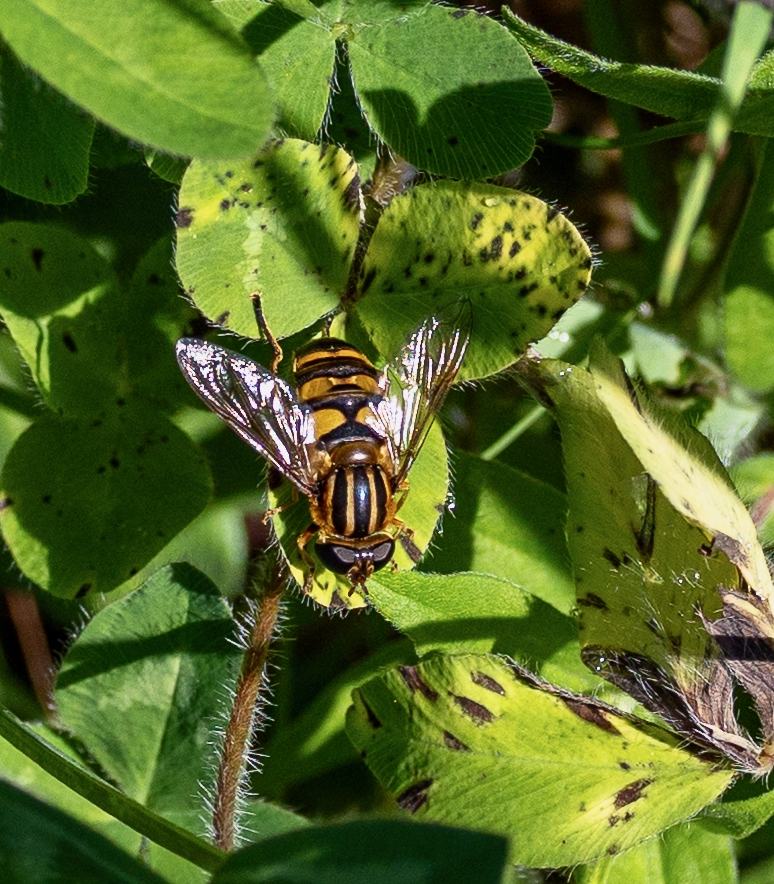
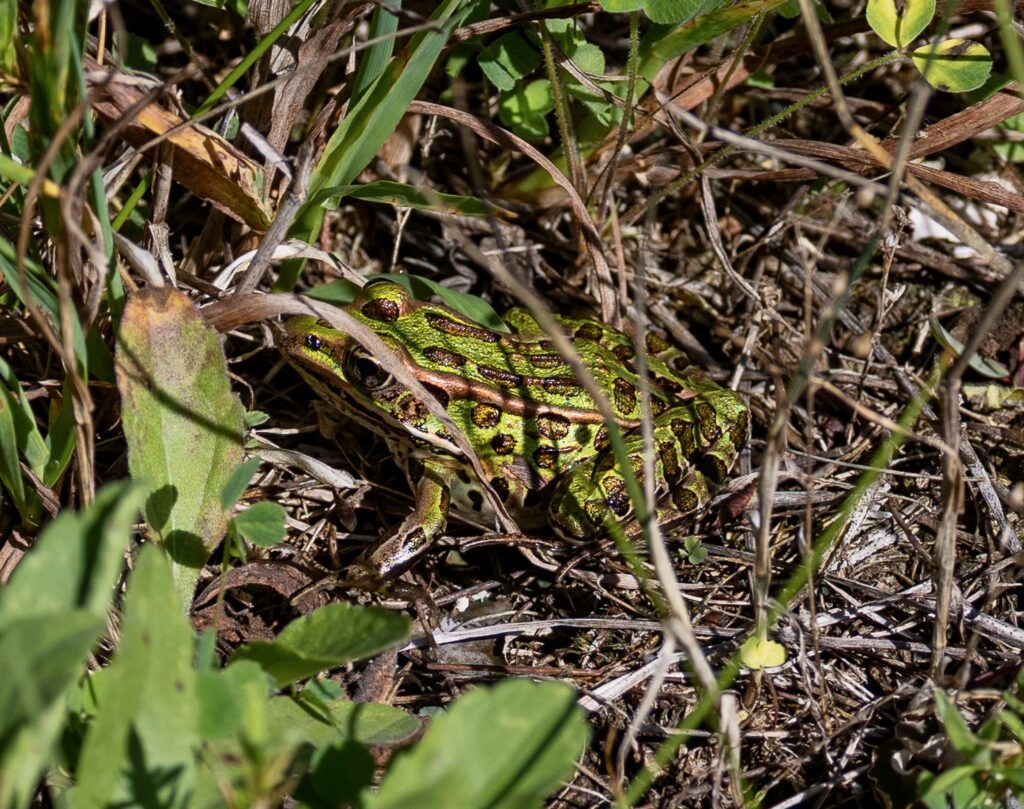
We came across a variety of insects and a Leopard frog.
Red-legged Grasshopper, Narrow-headed Marsh Fly, Yellowjacket, Common Green Darners (one very well camouflaged), Great Golden Digger Wasp.


We saw many Monarchs and other butterflies nectaring on wildflowers in the fields.
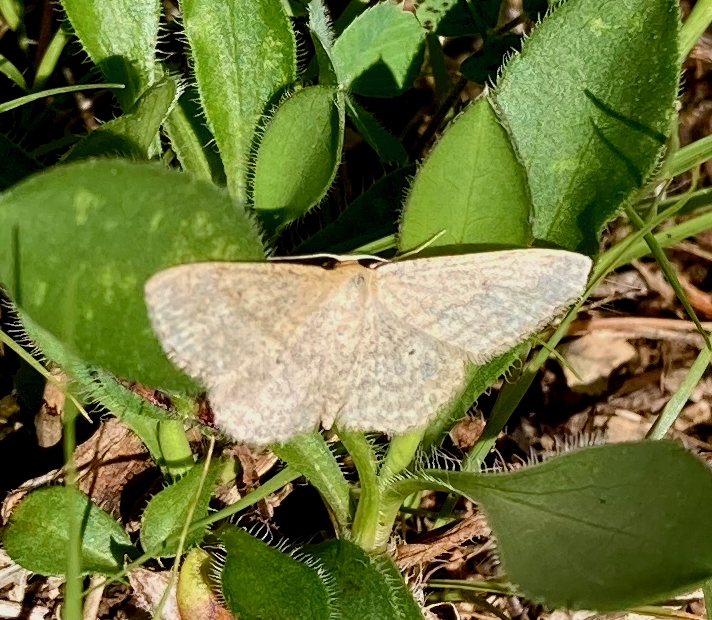
Monarch, Soft-lined Wave (moth), Painted Lady (underwing), Crescent, Monarch, Painted Lady (upper wing), Orange Sulphurs.



It was a wonderful outing!
Osprey Update
On a couple of days this week, an adult male Osprey has perched in the tree beside the low platform or on a nearby stadium light. It may be a migrating Osprey, but it could also be the adult male from our nest, perhaps checking if Beta is still around. We’ll never know.
Brandi Carlile
She appears constantly in my YouTube feed. Here is just a sample.