Here is our report on an outing in July to Sifton Bog.
We didn’t make it to Sifton Bog in time for the June flight of the Bog Copper butterflies or the dragonflies we’d seen a year ago. On July 7, there were other things to see under an overcast, brooding sky.
Sifton Bog is a floating acid peat bog that is surrounded by deciduous swamp and upland forest. The peat bog is associated with boreal vegetation that is vastly different from the southern Carolinian vegetation at its outer edges.


From the entrance, above right, a boardwalk moves through the upland forest and deciduous swamp.


Ferns and sedges grow in the damp soil of the wet woods.
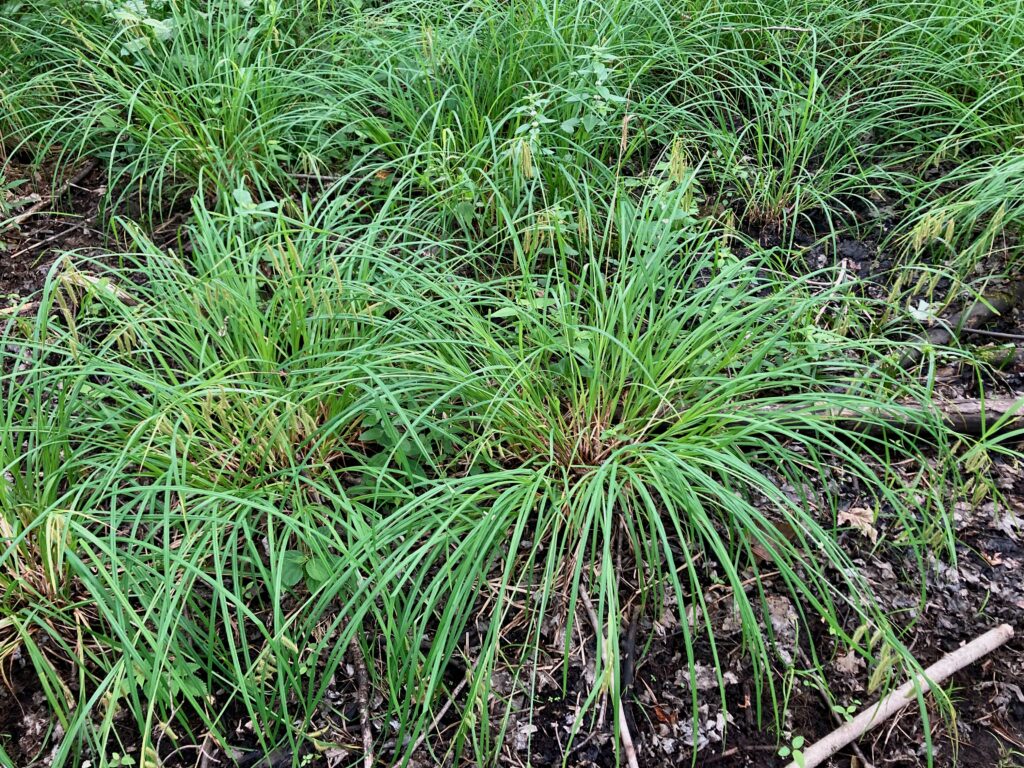
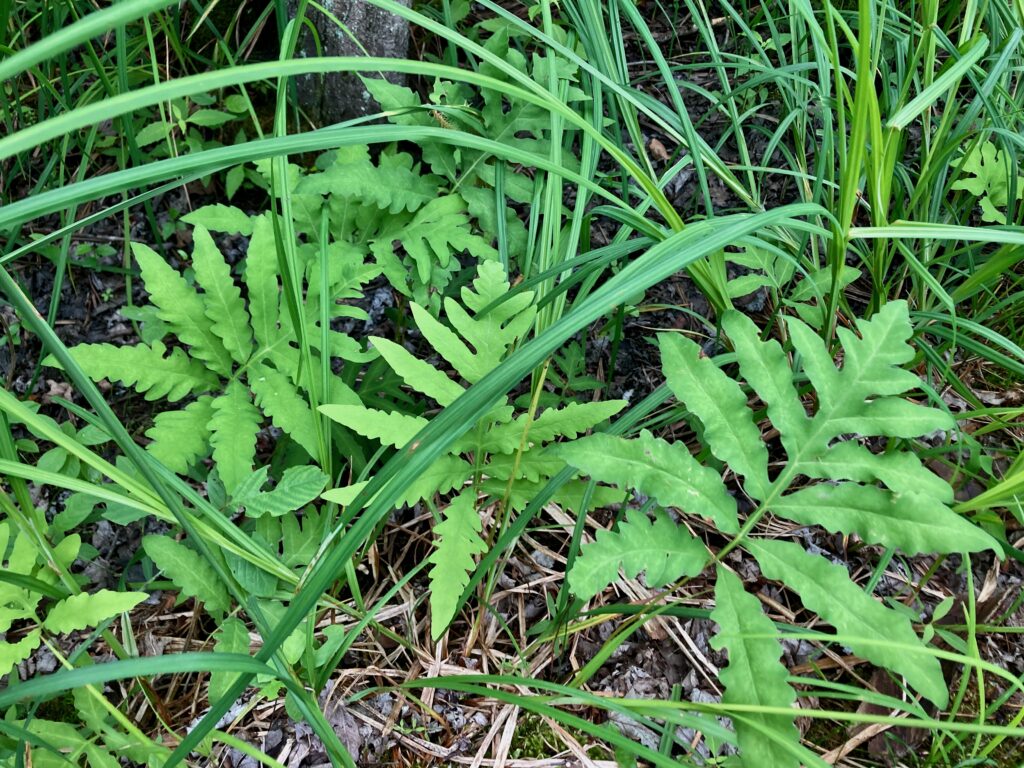
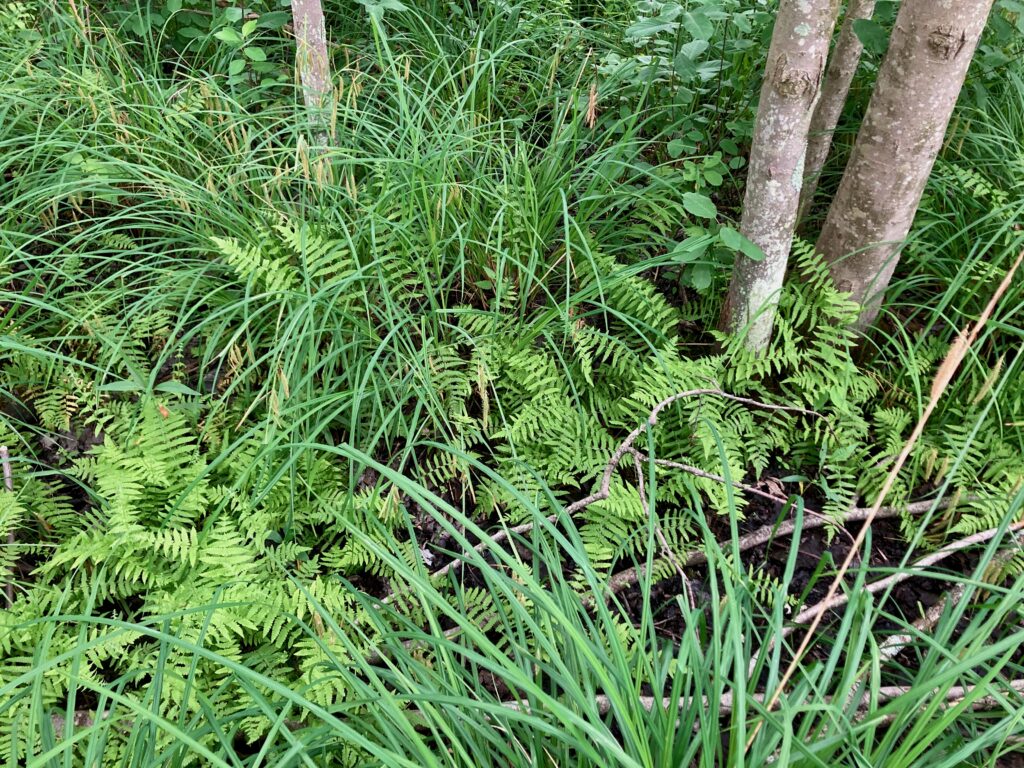
As the boardwalk nears the bog, the transition to boreal vegetation is readily apparent.
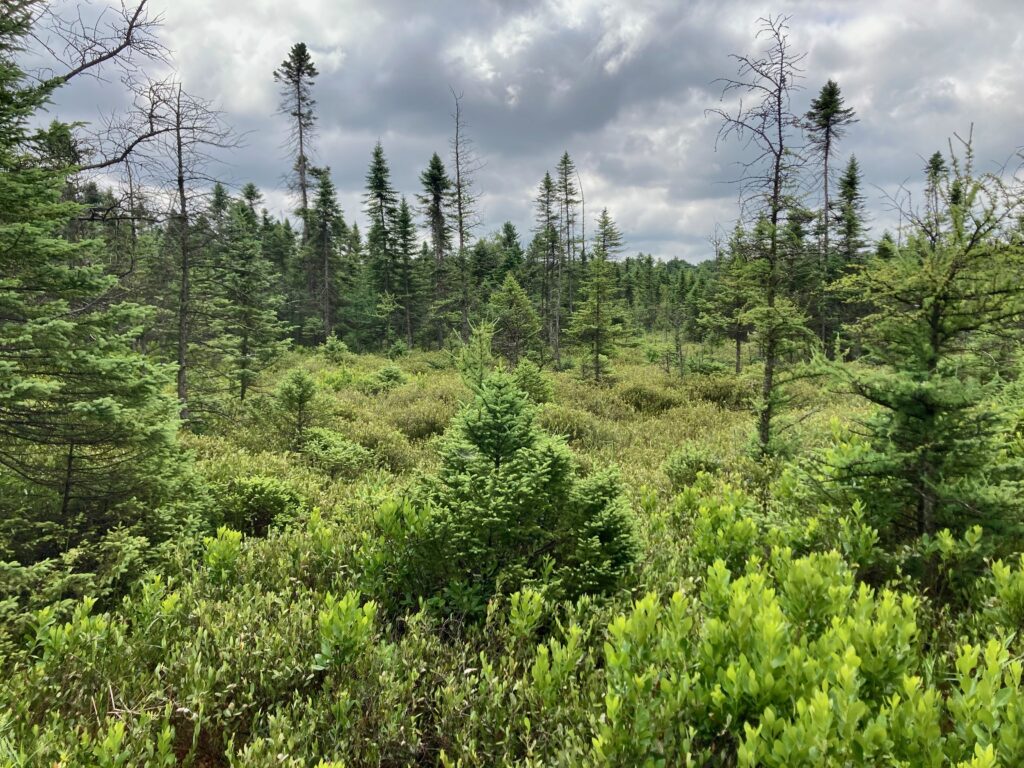
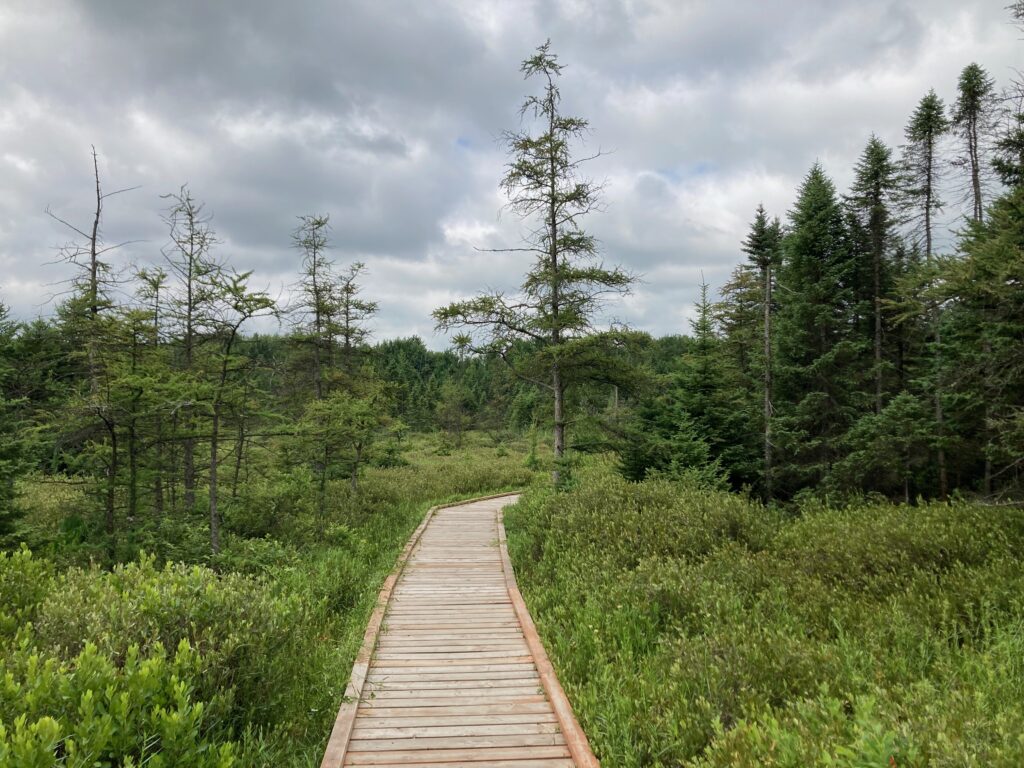
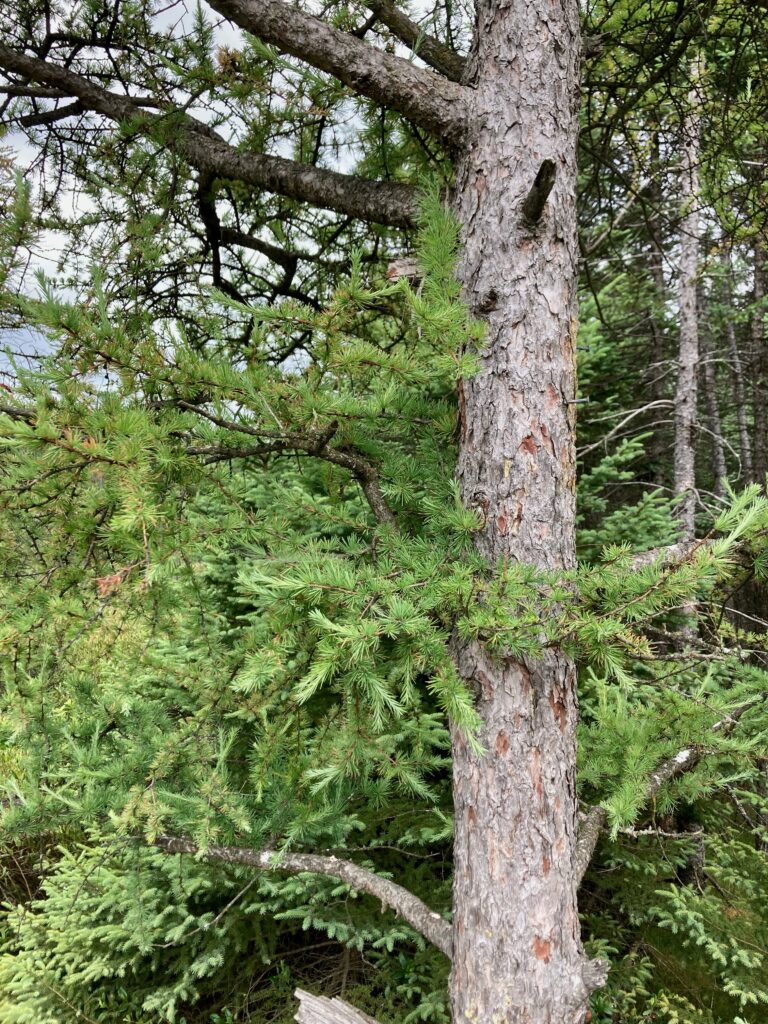
Sphagnum moss, rushes and sedges grow near the pond.


We were in time to see the Tuberous Grasspink orchids, but missed the Rose Pogonias. These tiny orchids are native to eastern North America.


Horned Bladderwort was also blooming in abundance.


The pond is becoming overgrown with plants including Watershield that was in bloom.


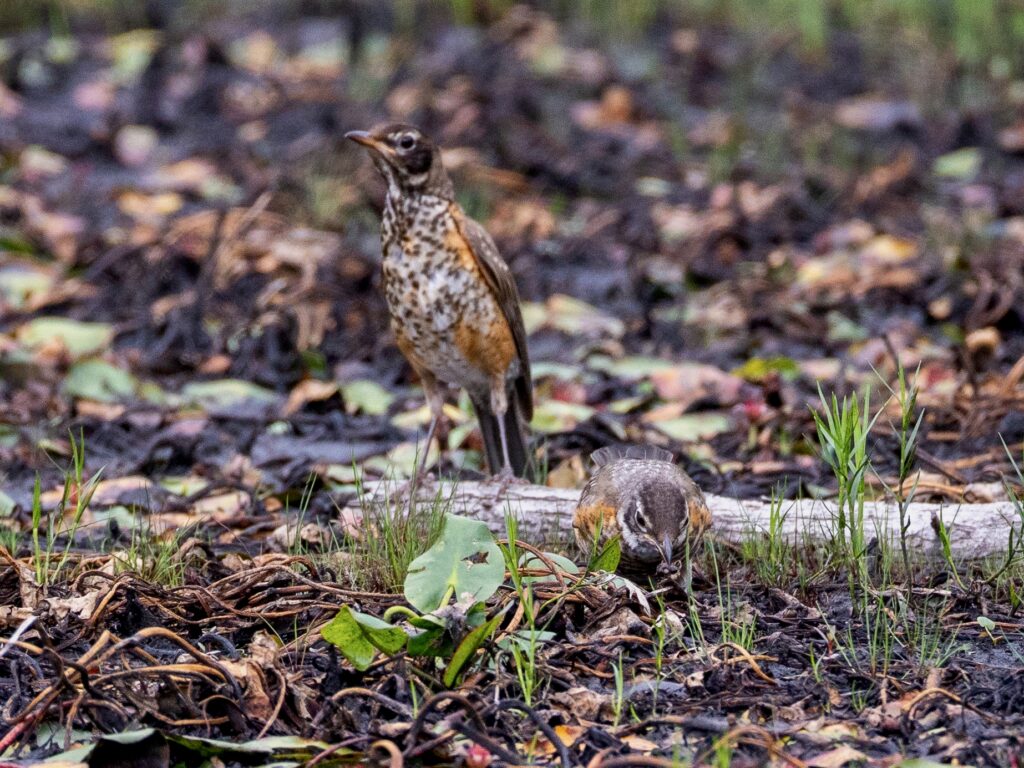
We often see and hear a Song Sparrow near the pond. This one was perched in a Tamarack. There were immature Americal Robins foraging on the damp forest floor.


Most of the birds we saw were perched in trees near the parking lot. Some were harvesting berries from a mulberry tree, or perched nearby. An Eastern Chipmunk was devouring the dropped fruit.


In a nearby tree, immature Yellow-shafted Northern Flickers were begging and being fed by an adult female. Female flickers have no “moustache”. The young bird is a male.


Also perched in the tree: Cedar Waxwings, Common Grackle, Northern Cardinal


Various wildflowers were in bloom:


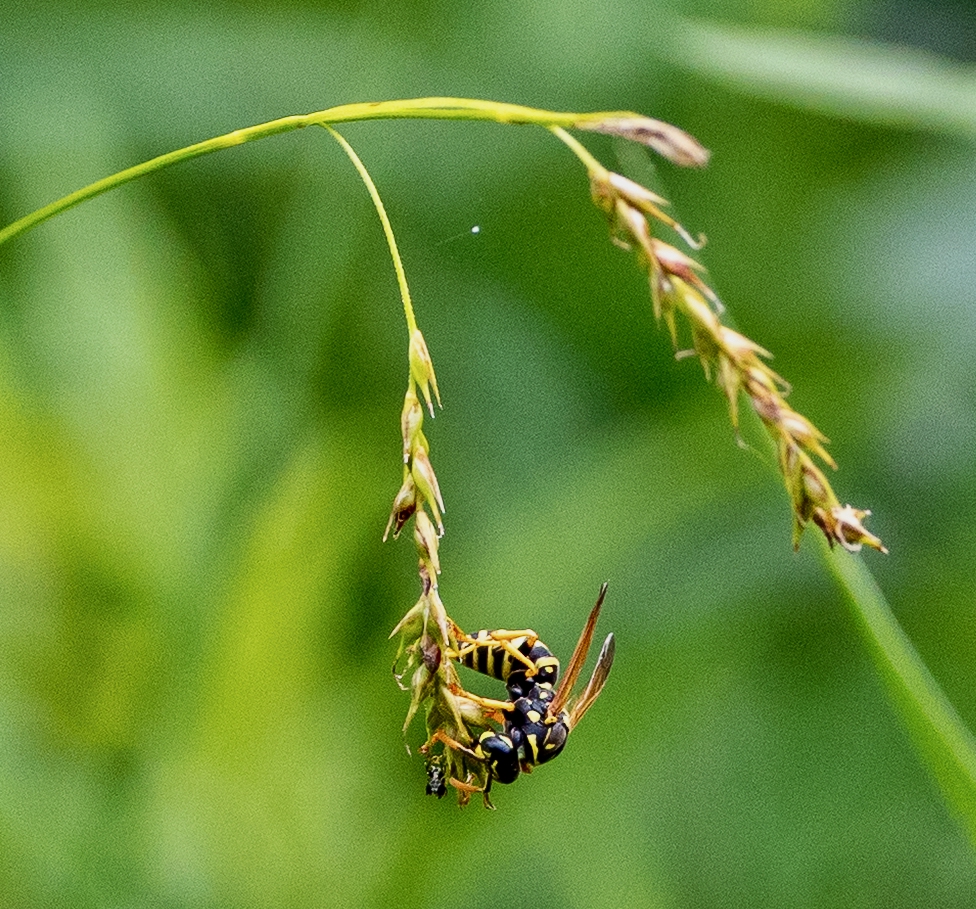
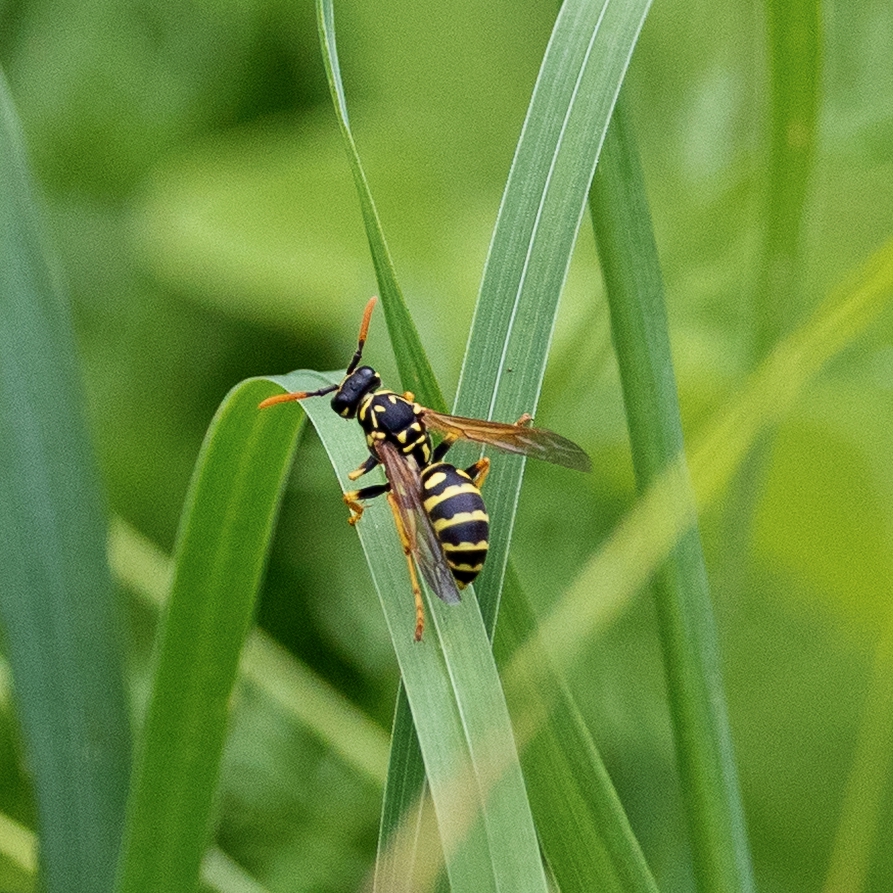
There were just a few pollinators: Red Admiral butterfly, European Paper Wasp, Appalachian Brown butterfly, bumblebee, Bicoloured Striped Sweat Bee on Canada Thistle



Osprey Update
We have not seen the adult female Osprey since last week. We assume that she is now on her way south. We rarely catch a glimpse of the male Osprey who usually does not linger after delivering fish to the young.
Beta still is often in the park, sometimes calling for food, occasionally joined by Alpha. It appears that Alpha is sometimes fishing successfully. Beta is taking longer to become more independent.
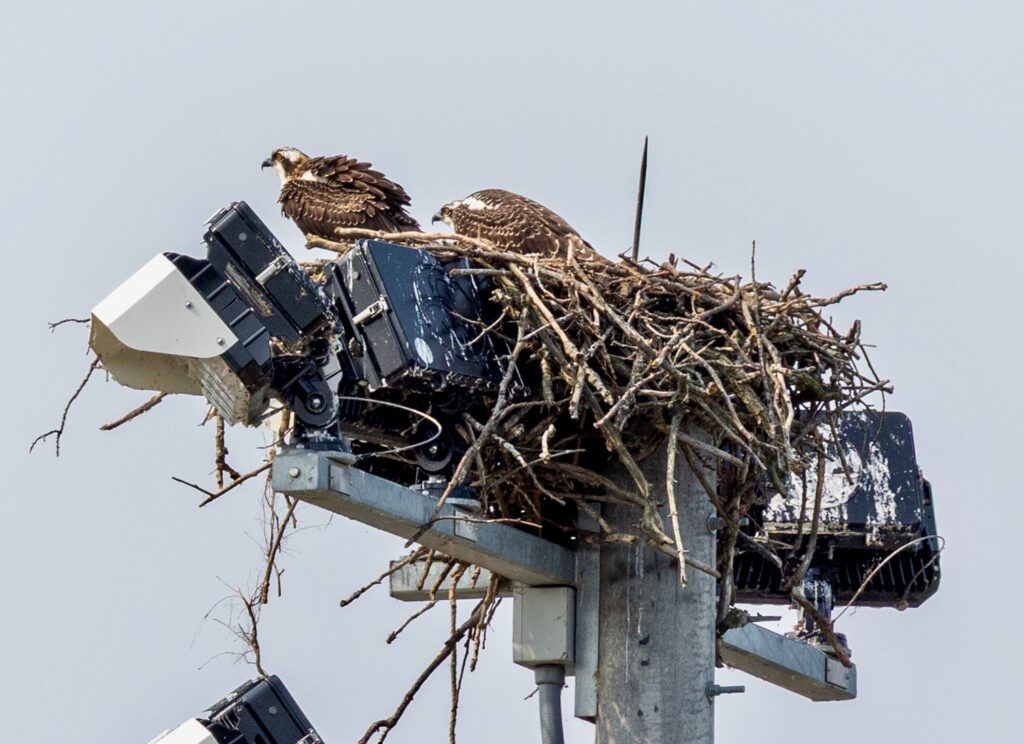
On August 11, there were adults in the air, possibly passing through along the river. This prompted the youngsters to take flight. Note that the eye colour of adult Ospreys is yellow whereas immature Ospreys have red-orange eyes.
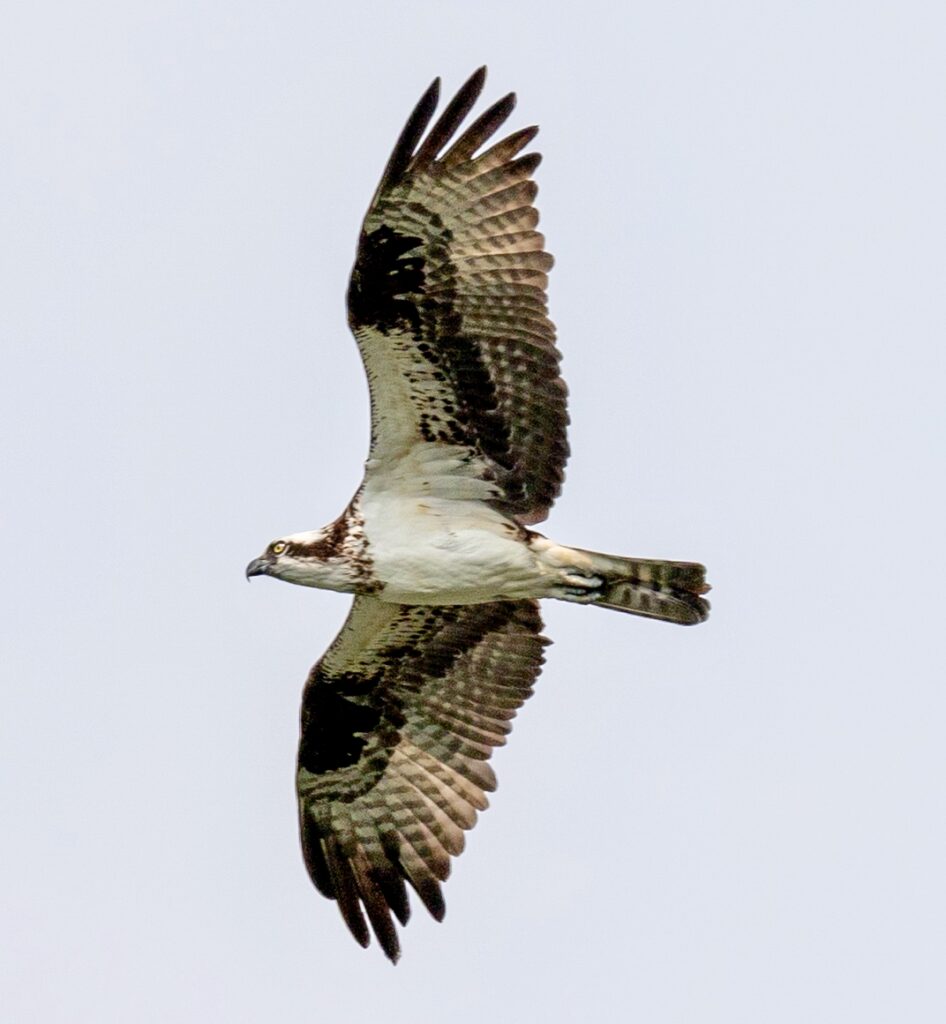


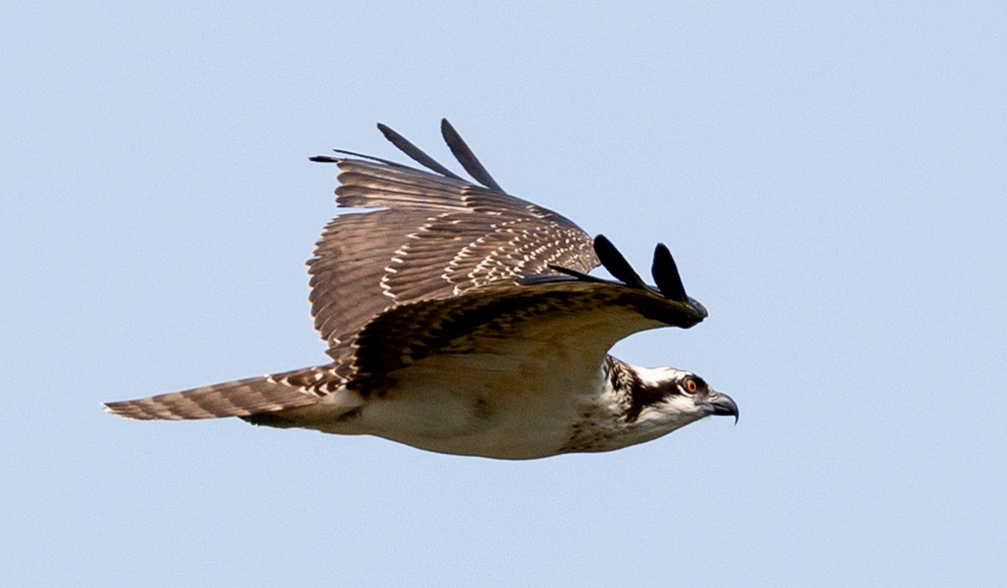
On August 13, Beta and the rest of the family were absent from the park all day. By August 14, we were concerned about Beta, knowing that the survival rate for first-year Osprey is 40% to 60% when the dangerous first migration is taken into account.
Our concern was even greater when we saw the male Osprey land on the nest with a large fish that was still thrashing its tail. There was still no sign of Beta (or Alpha). Eventually, the male flew away with the fish. We were relieved when Beta (we assume) showed up and spent time preening on the low platform. At least it wasn’t calling for food. Perhaps it had had success fishing…
In the evening on August 15, we again saw a young Osprey that we assume was Beta. After some time, we noticed that the male Osprey was on a light tower consuming a fish. We expected the male would then deliver the remains of the fish to Beta. As we watched, Beta started to call for food, but the male did not budge from its perch. We watched and video recorded until the light was too low, but as far as we could see, the fish was never delivered. At 8:01 p.m. when the recording ended, the adult male was eating the fish.
On August 16, Beta was on the low platform consuming a fish. We have no idea whether he caught it or it was delivered. Beta spent long periods of time in the ballpark on various perches on August 17 and 18. He does not call for food so we assume he is finding food or being fed. His continuing presence in the park makes us wonder about the fate of Alpha. We have not see the young bird for over a week. We wonder if it is too soon for it to have become independent, but we will never know.
On August 19, Beta was perched in the park in the morning for some time and in the evening. The adult male brought a live fish and perched on some stadium lights. He called for a while, but when Beta did not appear he carried the fish away.
Sina Drums
This remarkable young drummer made a name for herself by replacing the drum tracks of rock songs. The last two videos have been viewed 44 and 76 million times.