Over the past week, there have been overcast days, frosty mornings, and glorious, sunny days with mild temperatures.


November 13 and November 19


Kilally Meadows Environmentally Significant Area
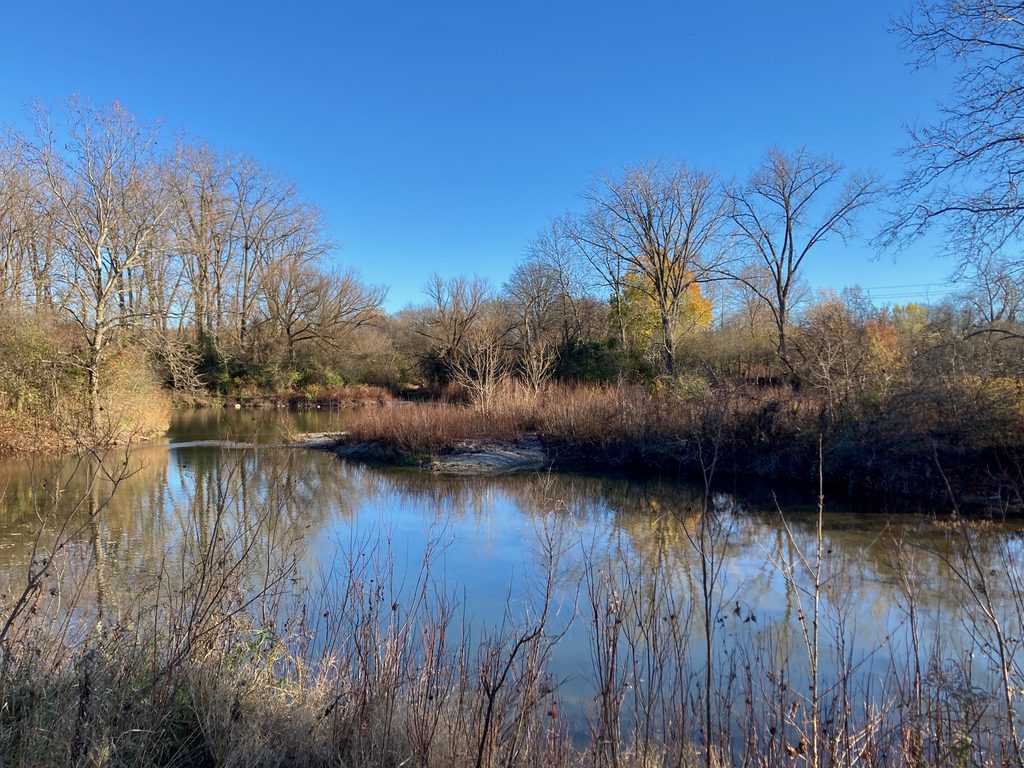
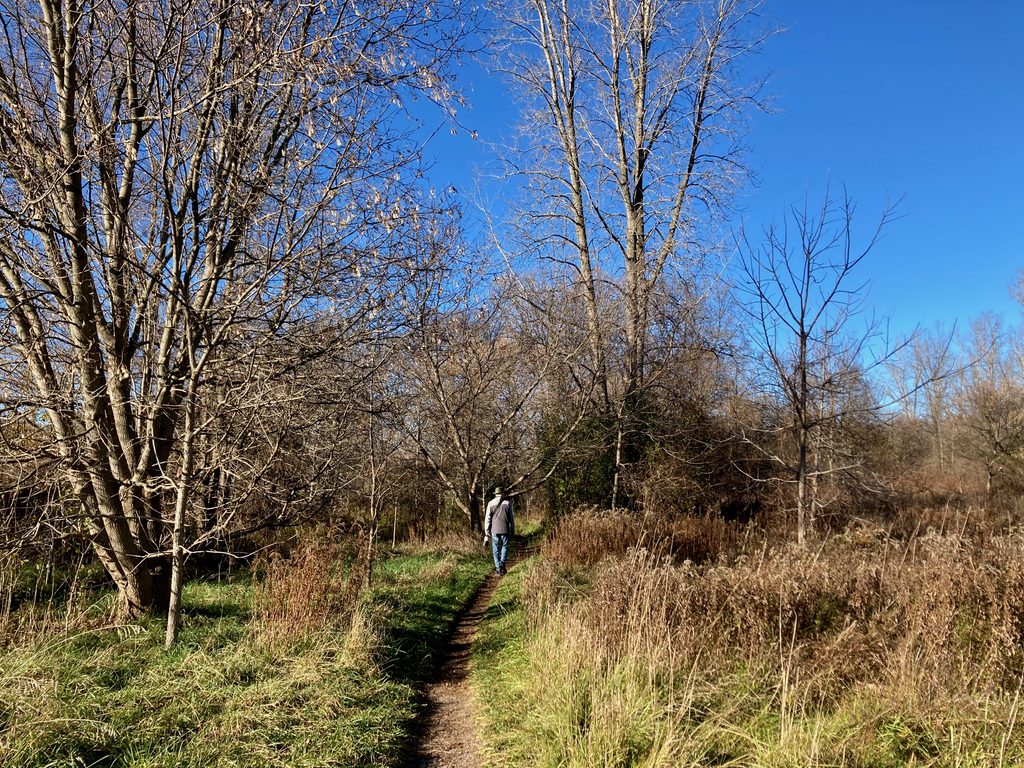
On November 10, we made it out for a short walk in the afternoon sun. The trails were quiet. The only birds we came across were on the water.
Mallards, the males back in breeding plumage.


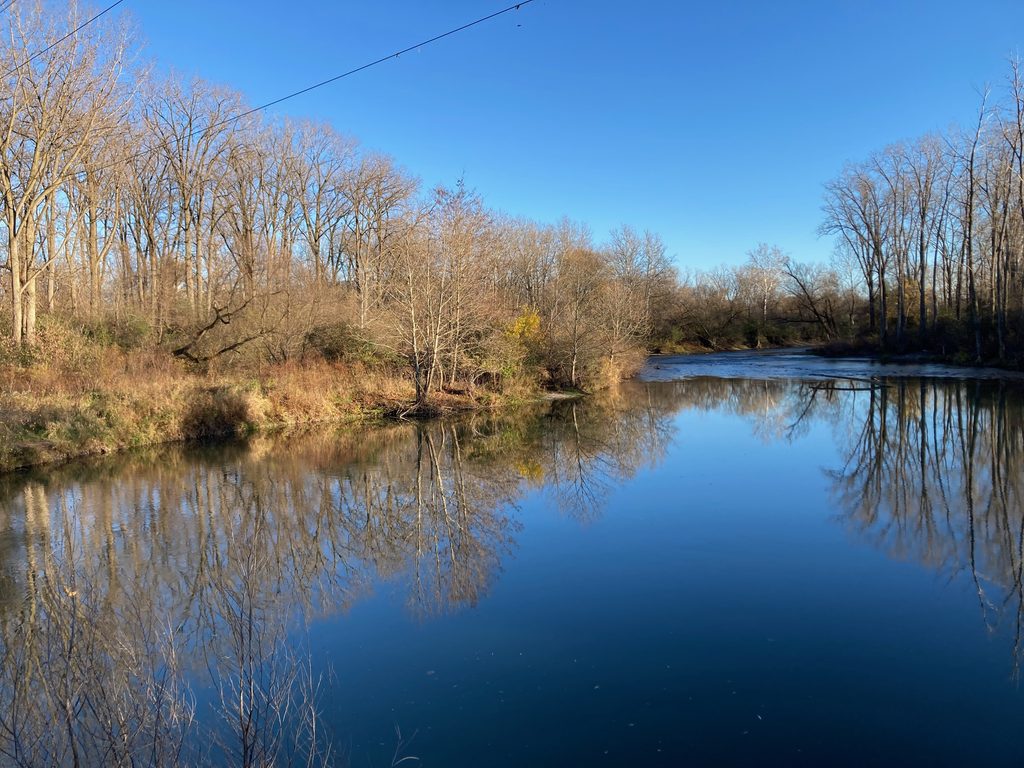
Our “parking lot birds” were a surprize! In the distance, as we took one last look down the river, we saw birds diving under the water. Definitely not Mallards! Three Common Mergansers were catching small fish in the rippling water. These were either female or immature birds. We usually only see them on the river in winter.


Some of the attractions of the trails at this time of year are the seed heads of plants and vines.
Goldenrod and asters


Virgin’s-Bower is native to eastern North America. The plant is the larval host of the clematis clearwing moth.


Dog-strangling Vine is native to southern Europe. Due to its prolific seed production, it has become invasive throughout the eastern United States and southern Ontario and Quebec. In the Great Lakes Basin, it disturbs the ecology of native birds and plants. The loss of native plants is a threat to some butterfly species, including Monarchs.


Turkey-Tail


There were still traces of colour in the vegetation.


Wandering Bee Flowers
These may be some of the last…


Insect Humour!


Mayfly cartoon explainer: Mayflies spend as long as two years as nymphs in water bodies such as ponds, lakes and rivers where they feed on algae and organic debris. They emerge from the water as subadults but quickly moult into adults. Adult mayflies have a very short lifespan of a few hours to a couple of days. In that time they reproduce. They have only vestigial mouthparts that are not designed for them to feed.
A bit of Stan Rogers
No cover versions, just the original performer live.