The frigid temperatures have persisted, often accompanied by high winds and blowing snow. Strong winds created waves in the fields and the freezing temperatures created a frost forest on our windows. This week, we are expecting some relief with temperatures rising to one or two degrees above zero Centigrade.


Cambridge Butterfly Conservatory
We went on a tropical getaway, without getting on a plane.
The Cambridge Butterfly Conservatory is a tourist attraction that is committed to conservation, education and research. https://www.cambridgebutterfly.com/
It includes a 10,800 square foot indoor tropical garden that hosts thousands of free-flying butterflies and a variety of tropical plants, birds, and animals. We welcomed the warmth of the humid tropical landscape, blossoms, and water features.


Some butterflies fed on suspended trays of fruit, others sampled nectar from blossoms, others stopped to rest wherever they landed.


Ricepaper butterflies are found in Malaysia, Taiwan and the Philippines. They are a common species found in lowland rainforests and coastal mangrove forests.


Blue Morpho butterflies transform when they open their wings.
Wings closed.


Wings open.


Asian Swallowtail, female


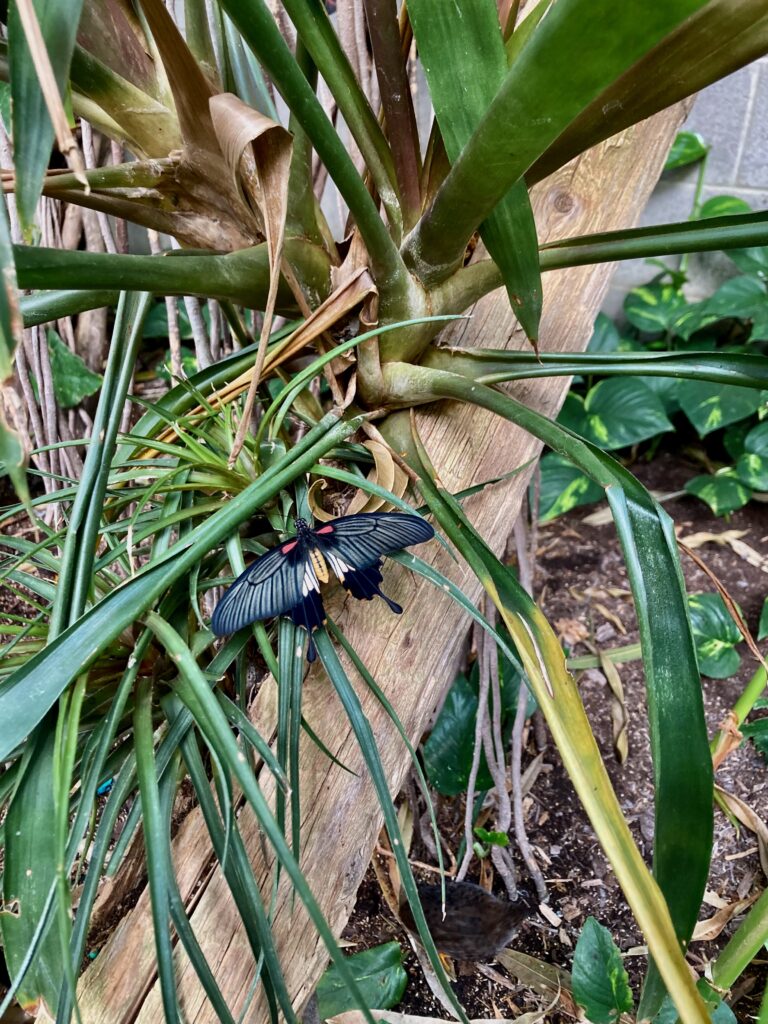
And so many more…


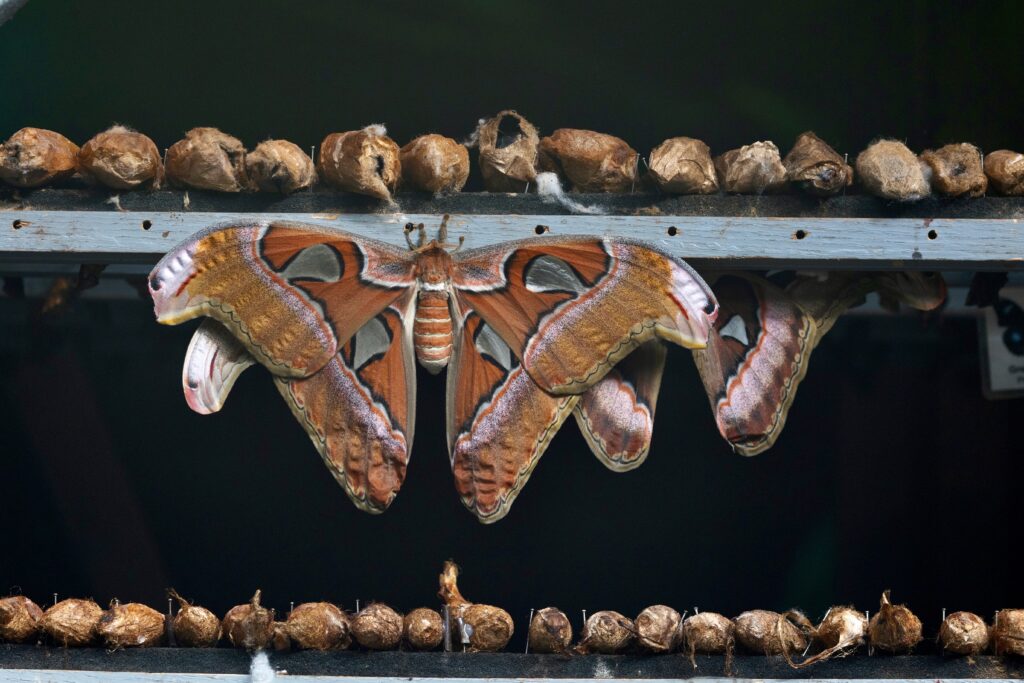
Butterflies and moths were emerging from the pupae in the Emergence Window. The conservatory receives pupae from butterfly farms in Costa Rica and the Philippines. According to the conservatory’s blog, sustainable butterfly farming started decades ago as a way to conserve tropical rainforest habitat. Local families earn a living and have a vested interest in protecting tropical environments. The butterflies and other living organisms benefit from habitat protection.
The names of the butterflies can all be found on the conservatory’s website.
Atlas Moth, newly emerged.
Although the conservatory doesn’t usually breed butterflies, there was an Owl Butterfly caterpillar on display. What a wonderfully well camouflaged organism!


There was so much more to see and learn about. Stay tuned for Cambridge Butterfly Conservatory – Part 2!
Duane Allman
One of many great stories about Duane Allman (from Wikipedia):
Duane began to learn to play slide guitar on his birthday in 1968. He was recovering from an injury to his left elbow, suffered in a fall from a horse. Gregg brought him a birthday present, the debut album by Taj Mahal, and a bottle of Coricidin pills. He left them on the front porch and rang the bell, as Duane was angry with him about the injury. “About two hours after I left, my phone rang,” Gregg recalled. “‘Baby brother, baby brother, get over here now!’” Duane had poured the pills out of the Coricidin bottle, washed off the label and was using it as a slide to play along with the album track “Statesboro Blues” (on the recording, the slide guitar is played by Jesse Ed Davis). “Duane had never played slide before,” Gregg later said, but “he just picked it up and started burnin’. He was a natural.” The song became a part of the Allman Brothers Band’s repertoire, and Duane’s slide guitar became crucial to their sound. Because of his use of the early-1970s-era Coricidin medicine bottle, which is no longer manufactured, replica Coricidin bottles are now popular with slide guitar players who like its glassy feel and sound.[14]
…and another:
After a concert in Miami, in August, watched by Eric Clapton and the other members of Derek and the Dominos, the two bands went back to Criteria Studios in Miami, where the Dominoes were recording Layla and Other Assorted Love Songs. Members of both bands jammed, after which Allman and Clapton stayed up all night trading and showing one another favorite licks, discovering they had a deep and instinctive rapport.[23] Allman participated in the recording of most of the album’s tracks, contributing some of his best-known work.
I first heard about Duane Allman as the second lead guitarist on Derek and the Dominos, but I did not realize until years later that he died soon after recording with Eric Clapton. The expressive coda on Layla features Duane playing a different newer guitar from most of the album.