Author: New Admin

  • Hilton Head Shorebirds and Gulls – February 2018

    Hilton Head Shorebirds and Gulls – February 2018

    Since our weather has been so constantly overcast and gloomy, we are craving some sun. The best way to find sun without travelling is to revisit our time in sunnier destinations.

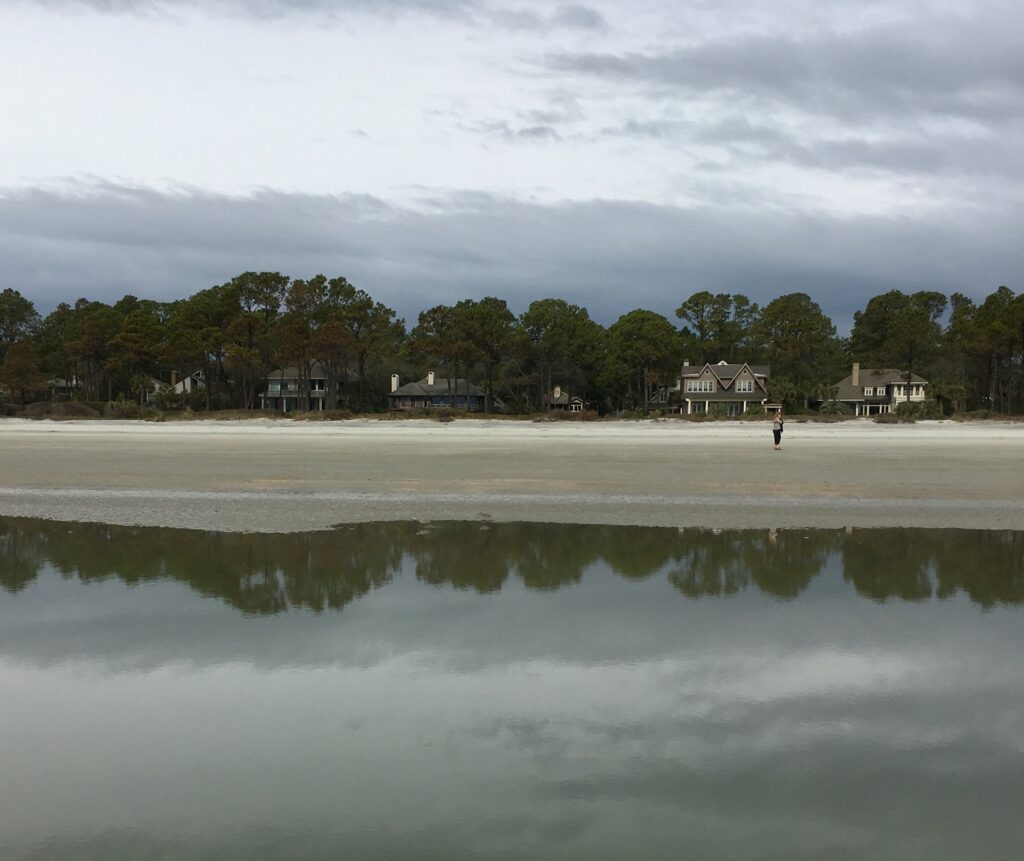
    Thanks to friends, we spent a week on Hilton Head Island in February 2018. This was a chance for us to learn about some new birds in new habitats.

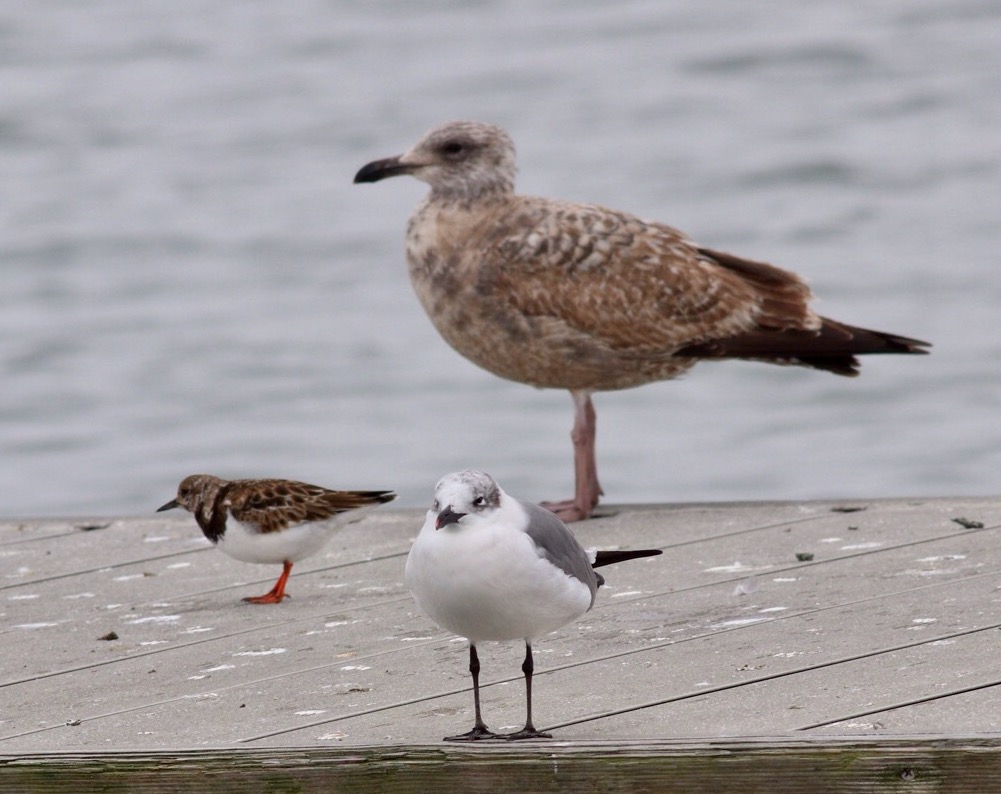
    We were attracted to the nearby beaches, even when it was overcast. There, we found some gulls and shorebirds that were new to us. The birds quickly moved away at our approach. We learned to move slowly and wait for them to become comfortable with our presence in order to take photos.

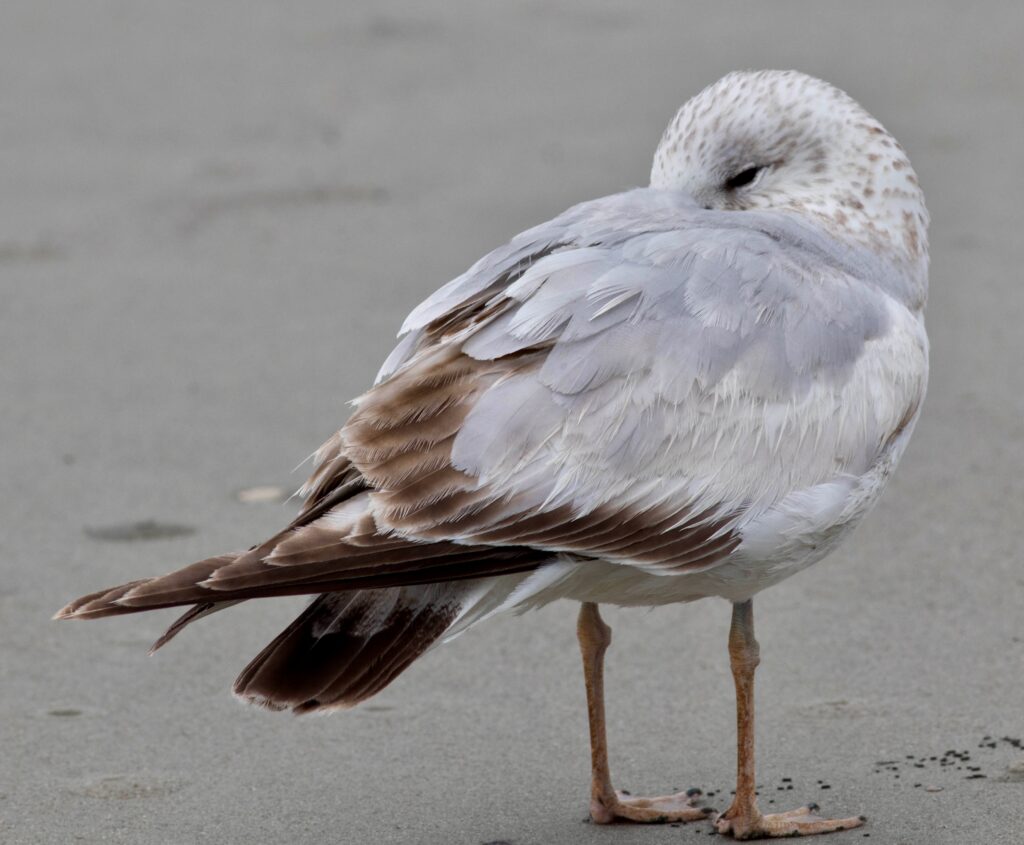
    Gulls take up to 4 years to mature and attain adult plumage. It takes time to learn to identify gulls at different stages of development. These are both Ring-billed Gulls.

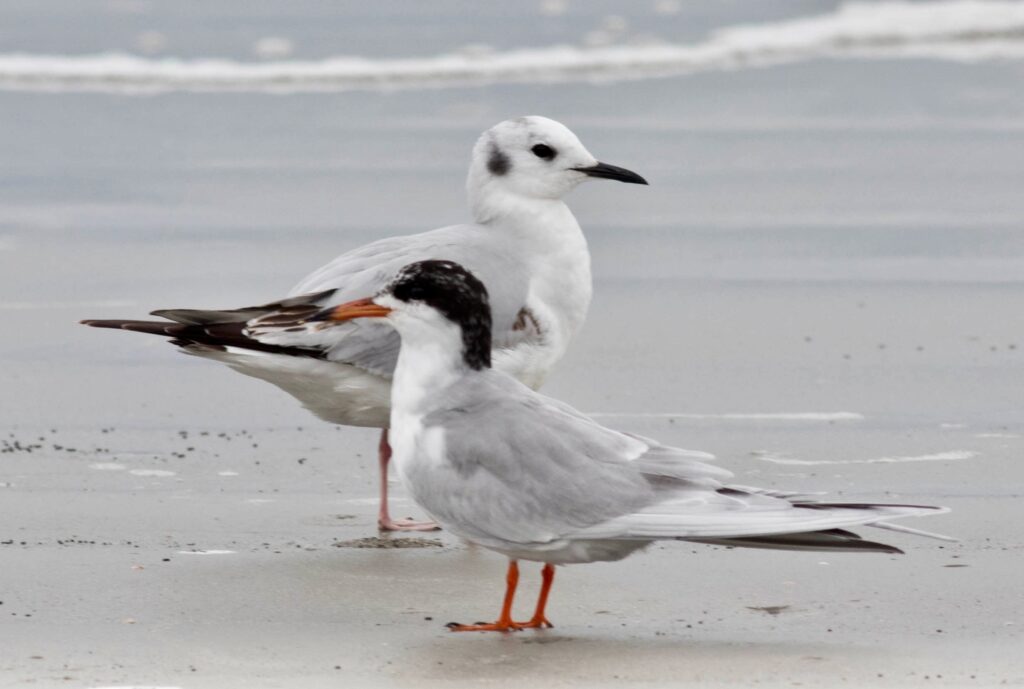
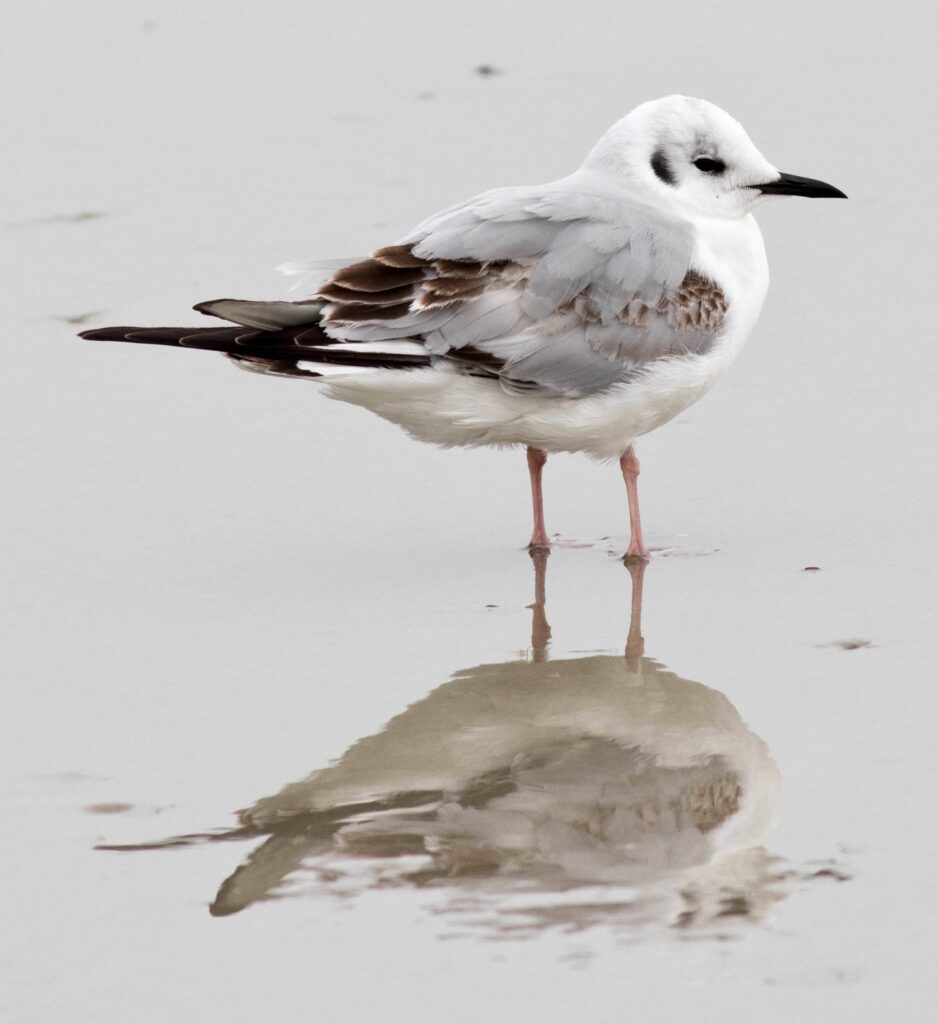
    These are both Bonaparte’s Gulls. Both will sport black heads during the summer months.
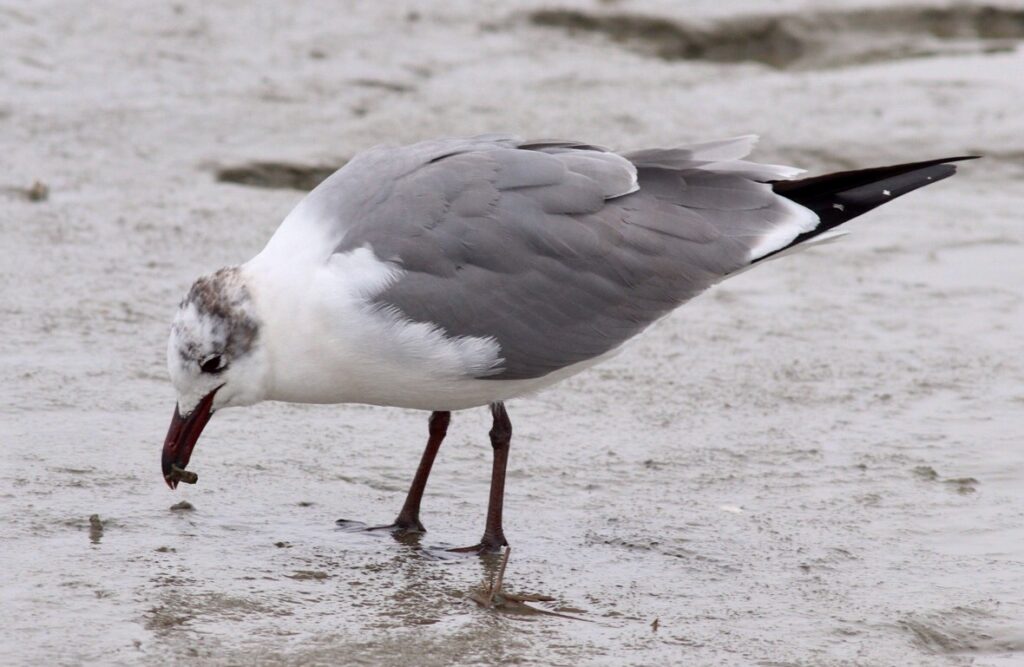
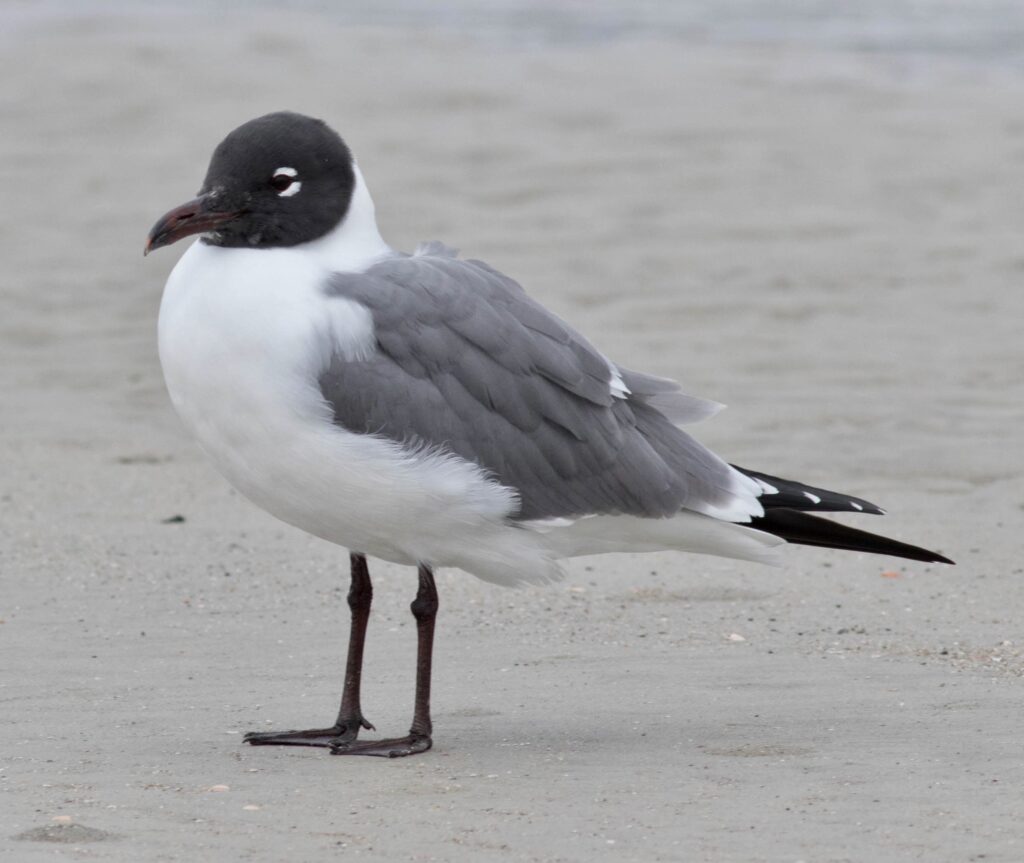
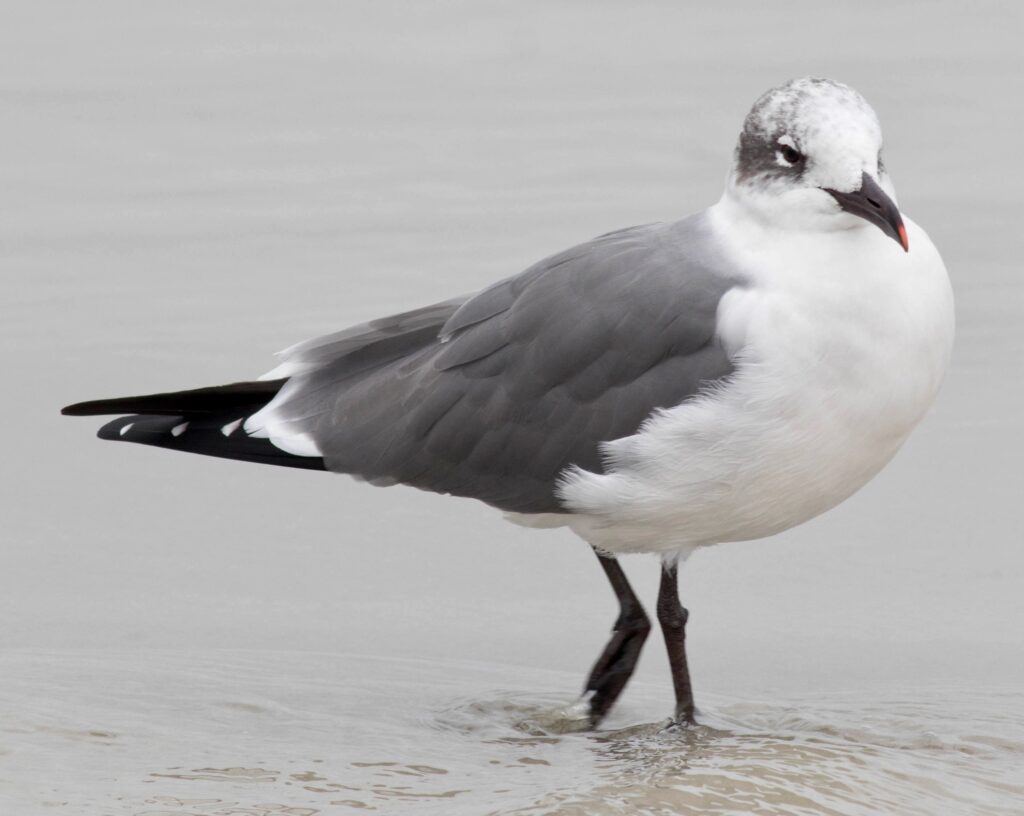
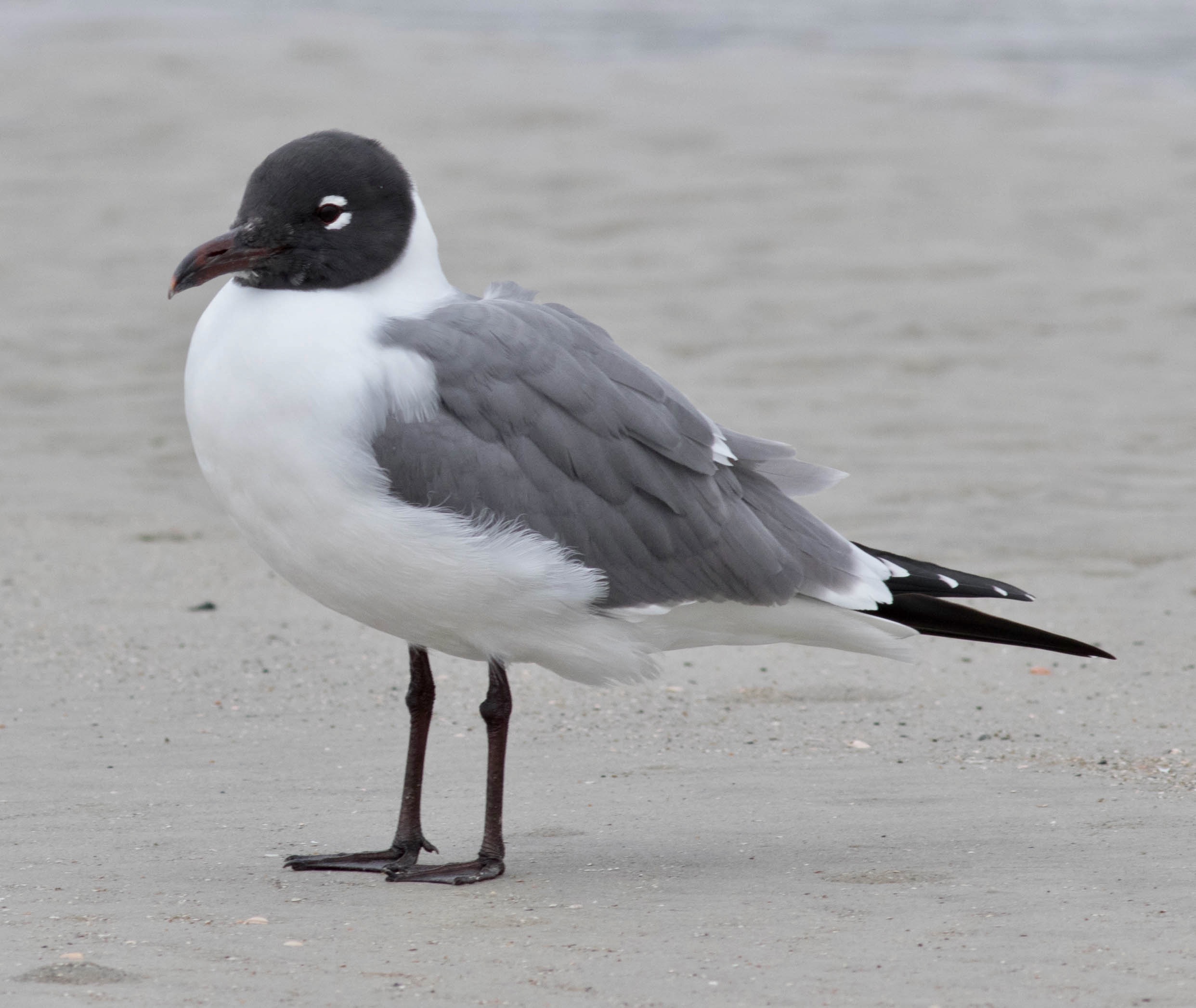
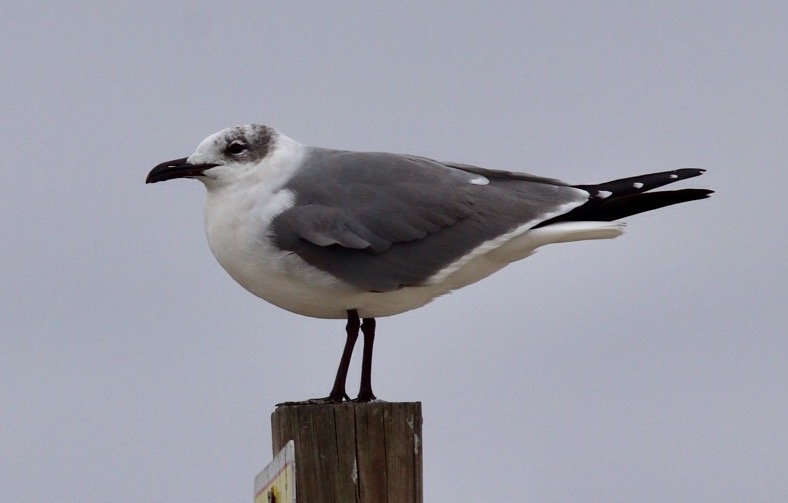
    These are all Laughing Gulls. Breeding plumage is usually observed from March through September.
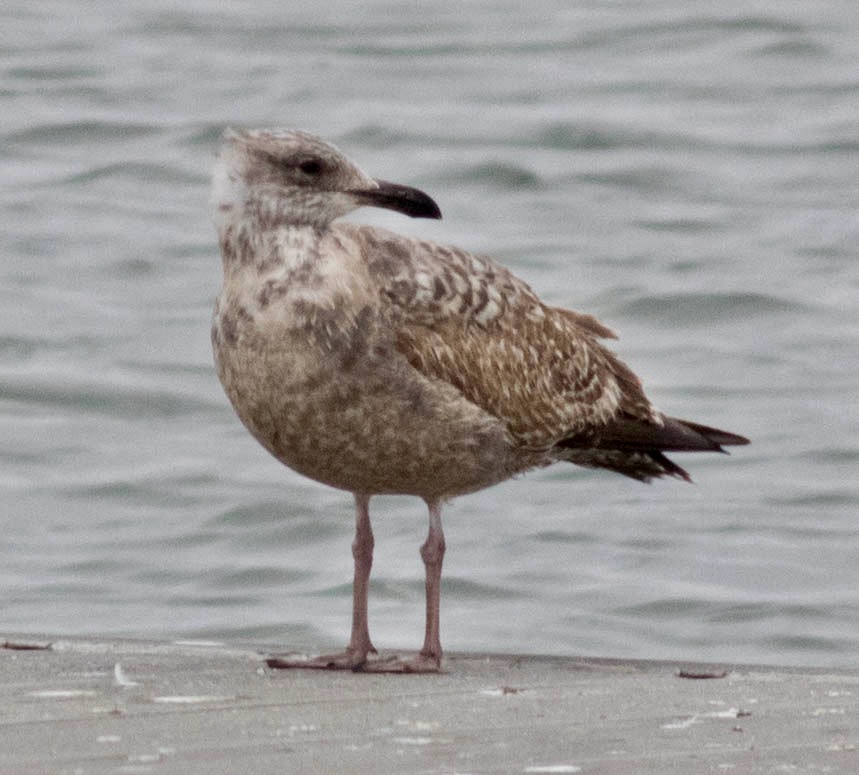
    Herring Gulls are large gulls that take four years to mature.
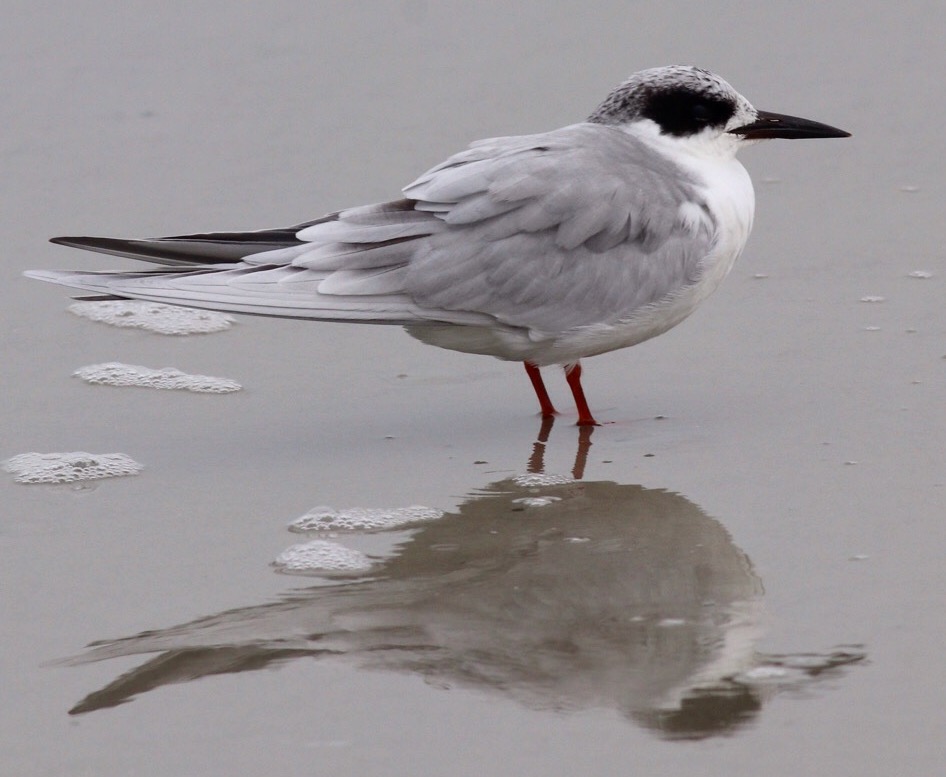
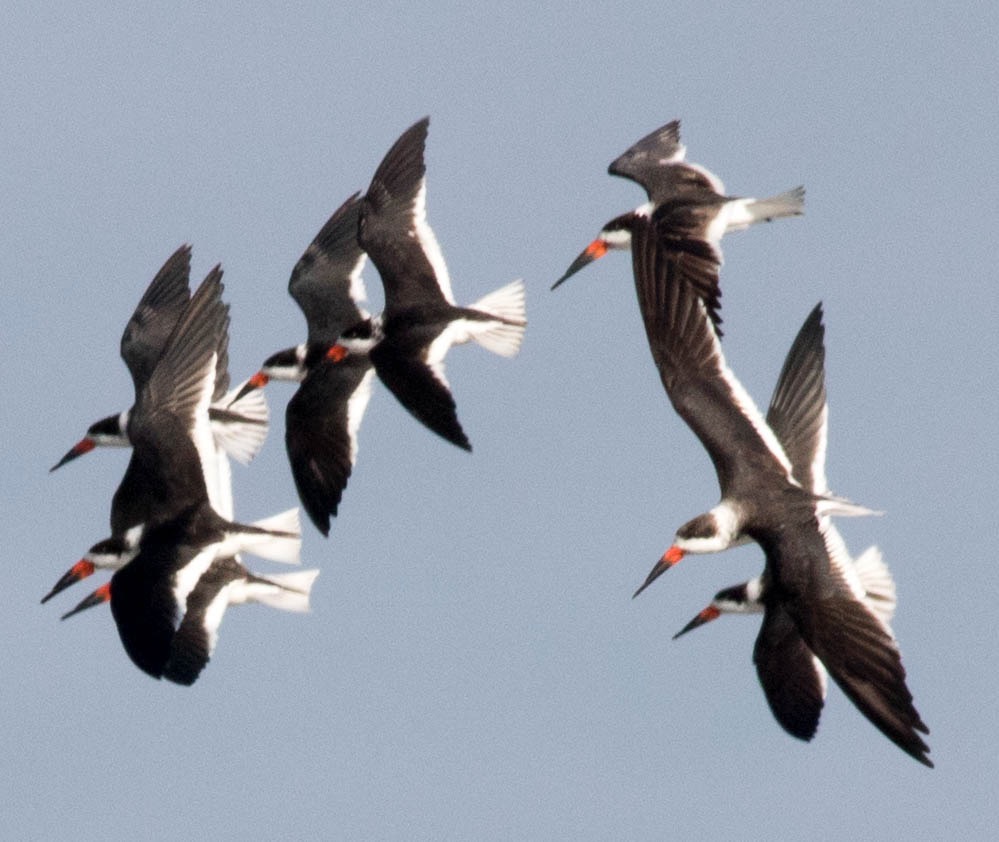
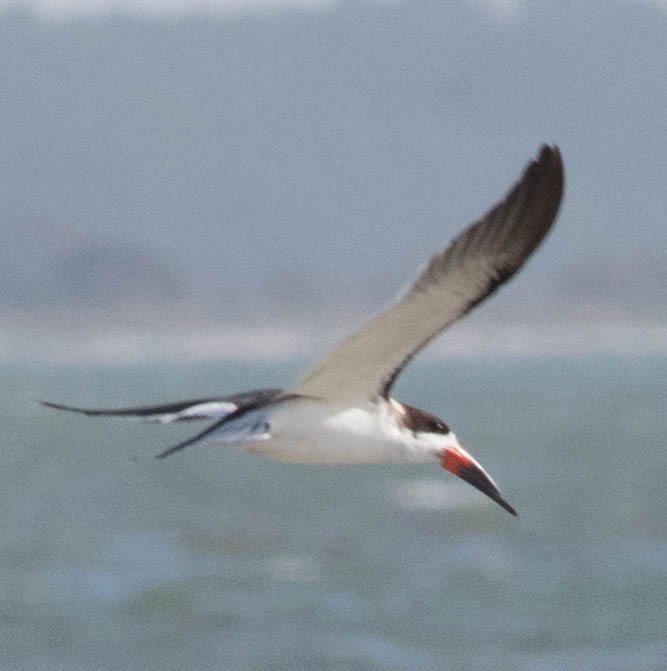
    Sometimes what looks like a gull, is not a gull!

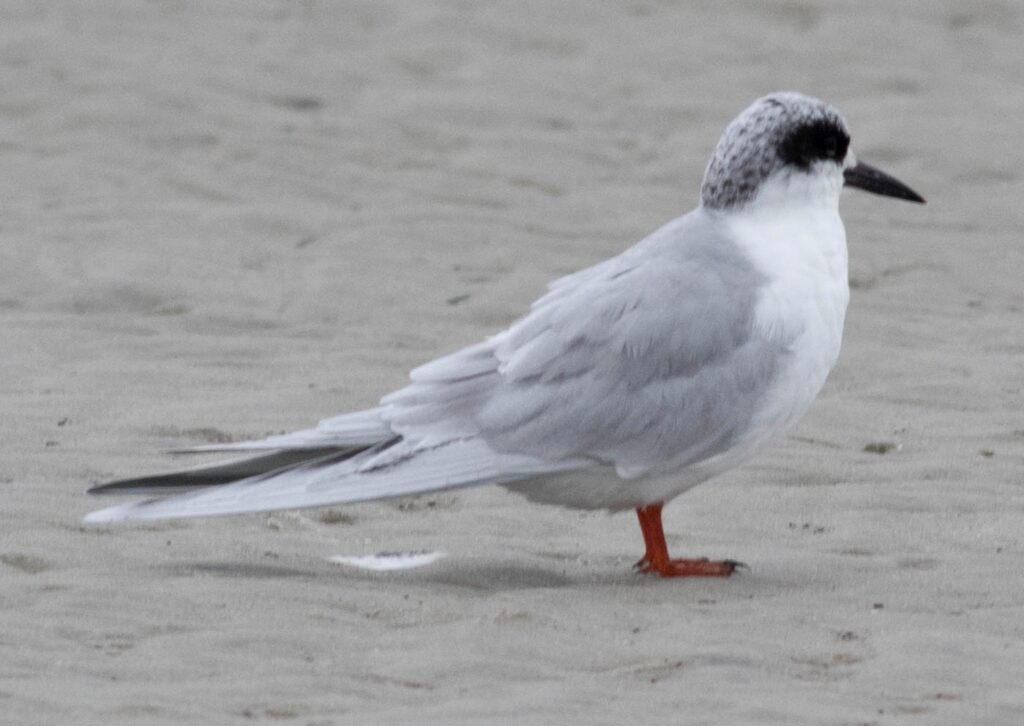
    These are Forster’s Terns.
    One of the most elegant shorebirds is the Willet. These birds are in nonbreeding plumage. Their striking wing pattern shows only in flight.

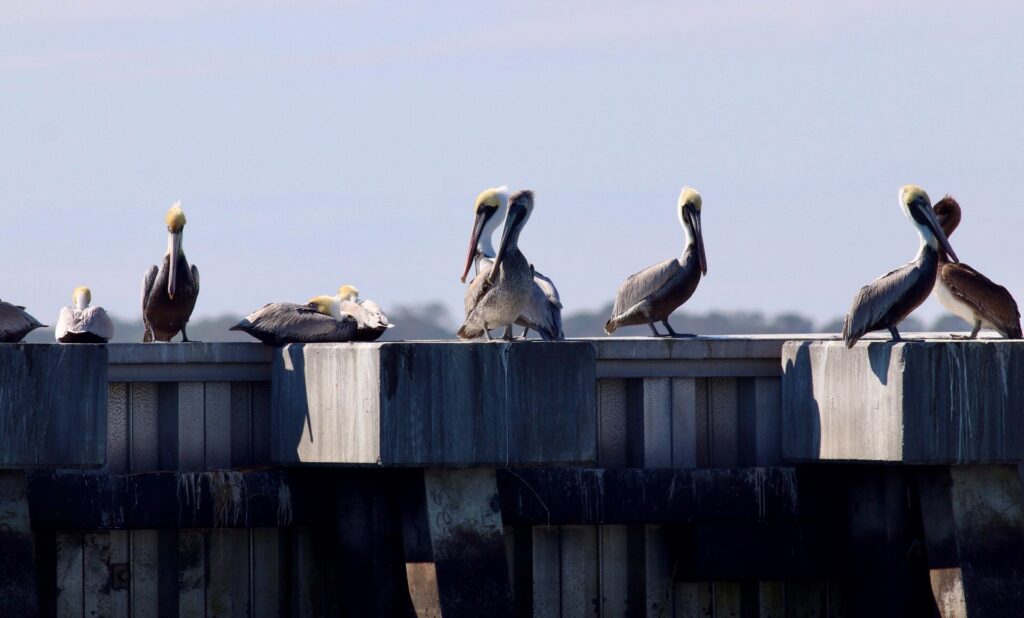
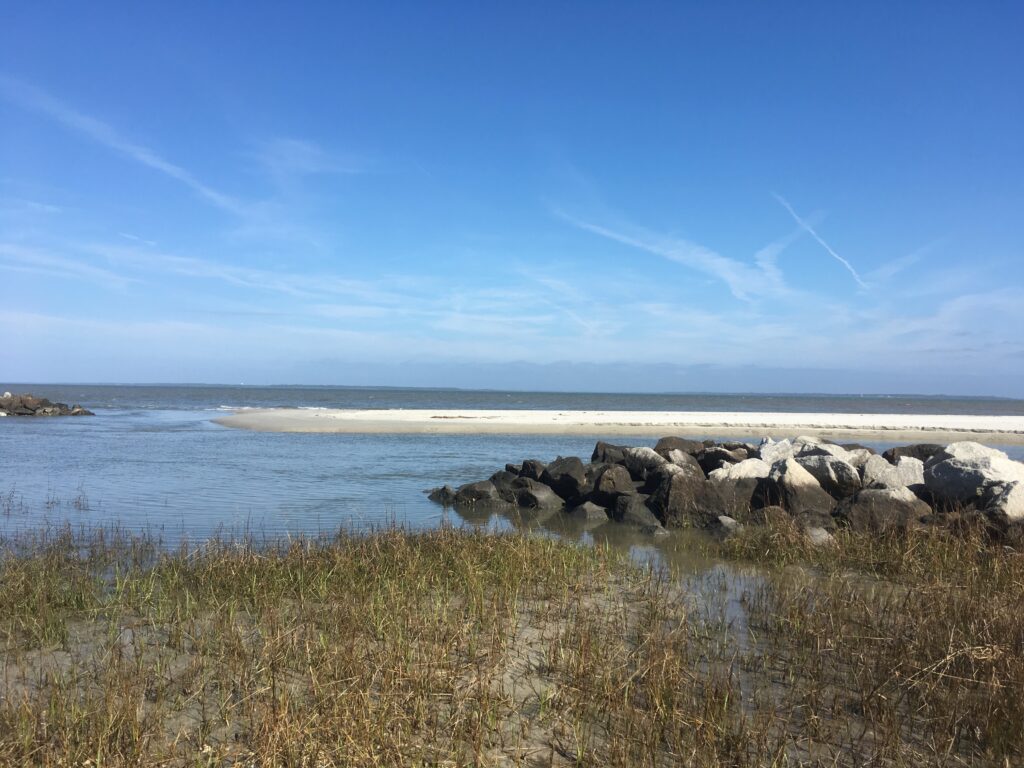
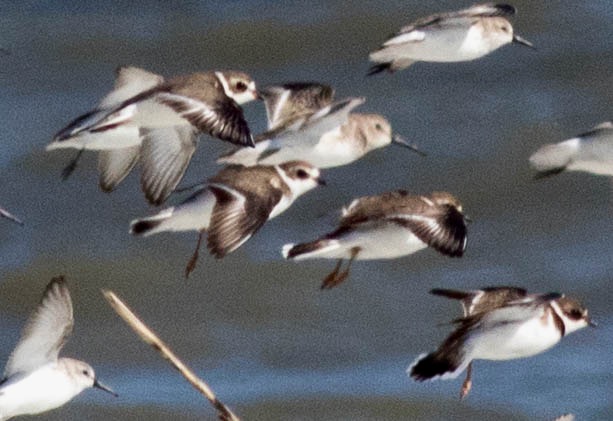
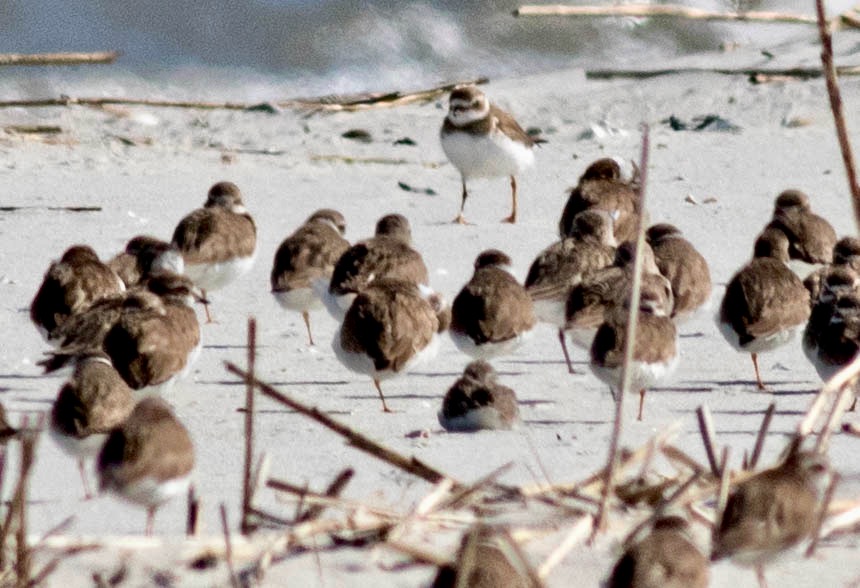
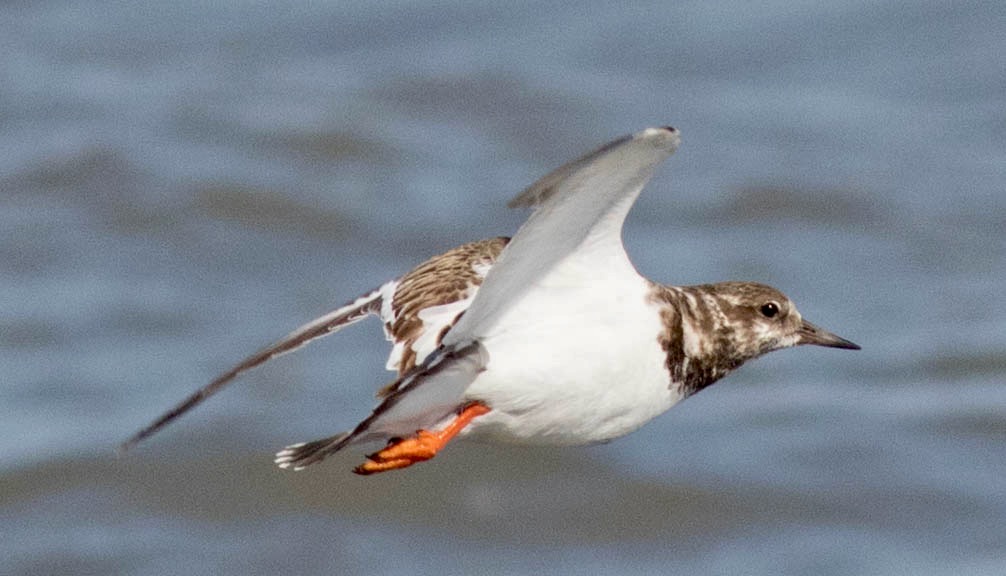
    On this beach, we sometimes saw rafts of scaup far out on the ocean, passing dolphins and Brown Pelicans. The pelicans tended to congregate on the pier at a nearby beach and marina. At the marina beach, we watched an Osprey fishing for dinner. Ospreys are found year-round in South Carolina. “Our Ospreys” probably spend the winter farther south. Our trips to other beaches taught us that timing is everything and that we needed to know whether the tide would be in or out. When the tide was out, birds were far in the distance and often on the other side of large tide pools. If the tide had been in, the birds would have been much closer!

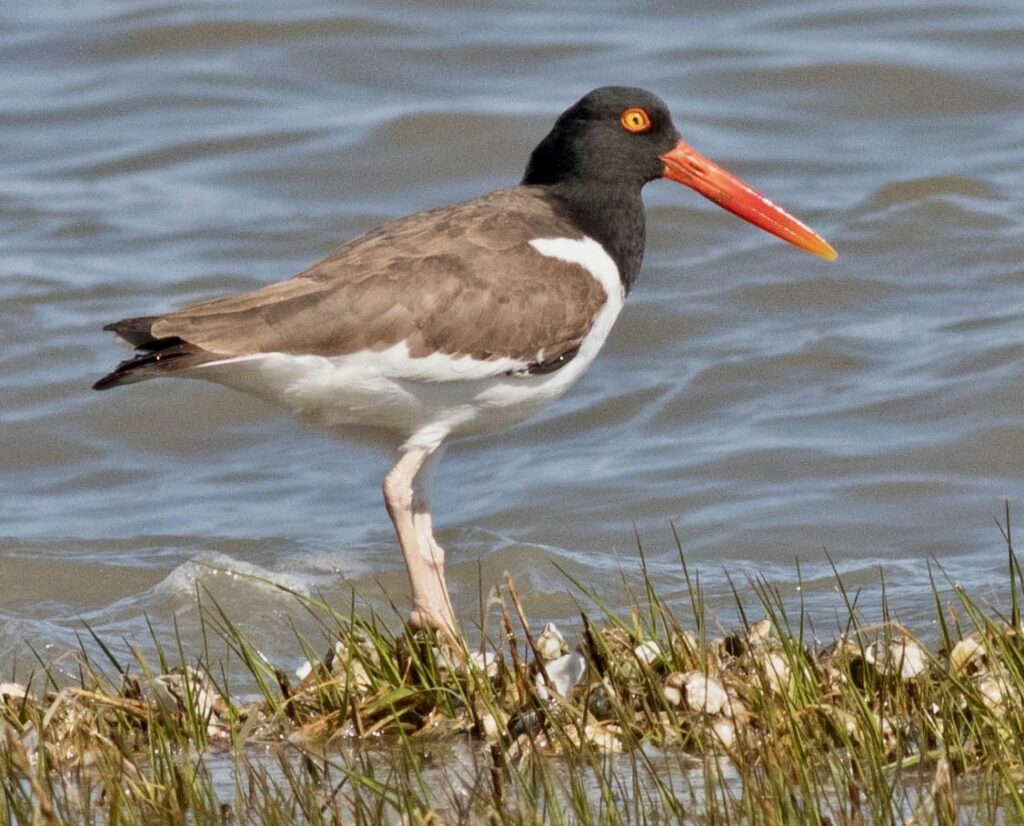
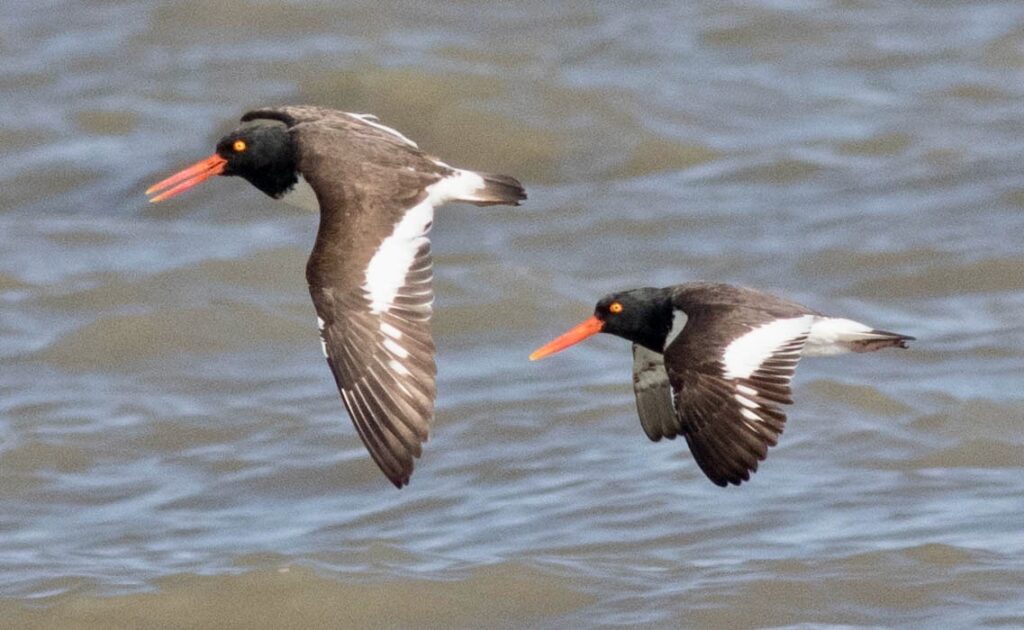
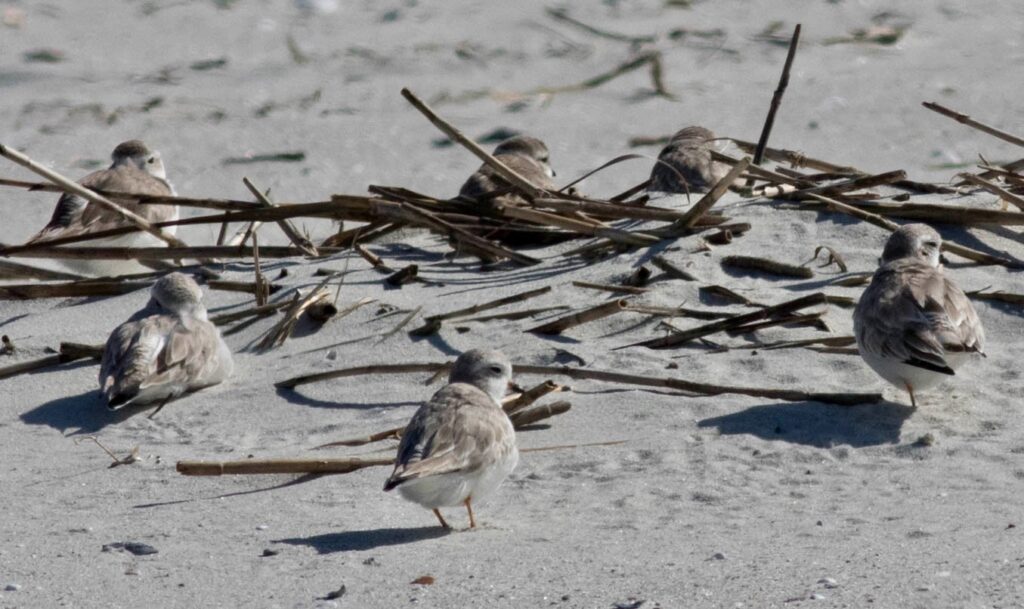
    Here are photos of far-off birds and some that flew a little closer.

    Today, the sun made an unsuccessful attempt to shine. Perhaps we will spend some more time in South Carolina in our next post…
    Covers of Paul Simon Songs

  • Our First New Year’s Day Bird Walk

    Our First New Year’s Day Bird Walk

    We had a white Christmas only because of the fog. All week, the temperature remained steadfastly above freezing. There was so much rain that the river overflowed its banks and then receded gradually over the past few days. Apparently, our mild winter so far is due to an El Niño weather pattern.

    We signed up for a New Year’s Day walk in a local park. That put Glenn in mind of our first New Year’s Day bird walk.

    In May of 2016, we got very interested in birding. By the end of the year, we had been birding in Prince Edward County, Vancouver, Vancouver Island, Toronto, and Cozumel. Our “life list” was over 140 bird species, all of which Glenn had photographed.

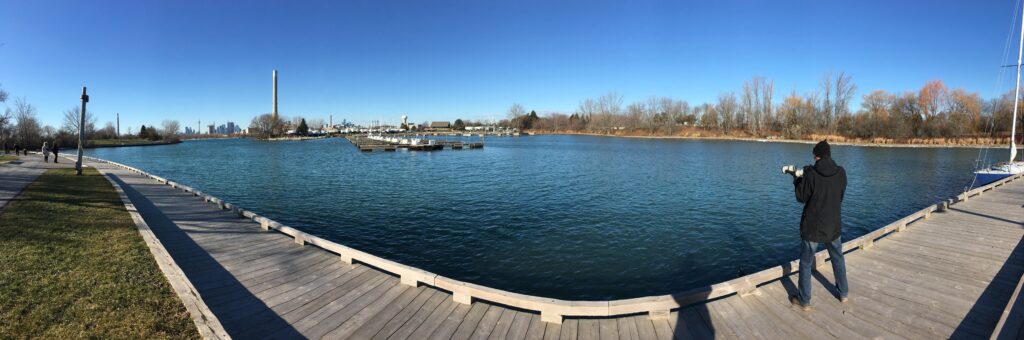
    New Year’s Day, 2017, we found that our bird species count on eBird had been set to zero for the new year. It was a sunny day and we decided to take advantage of the great weather and light highway traffic to drive across Toronto to Ashbridges Bay Park. This waterfront park soon became one of our favourite parks to visit on Sundays.
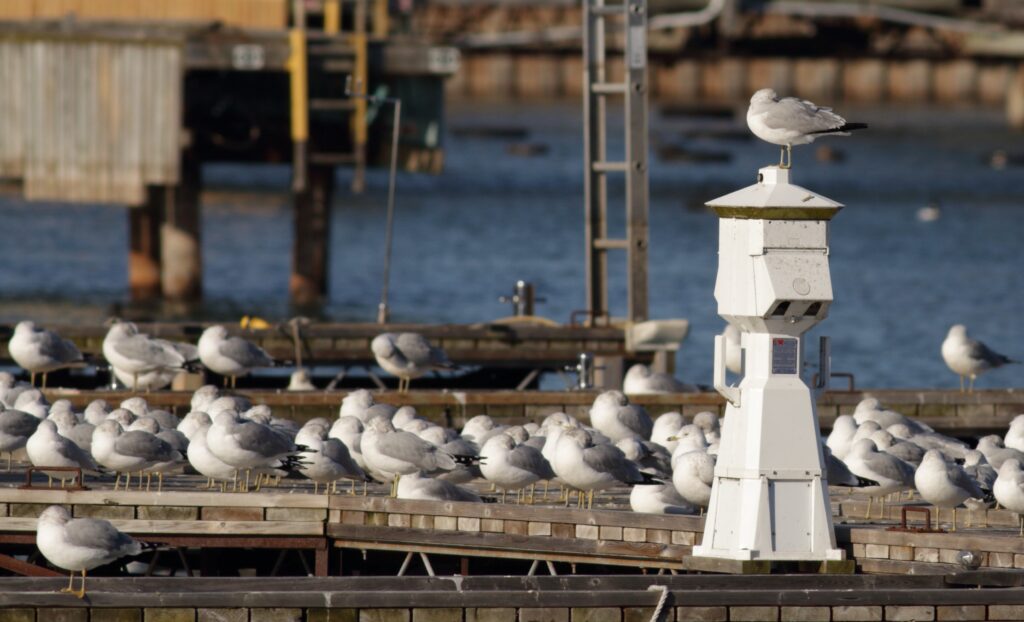
    Hundreds of gulls would roost on the docks in winter. Avid birders would scan the flocks of birds with powerful telescopes searching for any gull that was not the very common Ring-billed Gull. I had some success getting photos of other gulls as long as they were much larger or much smaller. We have yet to join a “gull watching weekend” in Niagara Falls where about 10 gull species can be seen on the same day.
    In winter, Toronto’s inland parks host a few dozen bird species that stay all year. We learned of a few birds that breed in the north and migrate farther south to find the open waters of the lower Great Lakes. They stay as long as there is open water and food below.

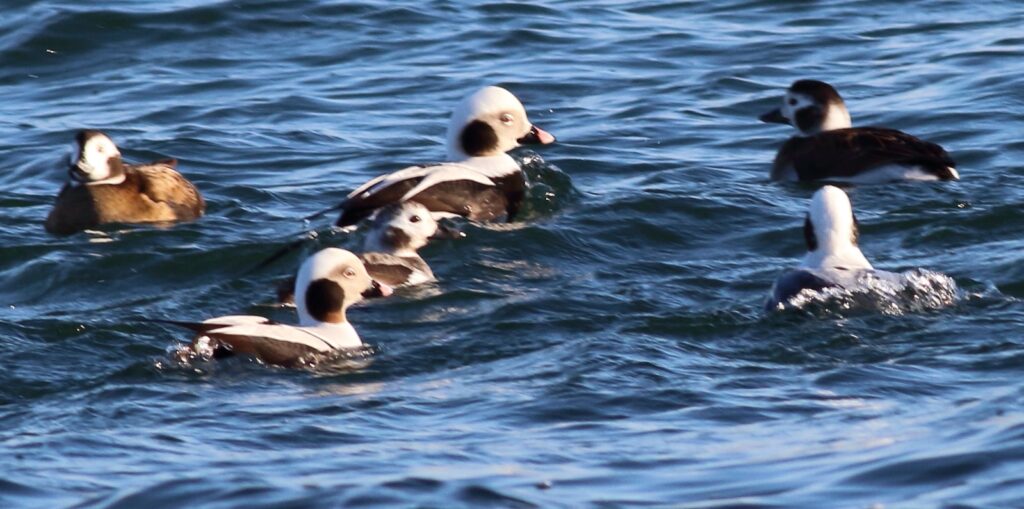
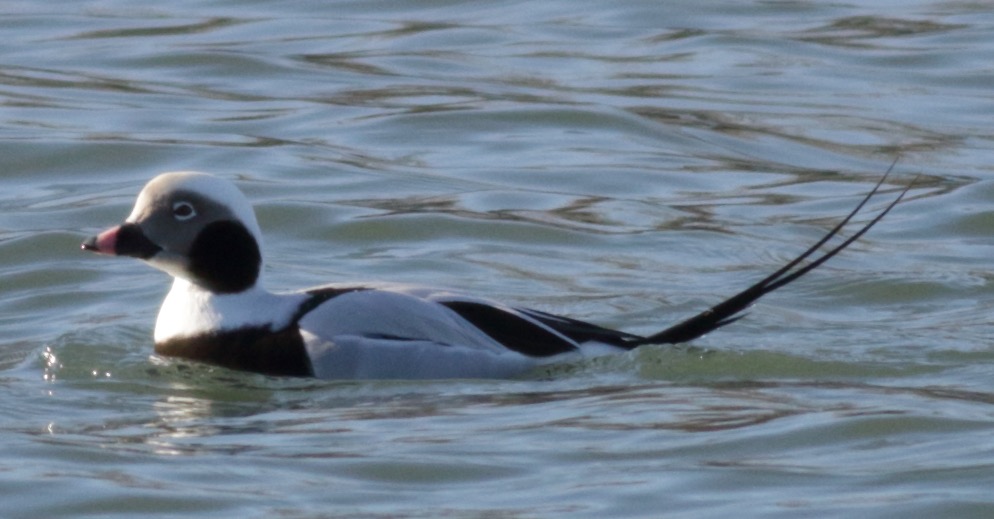
    The first treat was to see Long-tailed Ducks. When in flocks, they make distinctive comical sounds. It is appropriate that they look just a bit clown-like. The adult males have pink on their bills. Sometimes we get a good look at their long tails.
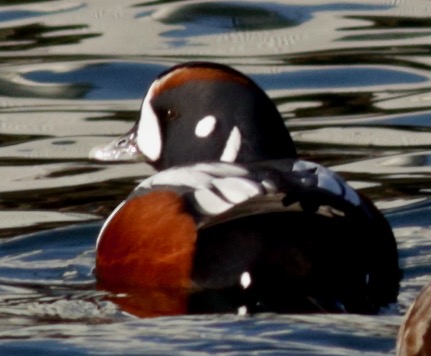
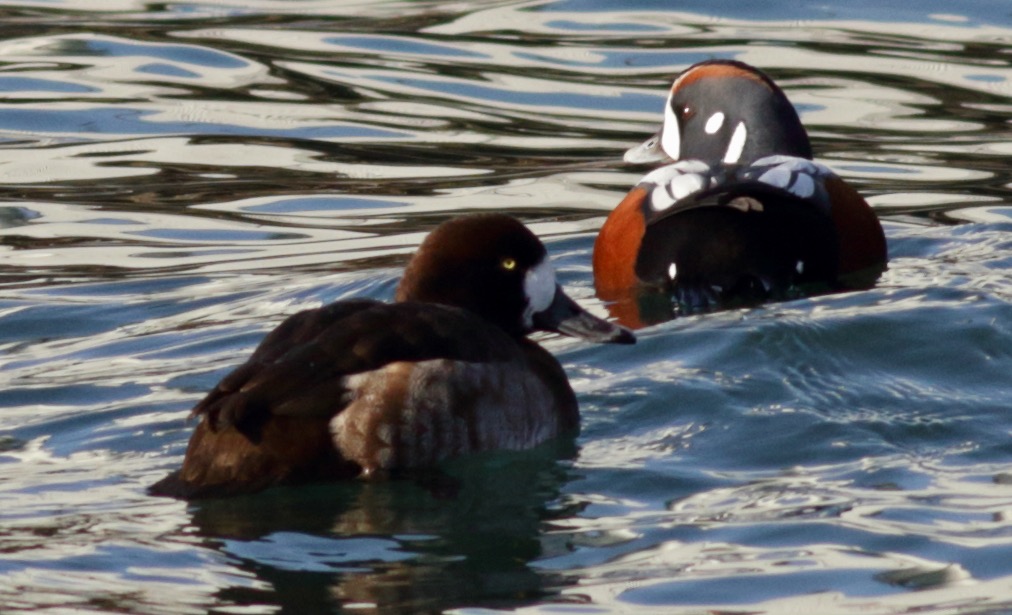
    In Ontario, the Harlequin Duck is a scarce bird. While we were still close to where we saw it, a teenager on a bicycle asked if we knew where he could see it. He saw my camera and Susan’s binoculars and assumed we were there for the same reason. He spotted the bird, said thanks, and was off to see as many other species as possible for the start of the year.

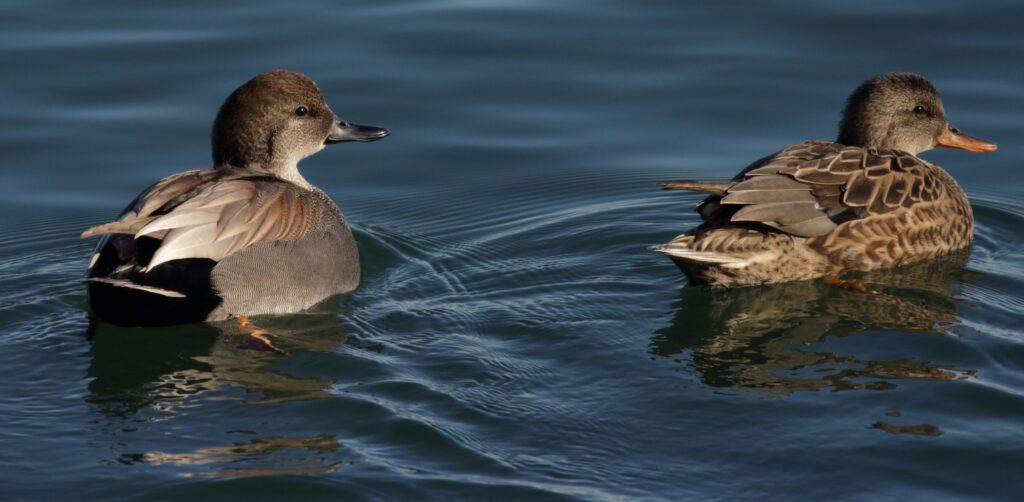
    Meanwhile, Gadwalls remained the most elegant looking birds in town.

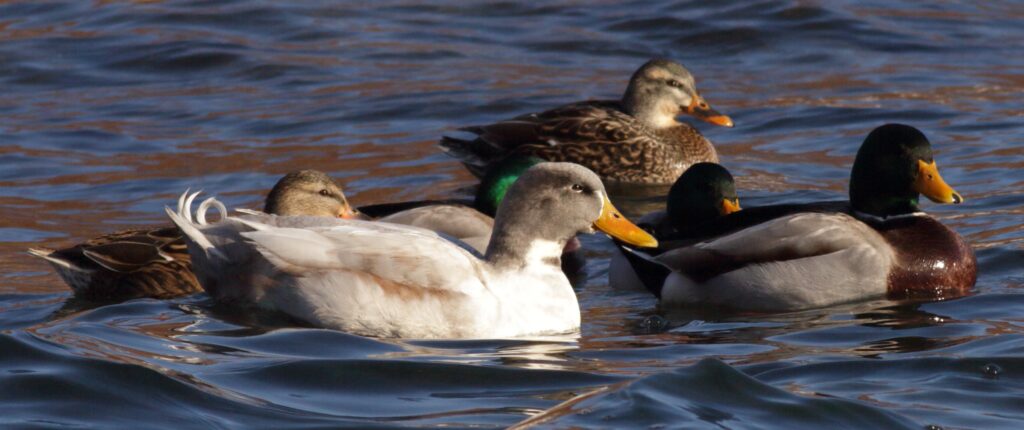
    We saw this domestic Mallard swimming near other much smaller Mallards in the same area all year.

    Music

    Despite the poor video quality, this is a wonderful version of “Here Comes The Sun”. (We are still waiting for a sunny day.)

    In the same episode of Saturday Night Live…

    Let’s celebrate Louis Armstrong who brought sunshine to every performance.

    I meant to include this video last week. I hope it is not to late to enjoy it.

  • Year in Review: 2023

    Year in Review: 2023

    Dear Friends, since this will be our last post until the new year, we thought we’d look back over 2023.

    JANUARY

    FEBRUARY

    MARCH

    APRIL

    MAY

    JUNE

    JULY

    AUGUST

    SEPTEMBER

    OCTOBER

    NOVEMBER

    DECEMBER

    Thank you for your feedback through the year. As always, please let us know if you would like us to remove your name from our distribution list.

    In these troubled times, we wish for peace, protection, and a safe future for all people and for our environment.

    With our best wishes,

    Glenn & Susan

    Some Music

    Bonus Music from Denny Laine

    The late Denny was a founding member of Moody Blues and Wings. He co-wrote the very sentimental (cloying?) “Mull of Kintyre”.

  • November 2018

    November 2018

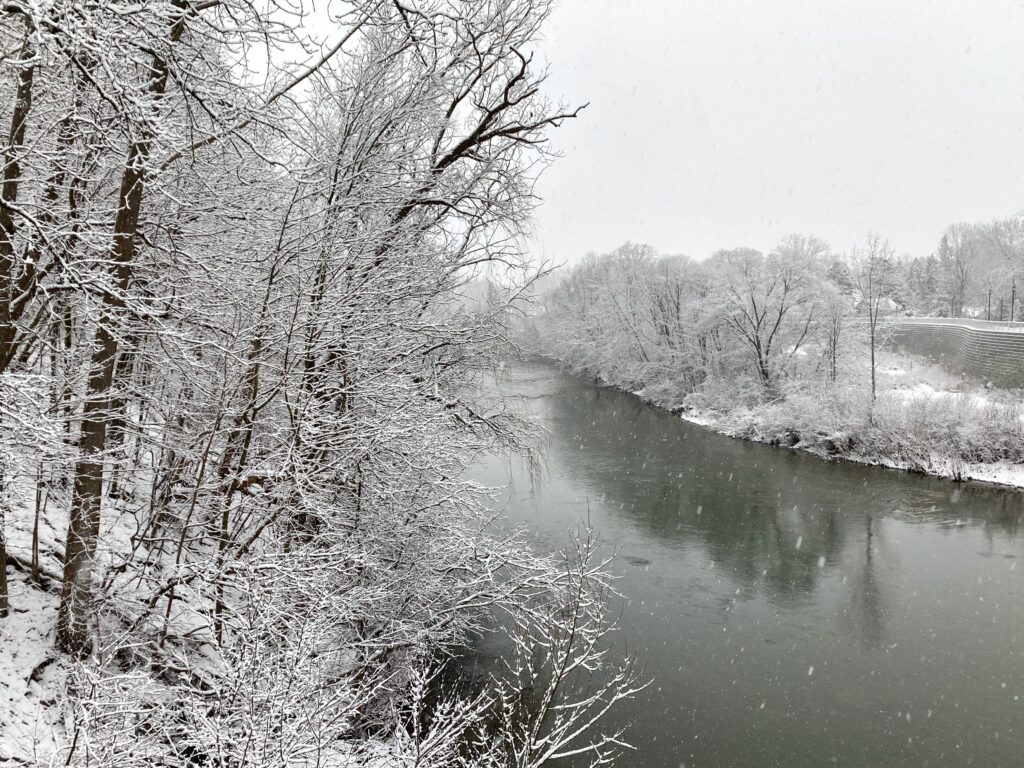
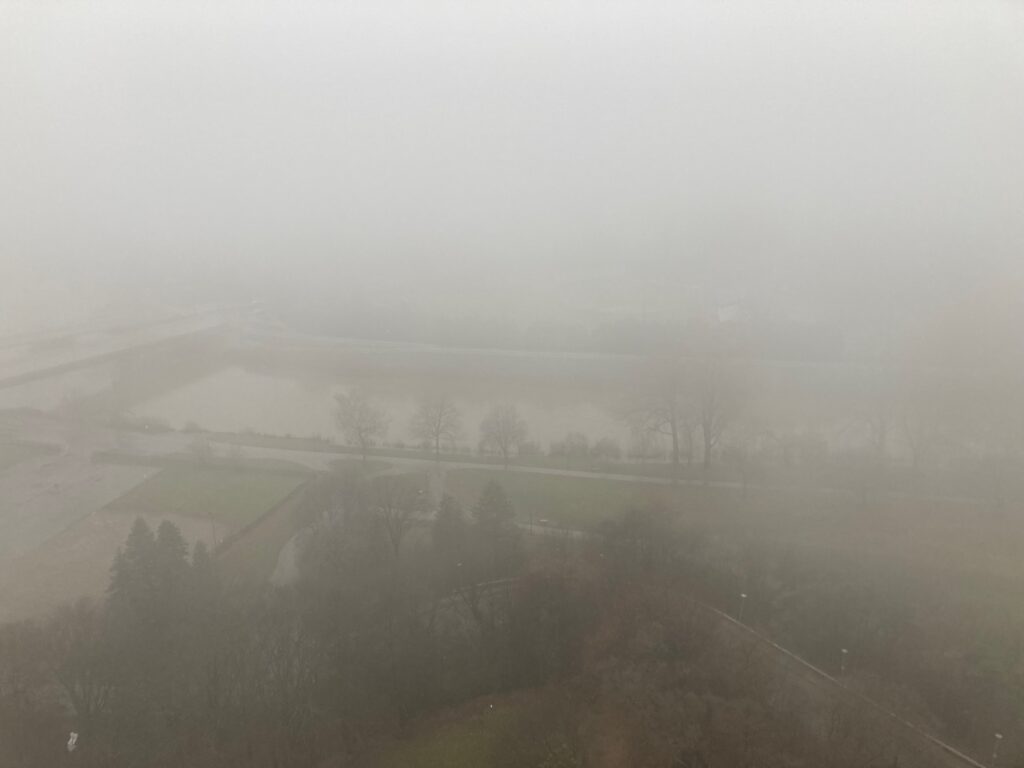
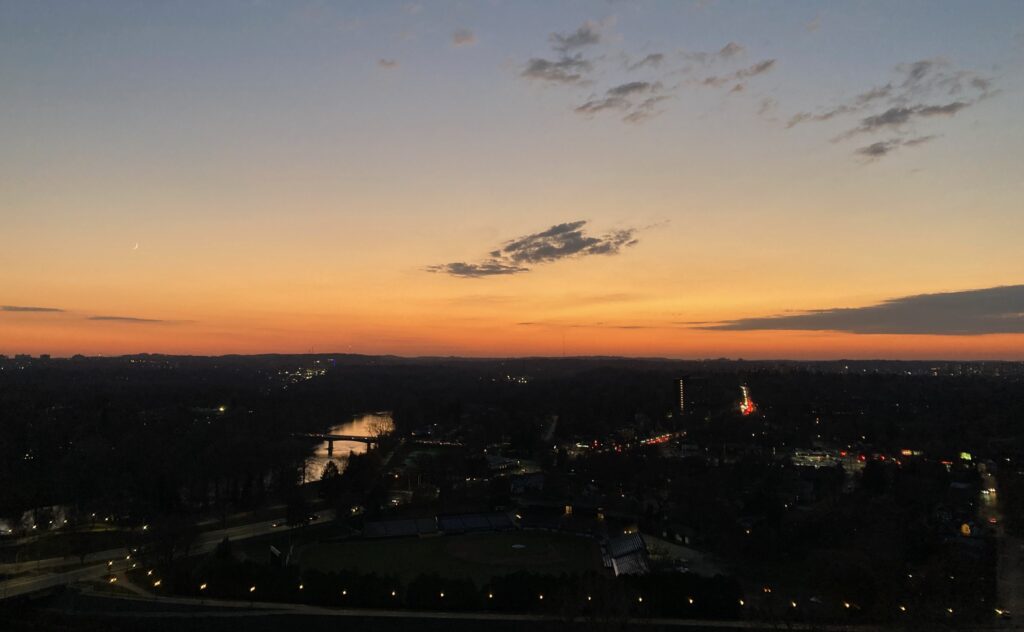
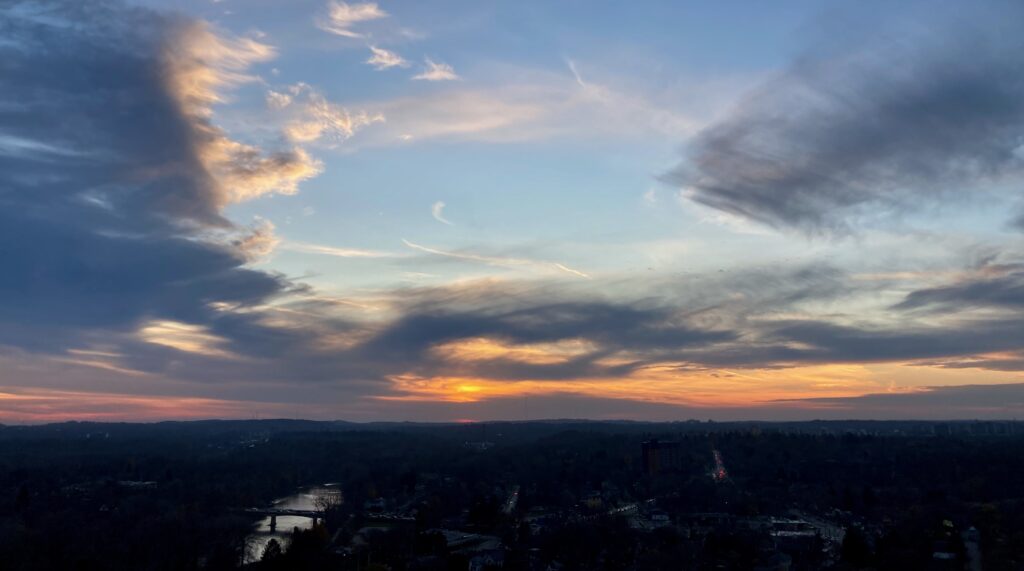
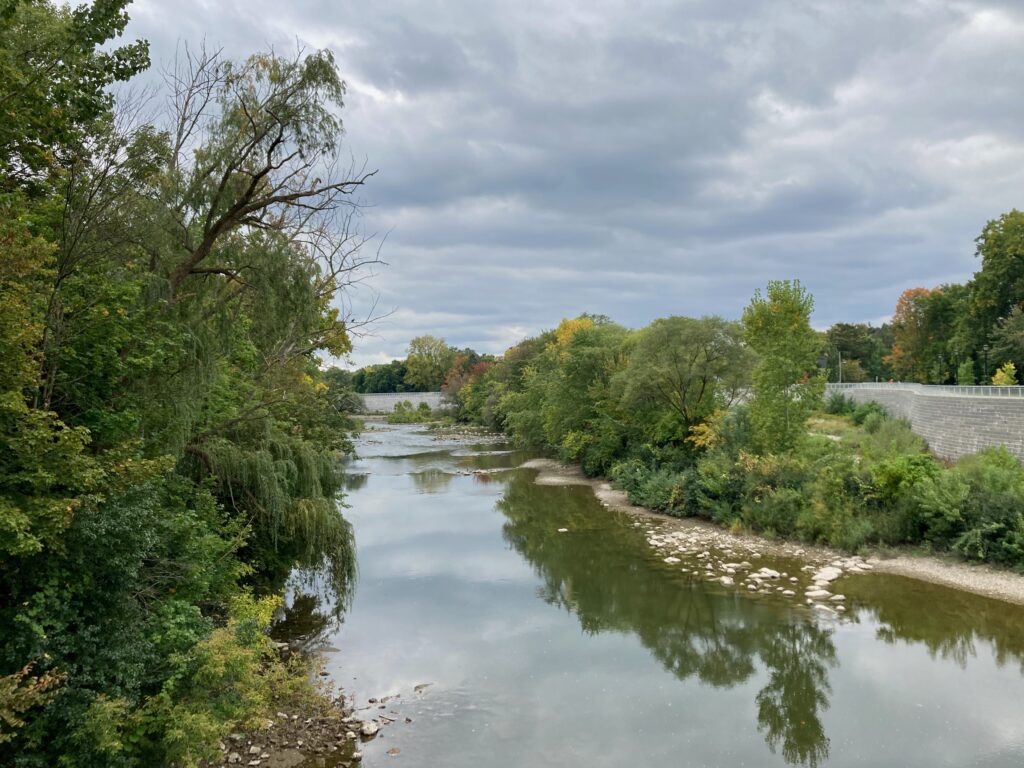
    We have had relentlessly gloomy weather recently, including several foggy days. On one such day, we could not see anything beyond the river.

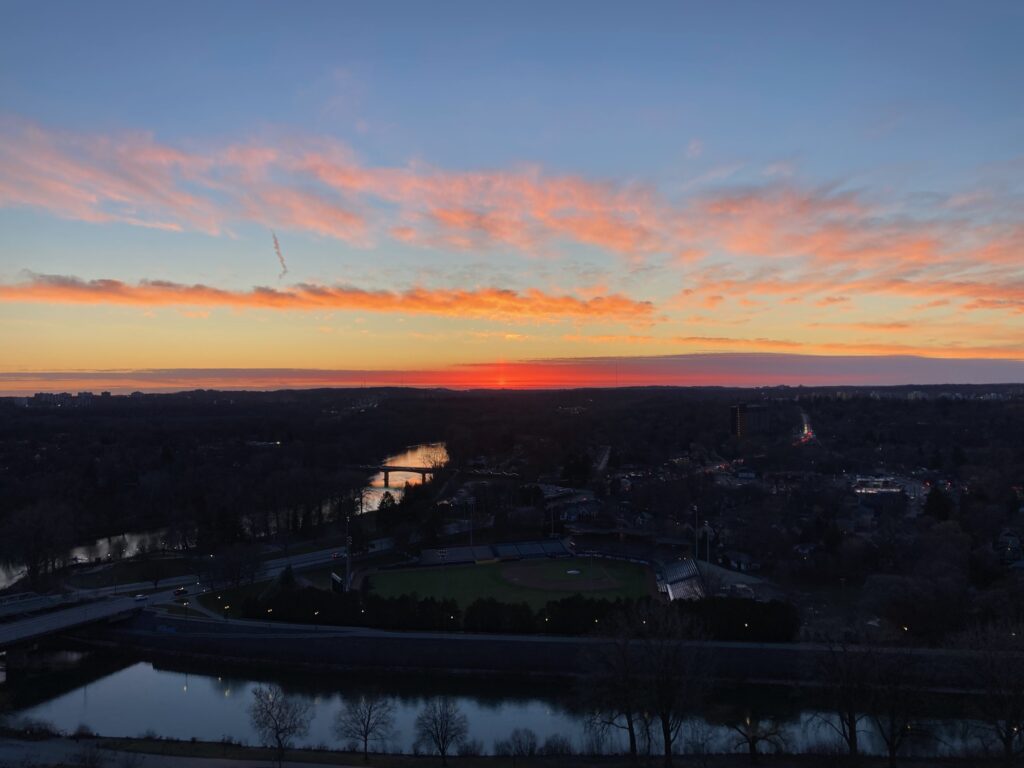
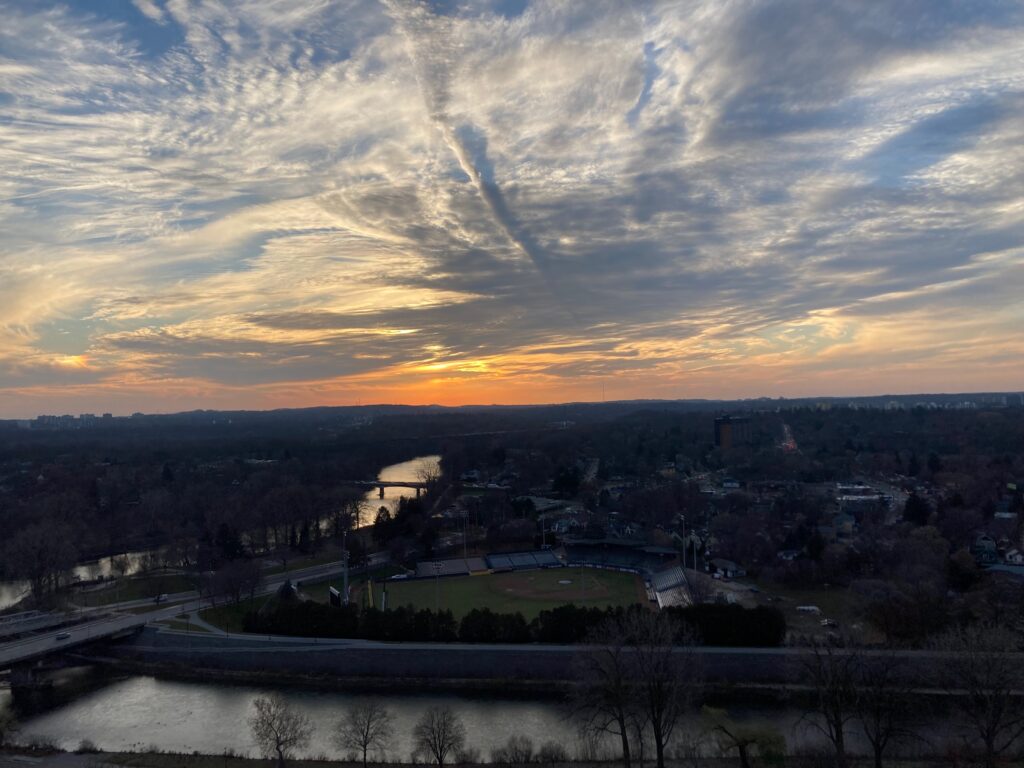
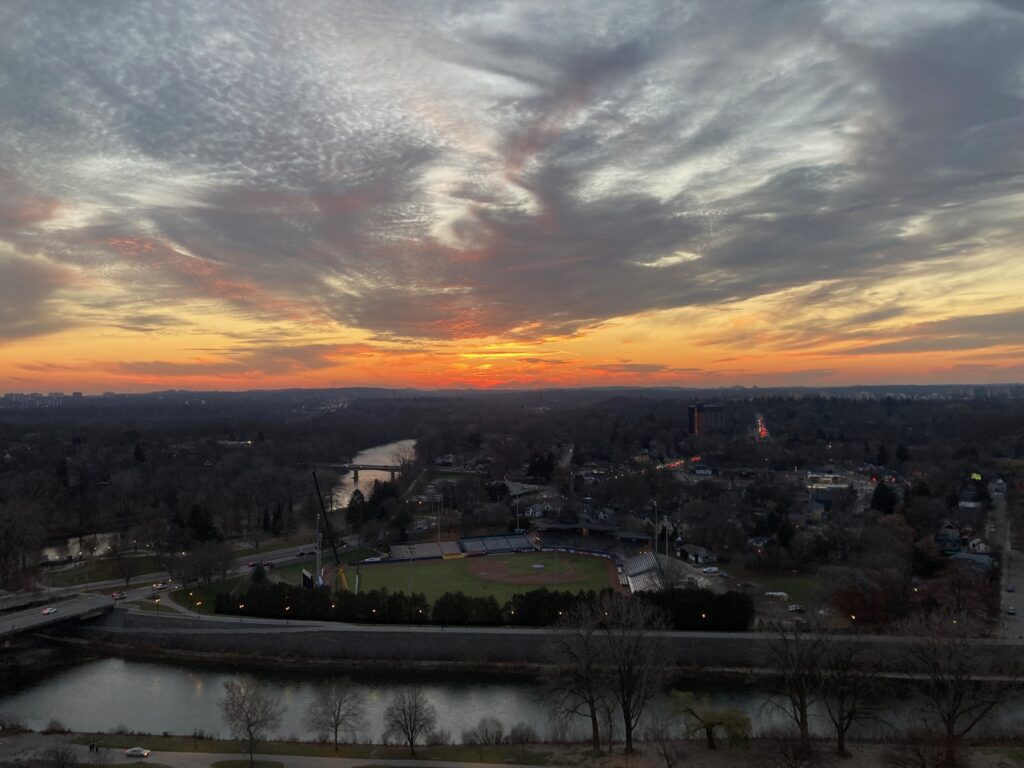
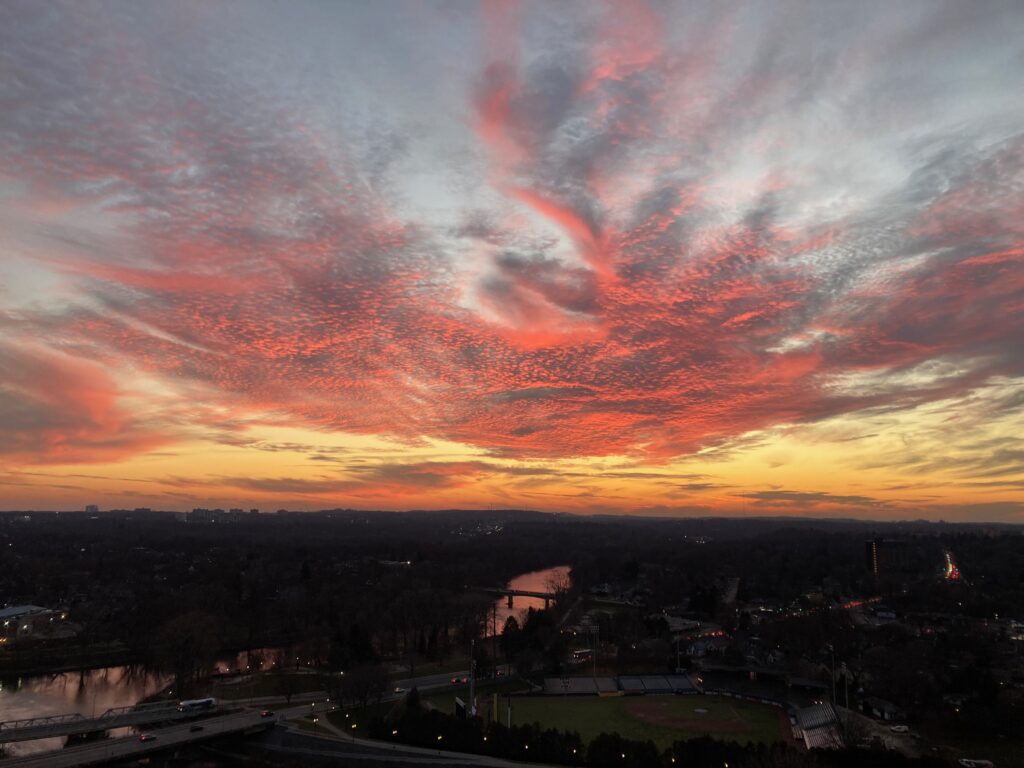
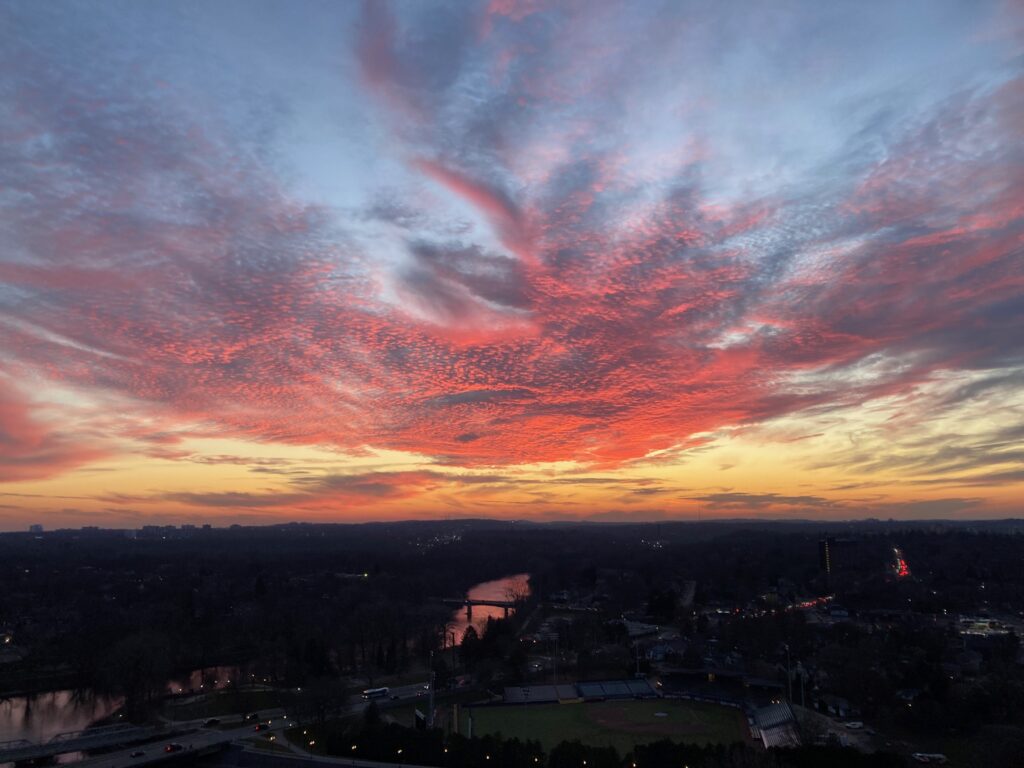
    A week ago, the skies started to clear at the end of the day to great effect.

    We have been feeling nostalgic about the number of birds we could see, even in November, when we lived close to Lake Ontario. Being so far inland now provides more limited bird sightings at this time of year.

    Here is a raft of scaup offshore at Colonel Samuel Smith Park on November 19, 2018.

    Here are some of the birds we saw in the parks and along the Lake Ontario waterfront.

    Red-bellied Woodpecker (male), Downy Woodpecker (male), Downy Woodpecker (female)

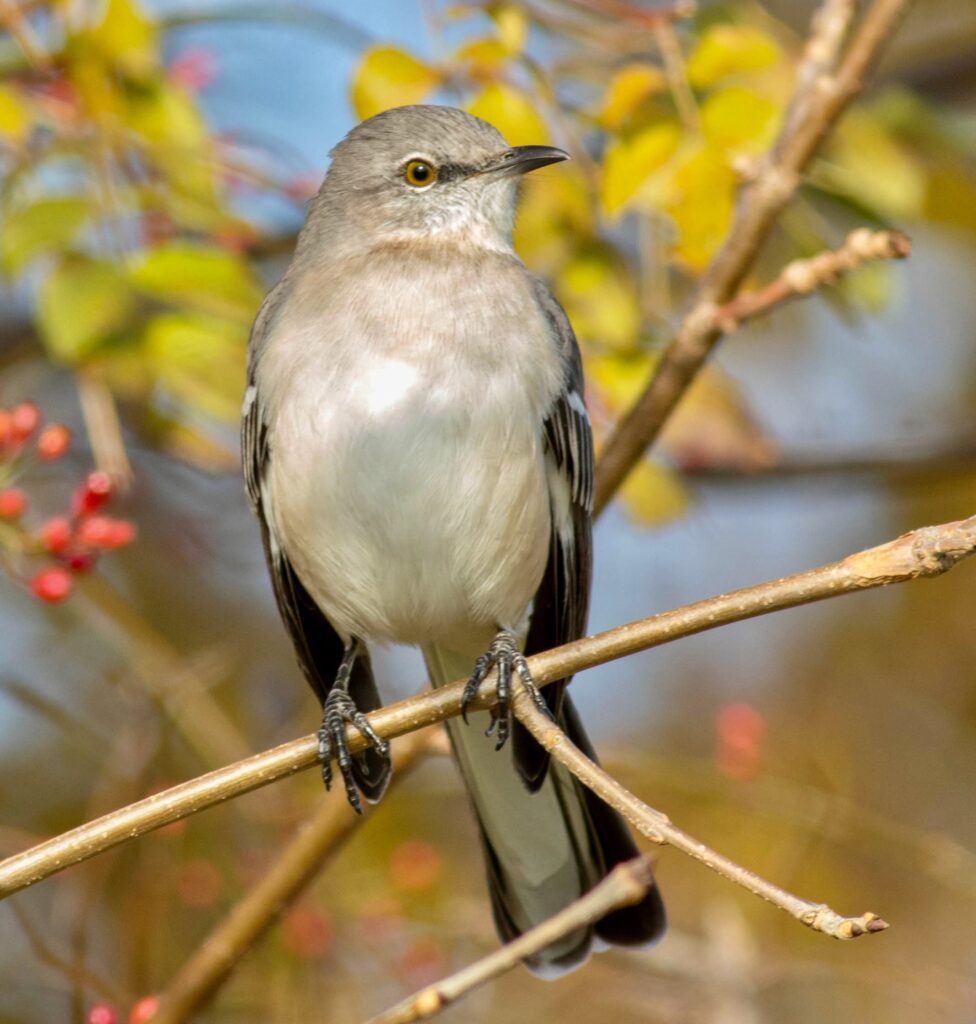
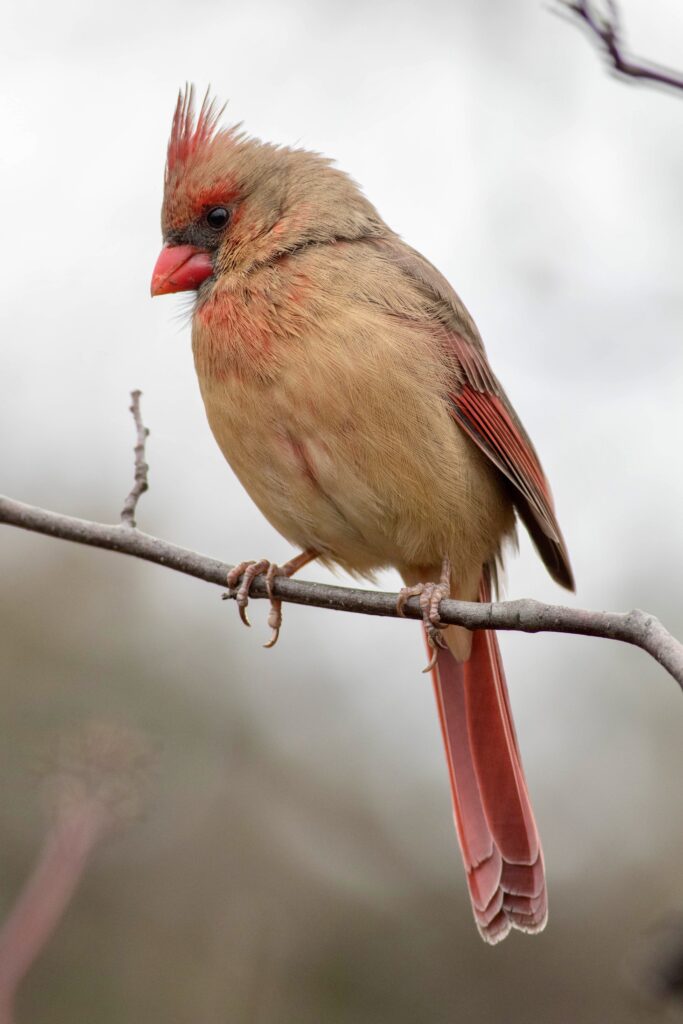
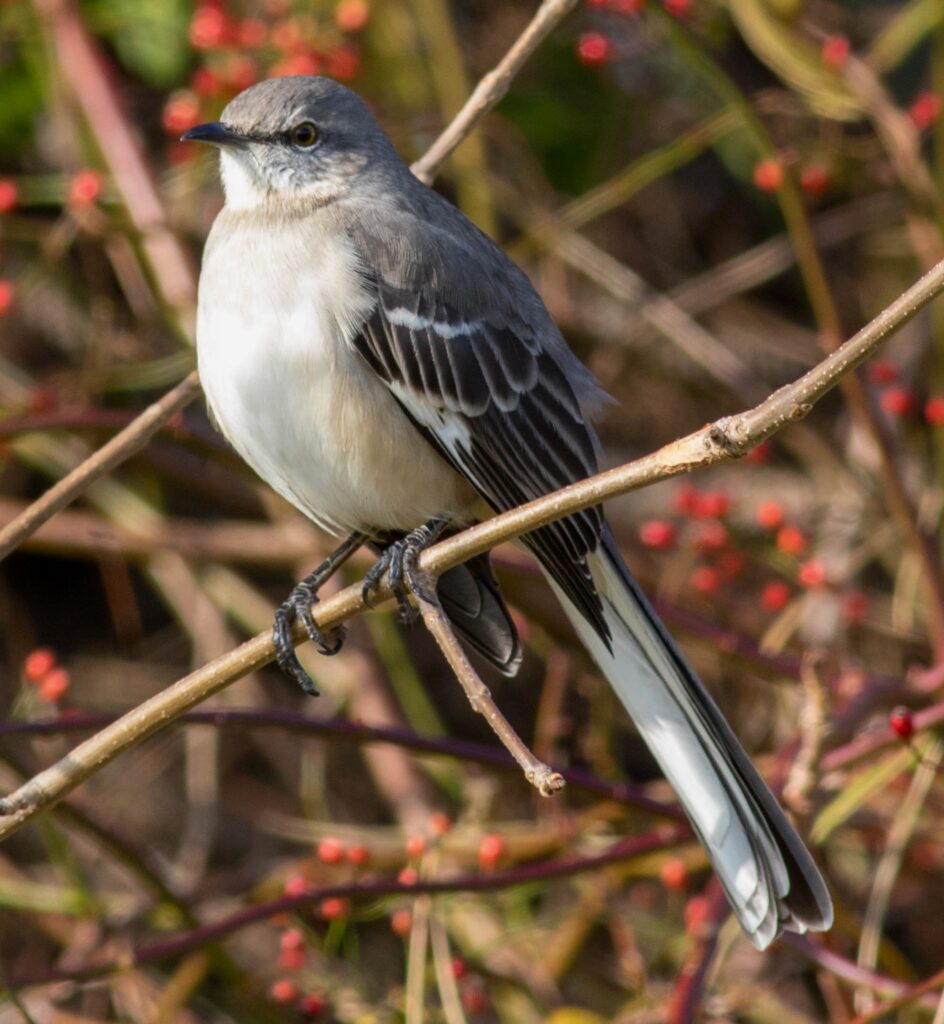
    Common Redpoll (female or immature), Northern Mockingbird (twice), Northern Cardinal (female), Black-capped Chickadee.

    Great Black-backed Gulls arrive on the lake for the winter. Here is a first winter bird and an adult (lower photo). Ring-billed Gulls are dwarfed by both Herring Gulls (upper photo) and Great Black-backed Gulls.

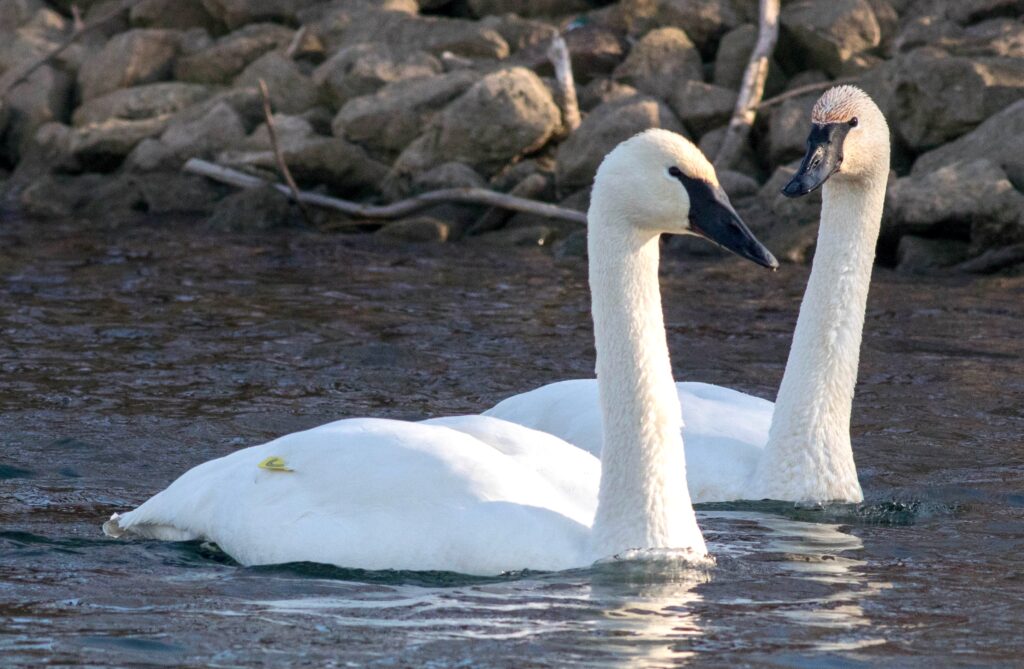
    Both Mute Swans and Trumpeter Swans stay on the lake all winter.

    Mute Swan in flight, immature Mute Swan, Trumpeter Swans.

    A variety of waterfowl that breed farther north, migrate to Lake Ontario for the winter when northern lakes freeze up.

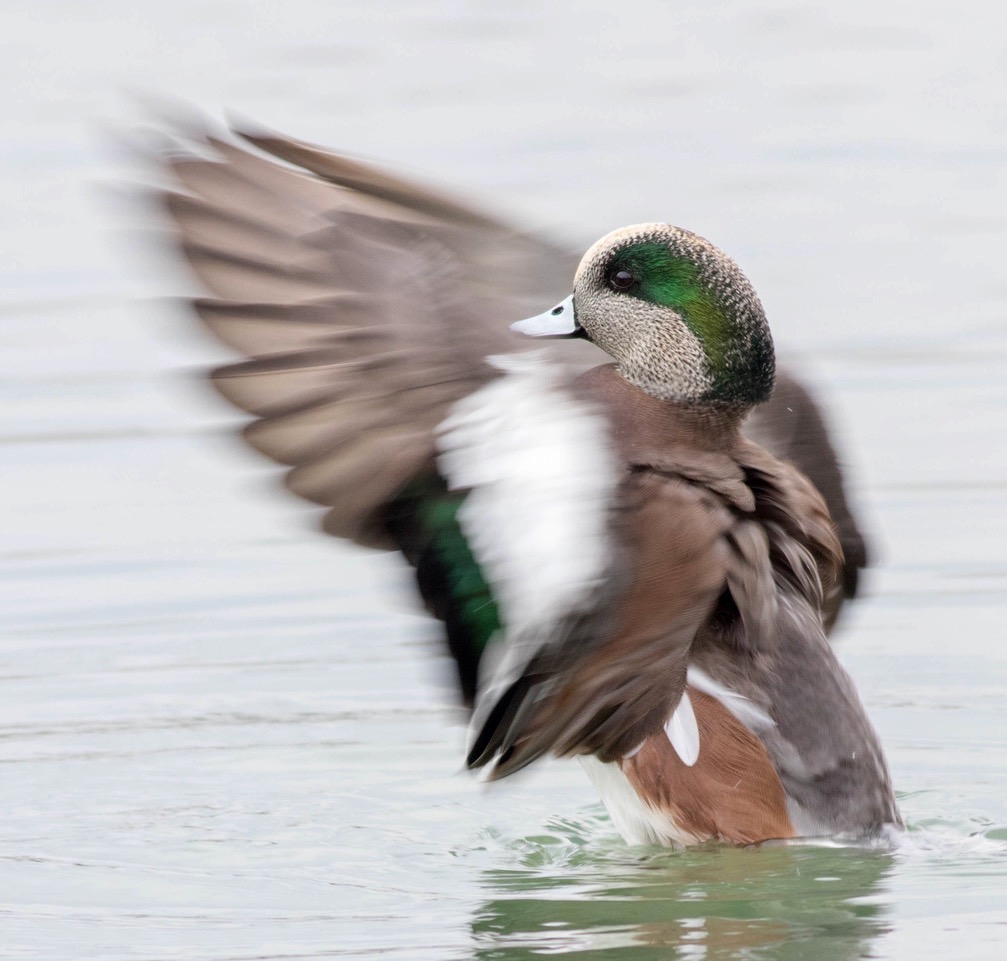
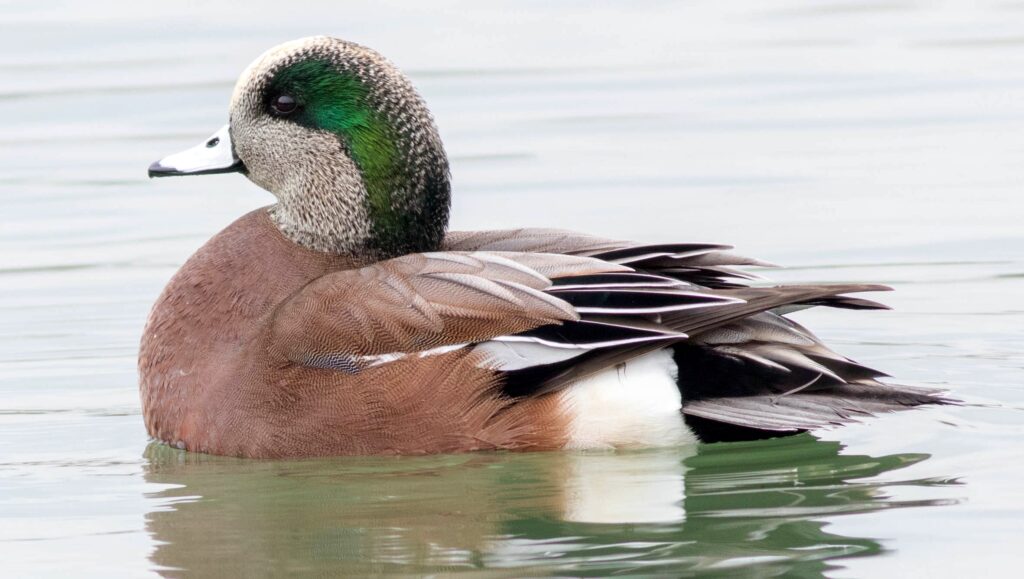
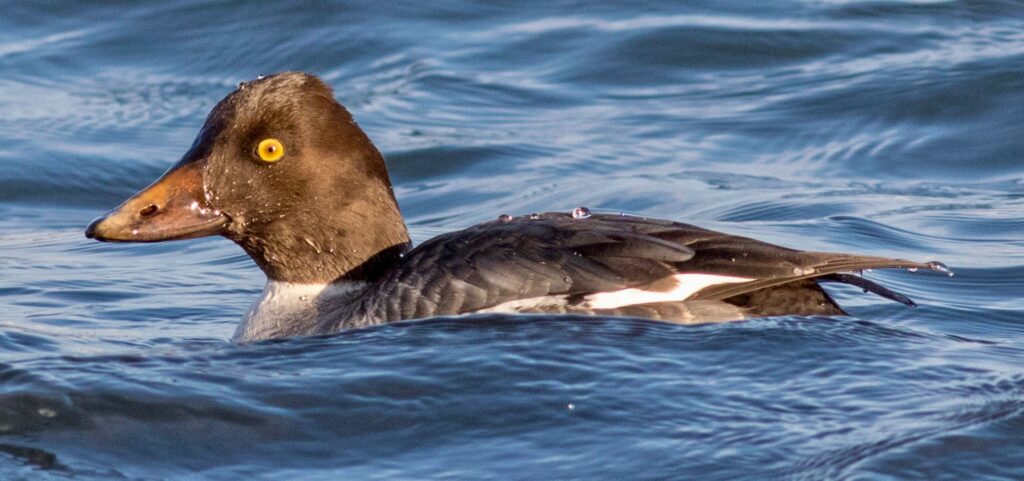
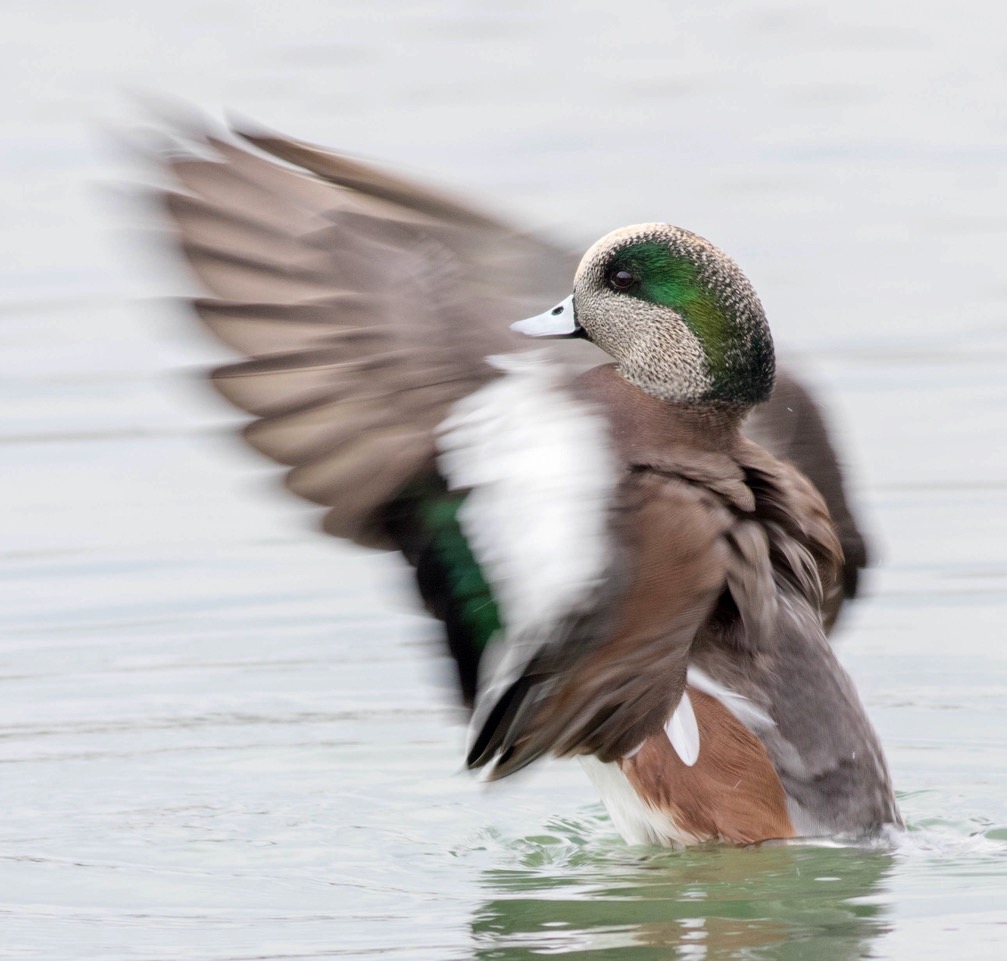
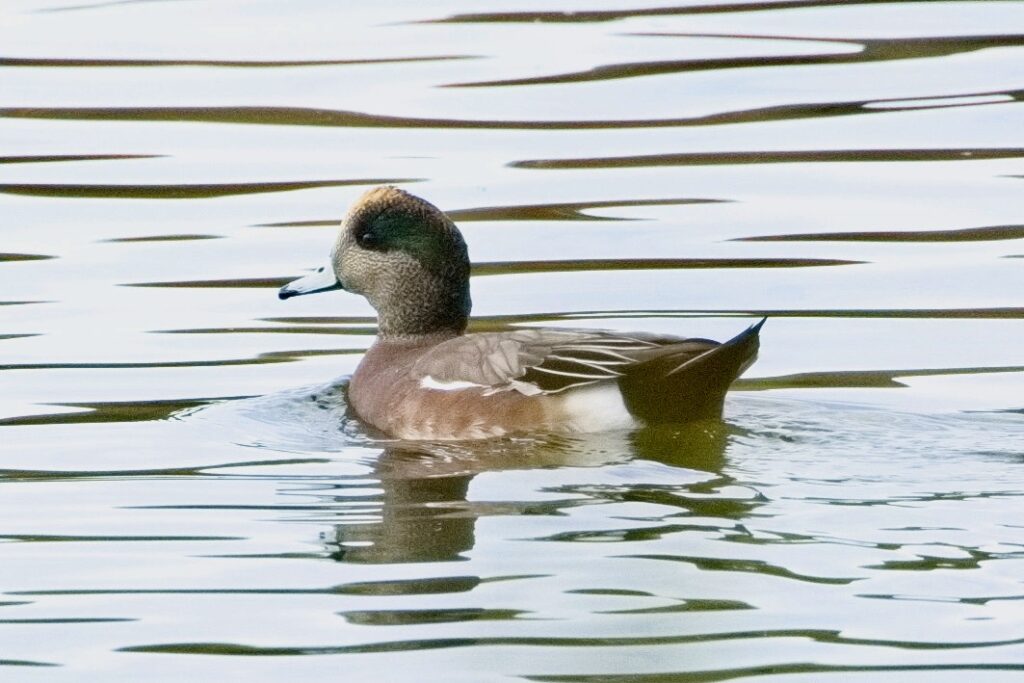
    Bufflehead, Hooded Merganser (male), Red-necked Grebe (non-breeding adult or immature), American Wigeon (male), White-winged Scoter (female), Common Goldeneye (female), Long-tailed Duck (male), American Wigeon (male).

    Mallard pair, Redheads (male and females), Canada Geese, Gadwall pair

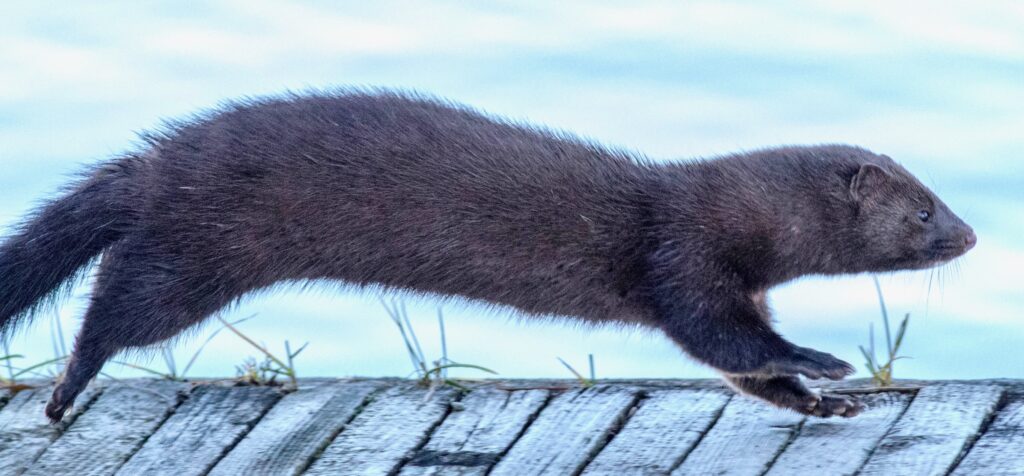
    Mink are a common sight along the lakeshore.

    Thanks to Wandering Bee, we have Narcissi in bloom with the scent of spring in the air.

    Something new from me

    A long time ago, a friend told me the way he introduced people to classical music was to start with Mozart. I found several videos and now YouTube is suggesting many more.

    Five TSO musicians are playing while socially distant in the same space.

    We saw one of Simon Rattle’s final performances as principal conductor of the Berlin Philharmonic when we visited Berlin. To see complete performances online by this orchestra requires a paid subscription.

    Opera overtures are usually five to ten minutes long.

    Still with me? This concerto runs for half an hour.

    The companion piece to the concerto is this quartet.

  • Two More Local Parks in November

    Two More Local Parks in November

    Our mid-November week of warm weather continued before plunging into sub-zero temperatures.

    Sunset on November 15th promised good weather on the 16th.

    We decided to attempt the 3.3 km loop of the Dorchester Mill Pond Ecotrail. The elongated pond is located on Dorchester Creek in the Village of Dorchester. The trail offered different terrains and changing views, but there was little wildlife and few birds in evidence. We saw a total of six bird species including 11 Mallards in the pond, a Great Blue Heron perched far in the distance, several Black-capped Chickadees flitting in the bushes, two Blue Jays calling from the treetops, two American Crows flying overhead, and three American Robins whispering and chuckling through the woods.

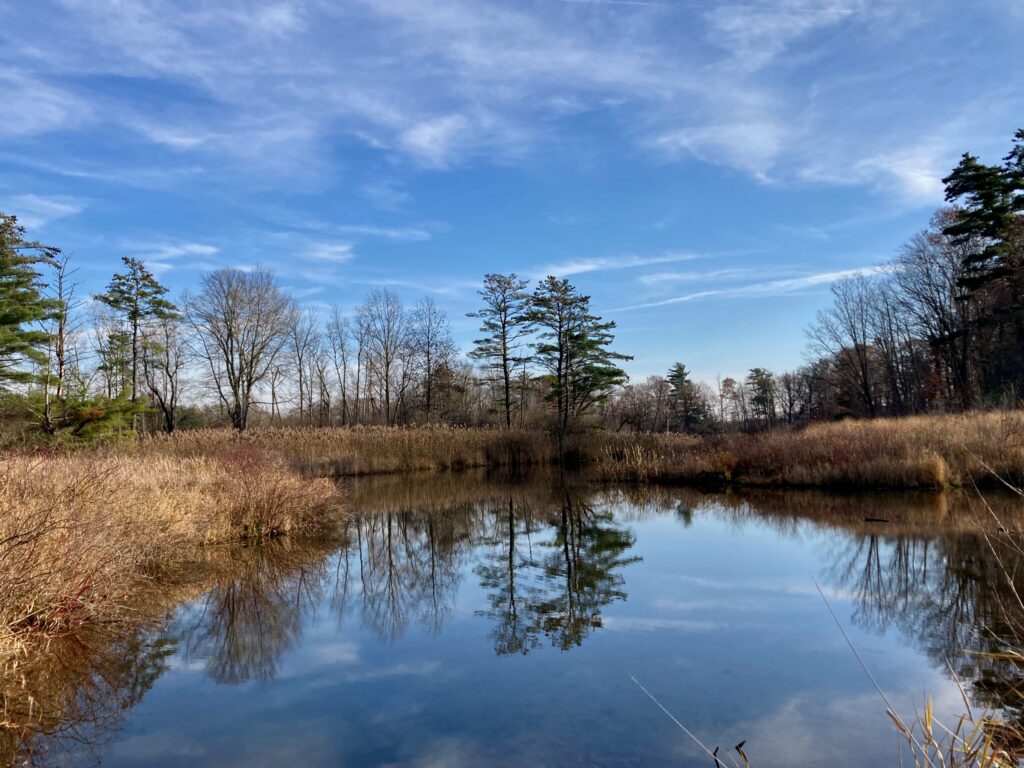
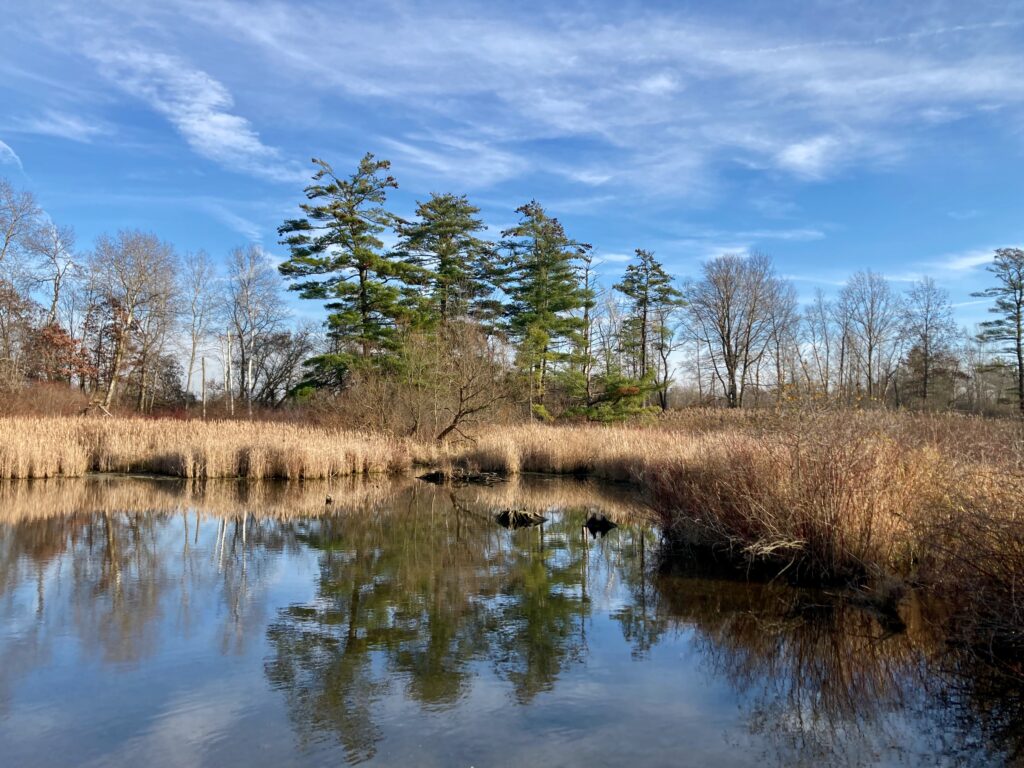
    The views of the pond from the trail were reward enough for our effort.

    The trail changes elevation as it moves from forest overlooking the pond to boardwalks along the wetland and the edge of the pond.

    View of the wetlands from the boardwalk.

    Red and White Oak trees surround the pond. Tall Thimbleweed grew in places.

    The end of the day.

    We woke on November 19th to clearing skies and tolerable temperatures after overnight frost. Most trees are now bare.

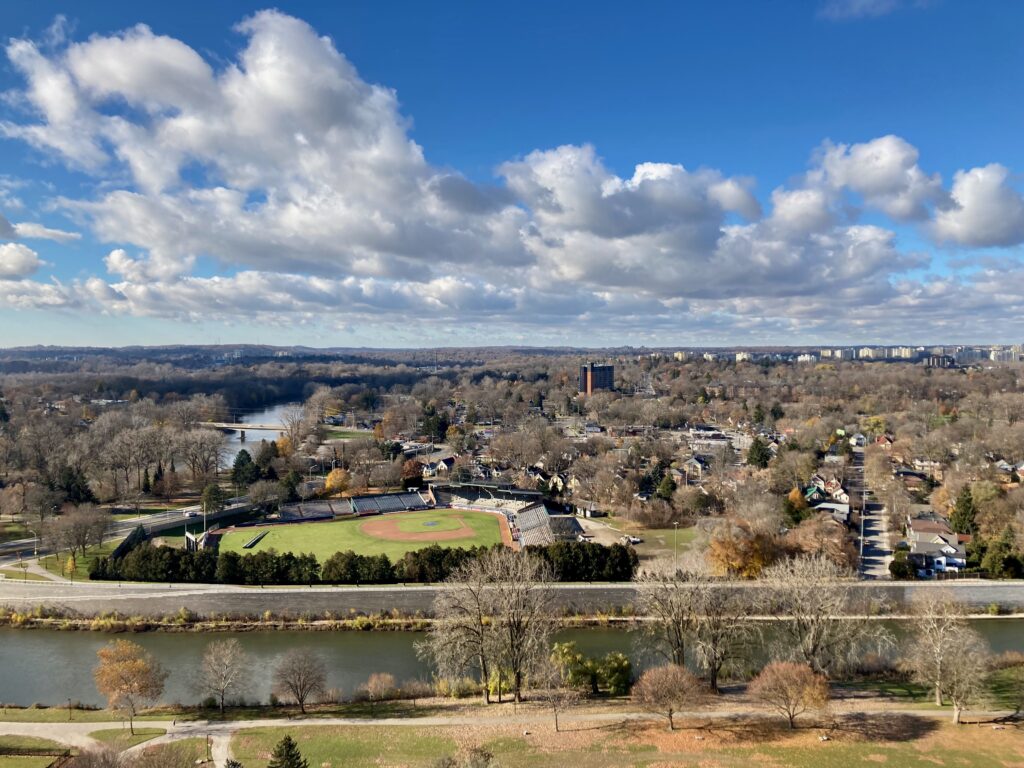
    This time, we headed to the Medway Valley Heritage Forest, entering via the Elsie Perrin Williams Estate. The estate property overlooks the winding Medway River. The trail leads downhill to the treed bottomland and the river.

    Again, there were very few birds in evidence apart from a Downy Woodpecker, an American Robin and Black-capped Chickadees.

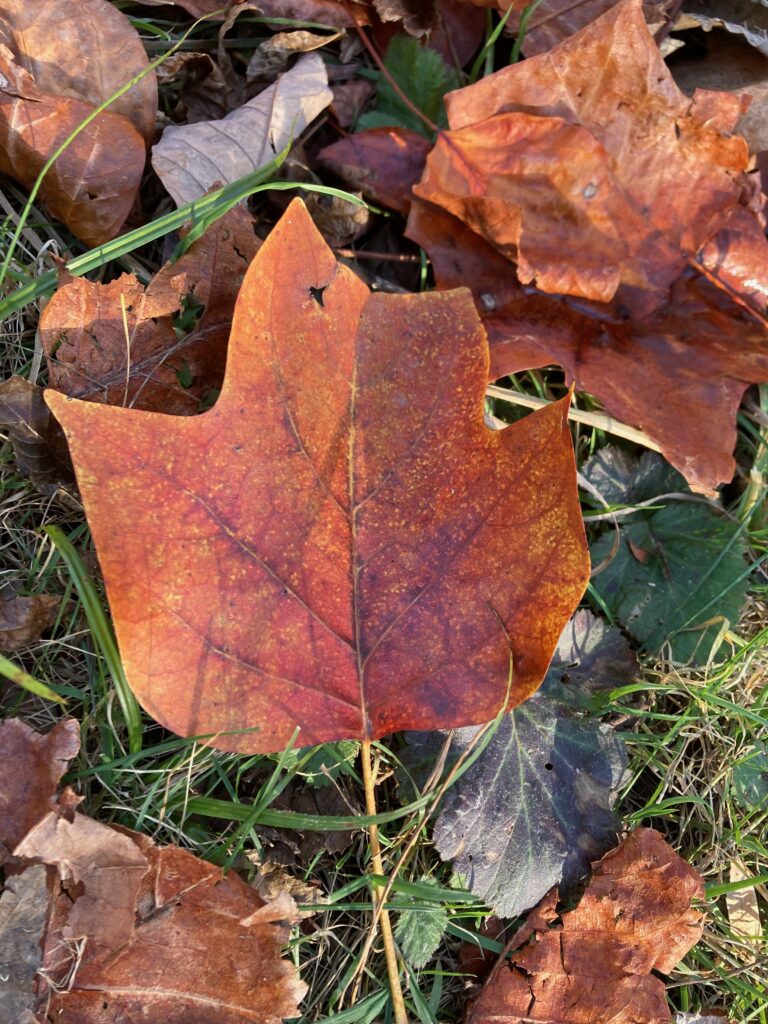
    A towering Tulip Tree on the edge of the riverbank still held most of its leaves.

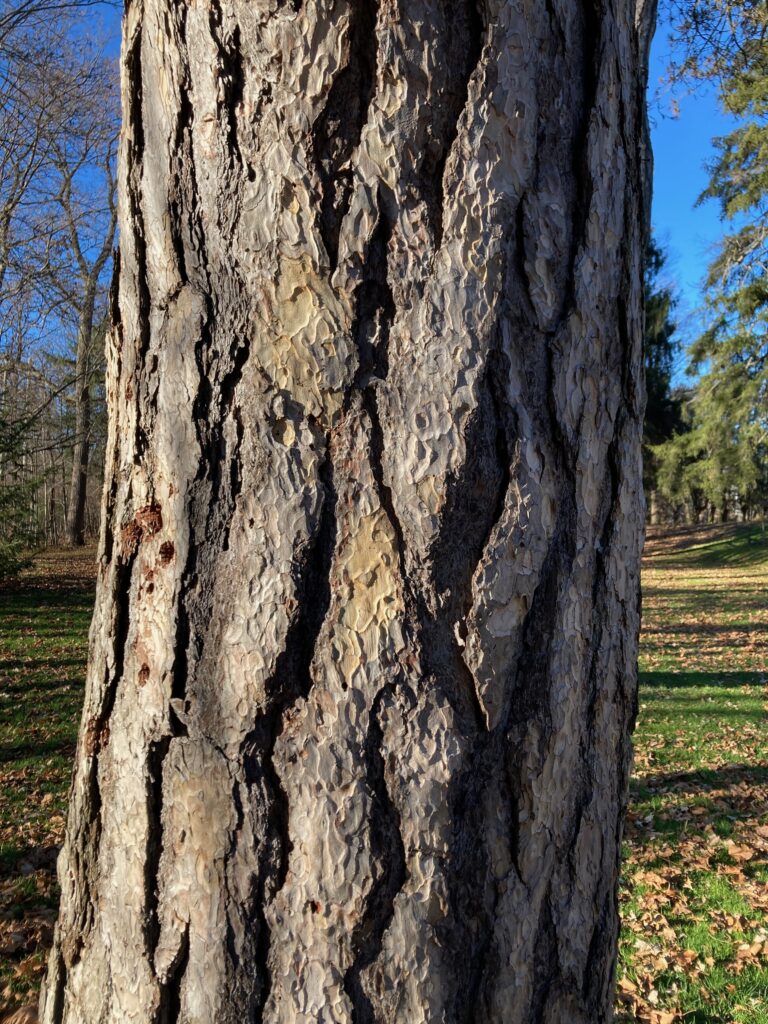
    Old ornamental trees, probably Austrian Pines, stand tall on the estate grounds, now a heritage property.

    Online Auction for Prince Edward Point Bird Observatory

    https://www.32auctions.com/PEPtBO23

    Lady Gaga

    There are just too many great videos and performances. Feel free to skip any you don’t like.

    A good test of a public person is how they perform with James Cordon.

  • Local parks in November, 2023

    Local parks in November, 2023

    Last week, when the weather brought sunshine and temperatures into the teens, we made time every afternoon to walk in a different local park.

    The Coves in November was very quiet.

    We heard few birds and saw none until we visited the bird feeders on a property adjacent to the trail. Here we found a pair of House Finches and a Northern Cardinal taking advantage of the feast.

    As we returned to the car, we detected the high-pitched, wheezy call of Cedar Waxwings. There was a large flock high in the trees, almost out of sight. Now and then a few would drop down to harvest berries from the honeysuckle bushes below.

    The following day, under clear blue skies, we went to Kilallly Meadows Environmentally Significant Area (ESA). We walked through wooded trails and past the Thames River and open fields of wildflowers and grasses. Again, there were few birds in evidence aside from Dark-eyed Juncos, American Robins, Northern Cardinals and a few Mallards in the river.

    Plants look different in the fall, but still can be identified.

    Common Buckthorn bushes are prolific seed producers as evidence by the berries we saw on the bushes and on the ground. These shrubs are designated as noxious weeds and an invasive species in Ontario. Buckthorn thrives in a variety of habitats and forms dense thickets that crowd and shade out native plants. According to Ontario’s Invading Species awareness program, its seeds germinate quickly and prevent the natural growth of native trees and shrubs. Although birds and animals eat the buckthorn seeds, they are not as nutritious as the seeds of native shrubs.

    American Sycamores tower over the landscape, easily identified by their distinctive pale, patchy bark.

    The next day took us to the Civic Garden Complex, a beautifully landscaped park with trails leading down to the Thames River. Ornamental plants and specimen trees added colour and interest to the park.

    American Beech trees line the trail along the river. These trees are identified by their smooth, silver-gray bark and autumn foliage.

    Close to the parking lot, we could hear the quiet calls of Golden-crowned Kinglets. They were foraging for the berries of the Common Yew, but refused to stay still or show themselves long enough for an unobscured photo. Kinglets are late migrants that sometimes stay around into the late fall or later, as long as they can find food. On the right is a photo of a Golden-crowned Kinglet from November 11, 2018.

    And there was more sunny weather to come!

    The Music of Stan Rogers

    We first heard Stan’s song “Forty-five Years” on the radio. Then we saw him at an outdoor folk festival. His warmth and energy won us over.

    But our appreciation for Stan skyrocketed when we saw his generousity in performing songs by other folk musicians. This live performance is one that we may have attended at The Groaning Board, a restaurant in downtown Toronto.

    There is a wonderful CBC Television documentary about Stan Rogers. Here are two samples. The full documentary and a recent recording are at the end of this note.

    https://youtu.be/3xrqYKYL1mU?si=e9r3zoD3zlB9gwSP

    P.S. Although Stan died in an airplane fire in 1983, his music is still being performed and recorded. This video is the most recent I could find. And yes, his music can still move me to tears. —Glenn

  • Neighbourhood Walks – November, 2023

    Neighbourhood Walks – November, 2023

    Early November still holds patches of life and colour.

    November 6th

    November 10th and 12th

    A few wildflowers were still in bloom and had some insect visitors.

    Most plants had gone to seed: Virgin’s-Bower, New England Aster, Common Milkweed, goldenrod with flea beetle.

    Apart from Mallards and Canada Geese, there are many fewer birds present at this time of year. Most of the birds that are present forage quietly under cover with the exception of those that chance a visit to a bird feeder.

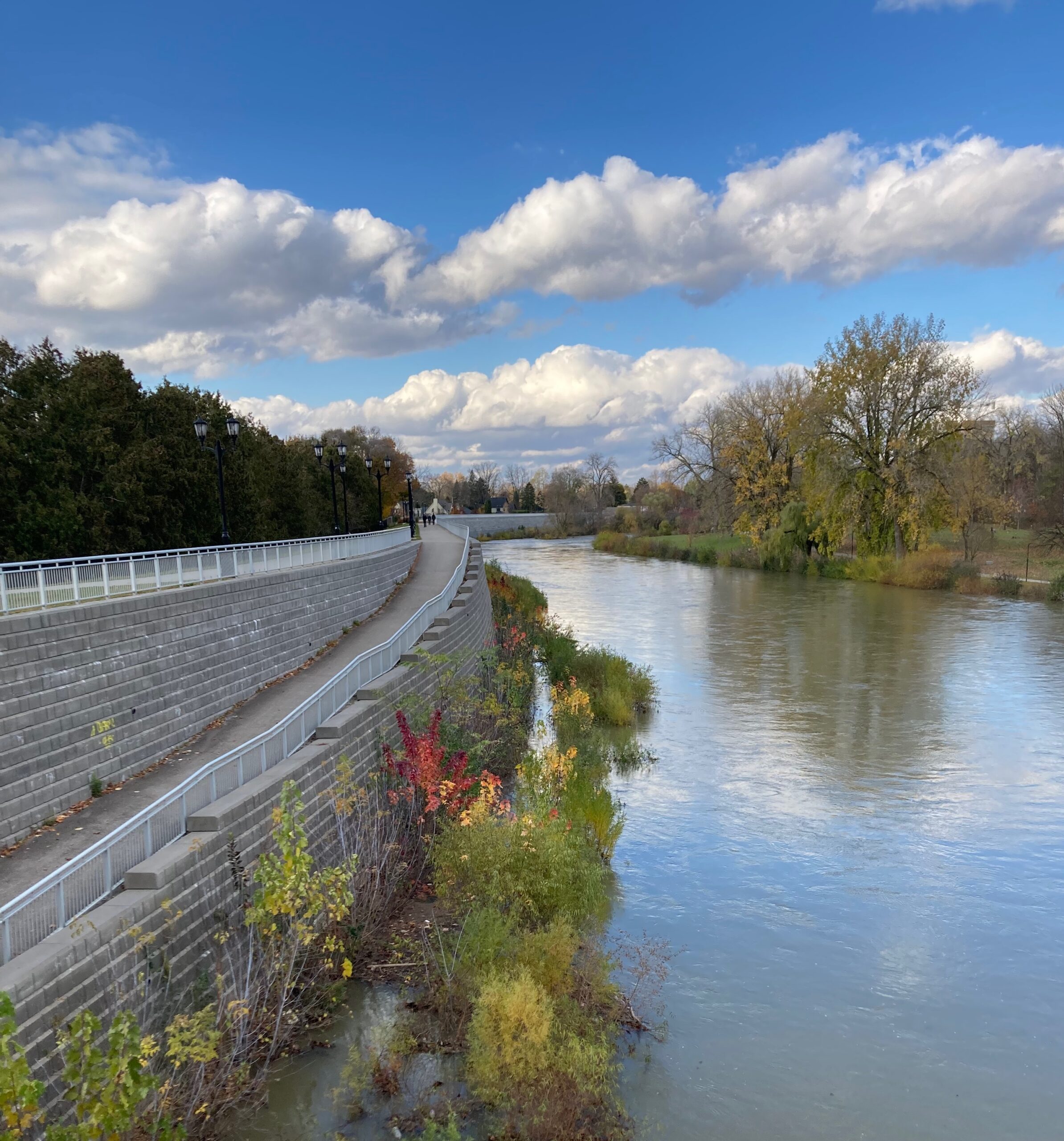
    If our timing is right, we sometimes encounter the birds that forage along the river. On one walk, a Great Blue Heron flew down the river and landed in the shallow water (photo on the right). As we crossed Blackfriars Bridge, we heard the chatter of a Belted Kingfisher that landed briefly before flying farther down the river.

    Squirrels are never hard to find as they busy themselves collecting and caching food for the winter.

    We are now in a week of fine weather – mostly sunny, warmer temperatures (highs in the 10C to 15C range) than expected for November, and red skies at night. We’re taking advantage of it while it lasts!

    Music Videos – All Covers

    Dolly Parton has been inducted into the Rock and Roll Hall of Fame. She then decided to release a rock album.

    Four judges on The Voice sing an Eagles song.

    The stars of “Ted Lasso” sing at a charity benefit.

    For fans of the show only, here are two more videos from the same concert. First, the actor who played Coach Beard gets shaved for charity.

    If you are still with me, Brendon Hunt (before the shave) sang a Lady Gaga song with a lot of help from the backup singer.

  • Sifton Bog ESA,      October 31, 2023

    Sifton Bog ESA, October 31, 2023

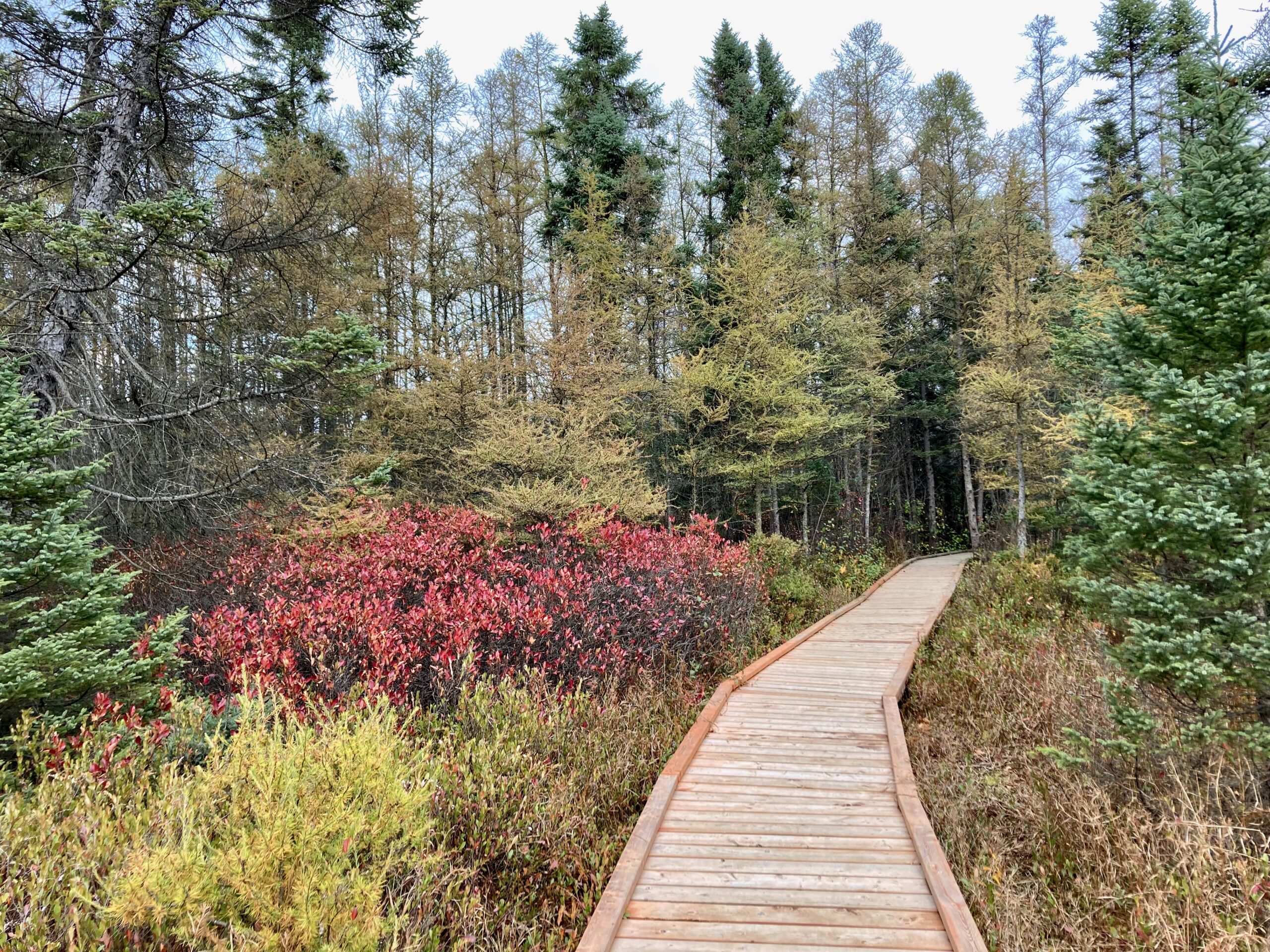
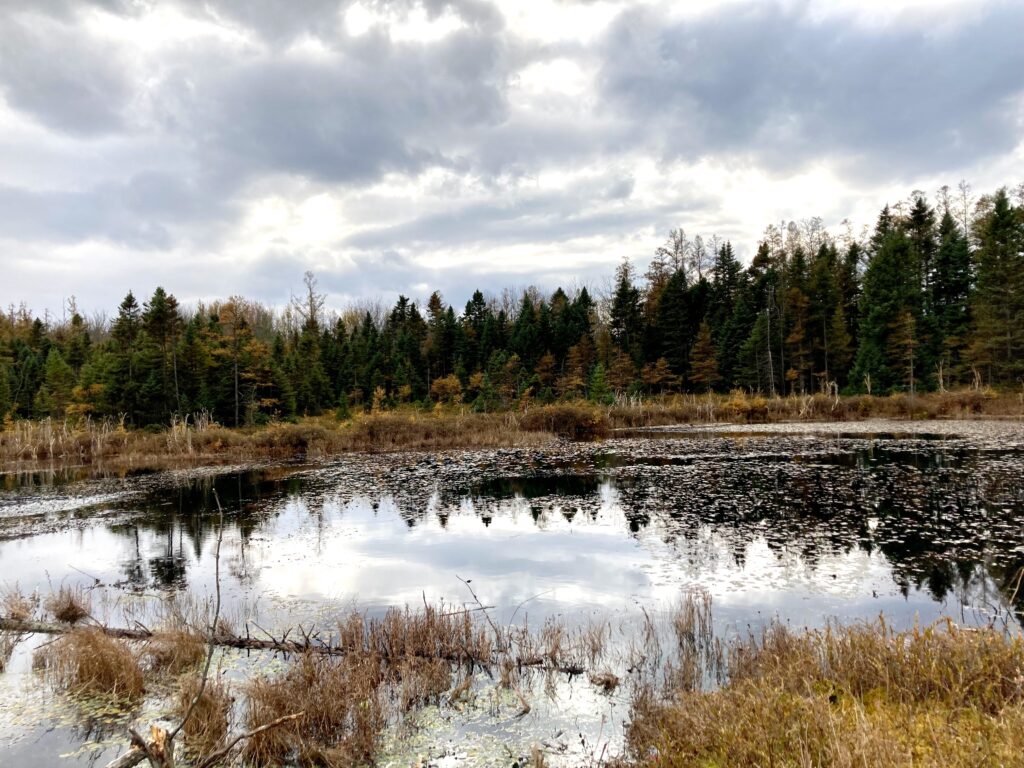
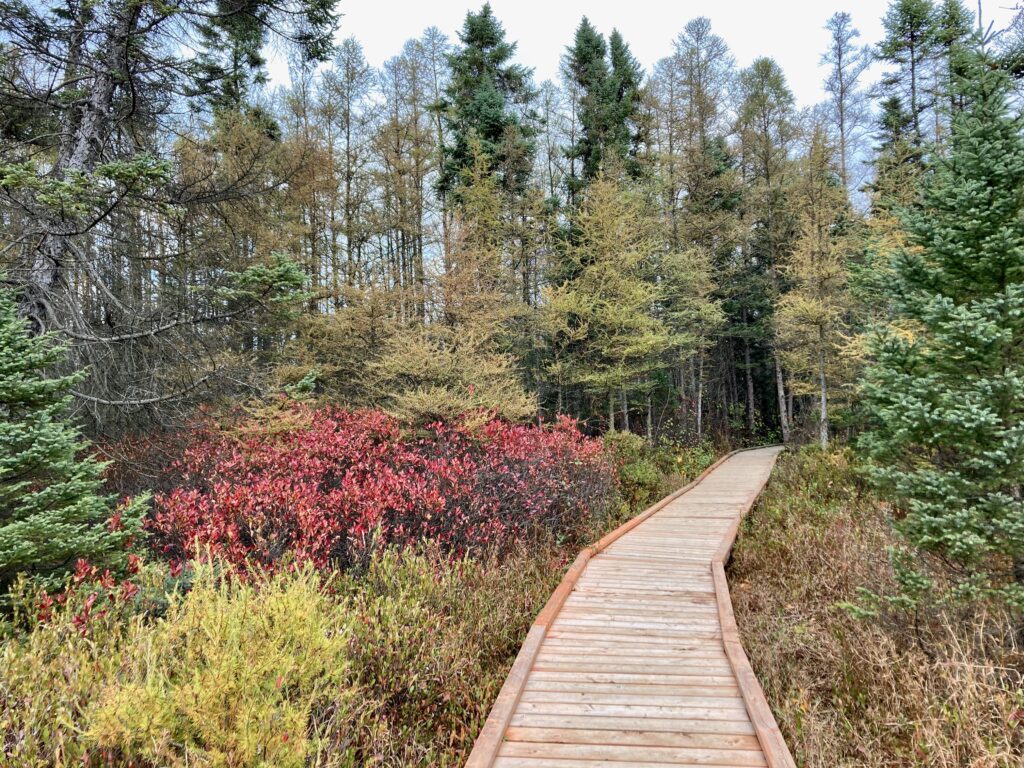
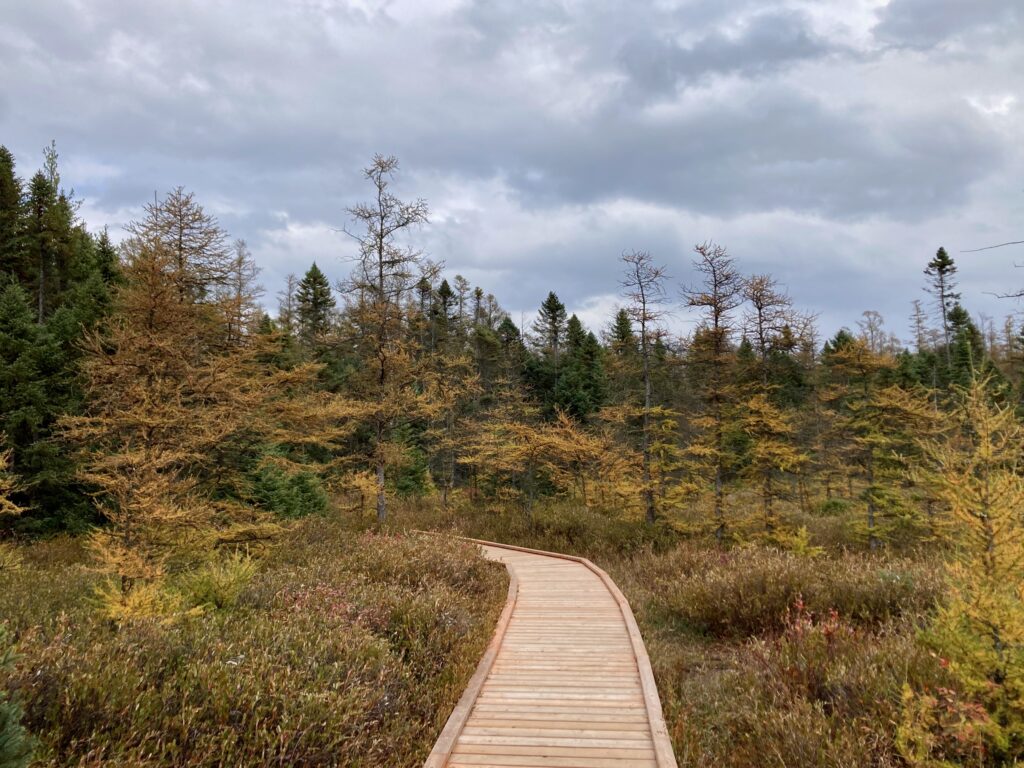
    Sifton Bog Environmentally Significant Area (ESA) is a floating acid peat bog surrounded by deciduous swamp and upland forest. A boardwalk leads through the woods to Redmond’s Pond. This pond in the midst of the bog is slowly decreasing in size as it fills with sediment and peat formed by the Sphagnum moss that carpets the surface of the bog.

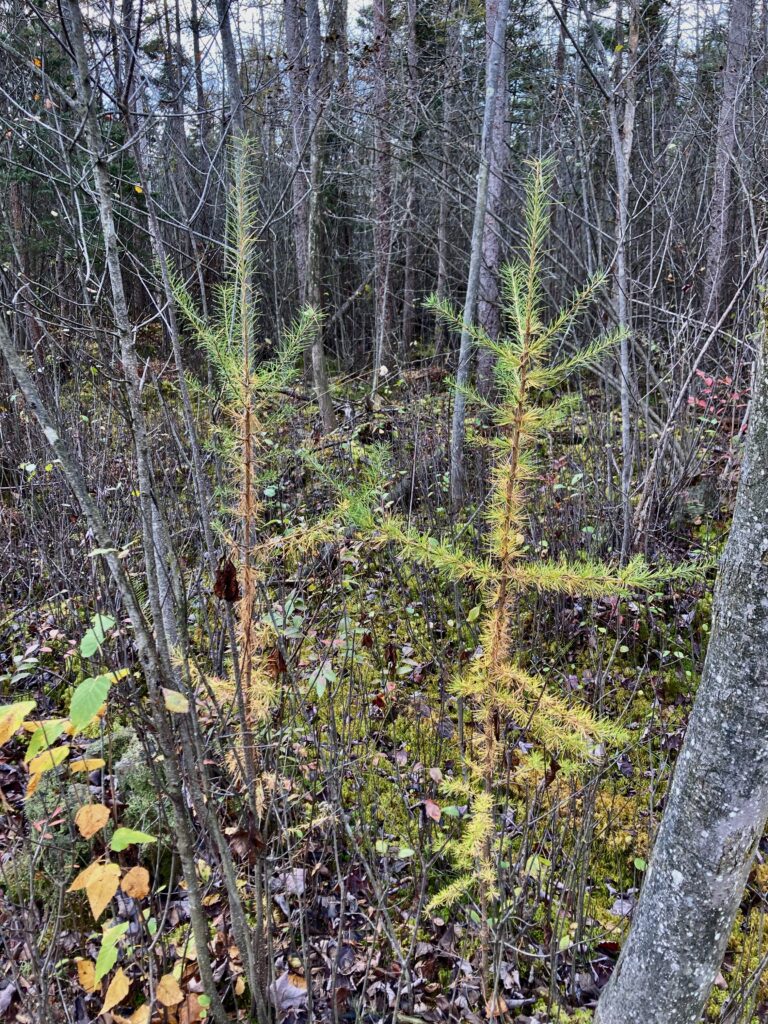
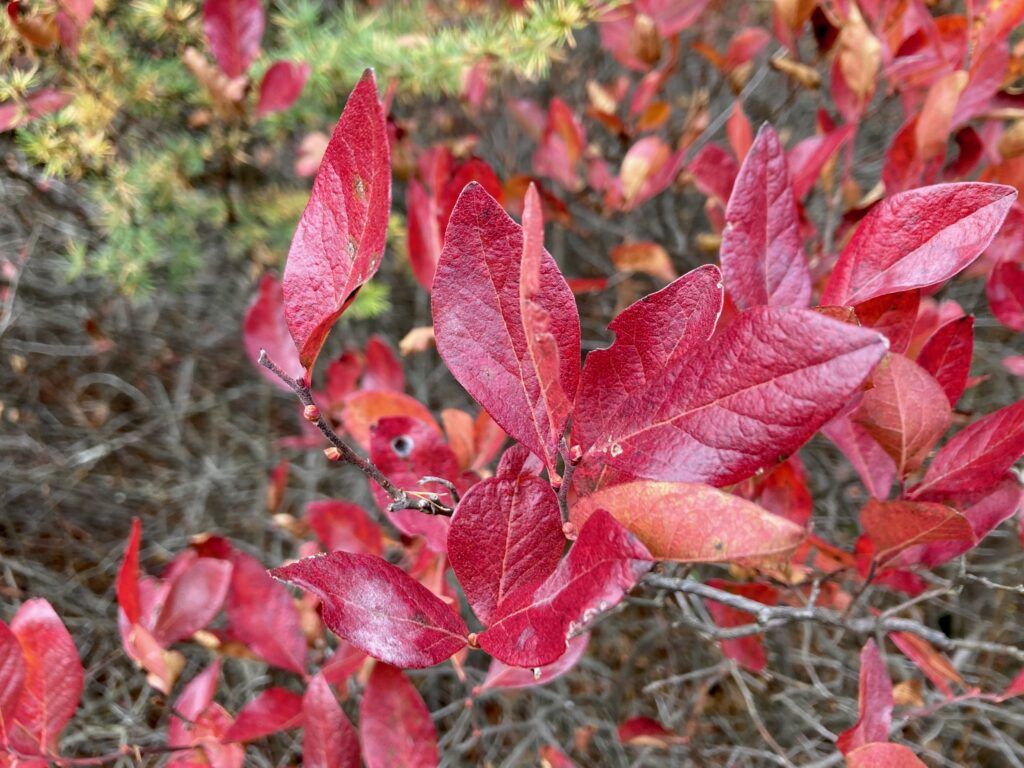
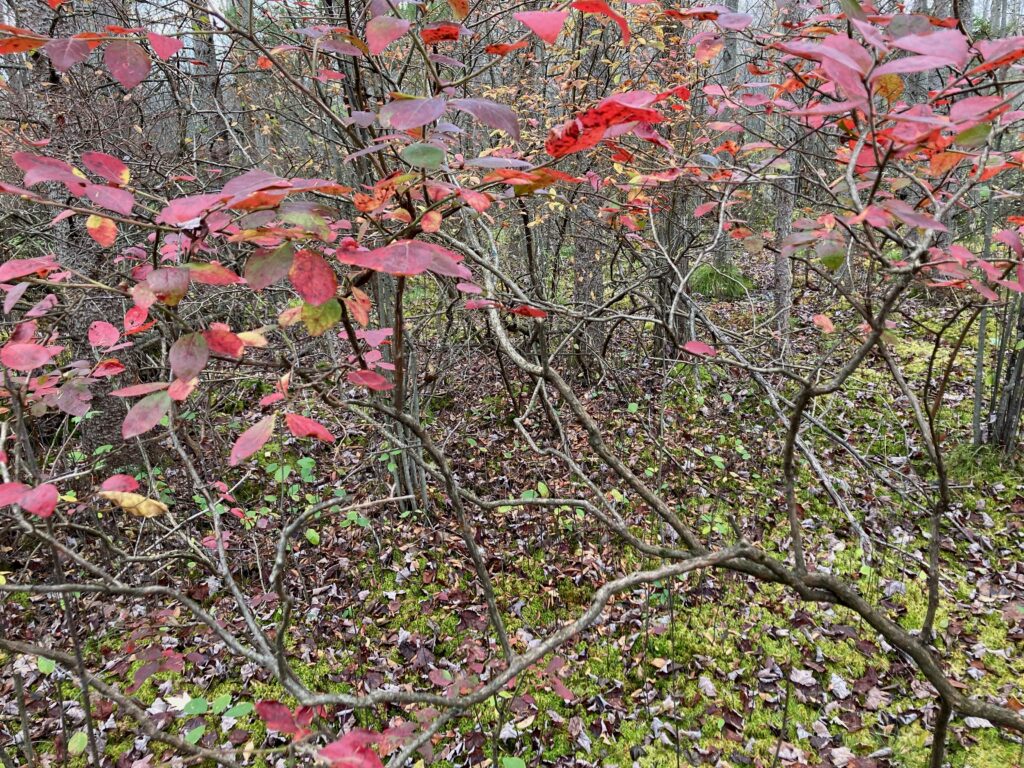
    The area closest to the bog has many northern, or boreal, species such as Black Spruce, Tamarack and Northern Highbush Blueberry. Tamaracks are unusual conifers that lose their needles in the winter.

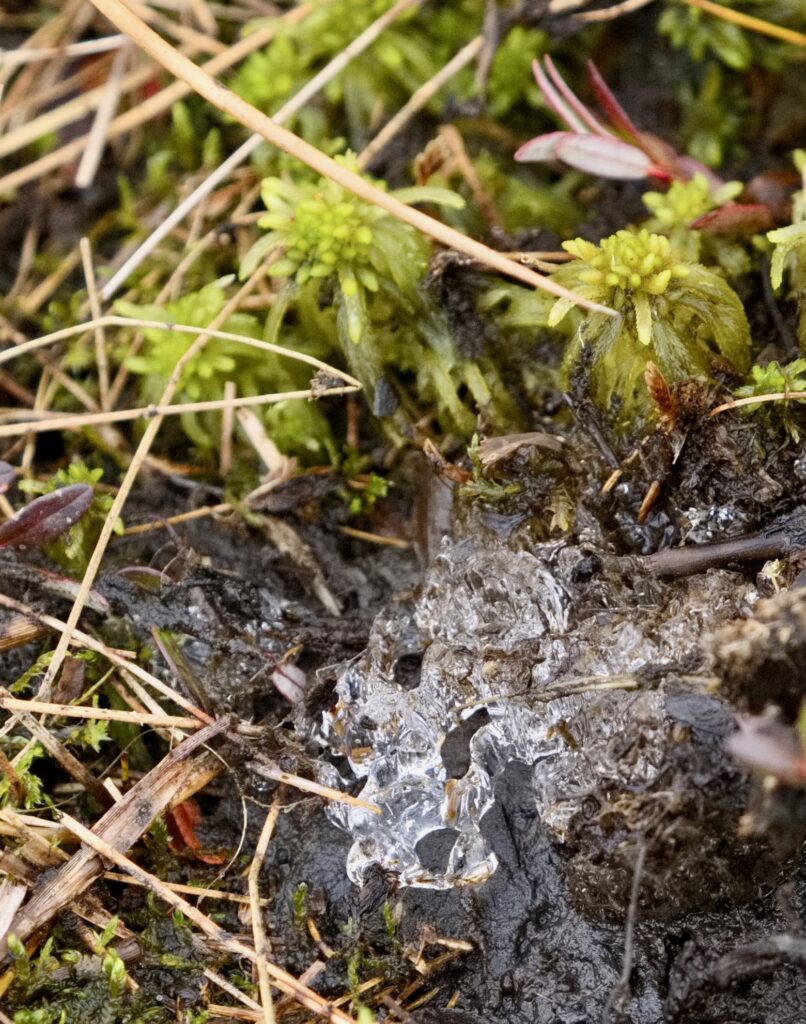
    Northern Peatmoss is a type of Sphagnum moss that carpets the bog. As the upper tips of the moss grow up, the lower parts are shaded, die, and become peat.

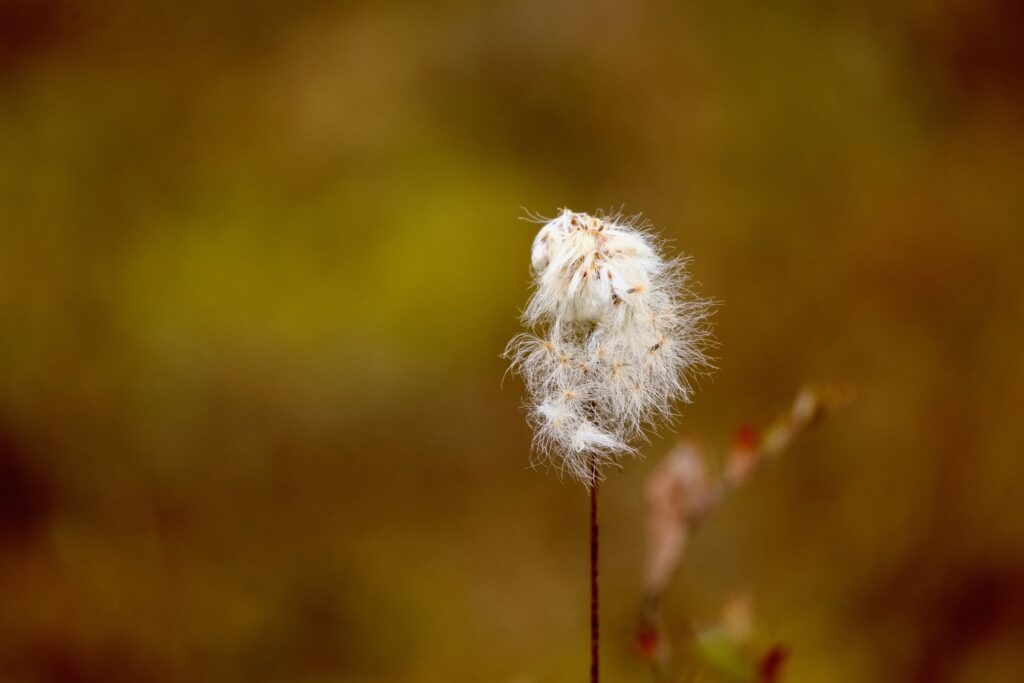
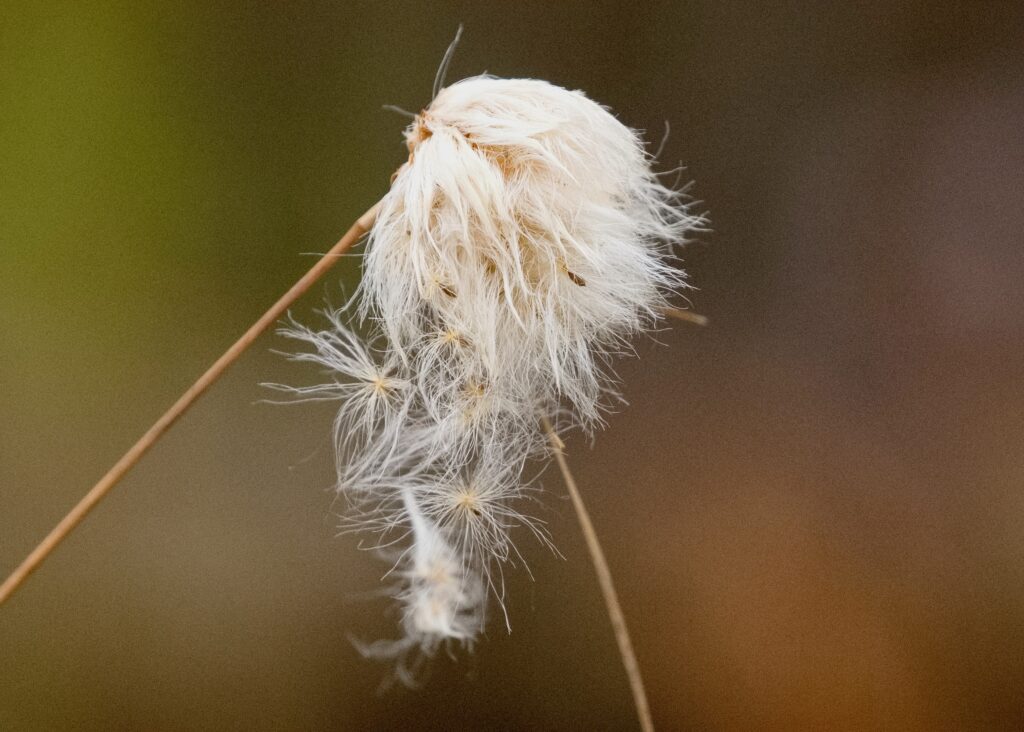
    Slender Cottongrass is a flowering plant in the sedge family that grows in wet, peaty soil, bogs, and conifer swamps. The bog was dotted with the white tufts of the cottongrass seeds.

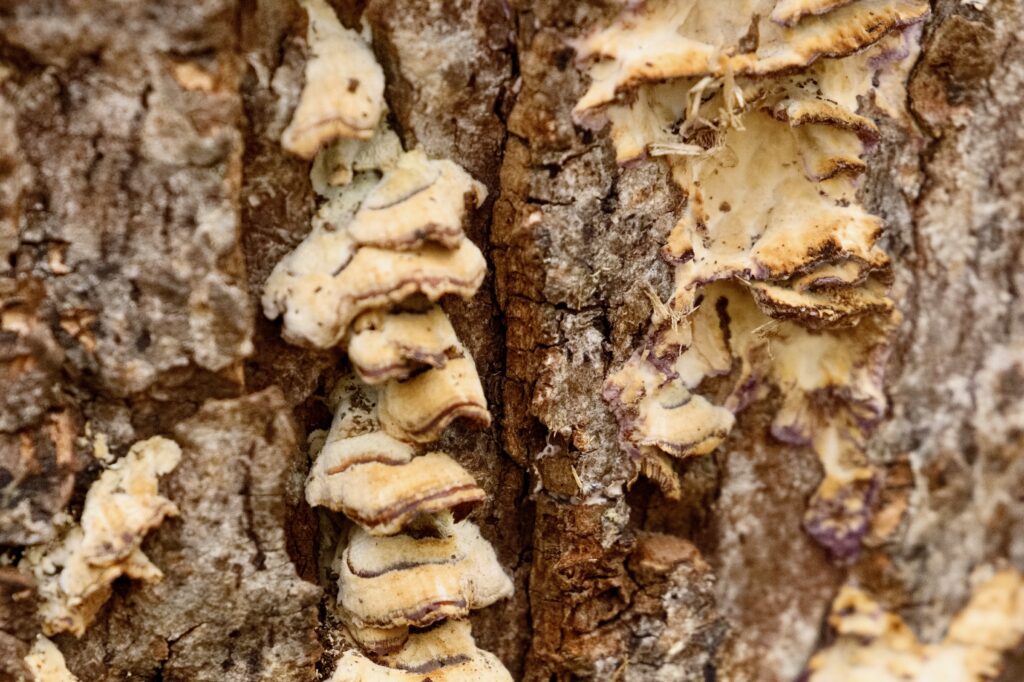
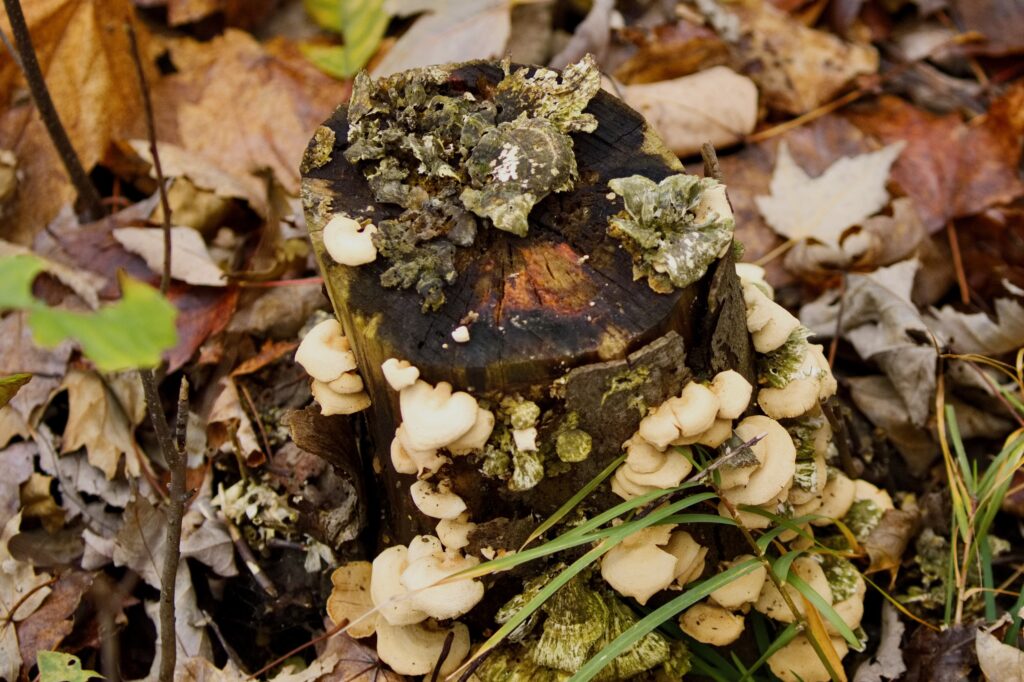
    There were various shelf fungi or polypores on the damp deadwood and tree trunks in the deciduous/hardwood swamp that is farther from the bog.

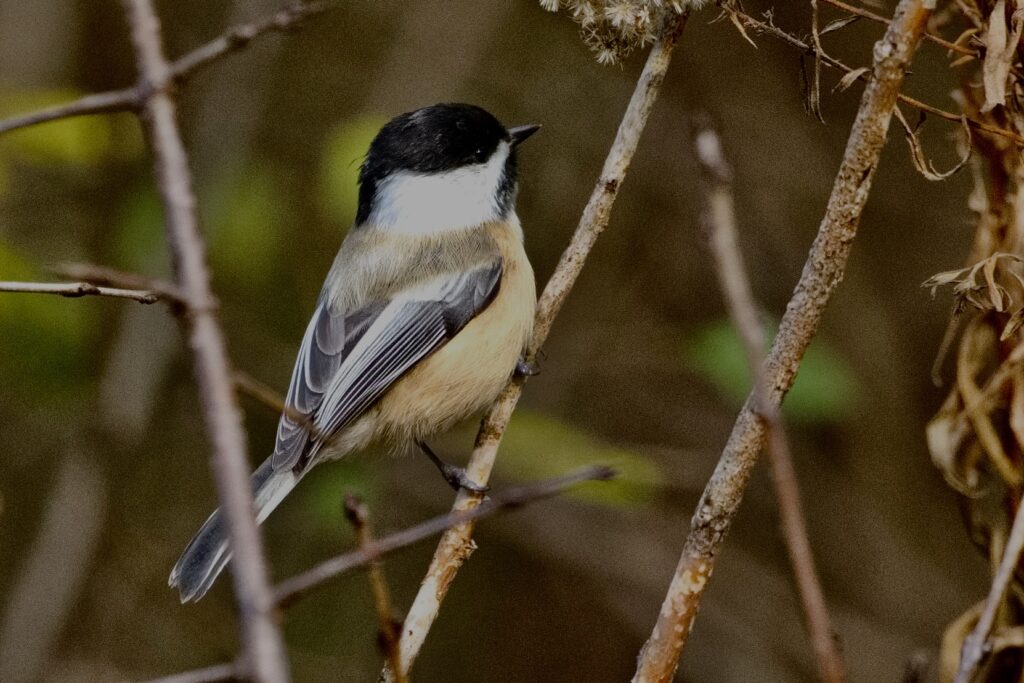
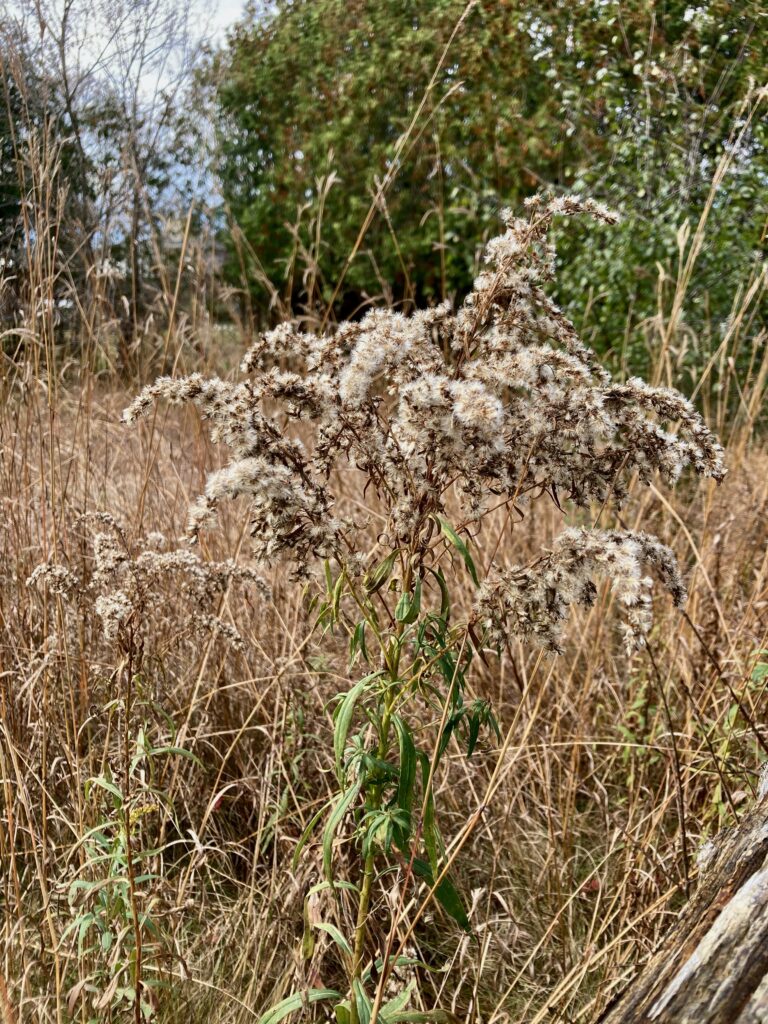
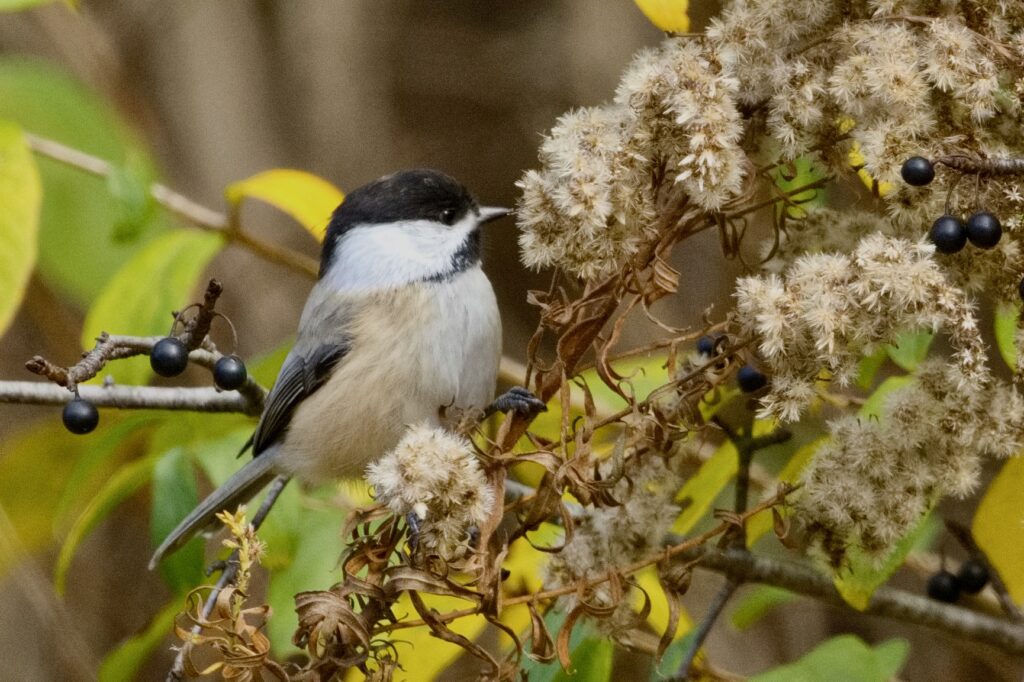
    The day was cold, with icy patches in the damp soil. The only birds in evidence were a Blue Jay and a small flock of Black-capped Chickadees feeding on the seeds of the goldenrod in the open area near the parking lot. Freeman’s maple are the dominant species in the deciduous swamp.

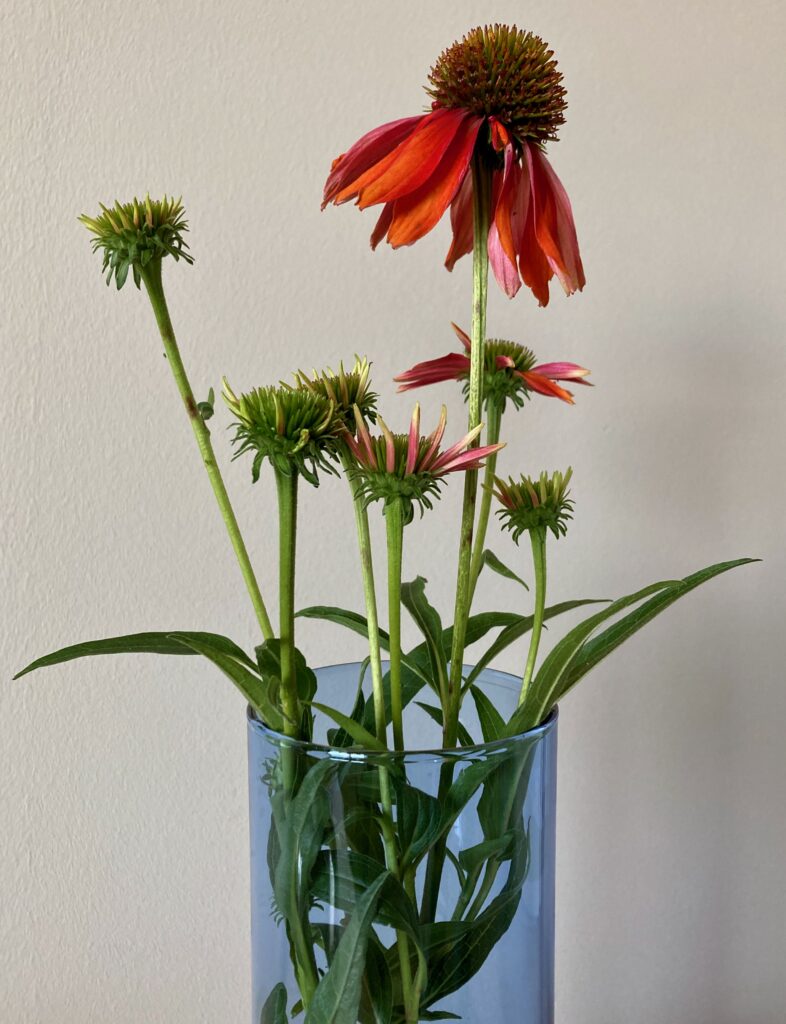
    Our November weather has generally been cold and rainy. The Wandering Bee flower farm has harvested its last blooms for the season. We cut some blooms from our balcony pots before clearing the balcony for the winter.

    Featuring LeAnn Rimes

    LeAnn won two Grammies at age 14 thanks to her single “Blue”. Patsy Cline’s widowed husband had to stop the car when her first heard her singing on the car radio because her voice is so similar to Patsy’s. Young, talented singers seem vulnerable to exploitation. LeAnn split from her father’s control at age 18. Her subsequent relationships with men have been tabloid fodder over the years.

    Here are some samples of her singing at different ages – first at 17.

    She goes somewhere special when she sings Patsy Cline Songs.

    Her tribute to Janis Joplin also seems genuine and she seems to enjoy the band.

    For some years she recorded softer middle of the road songs that did not seem as genuinely felt. But her voice!

  • Neighbourhood Walks – September/October 2023

    Neighbourhood Walks – September/October 2023

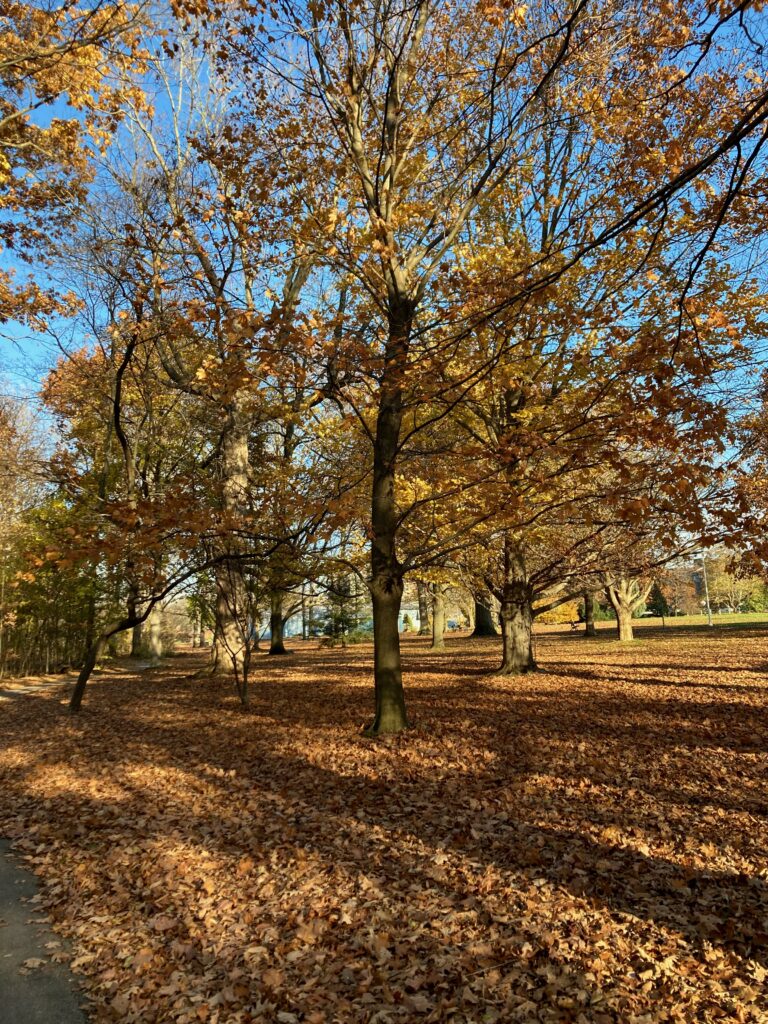
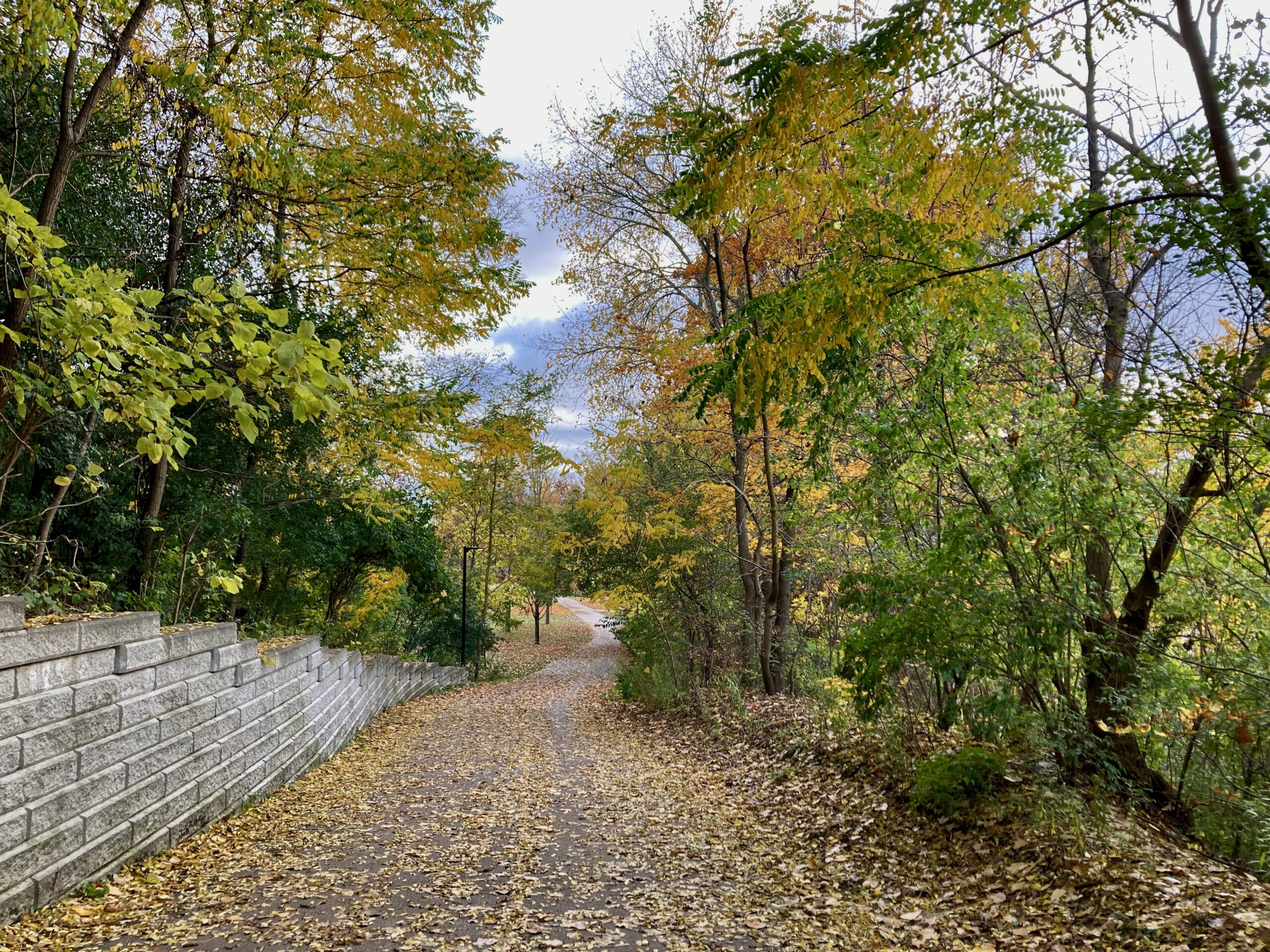
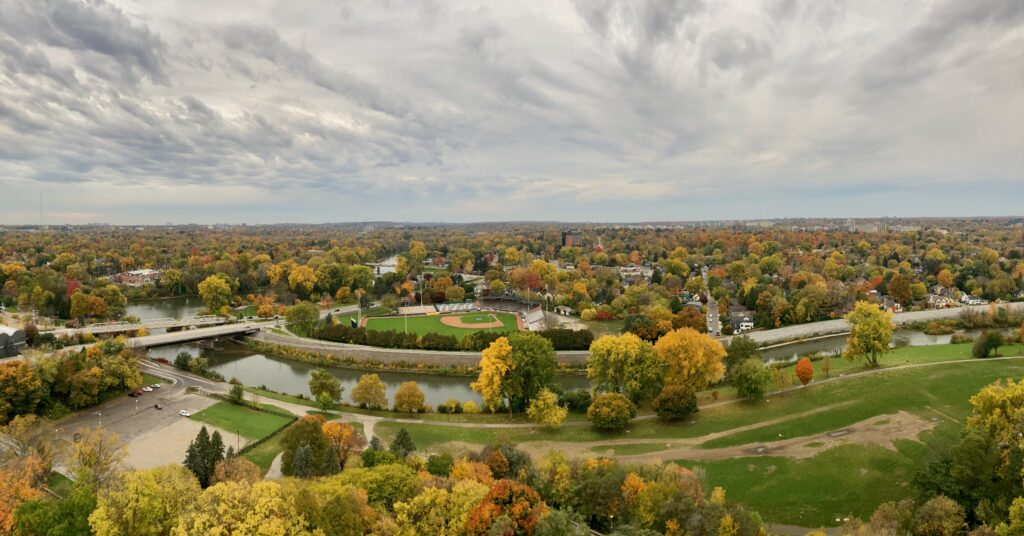
    The canopy in vivid colour, October 25th.

    Rain and cold temperatures on October 30th took down many of the leaves. The canopy has lost much of its colour and will soon have the monochrome palette of November.

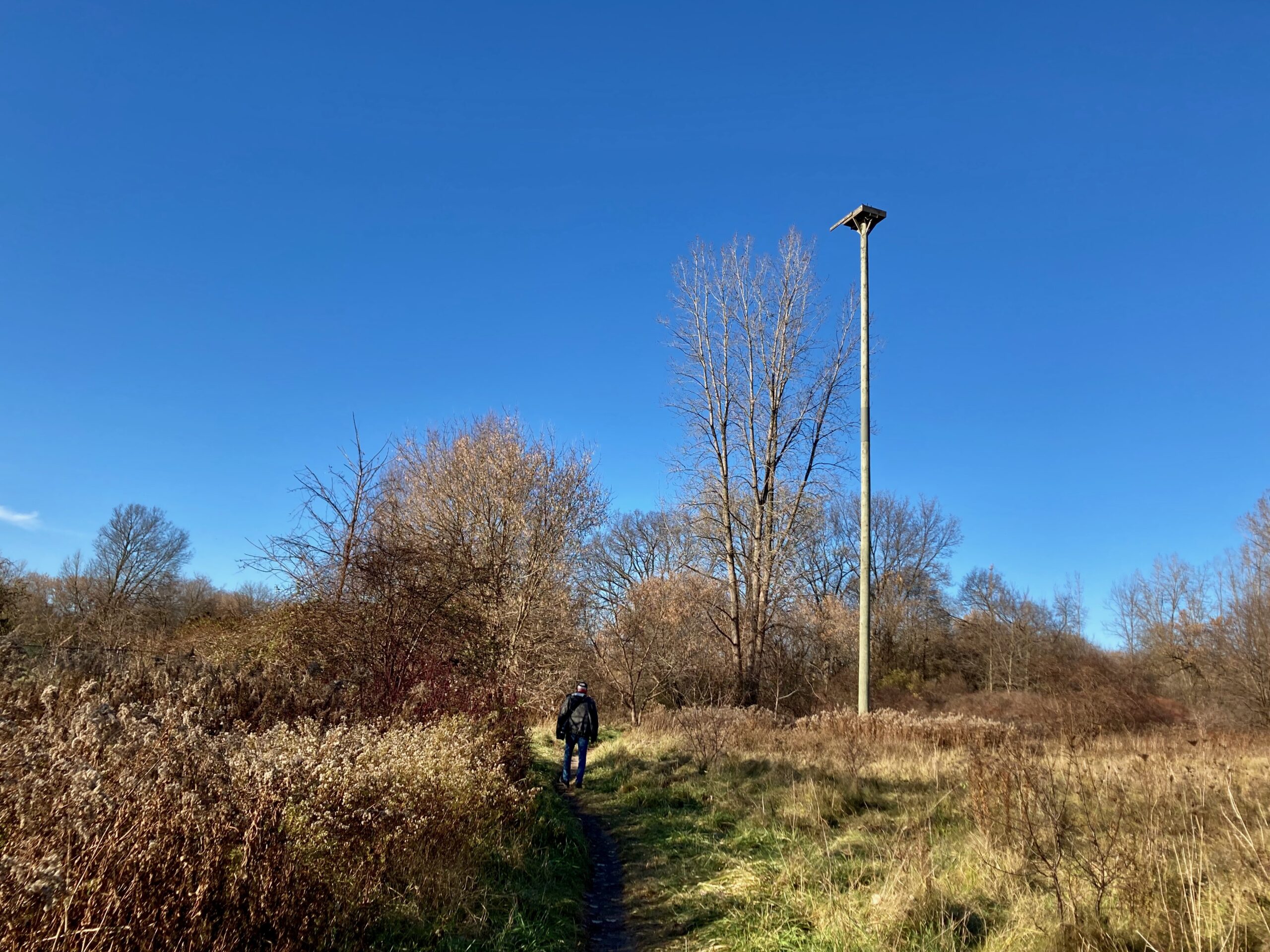
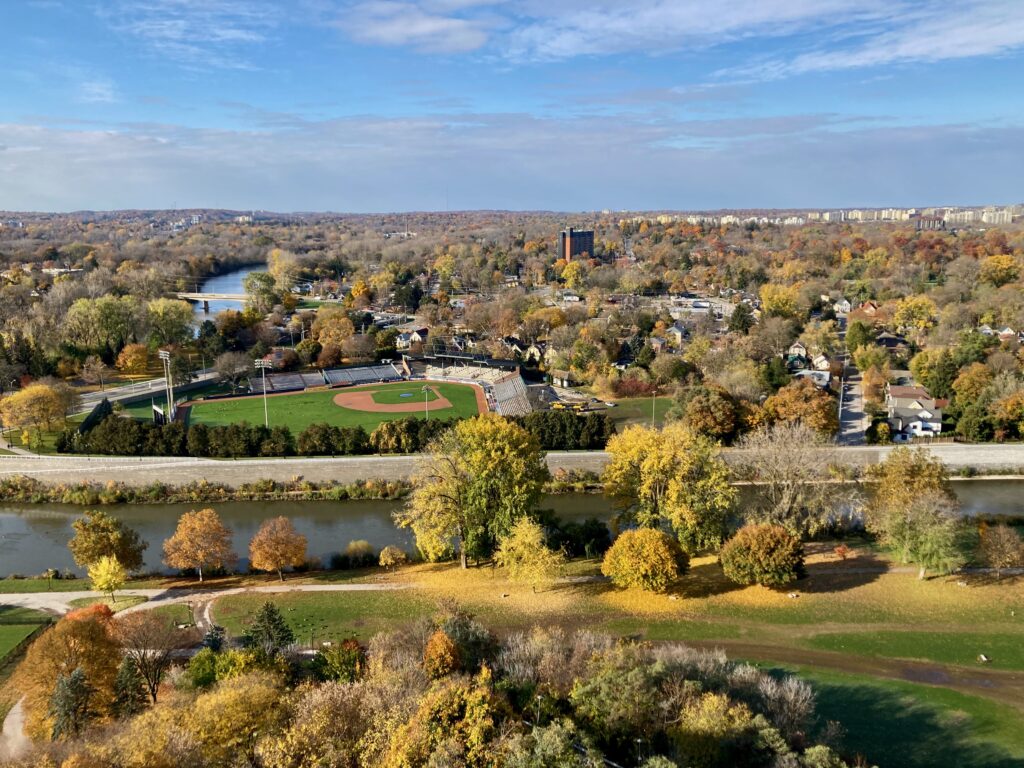
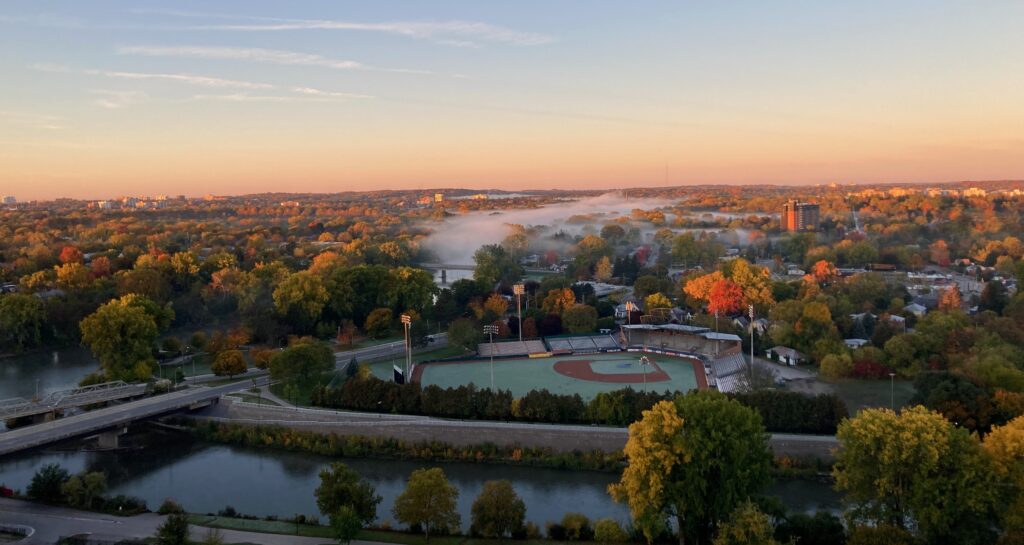
    You can also see in the photo below, taken October 31, that the city is in the process of removing and replacing the floodlights at Labatt Stadium. We were alerted to this change by city officials. They hope that, since the new light standards will be lower than the former ones, the Ospreys will adopt the low nest platform, seen just to the right of the stadium and parking area. They have been advised that raising the level of the nesting platform would make it more attractive to the Ospreys, but we doubt that the city will take this advice. We will see what happens when the Ospreys return in the spring…

    On November 1st, we awoke to a dusting of snow. There were flurries during the day before the snow finally disappeared.

    The transition from summer into fall has been apparent in our photos and on our walks over the past two months

    Early September was still warm. On September 4, folks were fishing on the river. A Spiny Softshell Turtle was sunning on a rock. Two Common Mergansers searched the water for fish or invertebrates. These were likely immature mergansers, born this year and migrating farther south for the winter from their northern breeding grounds. Nearby, an immature America Goldfinch sheltered in the shade of a sunflower.

    In September and beyond, wildflowers were still in bloom and some insects were still busy.

    Red Admiral on New England Aster, September 14, 2023

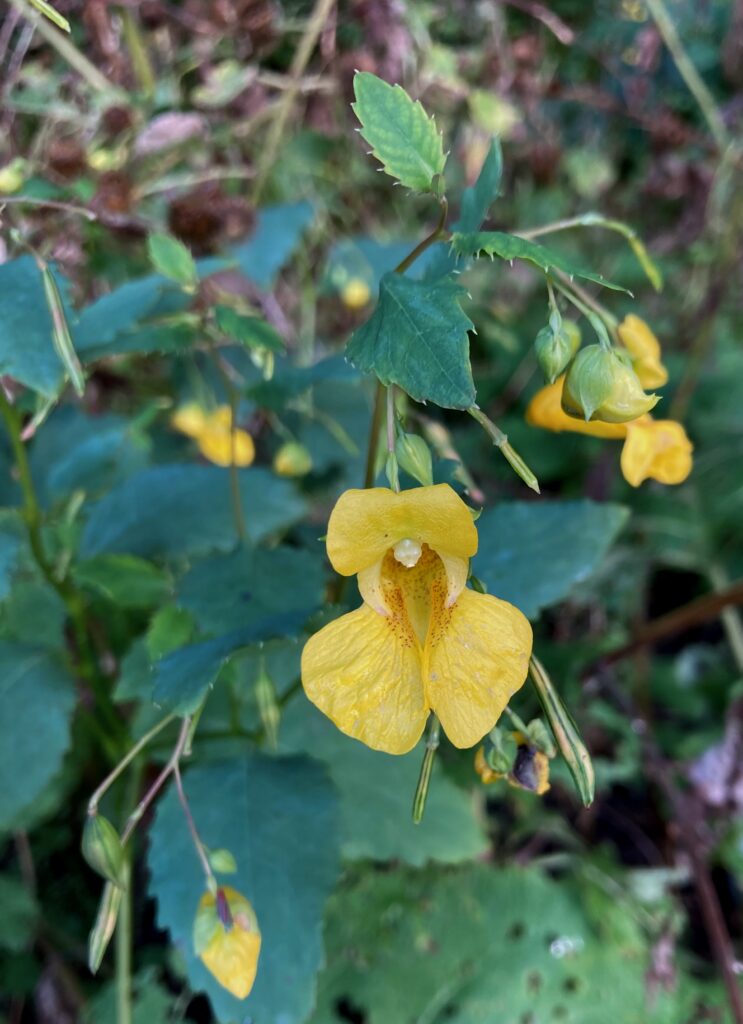
    There were still many wildflowers in bloom on September 14th: Broad-leaved Goldenrod, Virgin’s Bower (with seed heads), Cut-leaved Coneflower, Pale Jewelweed, and asters.

    On September 29th, there were still blooms in the Blackfriars community gardens. Common Eastern Bumble Bees were active. The ornamental grasses along the walkway added some colour.

    On October 5th, asters and fleabane were in bloom but Staghorn Sumac was displaying its rainbow fall colours.

    By October 28th, the leaves had started to fall, but there was still plenty of colour to be found. The White Ash leaves often have a tinge of burgundy. The maples in these photos are likely Freeman Maples, a hybrid between Red Maple and Silver Maple.

    Rolling Stones Covers

    For a rocking weekend:

    And because she does such a great job on several Rolling Stones songs, here is one more Margot Cotton.

    And a bonus track with Jimmy Fallon and Keith Richards.

  • Strathroy Lagoons  – October 23, 2023

    Strathroy Lagoons – October 23, 2023

    We’ve continued to have overcast skies and rain much of the time.

    The skies were clear on the morning of October 23rd. The air was chilly from the first overnight frost we’ve had this fall.

    With the promise of sun, we couldn’t resist a trip to check out the migrating waterfowl at the Strathroy settlement ponds.

    As is always the case at these ponds, the birds were far away. Migrating birds, even the Canada Geese and Mallards, are extremely cautious and move away from the shore as we approach – no matter how quietly we try to move.

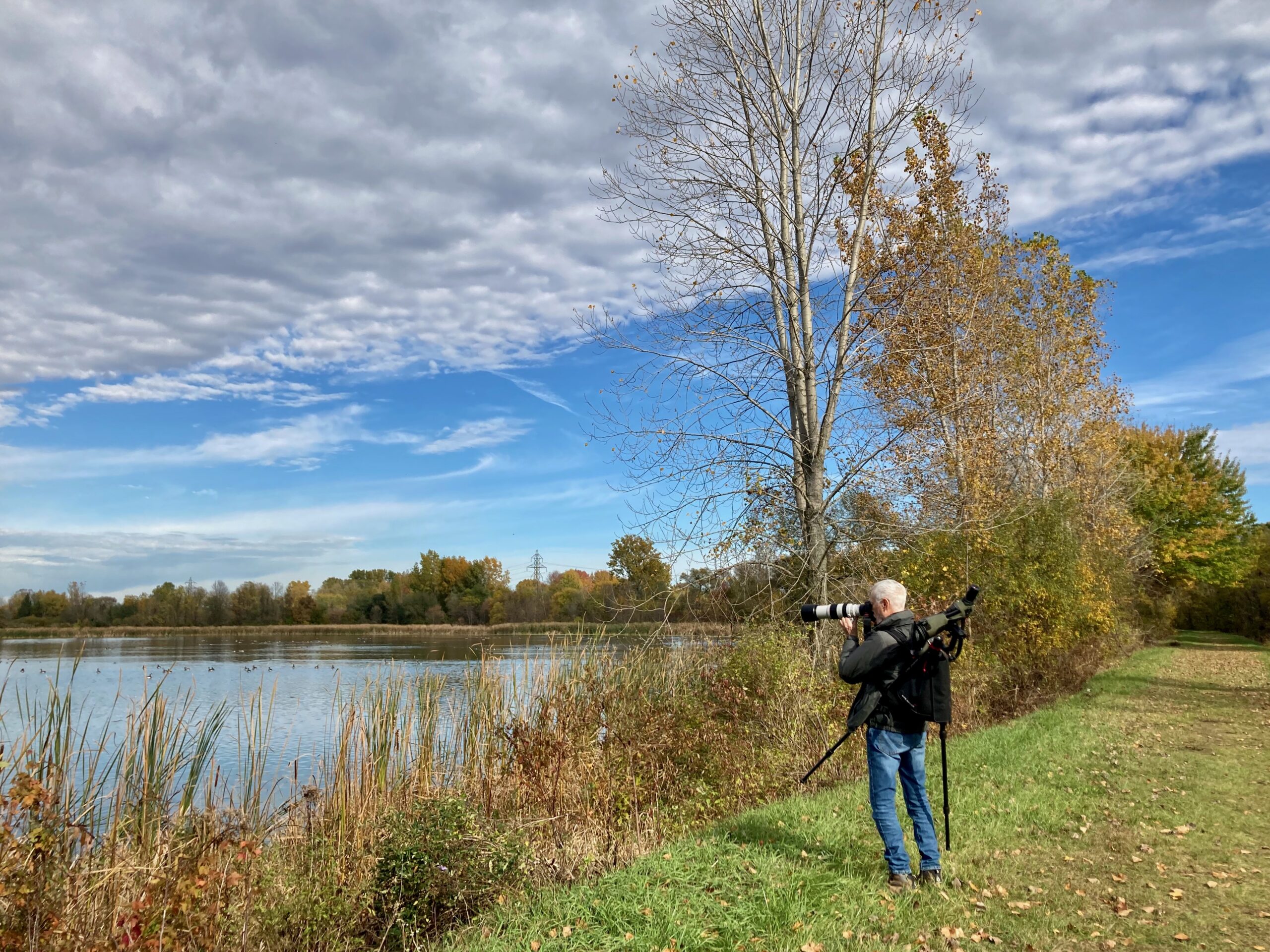
    With the aid of the spotting scope and telephoto lens, we were able to identify 20 bird species and to photograph some of them.

    Four shorebirds foraged in the mud on a far shore. They were only identifiable using the scope: a Killdeer, two Semi-palmated Sandpipers, and a Solitary Sandpiper. We also spotted a distant Bonaparte’s Gull and a several American Coots.

    Overhead, there were a few migrating Red-winged Blackbirds and American Starlings. We also flushed a small flock of American Goldfinch, now in their non-breeding plumage, foraging for seeds along the edge of the ponds.

    We are always happy to find butterflies, usually Cabbage Whites and Clouded Sulphurs, still visiting the few remaining fall blossoms. This day, in addition to a Clouded Sulphur, there was an Eastern Comma. The Eastern Comma is one of the angelwing punctuation butterflies, so called because of their wing shape and distinctive underside silver marking. When this butterfly rests upside down on a tree trunk with its wings closed, it resembles a dead leaf.

    The lighter hind wings of this Eastern Comma identify it as the overwintering form. It will overwinter as an adult and breed when it emerges in the spring. Its offspring will be of the summer form with darker hind wings. The summer form butterflies will in turn produce the next overwintering generation.

    It was a glorious afternoon to be out!

    Fall offerings from Wandering Bee and some local colour from our Serviceberry bush:

    Halloween Music Videos

    Let’s start with Jack Black doing a manic version of “Time Warp” that features several cameos.

    This “Monster Mash” cover mocks what happened to horror movies since the 1960’s. If it is too creepy, try the original version of the song as a cartoon.

    Nothing can top Michael Jackson’s “Thriller”. Here is the 13-minute version. There is a 4-minute front end as a werewolf movie and a total of 8 minutes to the start of the famous dance sequence.

    As a palate cleanser, The Guess Who’s “Clap for the Wolfman” featuring Wolfman Jack on The Midnight Special.

    Finally, Warren Zevon’s “Werewolves of London”. Ah ooh!