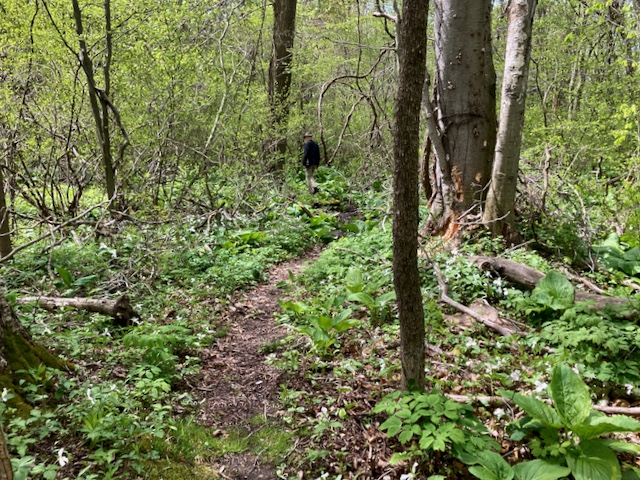
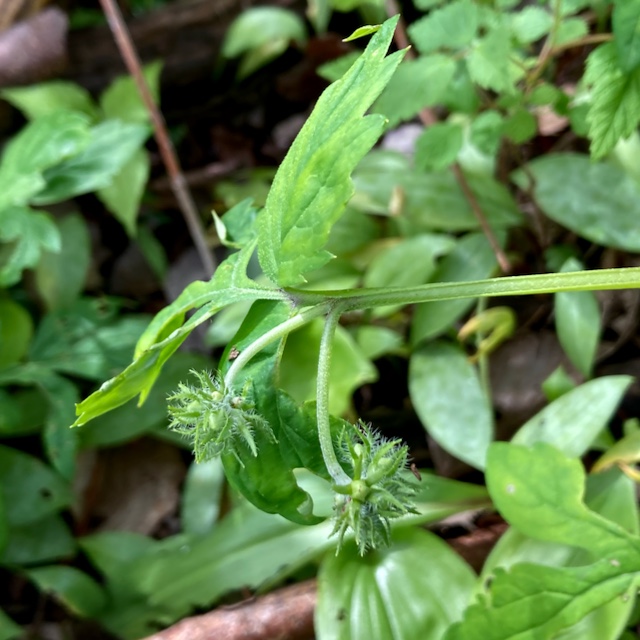
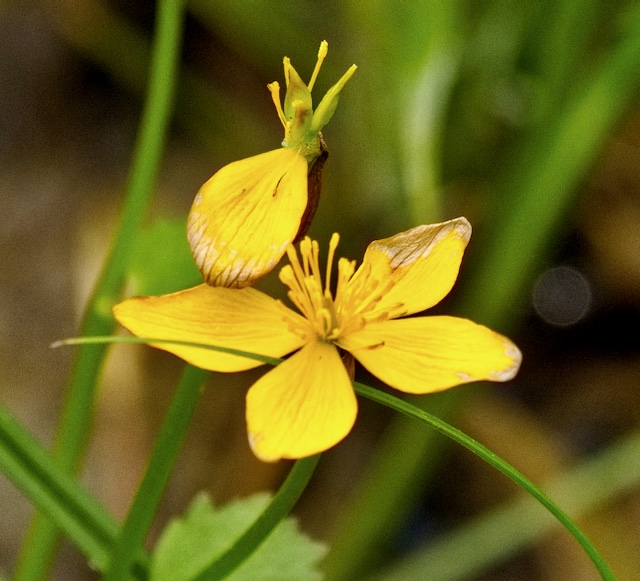
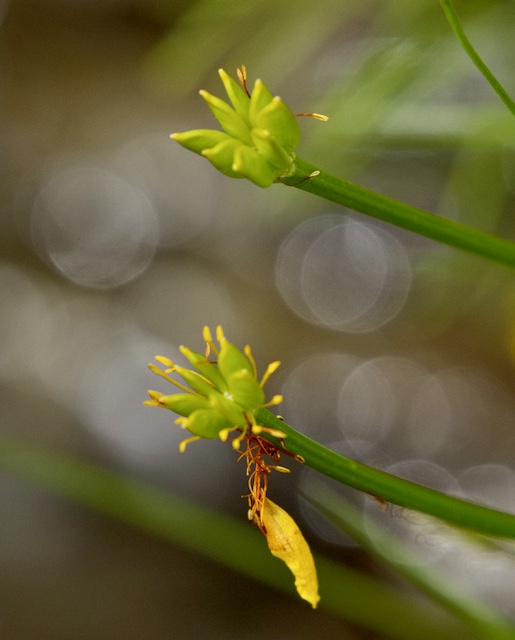
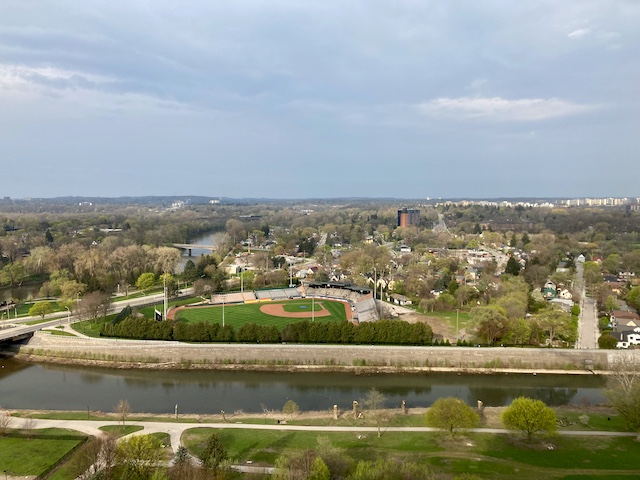
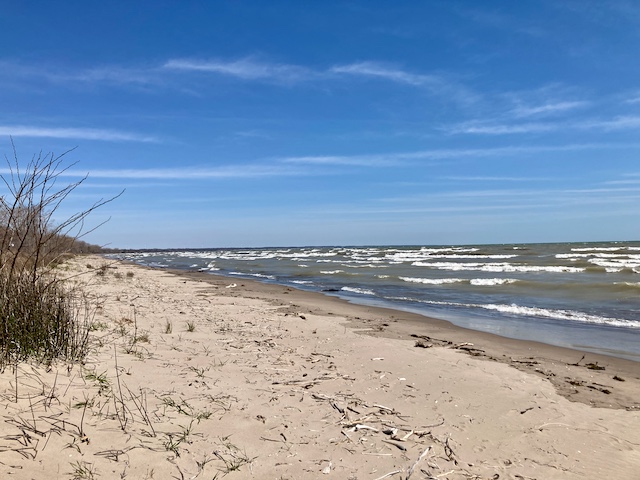
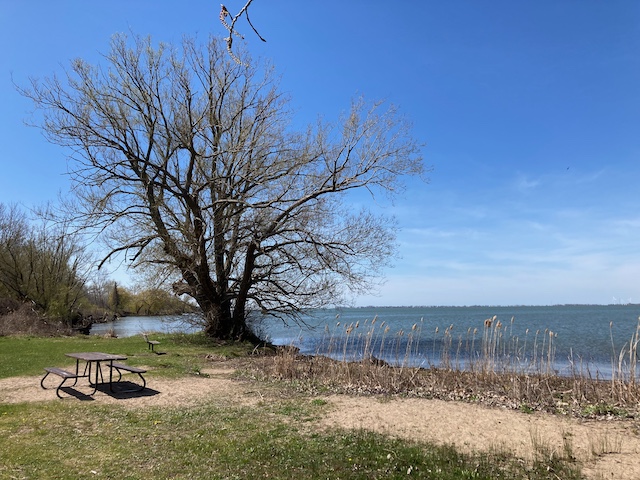
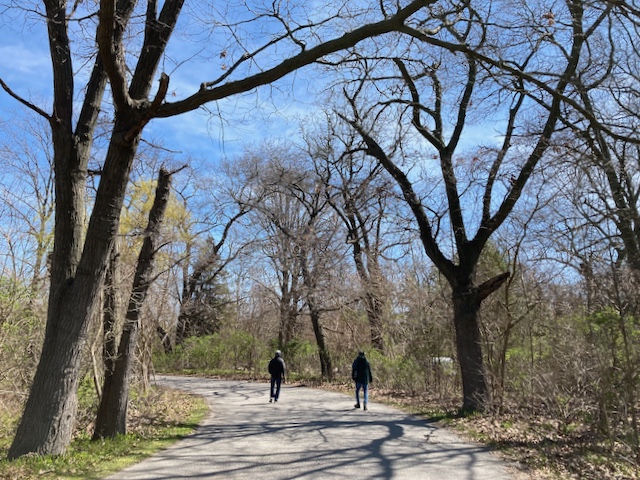
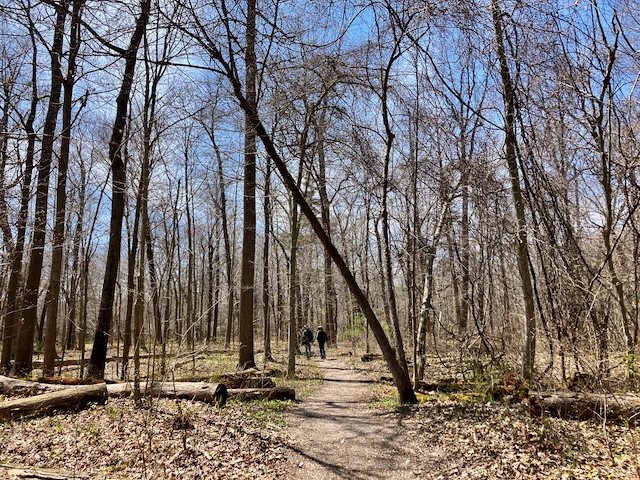
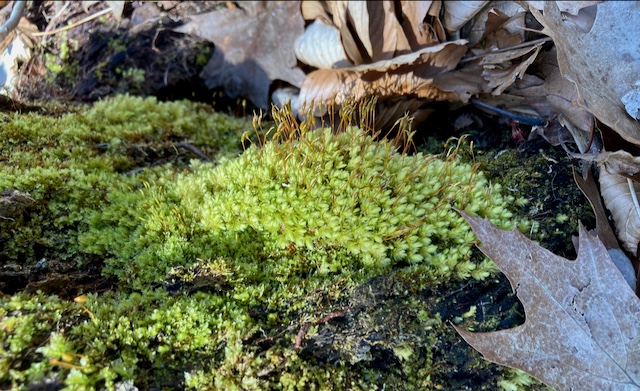
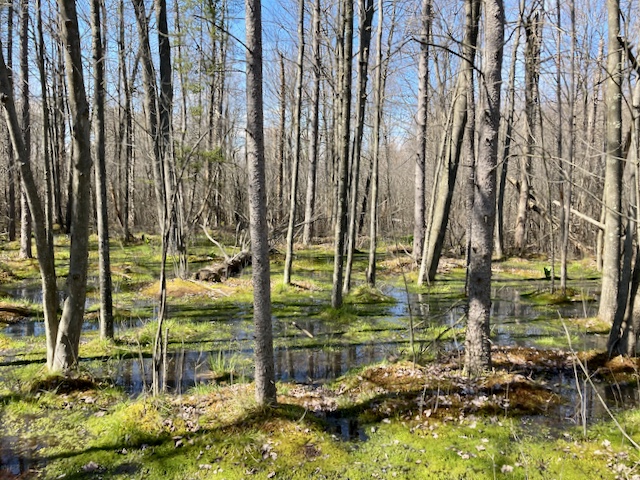
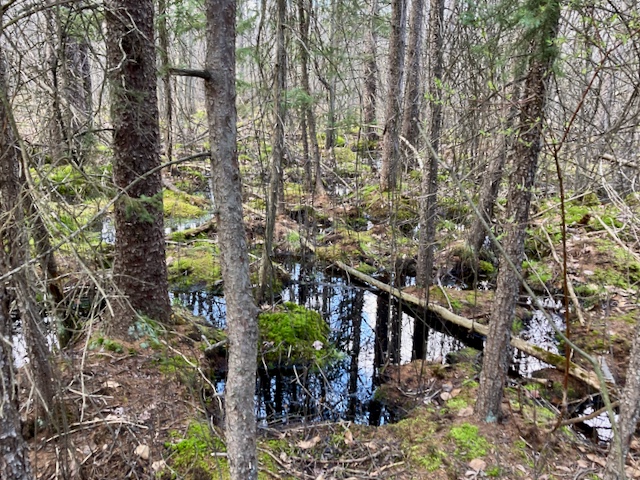
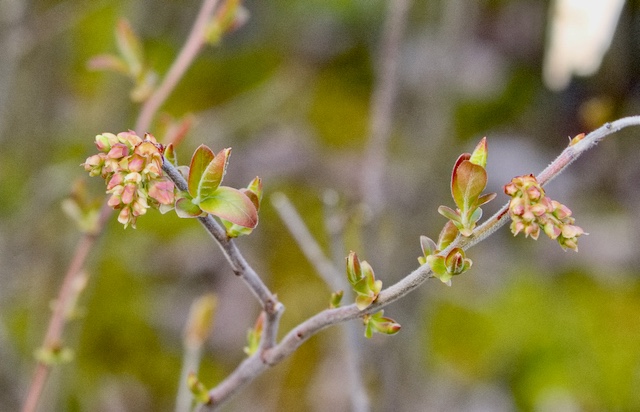
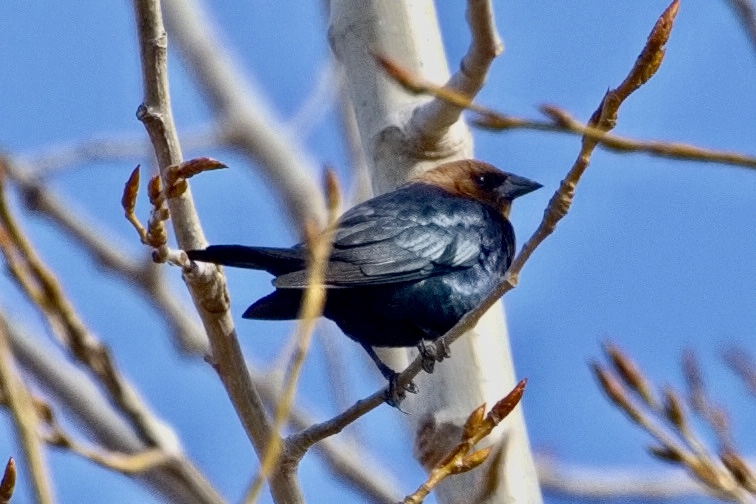
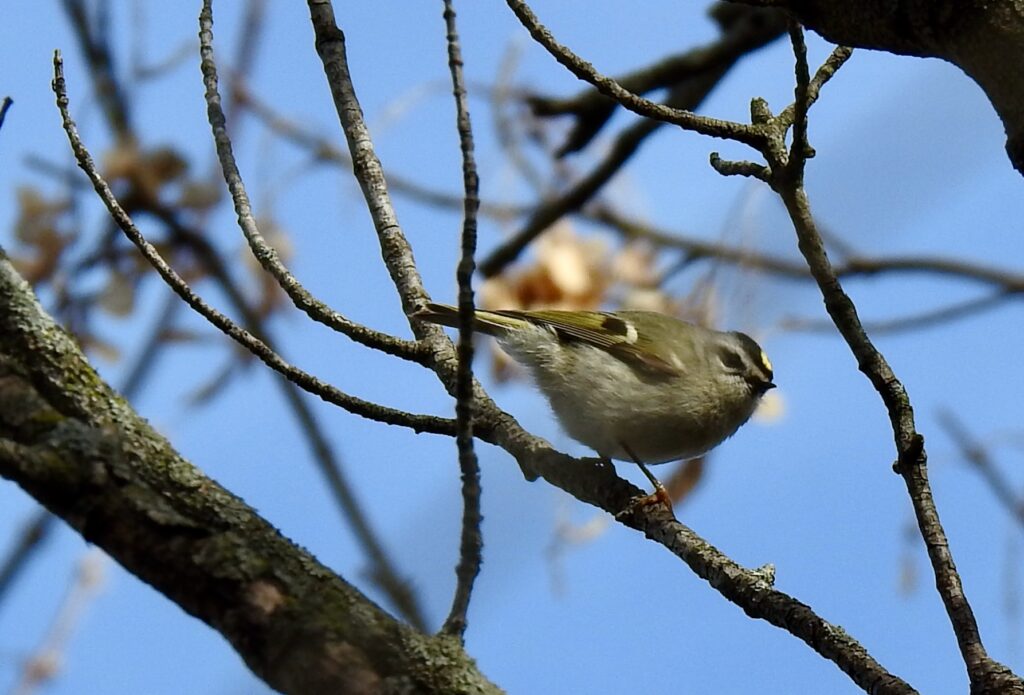
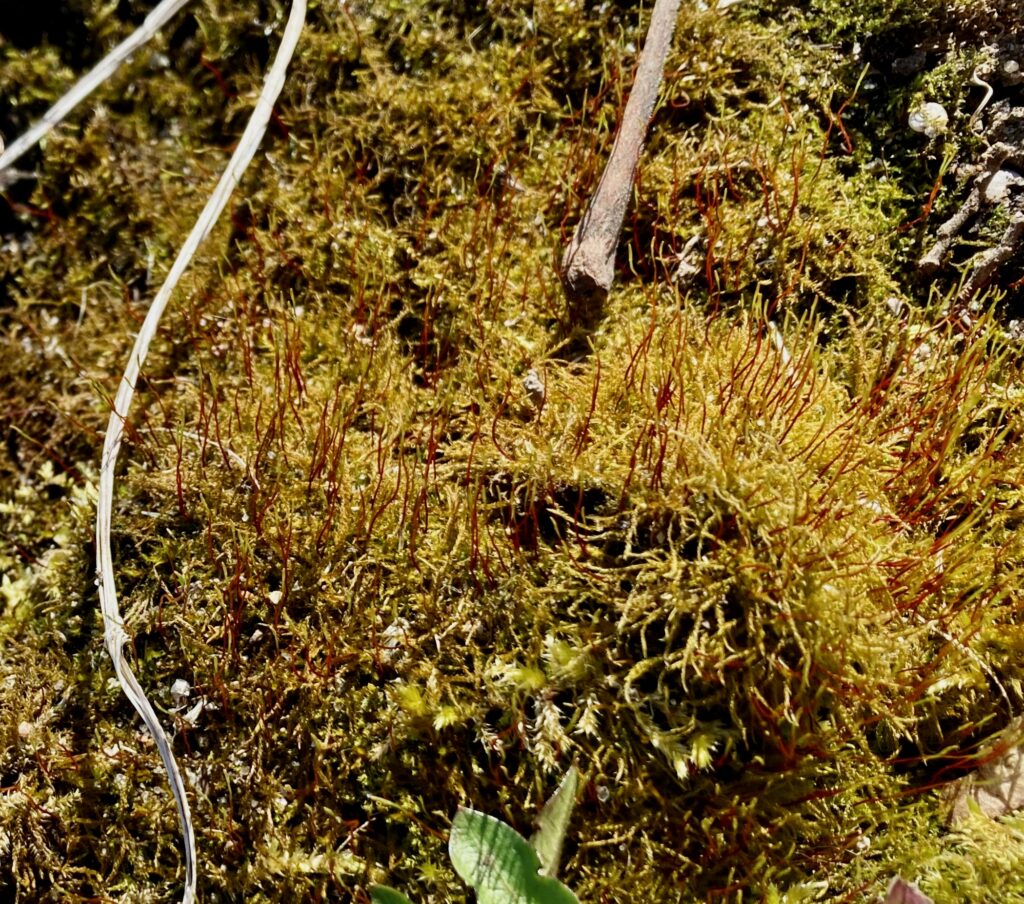
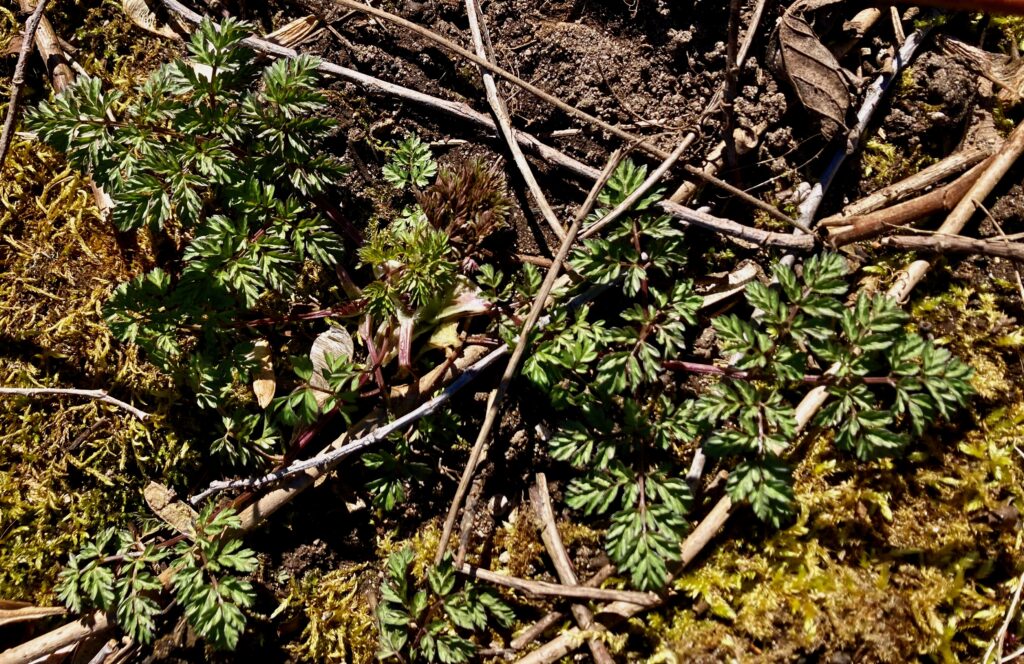
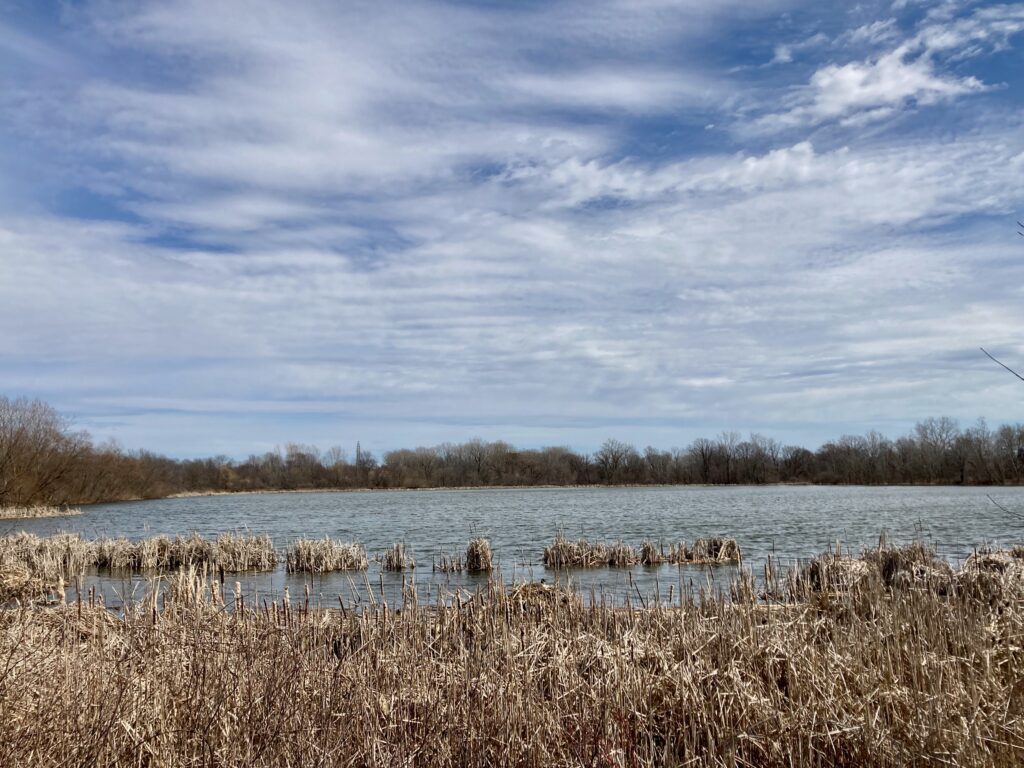
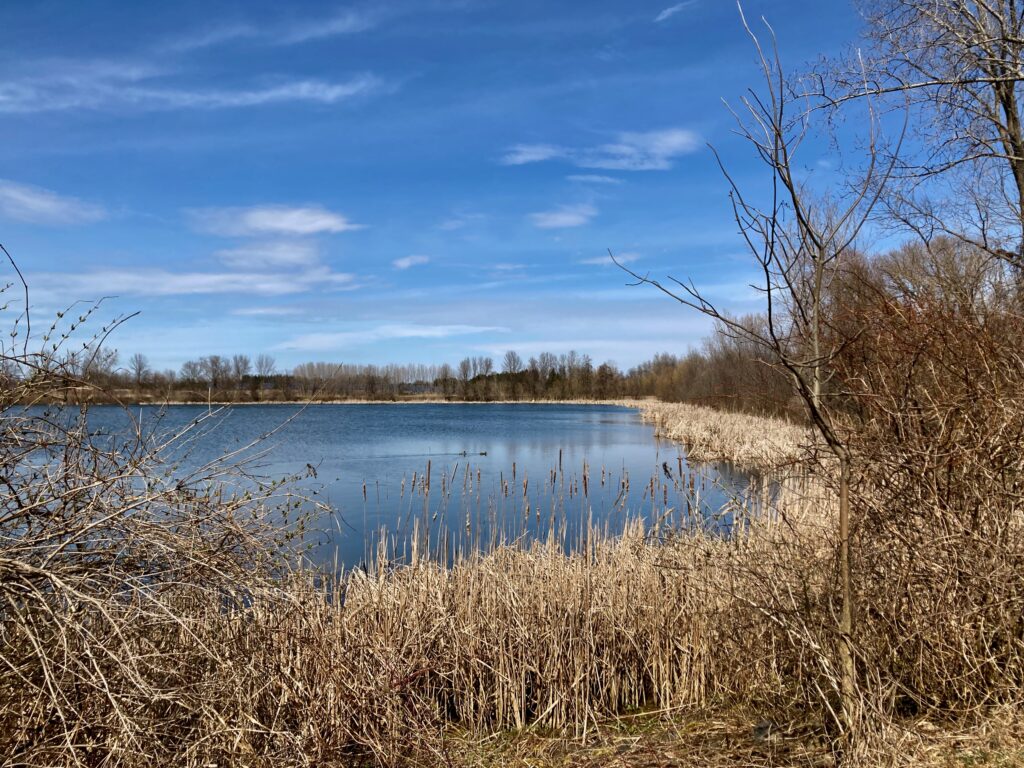
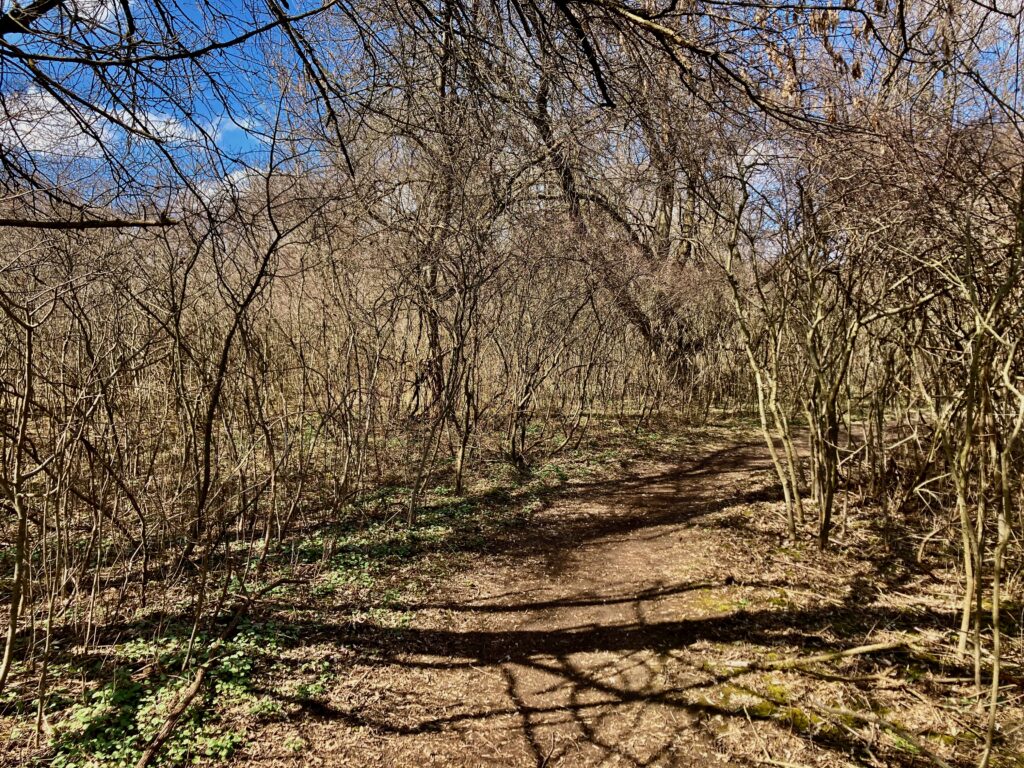
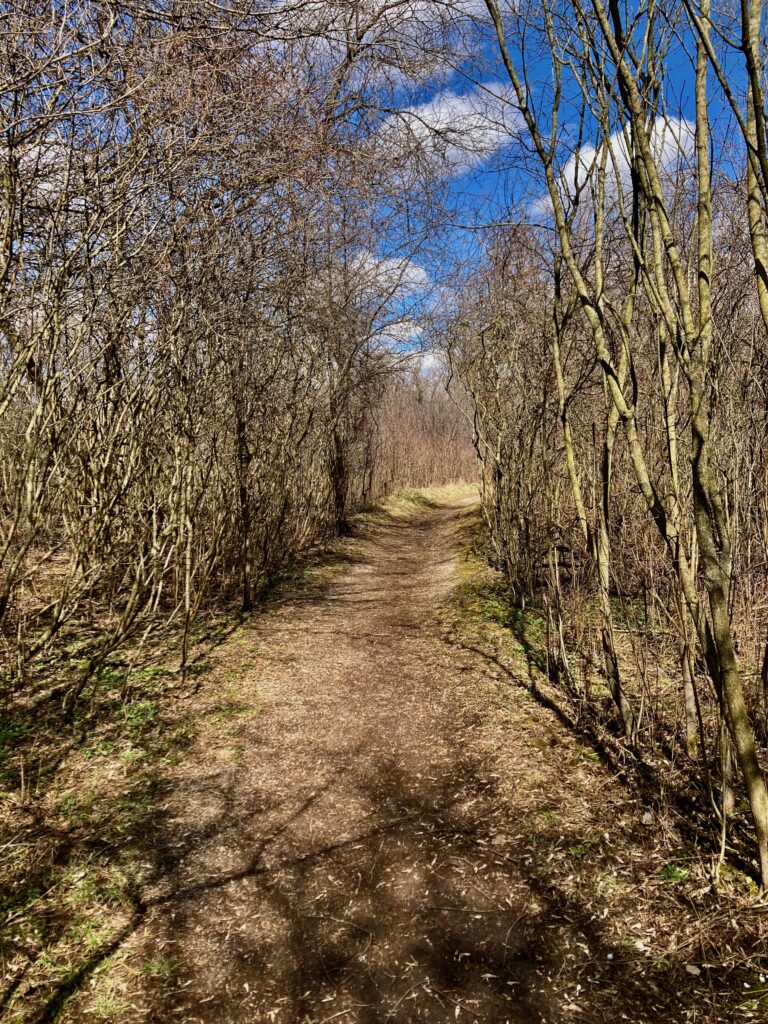
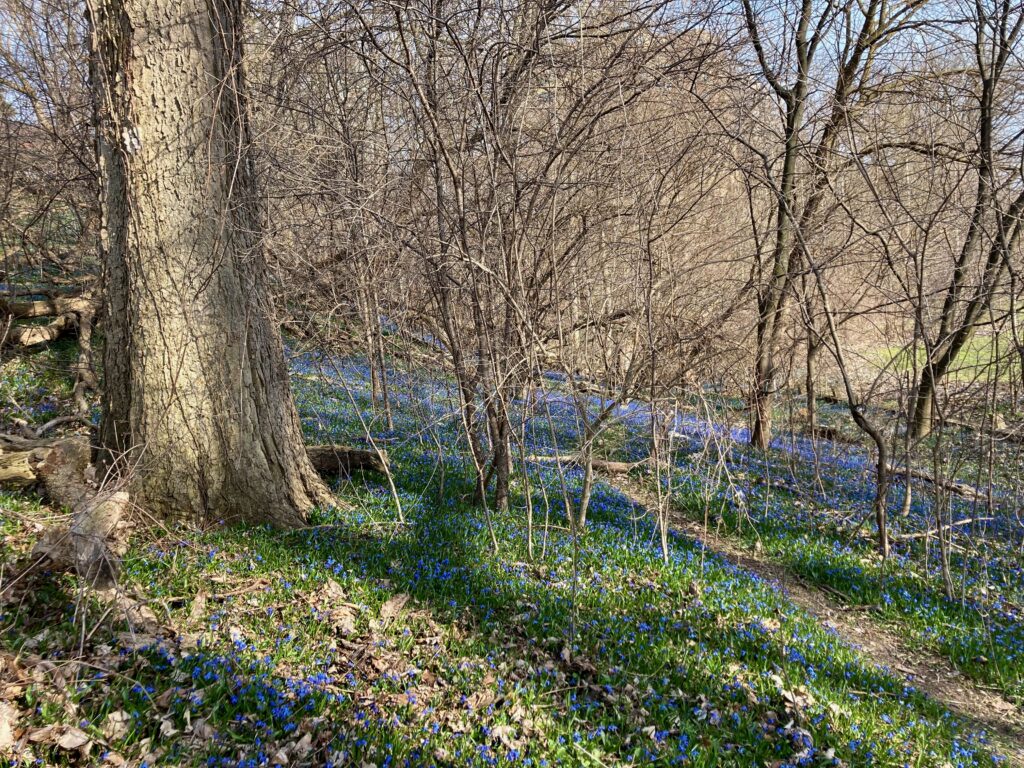
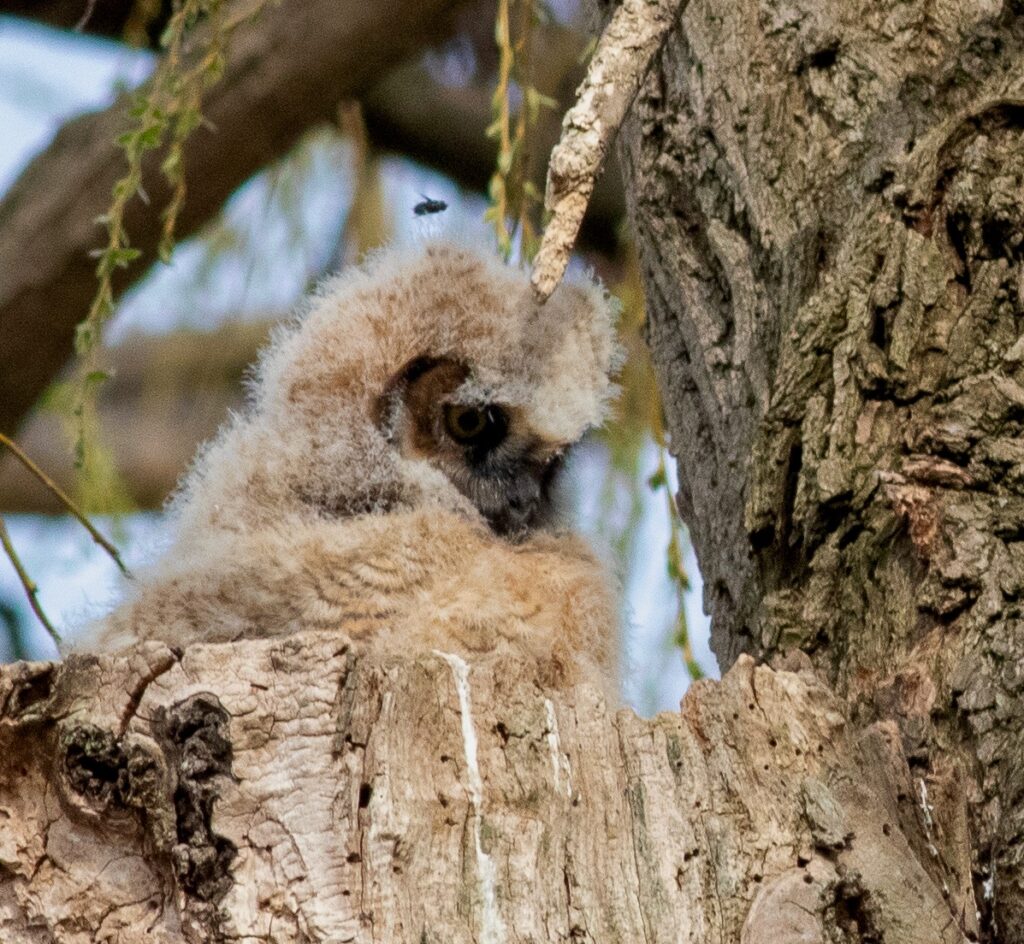
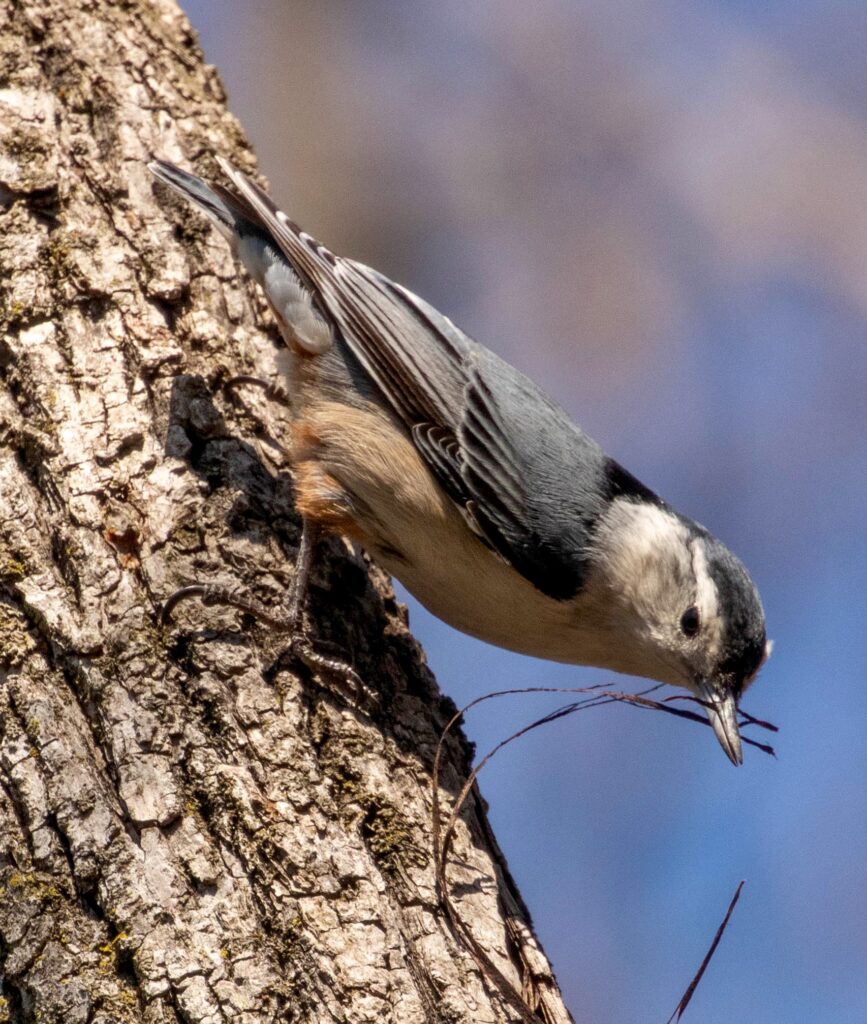
We are just back home and still sorting through our photos. Before we left for our stay in Shrewsbury near Rondeau Provincial Park, we wanted to go back to Solitude Nature Reserve to see the array of early spring wildflowers we had seen there a year ago. As it turned out, spring is more advanced this year. Many of the early-blooming flowers were finished and the trees were leafing out.
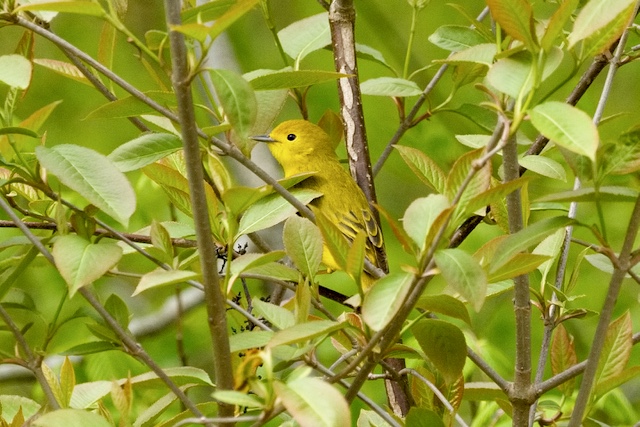
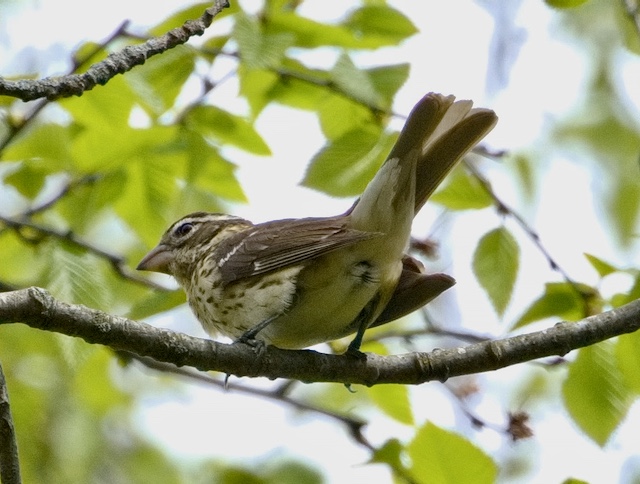
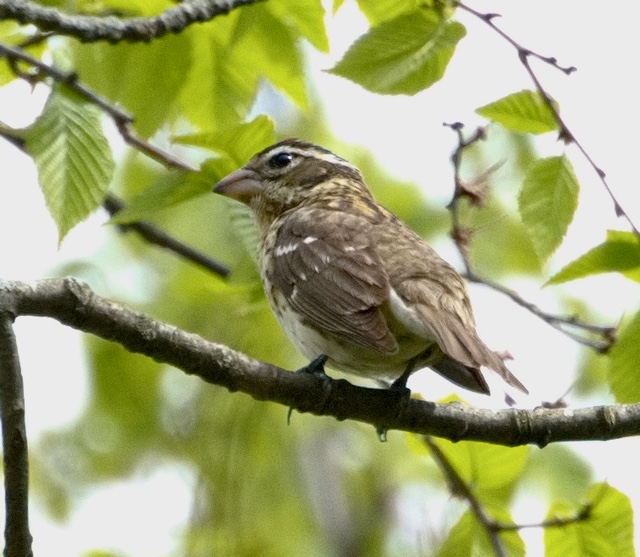
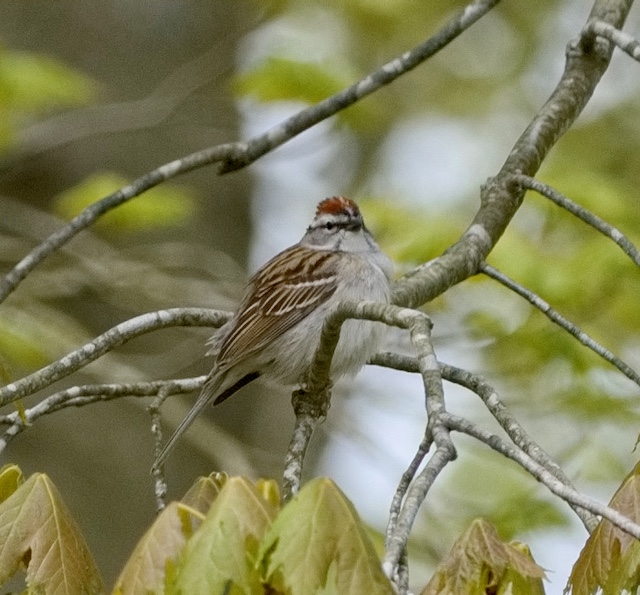
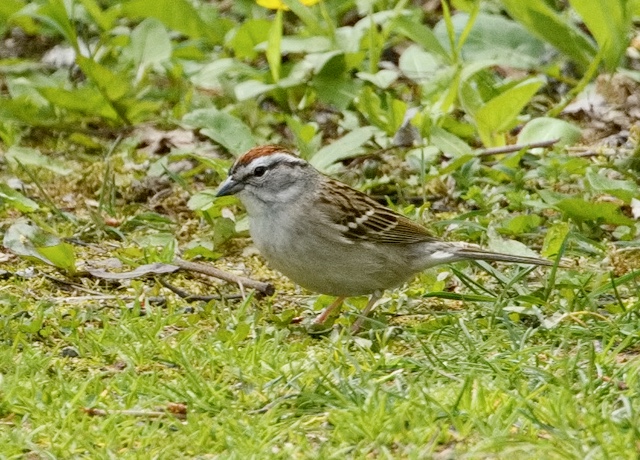
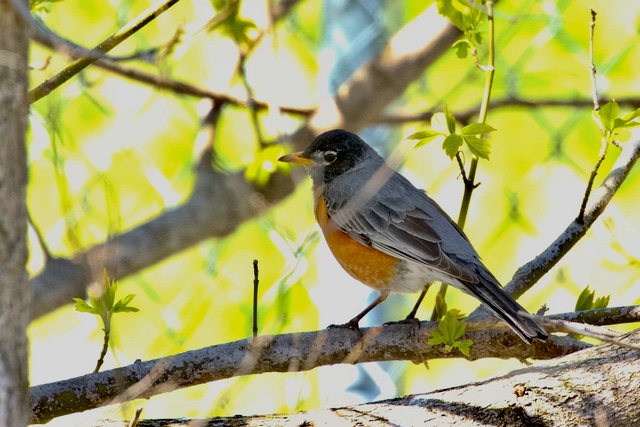
Still, we were not disappointed. To our delight, the woods were were full of birdsong. The best were the Wood Thrushes’ melodic songs, described on Cornell’s “All About Birds” website as a “flute-like ee-oh-lay“. We identified 19 bird species, mostly from their songs. The leaves provided ample cover for most of the birds, although Glenn managed to capture a few:
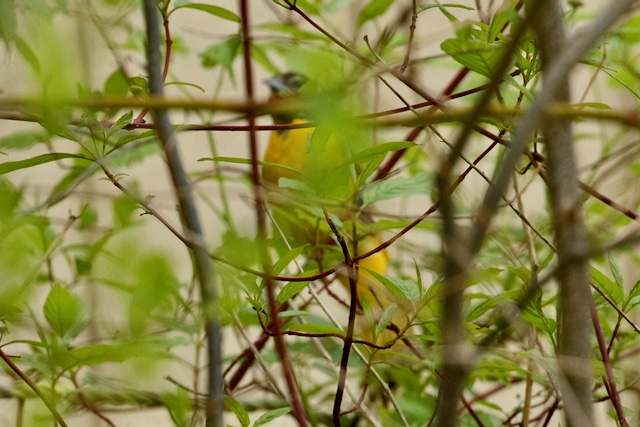
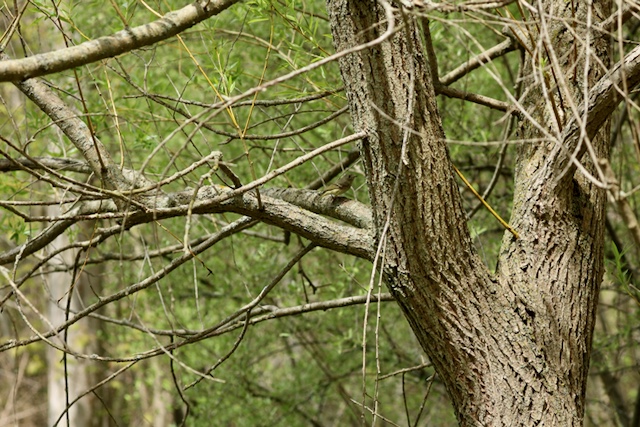
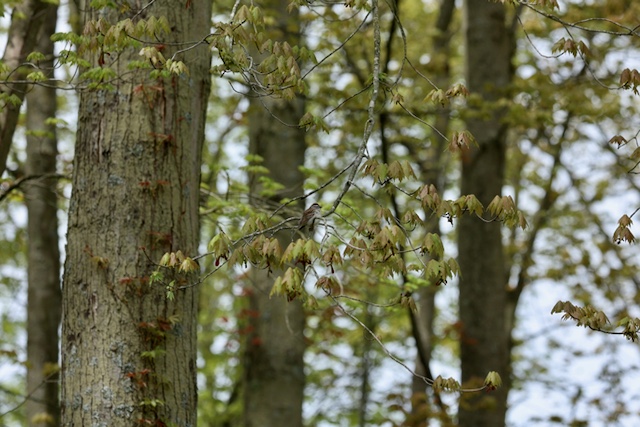
Yellow WarblerBaltimore OrioleRose-breasted Grosbeak (f)Rose-breasted Grosbeak (f)Chipping SparrowChipping SparrowRuby-crowned KingletCan you find the kinglet in this photo?
Can you find the Chipping Sparrow?
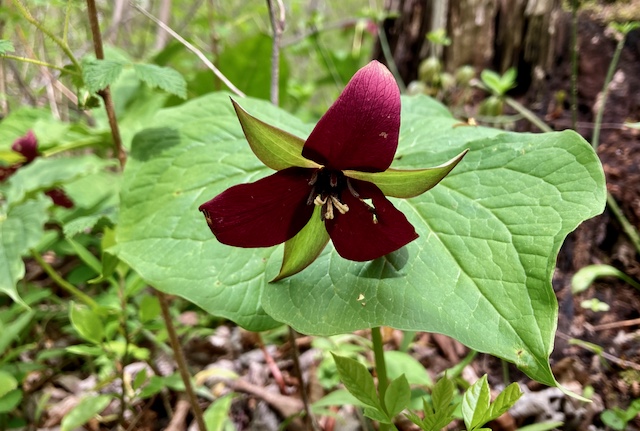
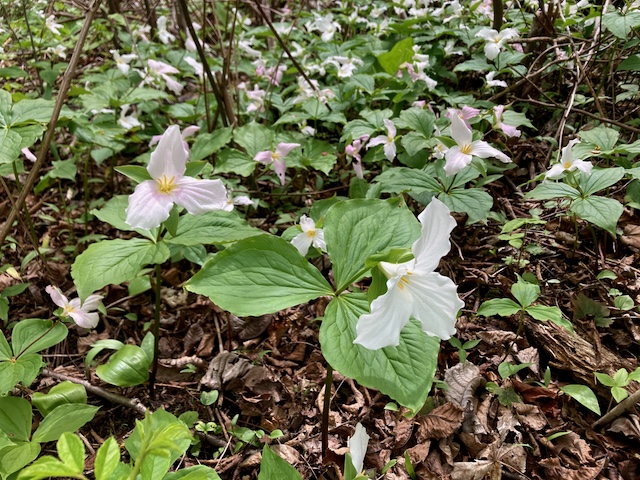
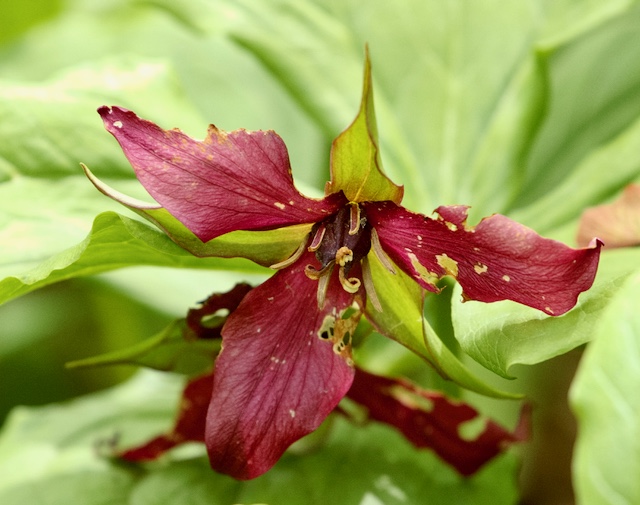
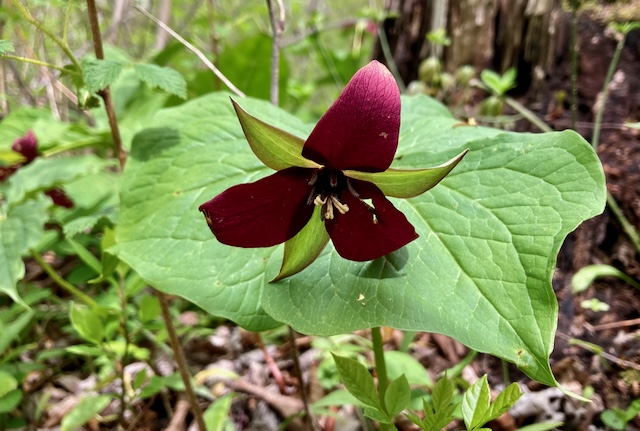
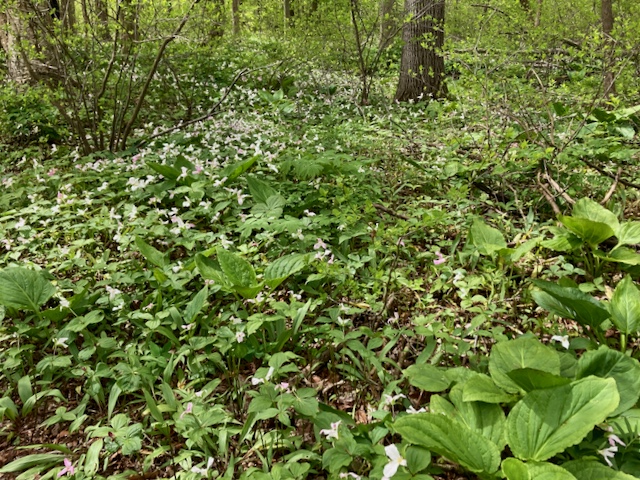
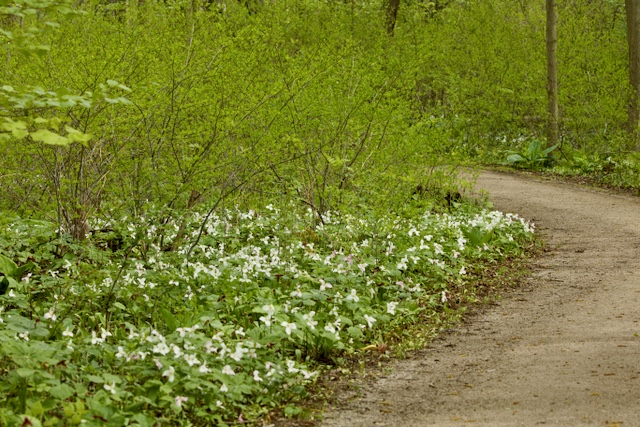
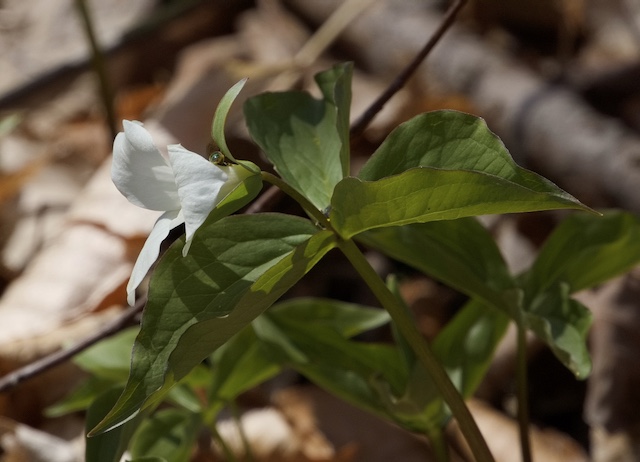
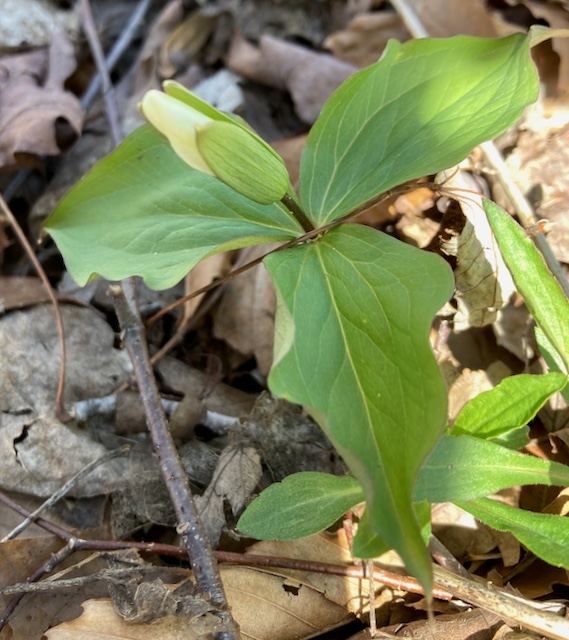
Red Trilliums bloom earlier than the Large/Great White Trillium variety (Trillium grandiflorum). Both the Red and White Trilliums were plentiful, but in decline. As they age, White Trilliums turn pink.
Trilliums weren’t the only plants in bloom…
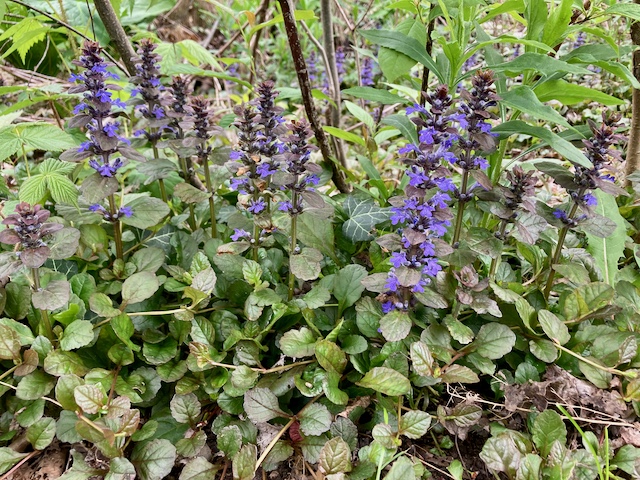
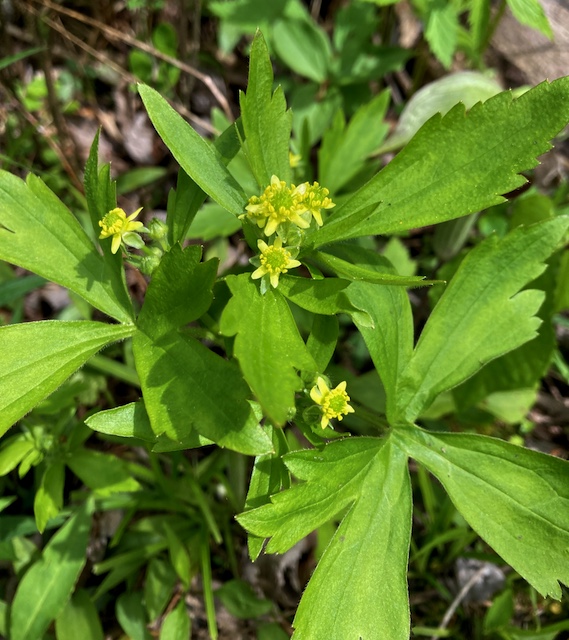
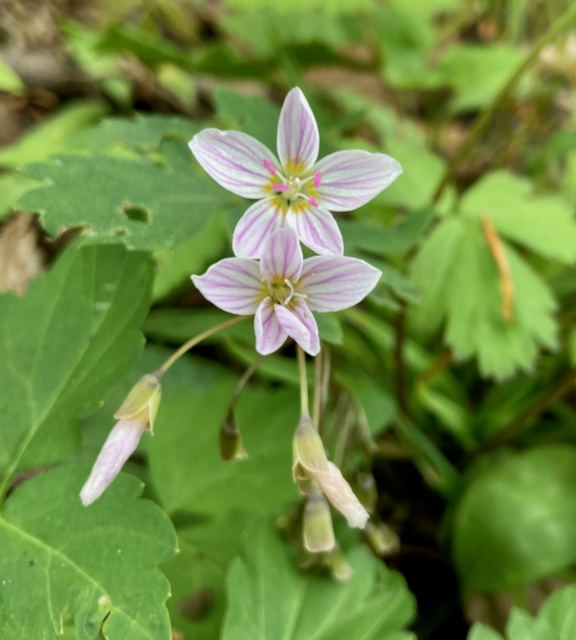
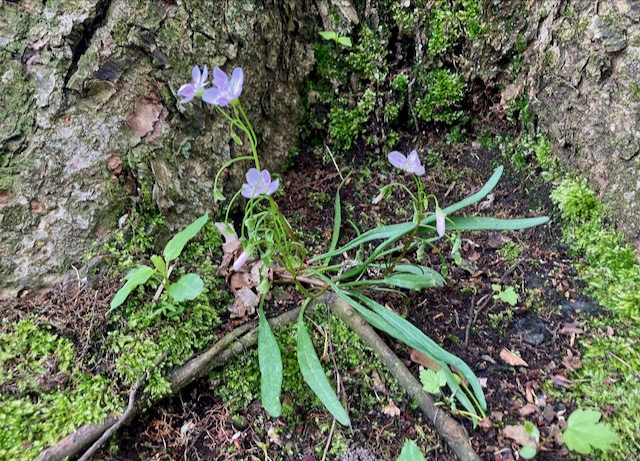
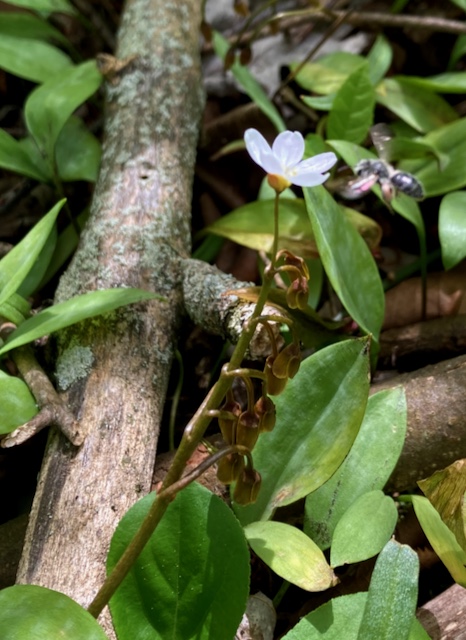
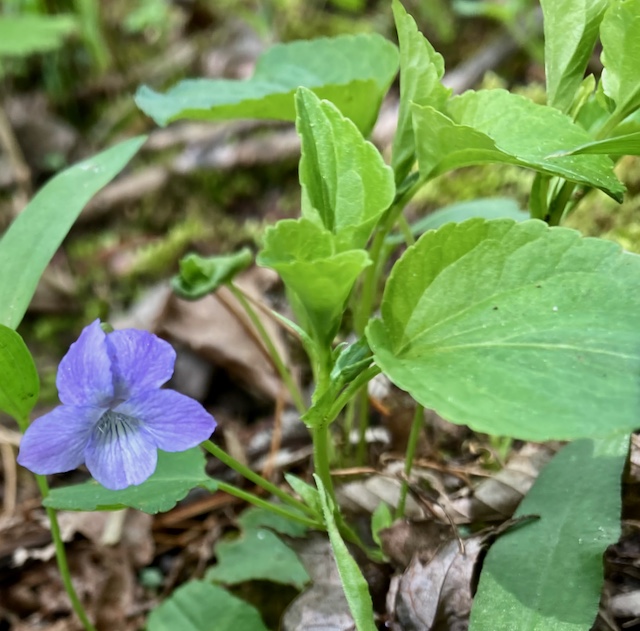
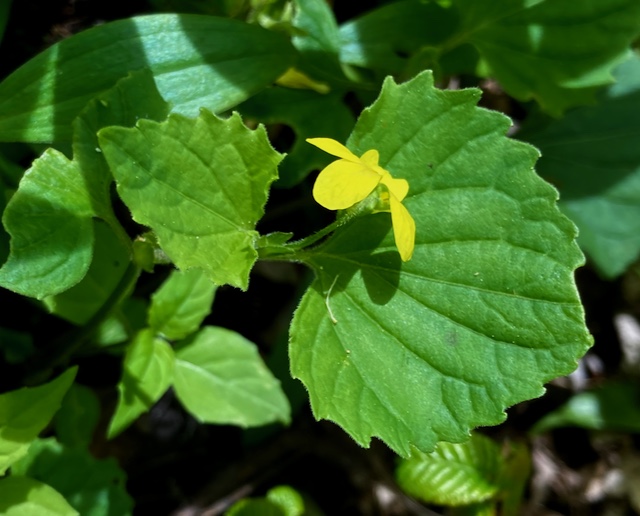
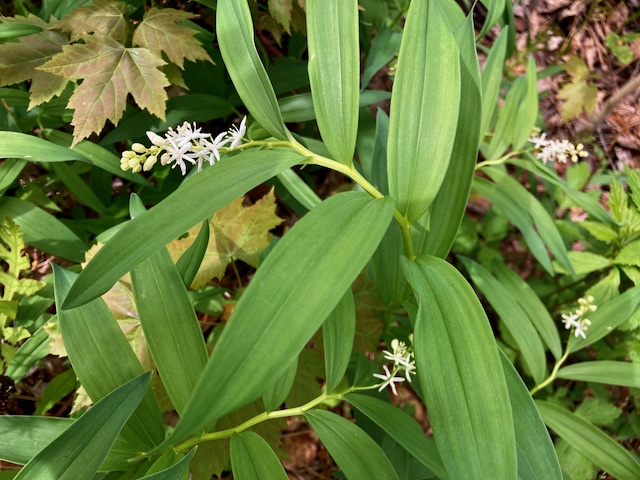
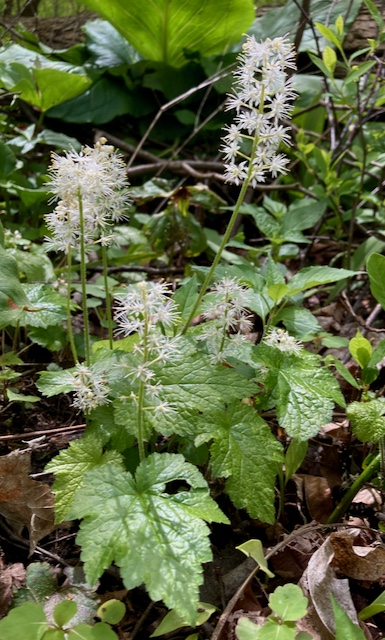
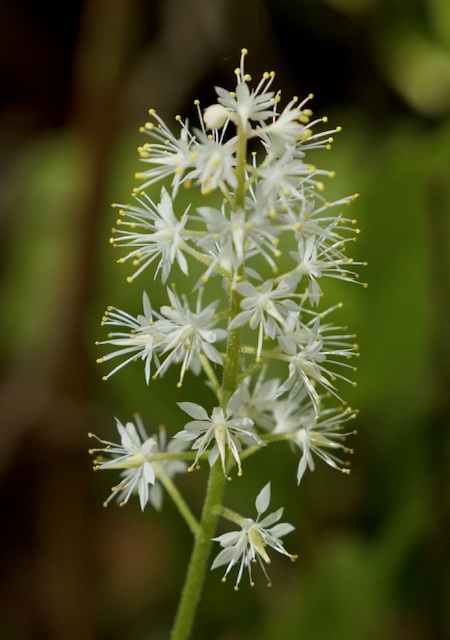
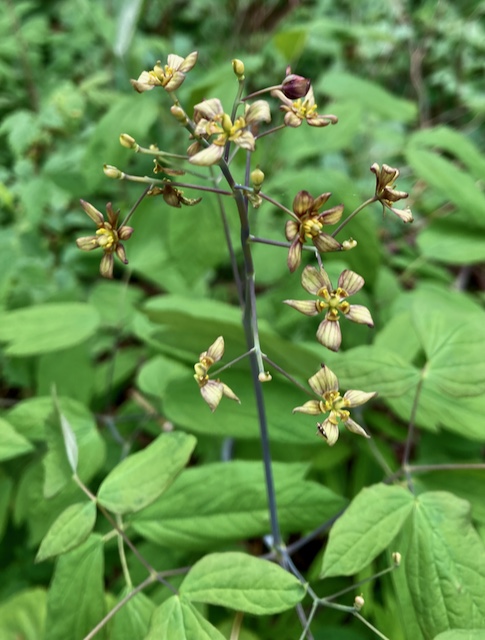
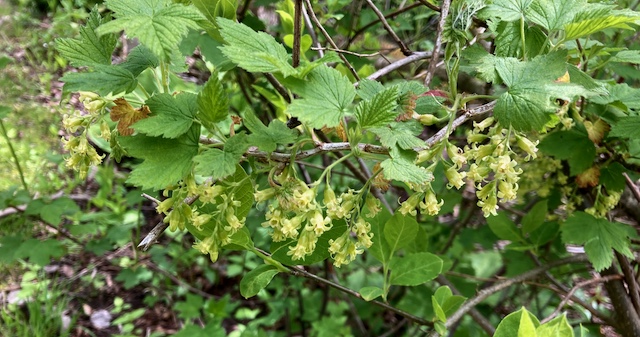
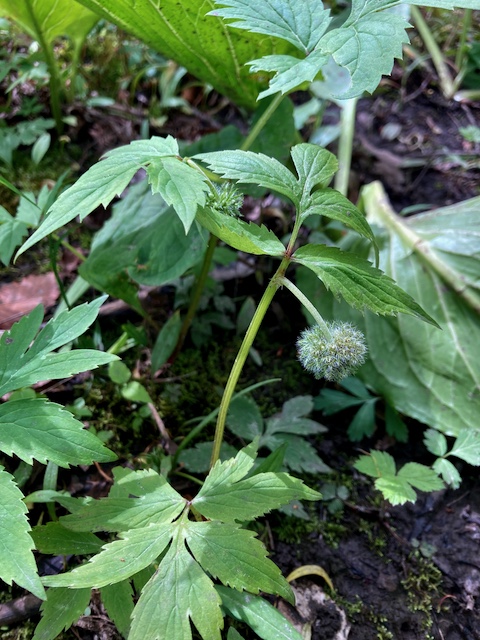
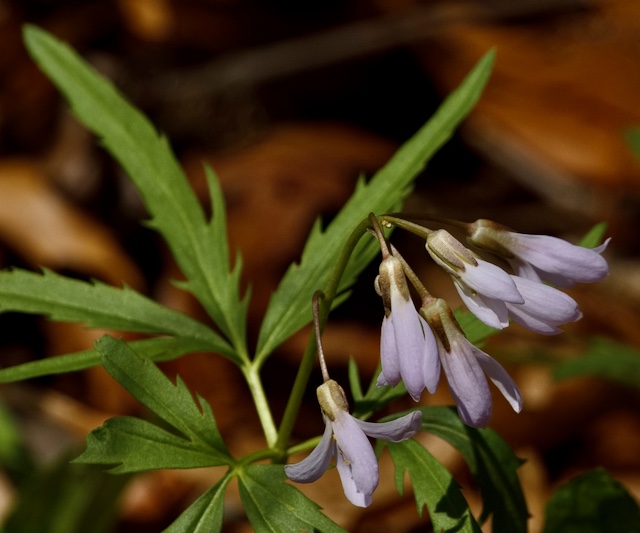
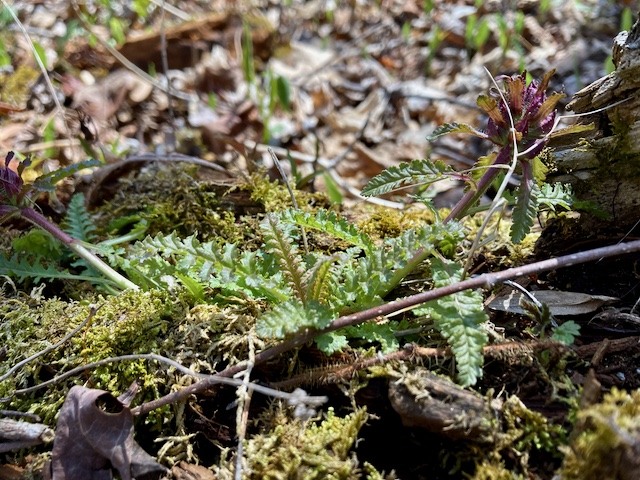
Red-berried ElderCarpet Bugle (non-native, can be invasive) Hooked ButtercupVirginia SpringbeautyCarolina SpringbeautyLabrador VioletDowny Yellow VioletFalse Solomon’s Seal (aka Star-flowered Lily-of-the-Valley)Creeping FoamflowerBlue CohoshAmerican Black CurrantVirgina Waterleaf (seed head)Virginia Waterleaf (seed head)
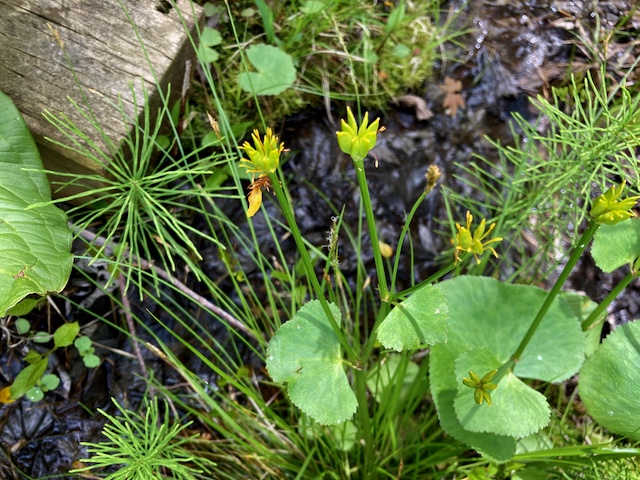
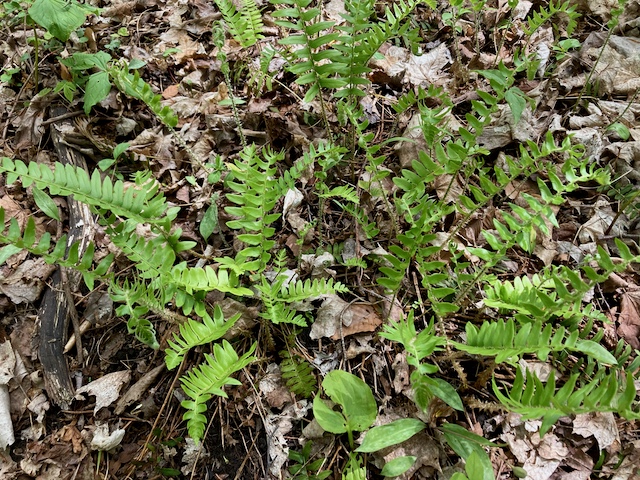
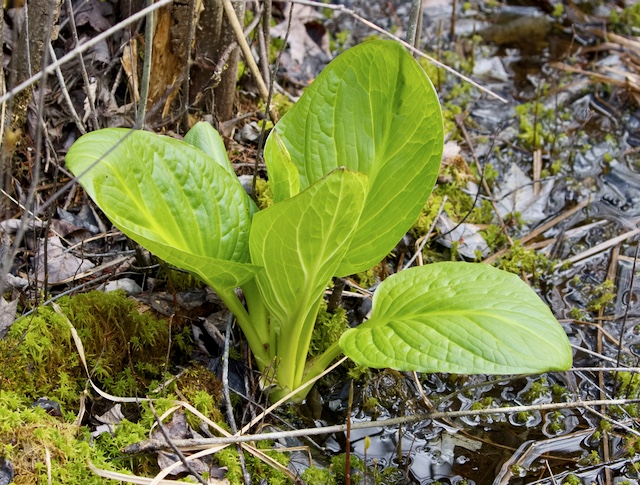
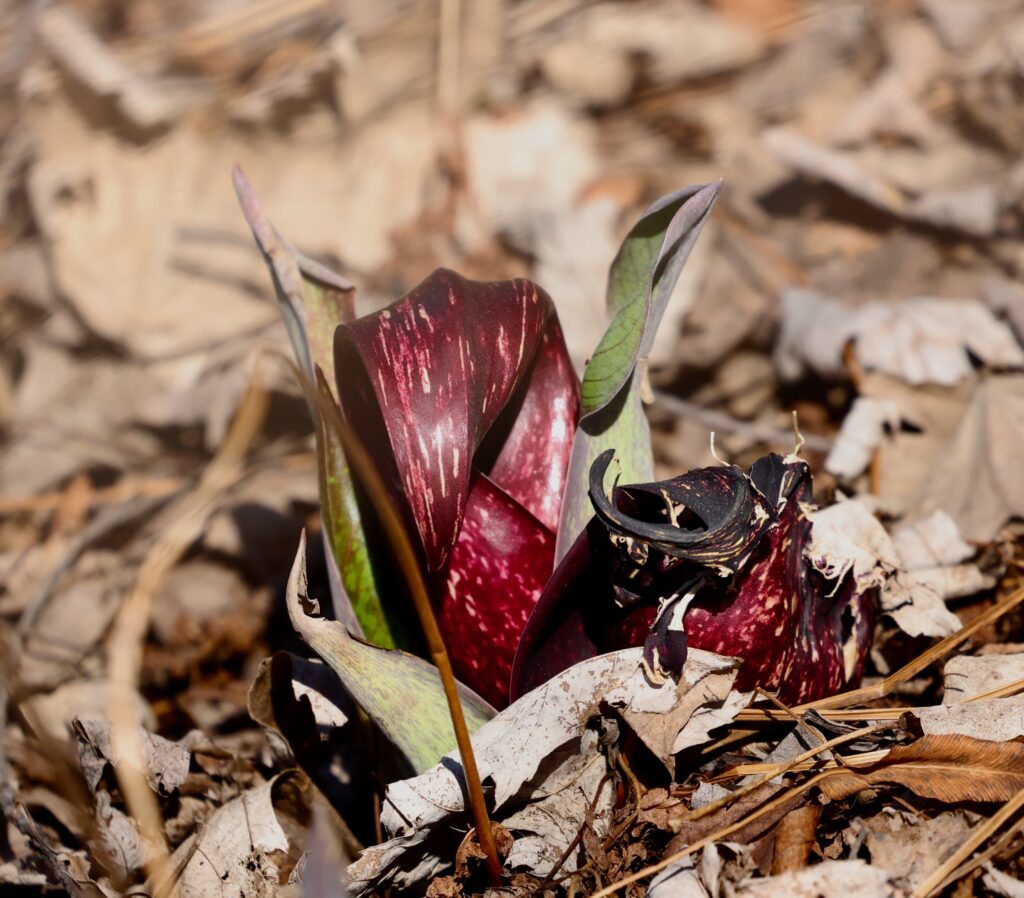
Marsh Marigolds, ferns and Skunk Cabbage grow well in the wet conditions.
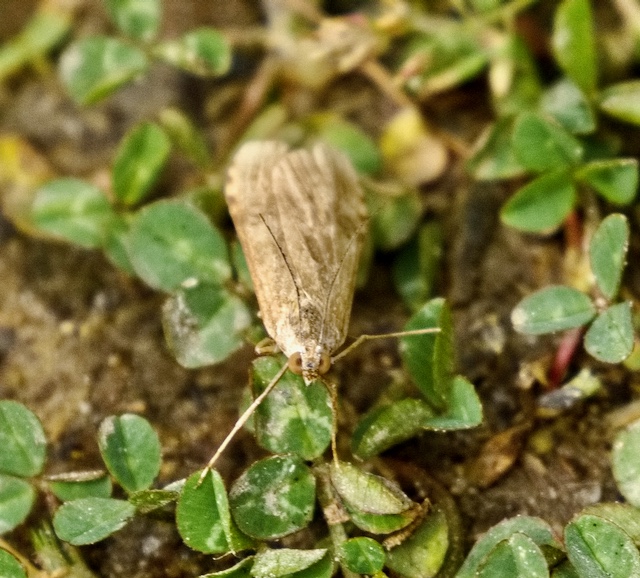
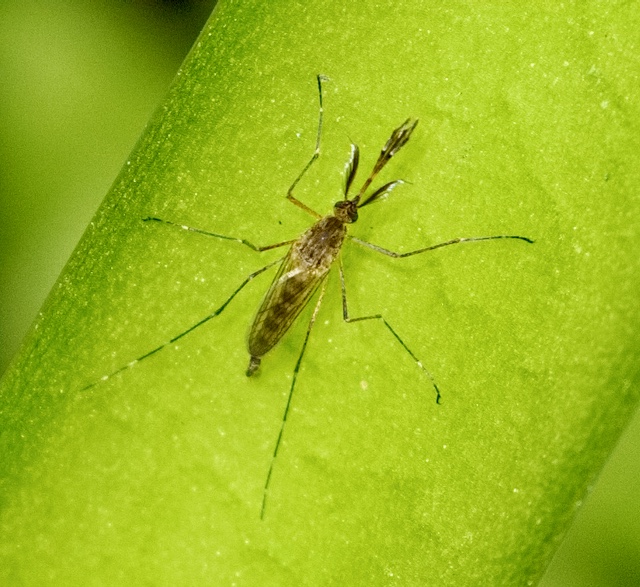
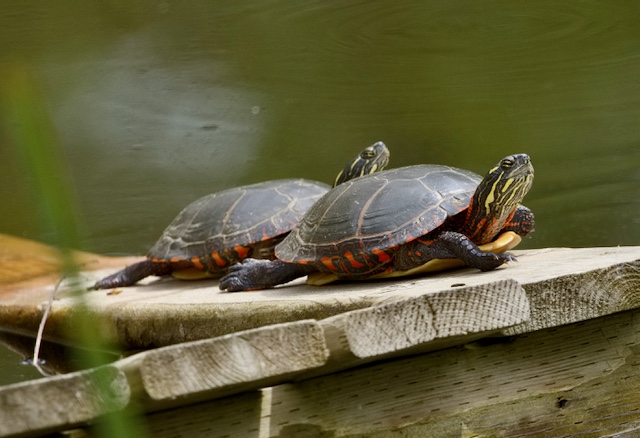
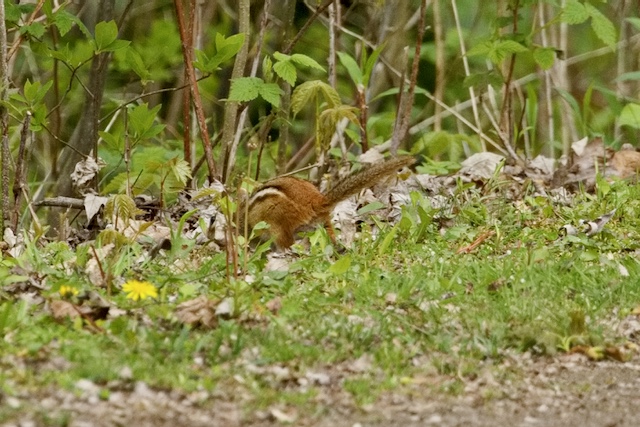
Other wildlife:
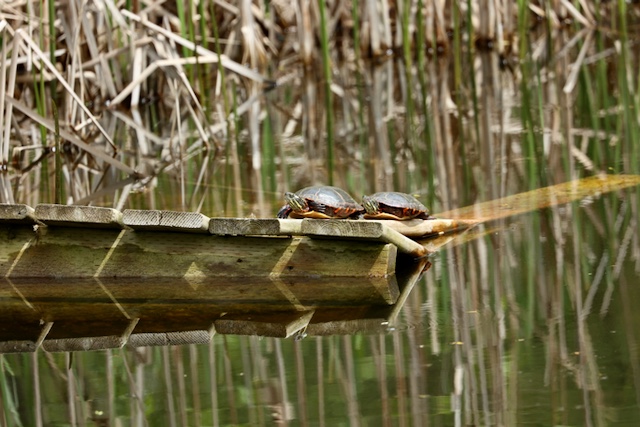
A type of mosquitoMidland Painted TurtlesThe End!
Stay tuned for news and photos of our time away.
Music of John Sebastian
What a day for a daydream! With the music of the Lovin’ Spoonful in my head I remembered a charming video of John Sebastian and the MonaLisa Twins. It leads this YouTube playlist.
While following suggestions for other content, I found a concert film from 1966 that includes Ray Charles, Joan Baez, The Byrds, The Lovin’ Spoonful, Petula Clark, Bo Diddley, Donovan, The Ronettes, plus Ike and Tina Turner.
That reminded me to look for the famous TAMI concert film from 1964 which ends with James Brown showing the Rolling Stones how to excite an American audience. This colorized version has improved sound over other videos.
We continue to have warmer than usual weather for late April and early May with an abundance of rain. There is already a green haze of new leaves in the tree canopy.
April 28, 2024
We took advantage of a sunny day to make an early spring visit to Rondeau Provincial Park with some friends. All four of us contributed photos to this post.
The temperature was comfortable in the mid-teens, but only when we were out of the wind. Lake Erie had whitecaps, but the inner harbour was calm and hosted rafts of migrating waterfowl.
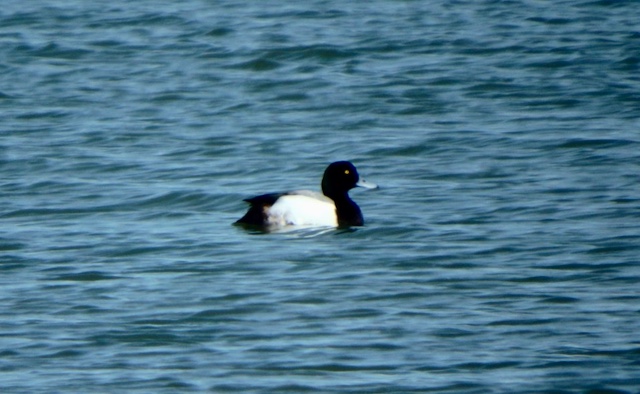
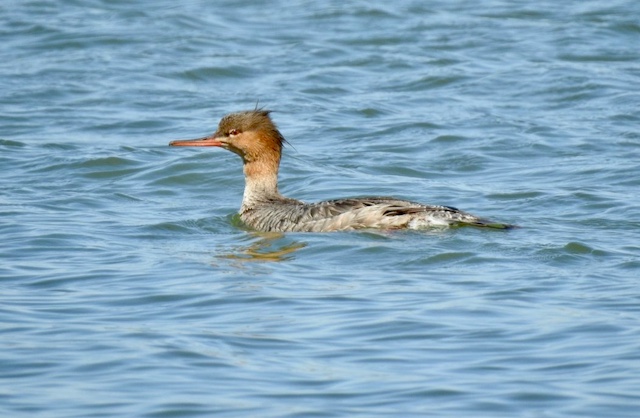
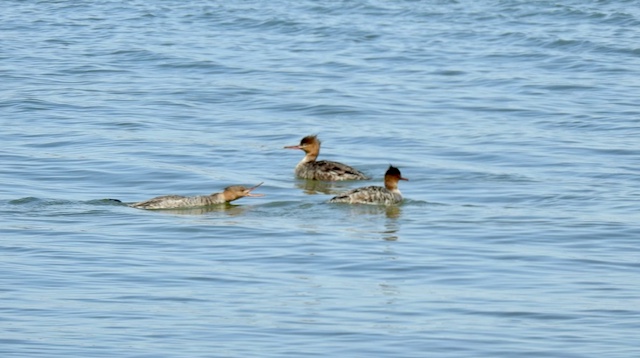
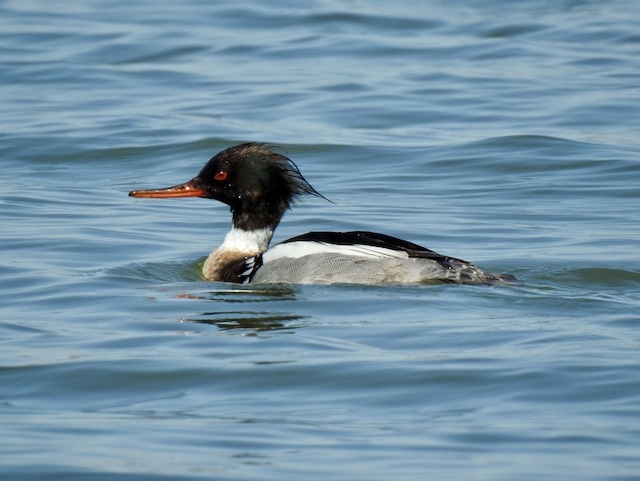
Most of the birds were far away and could only be identified using the spotting scope. A few Red-breasted Mergansers and a Greater Scaup were closer and put on more of a show.
Greater ScaupRed-breasted Merganser – femaleRed-breasted Merganser – male
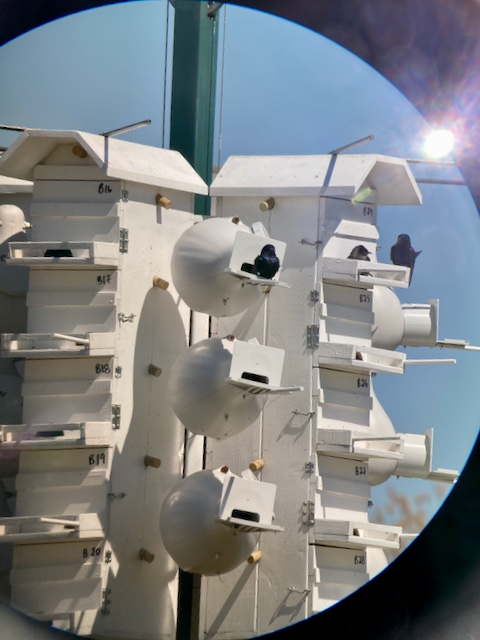
Near the shore Purple Martins chattered constantly as they flew in and out of the nesting boxes provided in the park.
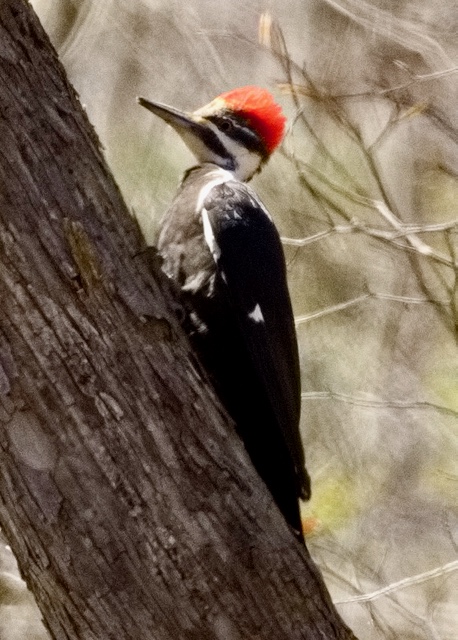
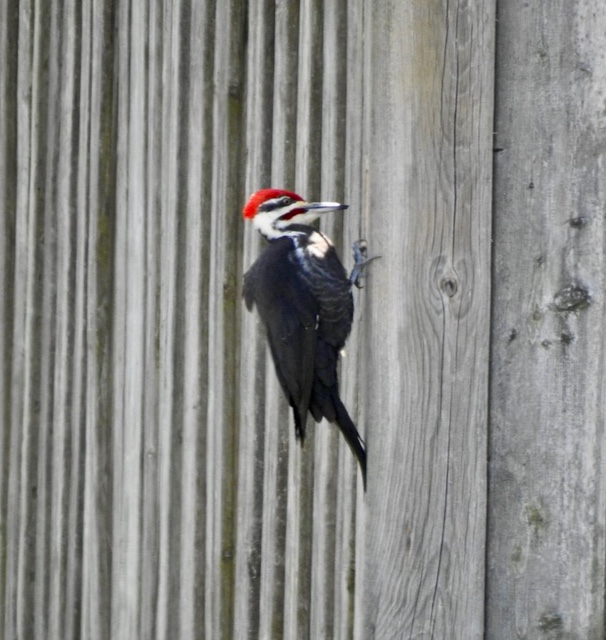
The chatter of the martins was interrupted by the loud drumming of a Pileated Woodpecker that was drilling large holes in the fencing around a garbage disposal area. What a sight!
Pileated Woodpecker – male
We walked through the nearly deserted campground and then along the Tulip Tree Trail. The campground has many low bushes that provide more cover for birds than the open wooded trails.
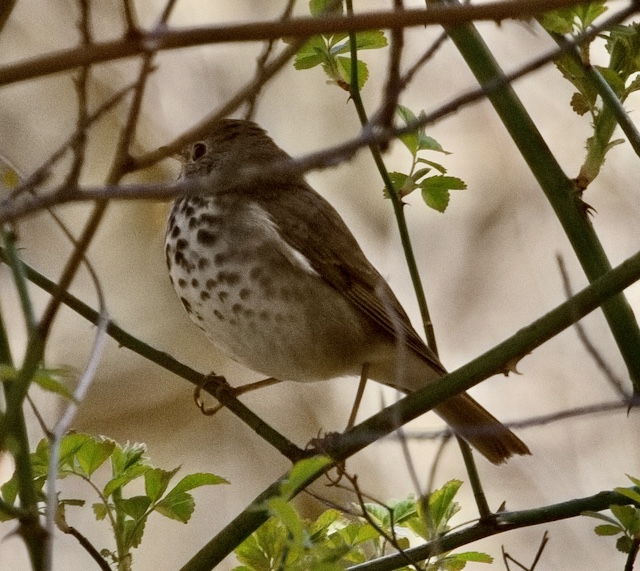
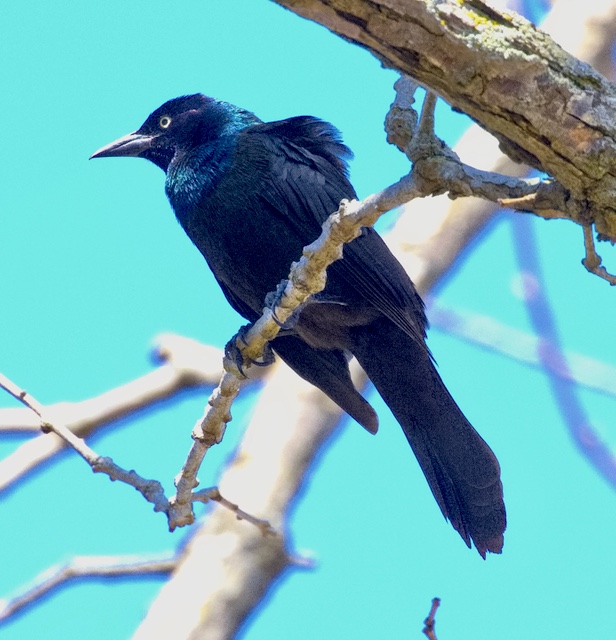
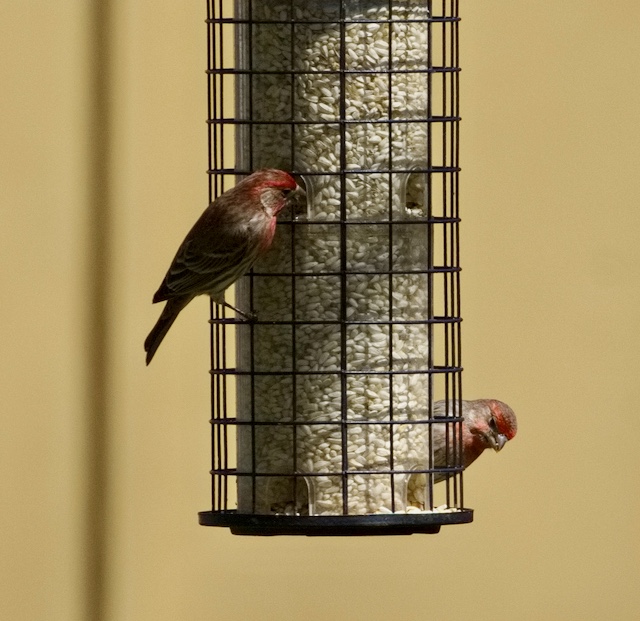
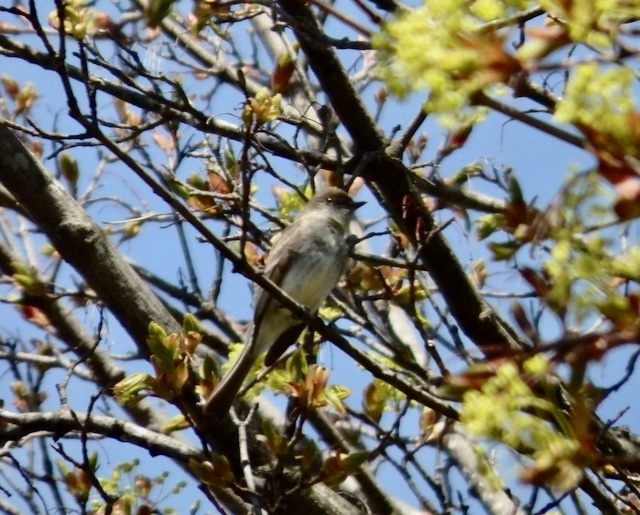
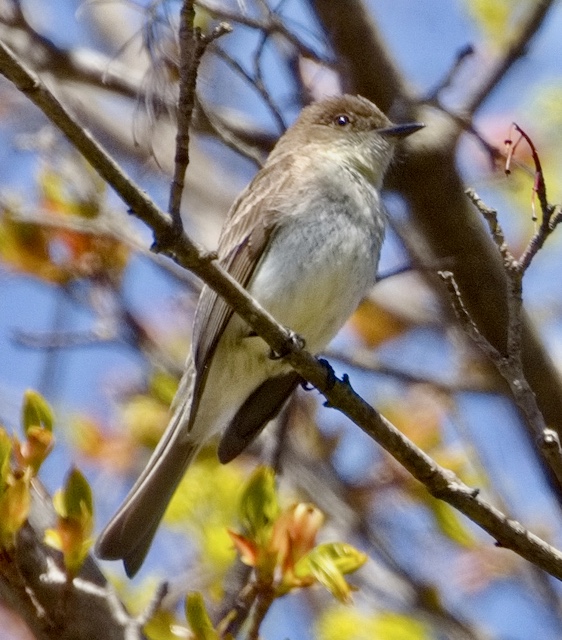
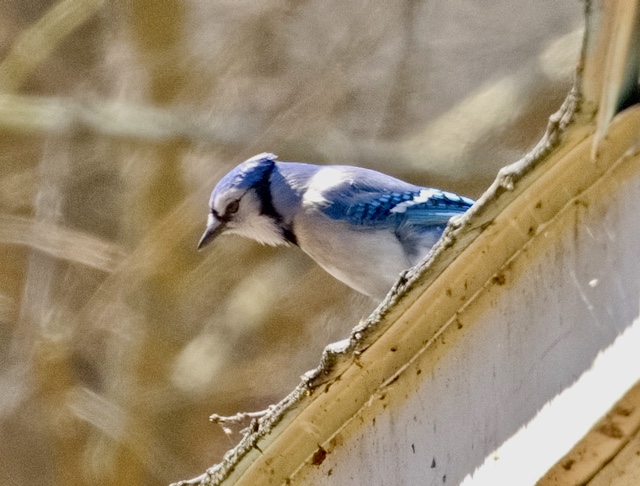
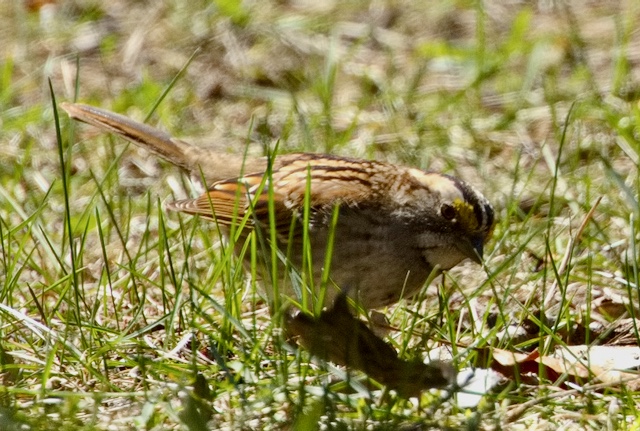
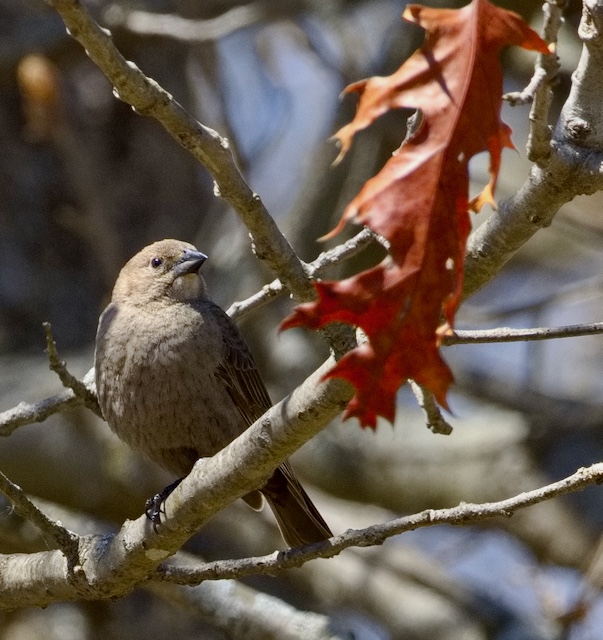
We counted 36 species for the day. Here are a few of the birds we managed to photograph.
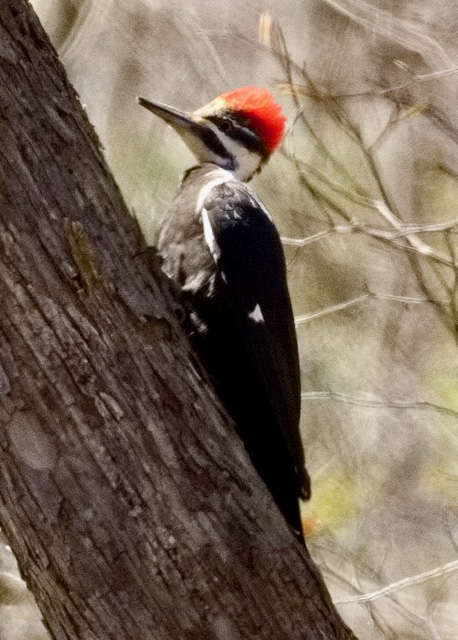
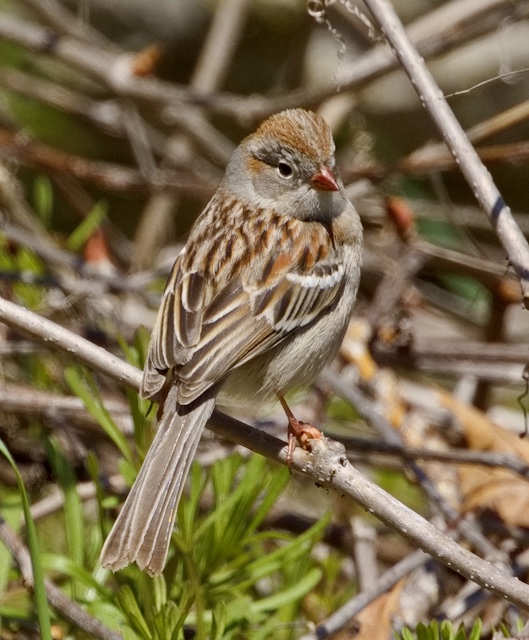
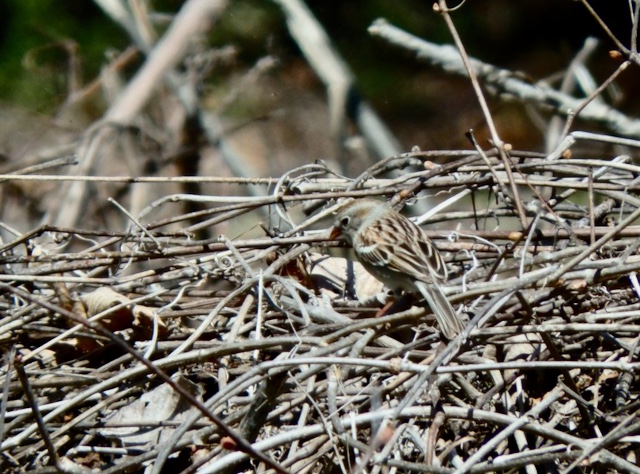
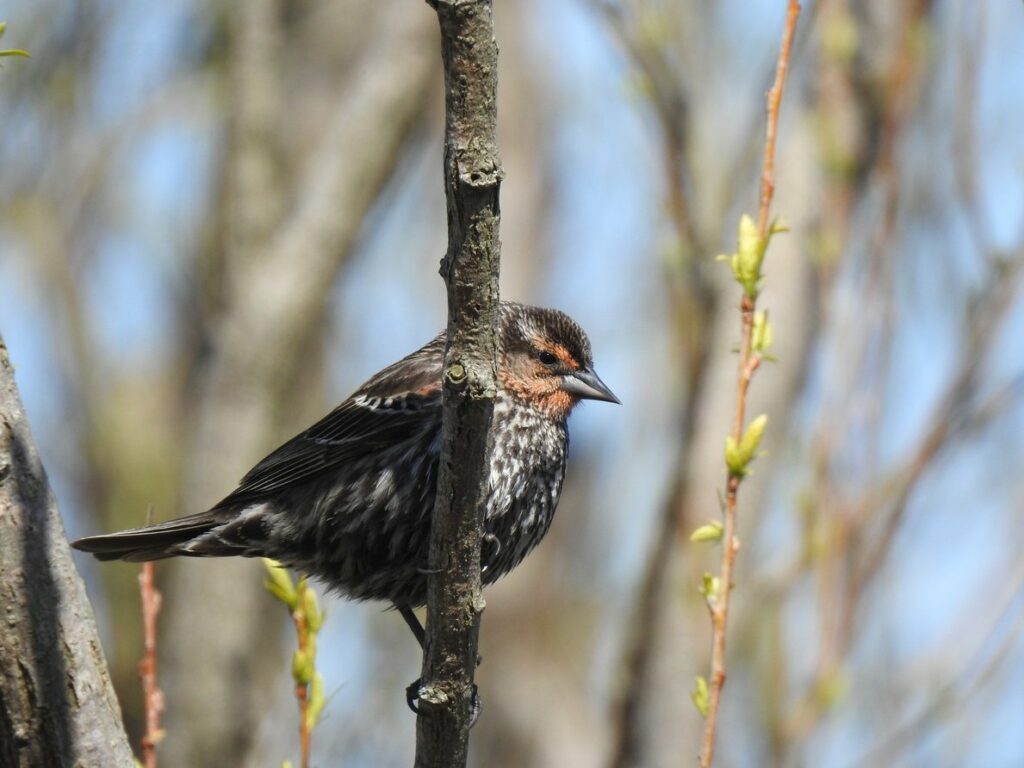
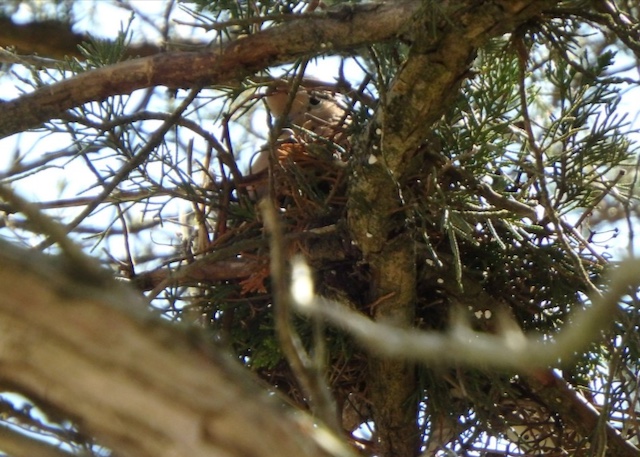
Brown CreeperPileated Woodpecker – femaleHermit ThrushCommon GrackleHouse FinchesEastern PhoebeBlue JayWhite-throated SparrowFrown-headed Cowbird – femaleField SparrowField Sparrow blending inRed-winged Blackbird – femaleMourning Dove – peering from the nest
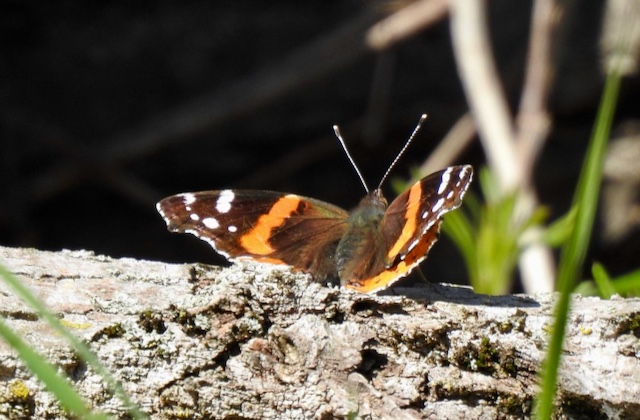
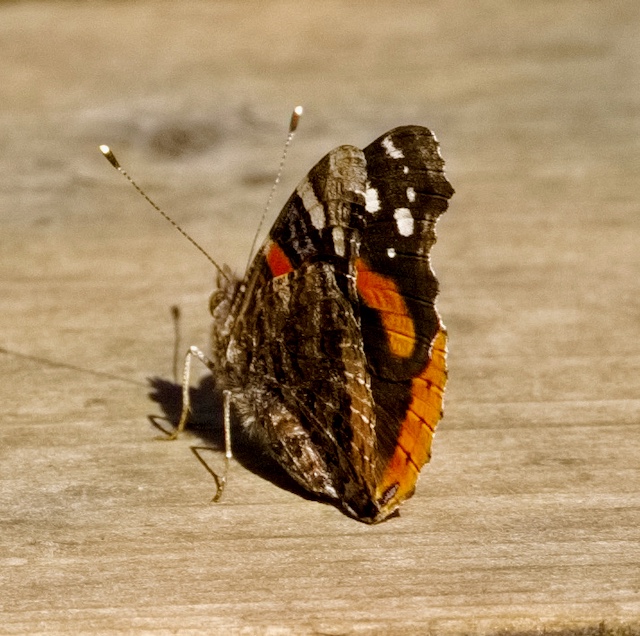
Early spring wildflowers were in bud or in bloom. A Red Admiral butterfly occasionally sailed along sampling flowers.
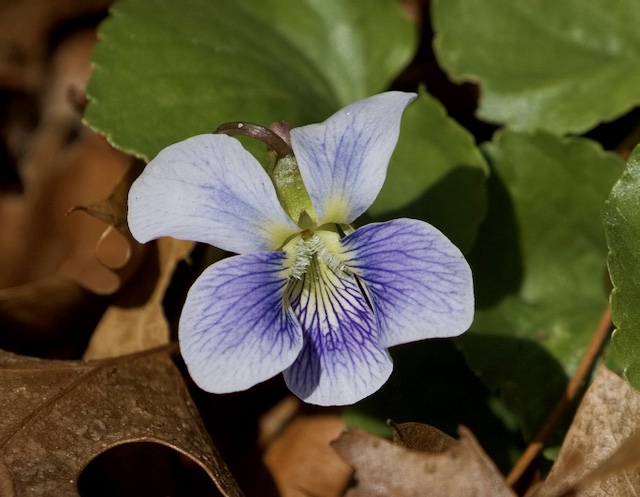
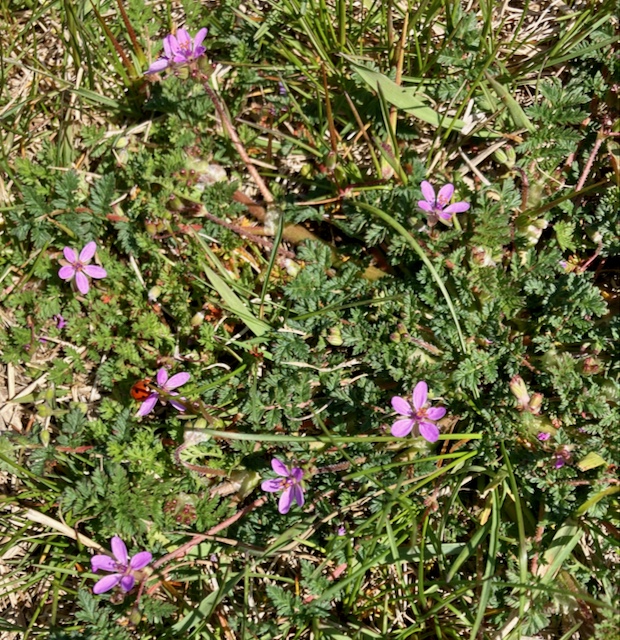
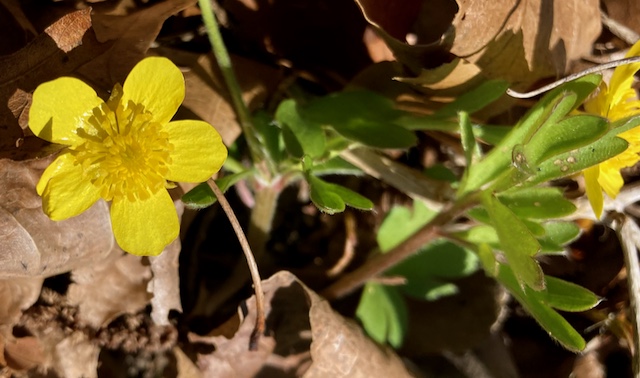
Below: Cut-leaved Toothwort, Common Blue Violet, Redstem Stork’s-Bill, Forsythia, Early Buttercup, Common Blue Violet, Red Columbine, Downy Yellow Violet, Large White Trillium (2), Red Deadnettle, Canadian Lousewort, Goose Egg Moss.
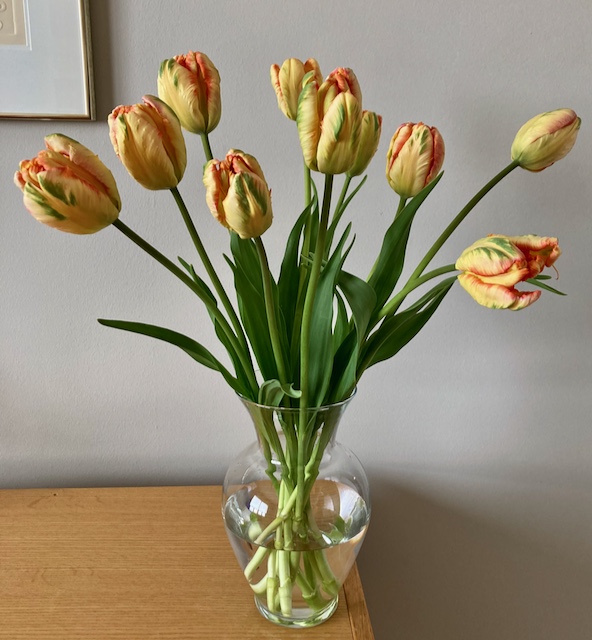
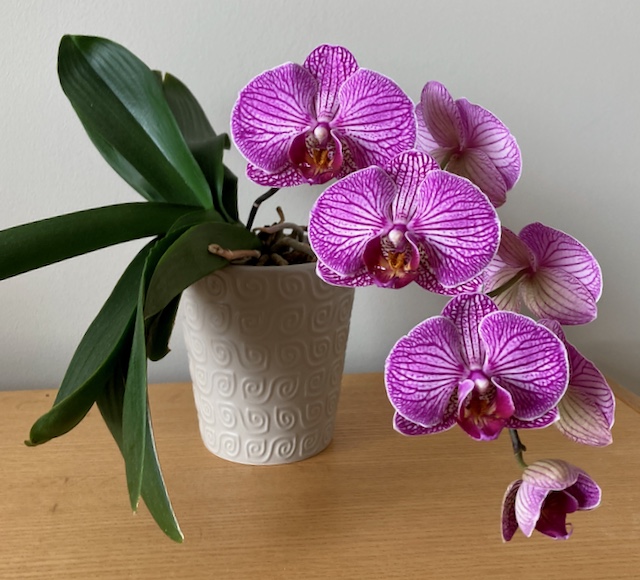
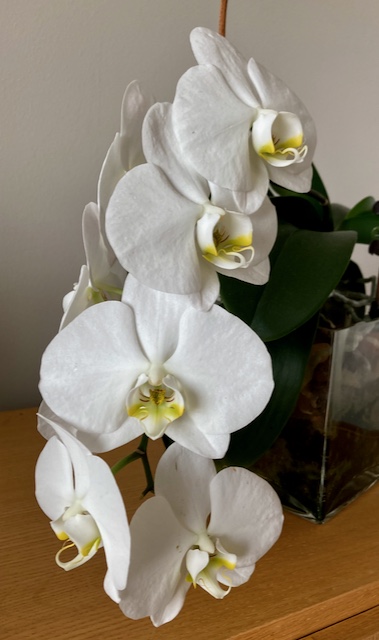
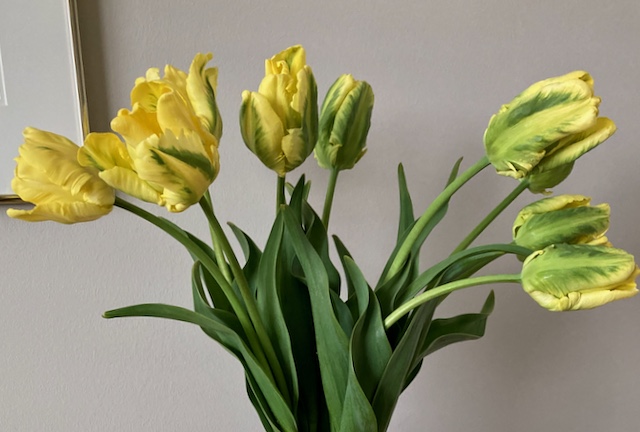
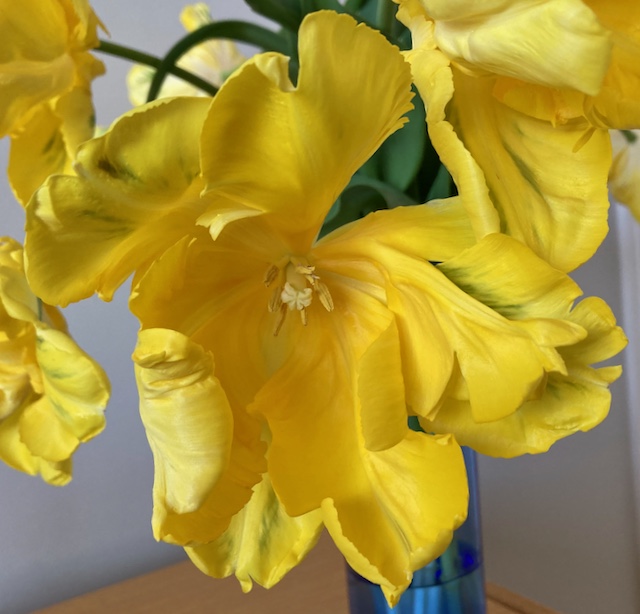
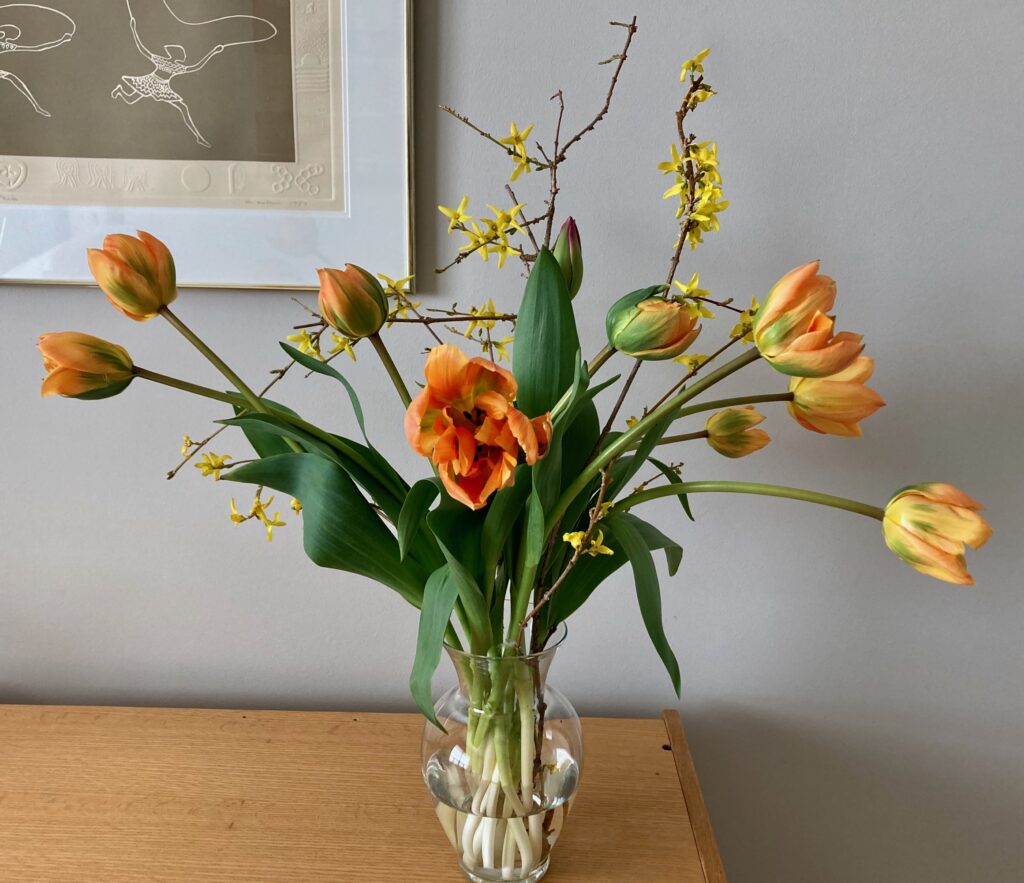
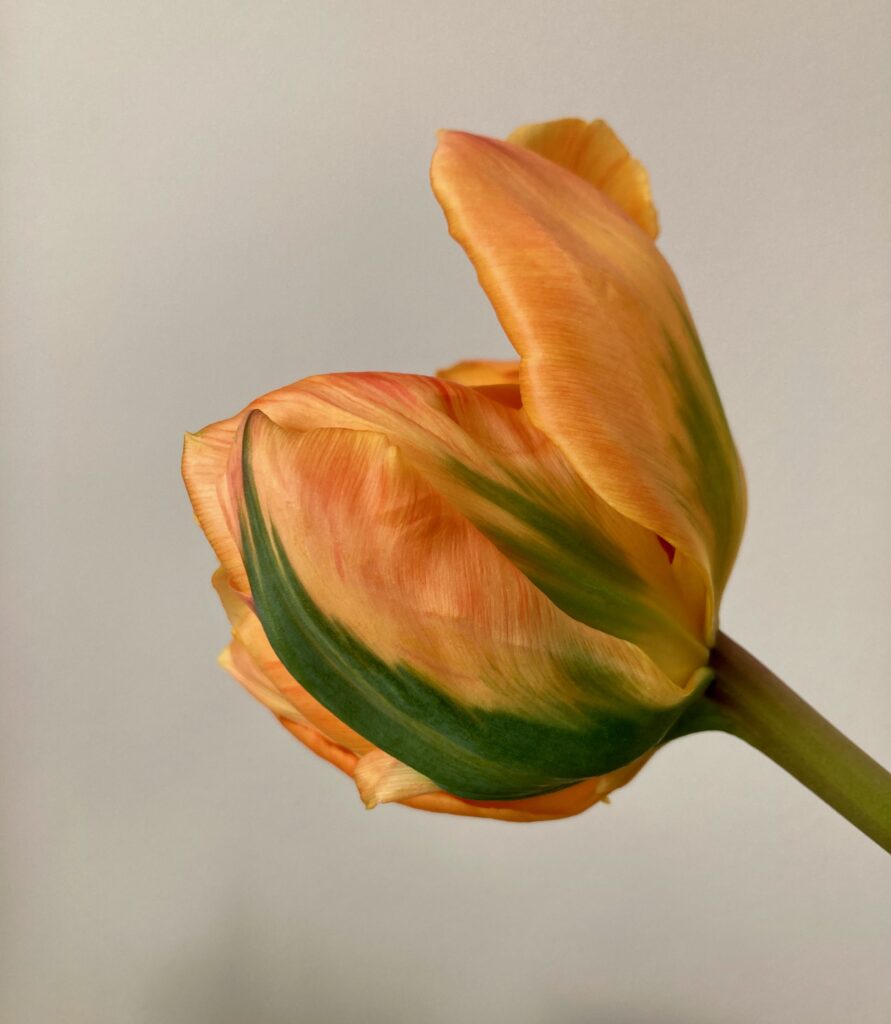
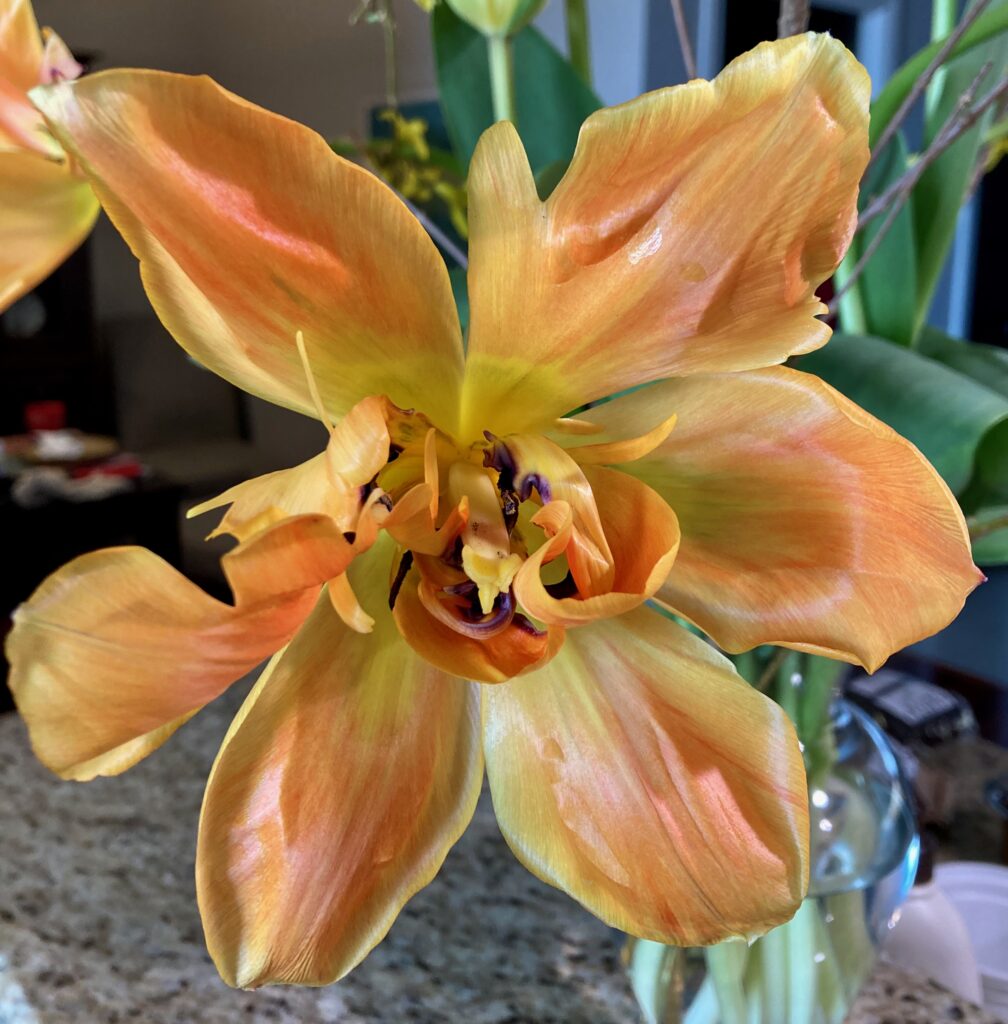
Orchids and Parrot Tulips
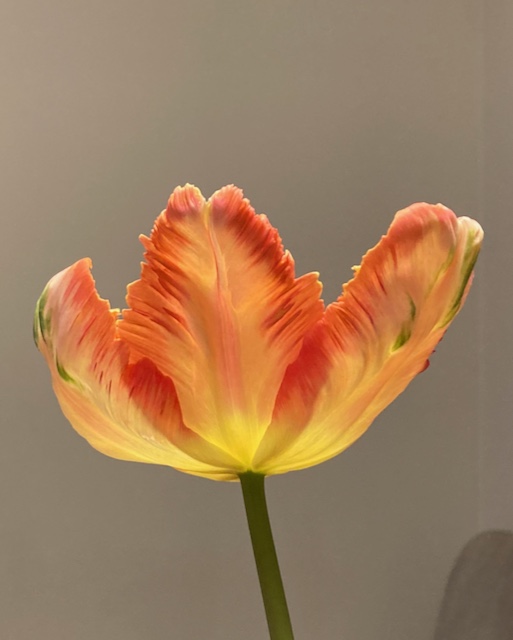
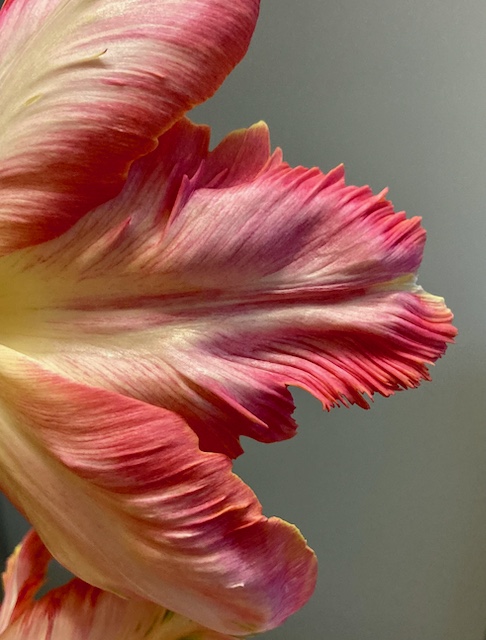
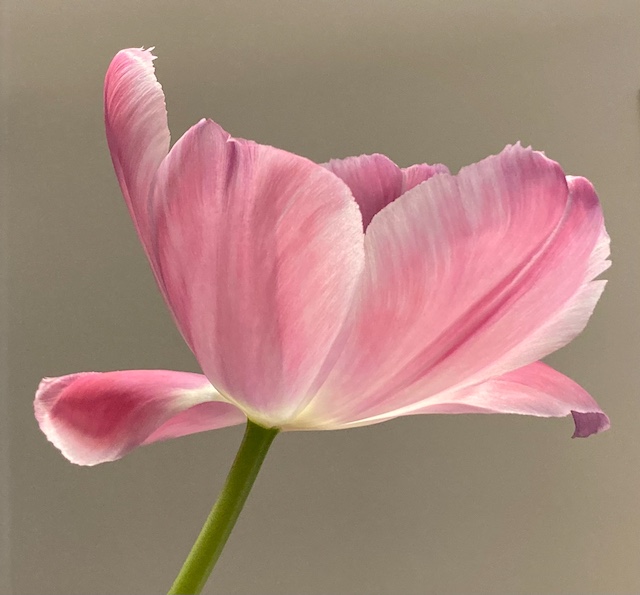
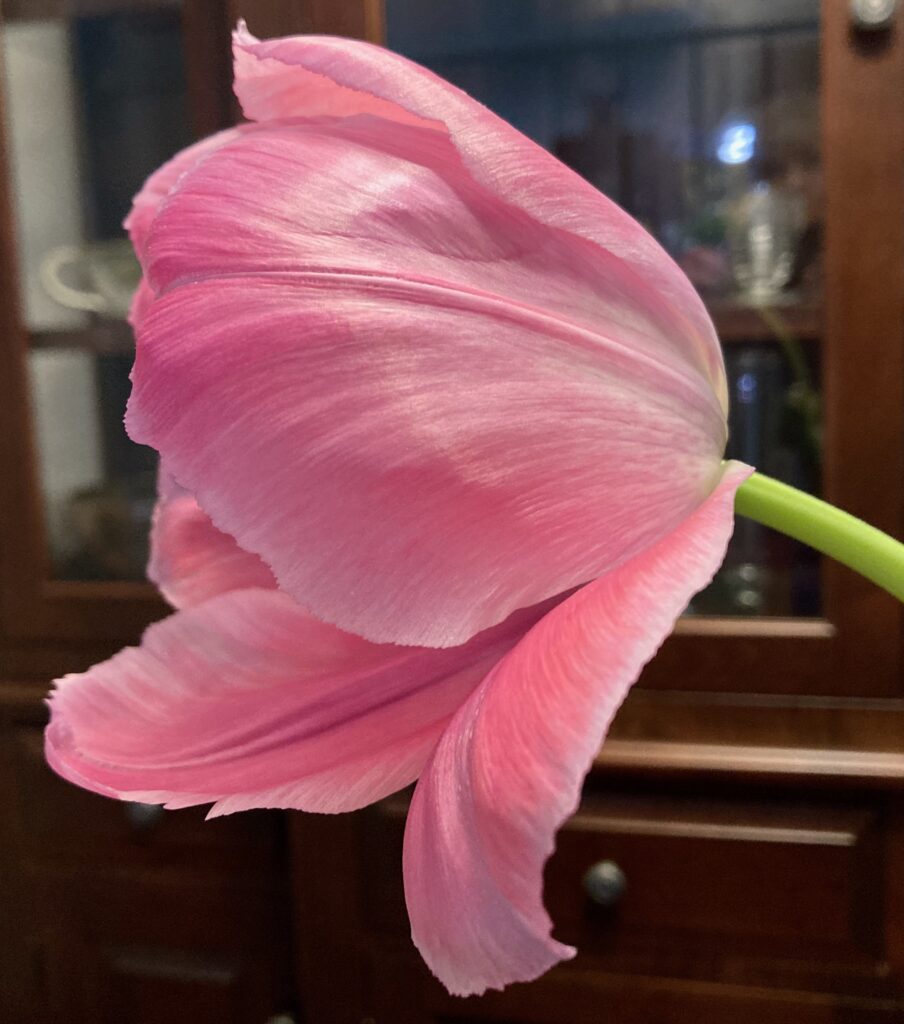
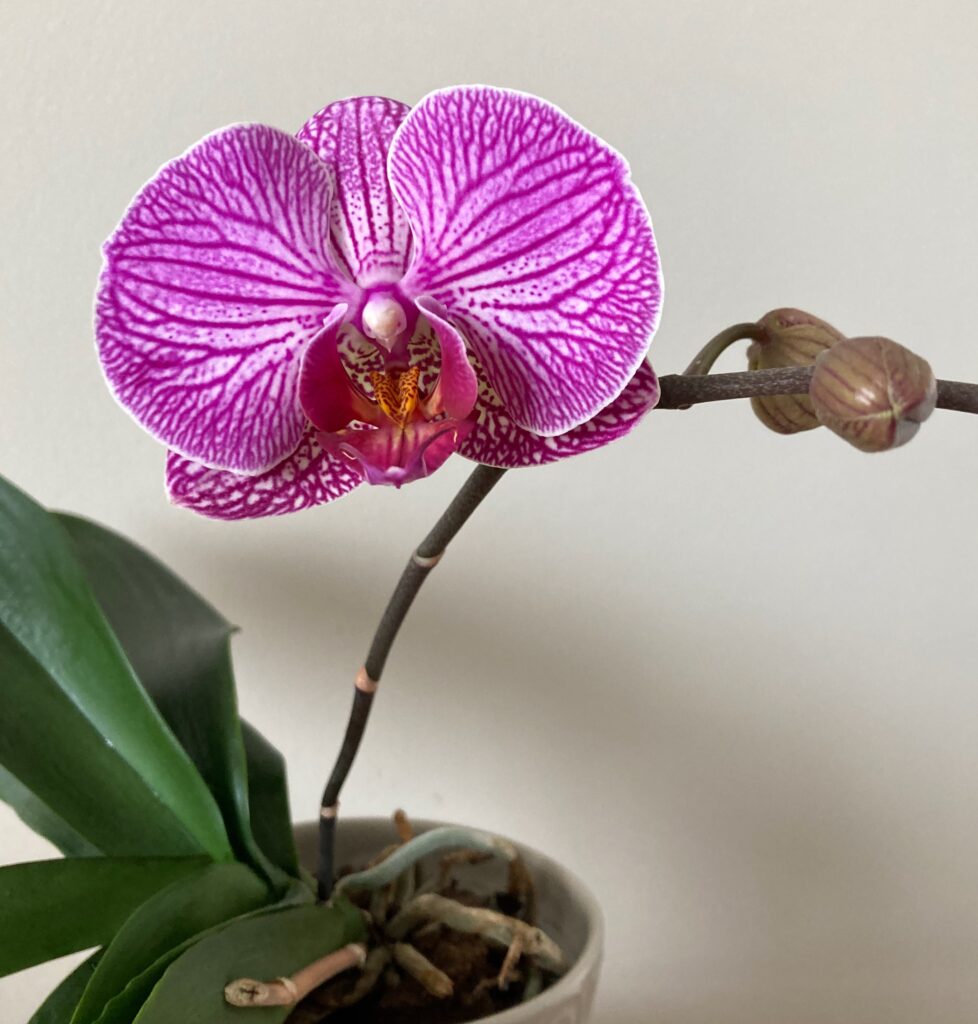
Our orchids continue their prolonged bloom. Tulips come and go. Parrot tulips are aptly named. As they open, they look as if they have feathers and could take flight.
Osprey Update
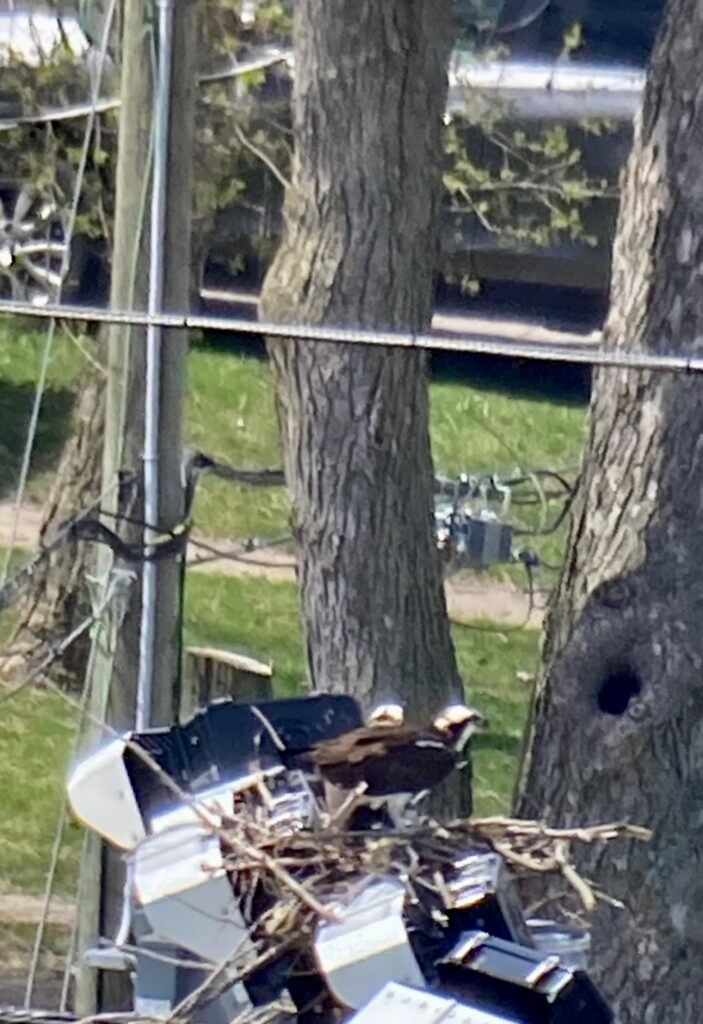
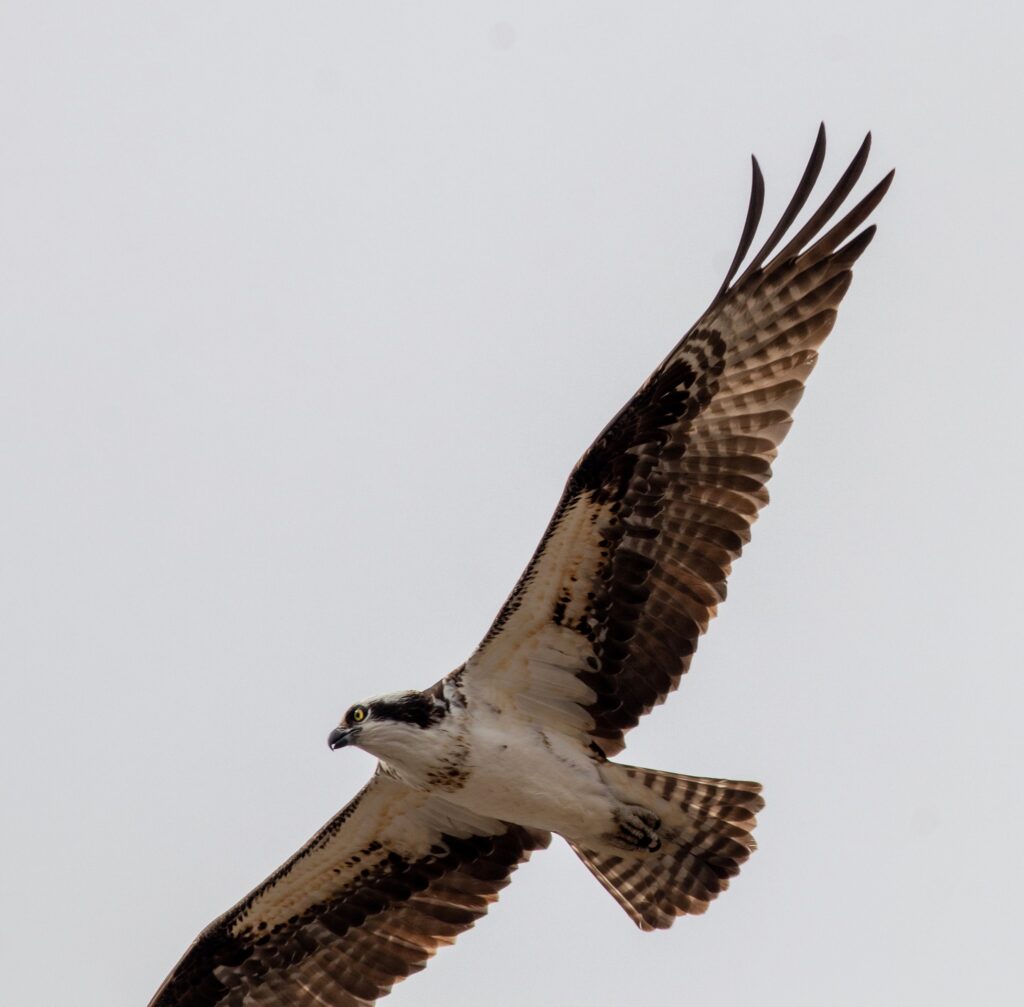
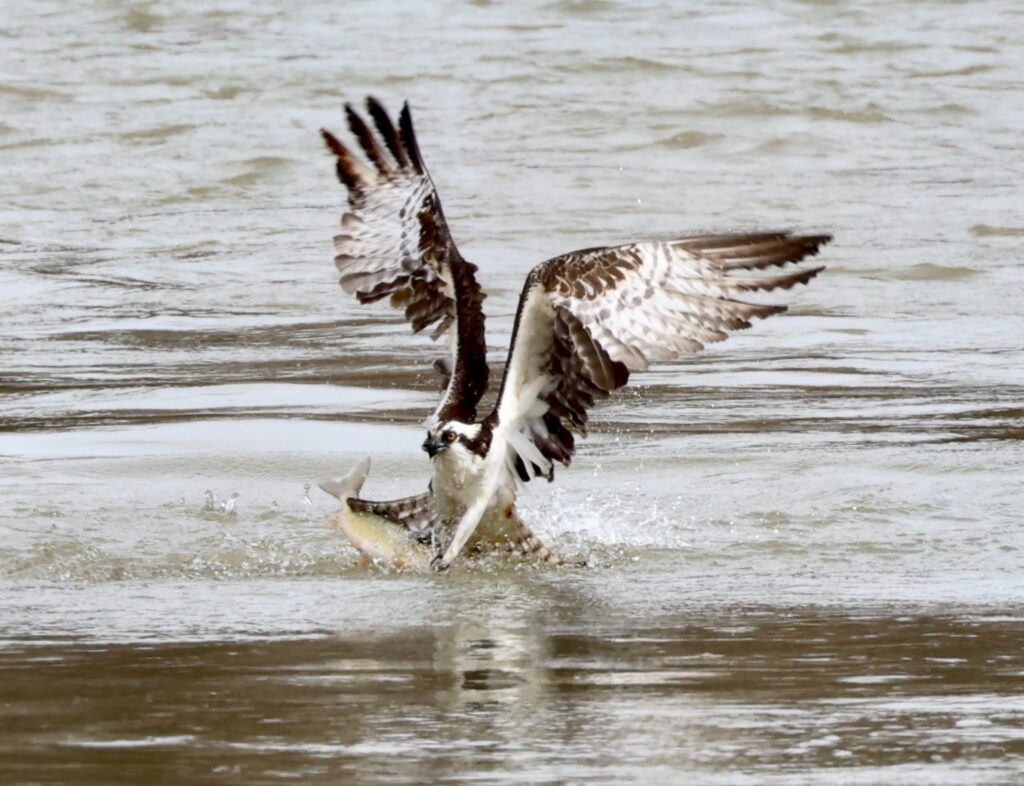
Our Osprey pair have settled into the 36- to 42-day incubation period. We will look for signs of hatching near the end of May. The nest continues to grow as the pair adds sticks to it from time to time. When the male delivers fish to the nest, the female usually takes it off to the low platform. While she devours the fish, the male replaces her, lowering himself gently into the nest. When not on the nest or away fishing, the male is usually perched close by and quickly responds to the female’s cries when intruders approach. Twice we have watched the male pursue two Ospreys, chasing them high over the nest and along the river.
Music Videos
Some readers had trouble with recent videos. To reduce the size of our reports, I will provide YouTube playlists instead of several YouTube links. If you do not like a song, you can skip to the next one.
My new playlist features songs from the 60s and 70s by MonaLisa twins. They first caught my attention with covers of early songs by The Beatles. They were invited to perform at Beatles fan conferences.
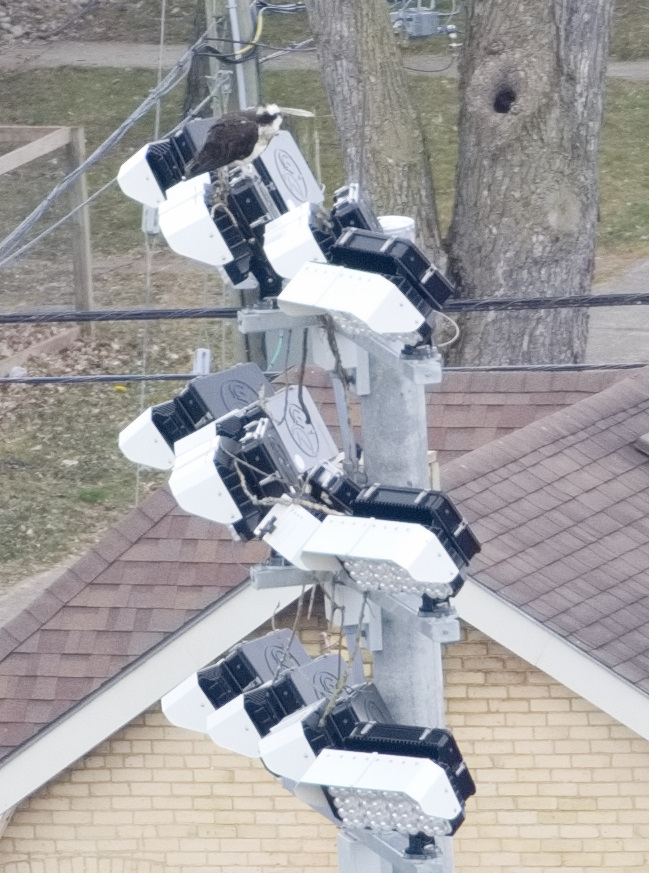
Against the odds, the Ospreys have chosen the new stadium lights at Labatt Park for their nest. Tuesday, April 23rd, the female was at the stadium nest almost continually, not always sitting down, until it was too dark to see. Early Wednesday morning, both male and female were adding sticks to the nest on the lights. It looks sturdier now, but still not very large. It is possible that the female had already laid her first egg. According to avianreport.com, when the female lays the first egg, she spends most of the day and night protecting it, but does not necessarily begin to incubate it until after the second egg is laid.
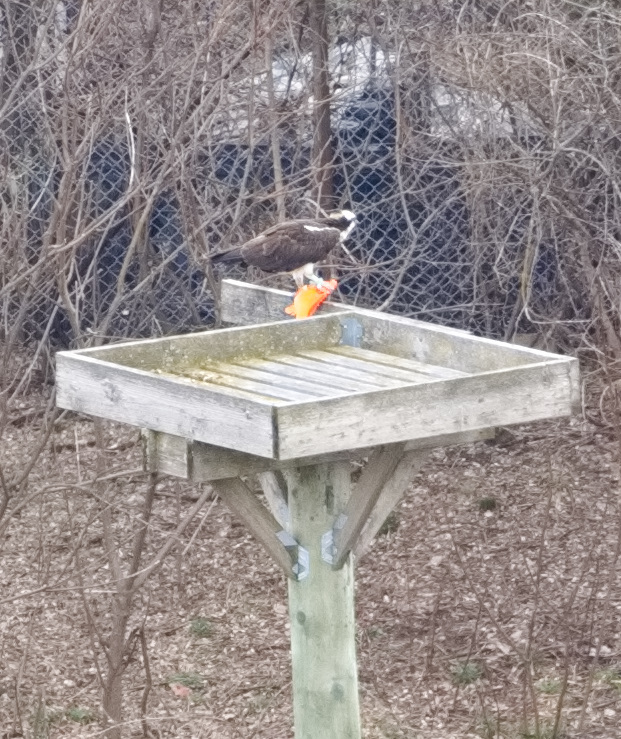
Thursday morning, the female Osprey was nestled into the nest and did not leave until the male brought her a large fish that he had beheaded on the low platform. She carried the fish to the low platform where she consumed it. In her absence, the male made some adjustments to the nest and then settled down into it. By all appearances, there are now two eggs in the nest being incubated. A third egg may be laid in the coming days.
For a few years, Ospreys have raised families on the old light tower that was in the same location.
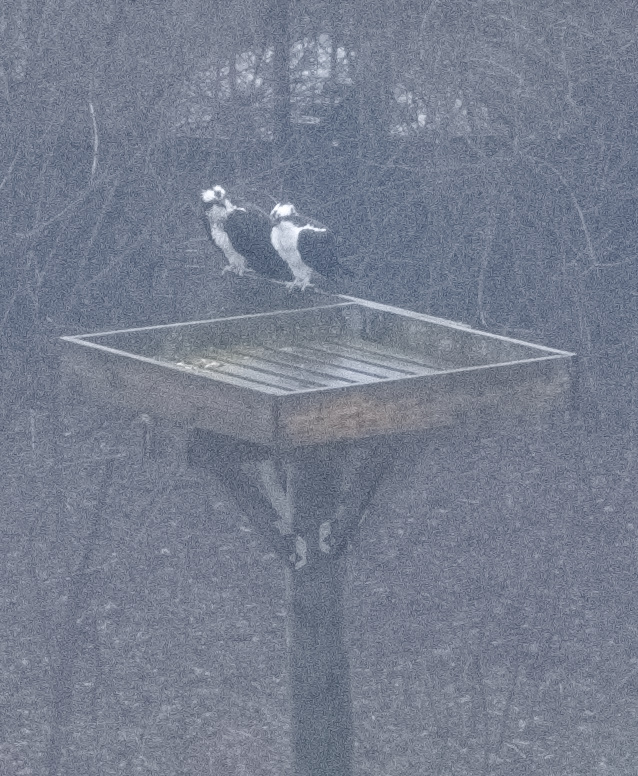
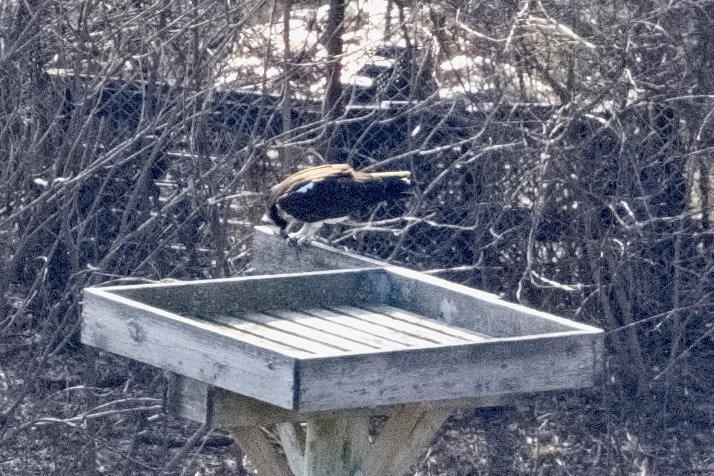
All photos were clipped from a video taken using an iPhone on a spotting scope on April 25, 2024. Unfortunately, distance and heat waves make for blurry photos.
Female on nestMale circling the nest with beheaded fishMale lowering fish to the nestFemale taking possessionFemale taking fish to platformEating interrupted by passing OspreyMale drying his wings before sitting down againMale settled on eggs
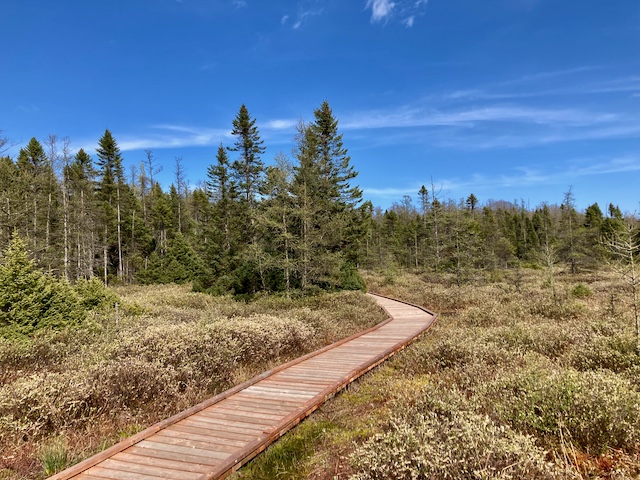
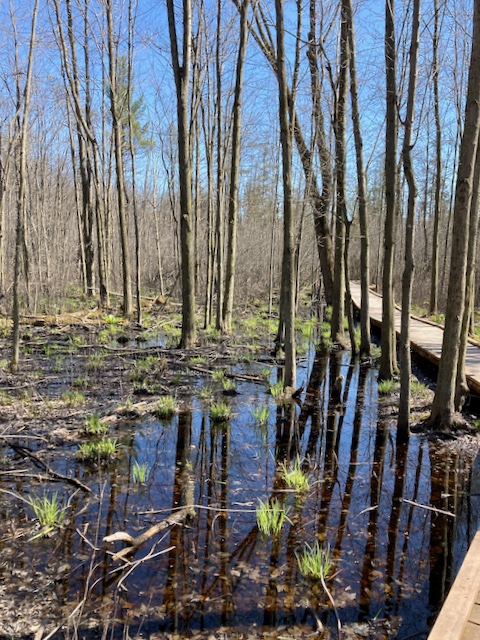
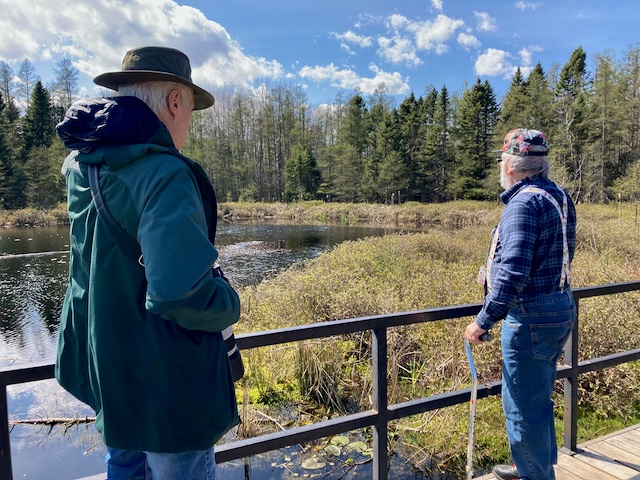
What better way to spend time on Earth Day than a stroll along the boardwalk at Sifton Bog Environmentally Significant Area (ESA)? The boardwalk leads through a deciduous swamp to a floating acid peat bog.
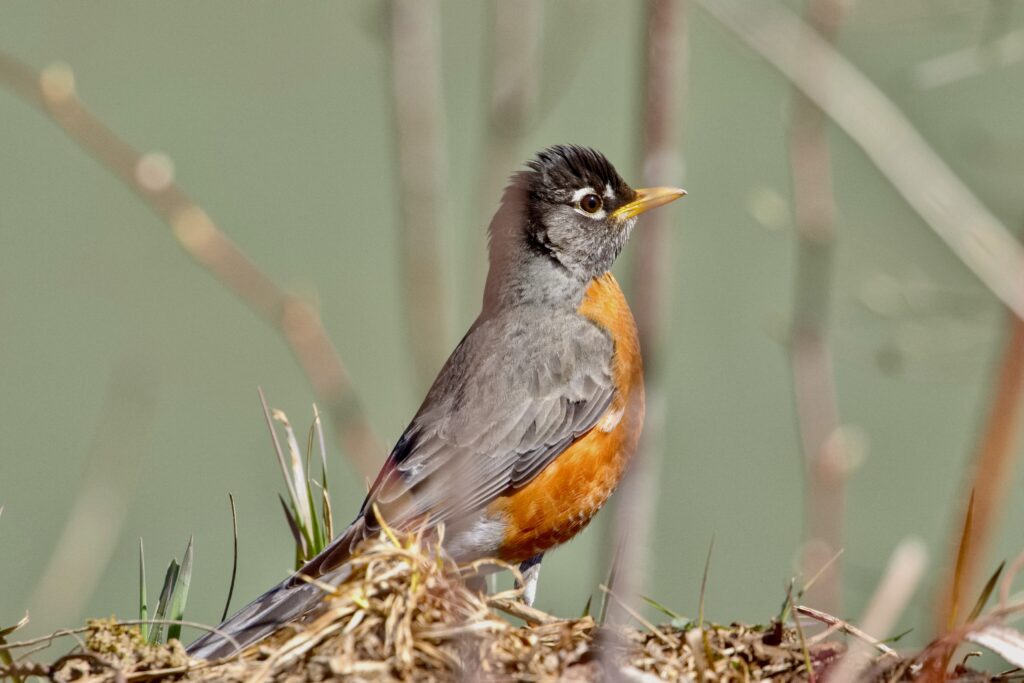
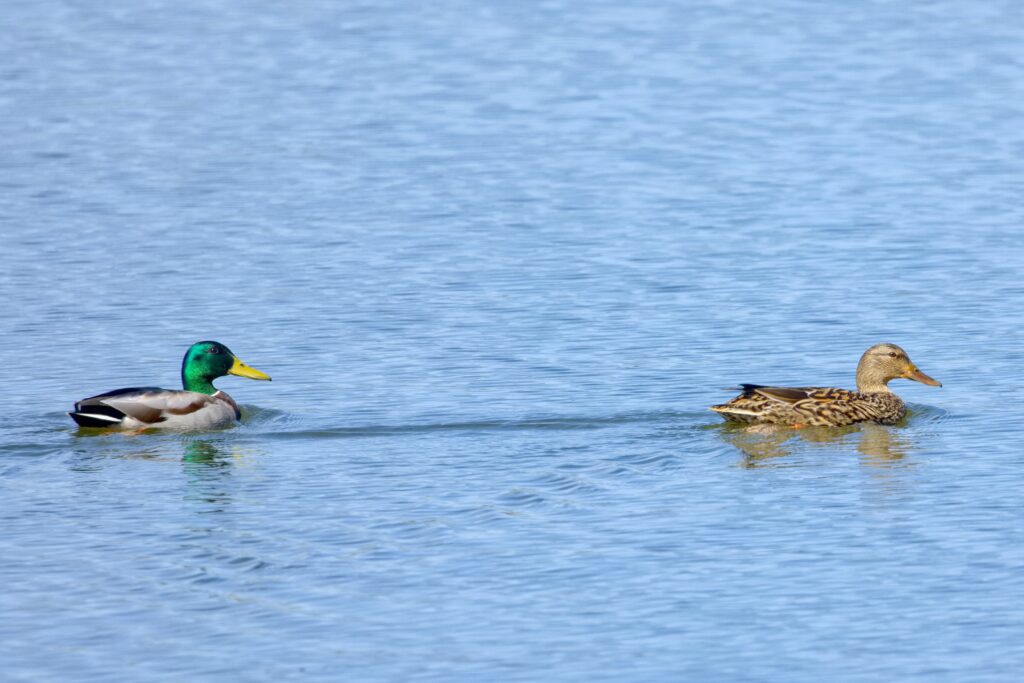
Many Common Grackles flew from tree to tree in the deciduous woods and dipped into the water. A pair of Mallards dabbled in the shallow water. A Song Sparrow was unusually quiet, as was an American Robin. Northern Cardinals called, but did not show themselves.
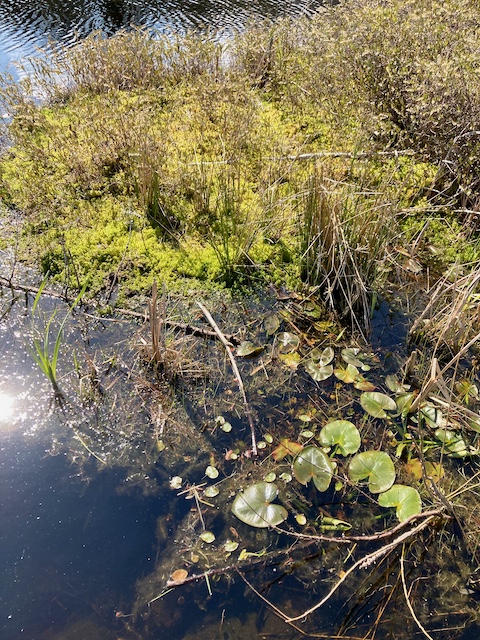
When sedges, moss and other plants at the edge of the central pond died, they became compressed as a layer of peat. Sphagnum mosses, heath plants and spruce trees grow on the drier hummocks formed on the outer edges of the pond.
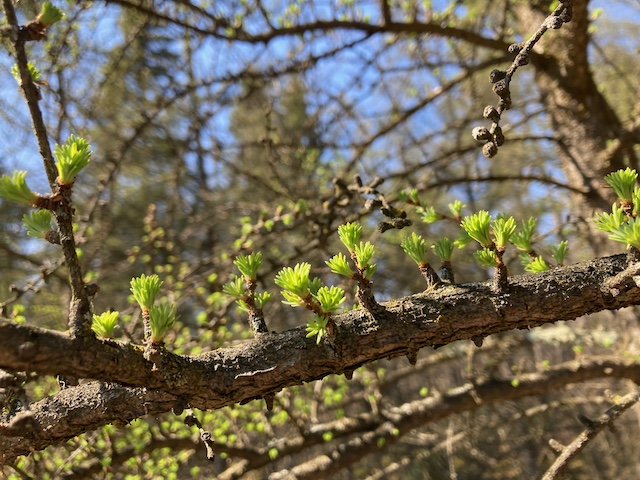
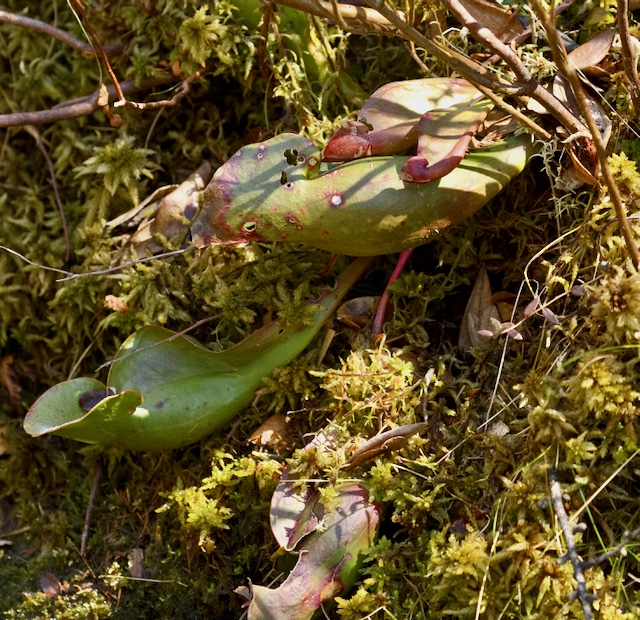
The bright green needles of the Tamarack trees, Ontario’s only native deciduous conifer, were just beginning to emerge. Tamarack, Black Spruce and plants such as Leatherleaf, Highbush Blueberry, Small Cranberry and Pitcher Plant grow in the boggy areas closer to the open water of the pond. Leatherleaf and Highbush Cranberry bushes were in bloom.
From top: Highbush Blueberry in bloom (2 photos), Tamarack, looking back from the pond – low bushes of Leatherleaf in bloom with Black Spruce and Tamaracks in the background, Leatherleaf in bloom, Small Cranberry (reddish foliage), Pitcher Plants (2 photos), last year’s growth and new growth.
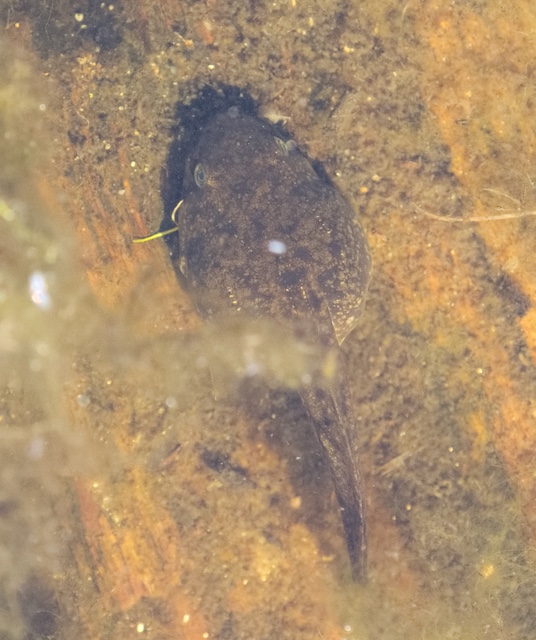
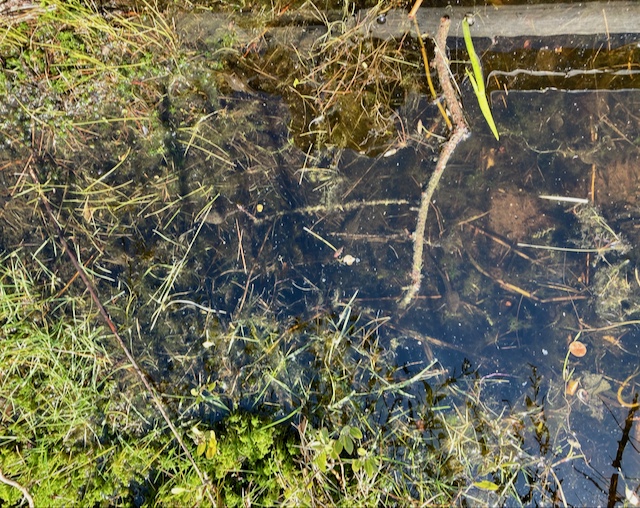
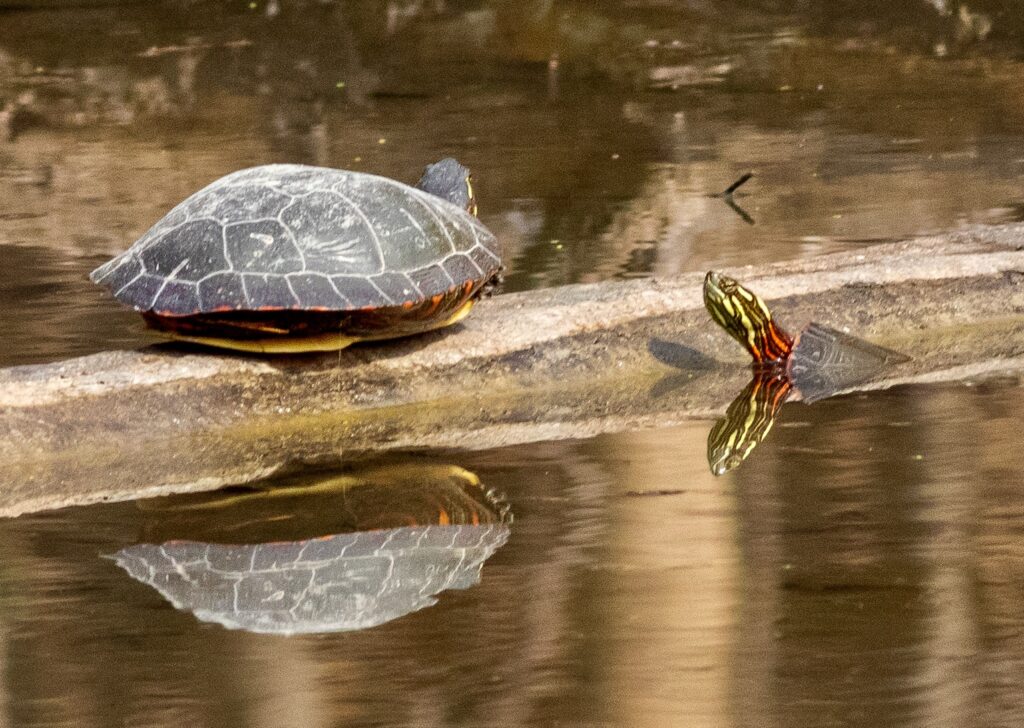
At the pond, we met Philip, a regular visitor to the bog, who provided a lot of information about the ESA. Several Midland Painted Turtles basked in the sun on logs on the far side of the pond. Tadpoles of Green Frogs swam in the shallow water. Find the tadpole in the final photo (bottom right)!
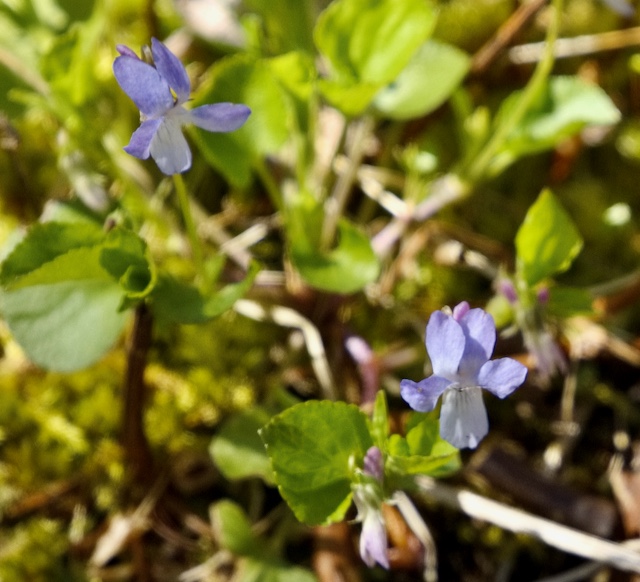
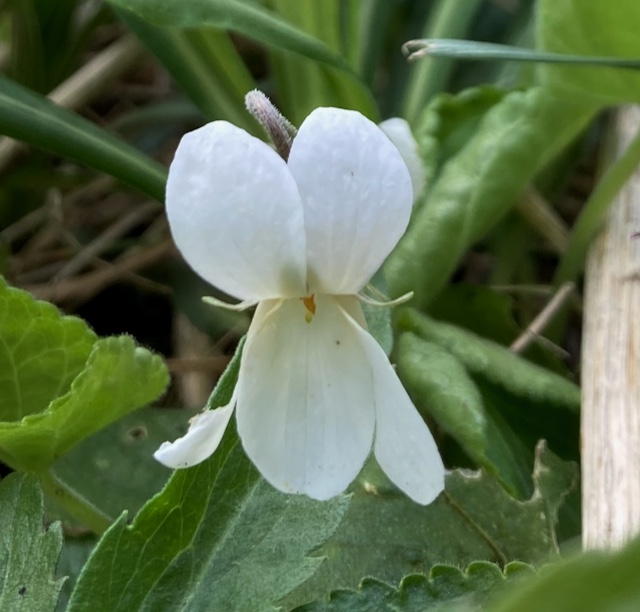
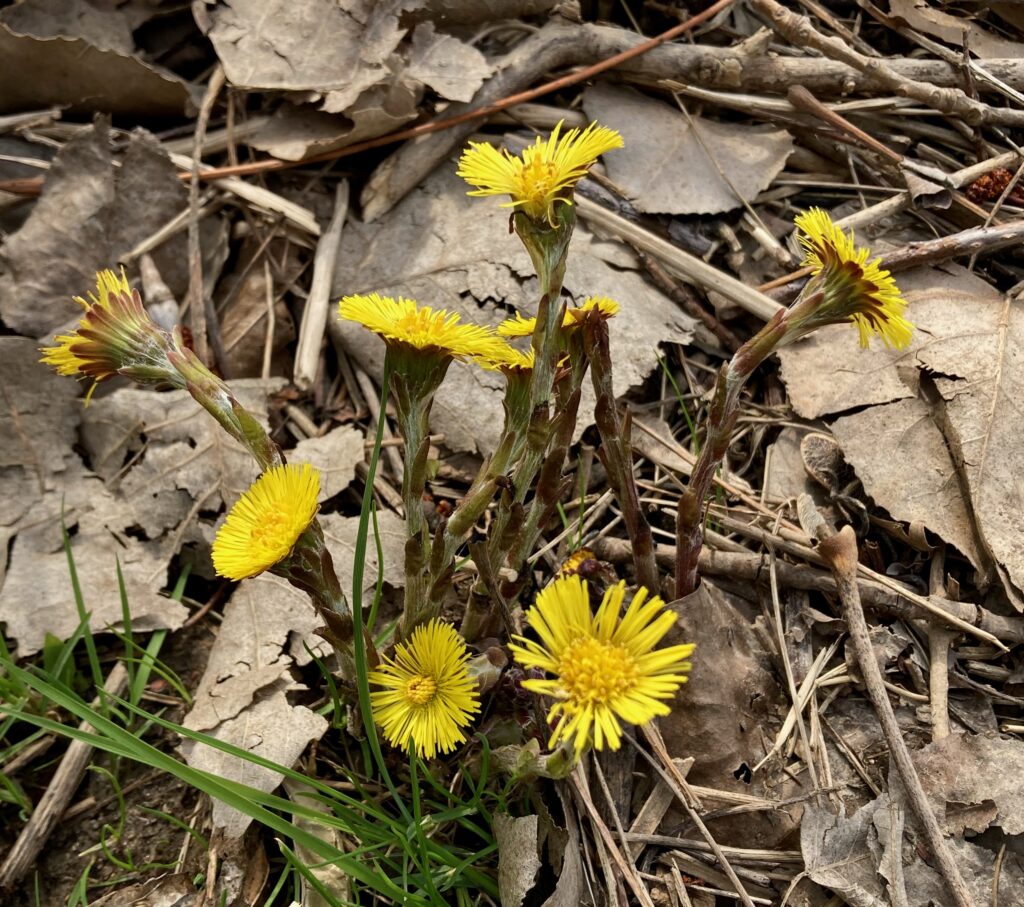
A few early wildflowers were growing in different locations beside the boardwalk that provide the right conditions – Colt’s Foot, Labrador Violet, White Violet and Eastern Skunk Cabbage.
There were many Red Admiral butterflies flying and landing briefly on the boardwalk. These butterflies are migrants that usually arrive in May, but some may also have overwintered in Ontario due to the mild weather. There may be two or even three generations produced between now and September.
Correction
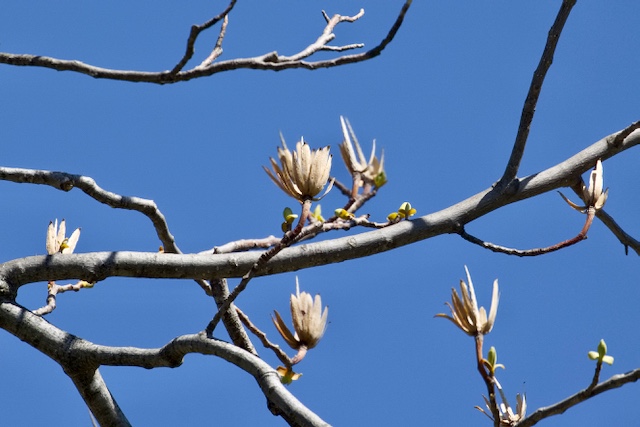
Thanks to friends who are knowledgable naturalist for their helpful correction to our comments about the Tulip tree in our last post. They pointed out that, rather than new flowers forming, our photo “shows the dried husks from last year’s seed heads. These often remain on the tree over the winter. This year’s flowers won’t appear for some time, after the leaves come out.” Stay tuned for photos of these flowers that will not emerge until at least late May and more often early June.
Tulip Tree – dried husks from last year’s seed heads!
Osprey Update
Well, against the odds, the Ospreys have chosen the stadium lights for their nest. Tuesday, April 23rd, the female was at the stadium nest almost continually, not always sitting down, until it was too dark to see. Early Wednesday morning, both male and female were adding sticks to the nest on the lights. It looks sturdier now, but still not very large. It is possible that the female has already laid her first egg. According to avianreport.com, when the female lays the first egg, she spends most of the day and night protecting it, but does not necessarily begin to incubate it until after the second egg is laid.
Thursday morning, the female Osprey was nestled into the nest and did not leave until the male brought her a large fish that he had beheaded on the low platform. She flew with the fish to the low platform where she consumed it. In her absence, the male made some adjustments to the nest and then settled down into it. All afternoon, one adult or the other is always on the nest. By all appearances, there are two eggs being incubated. A third egg may be laid in the coming days.
Stay tuned…
Tulipmania
Songs about Rain
Out of chronological order, but no song could ever follow this one. Like the CCR song, it was a reaction to performing at Woodstock. All of the young people in this band are amazing.
Just look at what The Who can do with percussion, bass, guitar, harmonica, and two vocals. One musician friend said that the bass is like a second lead guitar.
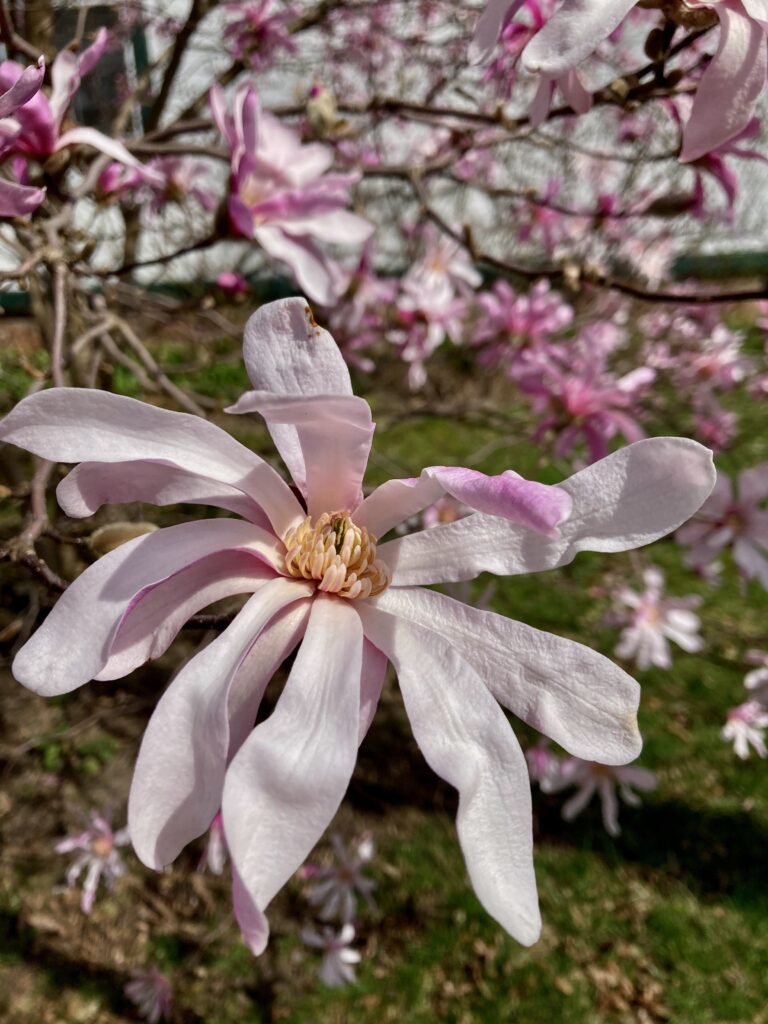
Magnolias seem to thrive in London. Different varieties have been in bloom since early April. Now, the magnificent magnolia tree at Eldon House is in bloom. We can see it from our balcony and visit it when the gardens are open.
Monday and Tuesday were both sunny with temperatures in the high teens. There were many signs of spring on both of our walks.
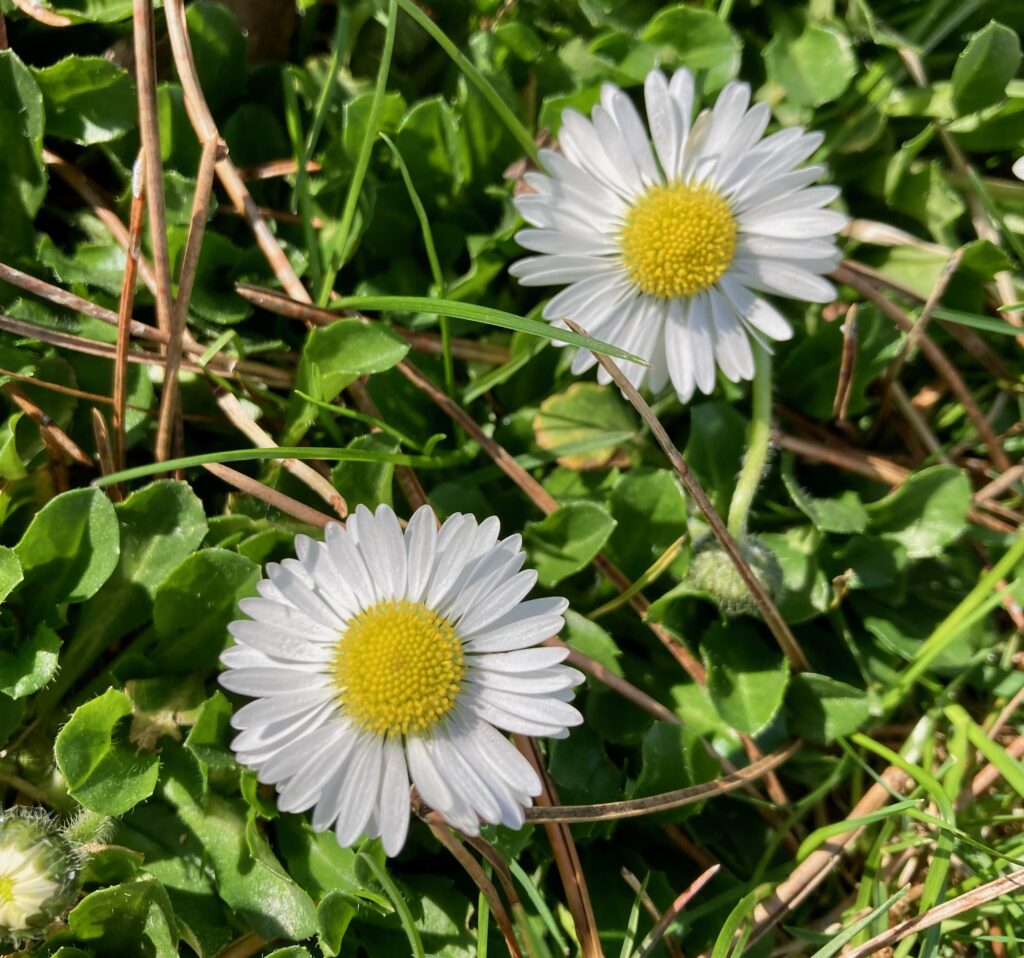
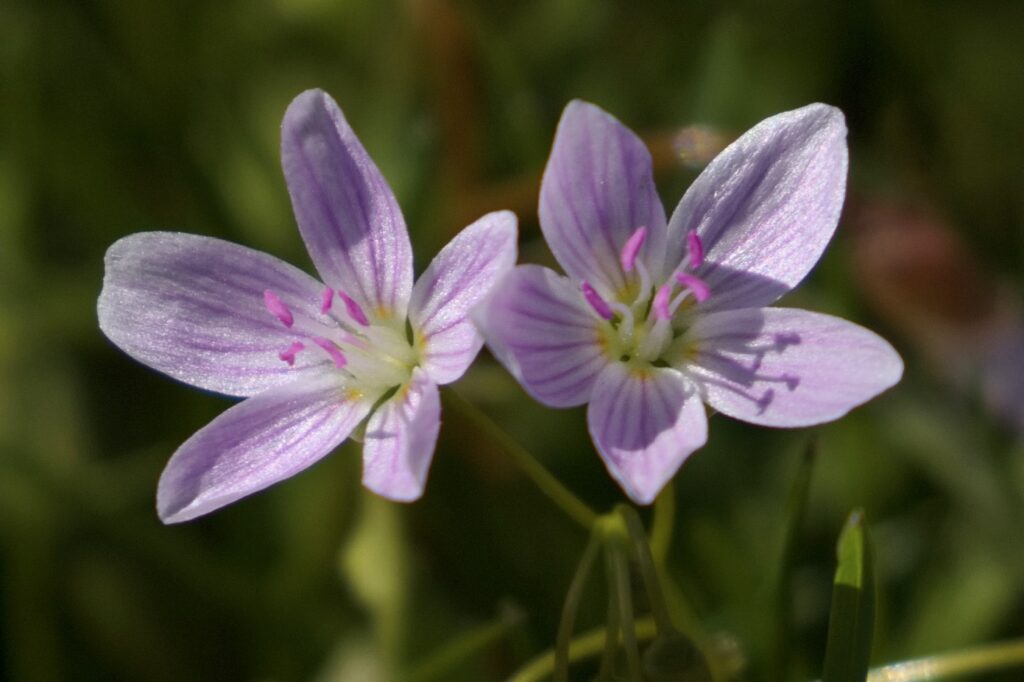
A few native wildflowers had sprung up in the lawns at a local cemetery and at Greenway Park. Lawn Daisies are an introduced species that have naturalized here.
Virginia Springbeauty Virginia SpringbeautyLawn DaisyVirginia SpringbeautyCommon Blue VioletCommon Blue Violet
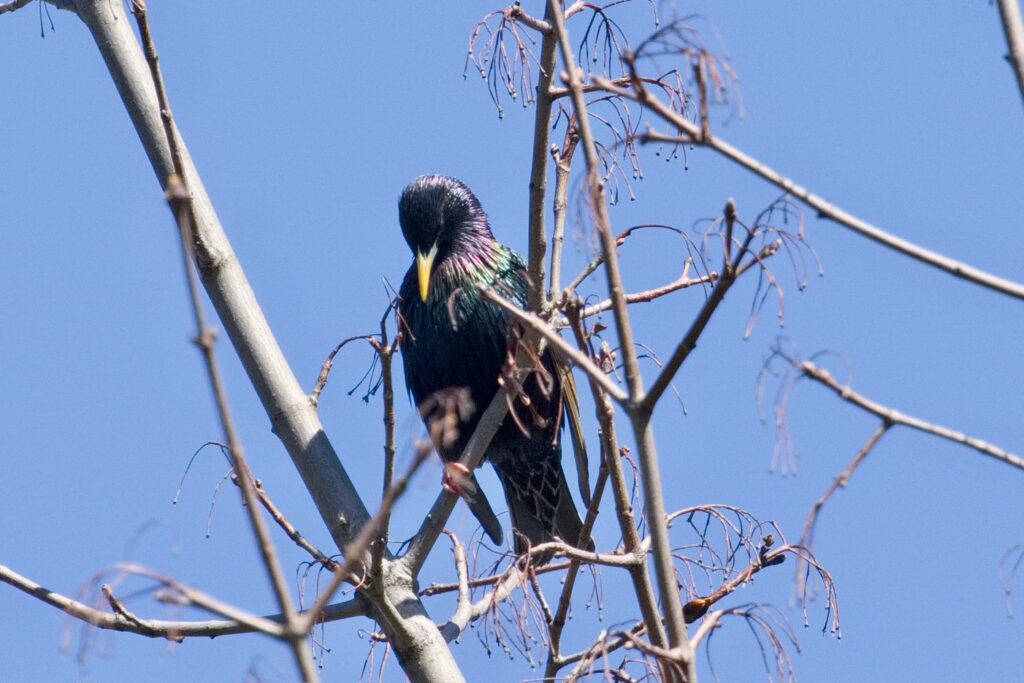
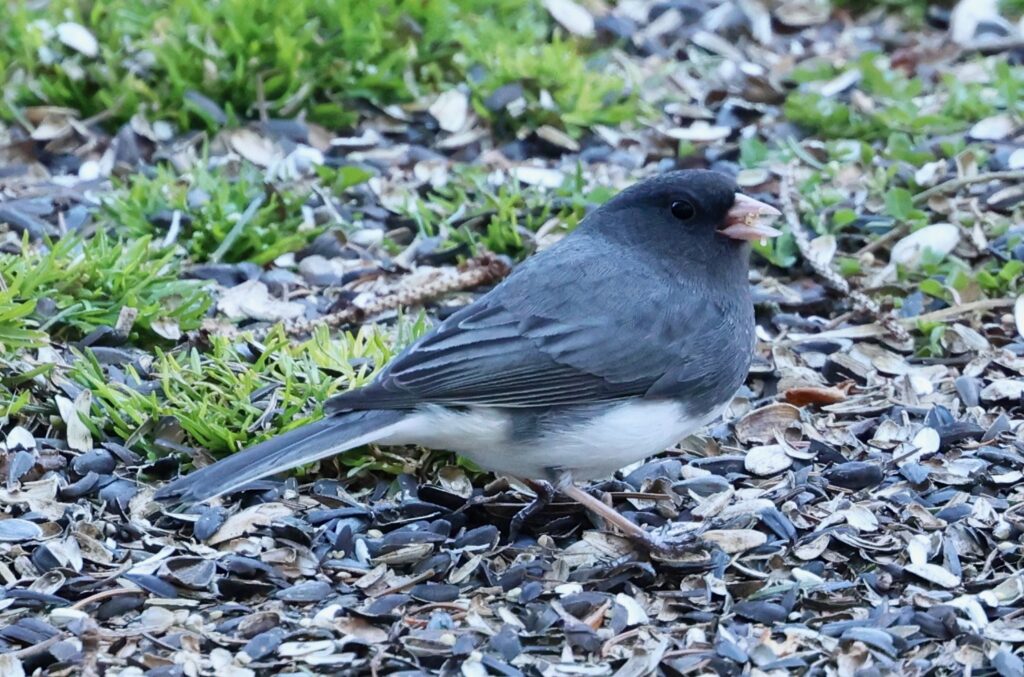
Birds were active in the warm sunny weather. A small flock of Dark-eyed Juncos foraged in a stand of conifers and on the ground. They will soon move farther north. European Starlings flocked in the treetops. Robins searched for insects and worms. A female Northern Flicker investigated a possible nest cavity. American Crows clamoured and perched but the Mourning Doves sat quietly.
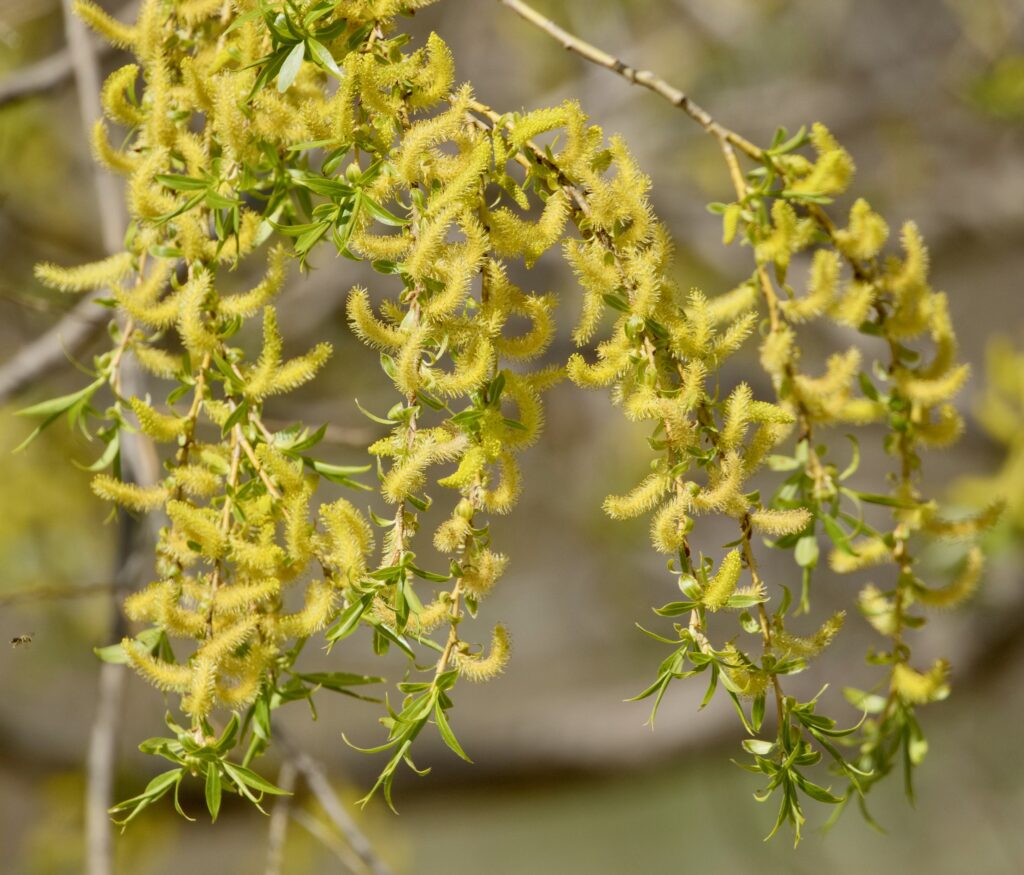
Trees were in bloom, spreading pollen far and wide. Eastern Cottonwood – red catkins of a male cottonwood tree. Tulip tree with flowers forming on the branches. Invasive Norway Maple’s green blossoms. Catkins of the willow tree.
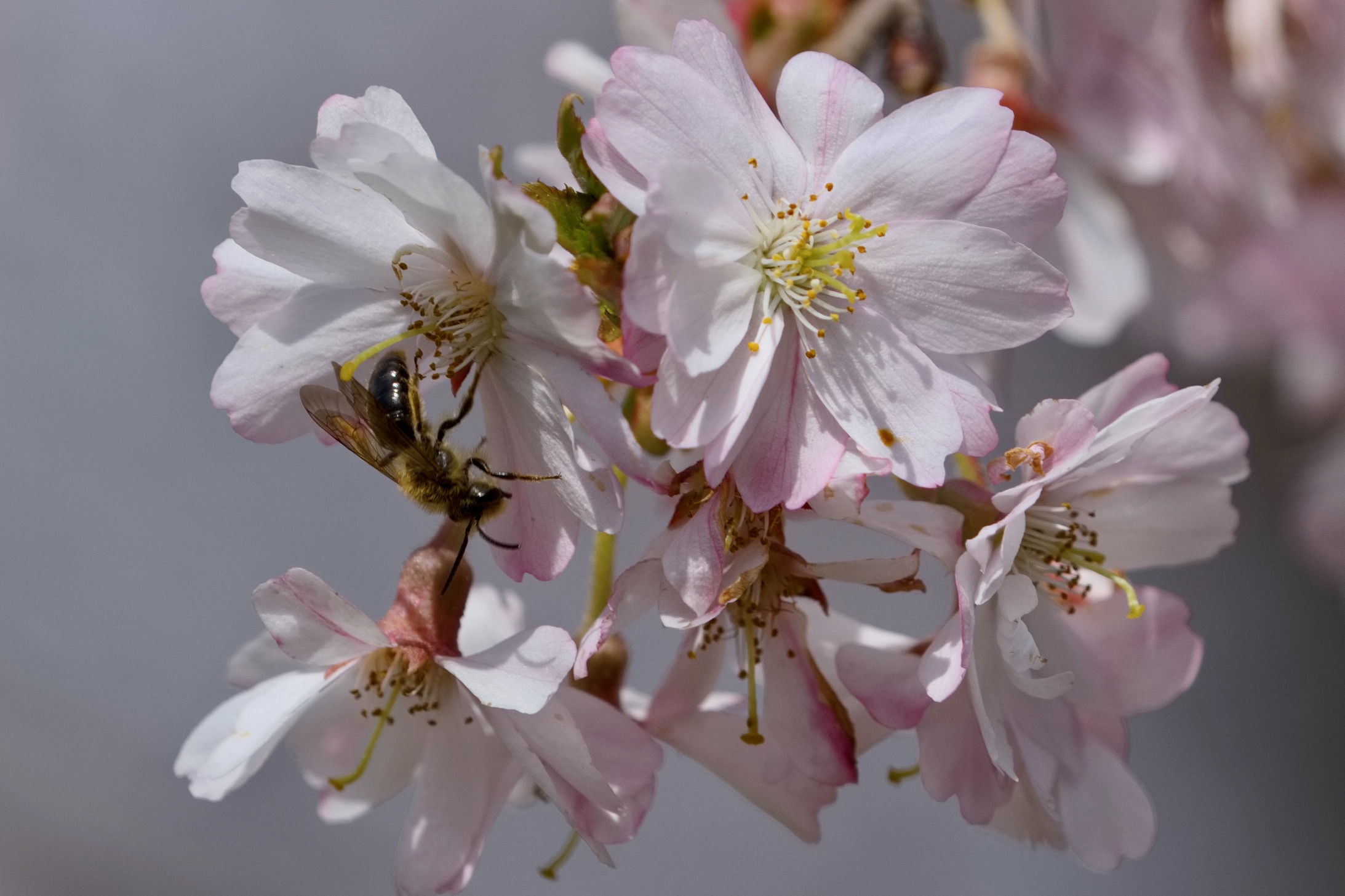
Cherry blossoms attracted many pollinators!
Osprey Update
Although we thought that our Ospreys had abandoned the stadium lights and adopted the low platform for nesting, they once again are giving us some anxiety. We see that they are spending time perched on the pile of sticks they have added to the stadium lights. It still does not appear to be a viable nest. Perhaps the lights are the preferred lookout for approaching predators.
When we were at Greenway Park, we saw that a pair of Ospreys had laid claim to the platform there.
Greenway Park OspreysFemale (left) and male Ospreys at Greenway Park
Wandering Bee Flowers
Good news! The flower farm had its first blooms of the season available at the market on Saturday. These tulips are a relative of parrot tulips that unfold wildly as they mature. We had one rogue/bonus blossom in the bunch.
The song was performed live on 27 July 1977 in rehearsals at Shepperton Studios for the film The Kids Are Alright with Keith Moon on vocals. Moon, a massive Beach Boys fan but a notoriously limited singer, plays and sings much to the delight of his fellow band members.
Last Friday, we had a brief snowfall that featured pea-sized pellets of snow. Today we are in the midst of a three-day rainfall that has triggered a Special Weather Statement from Environment Canada about the potential for flooding and high winds.
Sunday, April 7, was warm and sunny. We walked the riverside path near the Alumni Stadium on the Western University campus and found wildflowers already in bloom. Below, these violets may be an introduced variety, as are the invasive Lesser Celandine which form a dense mat that prevents the growth of almost every other plant.
American Robins were foraging and Song Sparrows singing.
We were happy to see that Ospreys had occupied the nest platform erected above a set of stadium lights and were successfully catching fish.
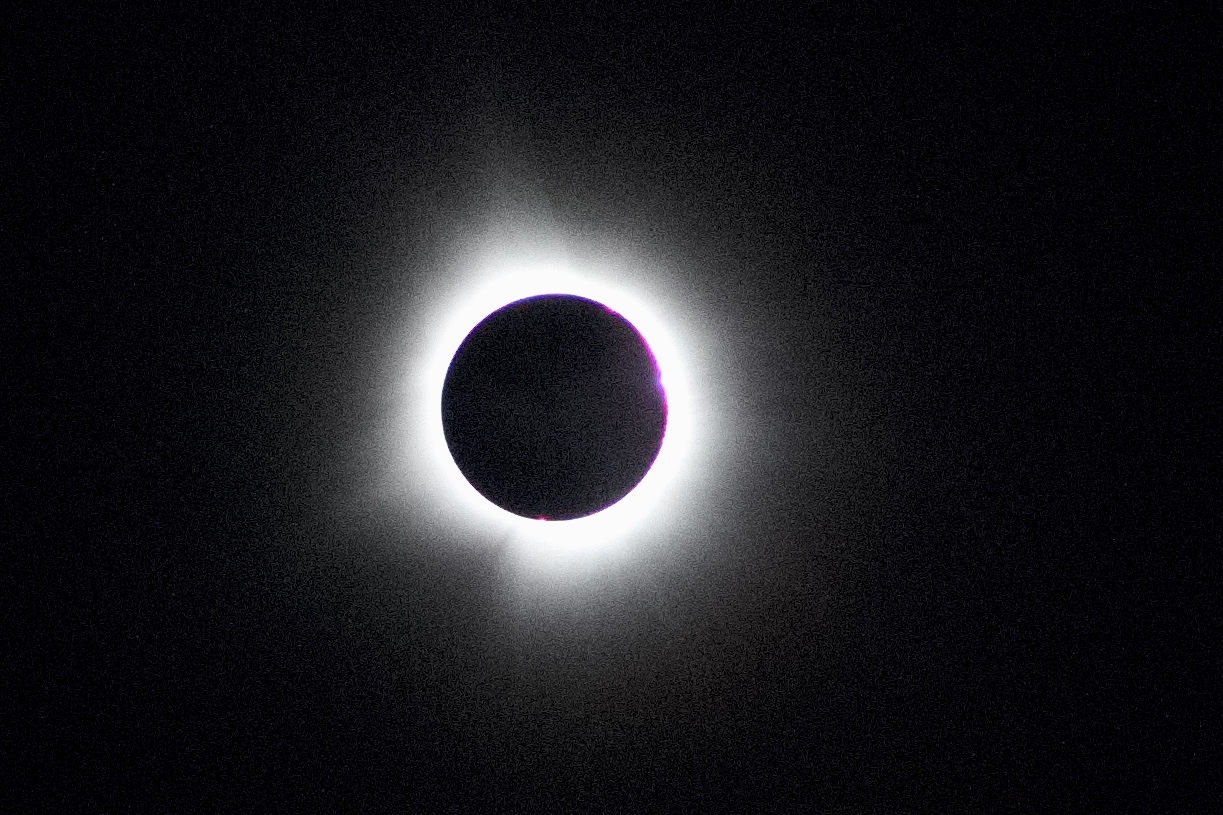
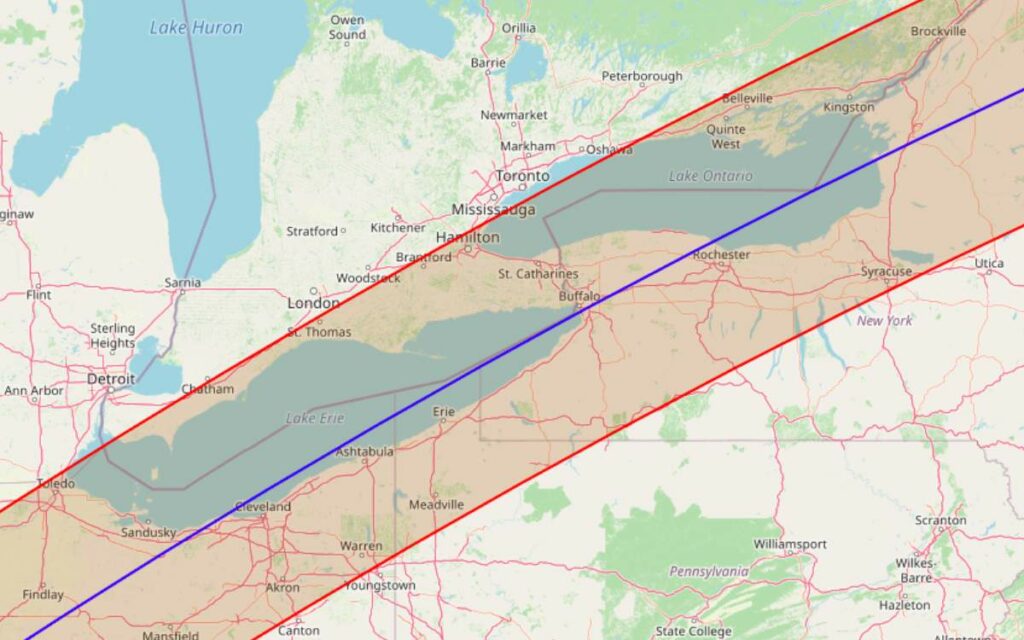
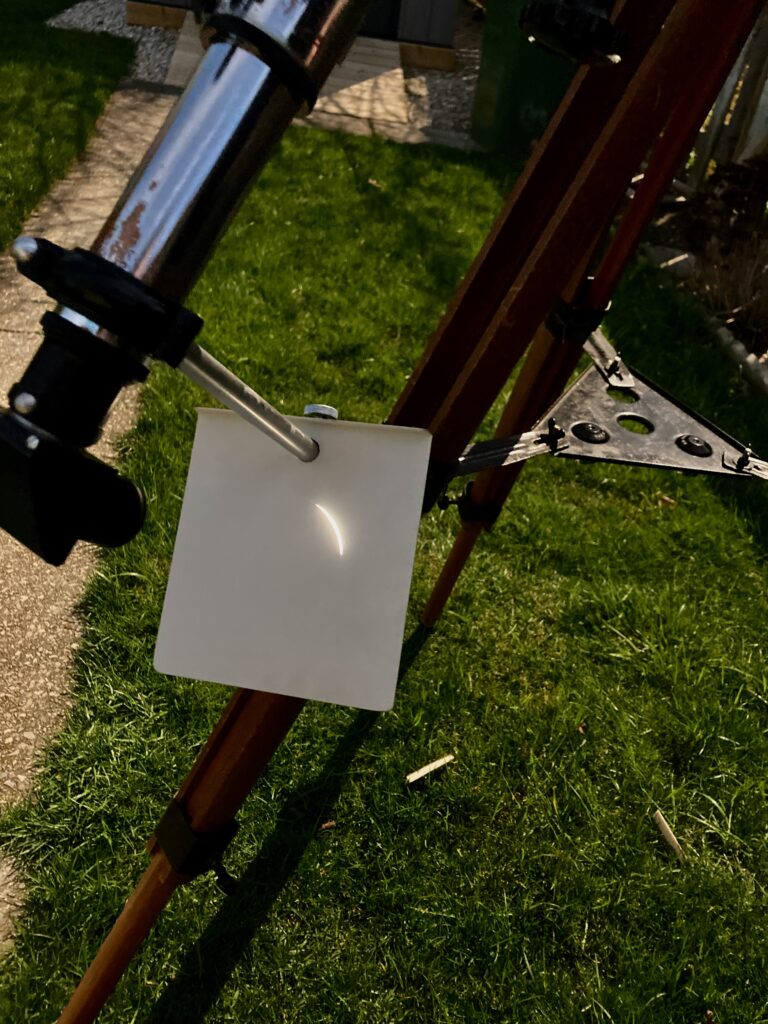
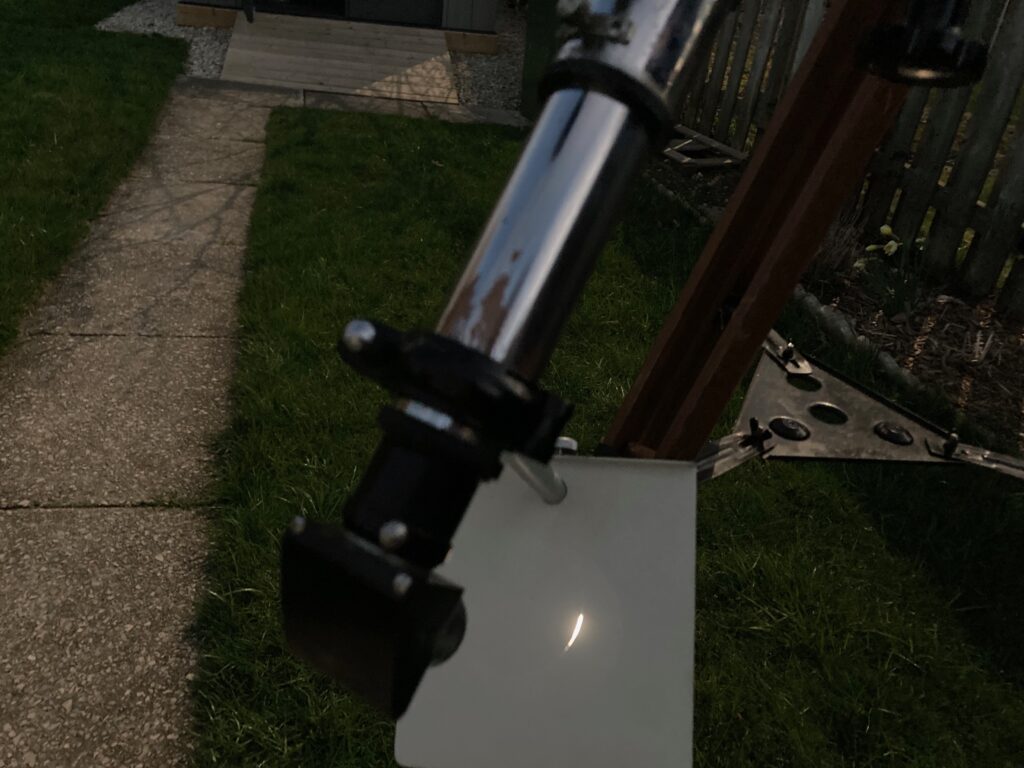
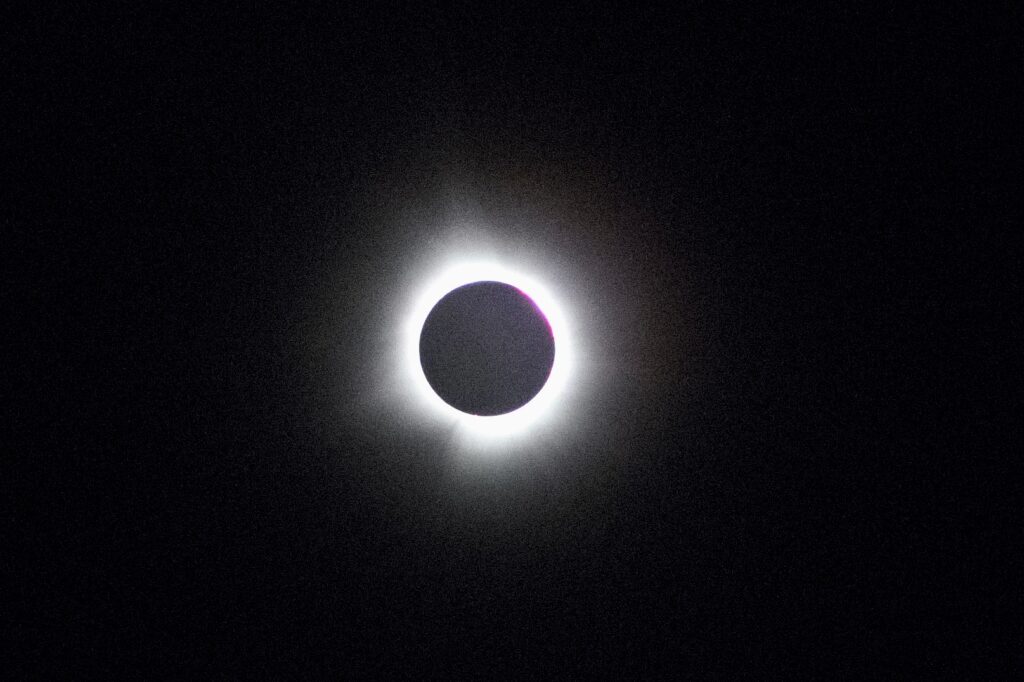
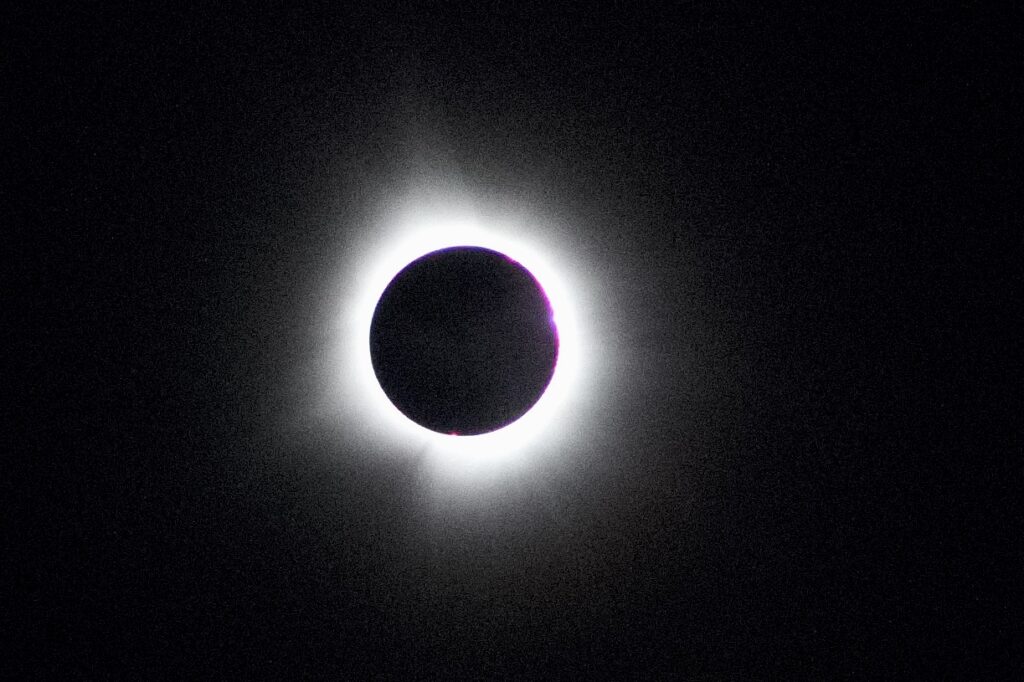
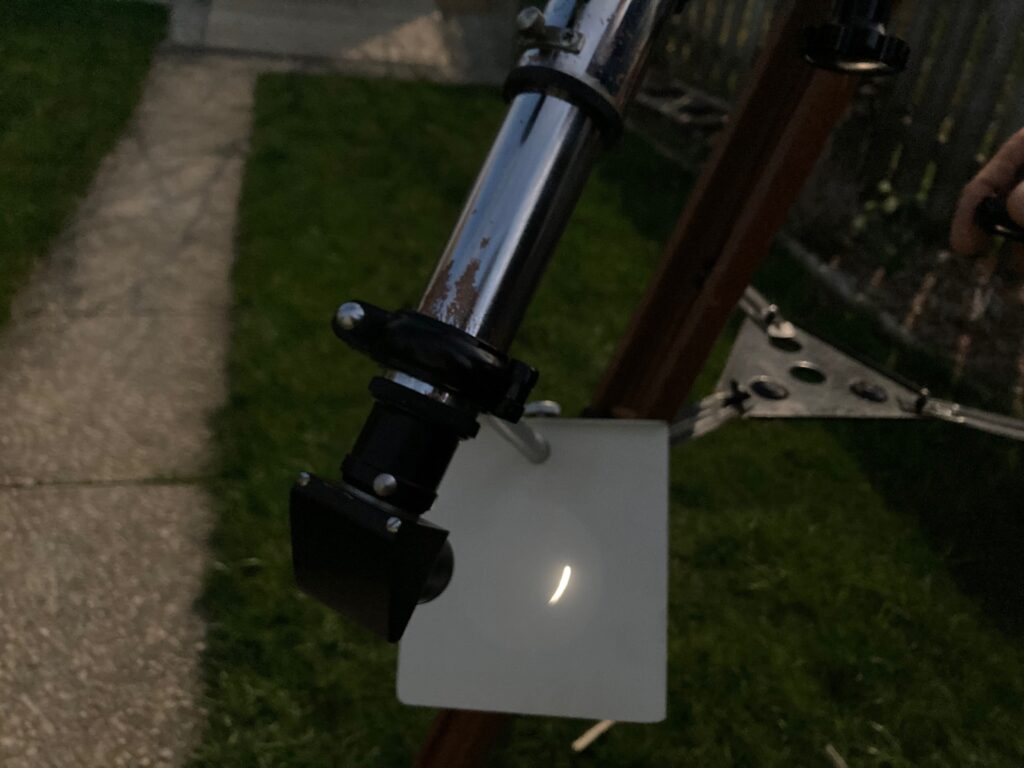
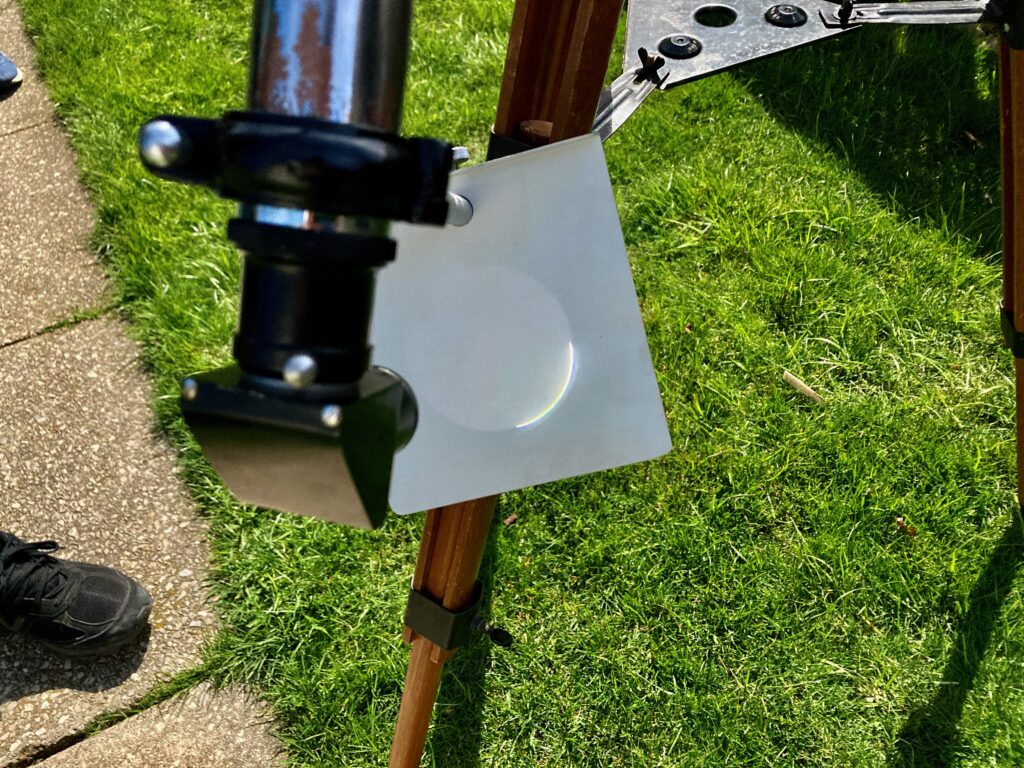
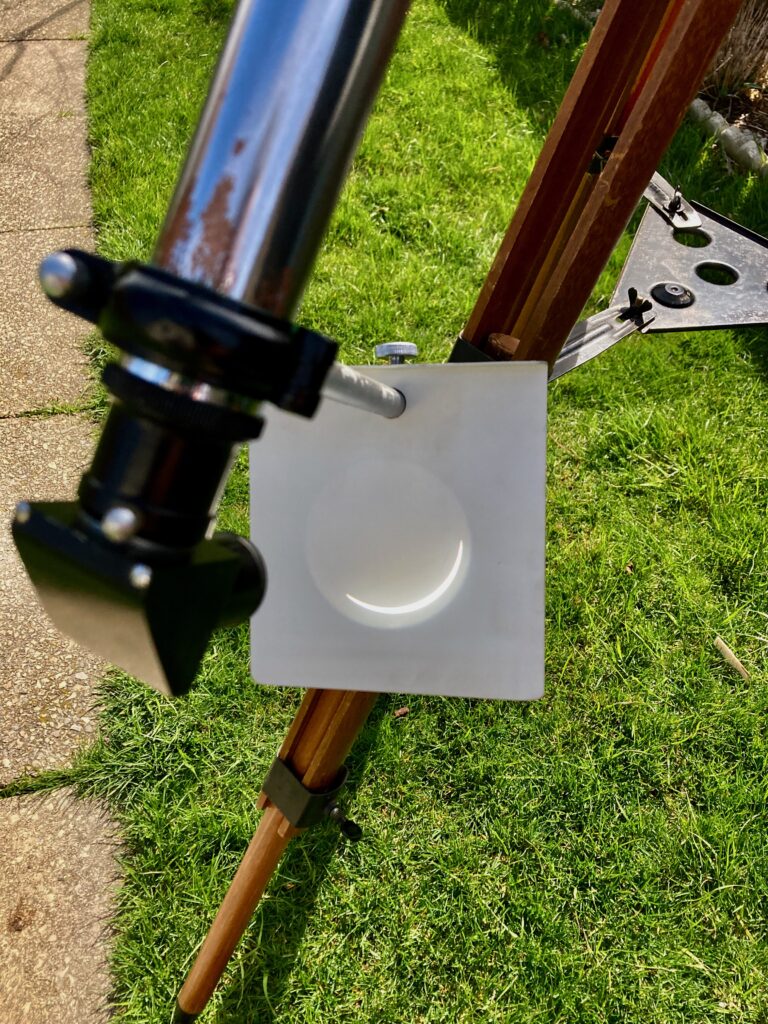
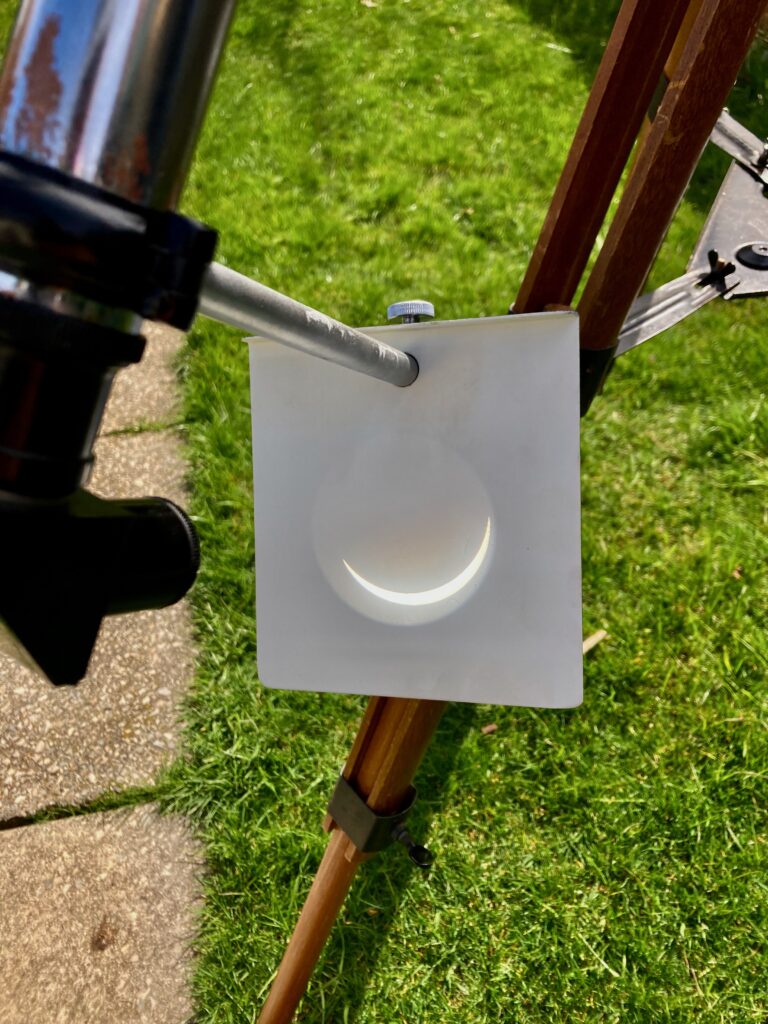
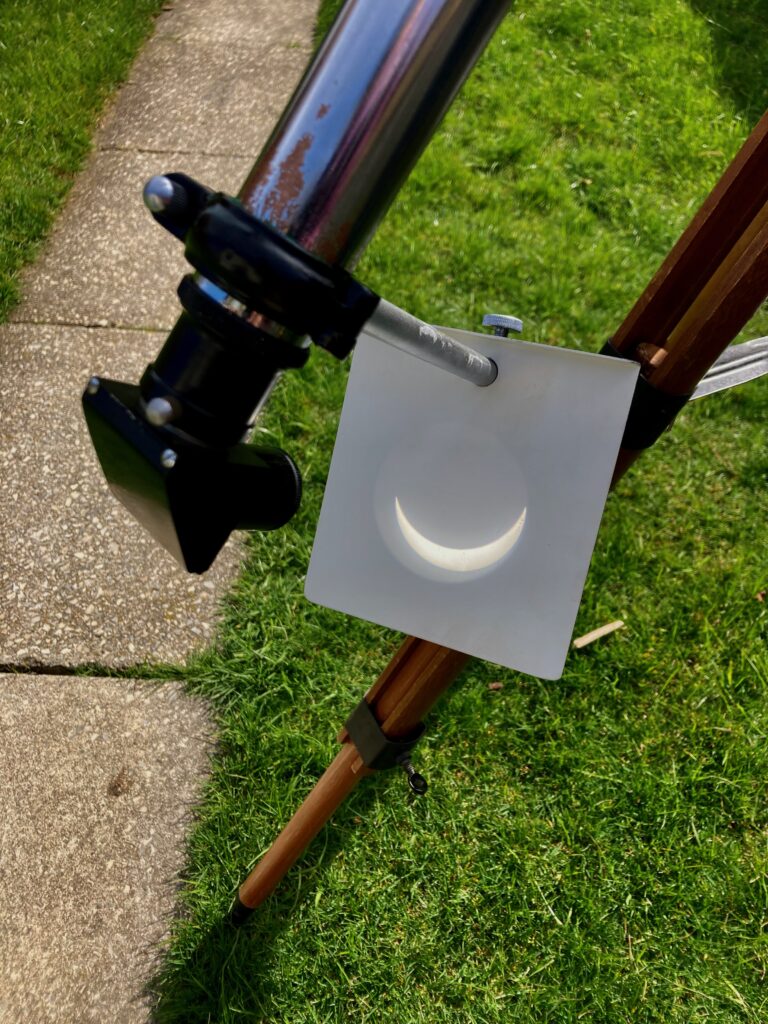
April 8th was the day that the path of the total eclipse passed through Southern Ontario. We were fortunate to have friends in St Thomas, just within the path of totality.
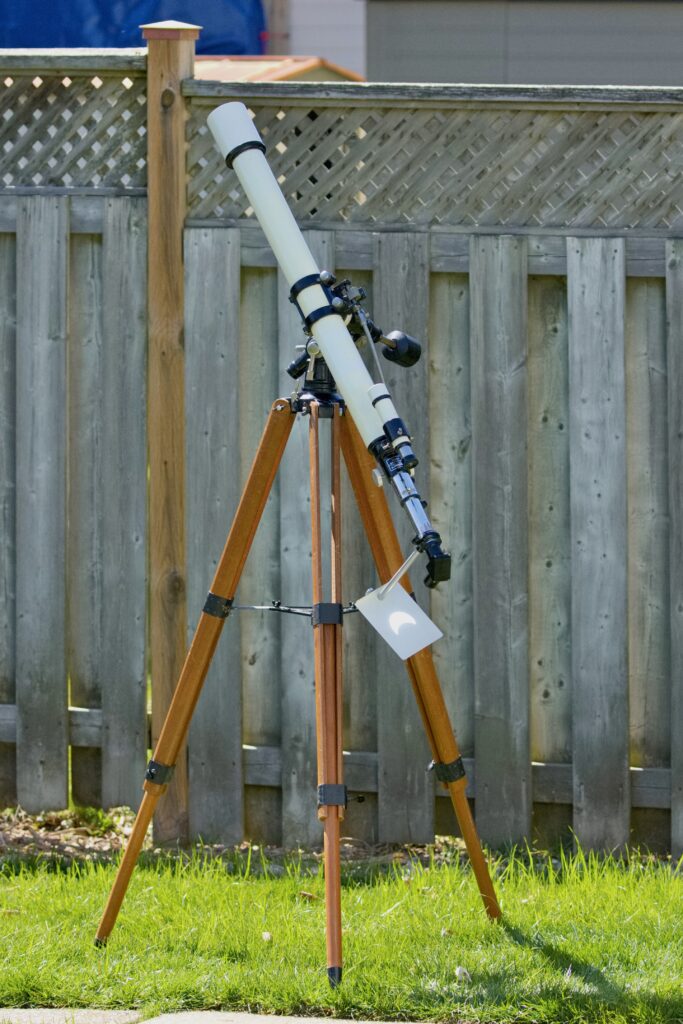
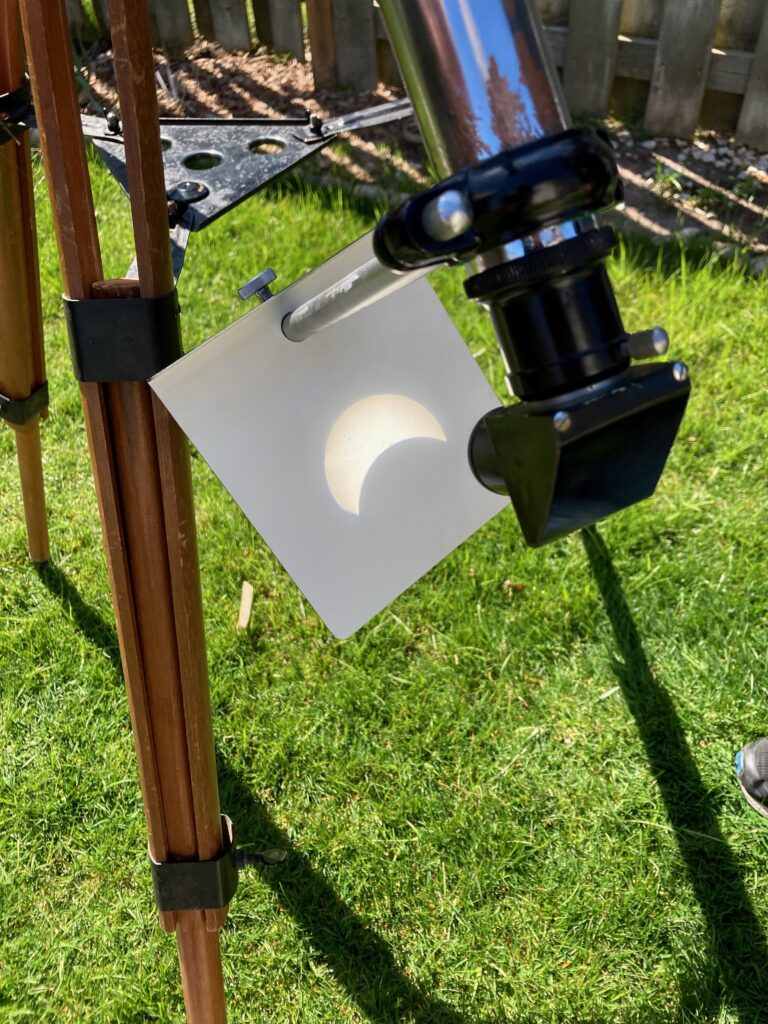
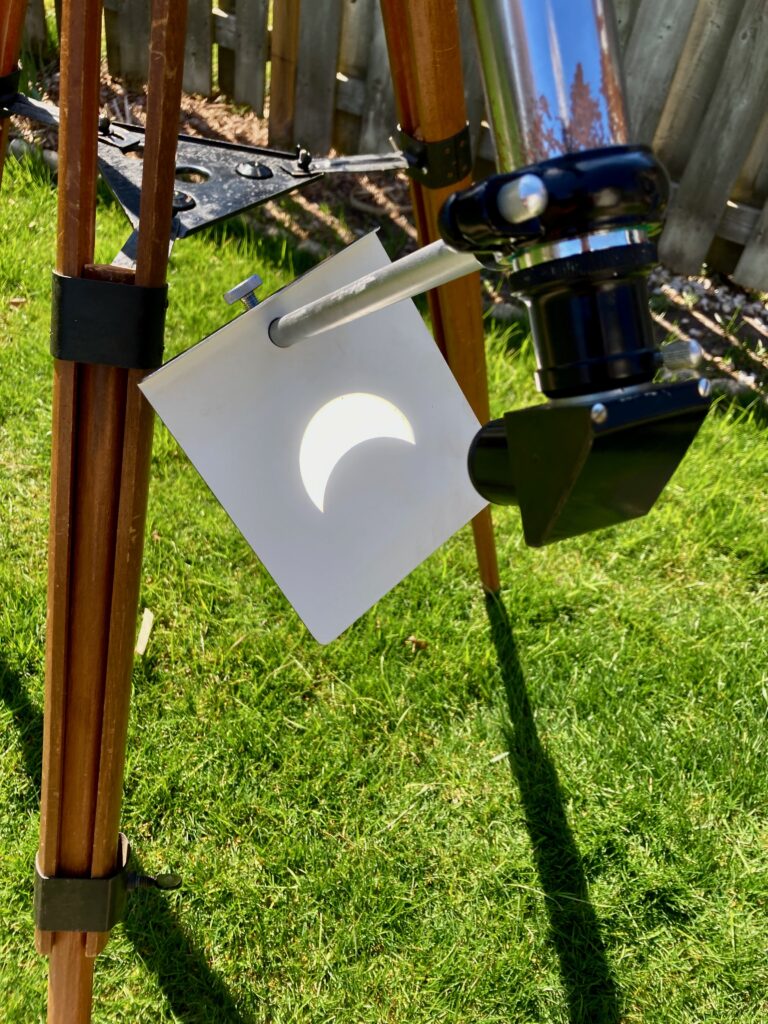
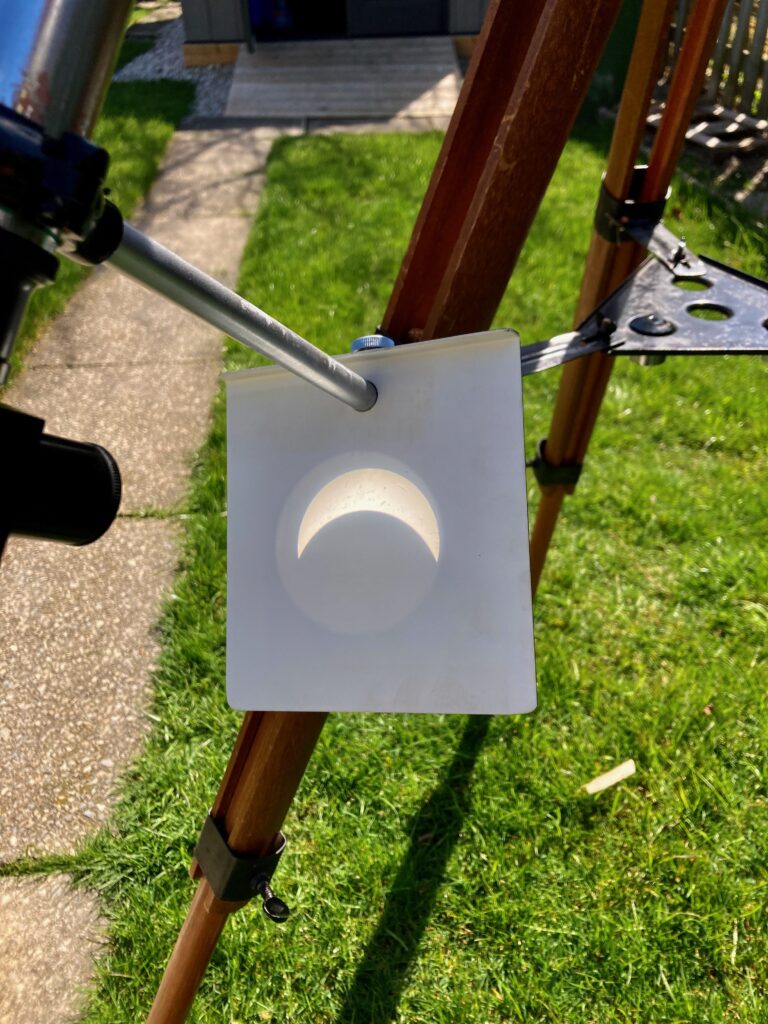
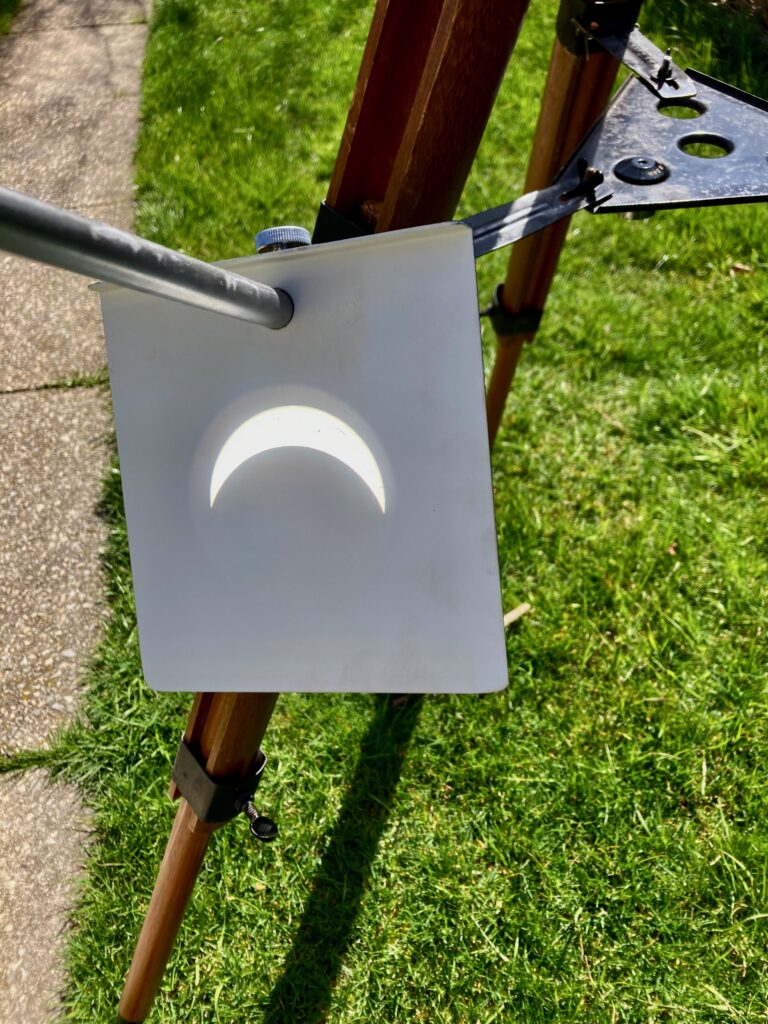
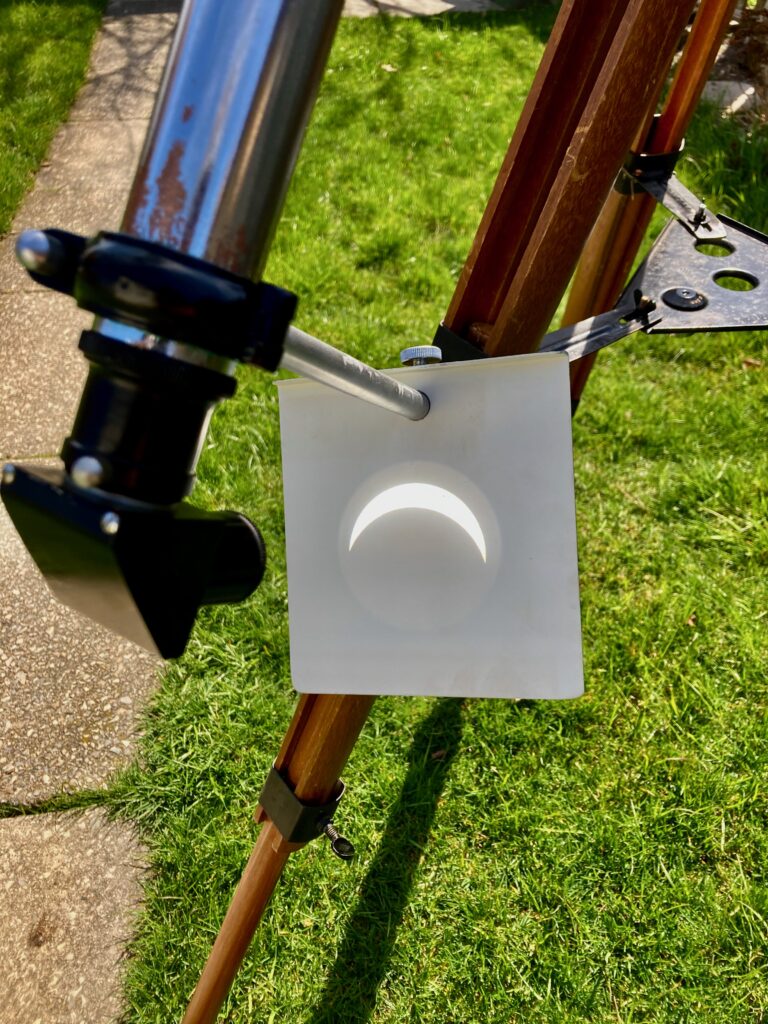
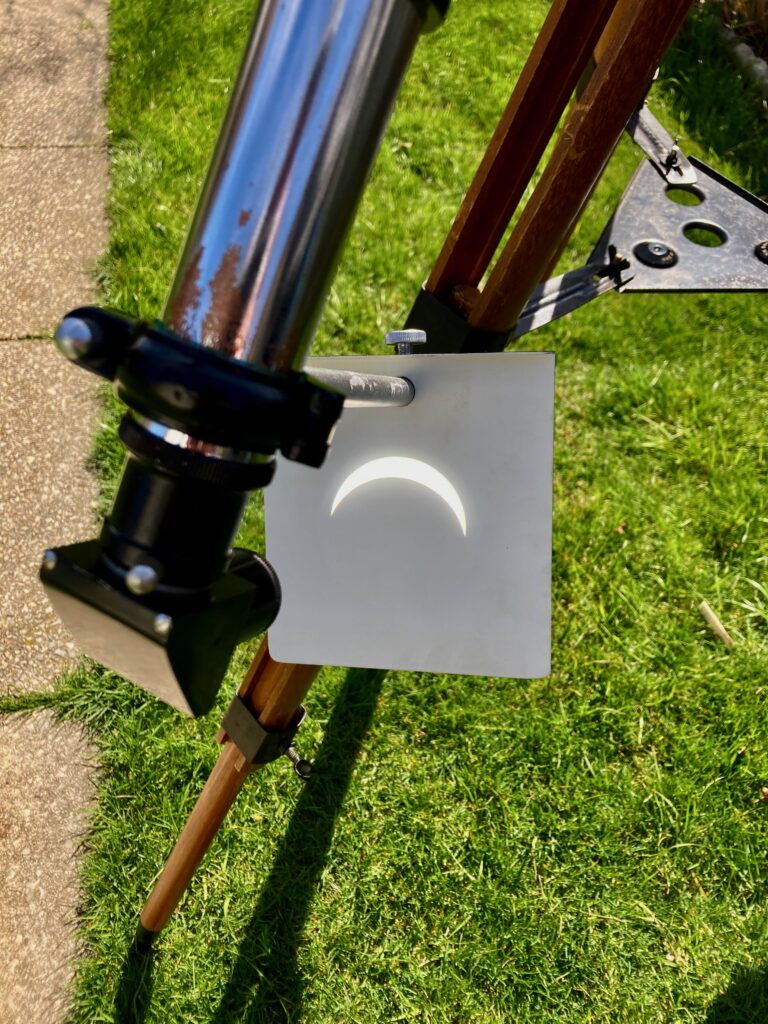
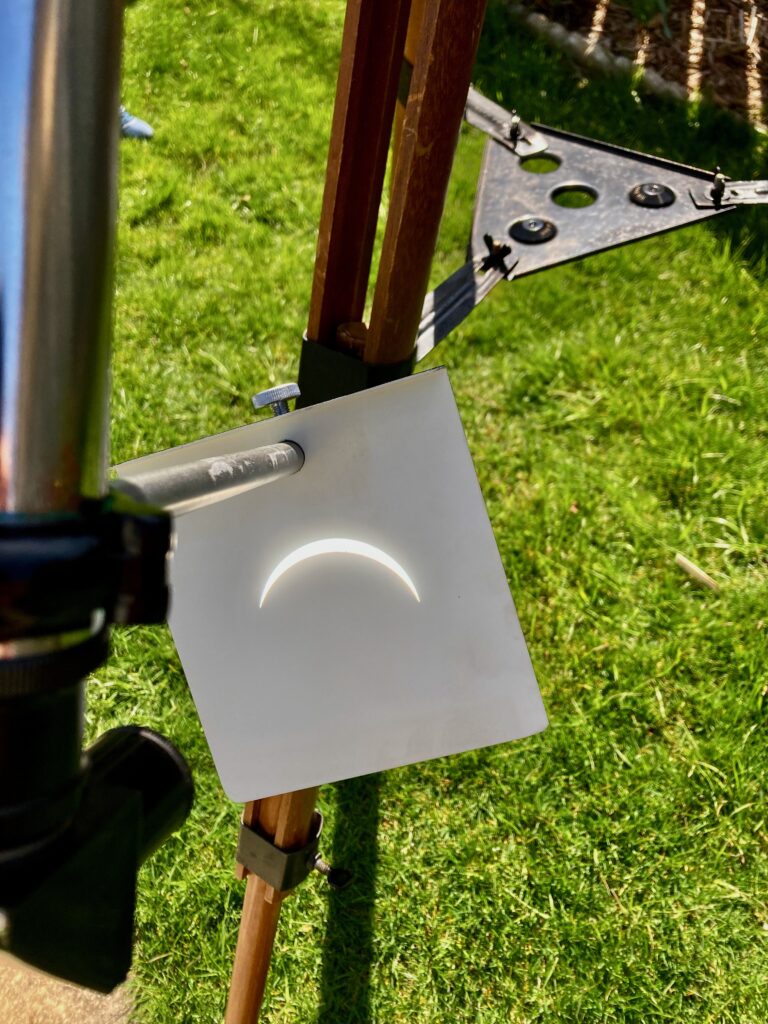
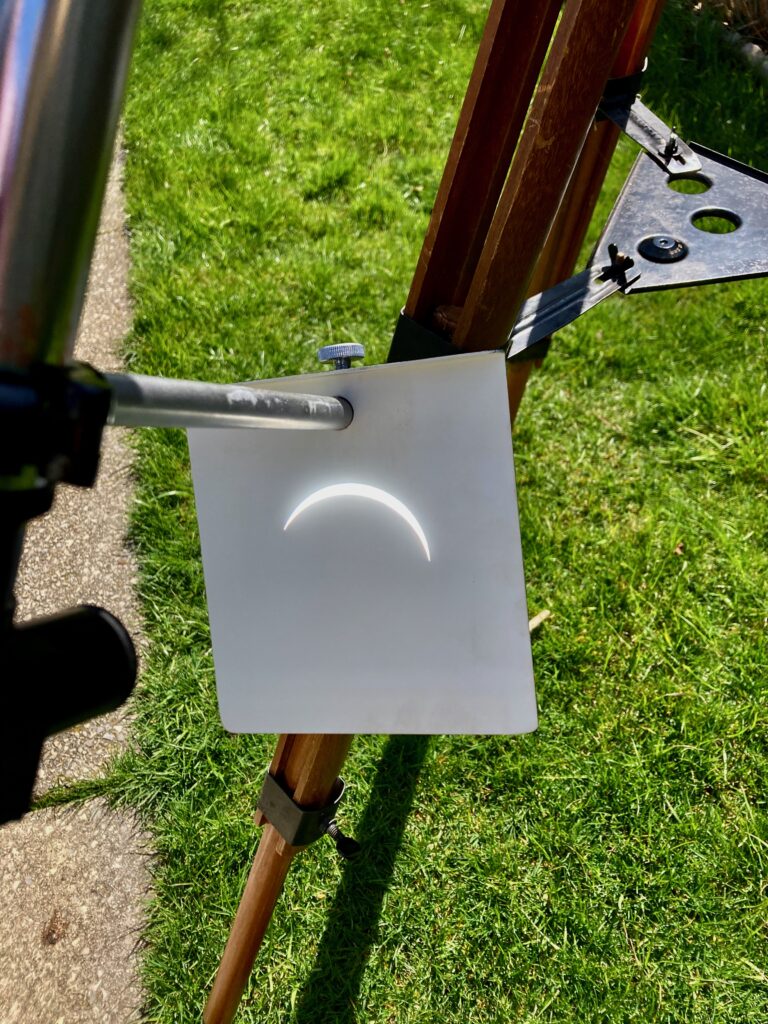
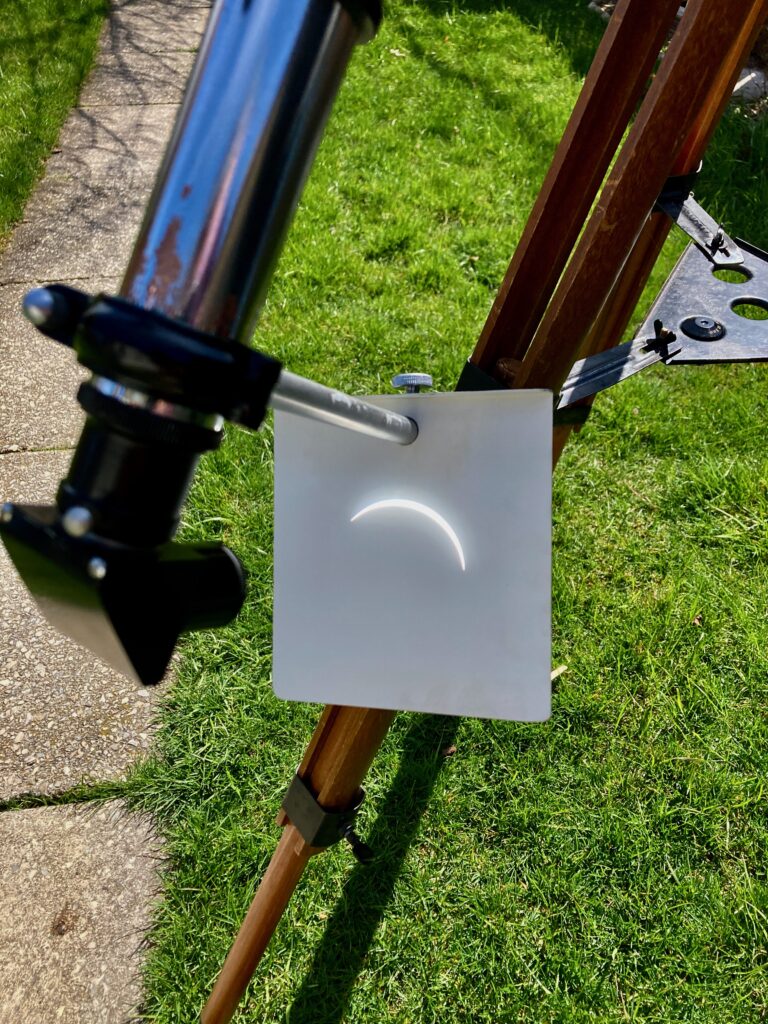
Our friends had set up their telescope to project the progress of the moon moving to cover the sun. We had clear skies with only some high haze by the end of the eclipse.
Although birds in the neighbourhood were active before the darkness descended, they were quiet during the darkest few minutes. As the light increased, a Northern Cardinal began to sing and was answered by a distant cardinal. At that time we also heard a flock of gulls take off noisily and head south toward the lake. Our friends noted that this is their usual behaviour at dusk. Below: Common Grackles, Northern Cardinal, Dark-eyed Junco
Osprey Update
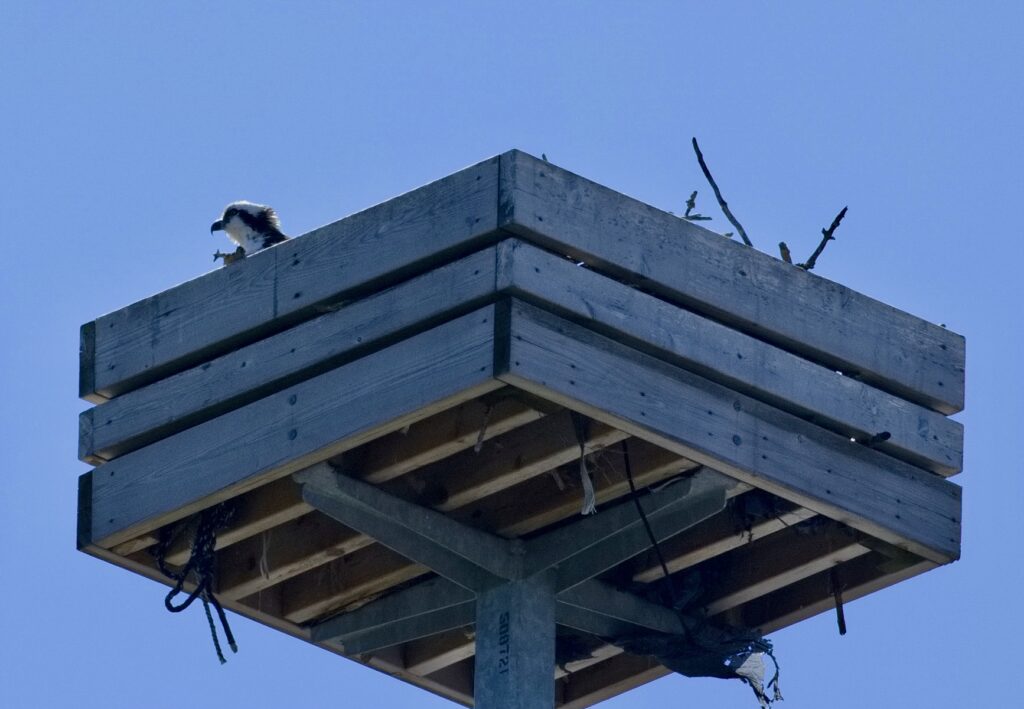
After she arrived on March 25th, our female Osprey at Labatt Stadium stubbornly perched on the new stadium lights at the site of her former nest. She made repeated attempts to place sticks and branches on the lights. She was joined in these efforts by her mate when he arrived on April 2nd. The configuration of the lights did not provide enough support for the sticks which inevitably fell to the ground. The male Osprey seemed to abandon his efforts to build a nest on the lights and began spending more time on the low platform. The female only used the low platform when she consumed fish. For several days, the female remained on the lights while her mate stayed mainly on the platform. It looked for all the world like a marital dispute! We were doubtful whether the pair would agree use the low platform to build a nest.
Finally, on April 9th, the female began to spend more time on the platform and gradually the pair has added more nesting material to it. In recent days, both have been on the platform nest regularly and have rarely spent time perched on the lights. We are now optimistic that the female will soon lay eggs and start the 36- to 42-day incubation process. We’ll see!
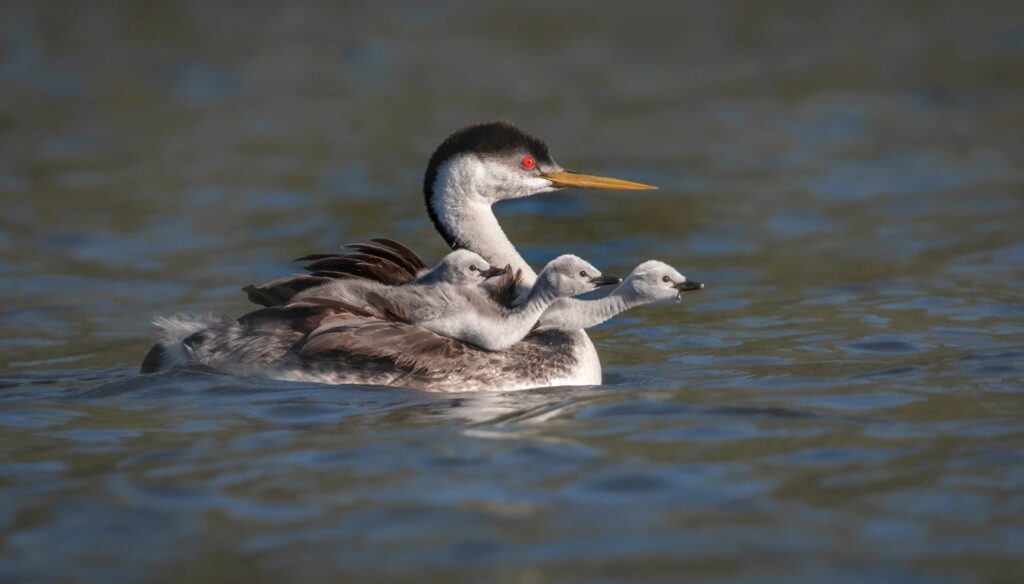
Baby Bird Photos from Audubon
Click on screenshot of the Western Grebes to see more photos and commentary!
Screenshot
Songs About Home
I have wanted to present Maria Muldaur for some time. Her debut album has a terrific set of musicians and an eclectic song selection.
Many have recorded the next two songs about death row.
As the Osprey pair spend more and more time on the low platform, we hope they will adopt it as a replacement location for the nest that is gone. Some nesting material was added this morning. We still need to see more sticks for a nest.
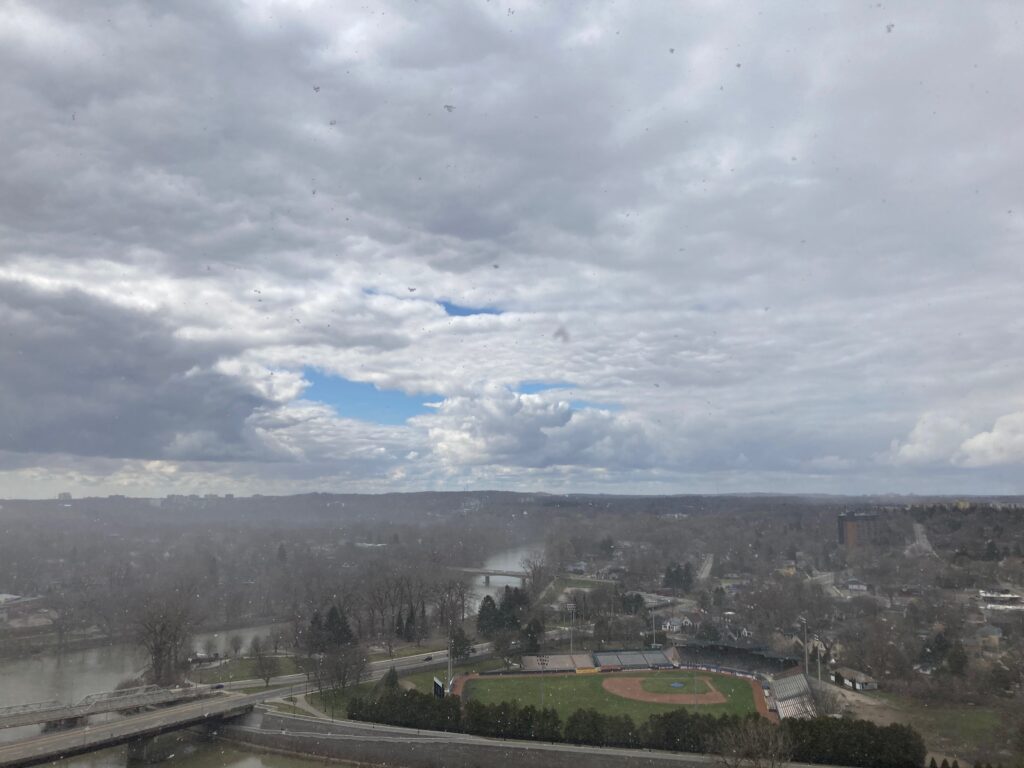
Overcast at startThen a brief showerFollowed by sunshineA few minutes of sunshineThe male zooms by with a fish (lower right).She leaves before he returns with the fish.He leaves when the hail starts.She returns……and waits..…while the storm intensifies.
Today, is a quintessential April day, cold and blustery. We’re looking forward to warmer weather on the weekend and hoping for clear skies on Monday for the solar eclipse.
April 1st was a sunny day without too much wind and the temperature in the single digits. We went with friends, all hoping to see some early spring arrivals.
Komoka Provincial Park borders the Thames River. The Ponds were created in a former gravel pit. The low land and meadow adjacent to the ponds provide habitat for ground-nesting birds such as Eastern Meadowlarks and Killdeer. Nesting boxes around the property are home to Eastern Bluebirds and Tree Swallows.
We were happy to see or hear 22 species, the highest total we’ve had for some time. The main trail is along a high berm, far from the water and most of the birds. This made for some disappointing photos.
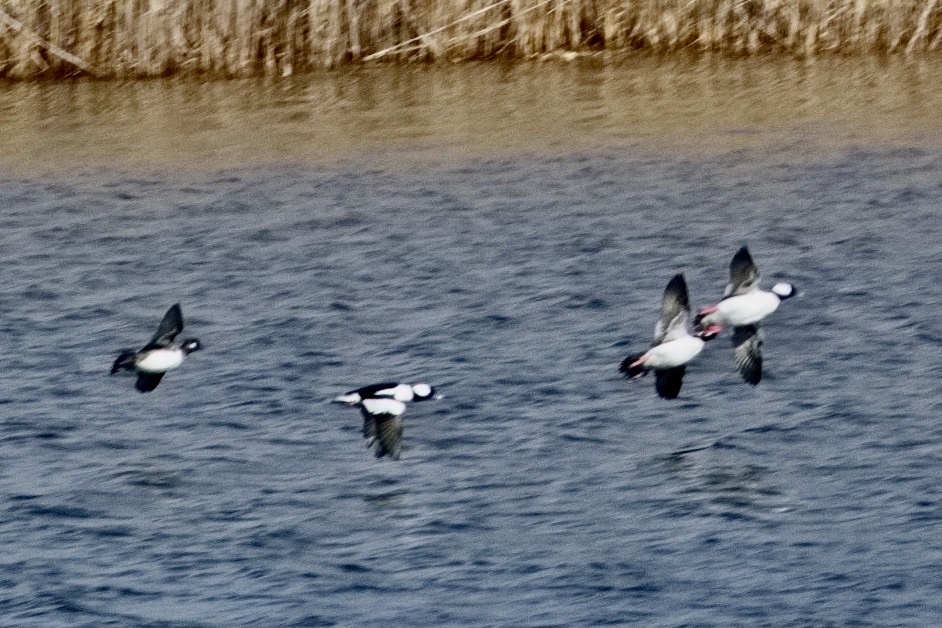
The ponds were not very busy – only a few Canada Geese, one Mallard, two American Wigeons, 10 Buffleheads and five Common Mergansers.
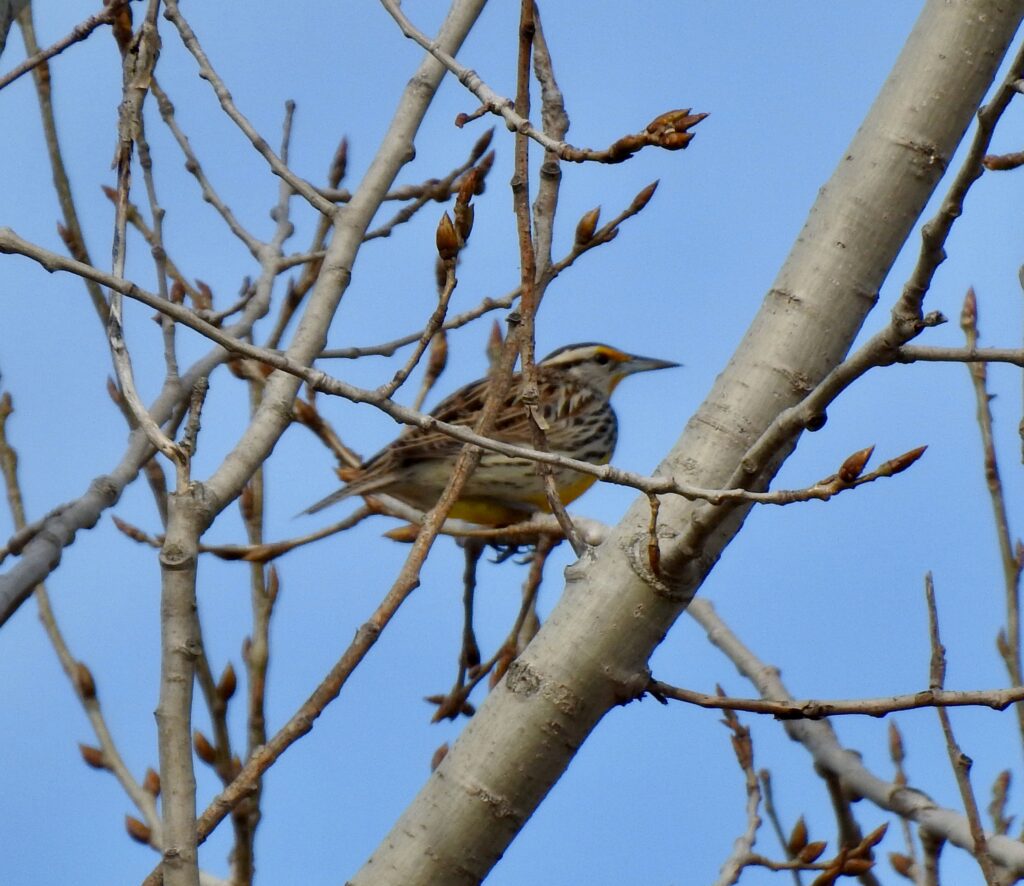
There was lots of bird song as birds began to establish their breeding territories. We were excited to hear the song of an Eastern Meadowlark that we then spotted singing near the top of a tall tree. Thanks to our friends for excellent photos of both the male and female meadowlarks.
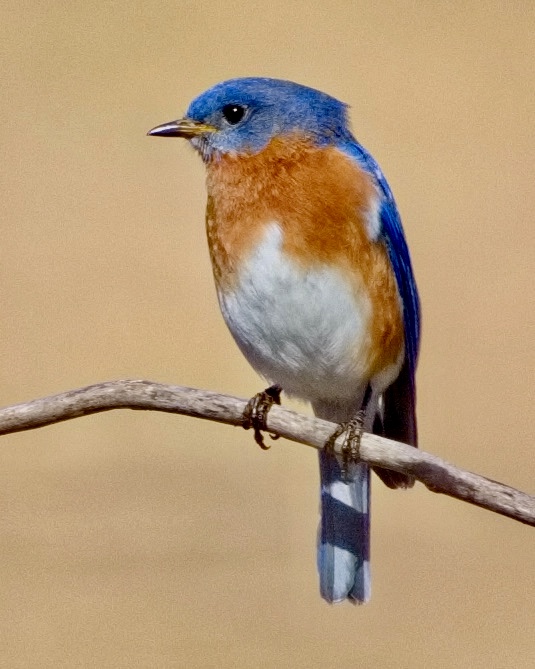
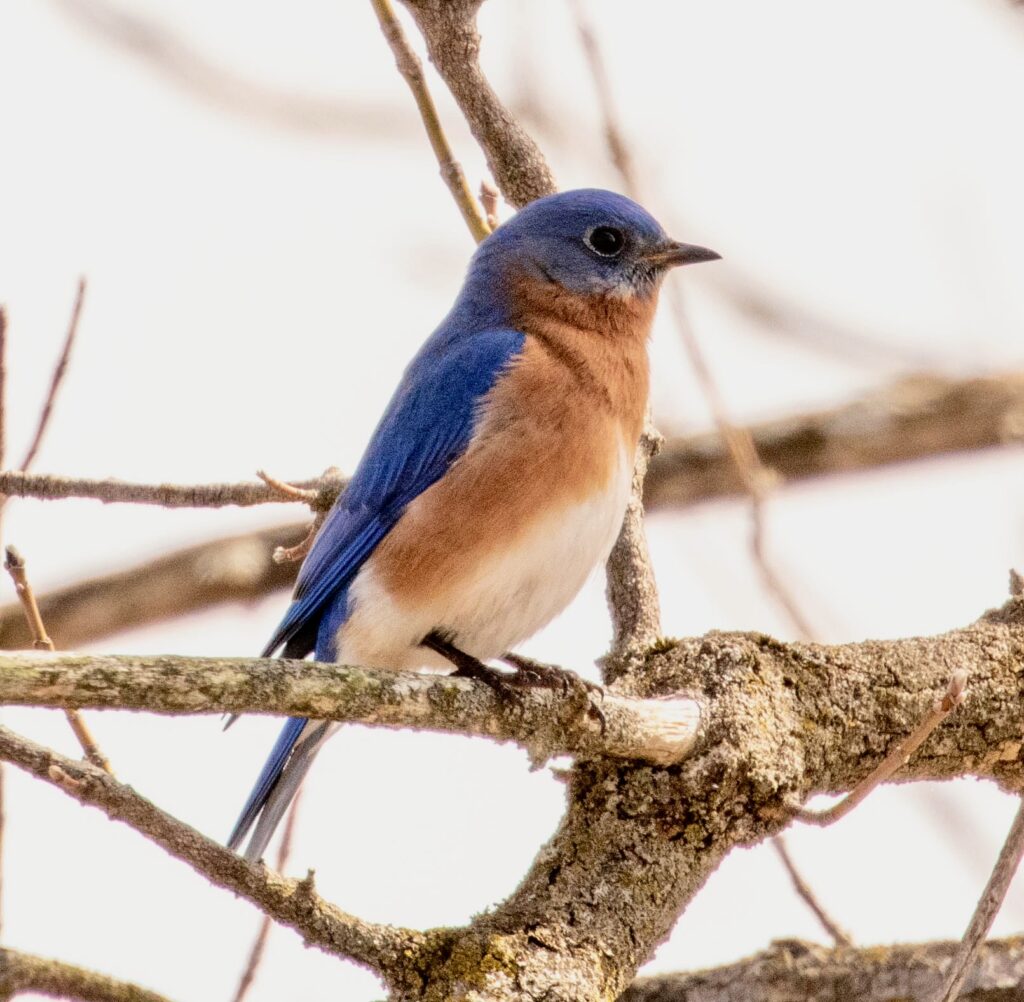
Another treat was seeing several Eastern Bluebirds. One was far away, steadfastly bashing a larva against a branch. Others were foraging in bushes that were a lot closer.
We heard many Song Sparrows, Northern Cardinals, and Red-winged Blackbirds, and the calls of Downy and Red-bellied Woodpeckers, American Crows, Carolina Wren, Black-capped Chickadees, Common Grackles and American Robins.
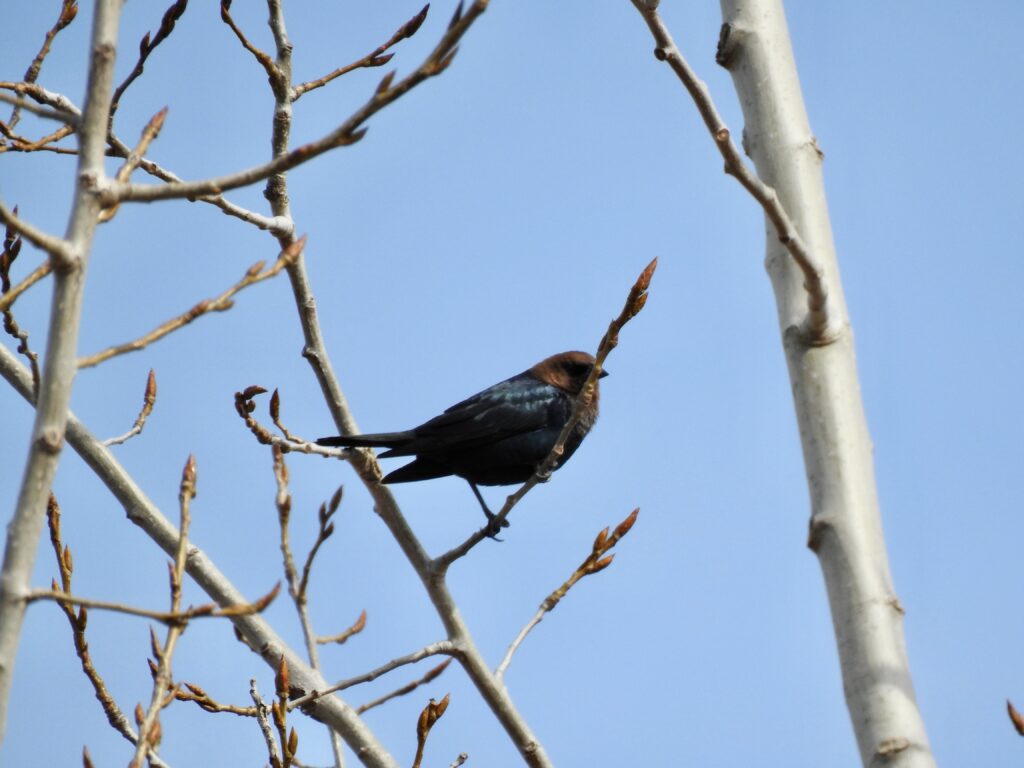
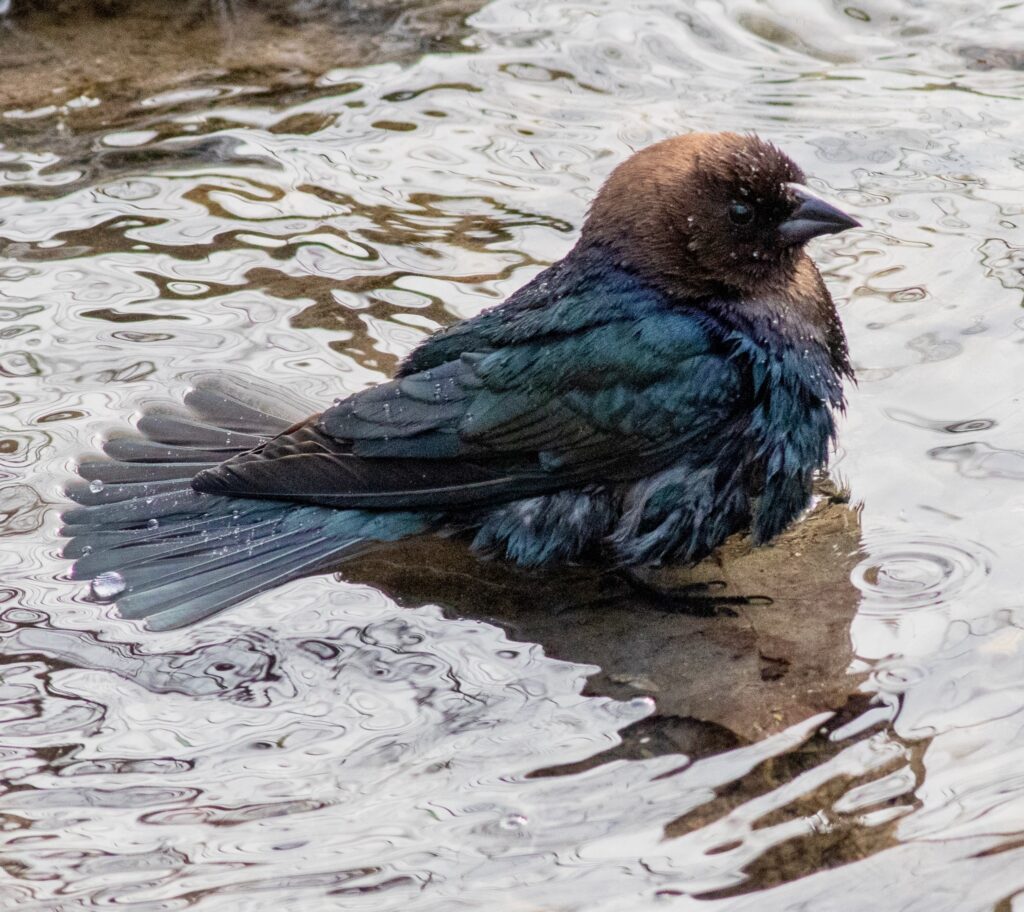
There were several Brown-headed Cowbirds perched in a tree.
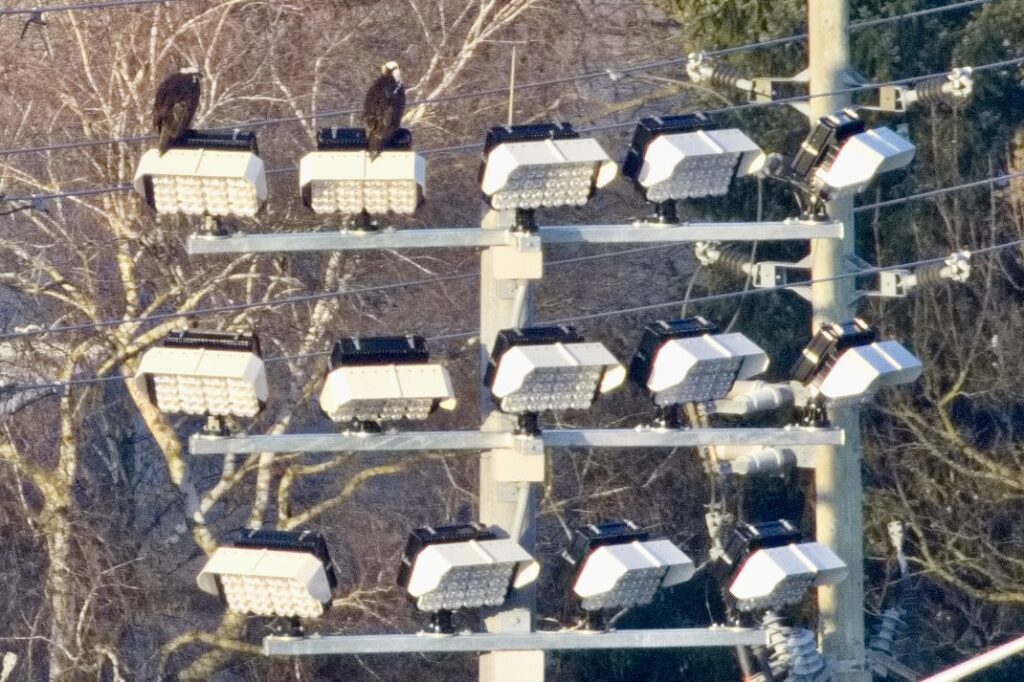
Turkey Vultures and three Bald Eagles soared overhead, and a few early Tree Swallows swooped to catch insects in the air.
Another happy sighting captured by our friend’s camera was a Golden-crowned Kinglet flitting furiously from branch to branch. They forage for insects and will sip oozing sap from trees.
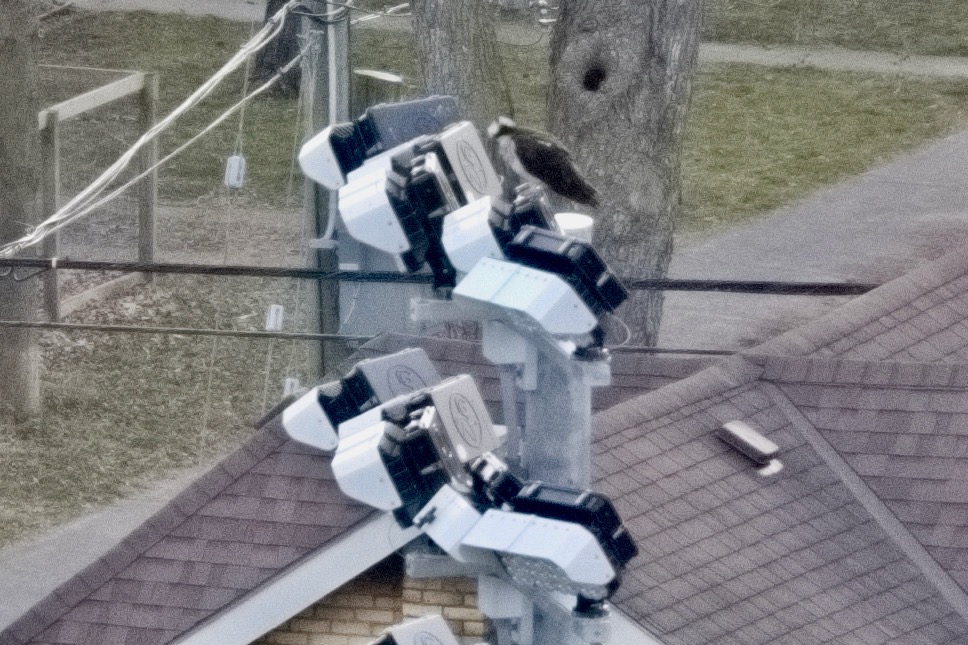
female and male Osprey perched in the rain April 2female Osprey with a few dangling sticks April 4male Osprey with golldfish or koi April 4
We’ve had an anxious week watching Osprey life at Labatt Park. After seeing two Ospreys on March 28, we then saw only one for several days. We realized that the lone Osprey was the female that has nested at the park for the past few years. She spent much of her time perched on the new set of lights that were in the location of the old nest. Her attempts to rebuild a nest on that site were all unsuccessful. Sticks and branches merely slipped between the lights and fell to the ground. https://www.youtube.com/watch?v=UAd8NftM4wQ
On the morning of April 2nd, the female Osprey was perched on the lights when a second Osprey circled over the river and landed briefly on her back (without mating). We recognized this smaller, lighter-coloured bird as the female’s mate from last year. The female continued to perch on the lights, apparently unwilling to give up on the site. The male made some attempts to court the female by adding nesting materials to the lights, but these were highly unsuccessful. https://www.youtube.com/shorts/OcG8W3wL7A8
For the past few days, the female has often perched on the lights. More often, the male stayed on the low platform where he also consumed fish. It seemed that the male favoured the low platform, but that female was reluctant to give up the high lookout of the lights, despite the improbability of building a stable nest there. We were worried that the birds would abandon the park completely.
Since yesterday (April 4), however, both male and female have spent more time together on the low platform. This morning, it even looks like some nesting material has been added to the platform. We are more optimistic now that the pair well stay and nest on the platform and that we will have an even better view of Osprey life.
Glenn has been adding short videos of the Labatt Ospreys to a dedicated YouTube channel.
In Honour of the Eclipse
Where will you be on April 8 around 3 in the afternoon? We are hoping to see a total eclipse for at least one minute by driving south only a few miles into its path.
Choir! Choir! Choir! at the Art Gallery of Ontario: Space Oddity – yes again
Last week’s snow has melted and the daytime temperatures have remained in the expected range of about 7C with a mix of sun and cloud and rain.
On March 25th, we went to the ponds at the Strathroy Wastewater Treatment Facility to see some migrating waterfowl.
The mix and number of birds changes from day to day. We saw only a few of the waterfowl species that have been reported there recently: Bufflehead, Redhead, Green-winged Teal, Horned Grebe, and Ring-necked Duck. We heard American Crows and Song Sparrows and saw one Turkey Vulture high overhead.
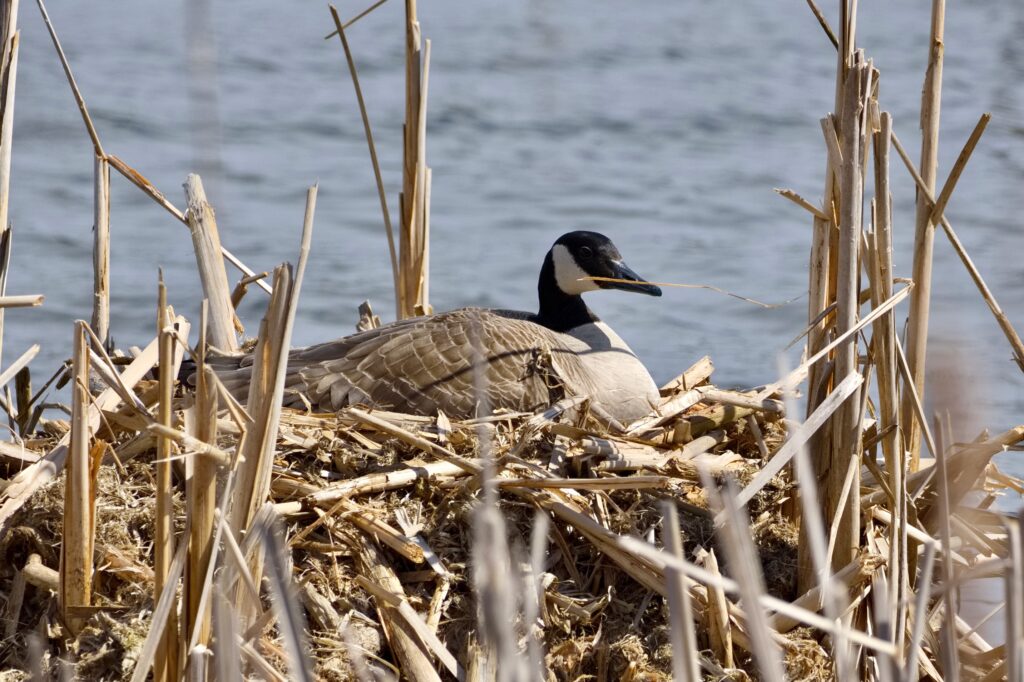
The birds are always wary and move away when approached resulting in marginal photos, I’m afraid. Always, there are a few Canada Geese and Mallards. Some geese are already on nests.
The most abundant species by far was Ring-necked Ducks. Although they will breed farther north, some seemed to be already paired off.
On March 28th, we spent time at Kilally Meadows Environmentally Significant Area. The river was running high and fast after recent rain. We followed a sheltered path away from the river to avoid the steady wind. Hints of green were starting to show.
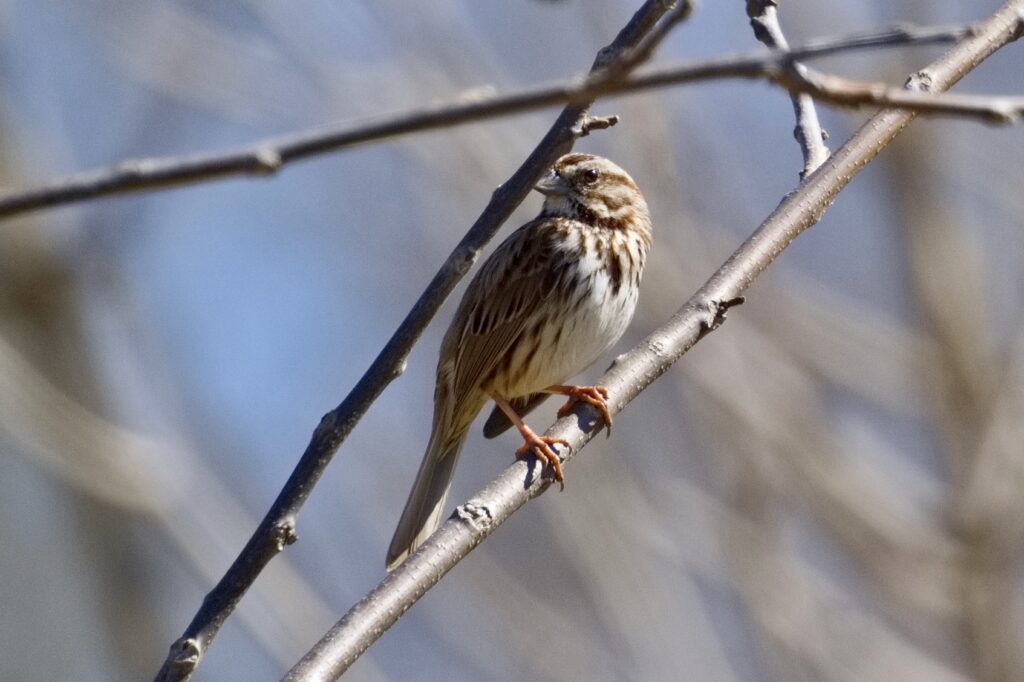
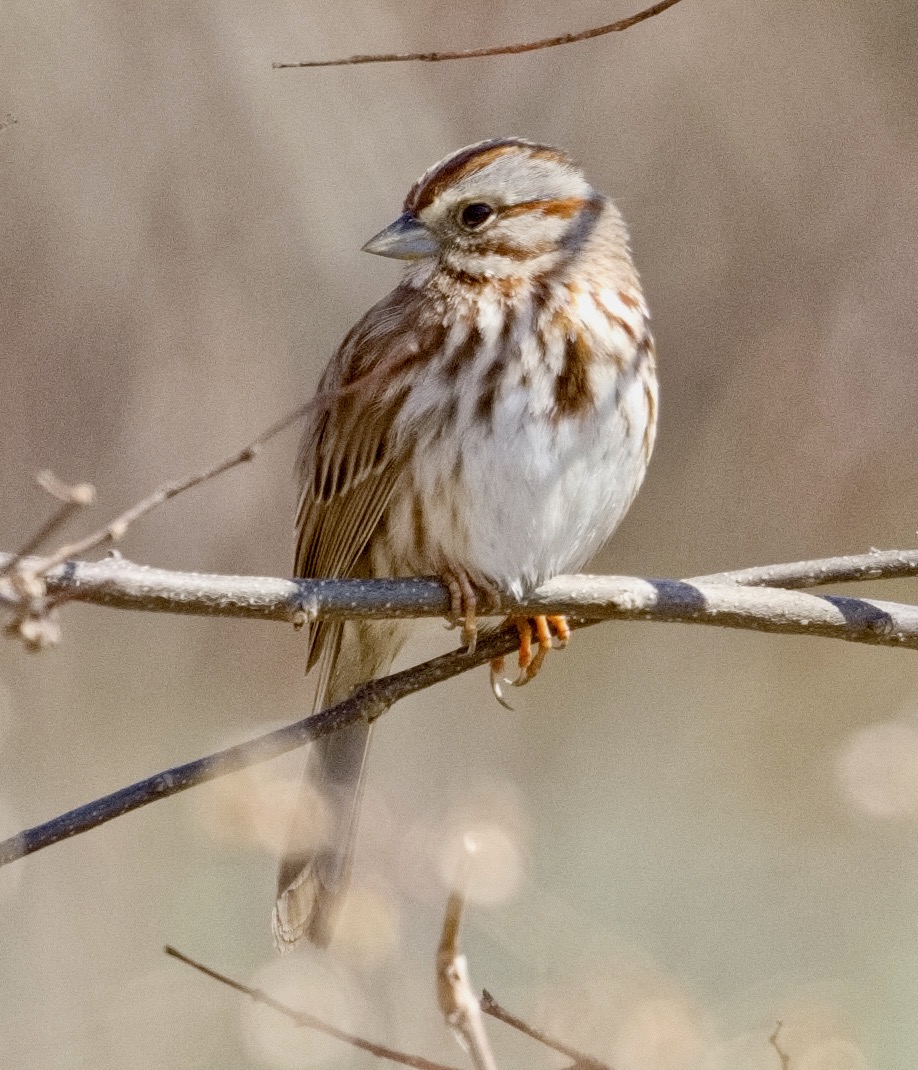
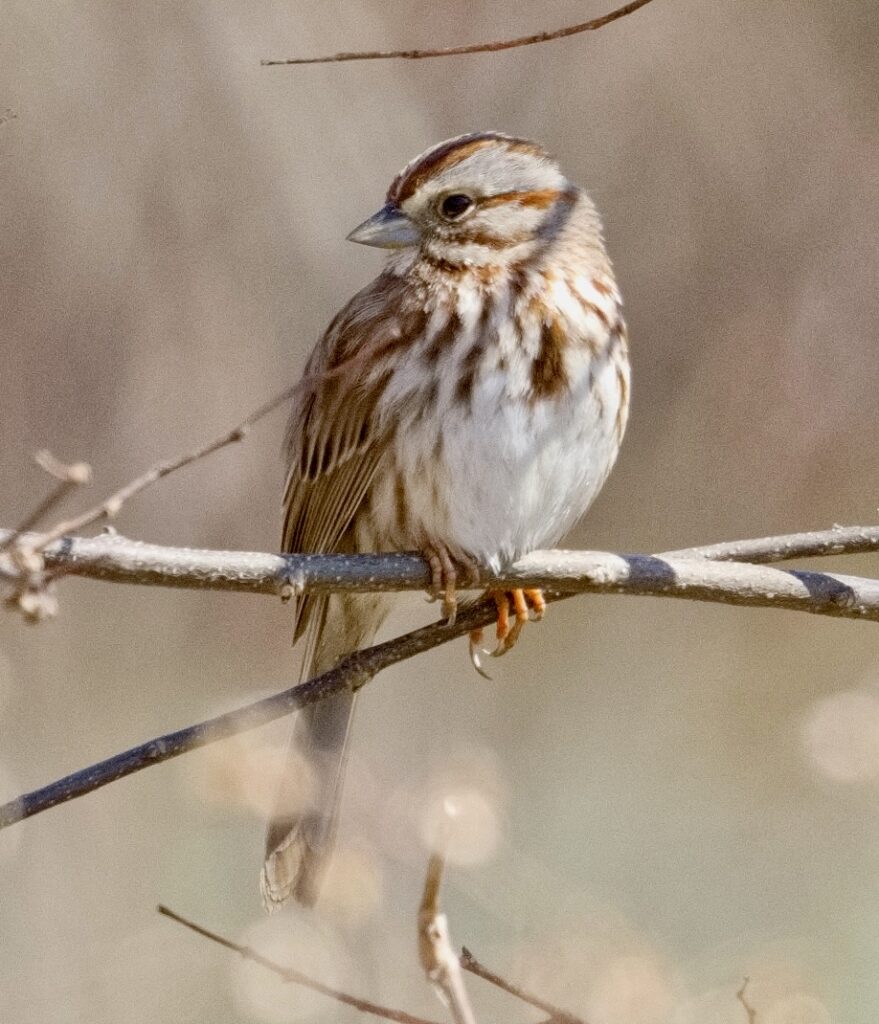
A short walk in early spring yielded few bird species, mostly residents or early migrants: Canada Goose, Mallard, Northern Cardinal, American Robin, Red-winged Blackbird, Turkey Vulture and Song Sparrow. This lovely Song Sparrow was in fine voice.
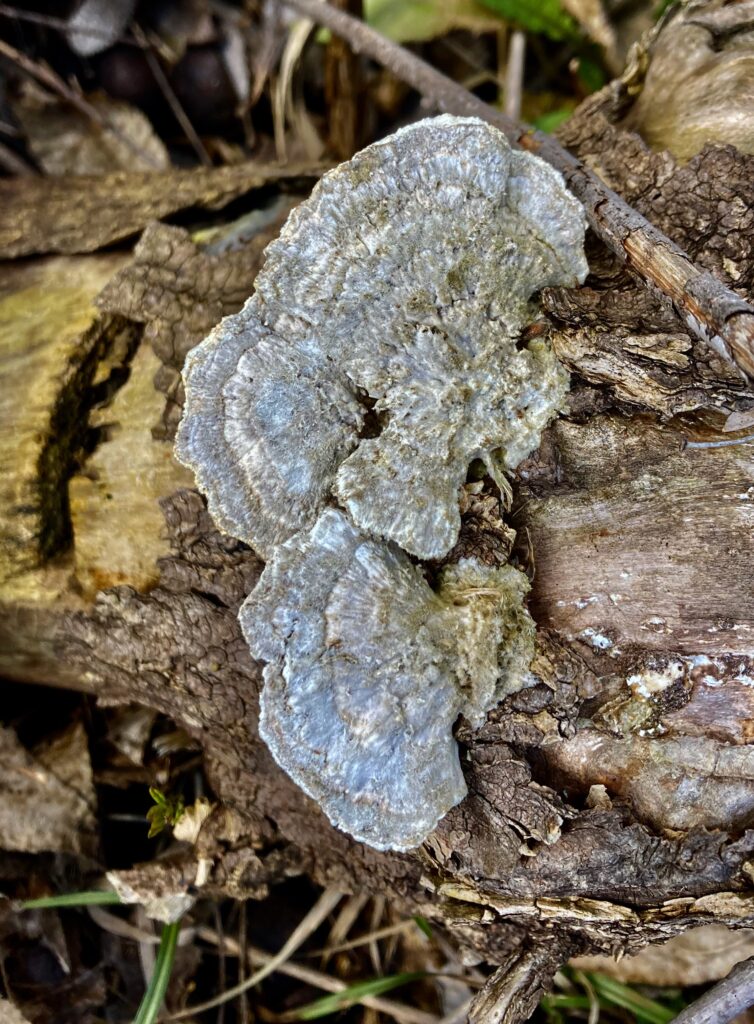
Other sightings were Turkey-tail fungus and Goldenrod gall. Galls on the stems of goldenrod are created when a Goldenrod Gall Fly deposits eggs into a goldenrod stem in the spring. When an egg hatches, the larva feeds inside the stem, going through several stages including one that overwinters in the gall and will emerge as a fly in the spring. The adult flies mate in the spring and the cycle continues. According to Wisconsin Horticulture, different races of the flies feed only on one species of goldenrod. Female flies choose the correct plant by “tasting” it with chemical sensors on their feet and antennae as they walk over the buds. (Isn’t nature wonderful?!)
The larvae inside galls are sometime predated by parasitoid wasps (that deposit their eggs in the larvae) or by woodpeckers that drill through the hardened gall to find the larva. Given the size of the hole in this gall, it was likely made by a woodpecker.
Osprey News!
On March 25th, we spotted a lone Osprey that perched first on the low platform and then on one of the newly-installed set of stadium lights where the nest had been located for several years. Often, a male Osprey will arrive at a nesting site first until it is joined by its mate.
We did not see the bird for the next two days and feared it might have been discouraged by the strange new “trees” and absent nest.
Early in the morning of March 28, however, Susan saw an Osprey fly across the ballpark and land beside a second bird that was perched on another set of lights. There they stayed together for a while before one took off in the direction of the river, presumably to find a fish to offer to its mate. After an hour had passed and no fish arrived, the second bird took off.
Our most recent sighting was today when a female bird was perched on one set of lights. We are watching to see if there will be an attempt to build a nest on the new lights or, perhaps on the low platform, or if the pair will abandon the ballpark…
Orchid news
Our third orchid is now in bloom. Yay!
Fascinating Bird Behaviours
Photos from Audubon. Click on the photo to access more photos and commentary:
Songs with Moon in the Title
Leon Redbone’s style may not please all, but we love him.
This is such an old song that there are no high quality videos with Les Paul and Mary Ford.
Elvis Presley rocked up a famous bluegrass song – and the rest is music history.
Two versions, just because they are so different. The first is with Cybill Shepherd and cheeky Bruce Willis. The second version includes the line “Do do do, wa wa wa wa”!
I will prepare a tribute to Fossils and Foxes. Their story is interesting.
My mother’s family owned a music store in Montreal and my mother loved Glenn Miller’s music. I wonder if I was named after him.
We borrowed and rented a few Audrey Hepburn movies. “My Fair Lady” is still to come.
Here is CCR at their peak. John Fogerty is still singing CCR songs after 50 years.
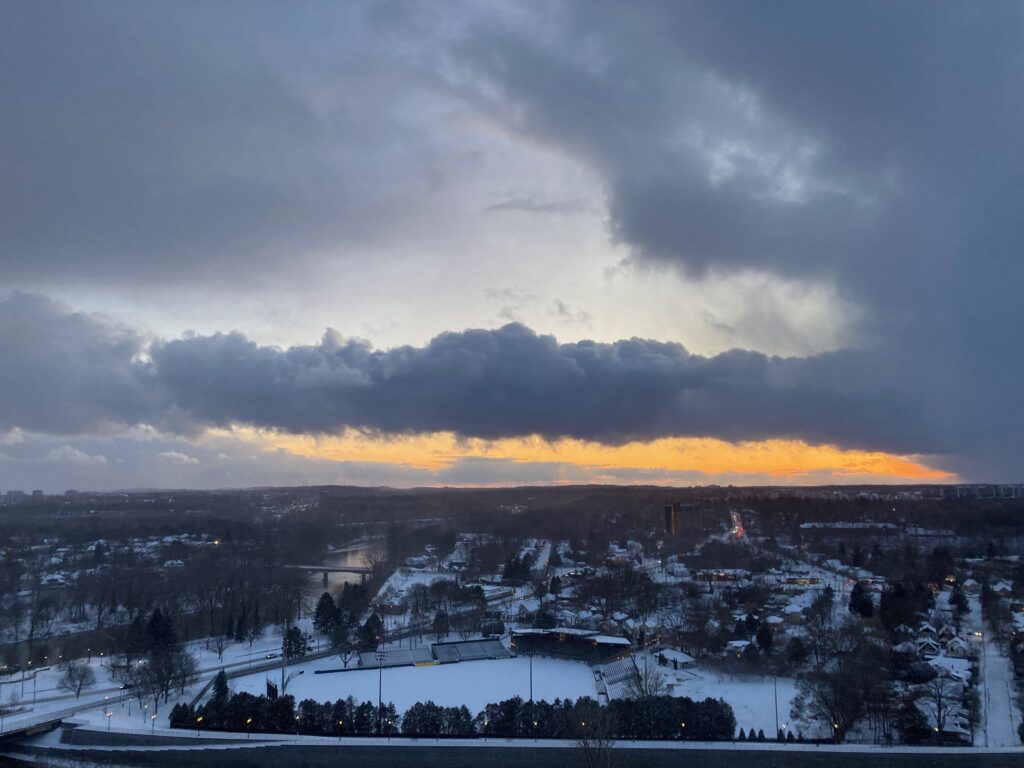
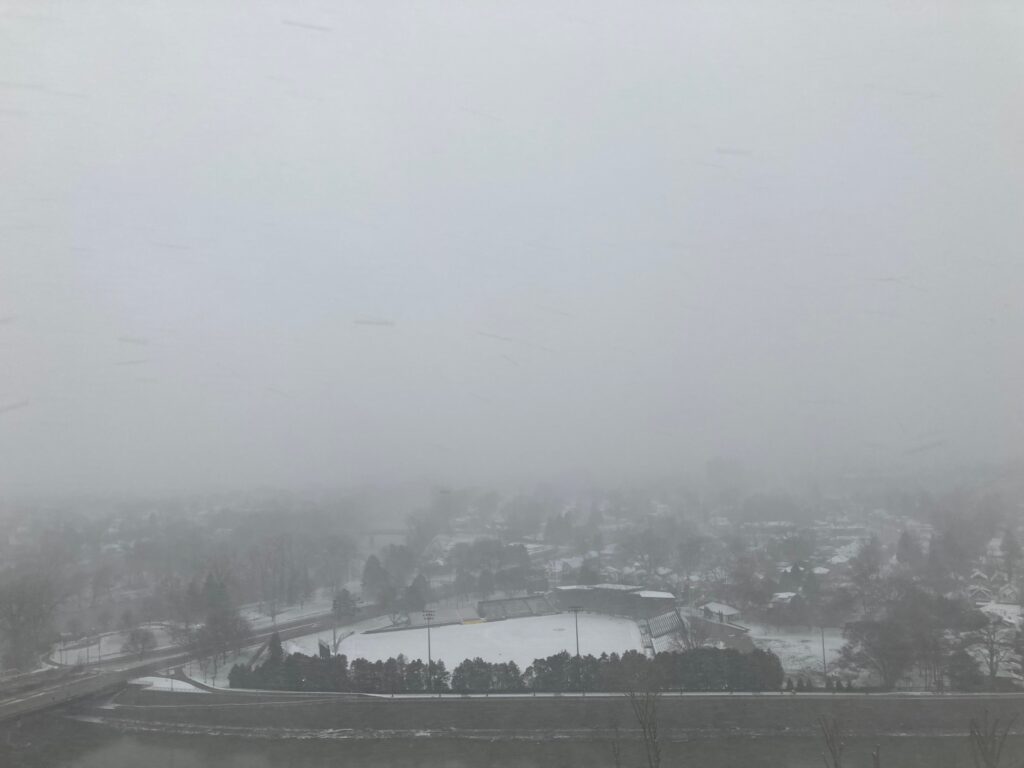
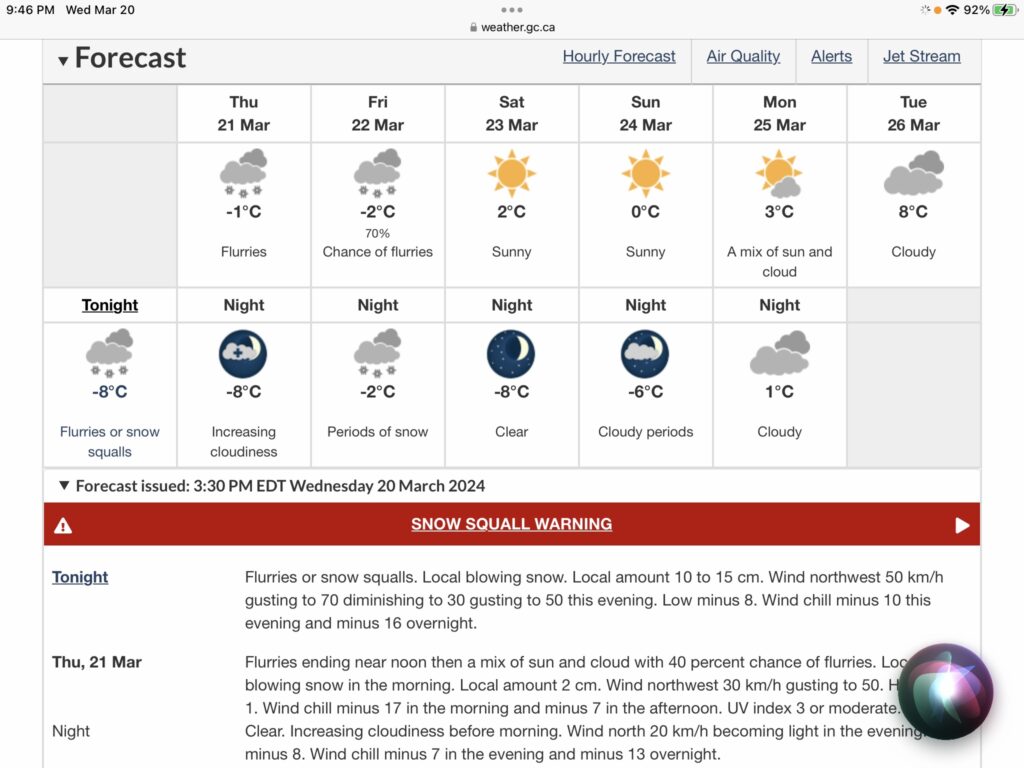
After weeks of spring weather, spring officially arrived early this year – around 11 pm on March 18th. This week, the weather has been anything but springlike. There have been snow squalls every day and we now have more snow than we’ve had all winter. I suppose this gives some credence to the adage about March: “In like lamb, out like a lion.” Good thing we haven’t put our winter boots away!
March 17, 2024March 20, 2024March 20 and 22, 2024
We did manage a walk at Greenway Park on March 16th, just before the snow arrived, but it was windy and cold and the few birds we saw were always far away.
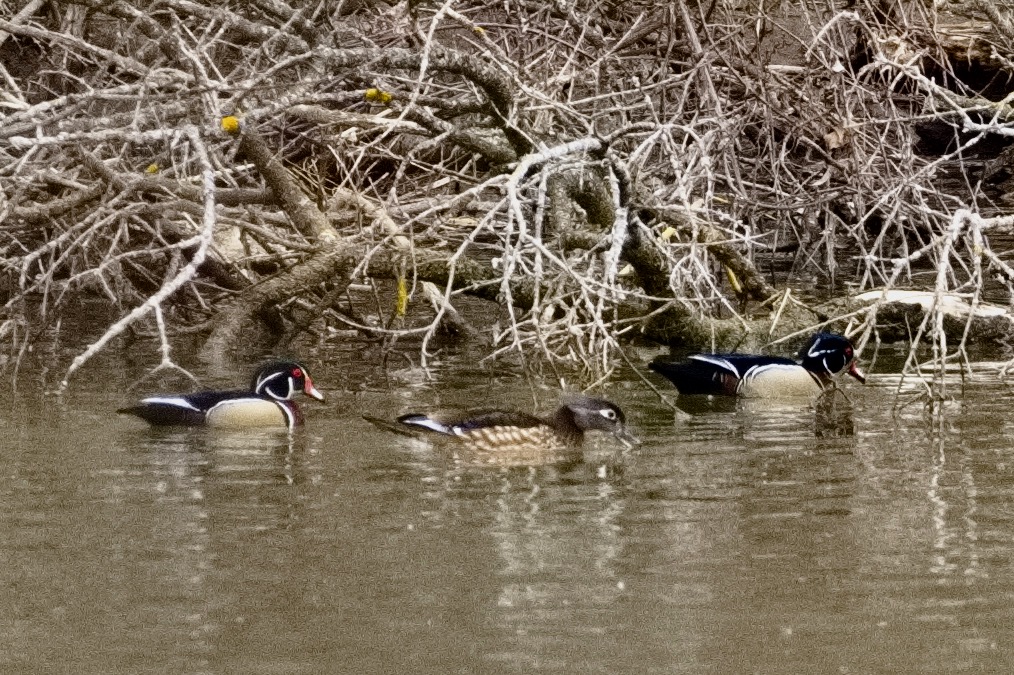
Below: a flock of European Starlings in a tree on the far side of the river, soaring Turkey Vulture, Wood Ducks on the far side of the river, and American Robins
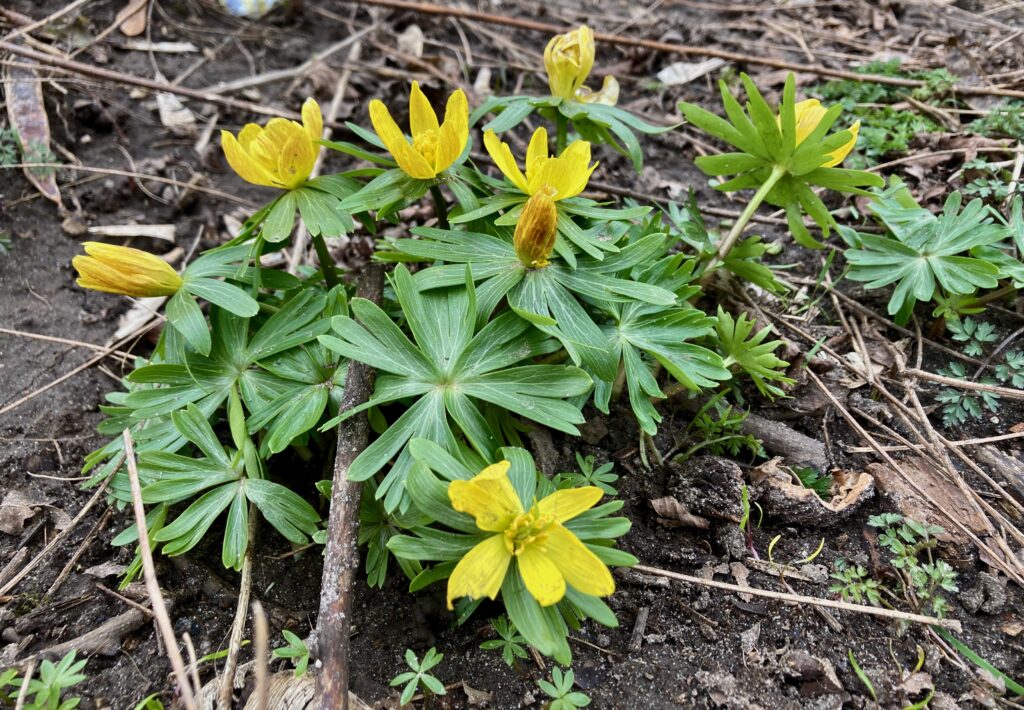
We came across a patch of Winter Aconite. This is an early-blooming, non-native plant that has escaped from gardens. It can naturalize and become invasive under the right conditions. The entire plant, especially the tuber, is poisonous to animals and people.
In the face of the recent unwelcome change in the weather, we have to remind ourselves that in a few short weeks, there will be new growth and activity on all fronts. Here are some photos of what we’ve seen in the first weeks of April in the past three years.
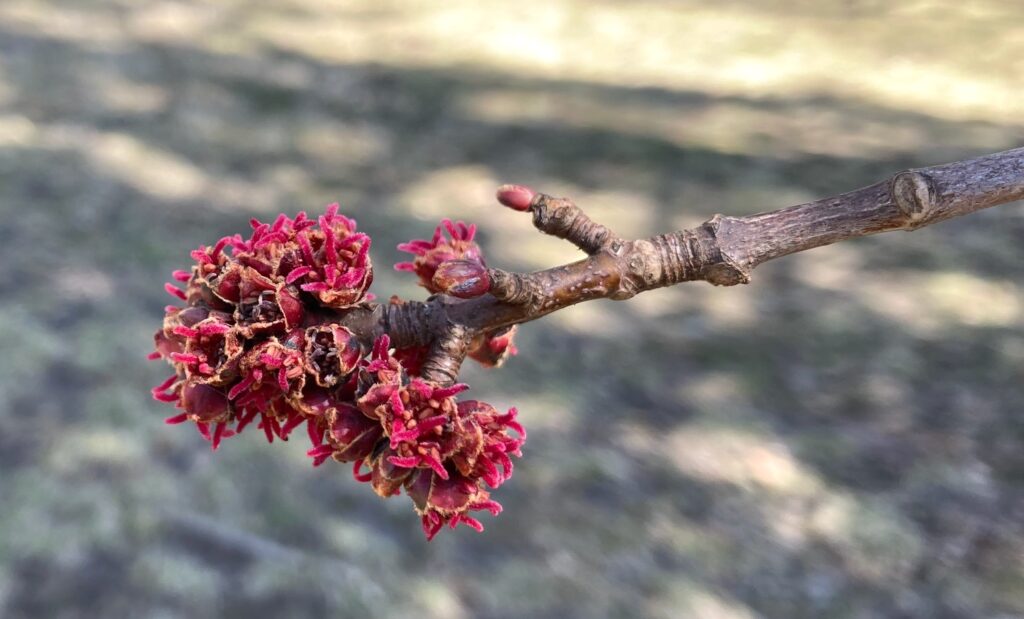
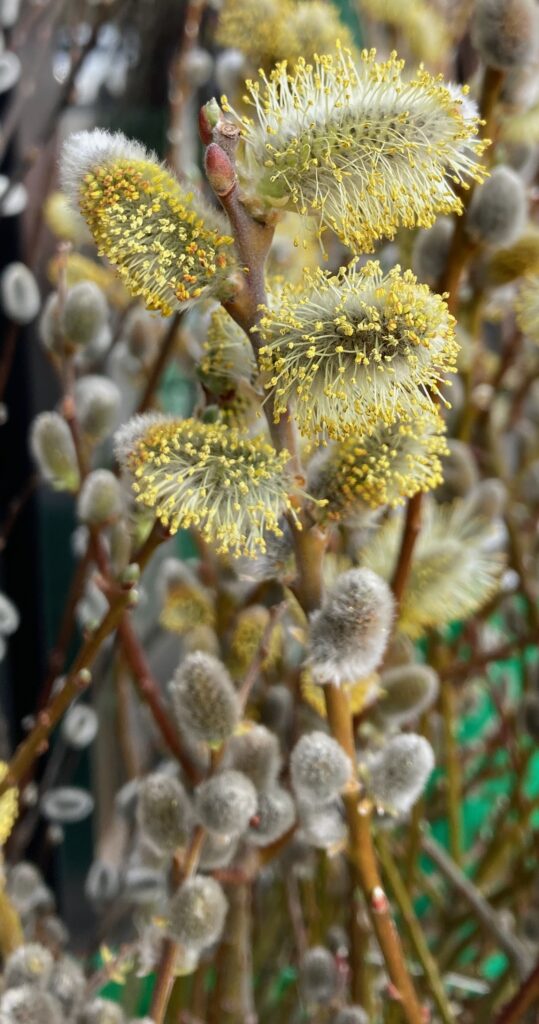
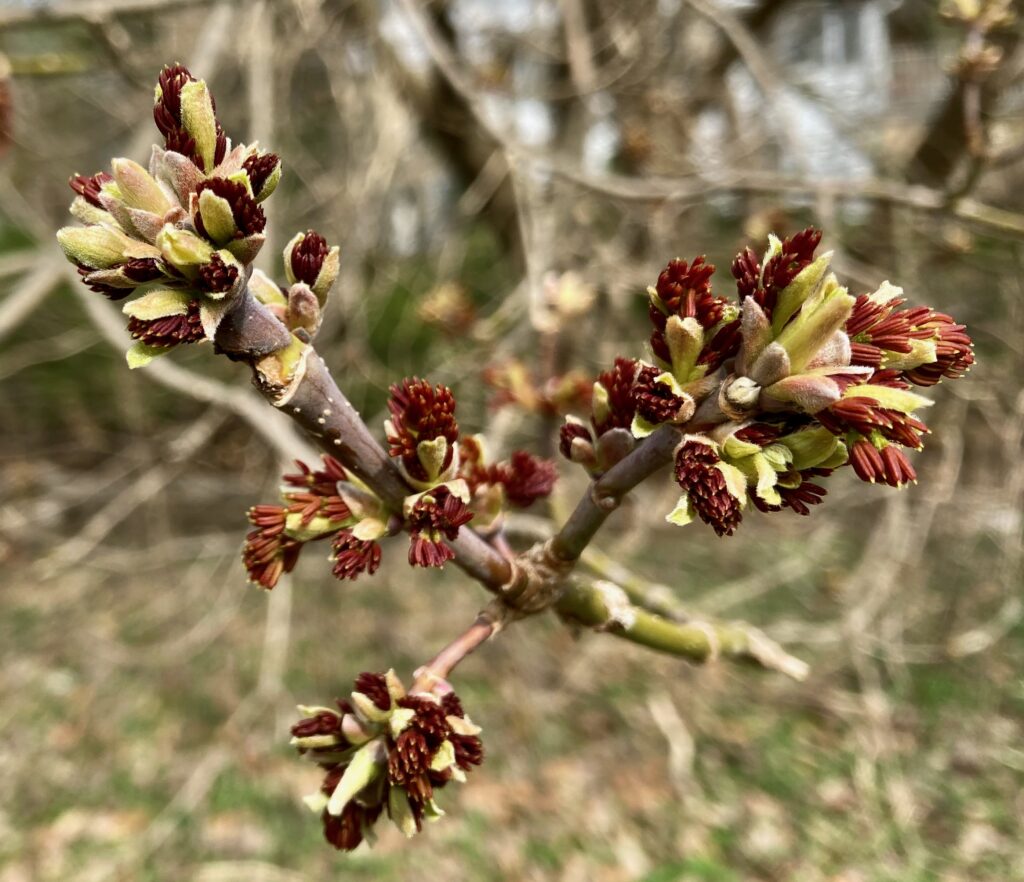
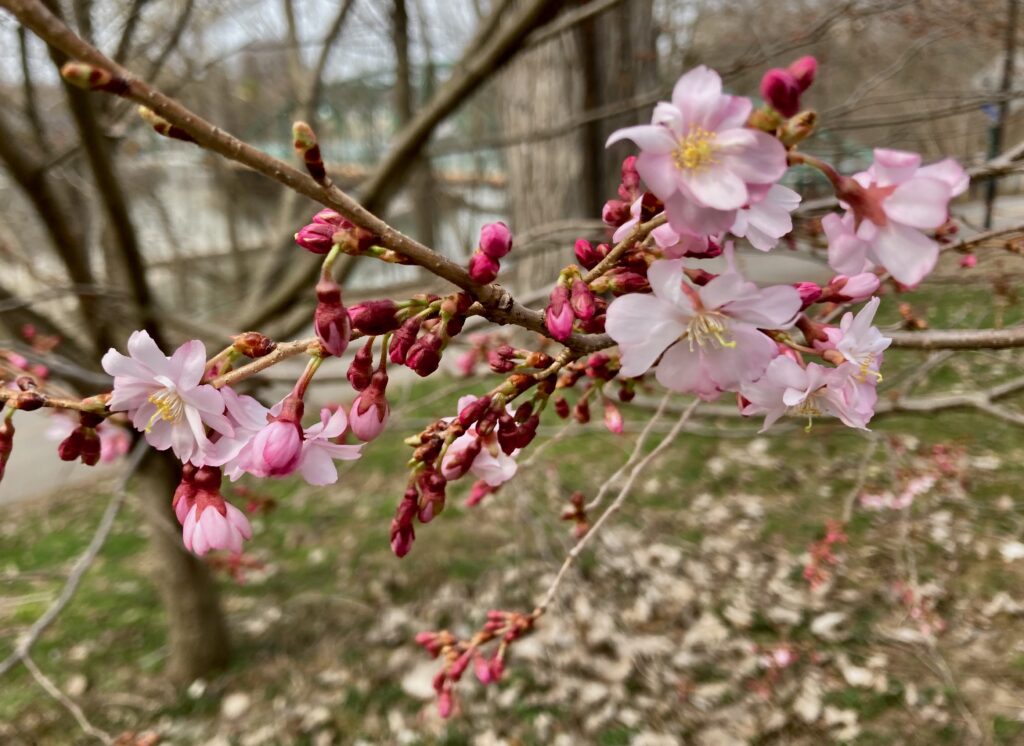
Trees begin to bloom.
Below: Red Maple, Pussy Willow, magnolia, Manitoba Maple, cherry.
Colt’s Foot, Skunk Cabbage and Scilla blossom.
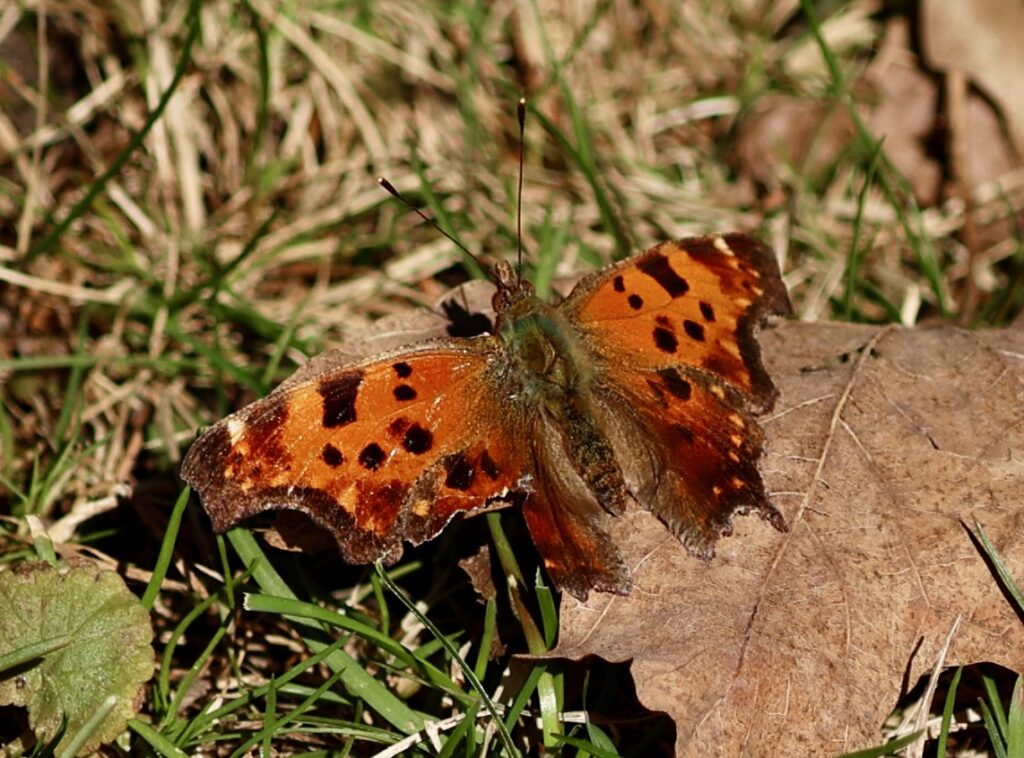
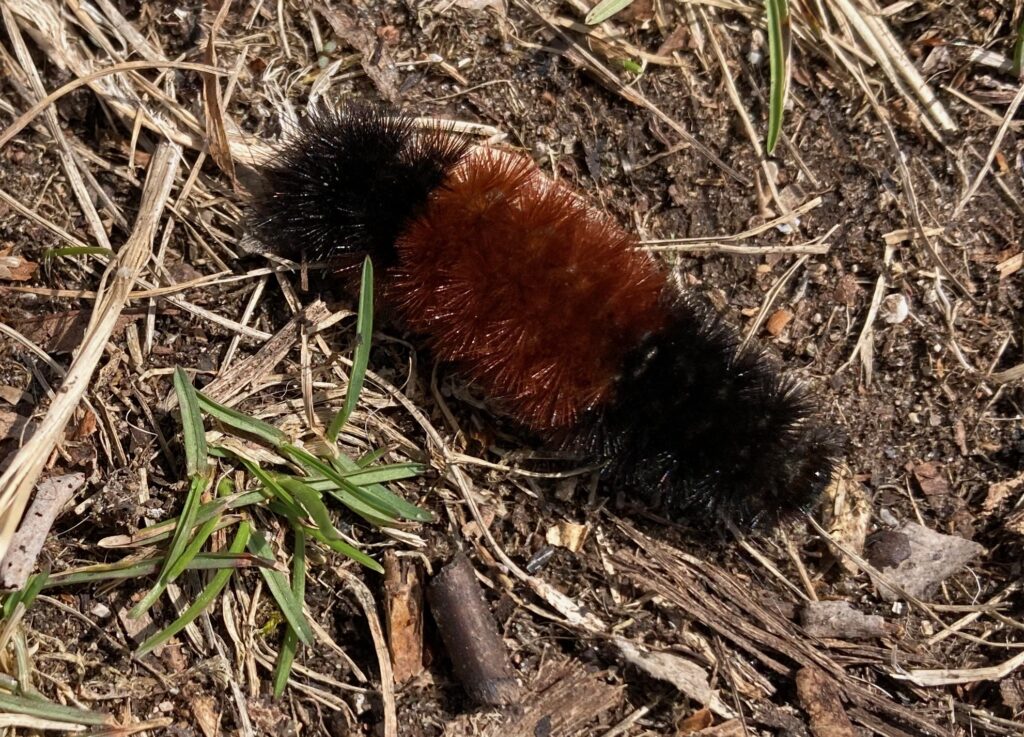
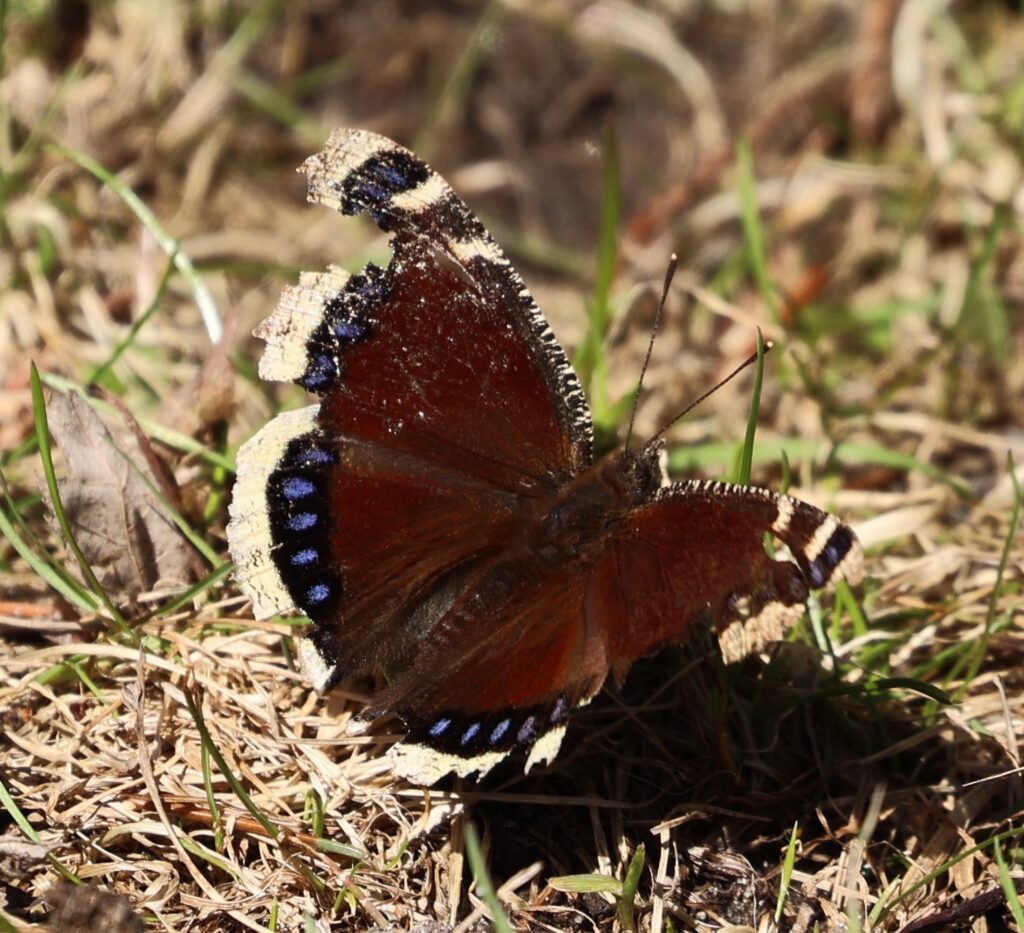
Overwintering insects emerge, sometimes a little tattered.
Ospreys return! Last year, our Labatt Park Ospreys returned on April 1. Recent eBird reports show that Ospreys are now on the south side of Lake Erie. They are probably waiting for the weather to improve before coming farther north. We are not sure if our Osprey pair will nest at Labatt Park this year because the newly installed lights do not look like they will support a nest. We’ll see if the pair decide to use the low platform by the river…
Other birds are foraging, establishing territory and building nests. Some are just having a bath.
Below: European Starlings, Dark-eyed Junco, Yellow-bellied Sapsucker, White-breasted Nuthatch, American Robin, Red-bellied Woodpecker (female), American Robin, Northern Cardinal, Easter Bluebird, Brown-headed Cowbird, Red-winged Blackbird.
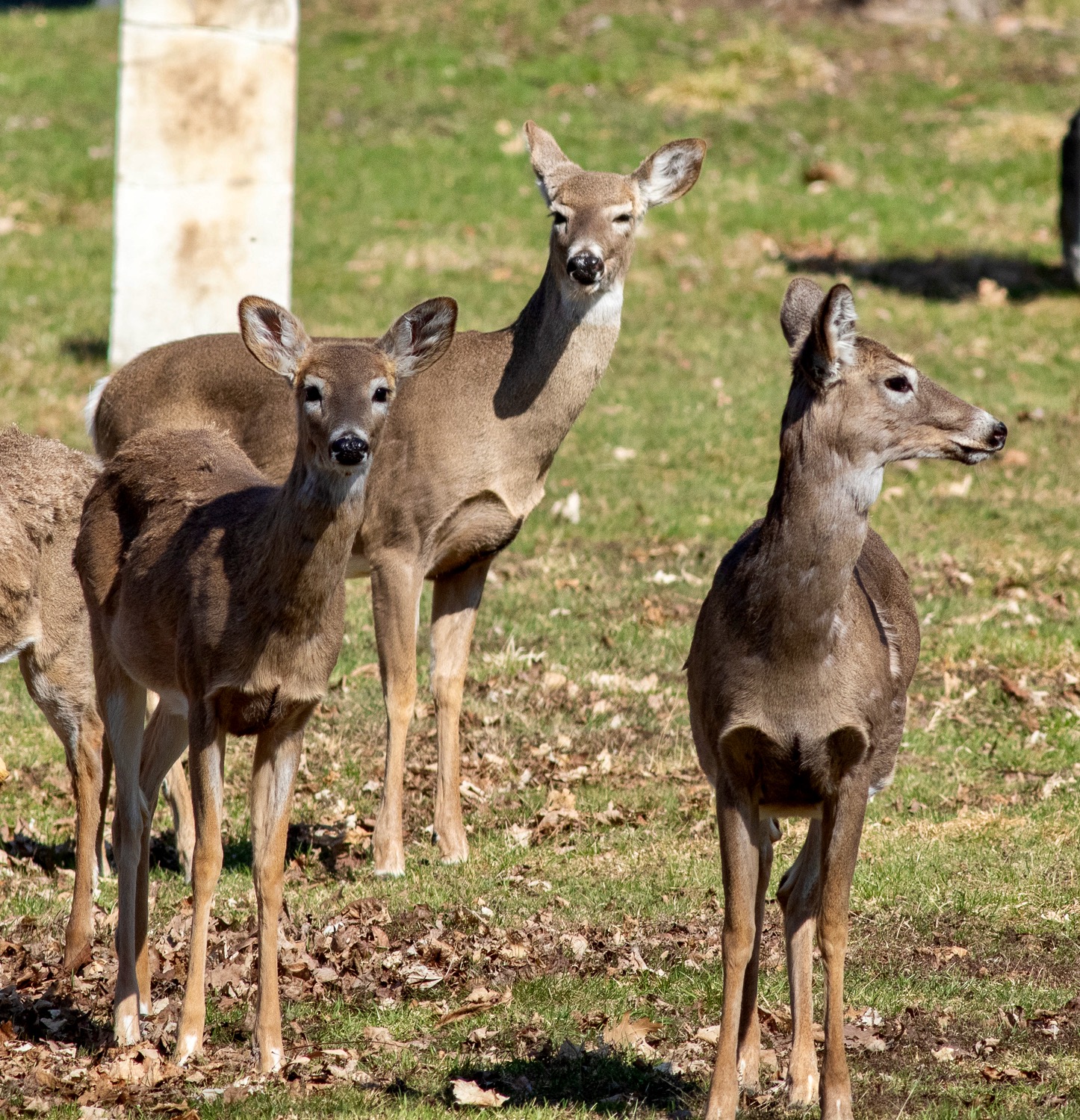
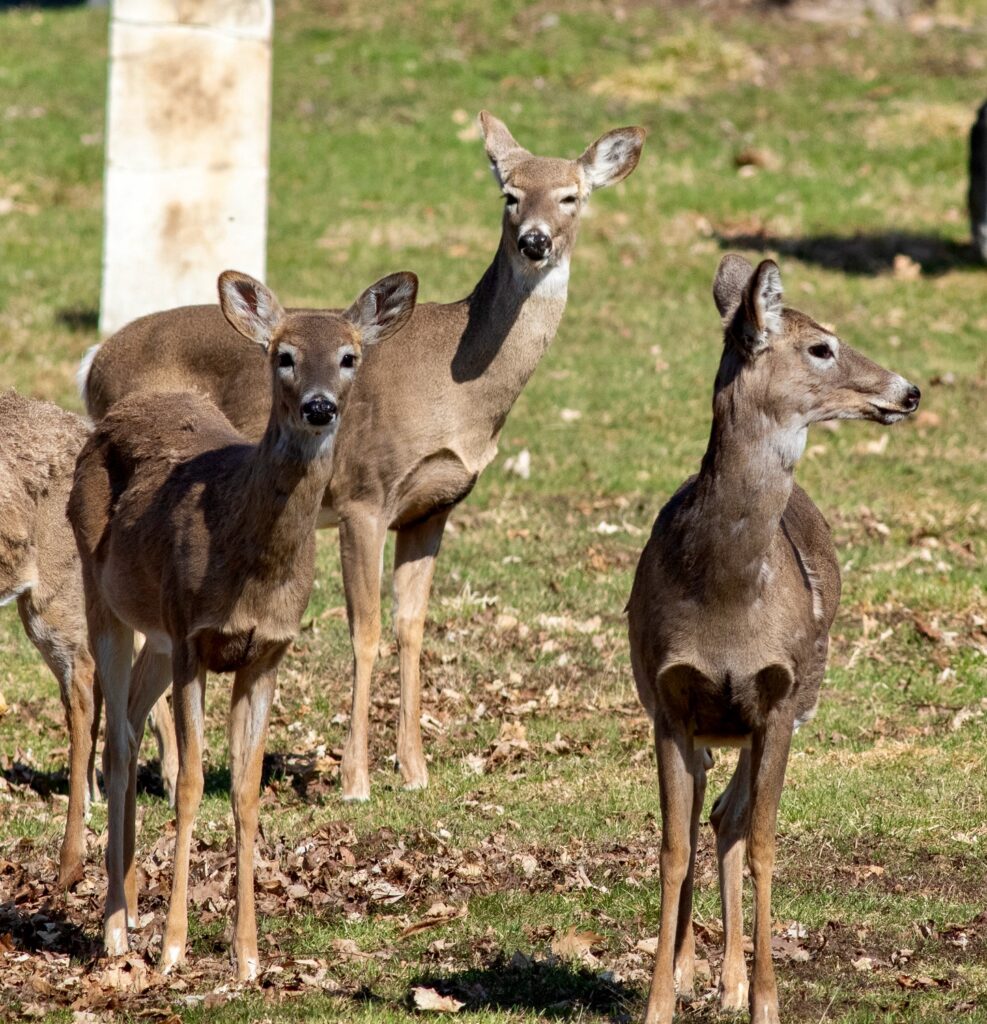
Painted Turtles come out to bask in the sun. White-tailed Deer graze on the grass that is no longer covered in snow.
By the beginning of next week, temperatures will be well above freezing and the snow will be gone. Stay tuned!
Songs with Names in the Title
Susan heard “Sweet Caroline” by Neil Diamond and thought we should share a version with you. When I started to look for additional songs with women’s names in the title, I could not stop. There are so many.
I prefer live versions when a good quality version is available, even if they are cover versions. Some cover versions are “live in a studio” where the sound quality is excellent.
The song has been played at Fenway Park, home of Major League Baseball‘s Boston Red Sox, since at least 1997[36] and in the middle of the eighth inning at every game since 2002.[37] On opening night of the 2010 season at Fenway Park, the song was performed live by Diamond himself.[38] Several days after the Boston Marathon bombing in April 2013, Neil Diamond led the crowd at Fenway Park in a rendition of the song.[39] Sales of the song surged nearly 600 percent in the week after the bombings, to 19,000 copies, up from 2,800 the week before.[40] Diamond said that he would donate his royalties from those sales to the One Fund Boston charity to help the people affected by the bombings.[41]
Wikipedia
To keep the list short for this post, here are songs with Susan, Sue, Susie or Suzanne in the title.
Bonus video, John Fogerty seen rocking with his sons.
With a snowstorm today, I can’t resist dreaming about baseball season. John Fogerty with his sons, daughter and custom guitar.