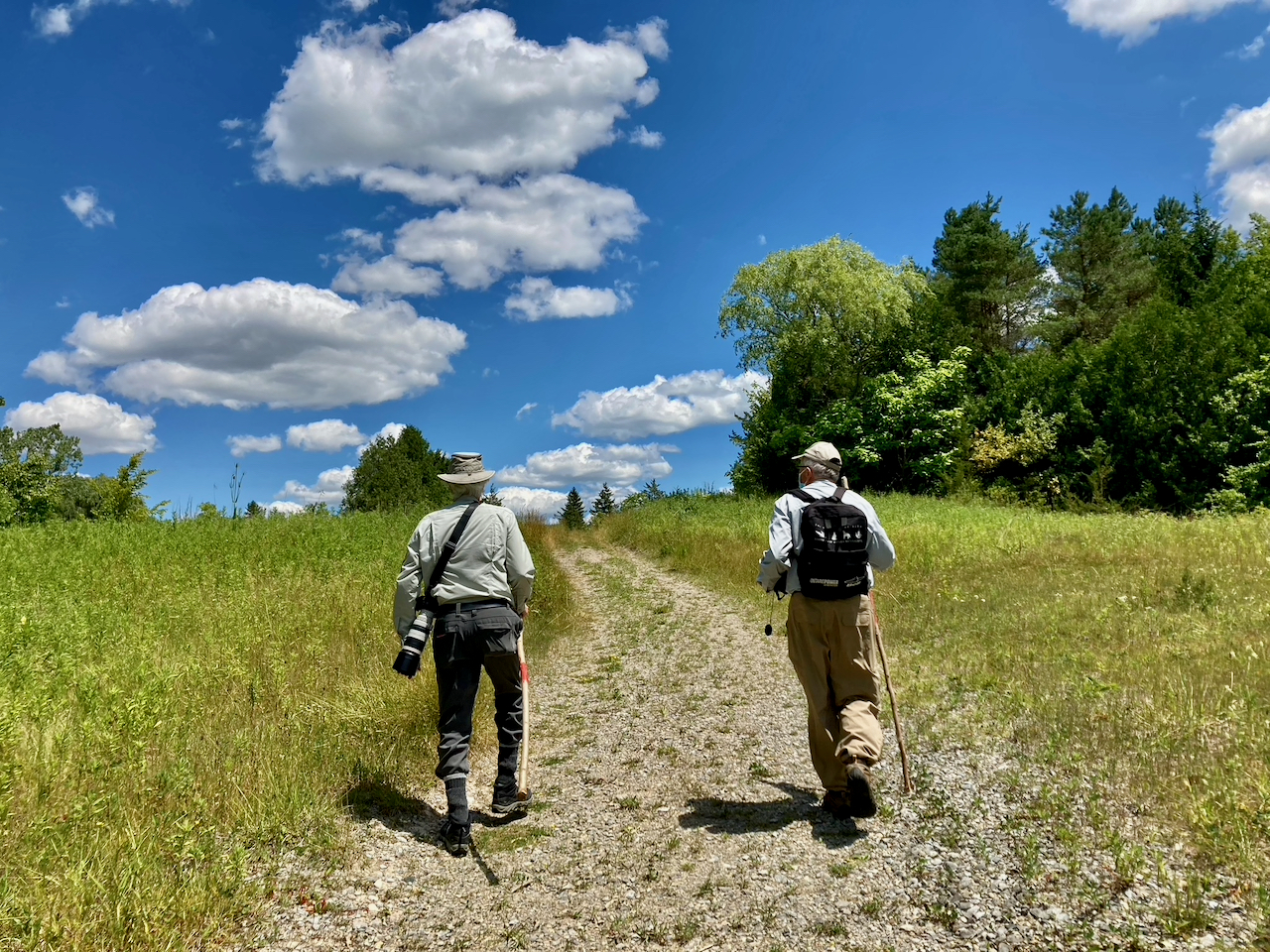
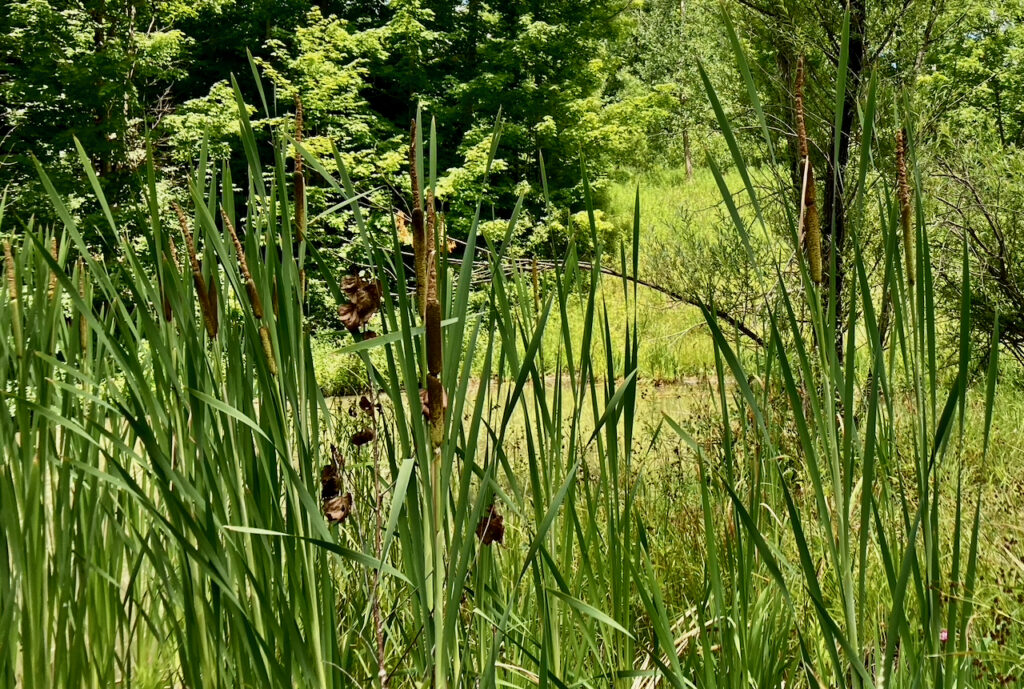
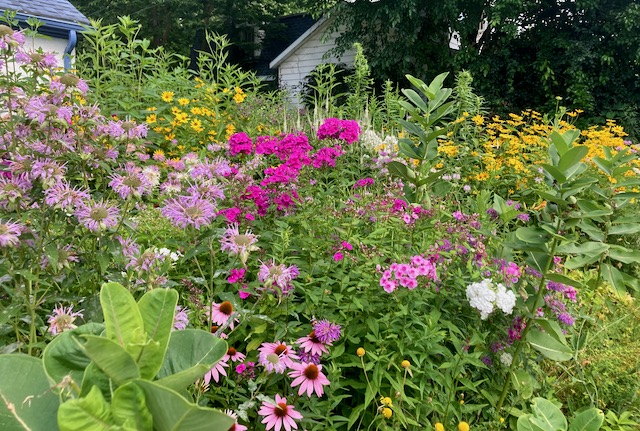
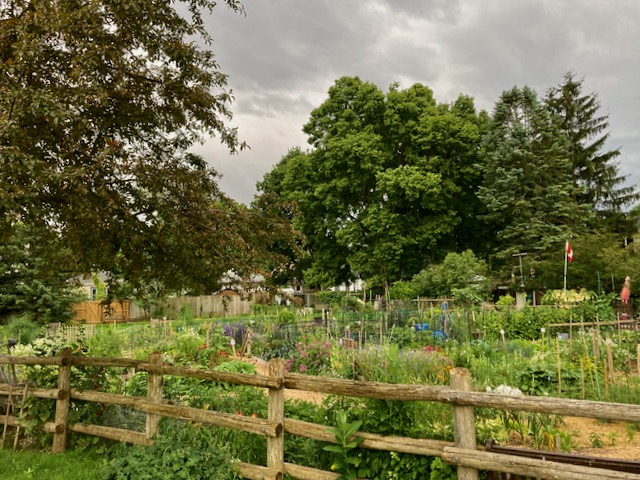
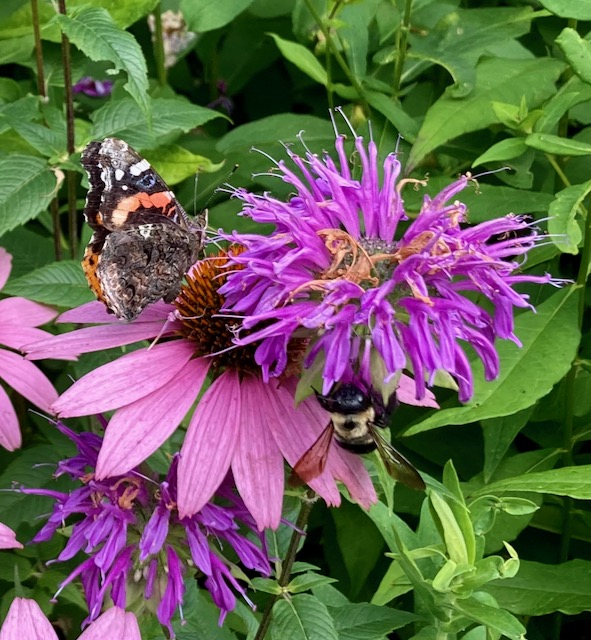
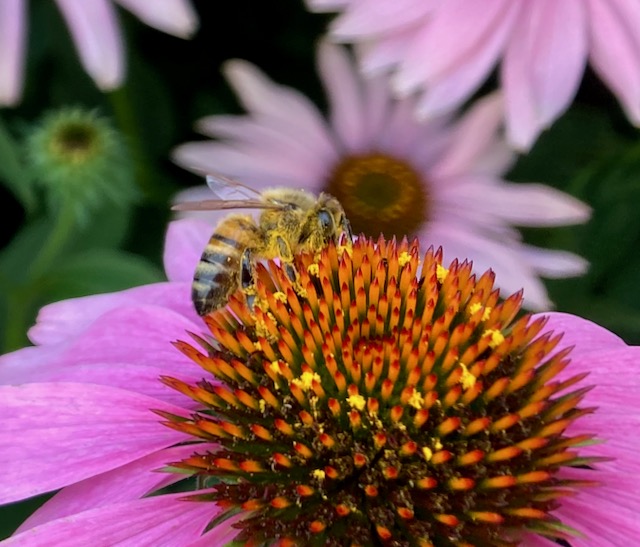
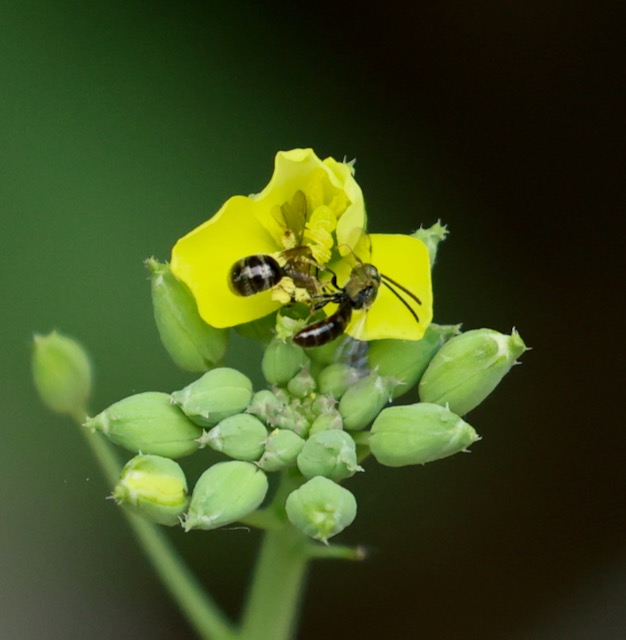
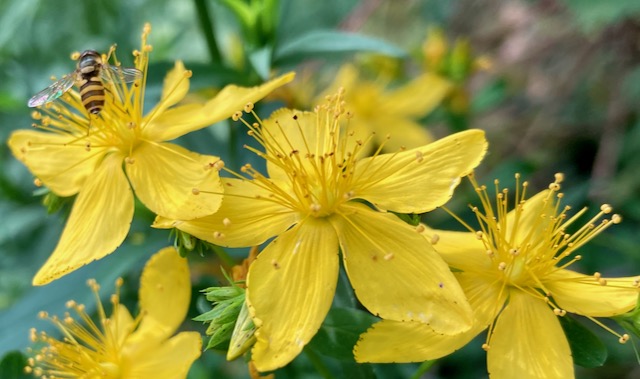
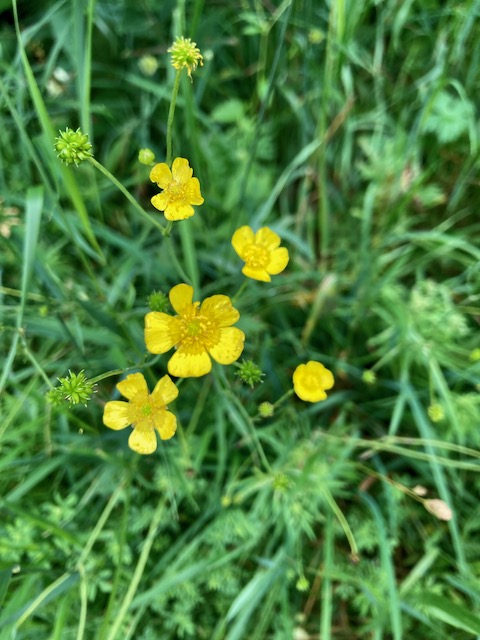
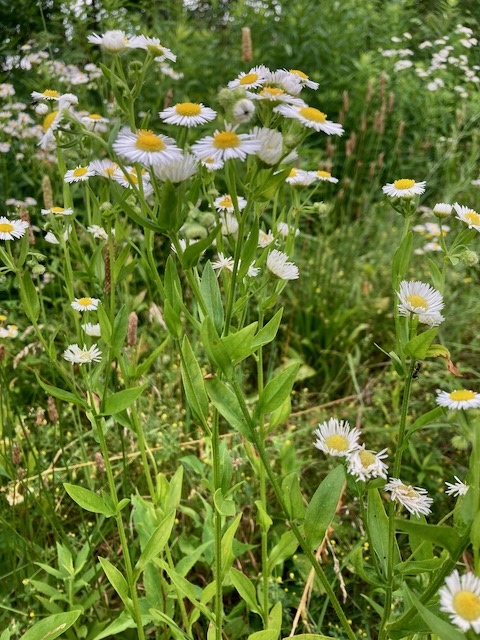
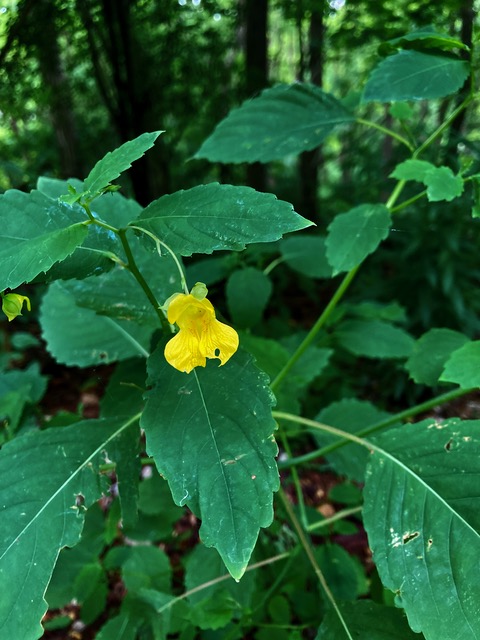
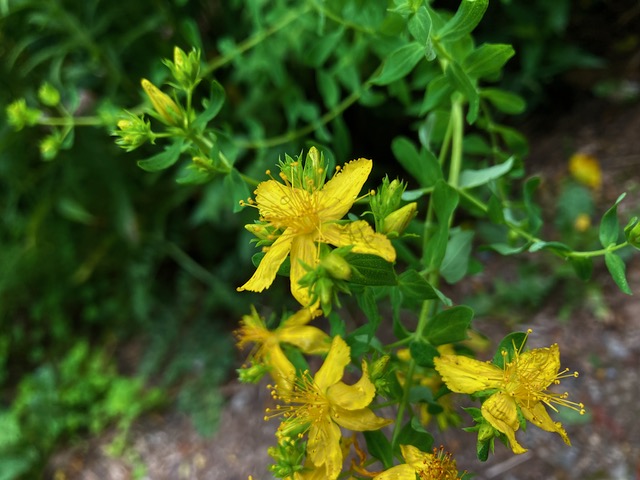
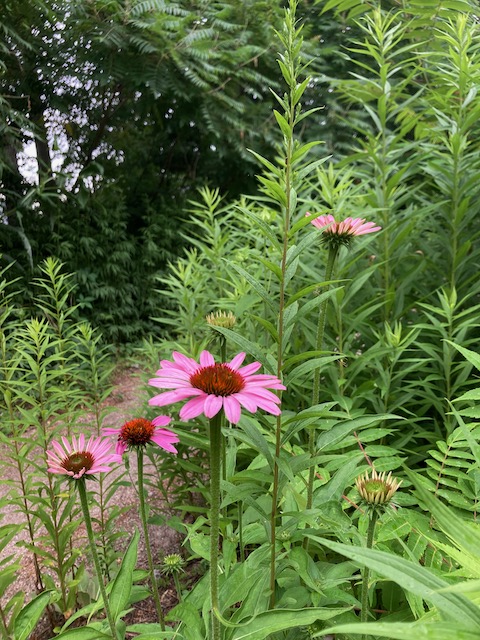
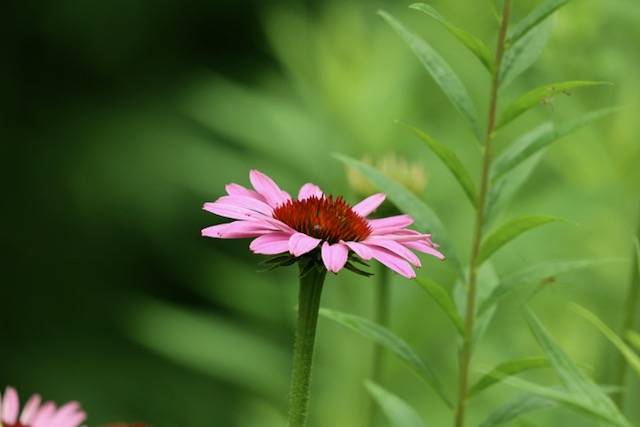
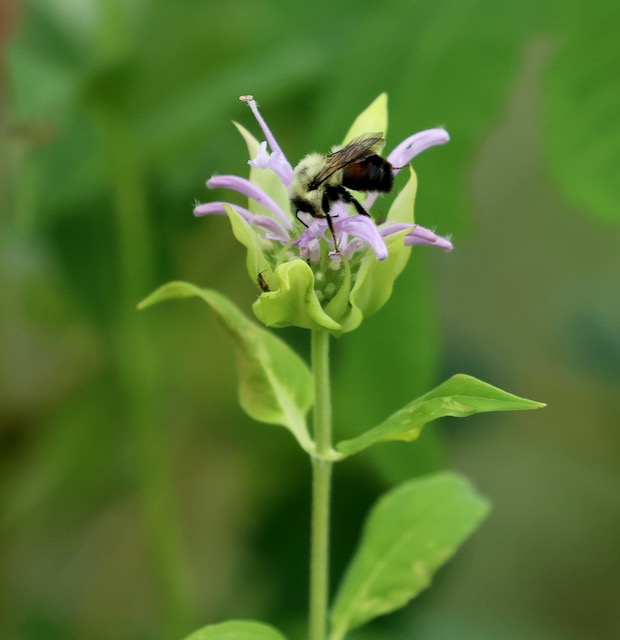
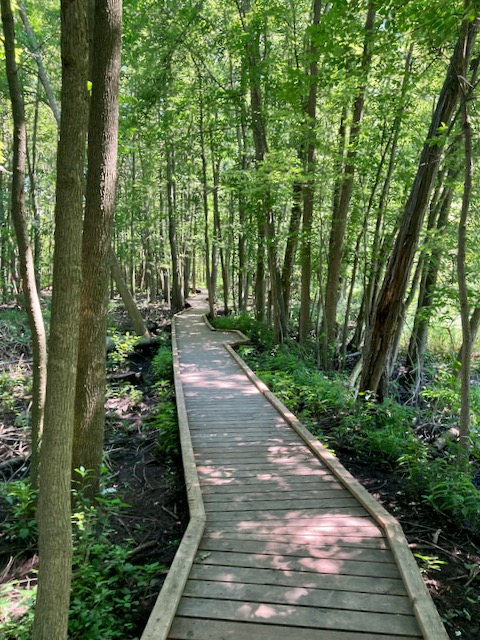
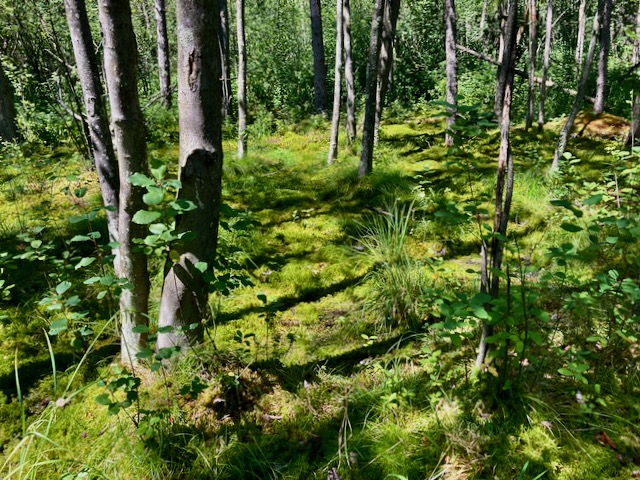
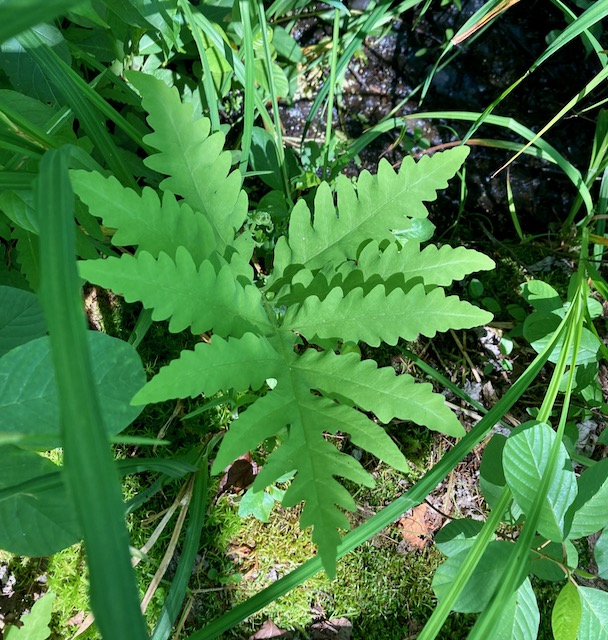
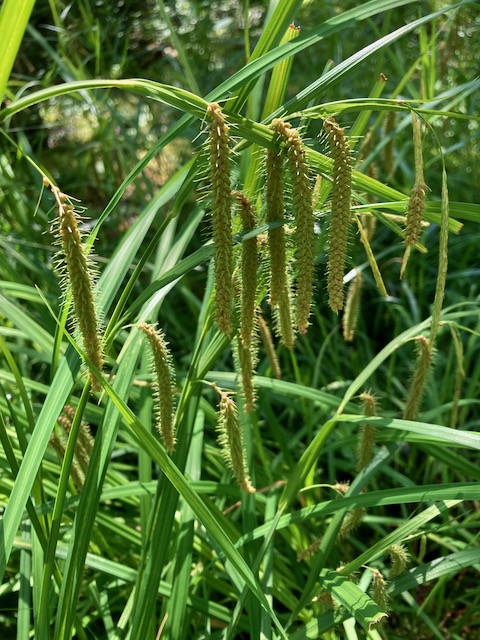
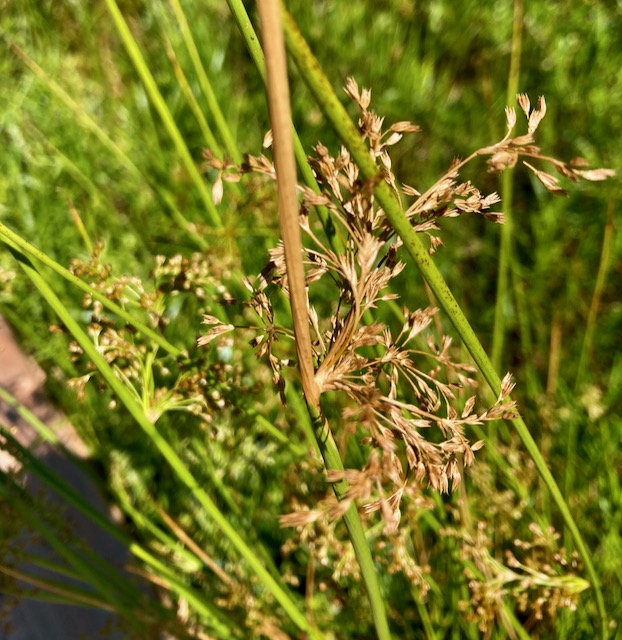
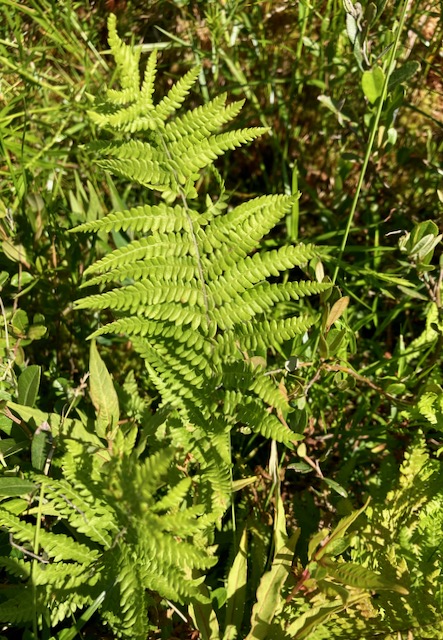
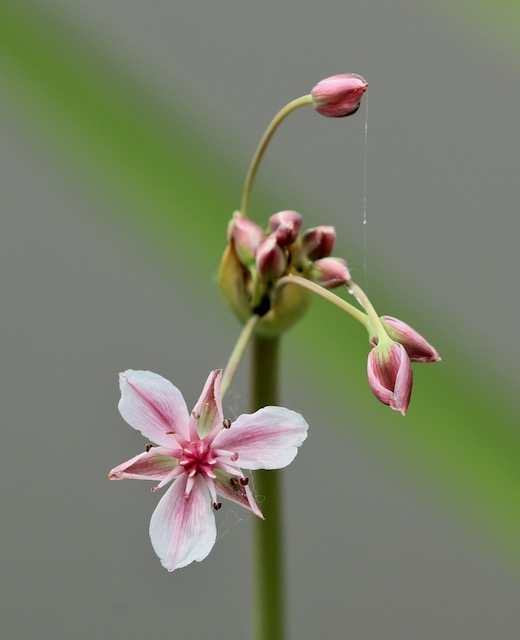
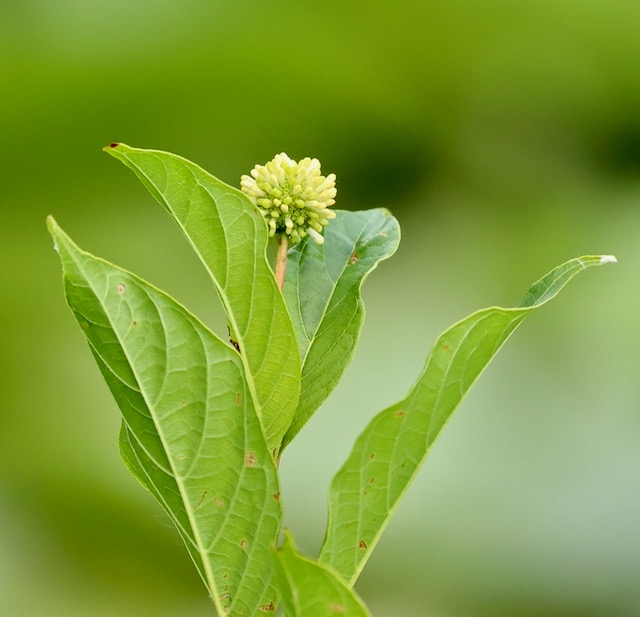
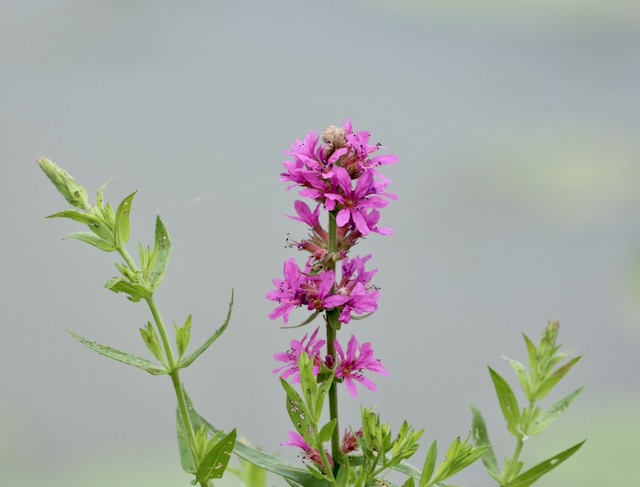
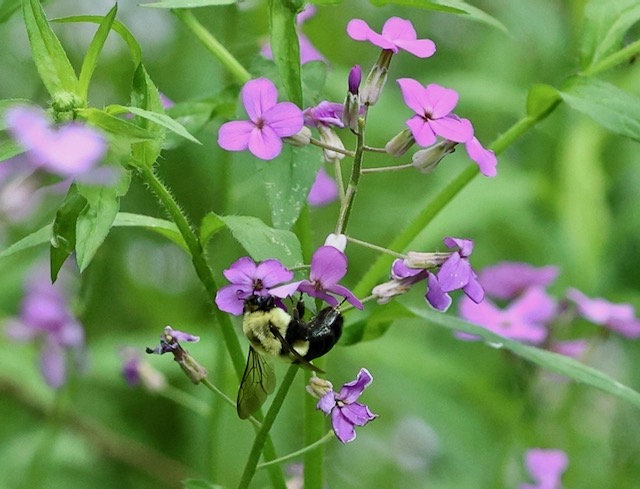
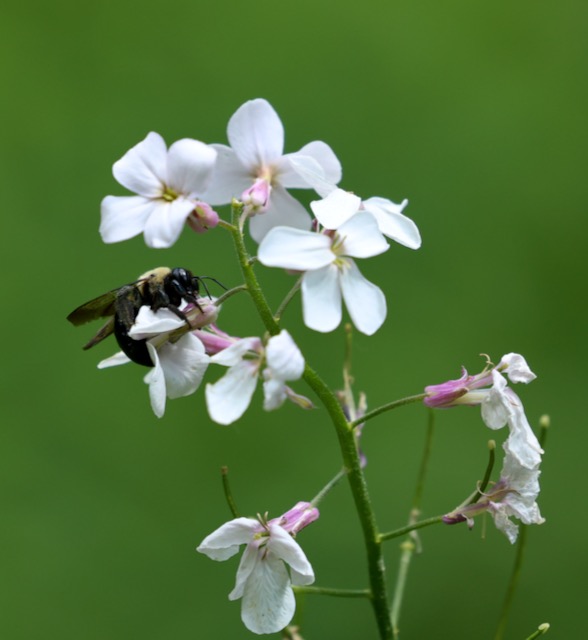
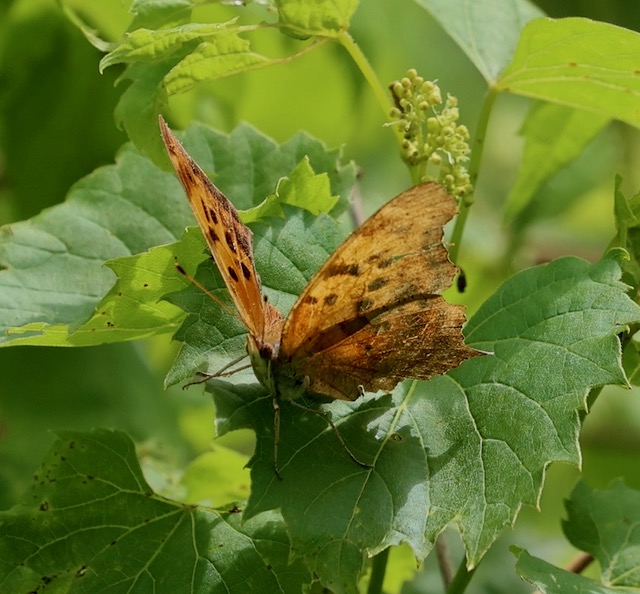
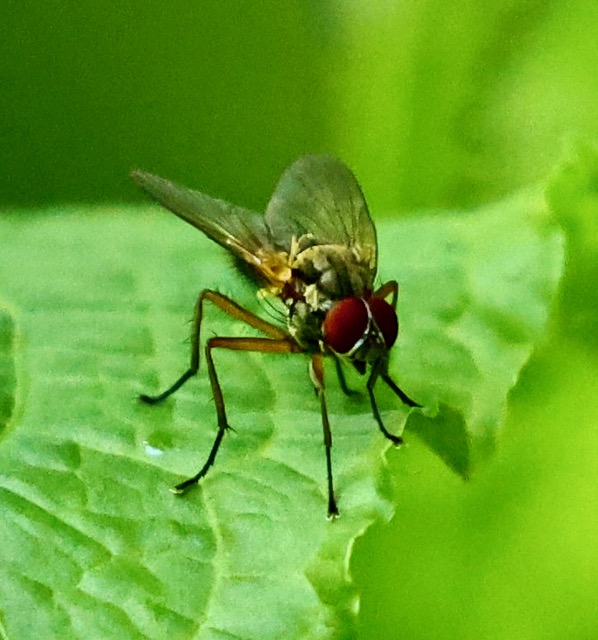
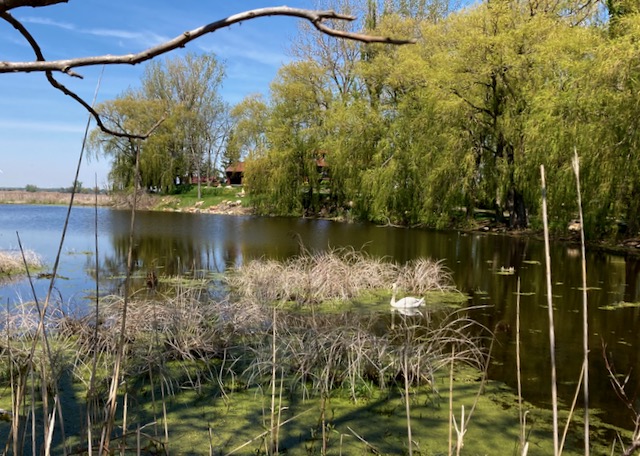
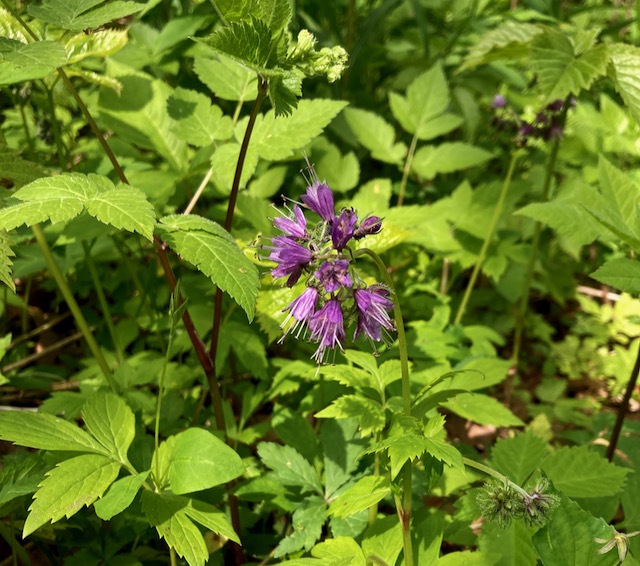
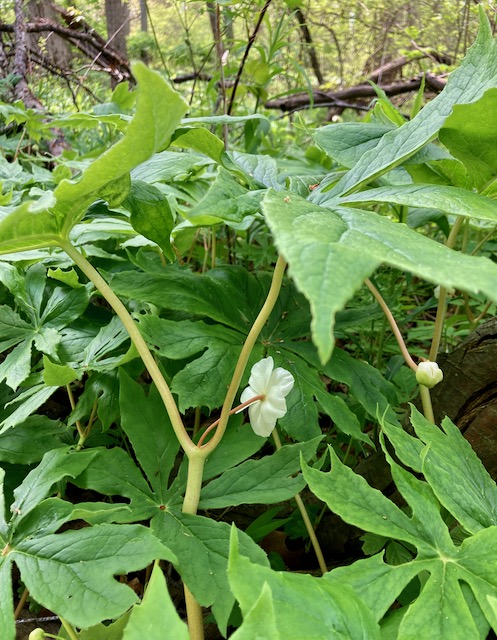
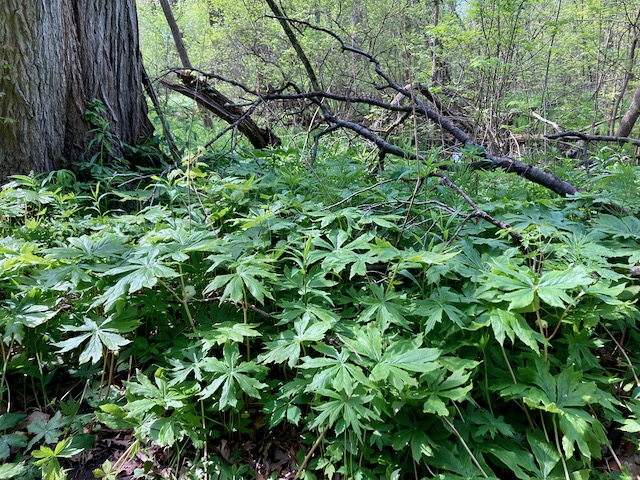
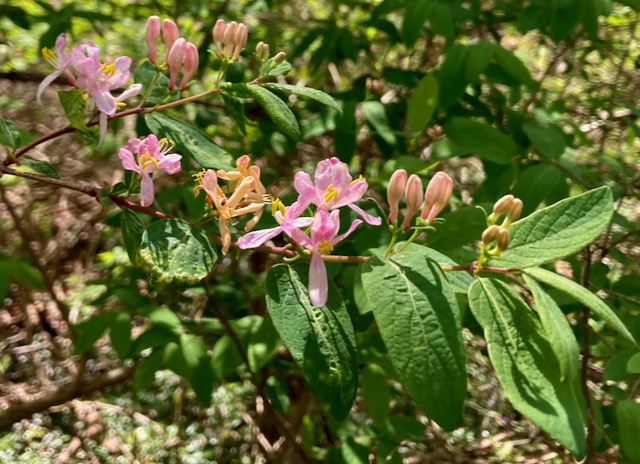
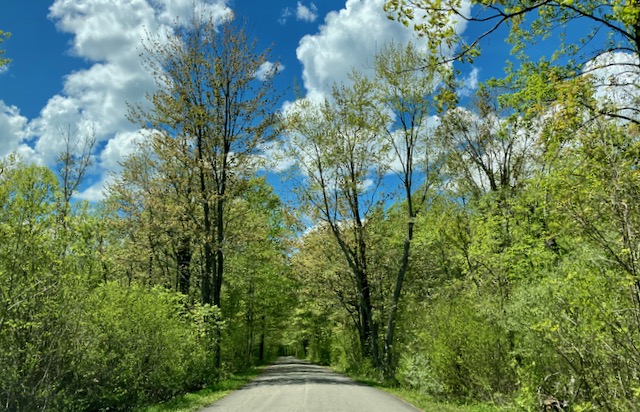
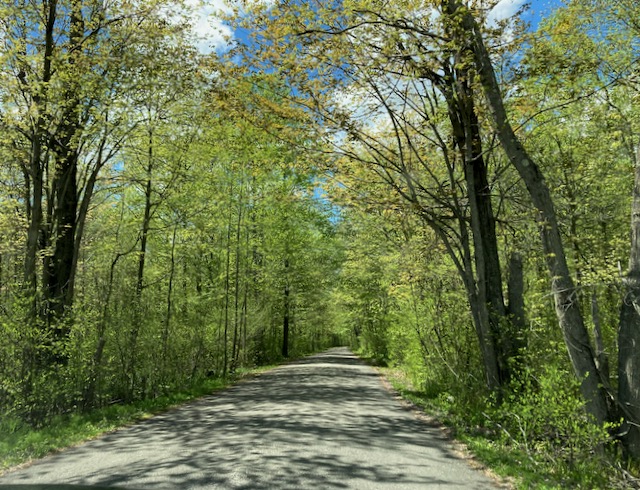
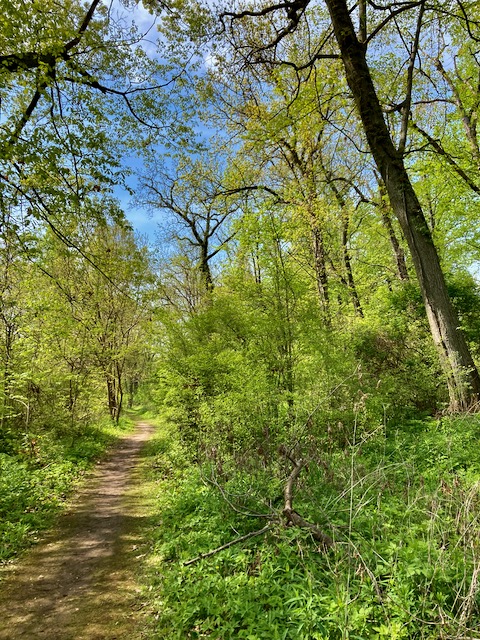
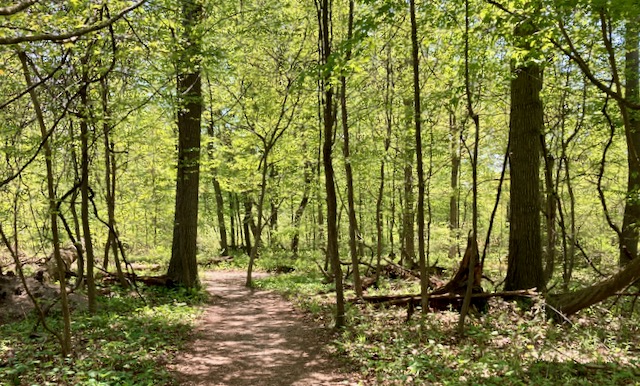
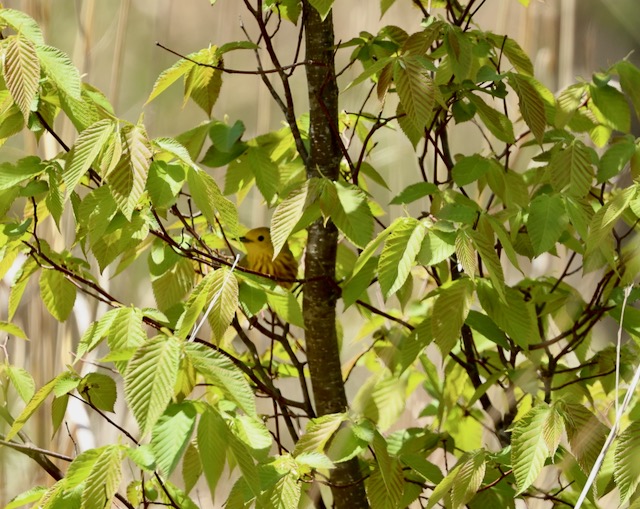
In July, 2022, we helped organize a hike at Wardsville Woods, one of the properties managed by Thames Talbot Land Trust. There are open fields, a community wildflower garden, a ravine forest with a mix of deciduous trees and a wetland associated with the creek that runs through the property.
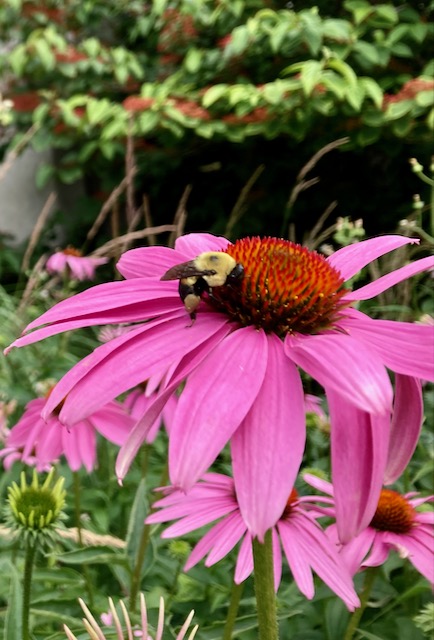
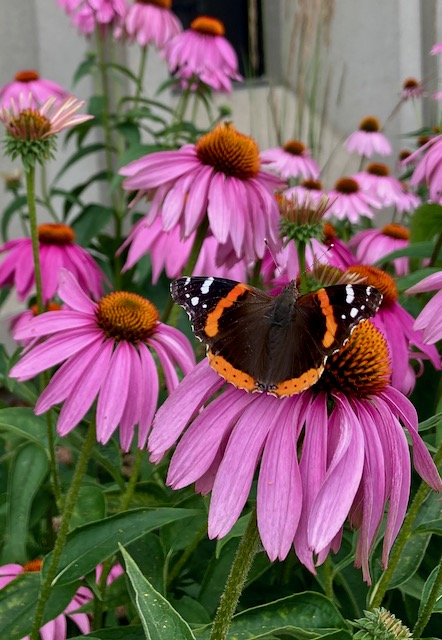
Here we were happy to find an abundance of insects on the wildflowers.
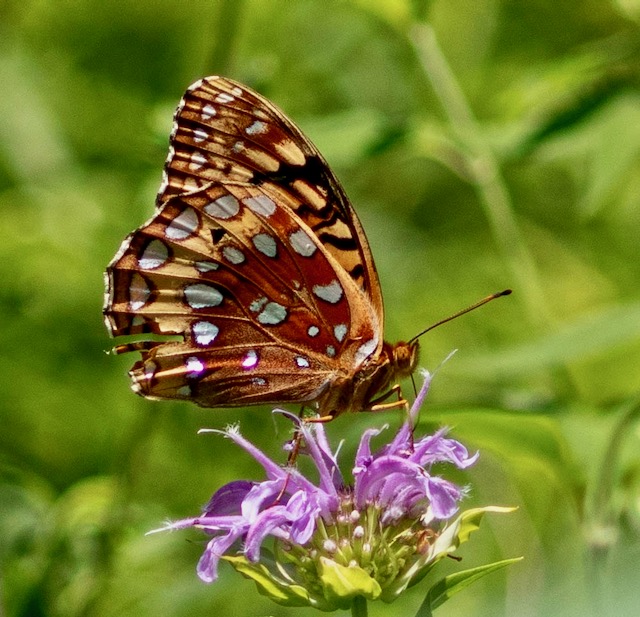
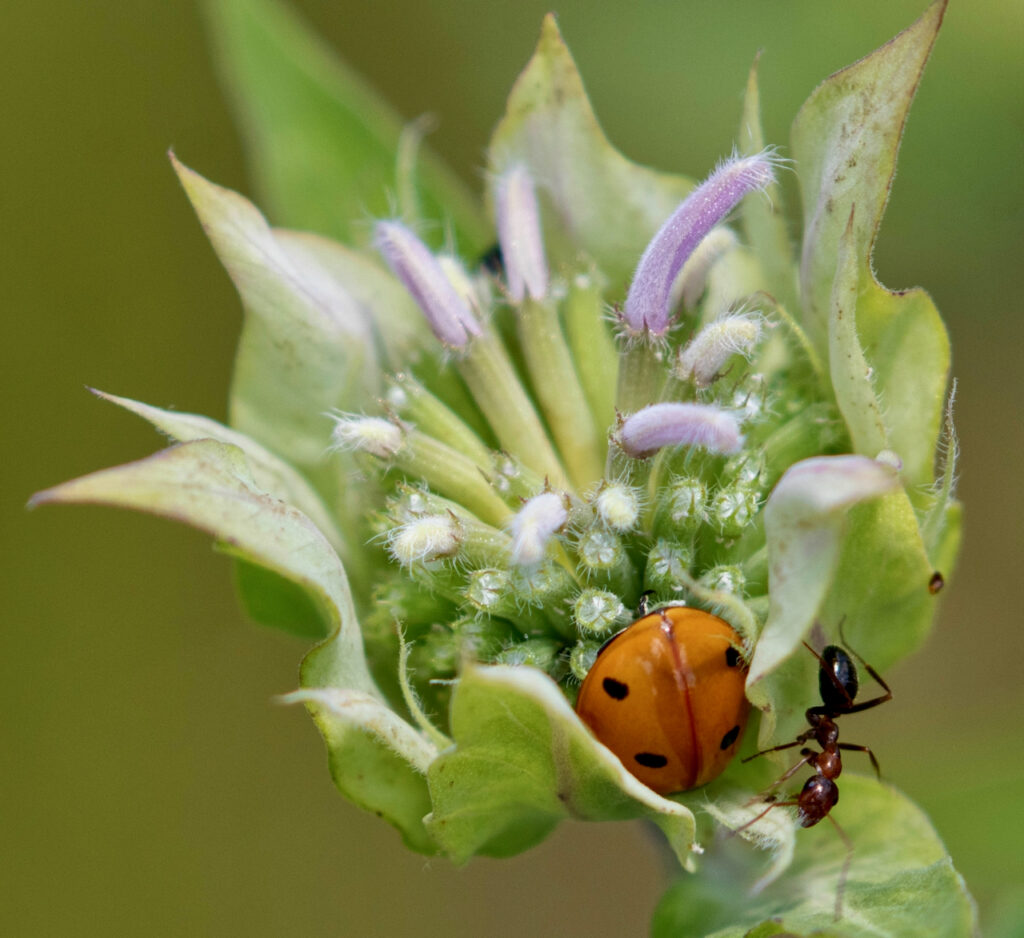
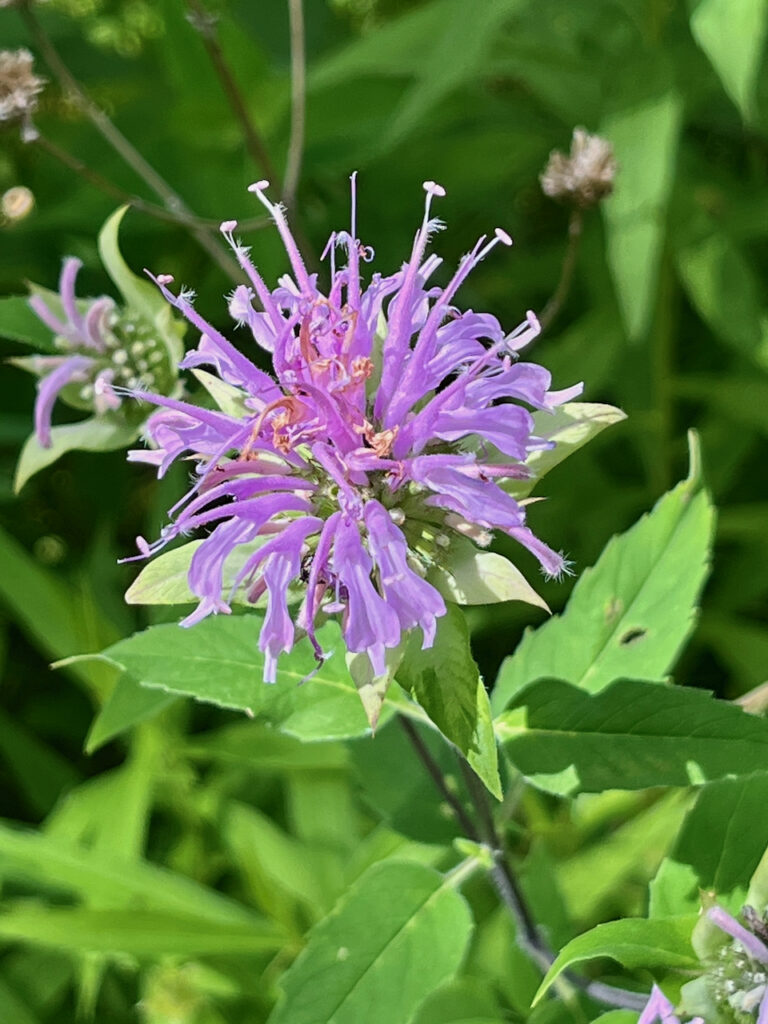
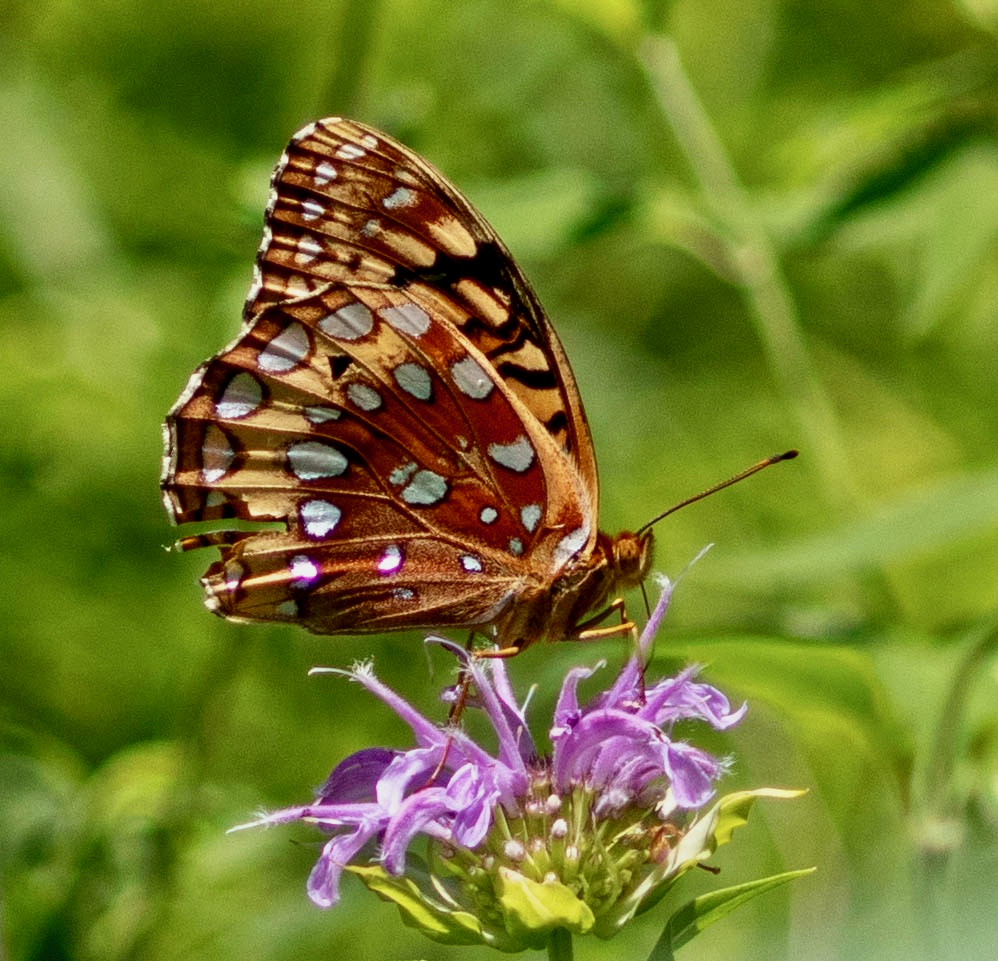
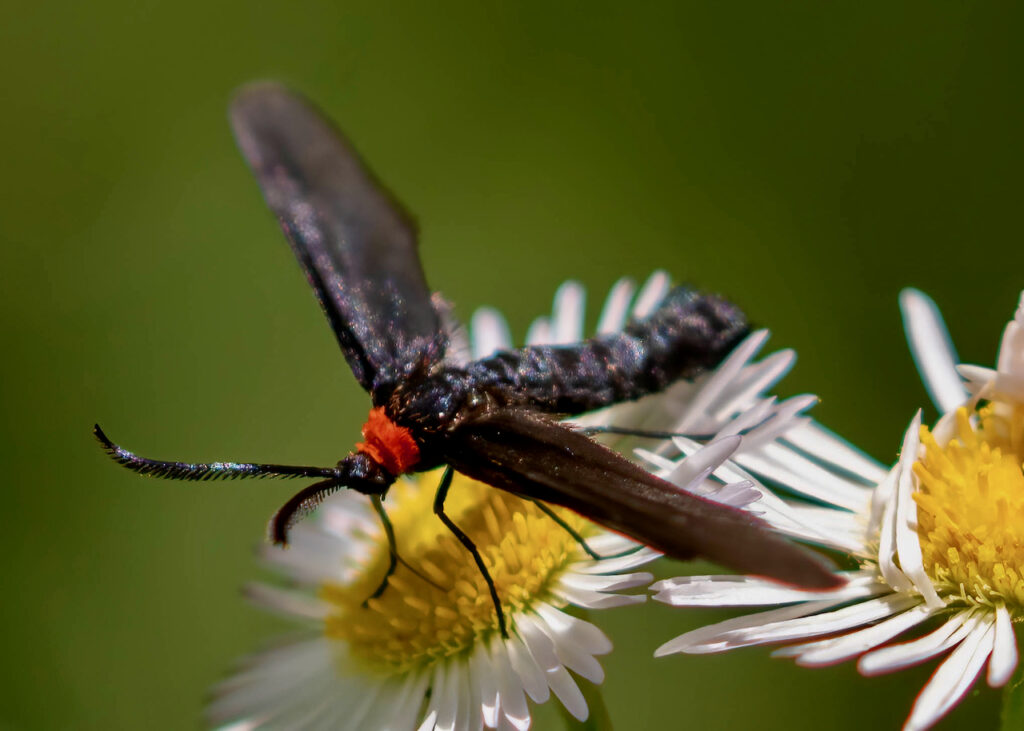
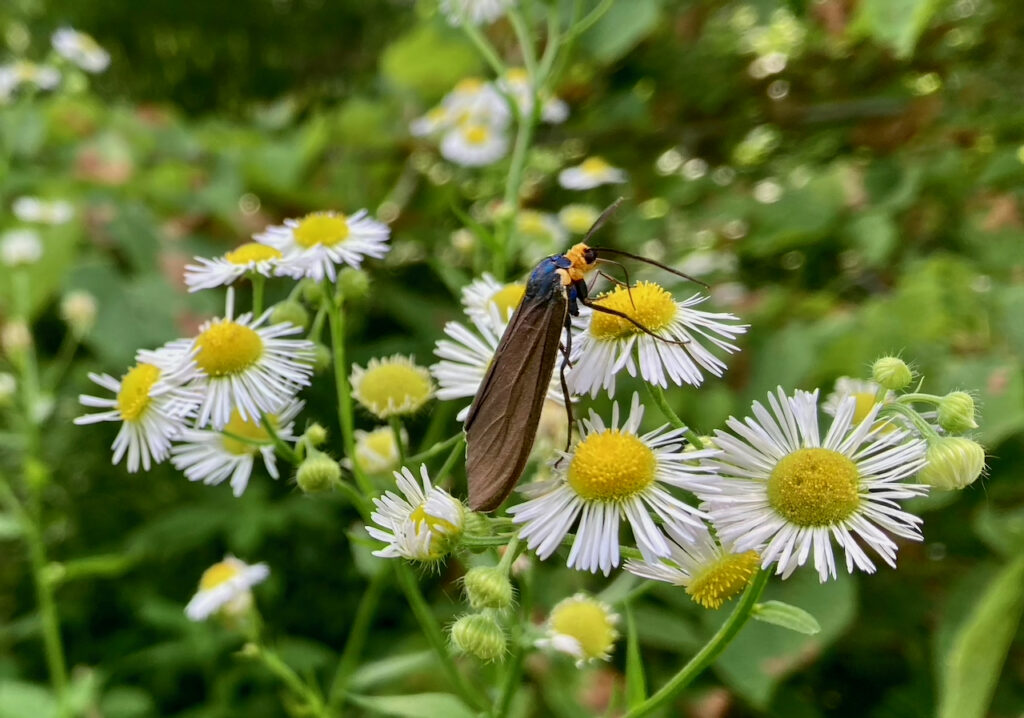
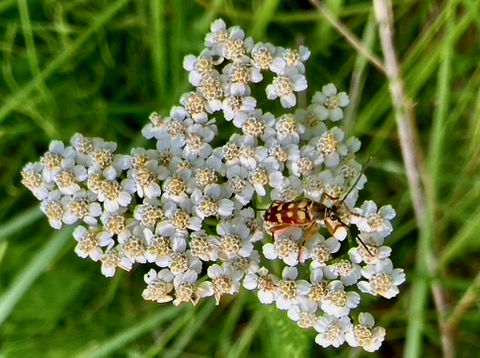
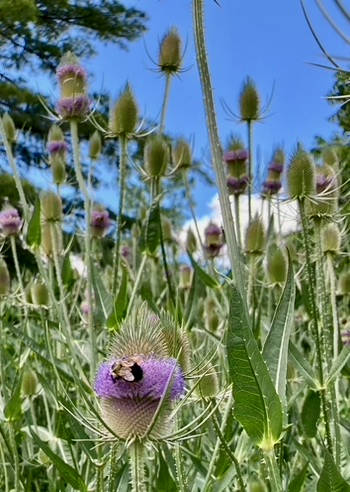
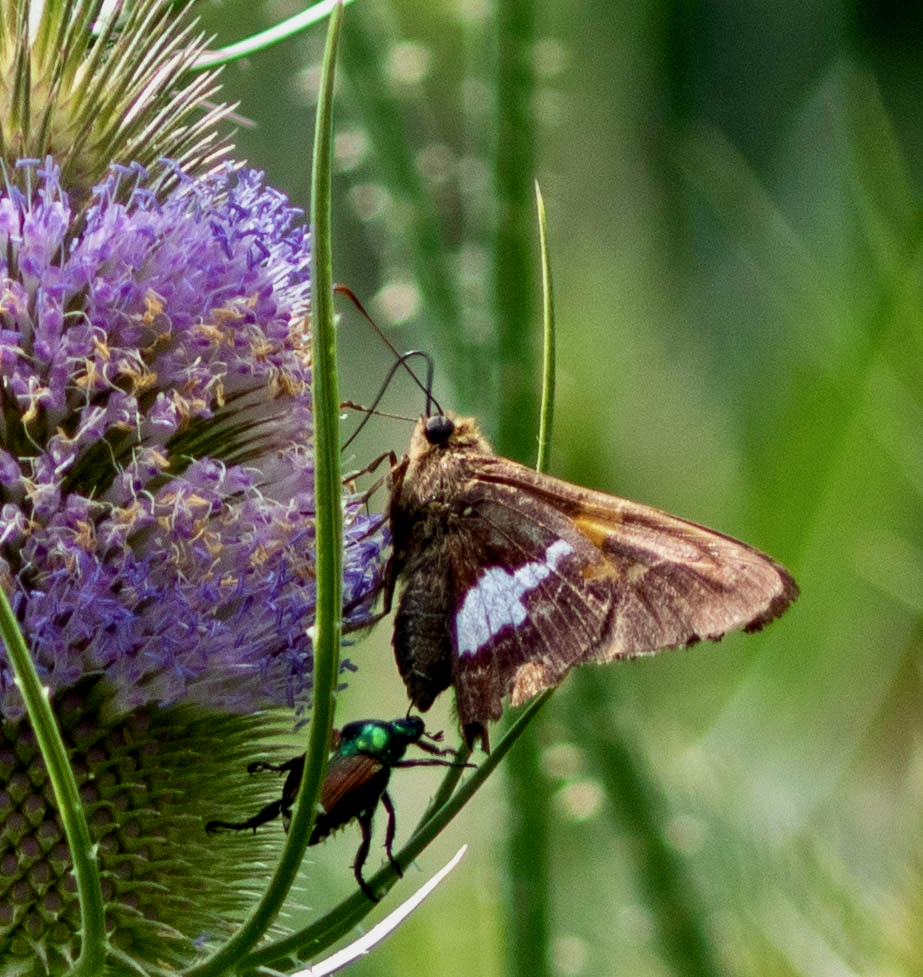
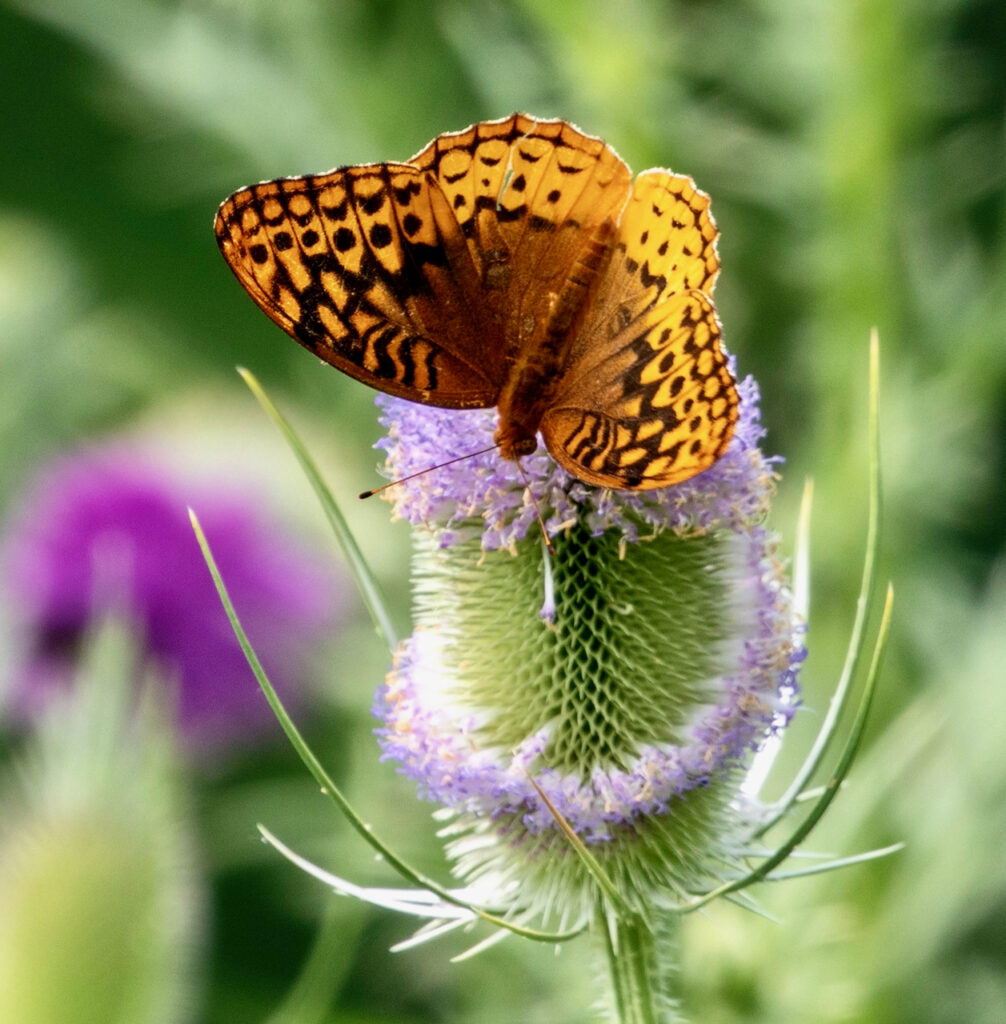
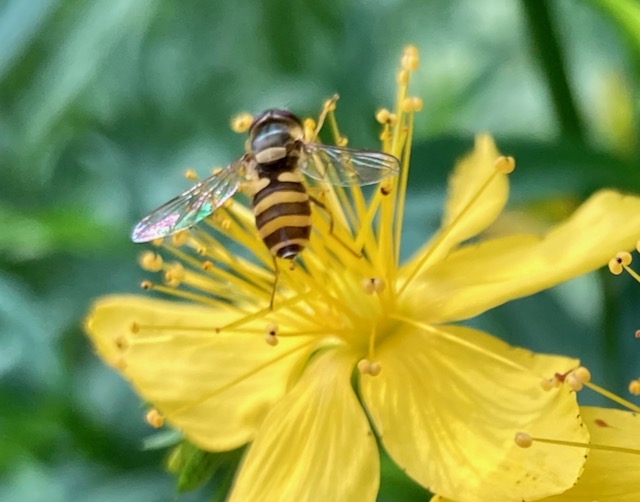
Seven-spotted Lady Beetle & field ant on bergamotWild BergamotGreat Spangled Fritillary on bergamotGrapeleaf Skeletonizer Moth Virginia Ctenucha Moth on Annual FleabaneBanded Longhorn Beetle on Common Yarrow Scudder’s Bush Katydid on Common YarrowWild Teasel with bumble beeSilver-spotted Skipper & invasive Japanese Beetle
Great Spangled Fritillary butterflies on Wild Teasel
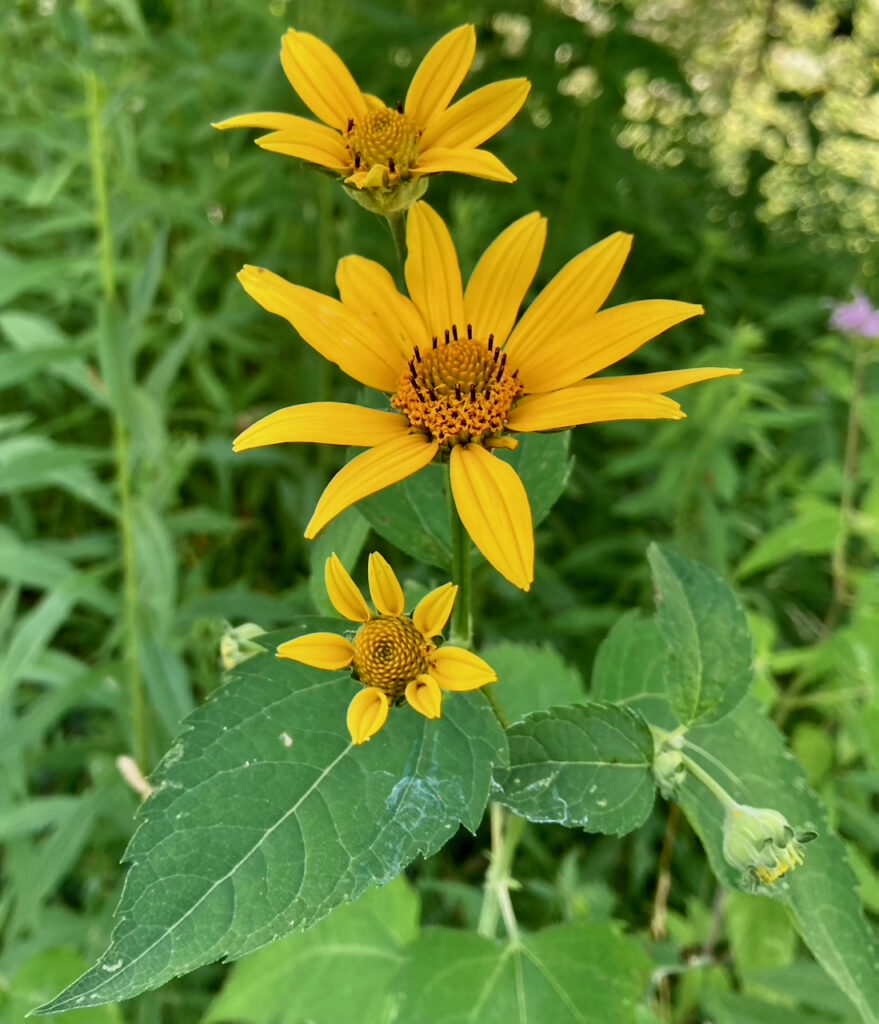
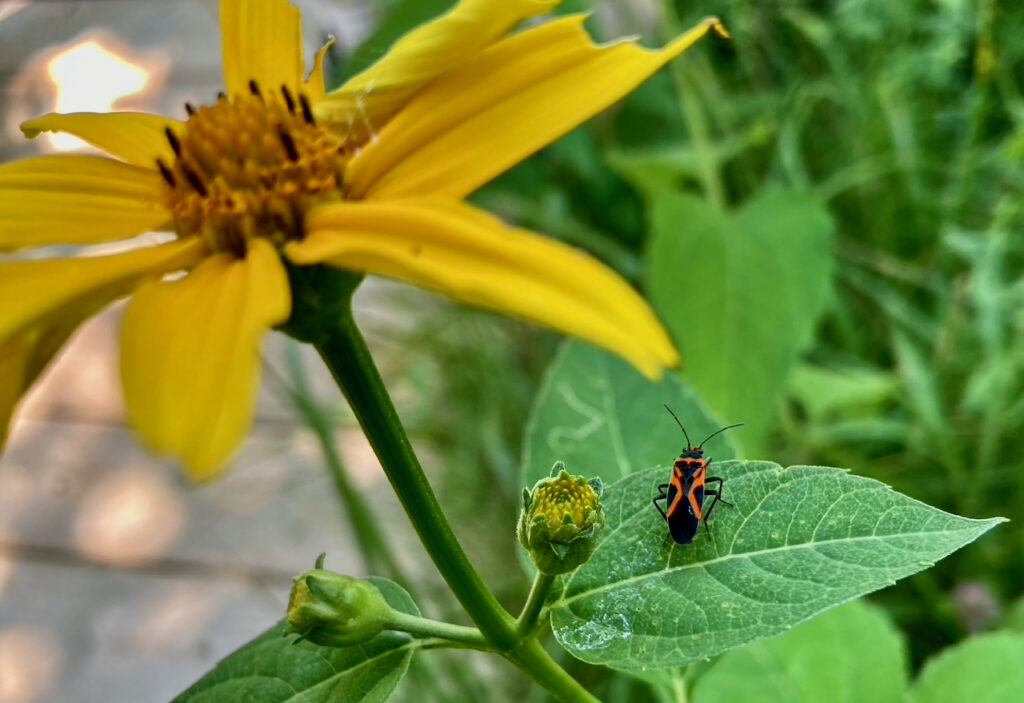
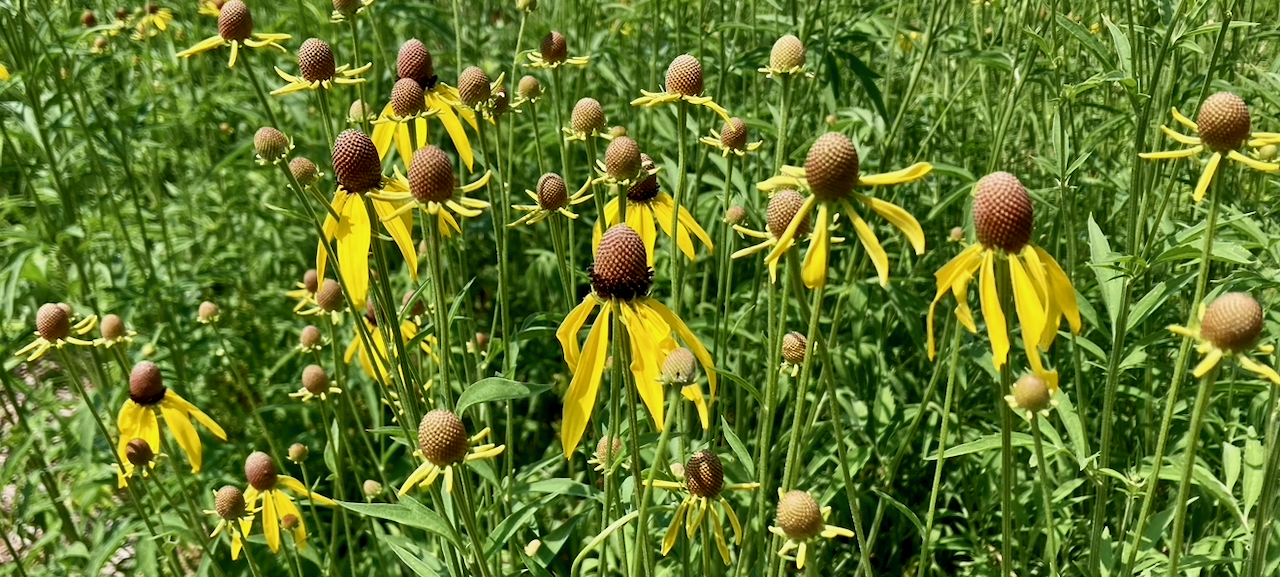
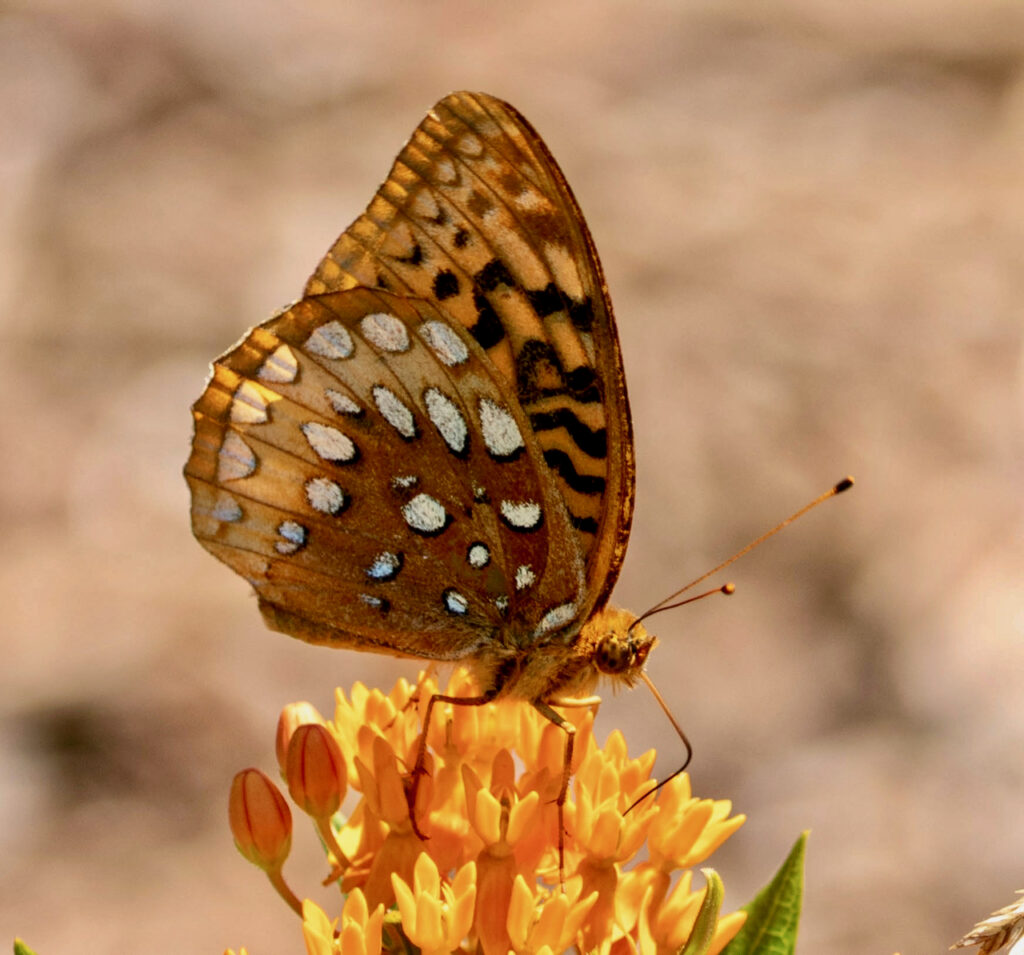
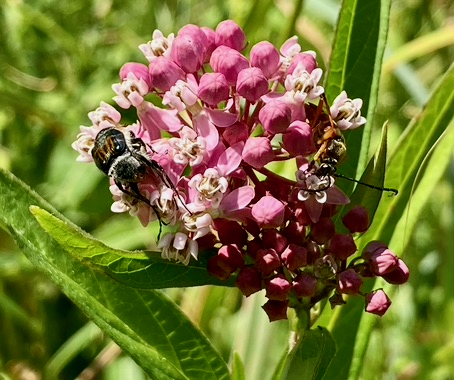
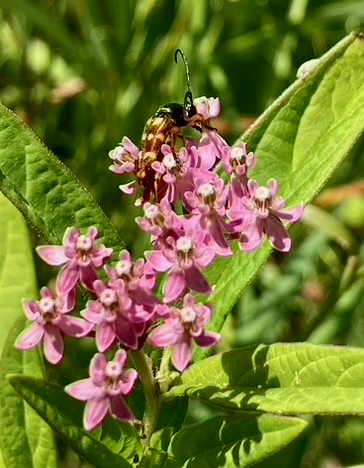
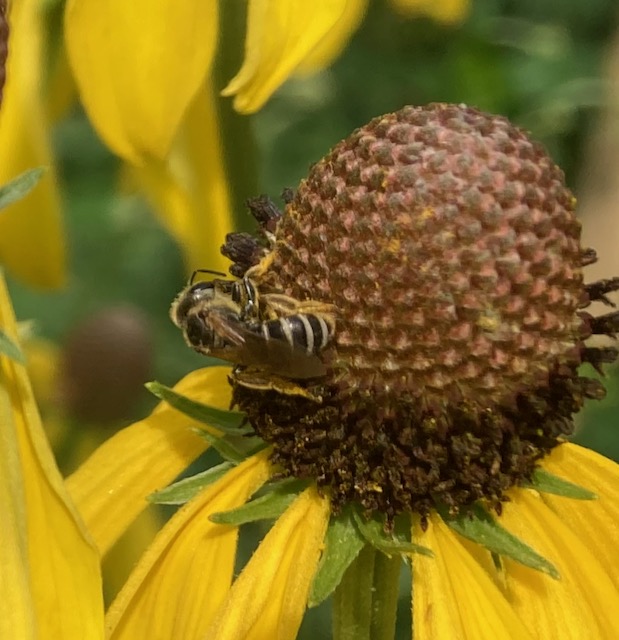
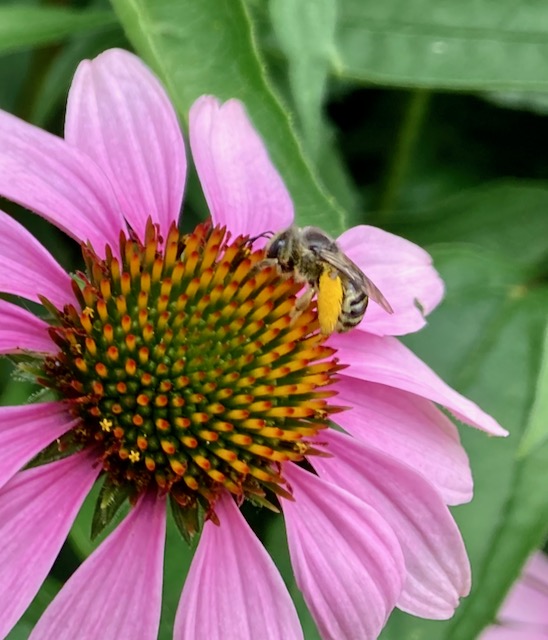
False SunflowerFalse Milkweed Bug on False Sunflower:-=)False Milkweed BugGrey-headed ConeflowerGrey-headed Coneflower with beeGreat Spangled Fritillary on Butterfly MilkweedBee-mimic Beetle on Swamp MilkweedBanded Longhorn Beetle on Swamp Milkweed
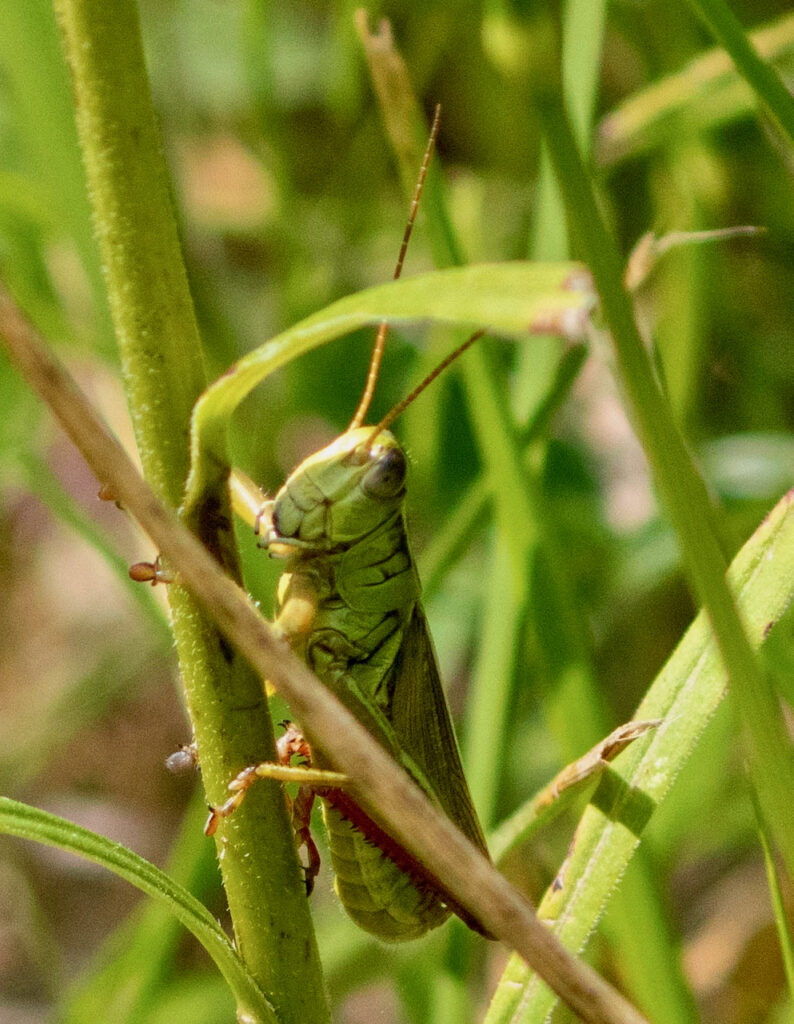
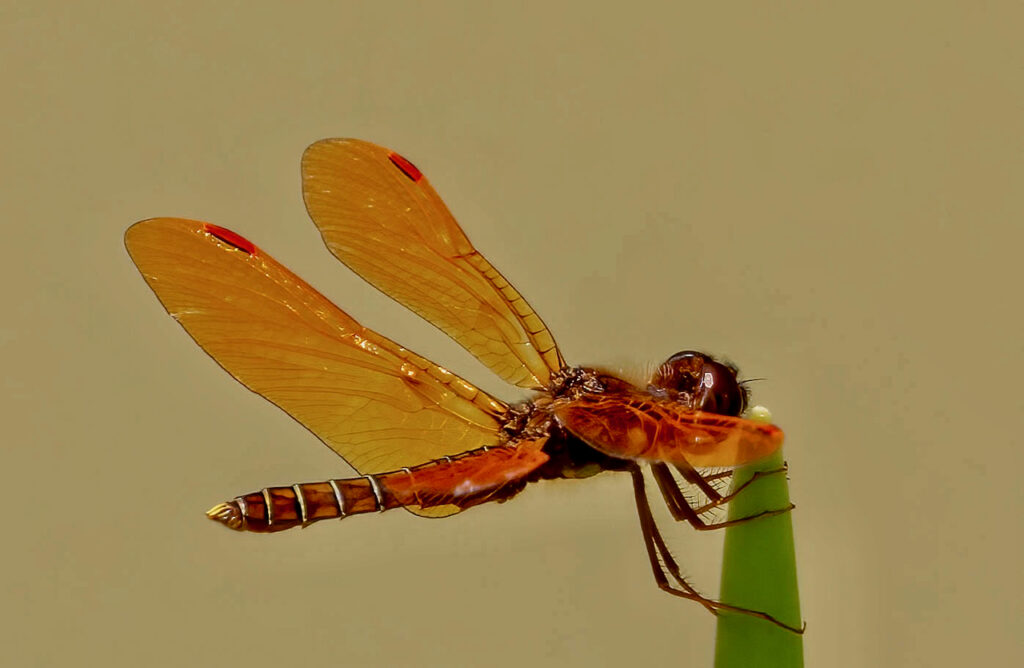
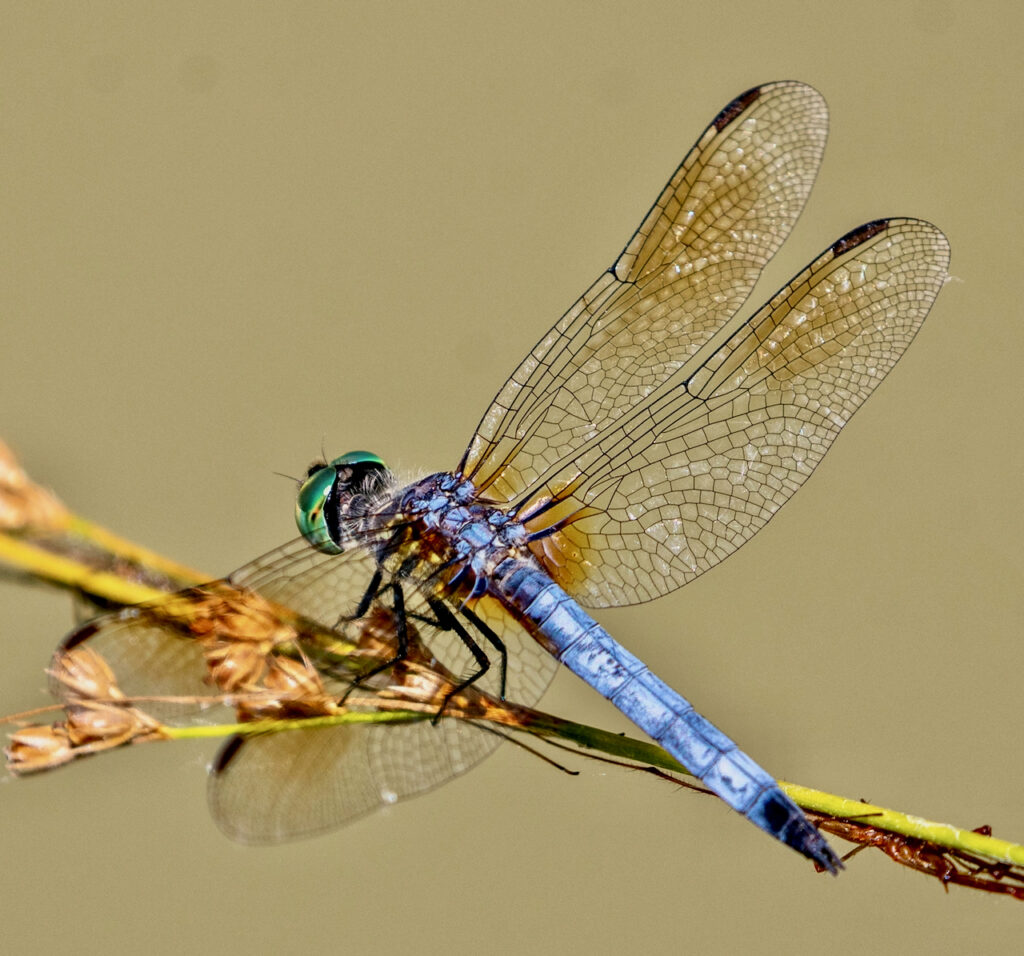
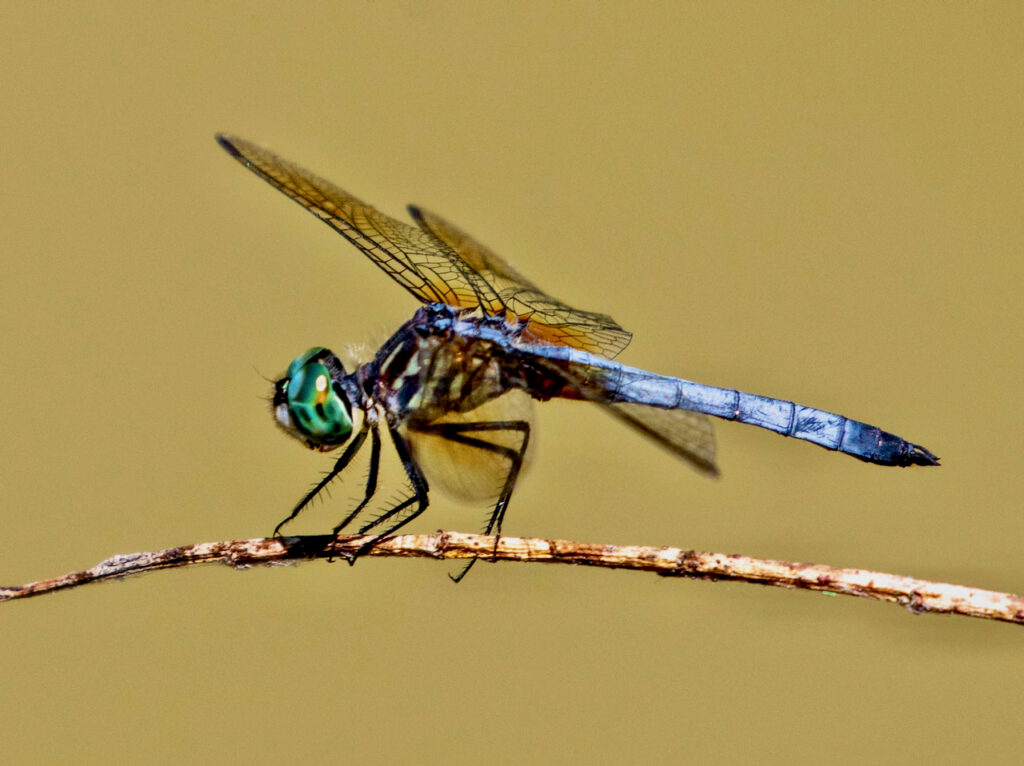
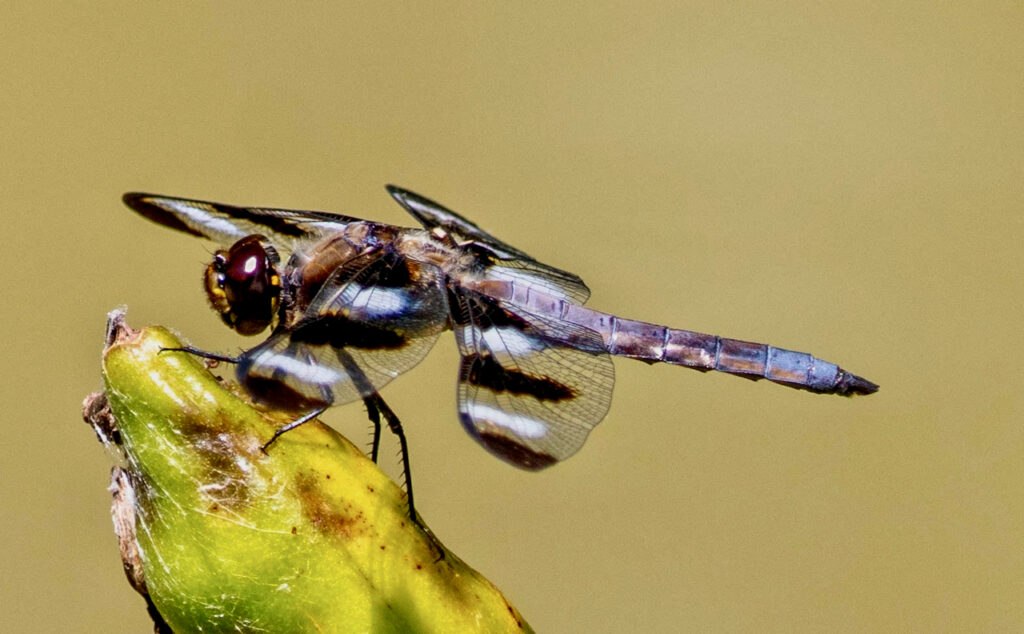
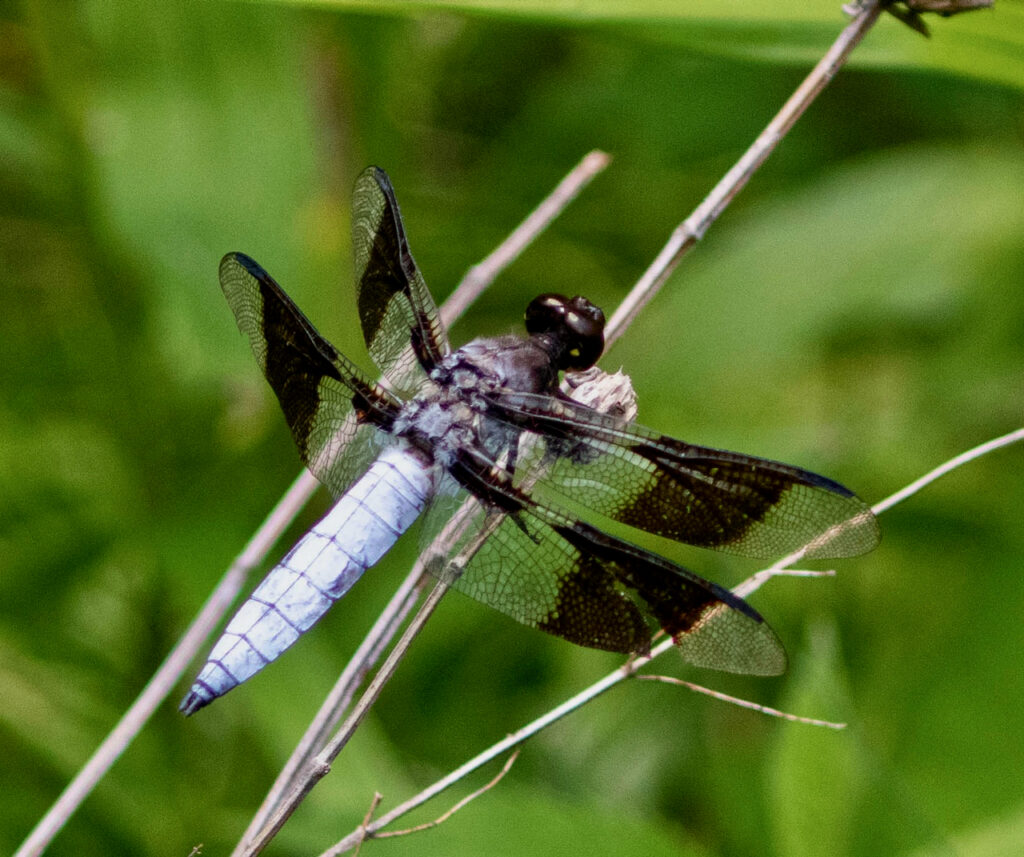
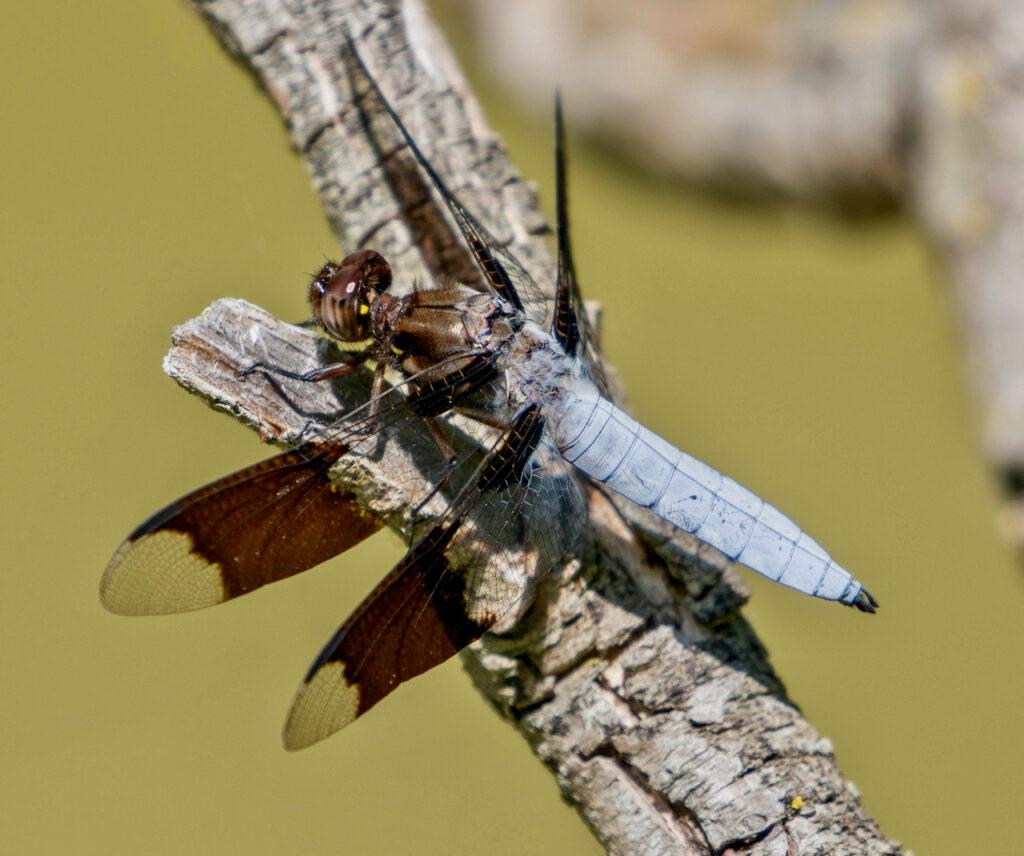
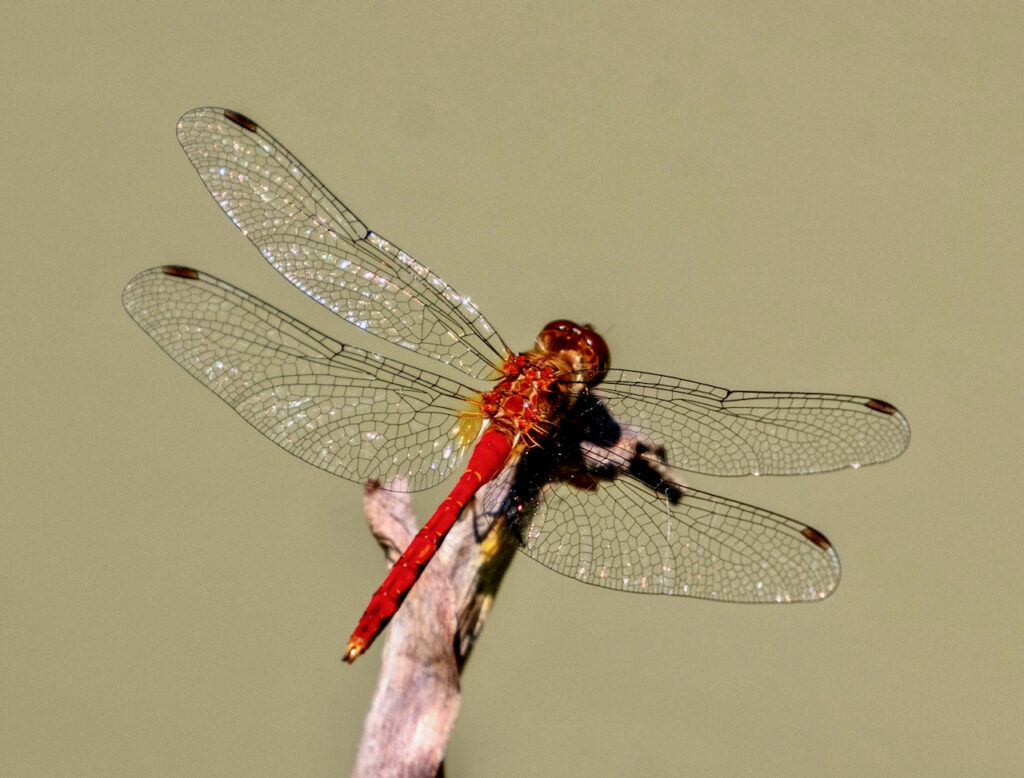
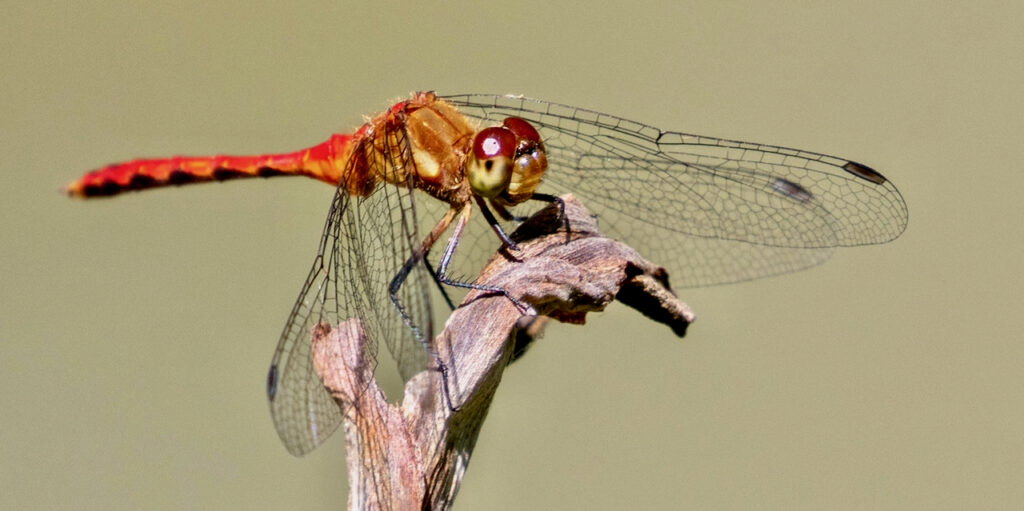
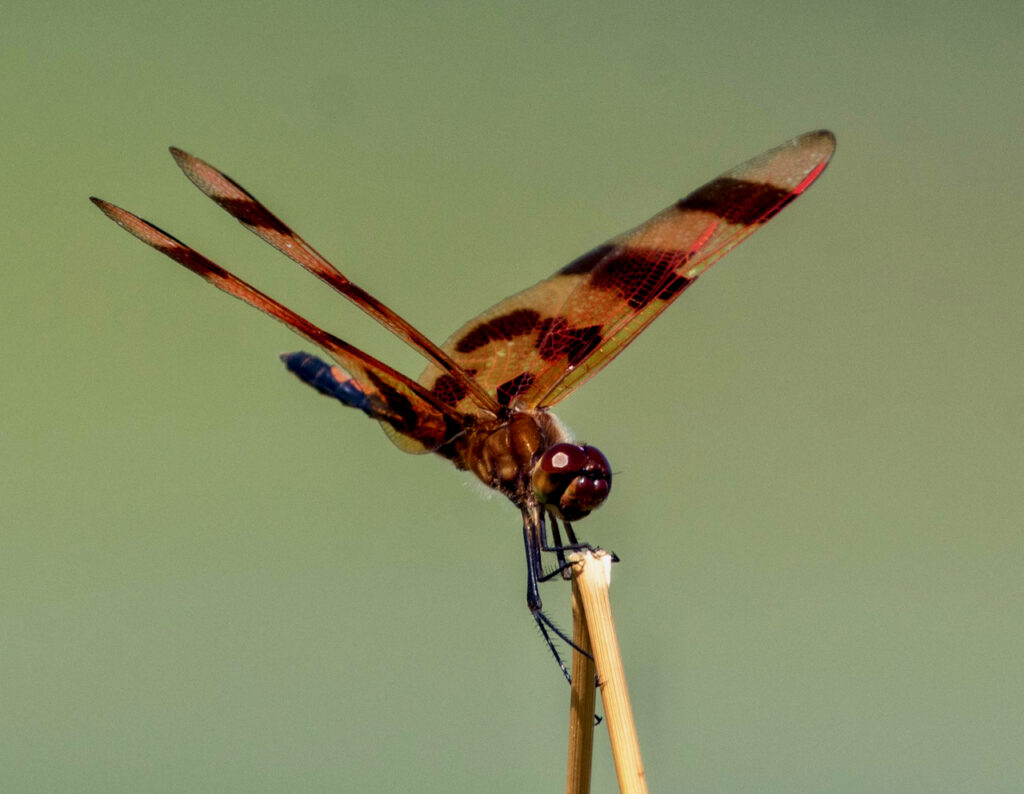
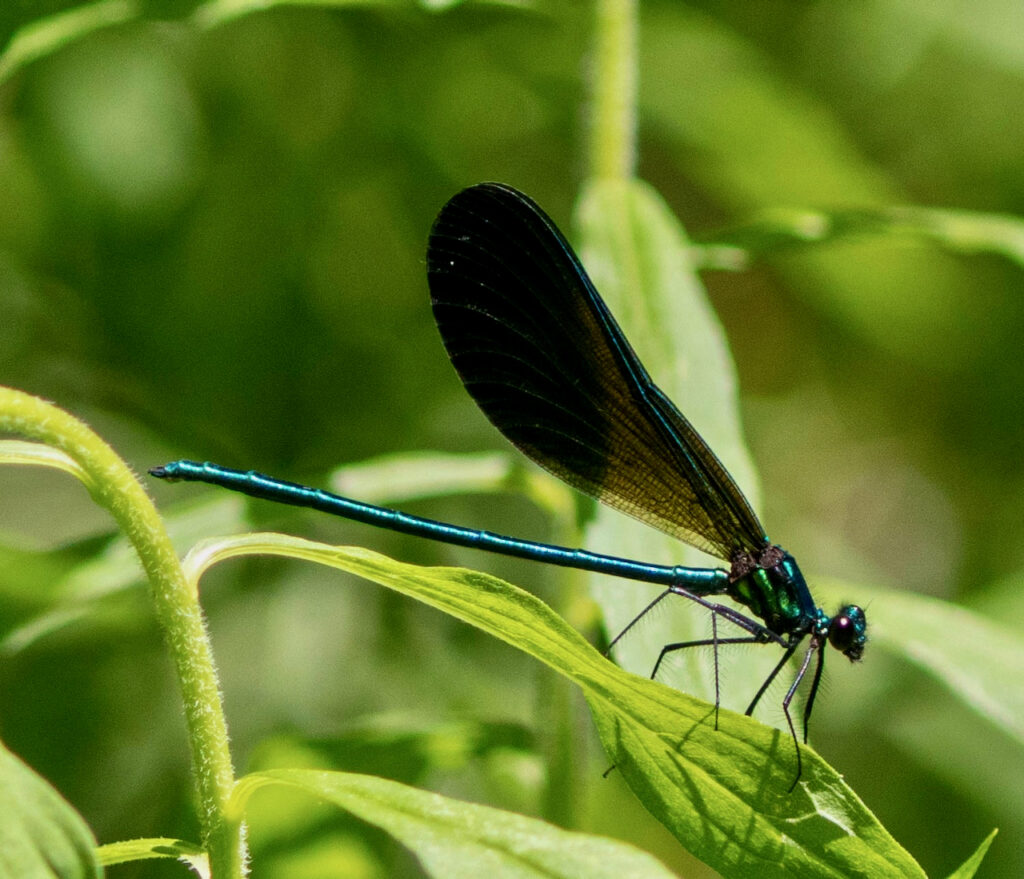
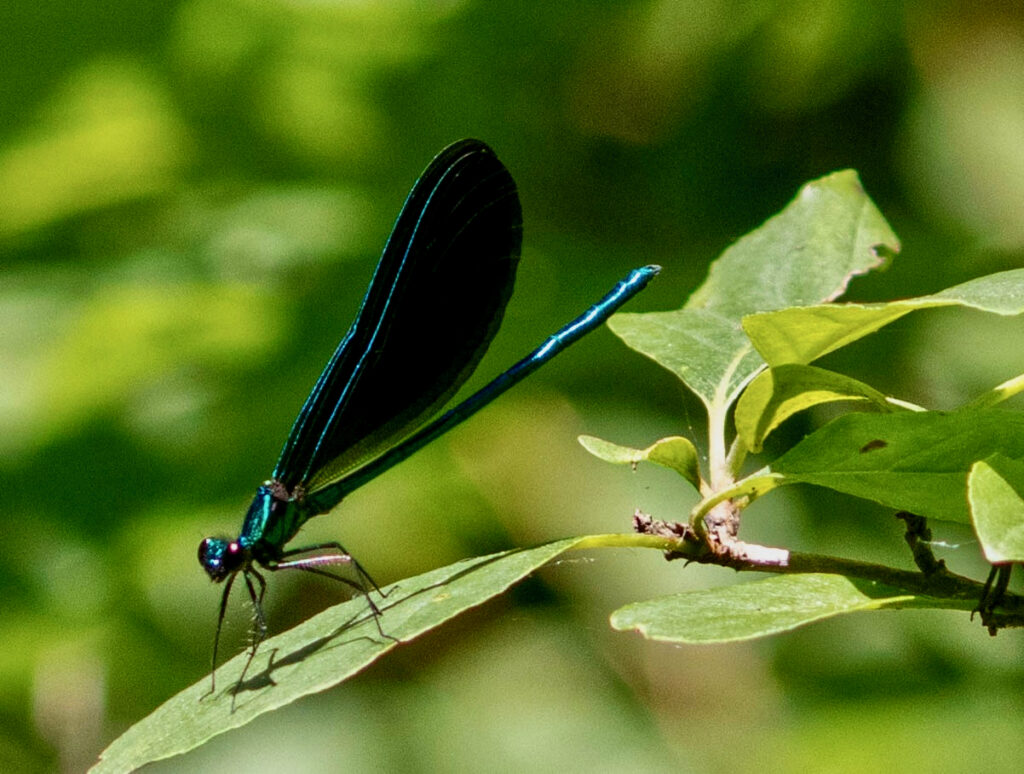
The wetland and woods provided food (mosquitoes and other insects) for a variety of dragonflies and damselflies and at least one grasshopper.
During the day, the young Osprey can been seen standing beside its mother. It can feed itself, but remains happy to have the mother’s help.
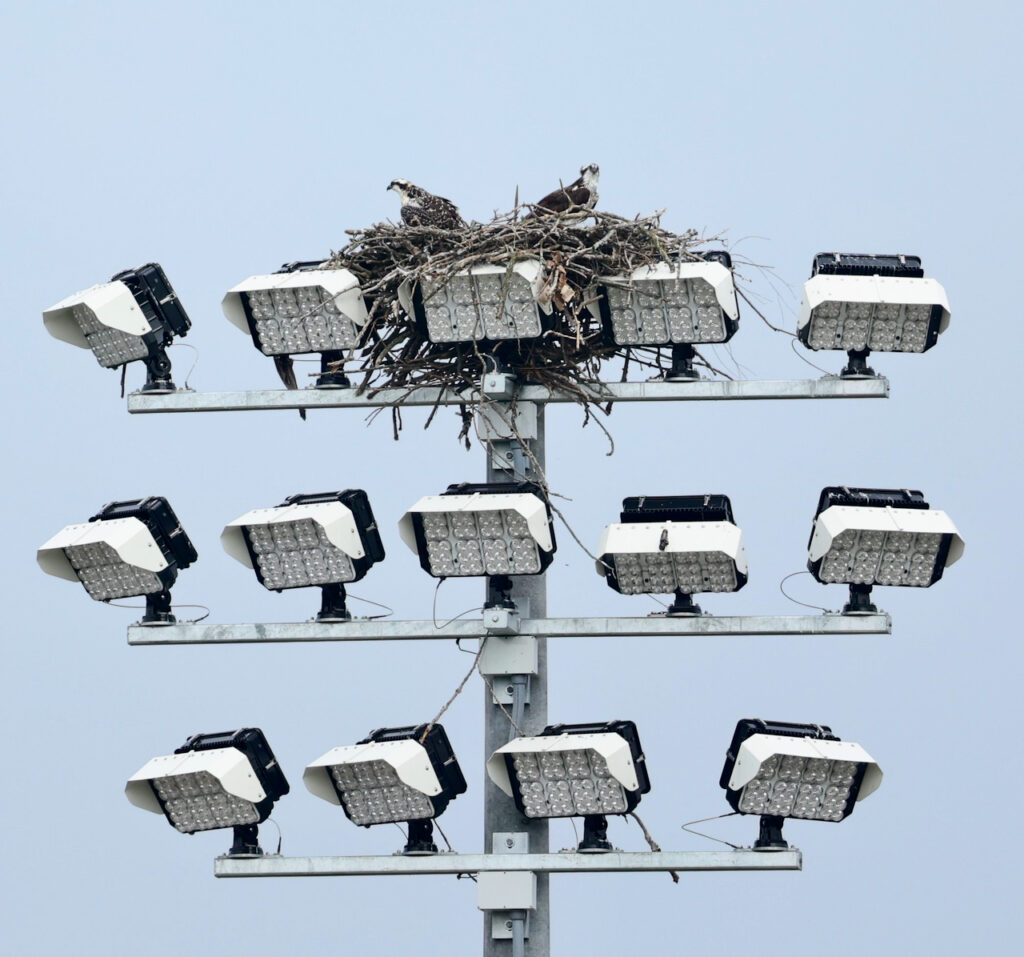
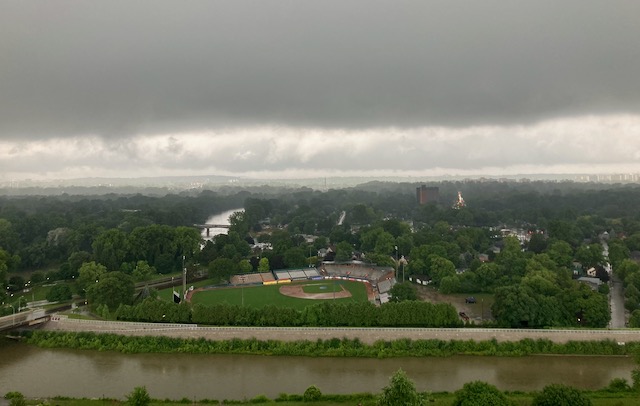
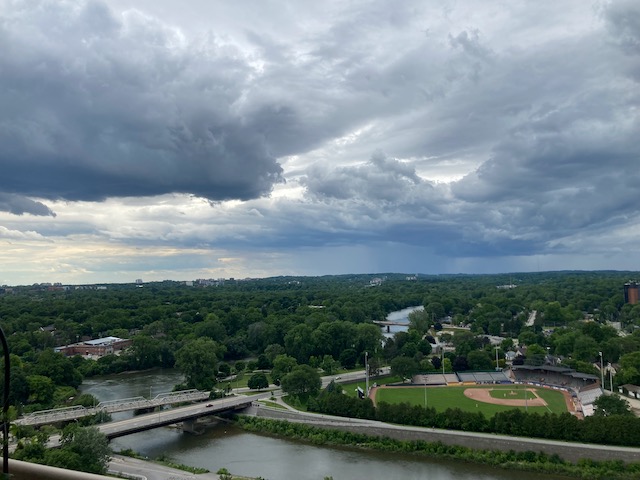
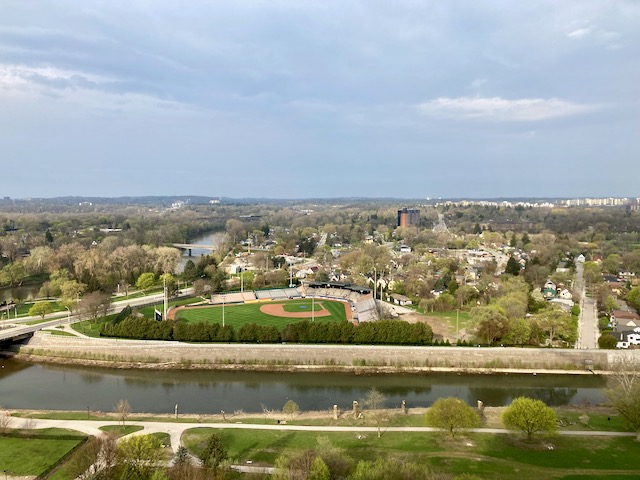
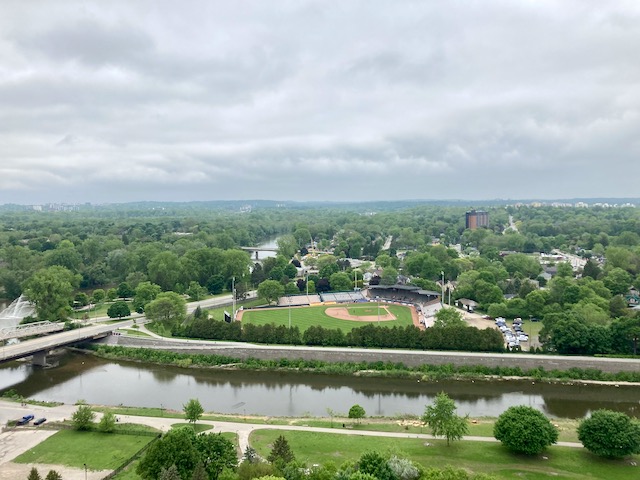
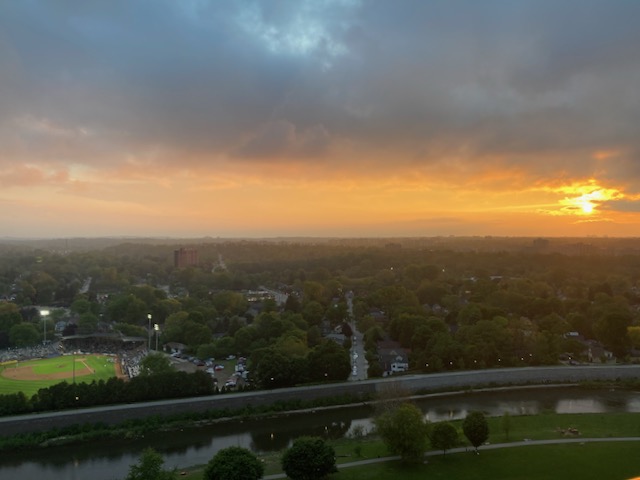
This photo was taken from behind the centre field fence at Labatt Park. It shows the nest not round, but oval to maximize contact with the lights. The speckled juvenile is on the left. It has not yet spent much time flapping to exercise its wings.
Remember Harry Nilsson?
Anne Murray’s manager begged these famous pop stars to pose with Anne Murray to add some spice to her image. She was the only one not drunk.
In the eighties, I had several Nilsson albums which I played a lot. Here are some of my favourite songs.
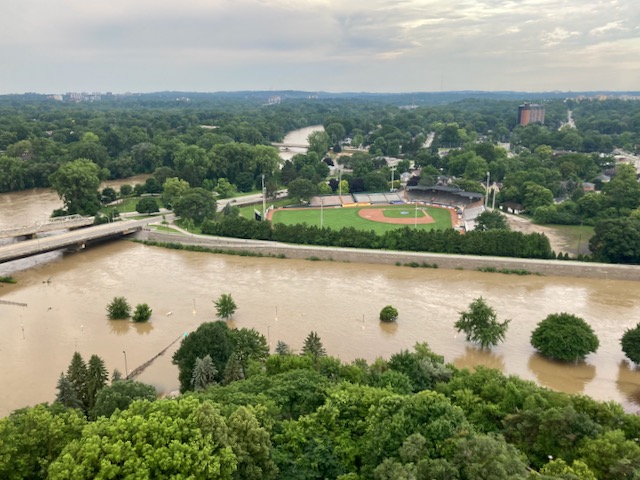
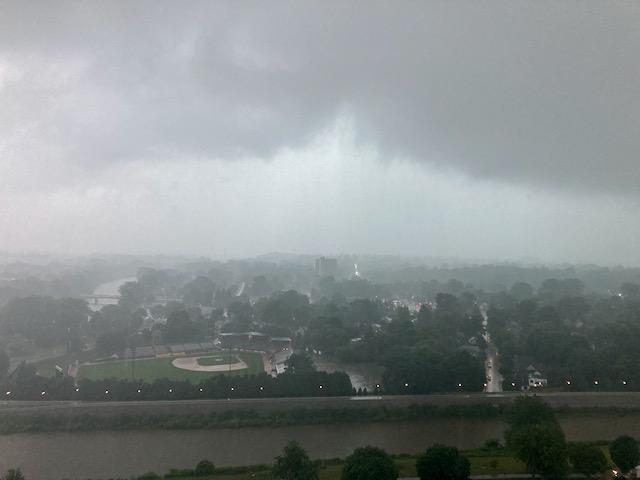
After the rain from Hurricane Beryl came much more rain. There has been widespread flooding across London and beyond. The Thames overflowed its banks.
July 15, 2024July 17, 2024
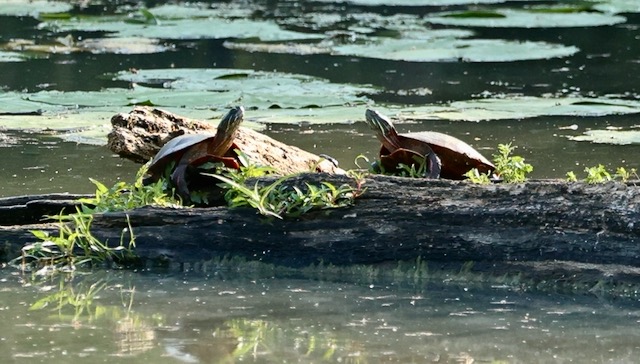
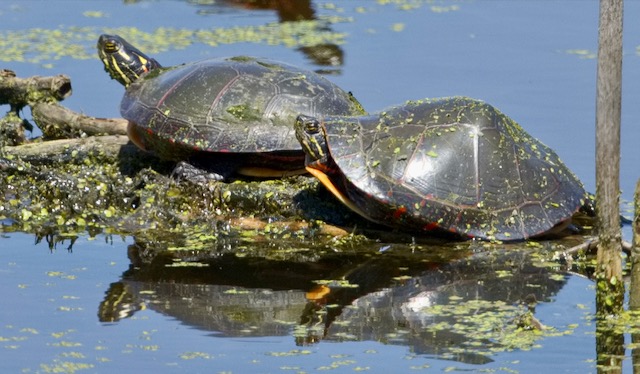
Before the river flooded, warm rocks were available for basking turtles. From left to right, the first two turtles are Northern Map turtles (so called because there are lines on the shell that resemble contour lines on a map). Map turtles are a species at risk with the status of “special concern”. The turtle in the third photo is a Red-eared Slider. These are non-native turtles that are considered invasive, likely introduced as released pets that have grown beyond a manageable size. There is concern that sliders carry diseases that can be transmitted to native turtles.
Below are Spiny Softshell turtles. These turtles are endangered due to extensive habitat loss and predation. Their range is limited to Quebec and Southwestern Ontario, mainly in the Thames and Sydenham rivers and at two sites in Lake Erie. There are local conservation efforts to protect and increase the population of these turtles. The second photo shows the size difference between the male (22 cm) and female (54 cm) softshells.
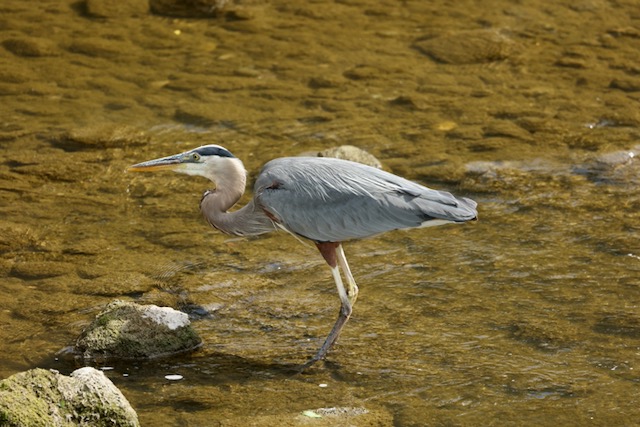
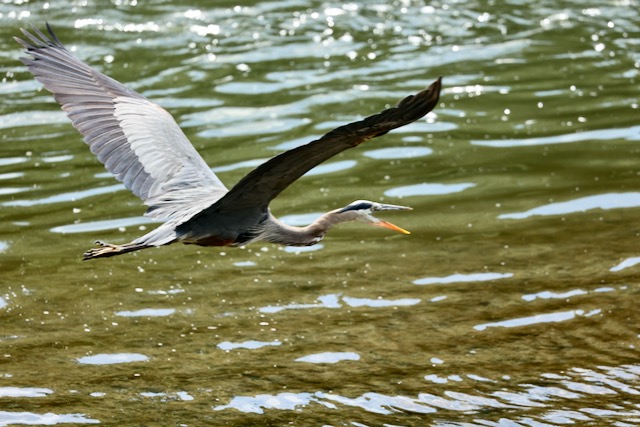
A Great Blue Heron was fishing in the shallows of the river before it took off with a loud squawk.
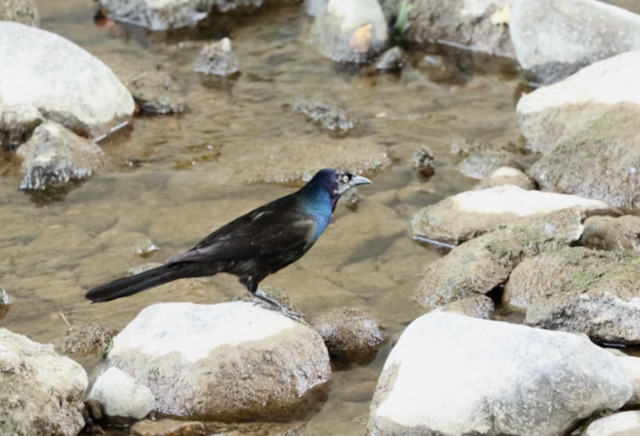
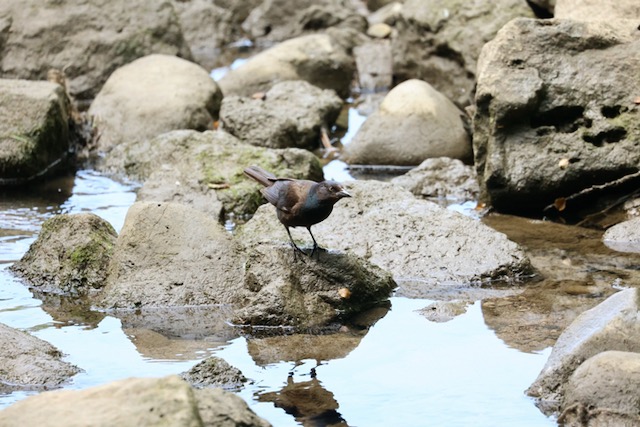
Common Grackles also foraged along the river.
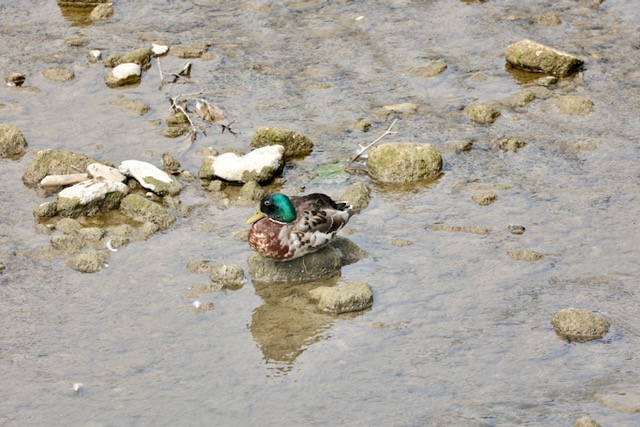
Mallard ducks, once breeding is completed, undergo a complete moult. Males shed their breeding plumage, as the one below has started to do. When they lose their flight feathers, the birds become flightless for 30 to 45 days.
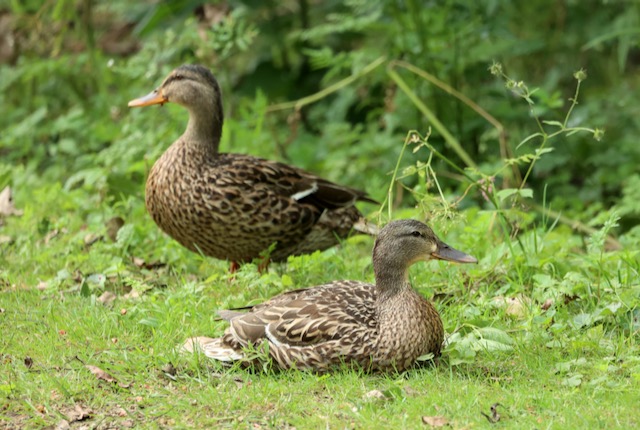
male Mallard beginning to moultfemale Mallards
Other birds and animals along the way:
Native plants can more often be found growing in neighbourhood and community gardens. These plants support insects that are essential as pollinators and are an integral part of the ecosystem.
Some native and non-native species seen in passing:
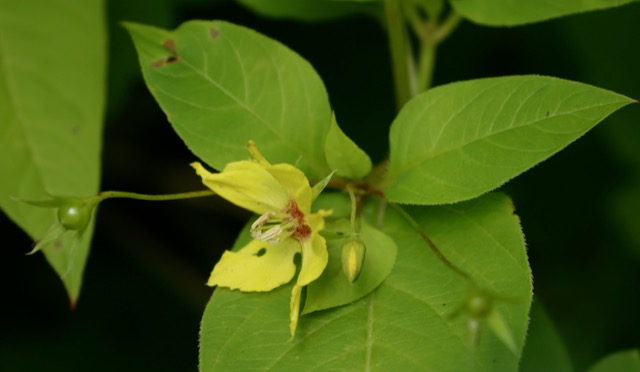
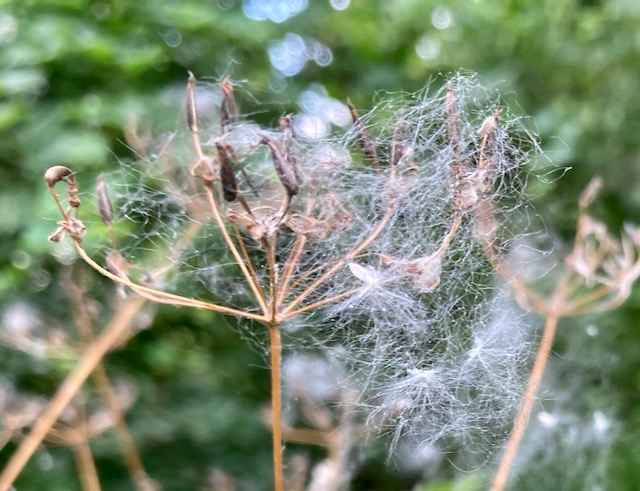
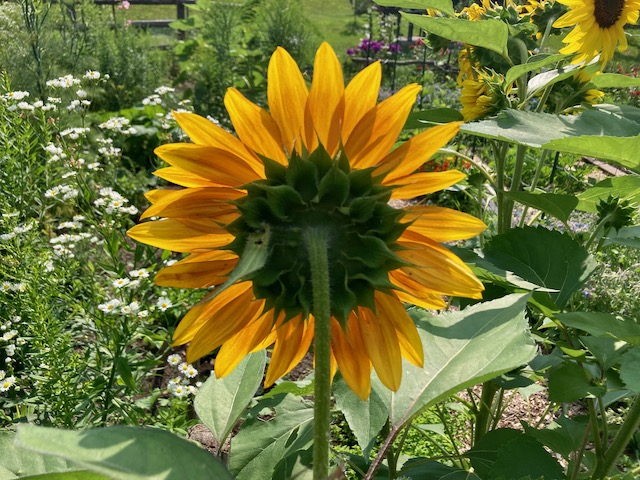
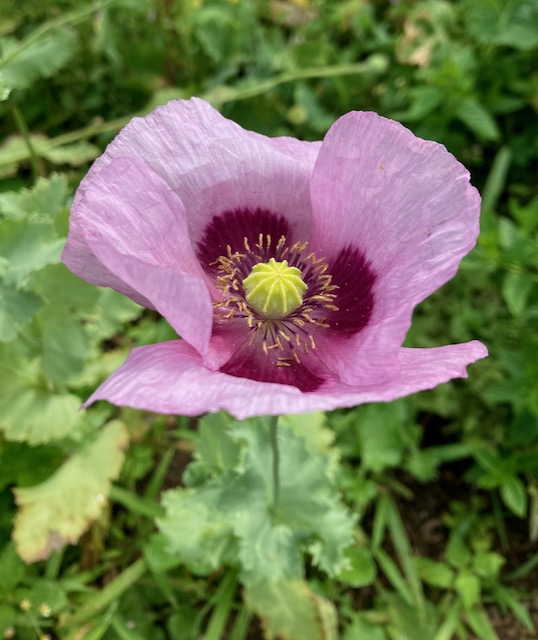
St. John’s WortFringed LoosestrifeCottonwood seeds caught on seed headSunflowerPoppyFringed Loosestrife
The latest from Wandering Bee
Osprey Update
In the past week, the young Osprey has been flapping its wings but not getting any lift yet. The male has been able to provide enough fish while the female remains on or close to the nest.
Let’s try secular music that makes us feel good! These songs have been recorded so many times, I hard a hard time choosing my favourite versions. When available, I prefer live or live-in-studio versions.
I would love to hear your suggestions for songs that lift your spirits.
Today, July 10, we are sheltering from the rain in the aftermath of Hurricane Beryl. Much rain, but little or no wind. We are fortunate.
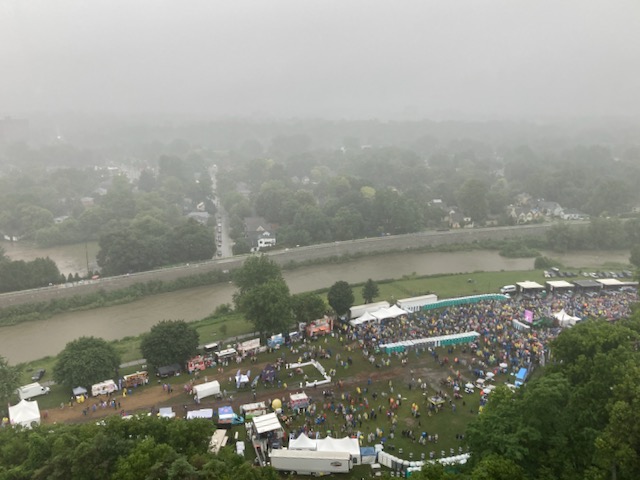
Despite the downpour, fans of Nickelback stood for hours in the mud to hear them play at the music festival in the park (aka “Rock the Park” – not to mention the whole neighbourhood:-=)).
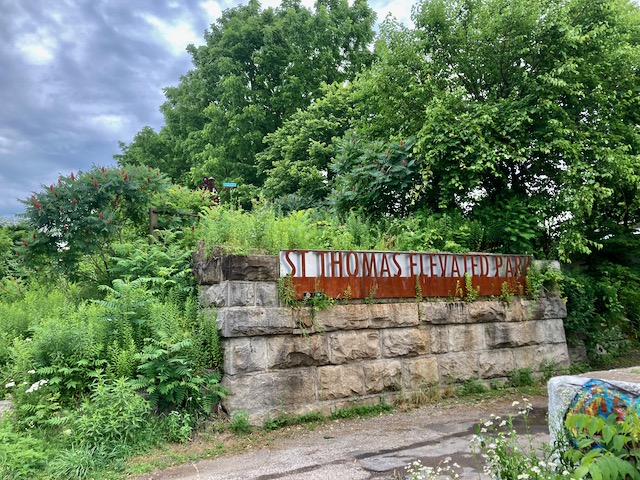
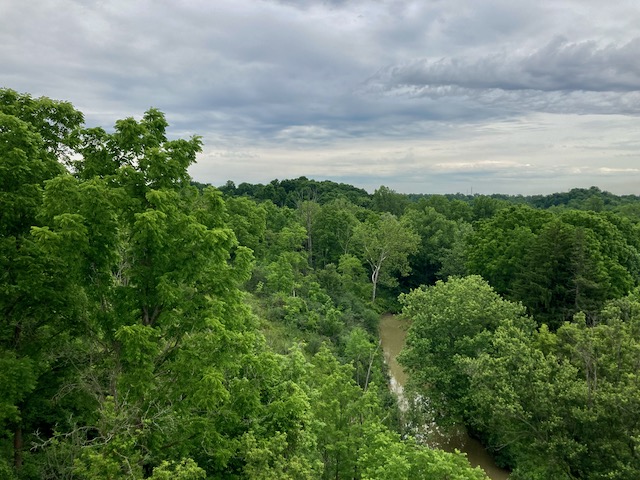
On June 26, the skies were overcast, but the rain held off until our walk was finished. St. Thomas Elevated Park is Canada’s first and only elevated park. It is located on an abandoned railway bridge about 30 metres above the Kettle Creek Valley. The park is remarkable in that it was built entirely through community donations and is maintained by volunteers without government funding.
The approach to the bridge and the path beyond overflow with wildflowers.
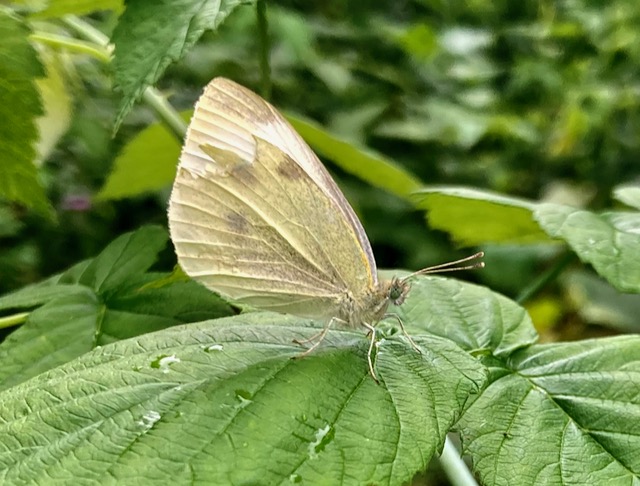
A variety of pollinators took advantage of the blooms.
Transverse-banded Flower FlyBrown-belted Bumble BeeVirginia Ctenucha mothCabbage White Cabbage White butterfly
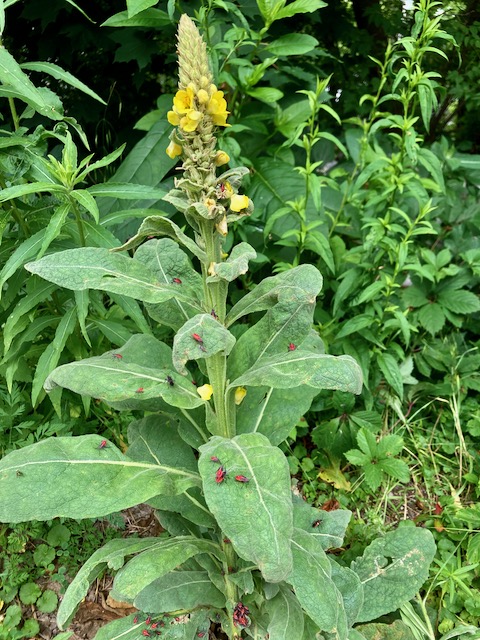
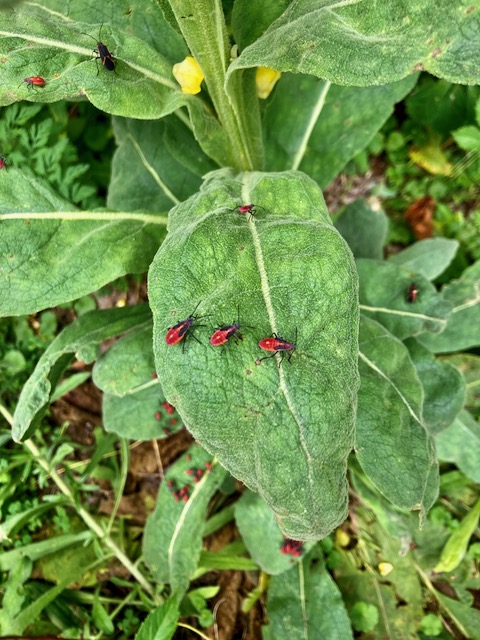
Eastern Boxelder bugs can be prolific, but are harmless, even if they make their way indoors. Apparently it is best not to squash them as they produce a very unpleasant smell. Here they are on Great Mullein
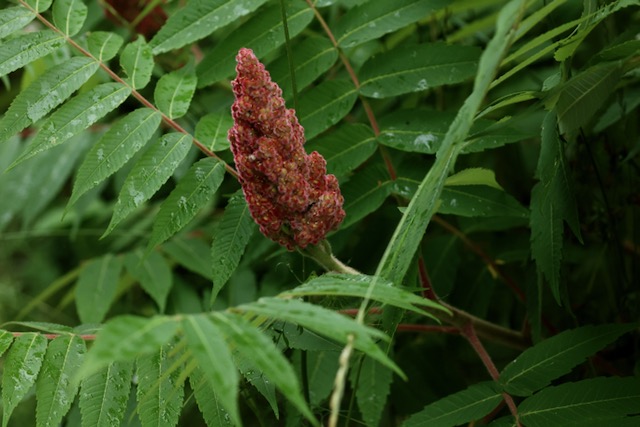
Fruit was ripening on trees and bushes.
Osage OrangeStaghorn Sumac
Birds were scarce when we were at the park. We’re pretty sure none were nesting here.
Flowers from Wandering Bee
Osprey Update
The air was clear on the morning of June 5. Here you can see the yellow eyes of the adult Ospreys in comparison to the reddish-orange eyes of the youngster. After waiting for over two hours, breakfast was served.
Music Videos about Birds
I really like all of these versions of these songs. But you may prefer to skip over some of them.
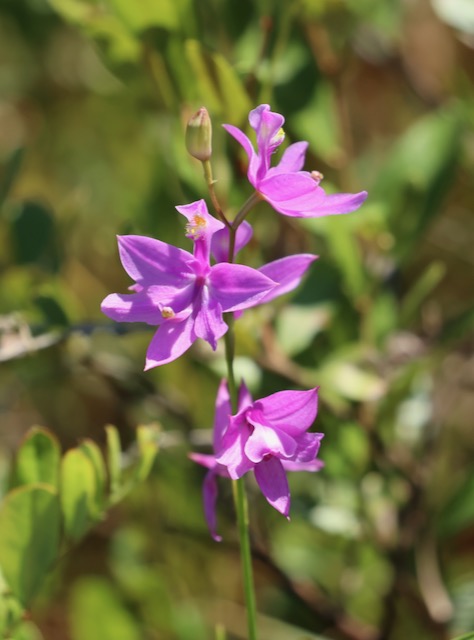
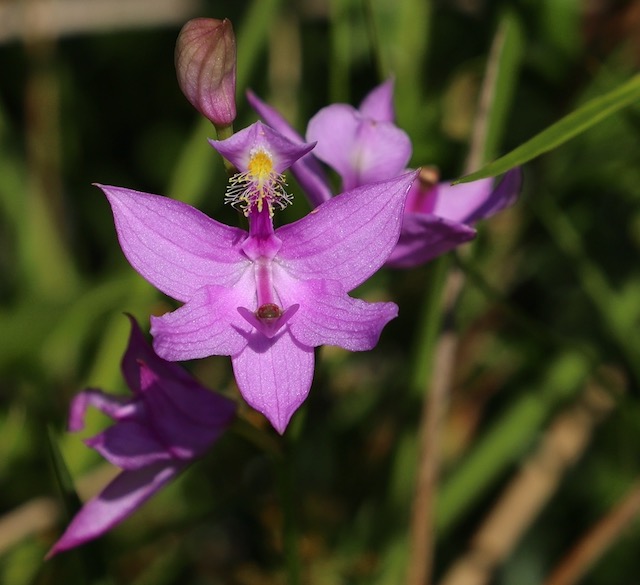
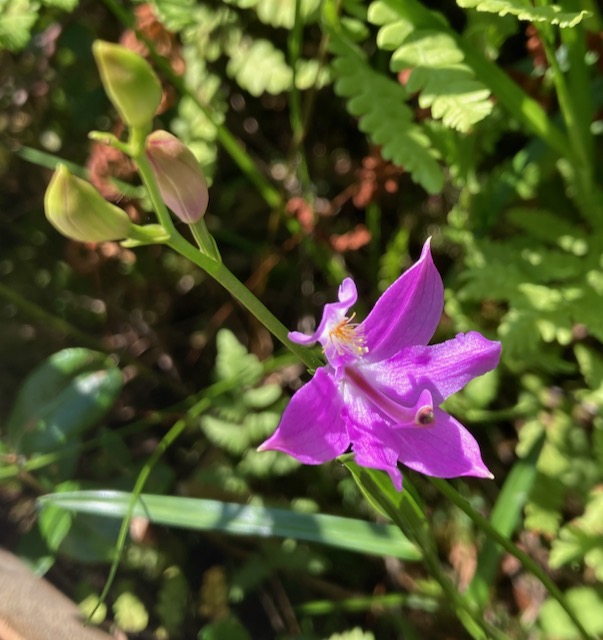
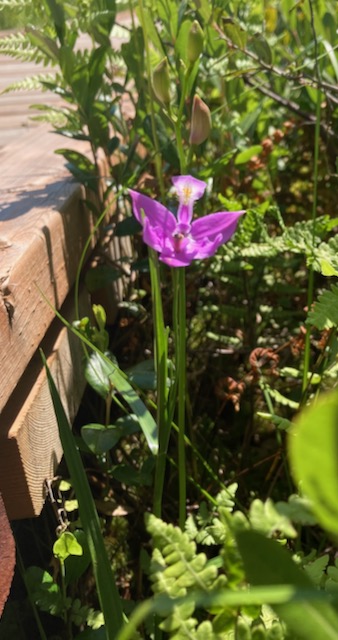
Very small orchids are in bloom. We both took lots of photos!
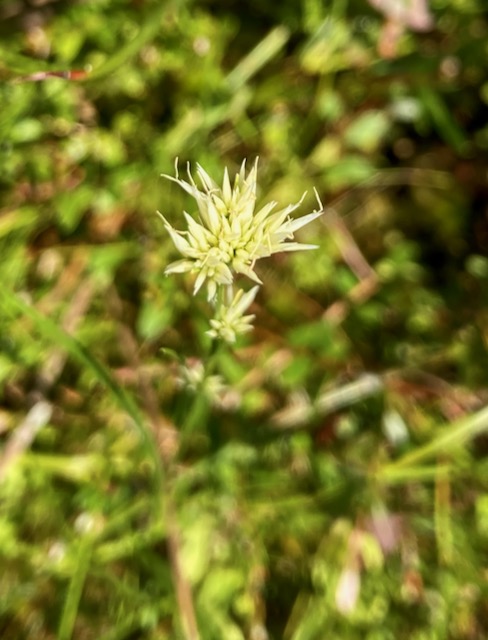
Tuberous Grasspink
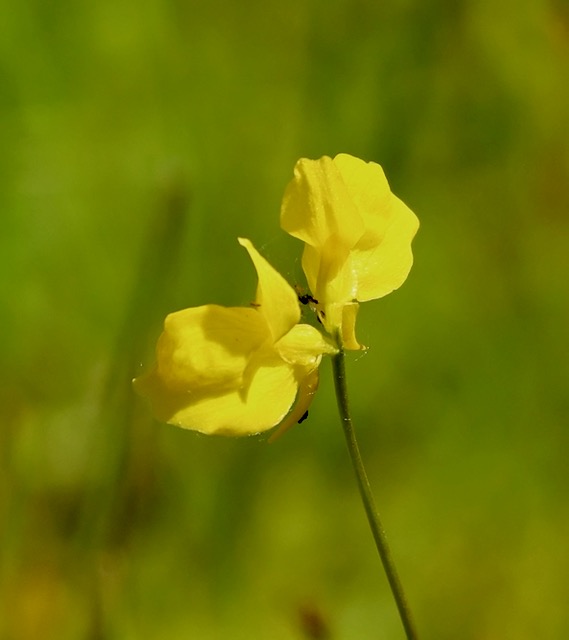
Another orchid, Rose Pogonia, was blooming as was Horned Bladderwort (a carnivorous plant).
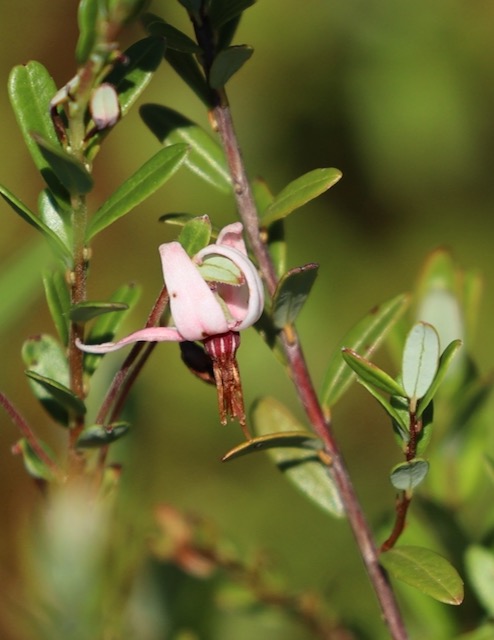
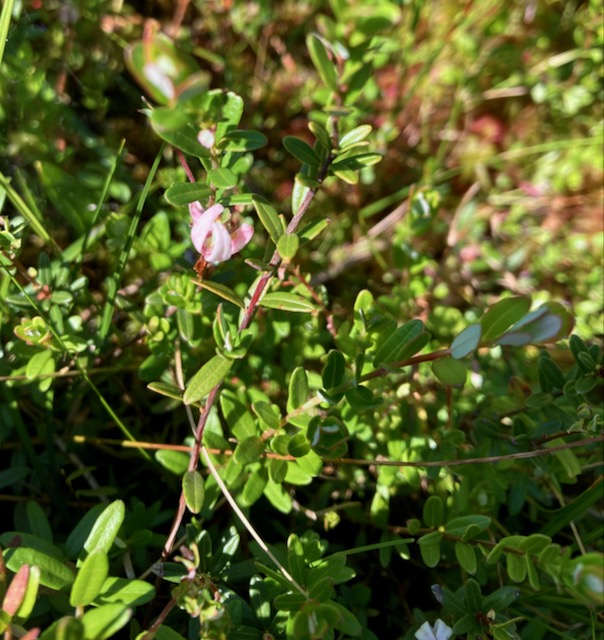
We especially wanted see the tiny, inconspicuous blossoms of the cranberry bushes. The shape of these flowers resembles a crane and is the source of the name cranberry.
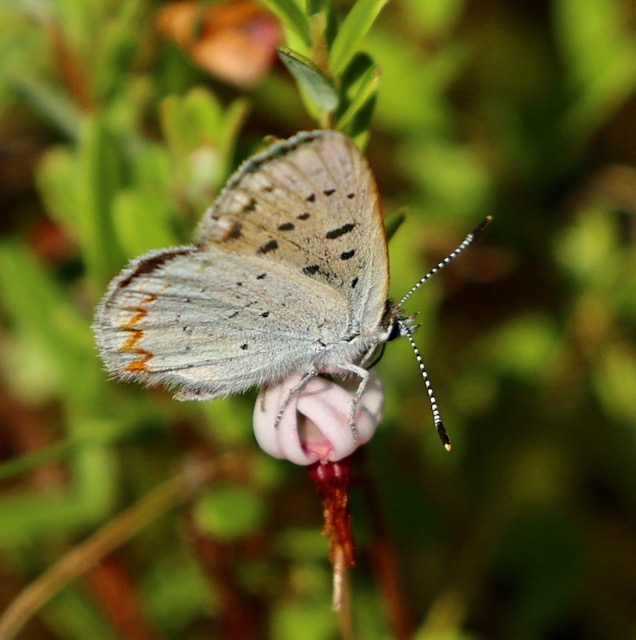
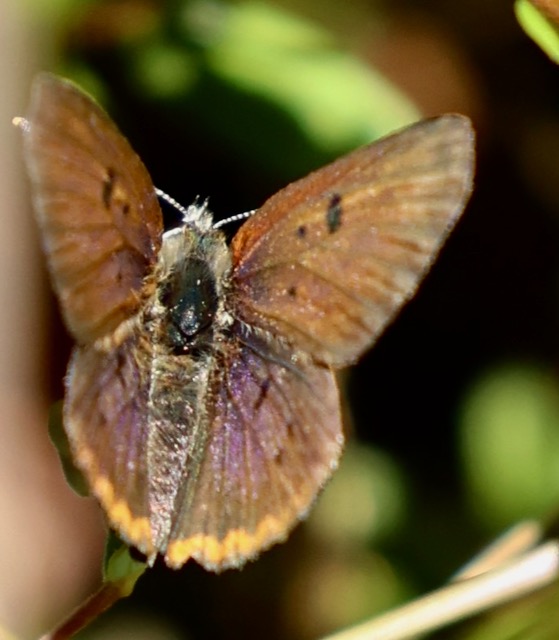
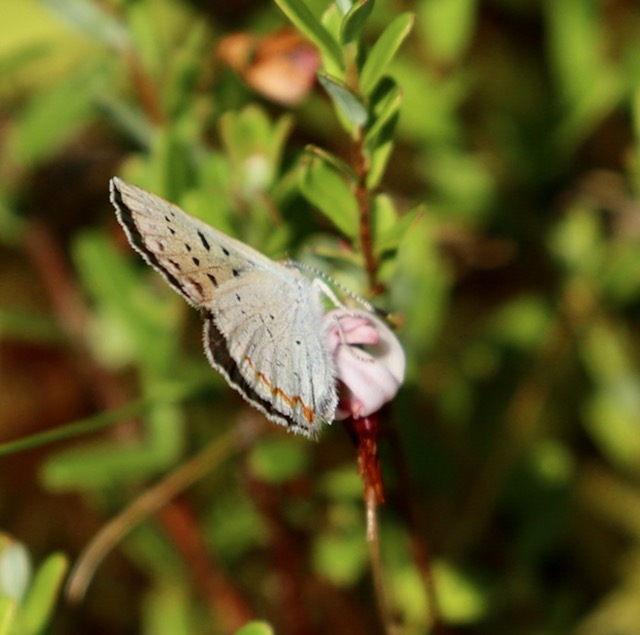
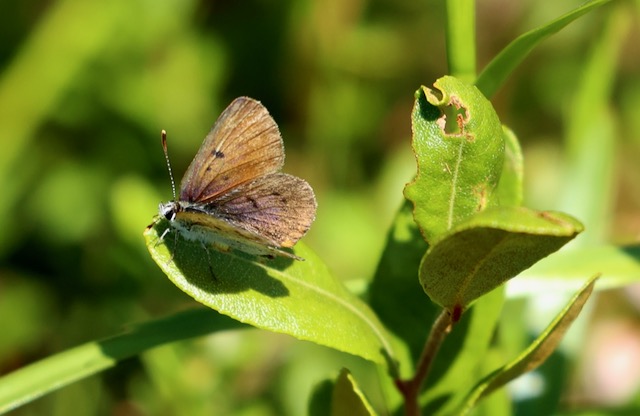
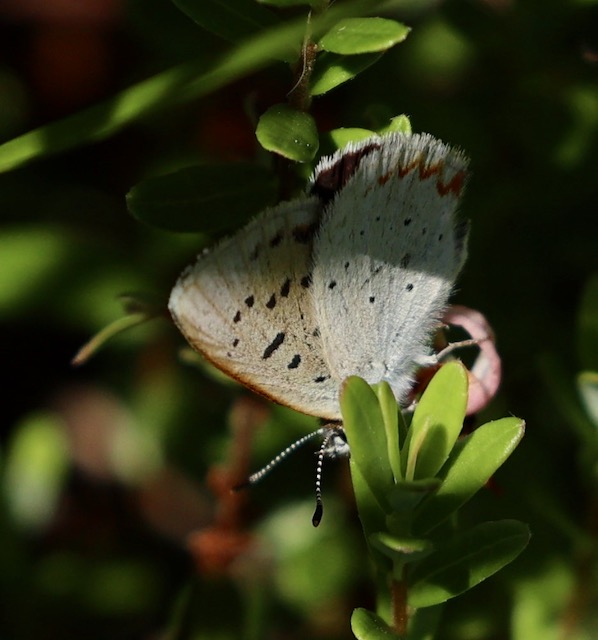
Cranberries are the host plant for the Bog Copper butterfly that is found only in wet, boggy habits. Bog Coppers are said to be poor fliers that stay close to the ground and feed almost exclusively on cranberry blossoms. Eggs that are laid on the underside of the tiny cranberry leaves by adult females survive the winter, even if frozen or fully submerged. Larvae develop within the egg and feed on cranberry shoots and leaves when they hatch in the spring. In our area, adults emerge from pupae from mid-June to mid-July. The life cycle continues with only one generation each year. Interesting fact: Bog Coppers spend more than three-quarters of their lives as eggs.
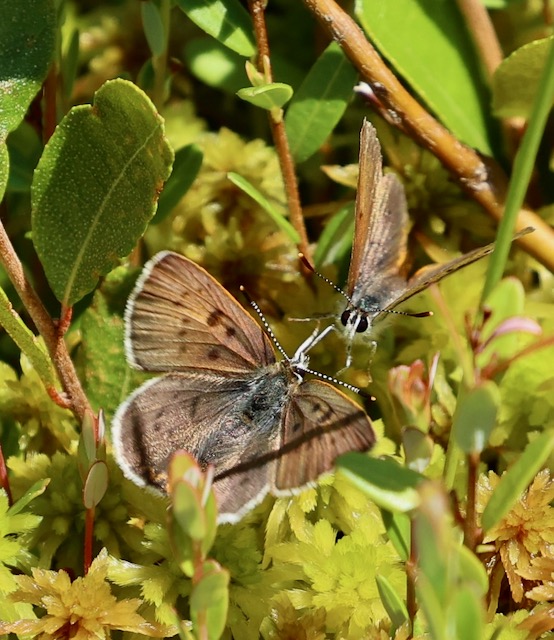
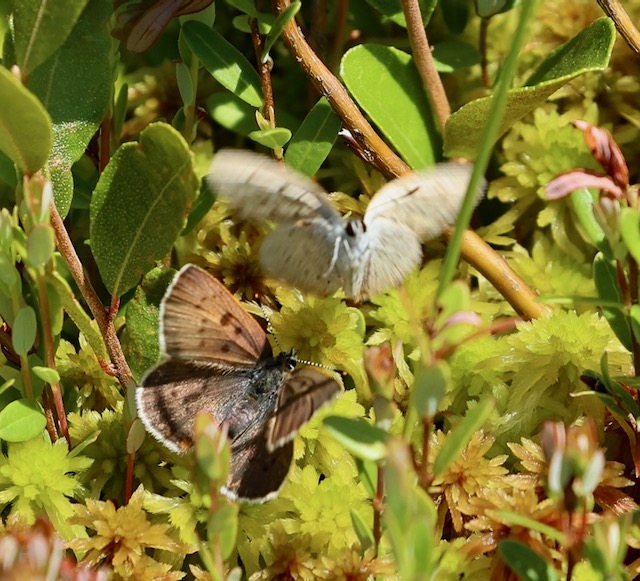
The wings of male Bog Copper butterflies have a purplish sheen and a large black dot in the middle of each wing on the upperside.
We were fortunate to find Bog Coppers in flight, visiting cranberry blossoms and consorting with one another.
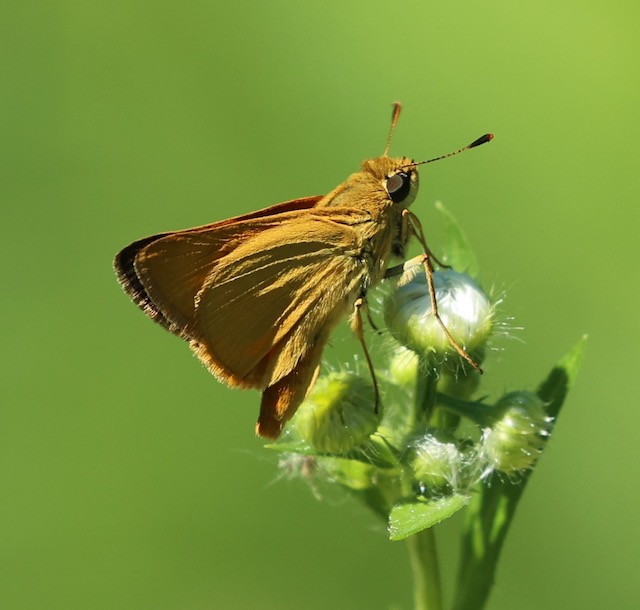
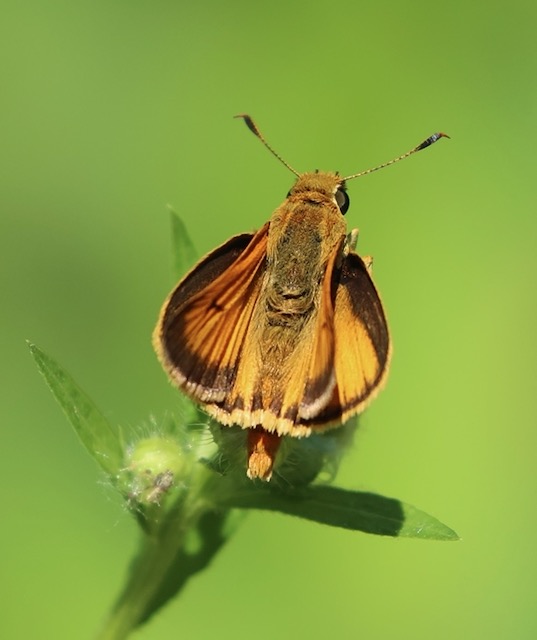
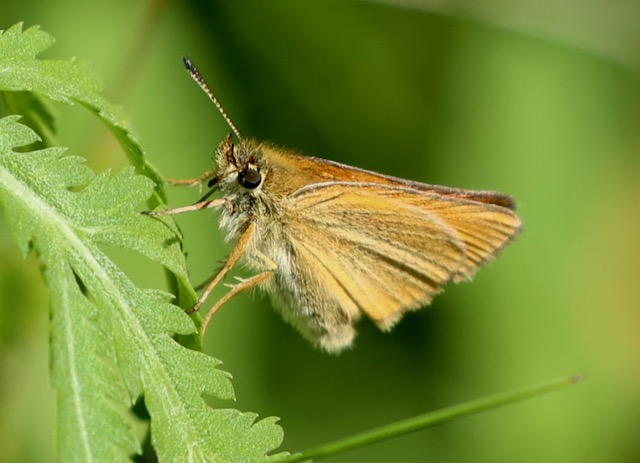
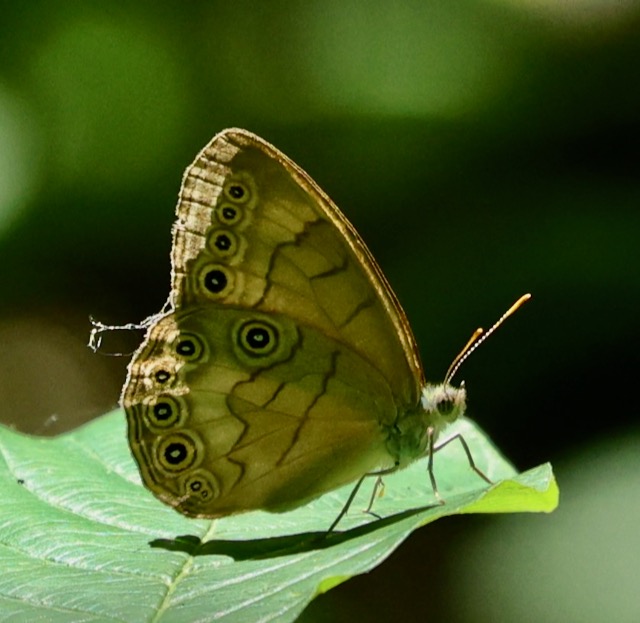
Other butterflies were in flight in the bog as well.
Delaware Skipper:
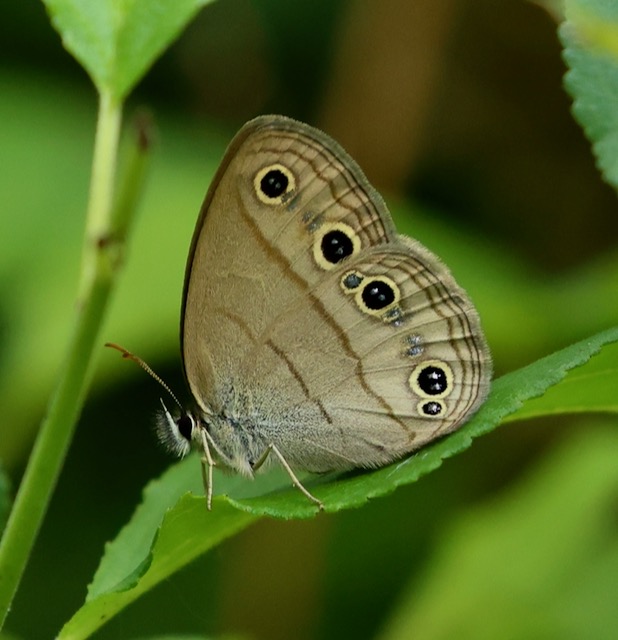
Appalachian Brown, also known as Appalachian Eyed Brown
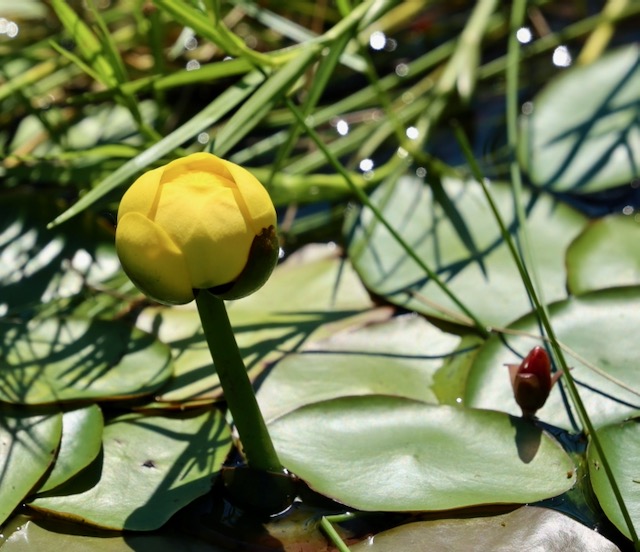
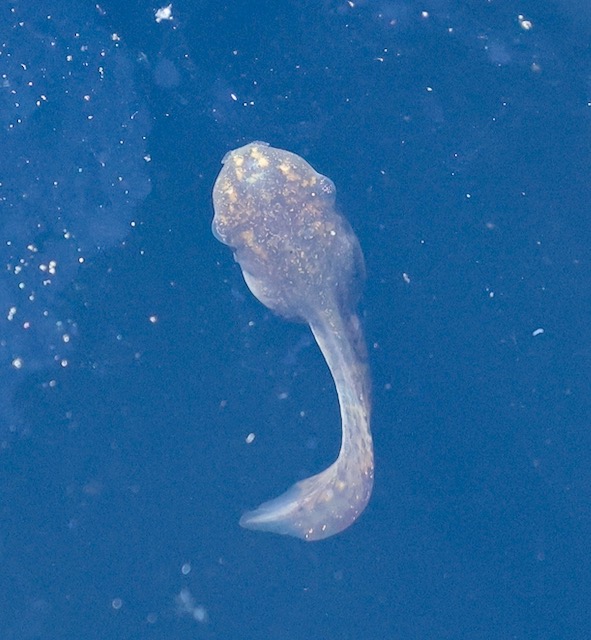
On the water, some species of yellow pond-lilies and Watershield were in bloom. American Bullfrog tadpoles were swimming below the surface.
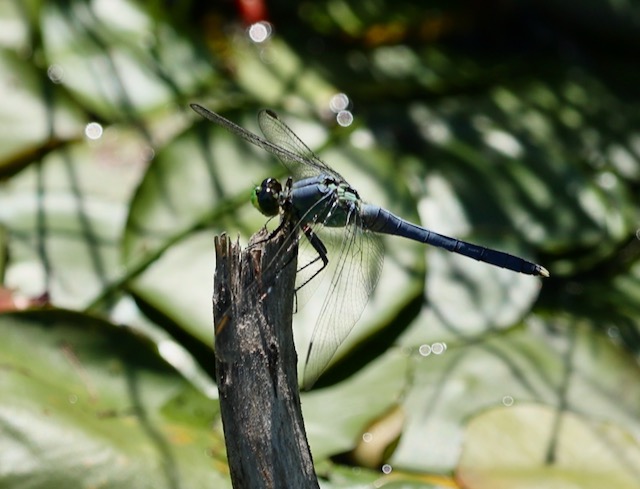
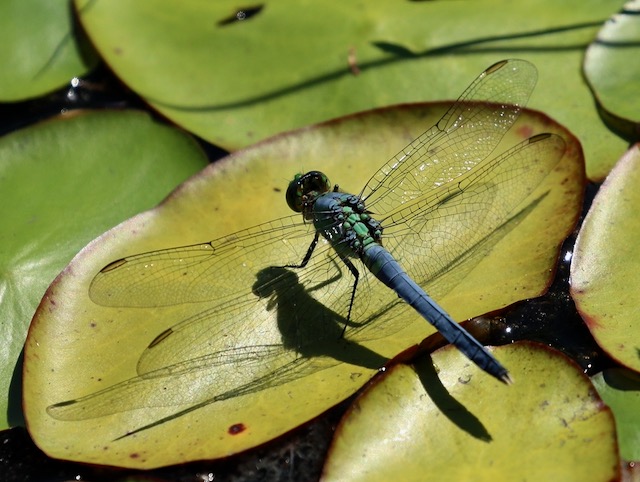
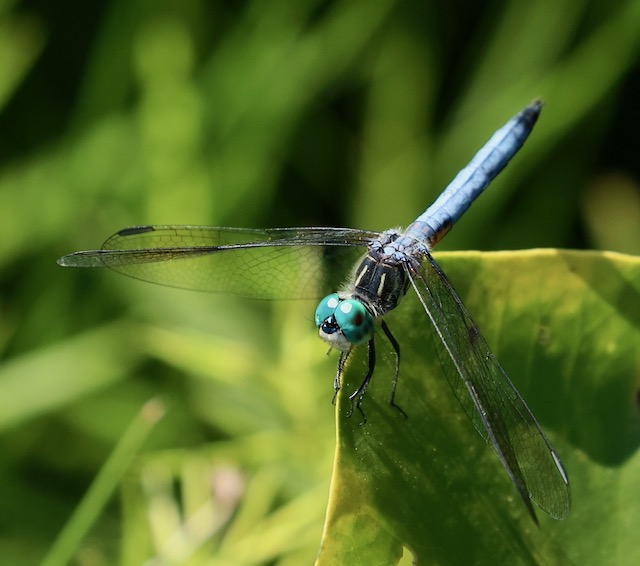
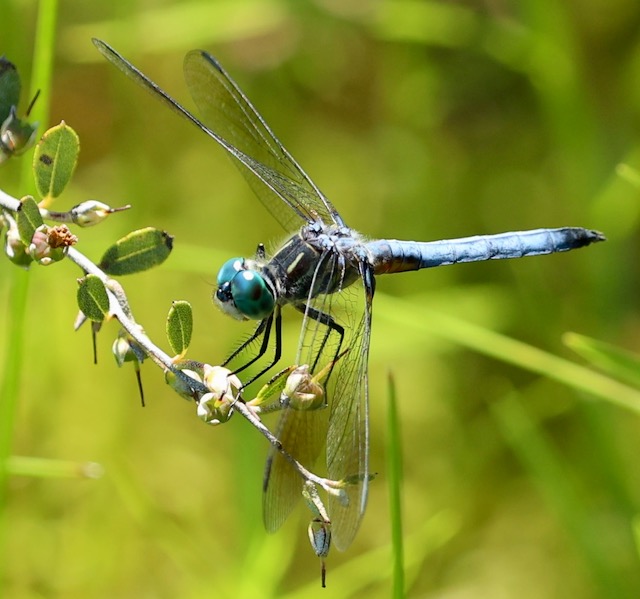
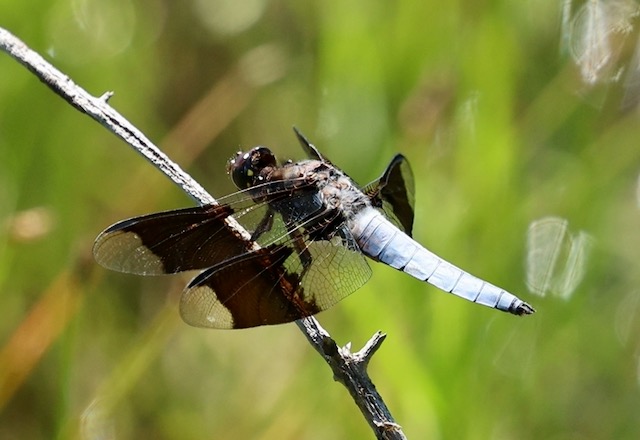
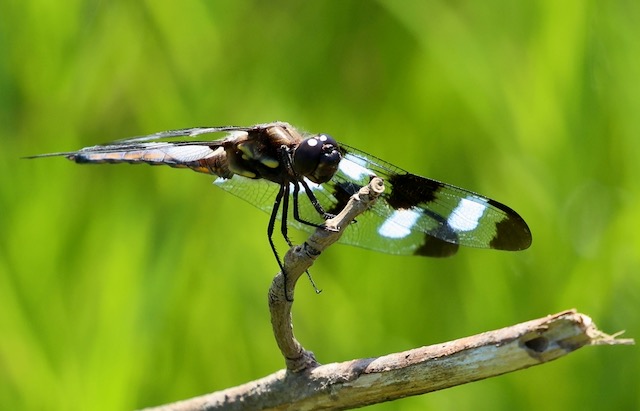
Several species of dragonflies hovered and landed on the pond’s vegetation.
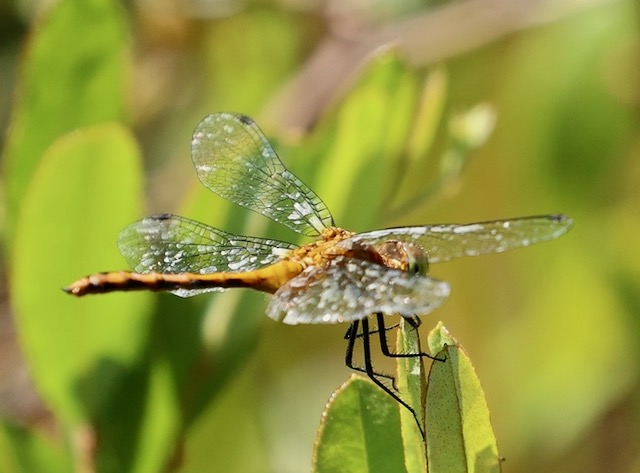
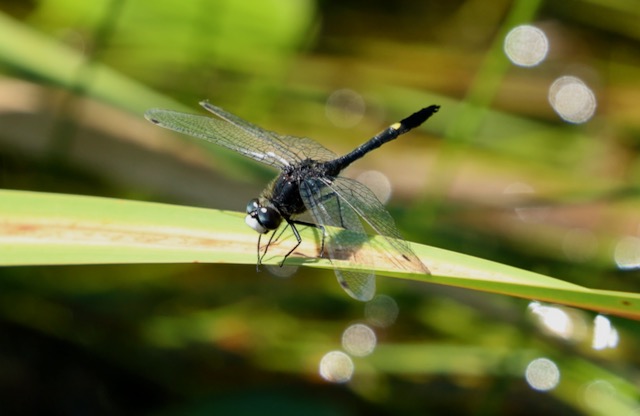
Blue DasherBlue DasherCommon WhitetailTwelve-spotted SkimmerWhite-faced MeadowhawkDot-tailed Whiteface
Osprey Update
The Osprey chick continues to thrive. Its back is now speckled without the white racing stripe down the middle. It is more often visible in the nest as it moves around.
Here is the latest video of Osprey family life. We laughed until we cried watching the male Osprey trying to work on home improvements. It was interesting to see that the chick seemed to be trying to help with the renovations.
Top 100 Bird Photos from the 2024 Audubon Photography Awards
There is much enjoyment to be had in these outstanding photos and the descriptions of how they were taken.
The area around Holiday Beach Conservation Area at the western end of Lake Erie is a birding hotspot, especially during the fall migration. We spent two sweltering days nearby in comfortable (air conditioned!) accommodations when the daytime temperature was well above 30C. We managed the excessive heat and humidity by going out first thing in the morning and later in the day. A breeze off the lake sometimes helped to make it more bearable.
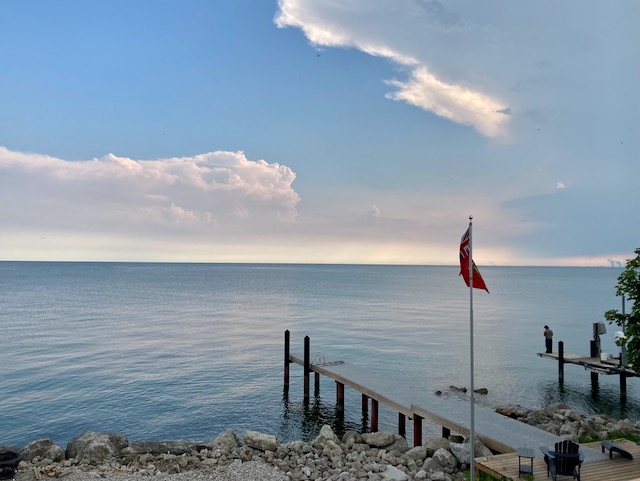
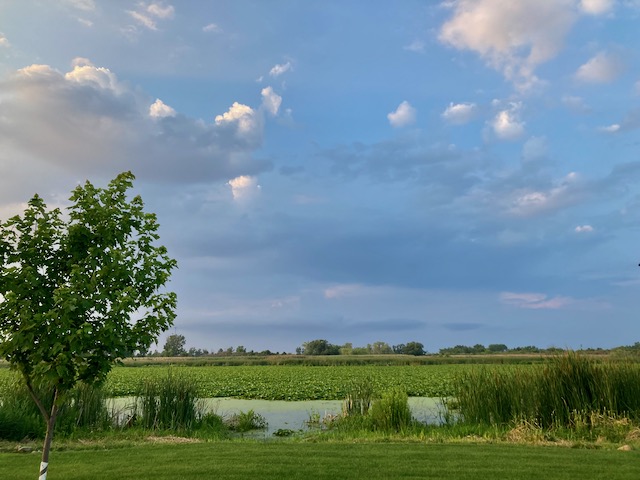
We stayed on a narrow spit of land with Lake Erie on one side and a sizeable marsh on the other.
Even in summer, the area was alive with birdlife. In our short time there, we tallied 33 species of birds.
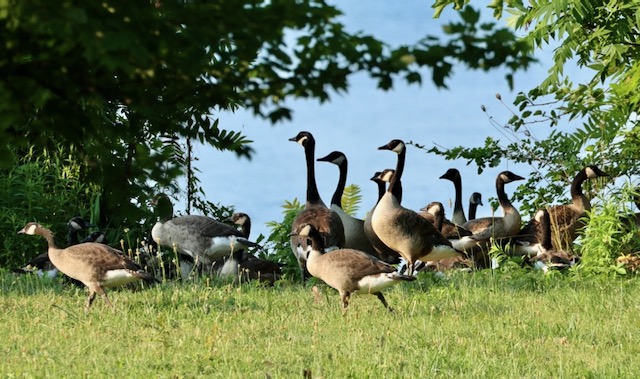
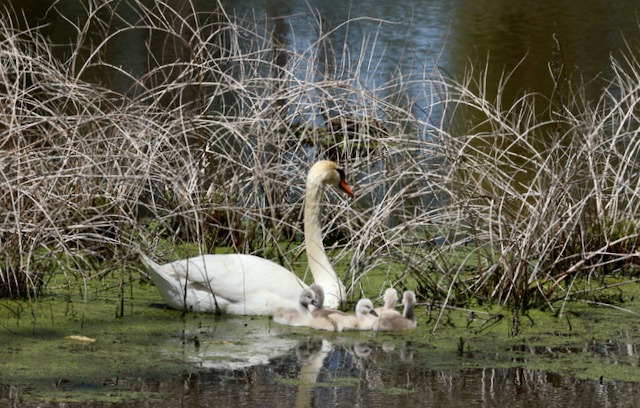
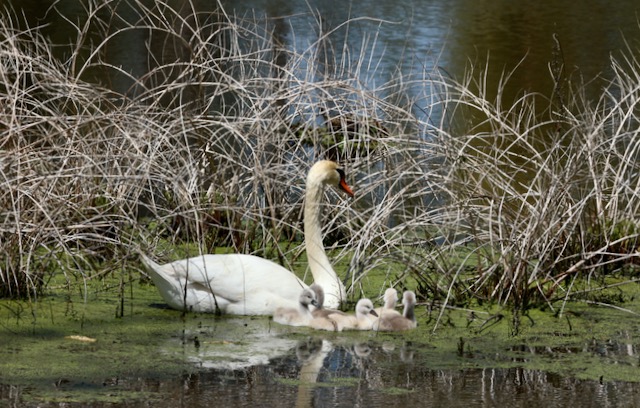
Of course, Canada Geese were ever present. There were Mute Swans nesting in the marsh.
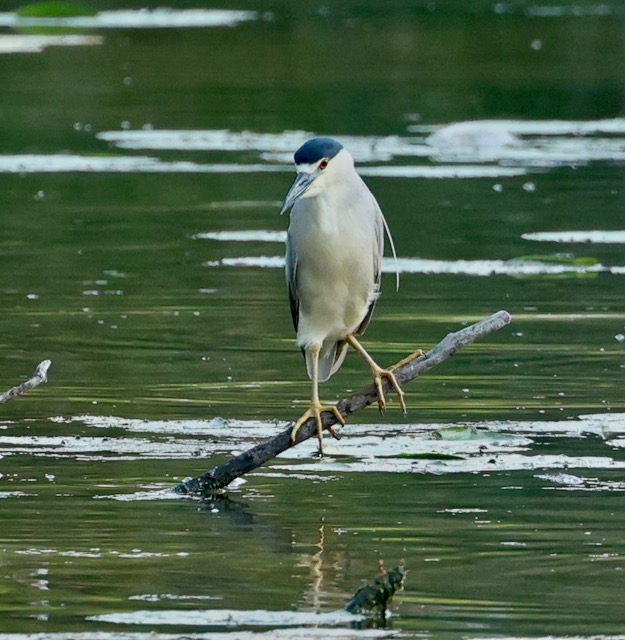
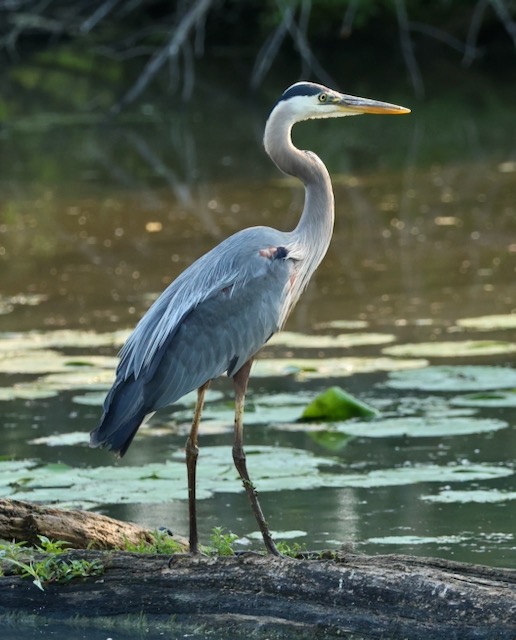
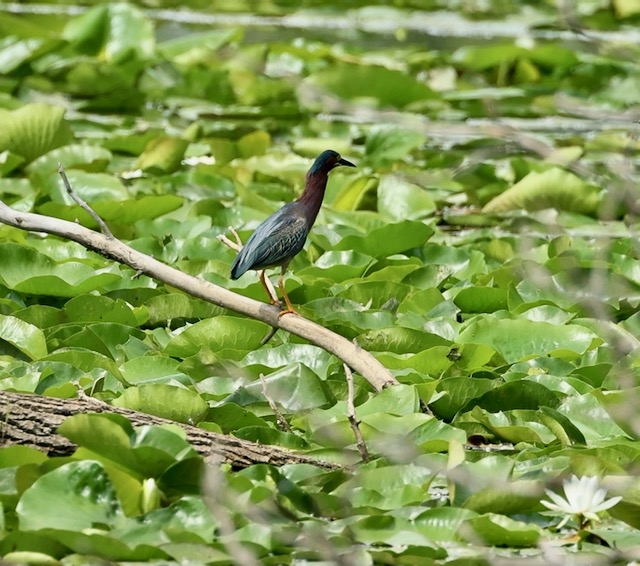
Wading birds were at home in the marsh as well.
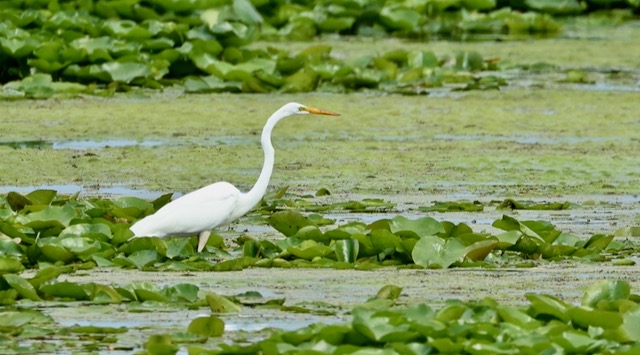
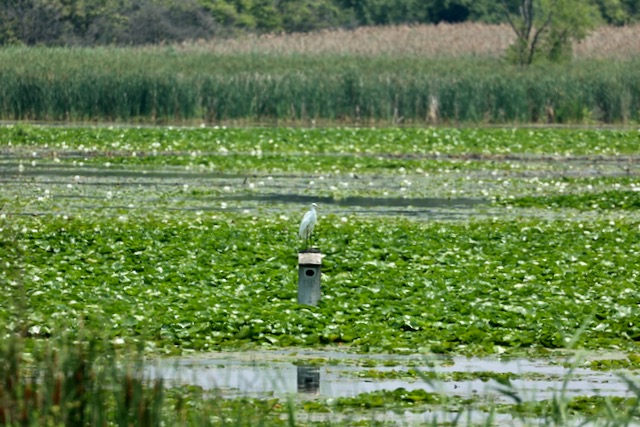
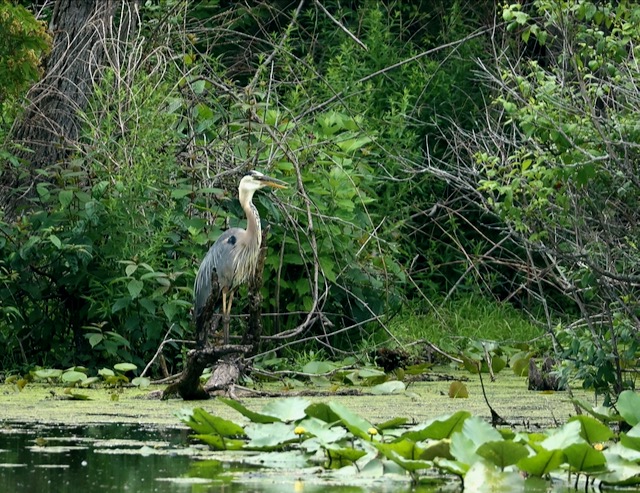
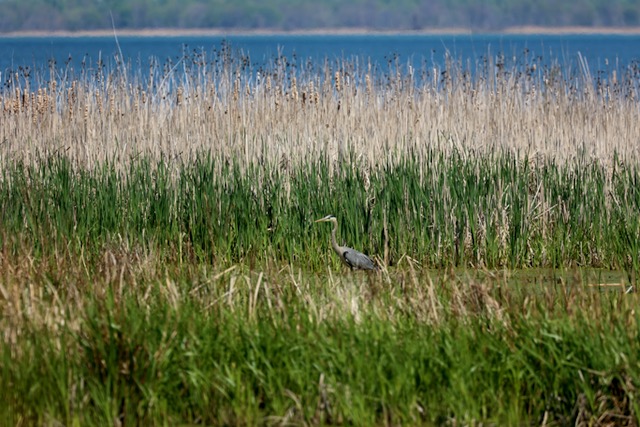
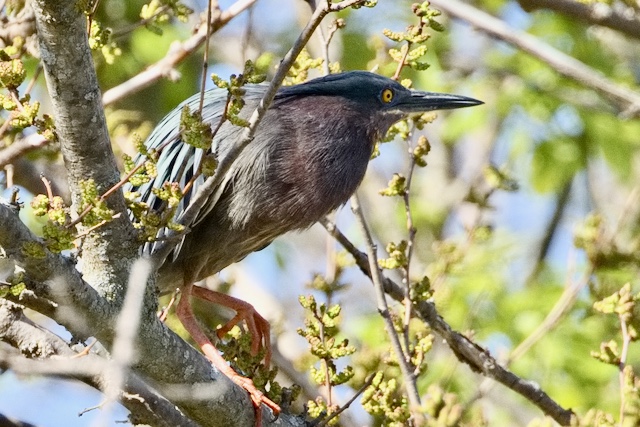
Black-crowned Night HeronGreat Blue HeronGreen HeronGreat EgretGreat EgretGreat Blue Heron
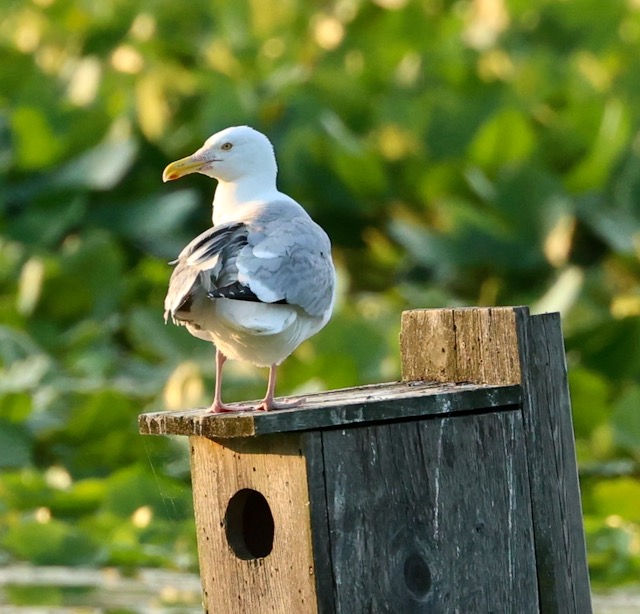
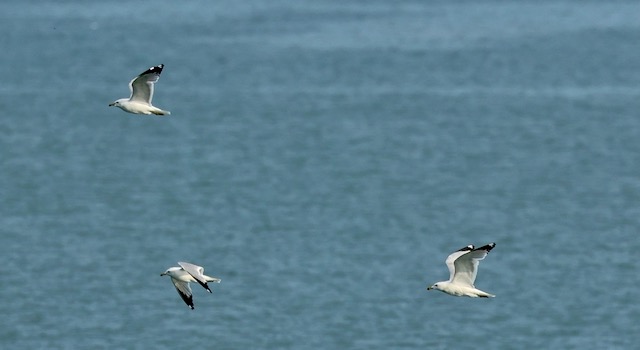
Both Herring Gulls and Ring-billed Gulls soared over the lake and sometimes landed in the marsh.
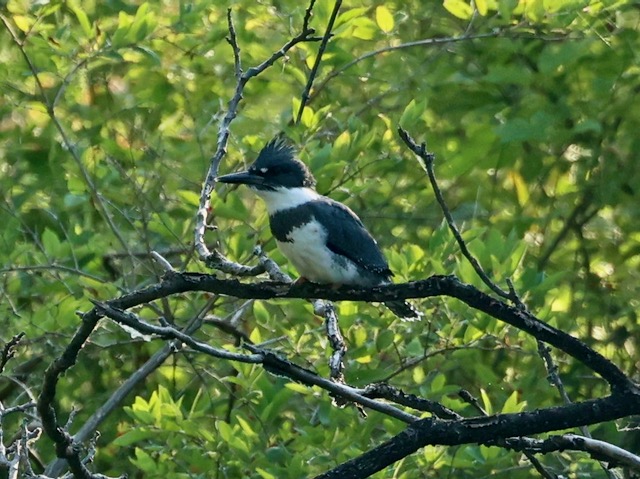
A Belted Kingfisher patrolled the marsh.
Belted Kingfisher (m)
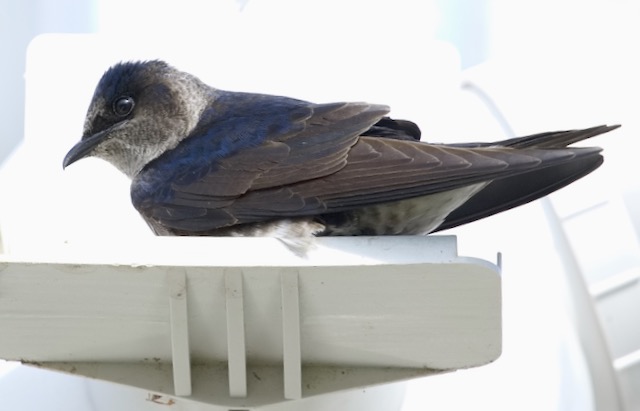
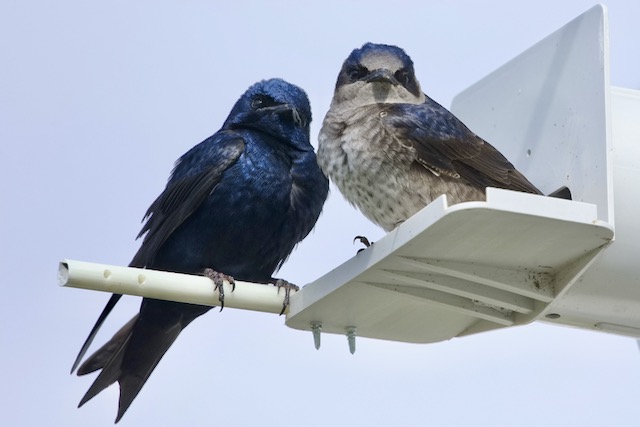
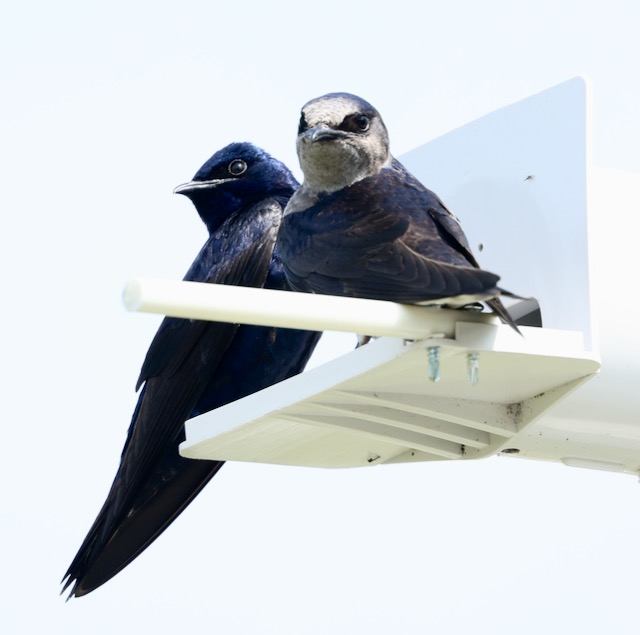
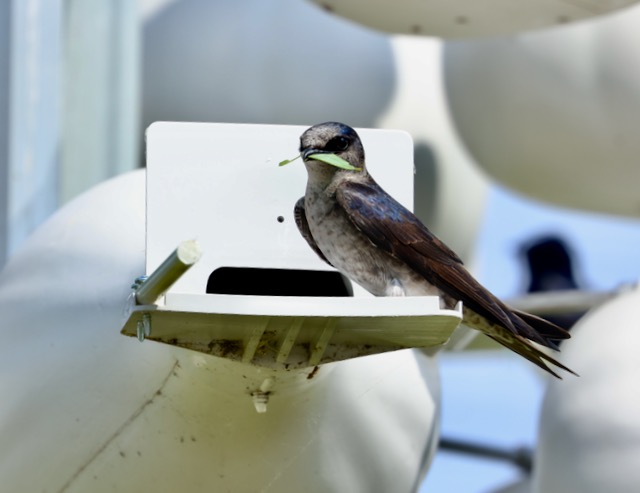
We were happy to see so many aerial insectivores – Tree Swallows, Barn Swallows, Purple Martins and Chimney Swifts. From our balcony, we had a good view of Barn Swallows as they swooped into their nests under docks to feed their young. Tree Swallows occasionally landed in trees or overhead wires. A few people in the neighbourhood had erected martin houses and these were fully occupied with chattering young and the occasional House Sparrow. We regularly saw and heard three Chimney Swifts in flight in the evening, but could not determine which chimney they were occupying.
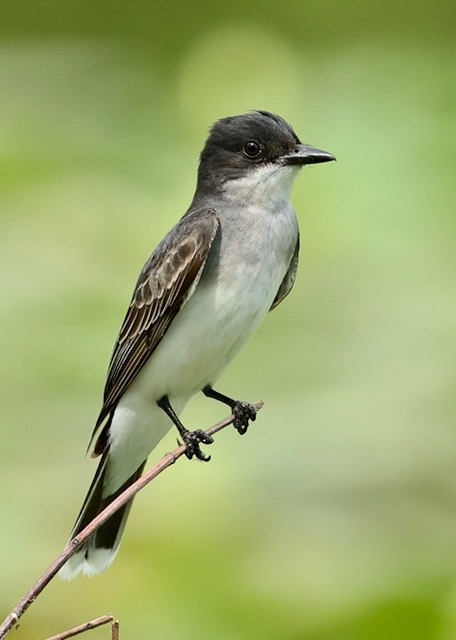
The only flycatcher we encountered was this handsome Eastern Kingbird.
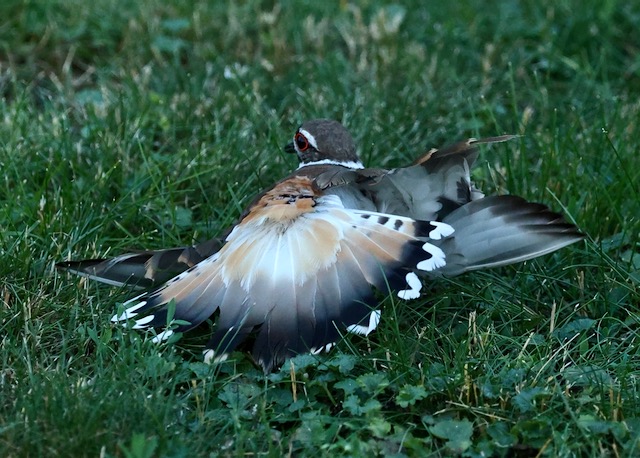
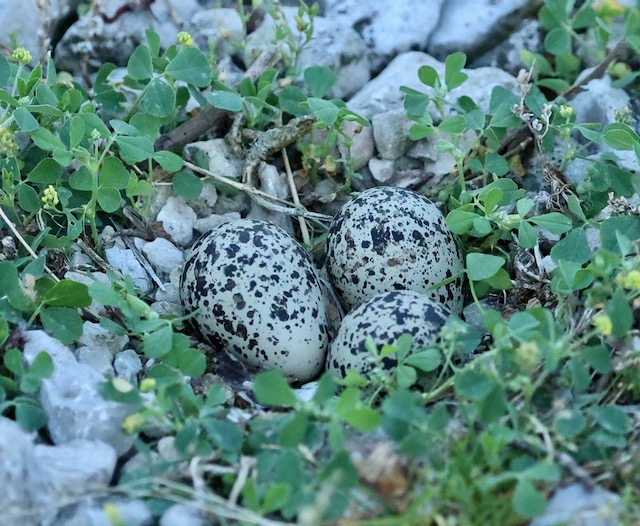
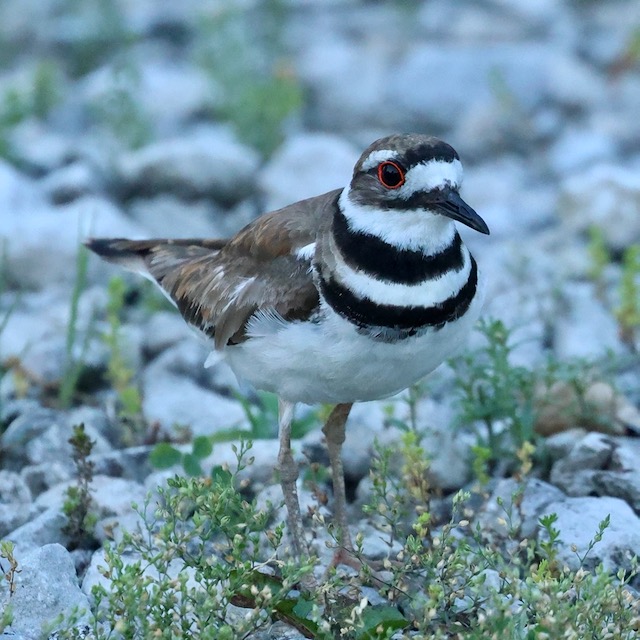
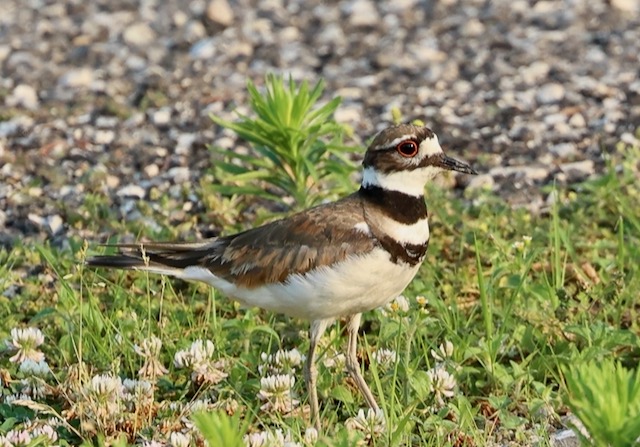
A Killdeer had nested in a gravel driveway close to the road. The owner kindly placed a protective block in front of the nest. The adult became alarmed when we first walked past the nest and immediately attempted to draw attention away from the nest with its broken wing display. We gave the nest a wider berth from then on.
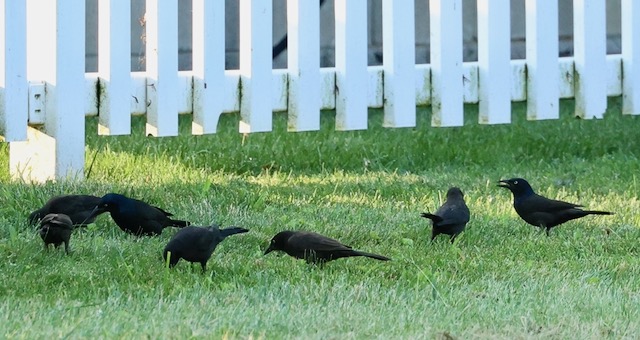
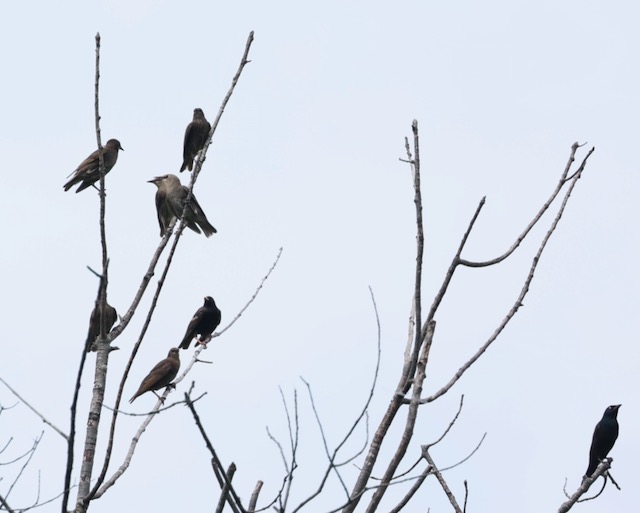
Red-winged Blackbirds foraged in the marsh, sometimes walking across lily pads to find insects. Immature European Starlings and Common Grackles had started to gather in noisy flocks, sometimes accompanied by adults. In the far right photo, the adult at the bottom right seems to be less than amused by the clamour.
We didn’t get good photos of many of the birds we saw in the waining light, but there were other attractions in and around the marsh.
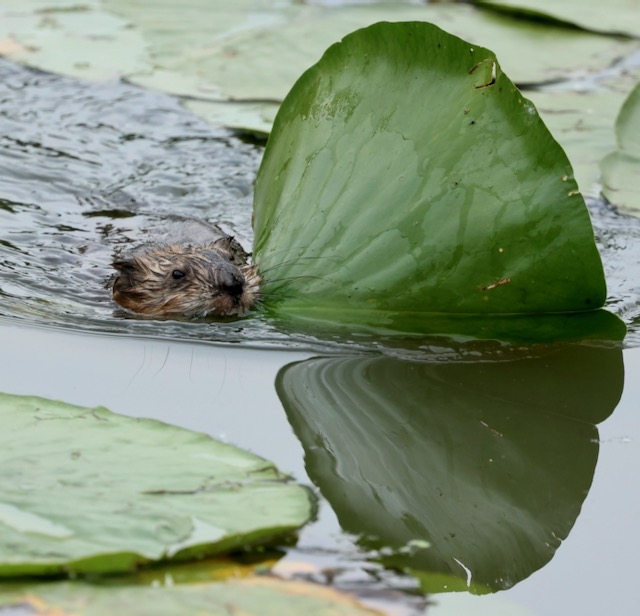
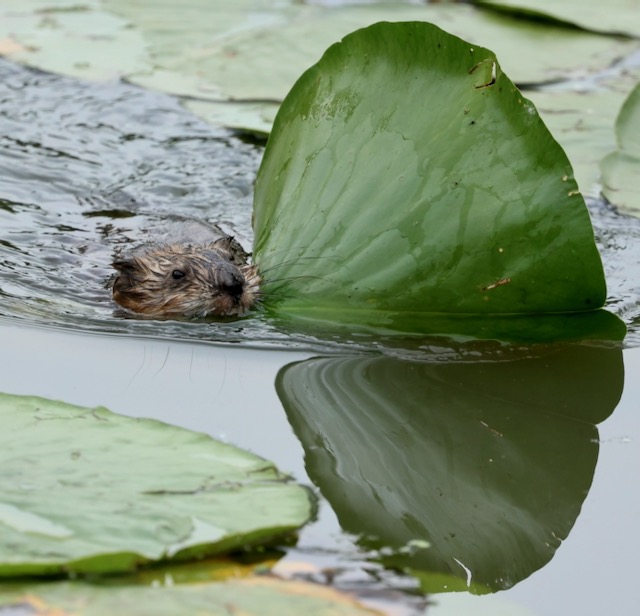
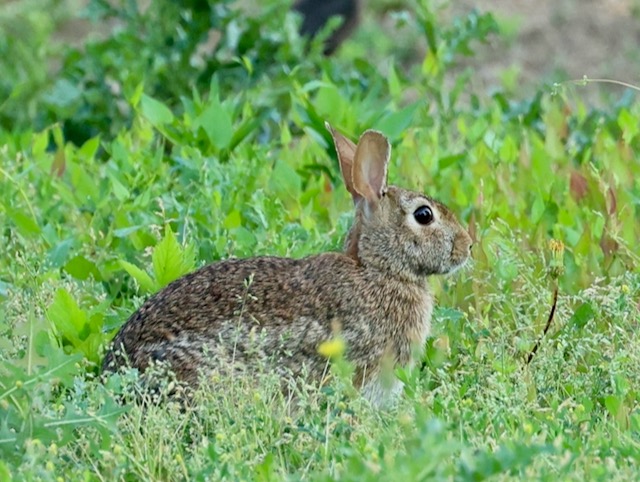
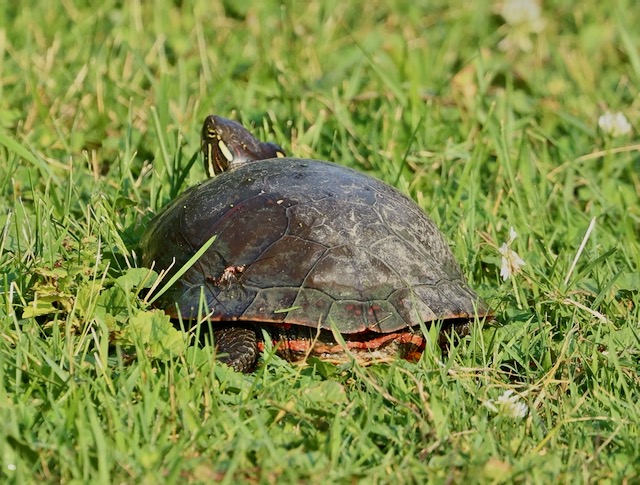
A Muskrat carrying a lily pad which it took underwater near the bank, presumably to its feeding hut. Cottontail Rabbit, Midland Painted Turtles.
American White Waterlilies were in bloom.
Dragonflies were in flight. When this photo of the Eastern Amberwing was cropped, we noticed an unusual insect at the bottom of the lily bud. iNaturalist identified it as a member of Milky Backswimmers with the added information that these insects spend their time at the water’s surface. They use their abdomen and legs to cling to the underside of the surface tension and swim upside down looking for prey.
Although Purple Loosestrife was once highly invasive, it is now considered to be a model for biological pest control since it is well managed by a number of beetle species that use it as their natural food source. https://www.inaturalist.org/taxa/61321-Lythrum-salicaria
Osprey Update
In only a few days, the Osprey chick is no longer a fuzzy chick. It now sports black and white stripes on its head and a white racing stripe down its back. The youngster is now stronger and more active, reaching up for food at feeding time and managing to waddle a few steps in the nest. Potty training is well established:-=).
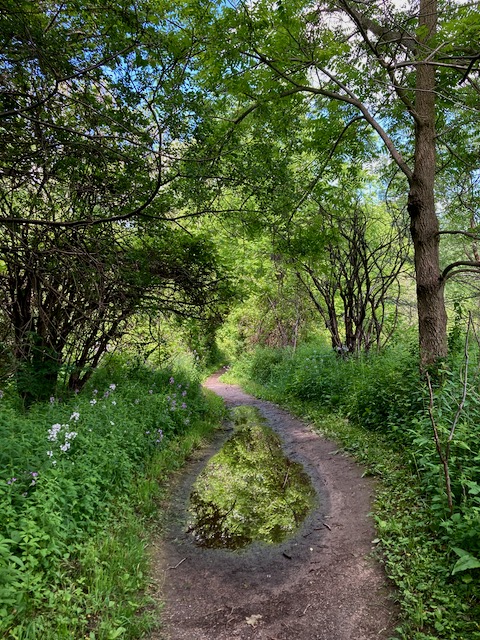
Kilally Meadows Environmentally Significant Area (ESA) is located in the floodplains of the North Thames River. It encompasses open meadows, riverside woods and swamps.
We went to Kilally on a sunny afternoon in early June.
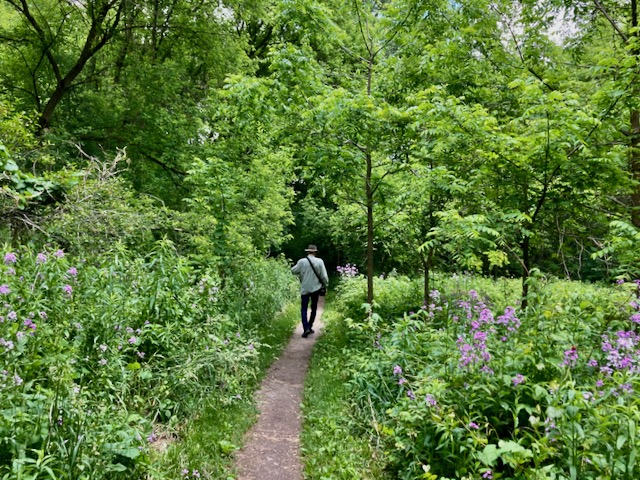
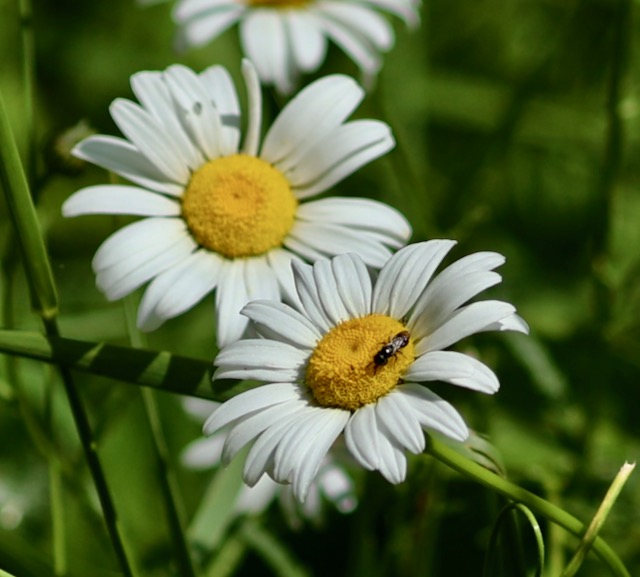
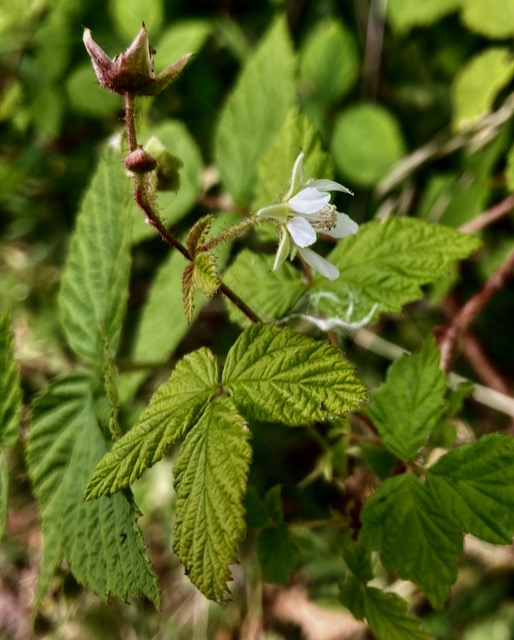
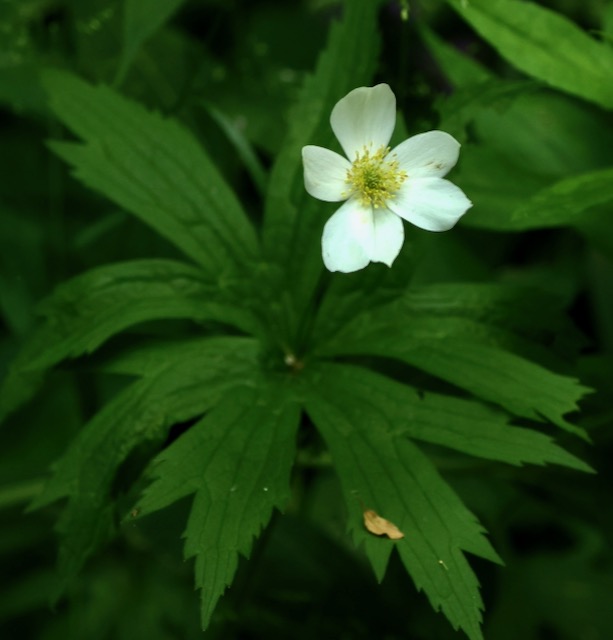
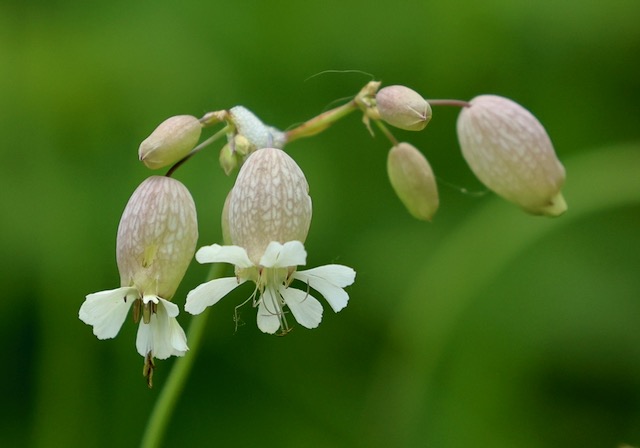
Wildflowers were in bloom: Oxeye Daisy, Red Raspberry, Woodland Anemone, Black Medic, Bladder Campion.
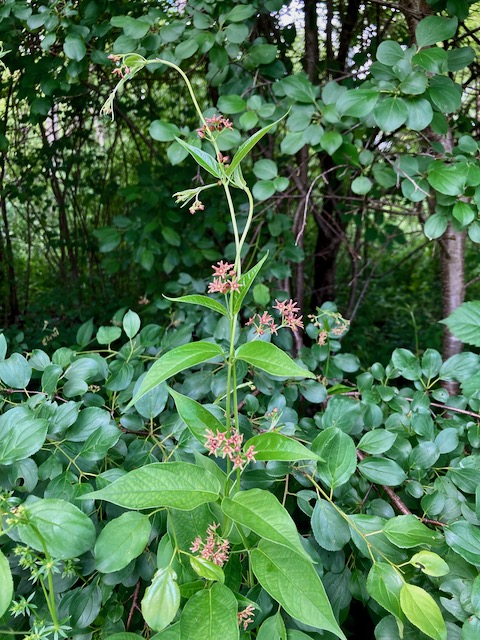
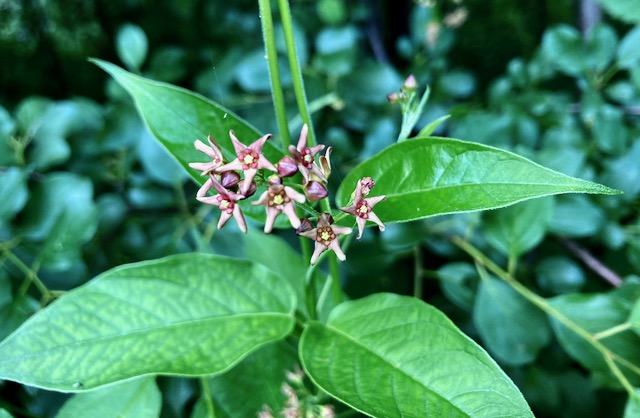
Some non-native and invasive plants are taking hold here as well. According to Ontario’s Invading Species Awareness Program, Dog-strangling Vine forms dense stands and thick mats that crowd out native plants and young trees, preventing forest regeneration. Because its leaves and roots may be toxic, deer and other browsers avoid it, putting greater pressure on native plants. Dog-strangling vine is also a threat to the Monarch butterfly. Because it is a member of the milkweed family, Monarchs may lay their eggs on its leaves. When the larvae hatch, the leaves do not supply the nutrition needed and the larvae die.
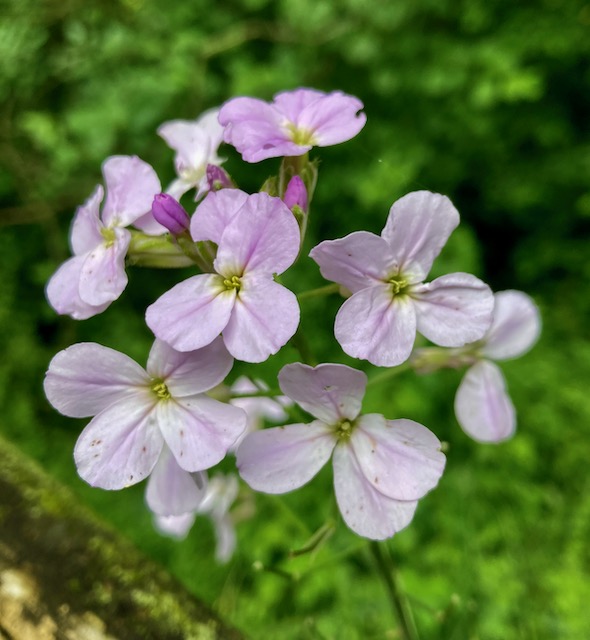
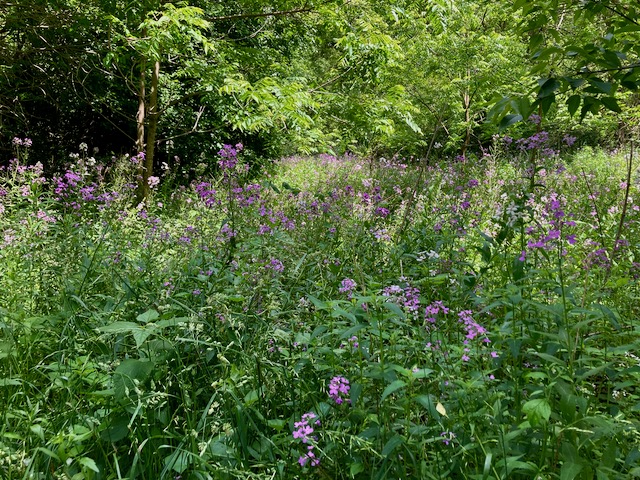
Dame’s Rocket is non-native plant that proliferates in floodplains and moist forests and meadows. Although it looks attractive, it takes up space that would otherwise be occupied by a variety of native plants.
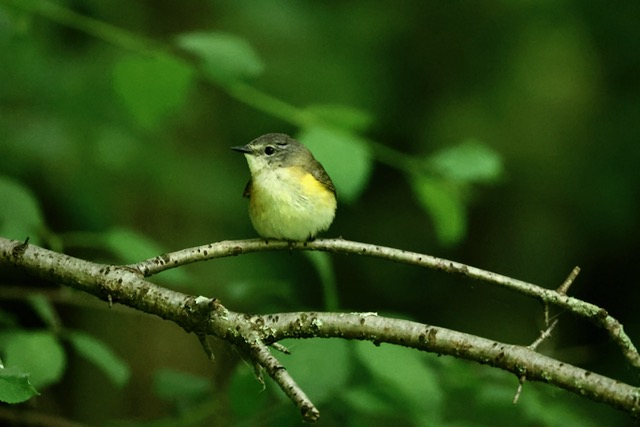
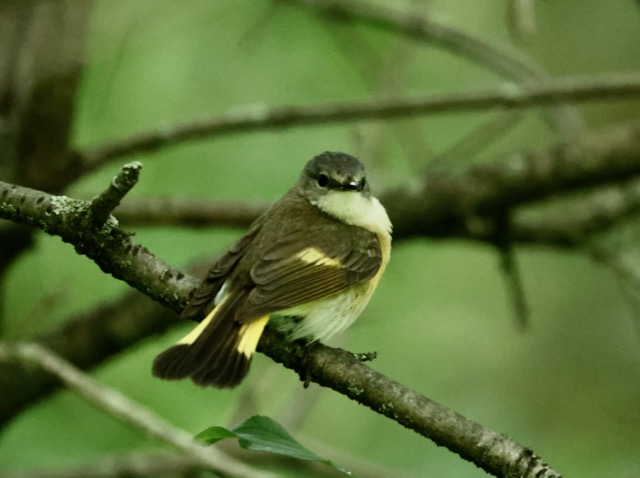
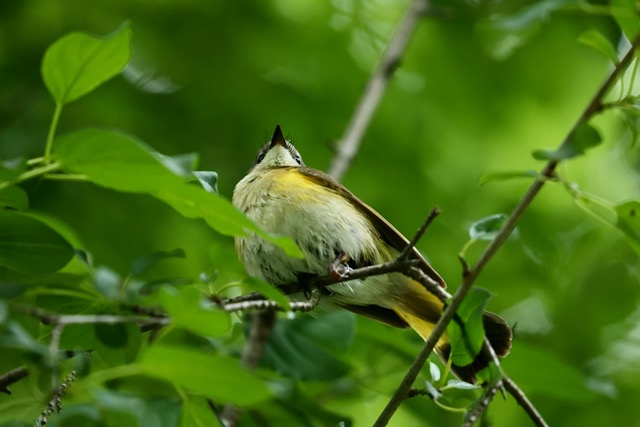
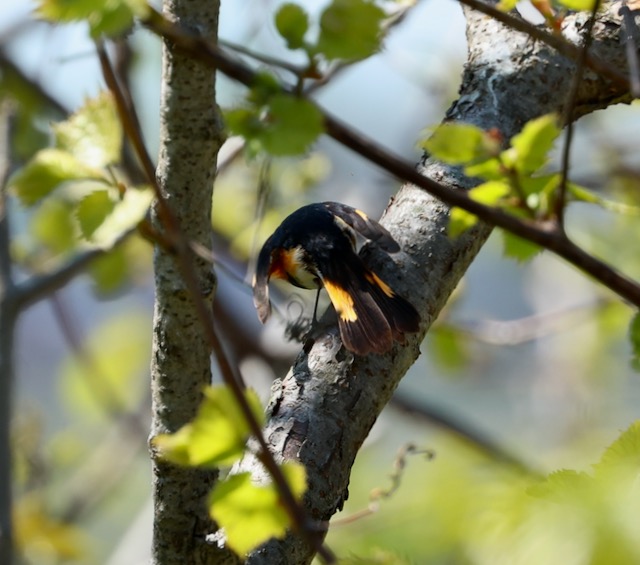
Near the beginning of our walk, a bird flew across the path in front of us and landed on a branch in full view. This female American Redstart seemed unconcerned by our presence and stayed perched for some time before moving to another branch, still in view.
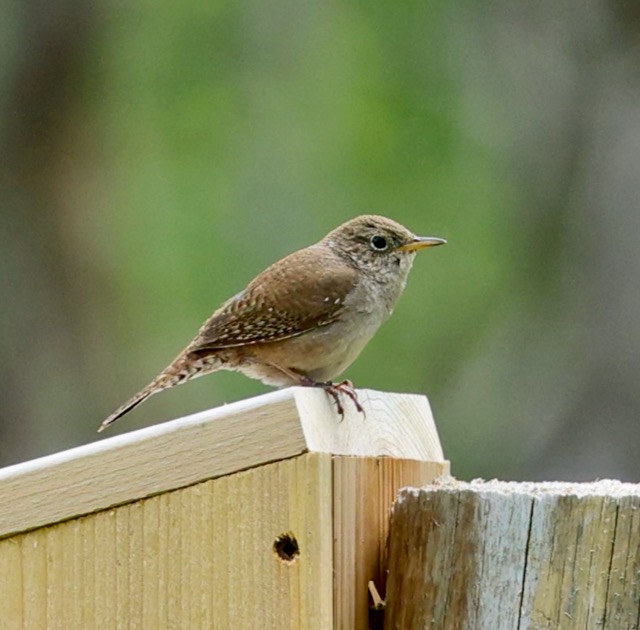
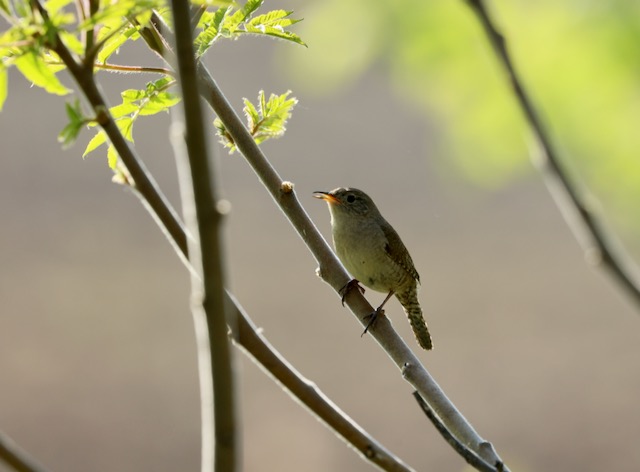
We could hear a House Wren singing before we came across this beauty perched on a nesting box in the meadow.
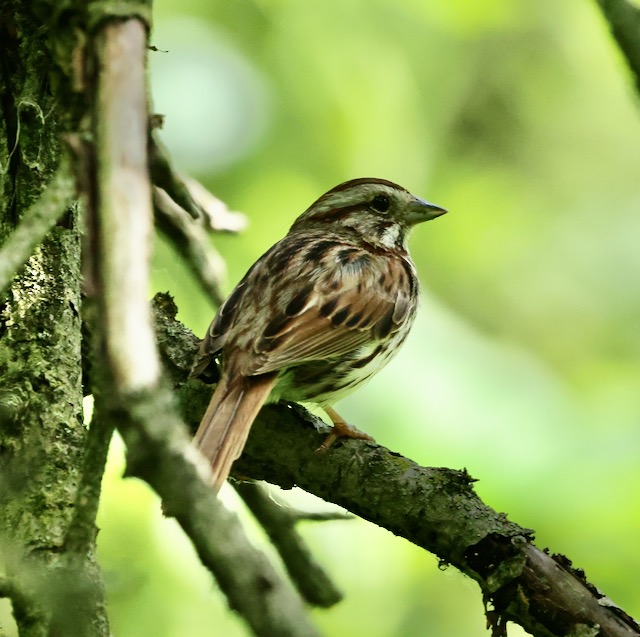
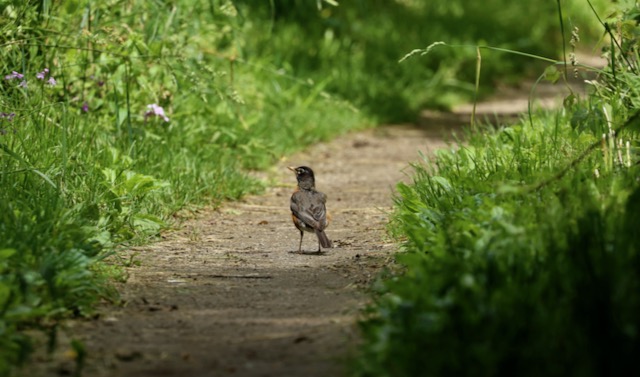
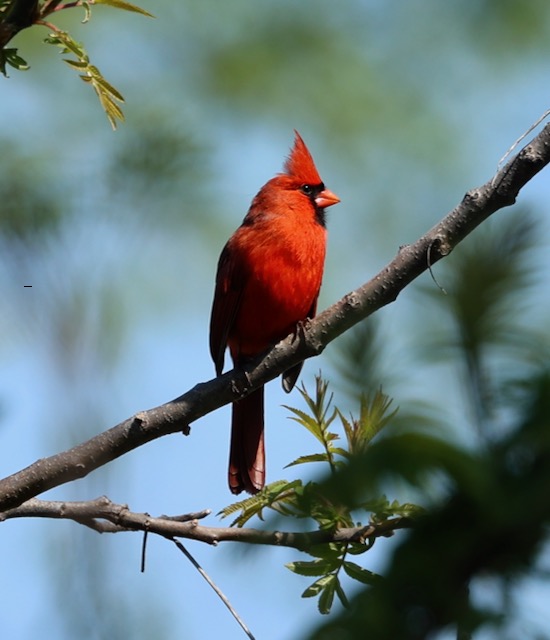
We saw a few other resident birds: Northern Cardinal, Gray Catbird, American Robin, Song Sparrow, Mallards.
Song SparrowAmerican Robin
We found a variety of pollinators along the way.
Common Eastern Bumble Bees were visiting Dame’s Rocket. Non-native plants may provide only some of the nutrients needed by native insects. Many insects have developed longstanding, specialized relationships with specific host plants that are necessary to their proper development.
Question MarkLittle Wood Satyr
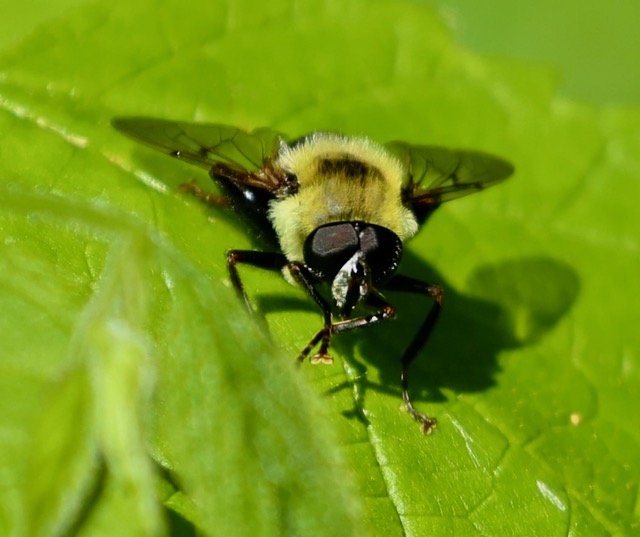
Some flies look like flies, but others do not!
A type of root-maggot flyHairy-eyed Bee-mimic FlyHairy-eyed Bee-mimic Fly
Osprey Update
We continue to see only one chick at feeding time. This appears to be an only child. The male continues to deliver fish. We have not caught sight of the chick this week, but see the female reach into the nest to feed. In the heat, the female holds her wings away from her body, perhaps both to shade the chick and cool her own body.
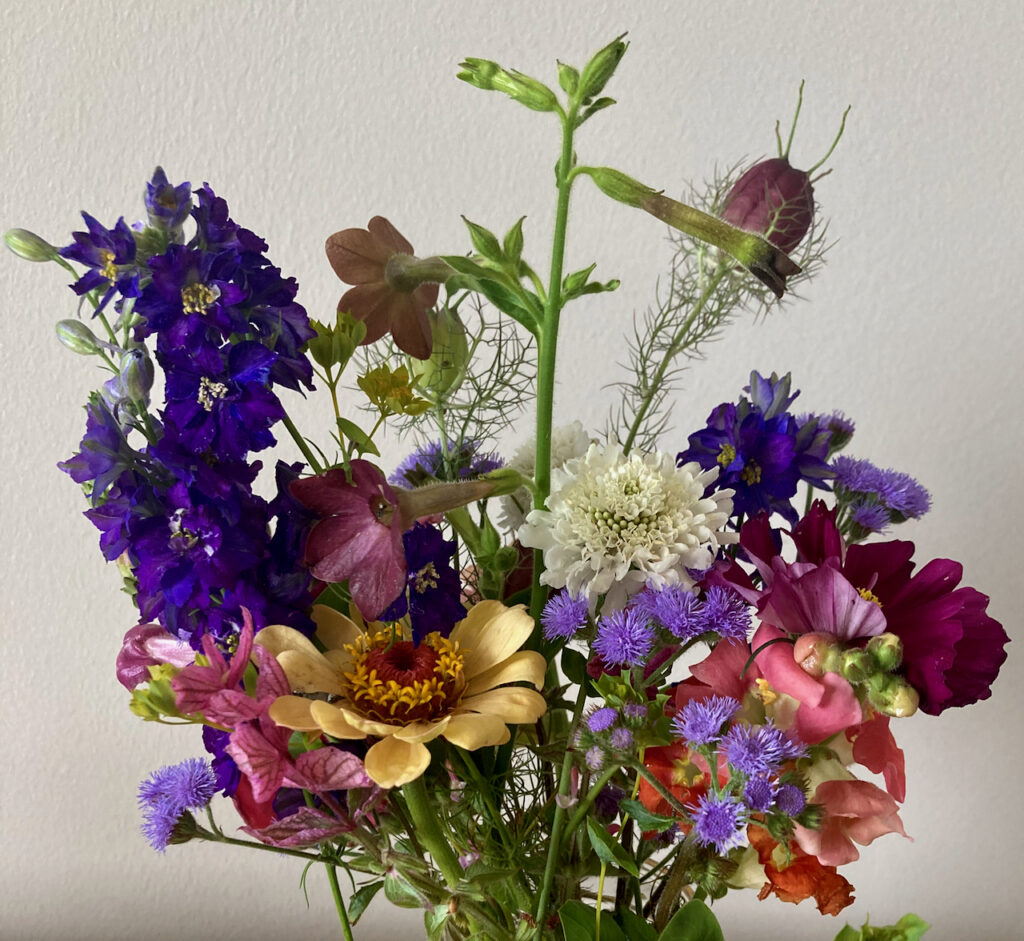
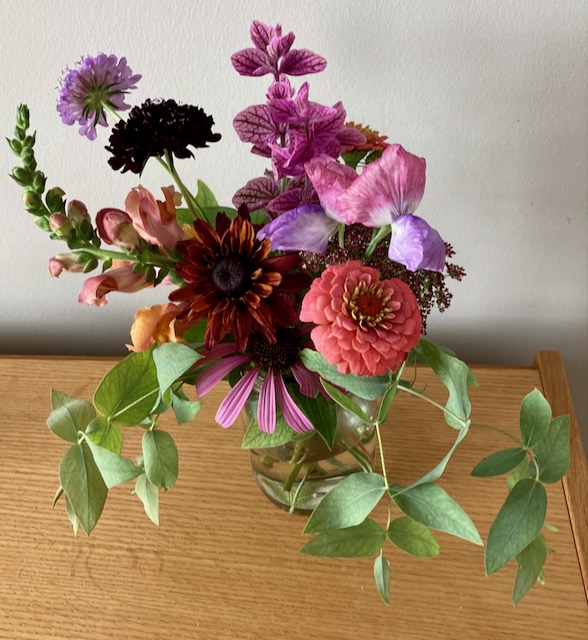
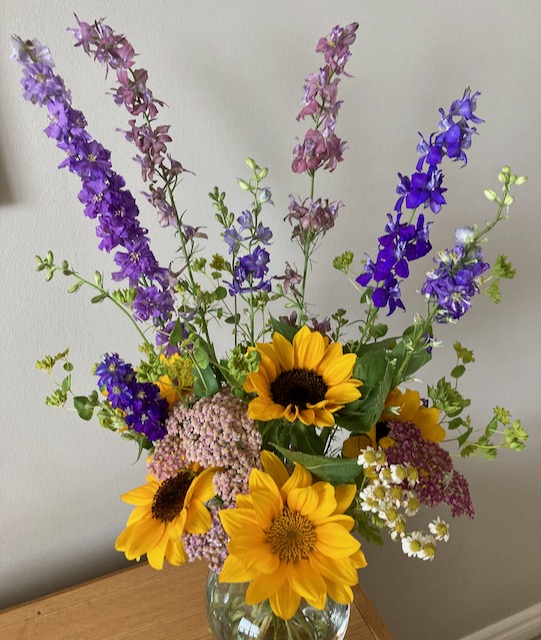
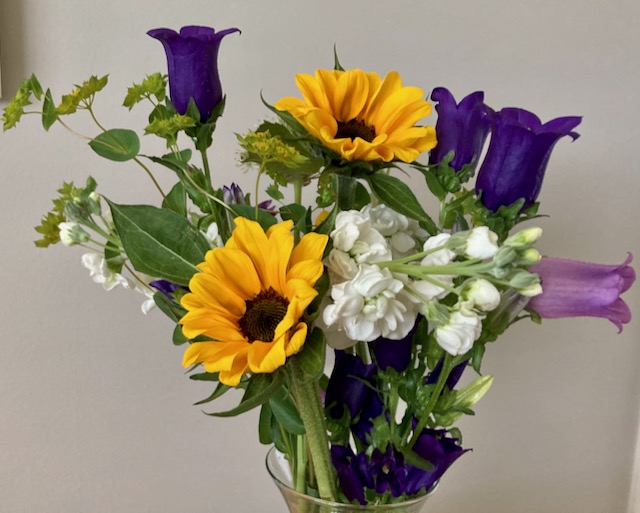
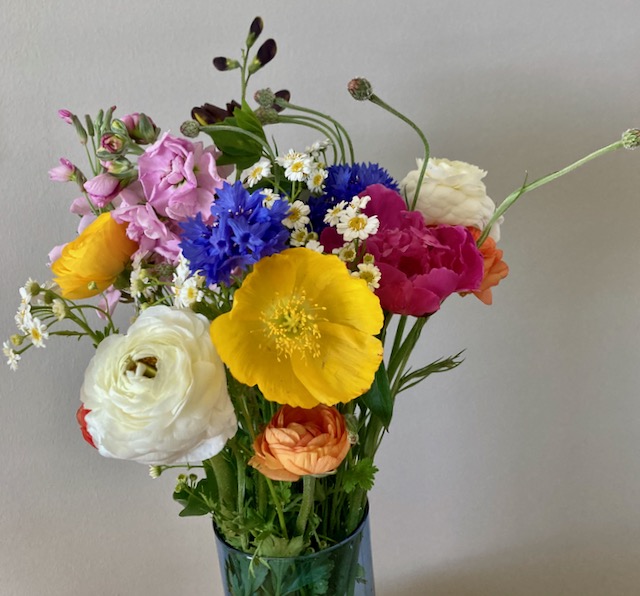
Wandering Bee Bouquet
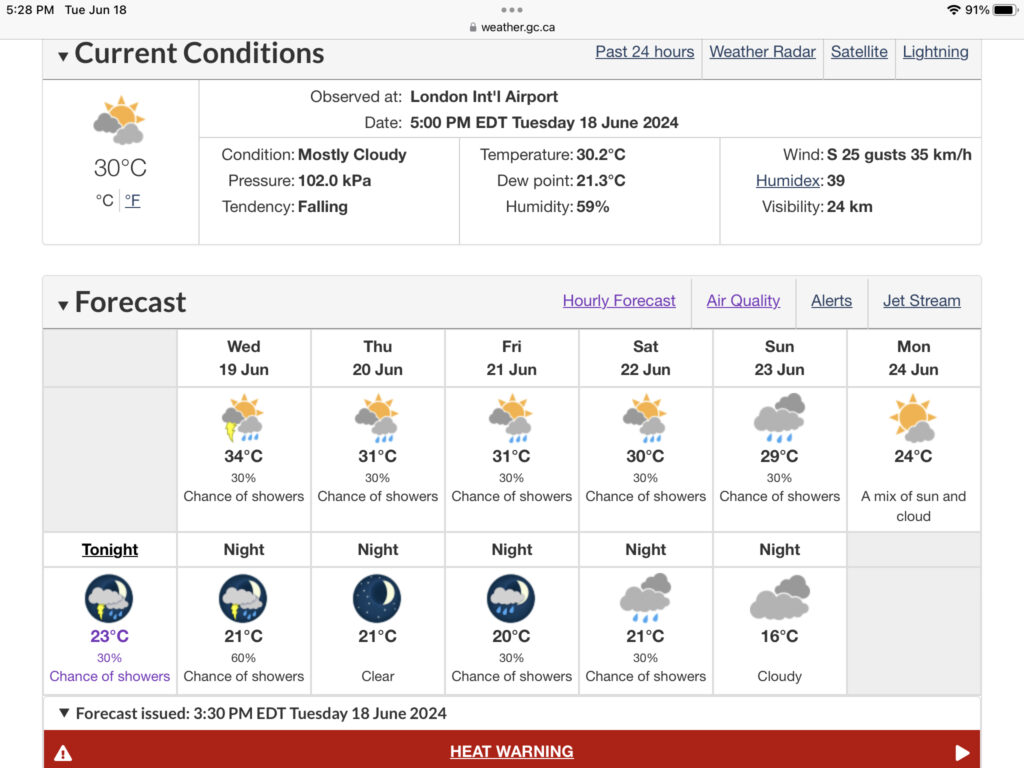
Heat Wave
The heat dome that plagued the U.S. made it’s way north this week. For five days we have had relentlessly high temperatures (into the low 30s) with high humidity (into the 40s) and little relief at night. The temperature is expected to drop on Sunday night.
Lately, we have had more spring-like weather, cooler temperatures, rain and overcast skies. Next, we are expecting hot and humid weather with more rain.
This is a good time to look back on sunnier days.
The Erieau Marsh Trail runs along an old railway corridor, a narrow path bordered by trees, vines and shrubs on one side and the marsh on the other. It is usually a good place to see birds because they are confined to a relatively small area.
That being said, the trees and shrubs were in almost full leaf that afforded good cover for the birds. Spotting birds as they moved high in the canopy or deep in the underbrush was a challenge using binoculars and even more difficult through the narrow view of a telephoto lens.
There was constant birdsong along the trail. We heard and saw a variety of birds, including at least eight species of warblers. Most often, we caught only a glimpse of birds before they disappeared under cover or into the blinding sun. There were many birds we almost saw!
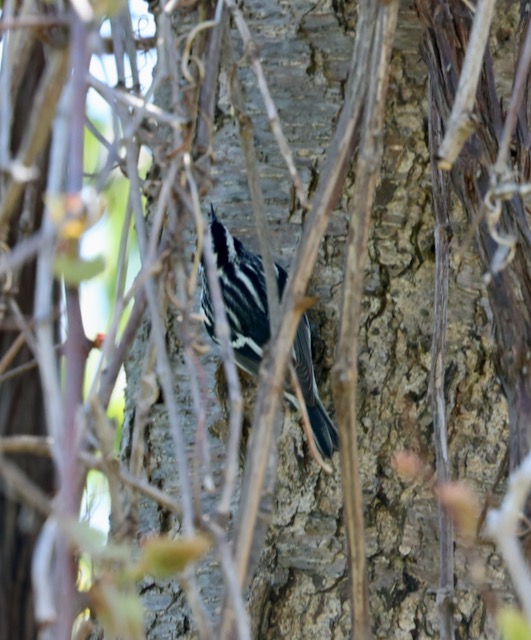
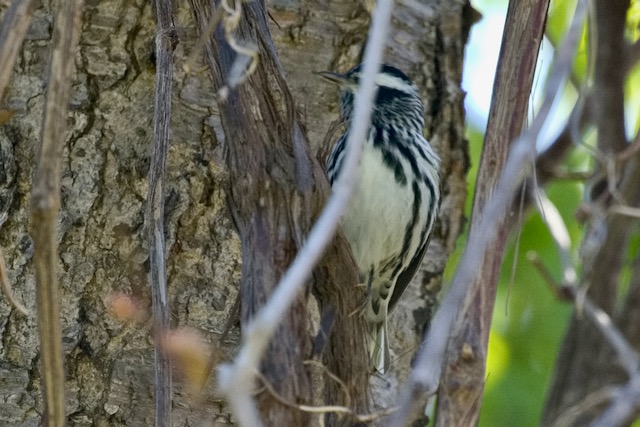
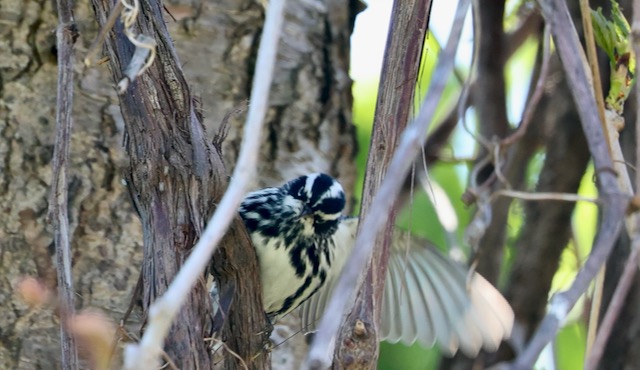
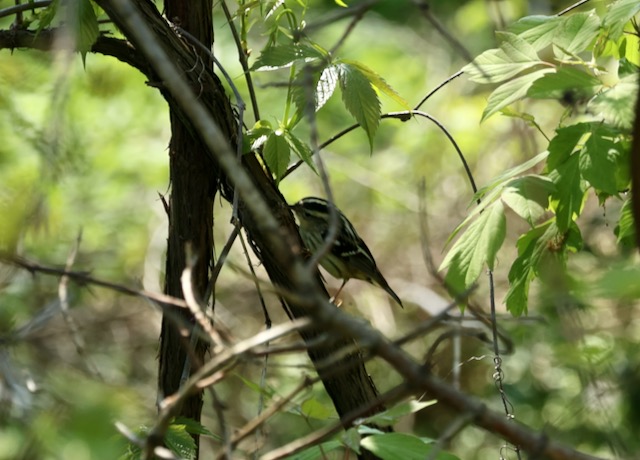
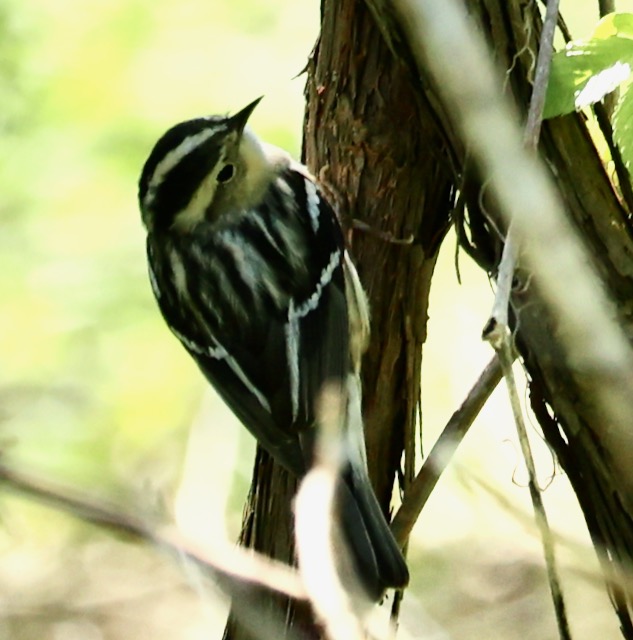
These photos of a Black-and-white Warbler will give you an idea of the challenges…
A few birds sat still in the open just long enough…
There were some lingering shorebirds on the mud flats – Dunlin, Least Sandpiper, Semipalmated Plover, Short-billed Dowitcher, Pectoral Sandpiper as well as some residents – Killdeer, Mute Swans, Great Blue Heron. Offshore, some waterfowl also lingered: Redhead, Canvasback, Gadwall, Ruddy Duck, Red-breasted Merganser, Lesser Scaup,
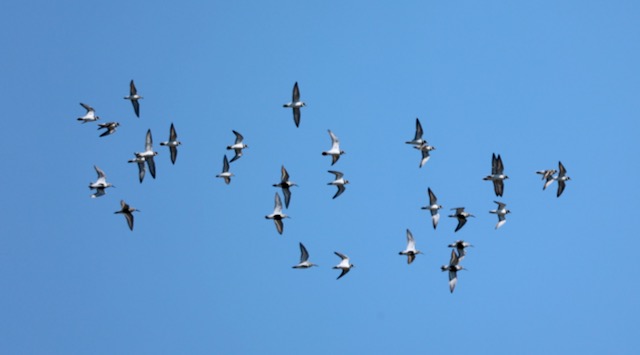
Shorebirds in flight put on a show.
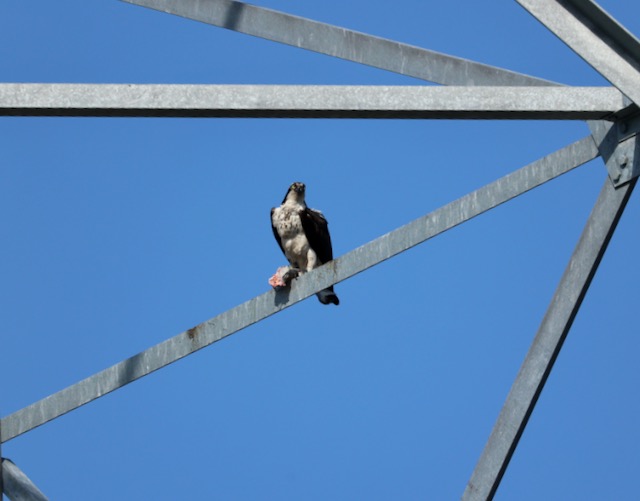
When we saw an Osprey fly over the marsh, we were told that a pair had built a nest on a nearby communication tower. We went to investigate.
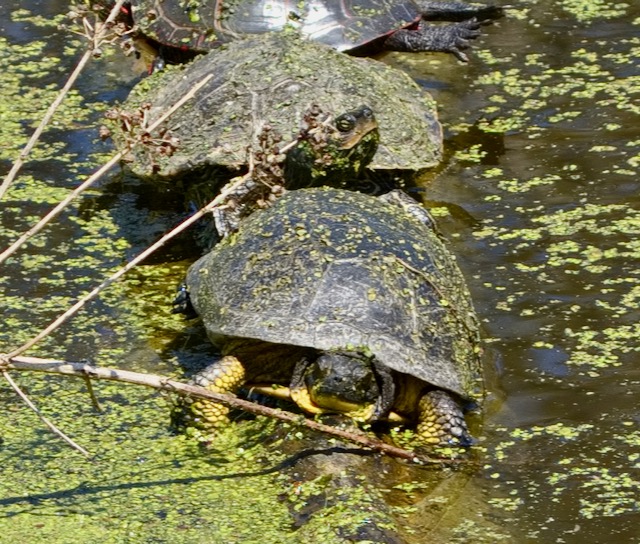
One other attraction of the marsh pond is the number of species of turtles that can be found basking there. On this visit, we didn’t see Snapping or Spiny Softshell Turtles, but did find Midland Painted Turtles, Northern Map Turtles and a Blanding’s Turtle. Map turtles are a species of special concern and Blanding’s are a threatened species in Ontario.
Osprey Update – Baby photos!
On a clear morning, we captured video footage of the male Osprey delivering a large fish to the nest. Since he had not yet beheaded the fish, the female took over this duty and soon was freeing small bits of fish. It was at this point that one small, pale head emerged from the nest. So far, only one chick is visible in the nest. Since Ospreys generally lay one to four eggs, another egg that may hatch. We’ll see…
Here are screenshots from the video from June 12:
Fish deliveryHead of one chick being fed
Here is a link to a 7-minute video of the delivery and feeding. The fish is a bass. At the 4-minute mark, the fish starts flapping, nearly hitting the chick.
I leave you with a wonderful tribute performance. Kenny Chesney and Mac McAnally perform “A Pirate Looks At Forty” and Alan Jackson and Zac Brown Band perform “Pirates and Parrots” and “Margaritaville”.
Mother, mother ocean, I have heard you call Wanted to sail upon your waters since I was three feet tall You’ve seen it all, you’ve seen it all
Watched the men who rode you, switch from sails to steam And in your belly, you hold the treasures few have ever seen Most of ’em dream, most of ’em dream
Yes, I am a pirate, two hundred years too late The cannons don’t thunder, there’s nothin’ to plunder I’m an over-forty victim of fate Arriving too late, arriving too late
Margaritaville
Nibbling on sponge cake Watching the sun bake All of those tourists covered with oil Strumming my six-string On my front porch swing Smell those shrimp, well, they’re beginning to boil Oh, crawfish in New Orleans, yeah
Wasting away again in Margaritaville Searching for my lost shaker of salt Some people claim that there’s a woman to blame But I know, it’s nobody’s fault
Woodland wildflowers adorned the shady paths at Rondeau.
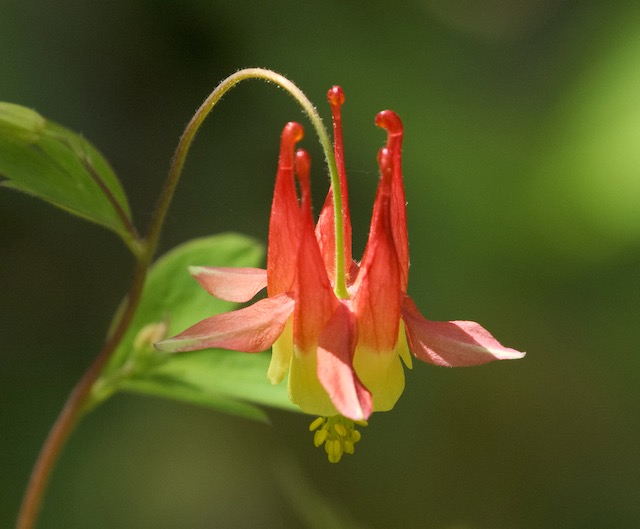
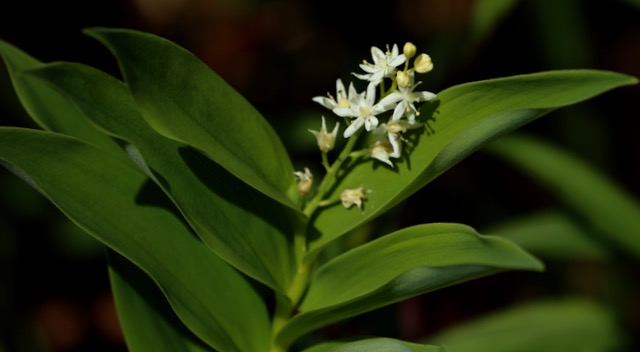
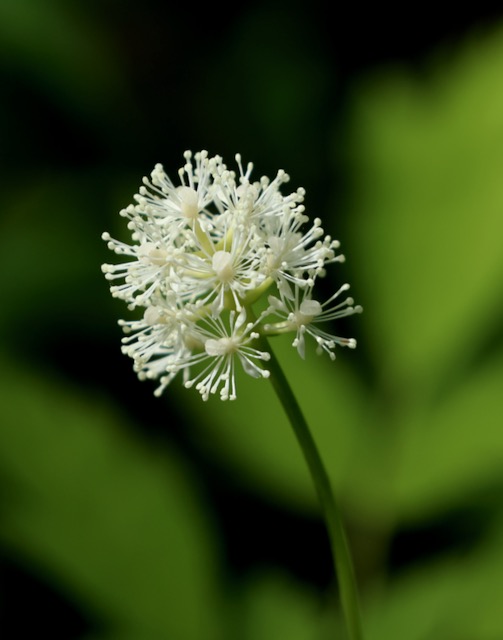
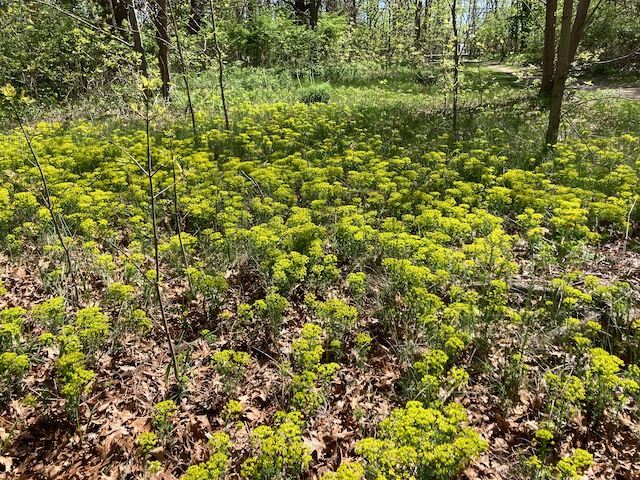
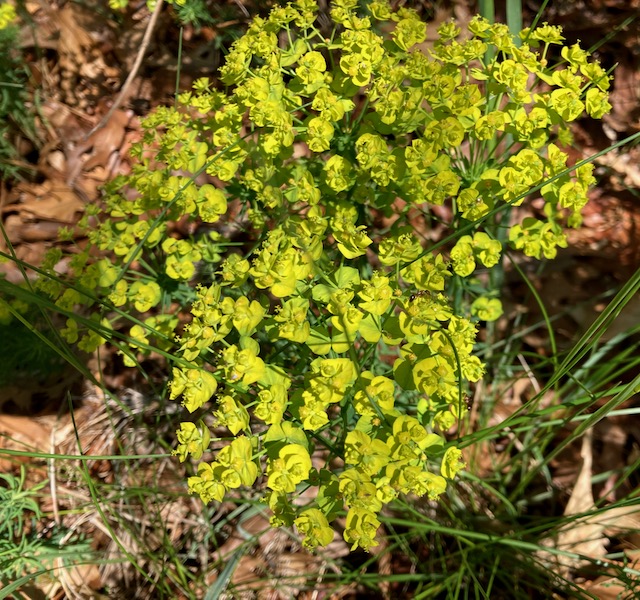
Below: False Soloman’s Seal, Baneberry, Cypress Spurge, Blue Phlox, Virginia Waterleaf, Wild Geranium, Red Columbine.
A carpet of Mayapples was in bloom.
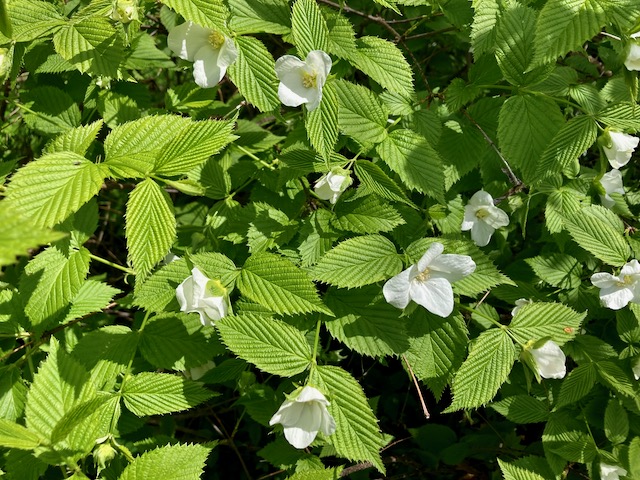
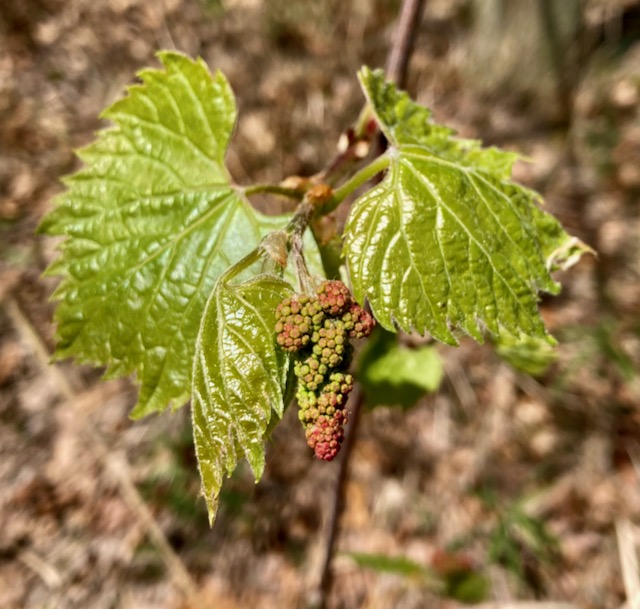
Some plants grew in sunnier places. The first two, Tartarian Honeysuckle and Jetbead are introduced shrubs that have become invasive and displace native plants. Riverbank Grape is indigenous to North America.
Some plants grew in drier, sandy conditions.
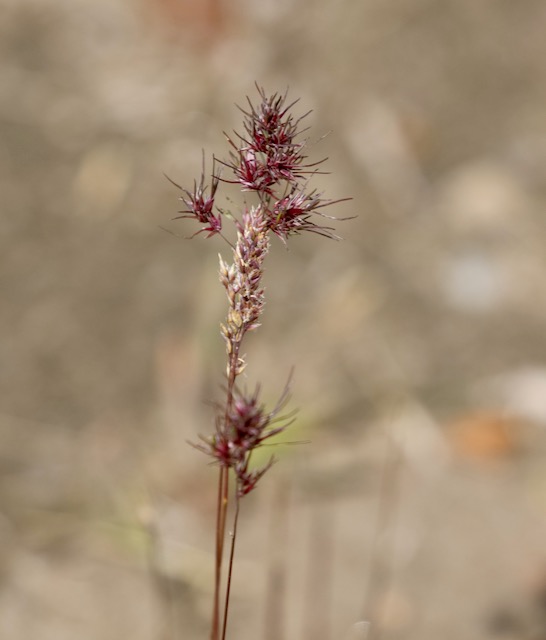
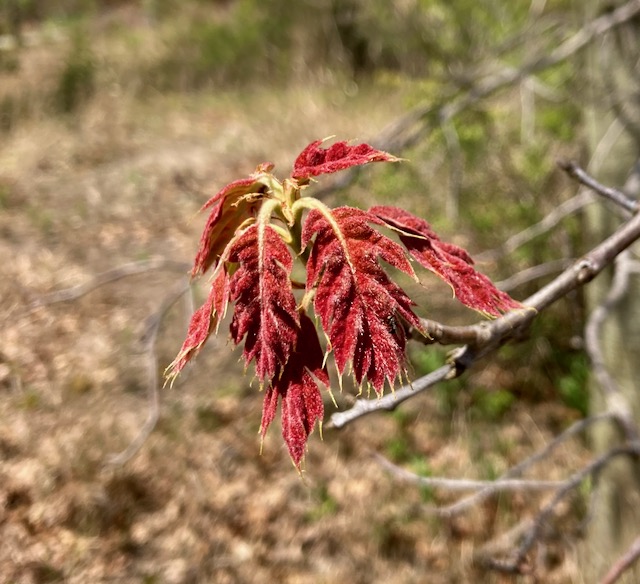
Bulbous Bluegrass, Black Oak, Lyreleaf Rockcress.
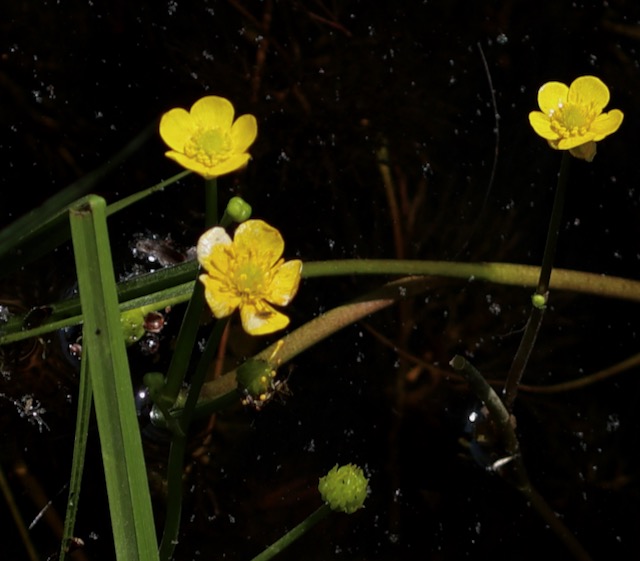
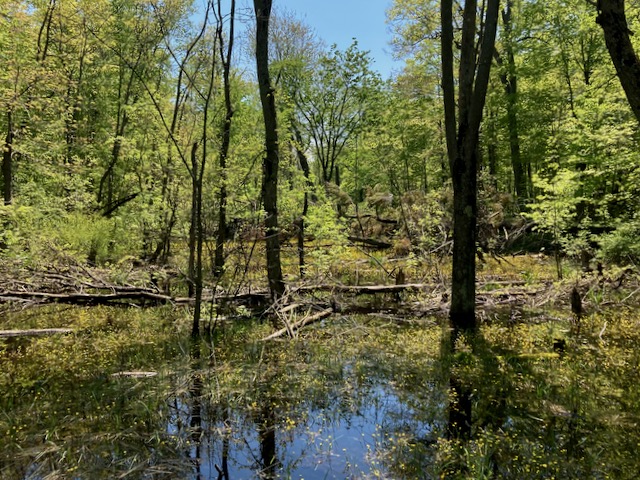
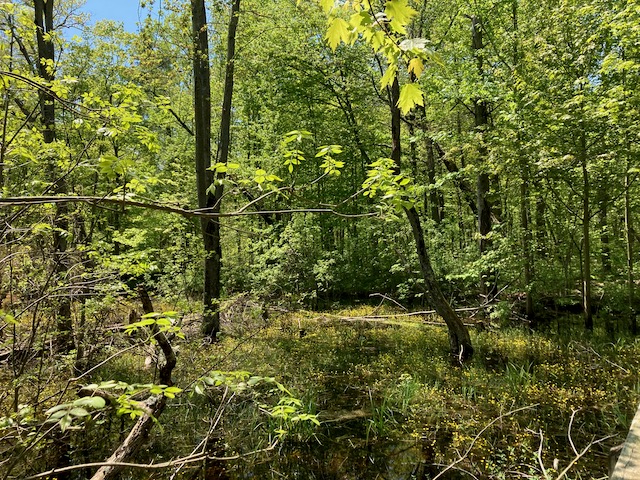
Yellow Water-Crowfoot dots the swampy areas along the Tulip Tree Trail.
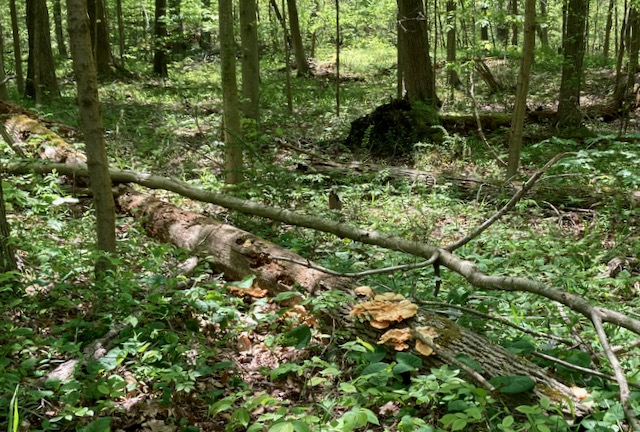
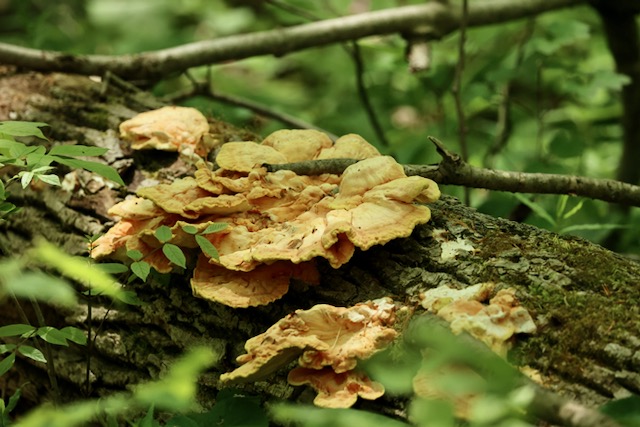
This fungus is known as Chicken of the Woods and can be edible.
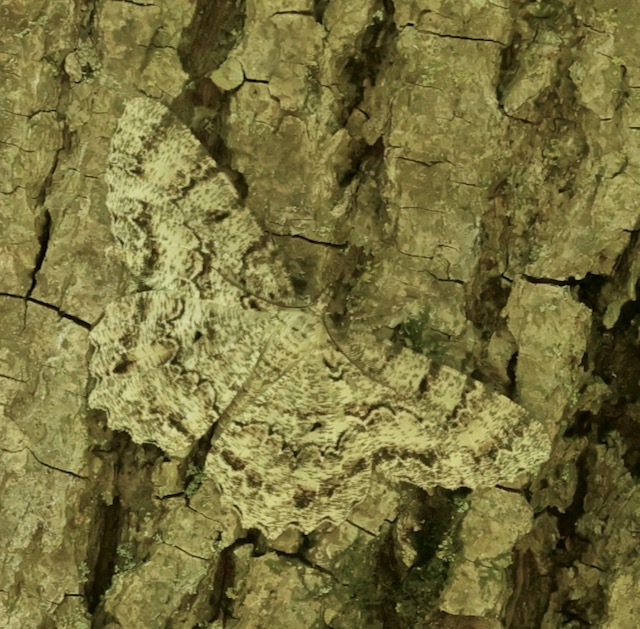
Along the Tulip Tree Trail, a moth lit briefly on Glenn’s shirt before moving to a tree trunk beside the trail. iNaturalist identified it as a Tulip-Tree Beauty, an imperilled moth in Ontario.
McGeachy Pond Conservation Area West – May 12, 2024
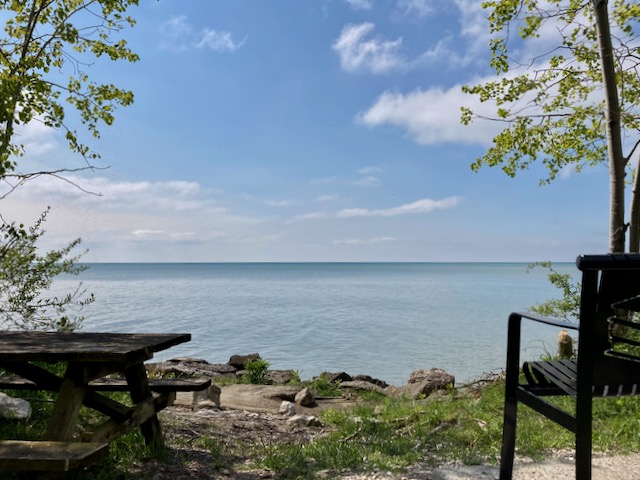
On a sunny morning, we made a brief stop at McGeachy Pond Conservation Area. The path boarders Lake Erie on one side and the pond on the other.
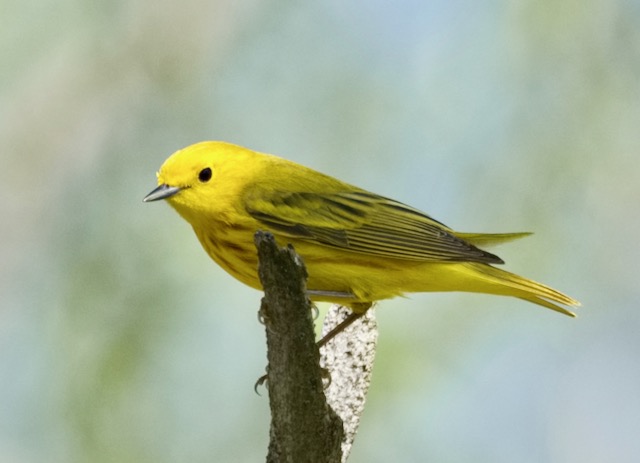
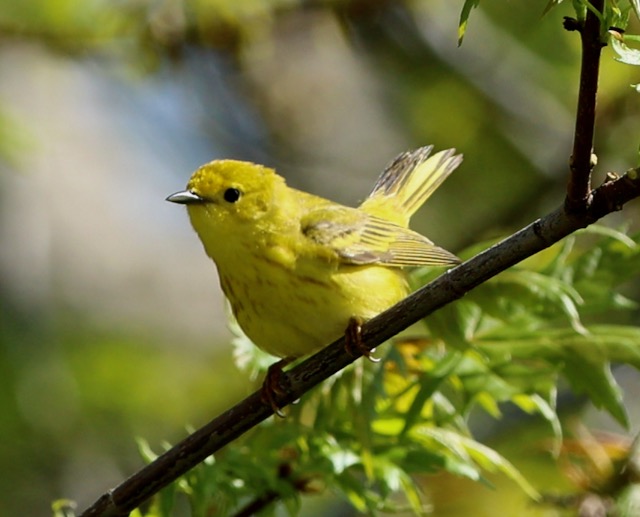
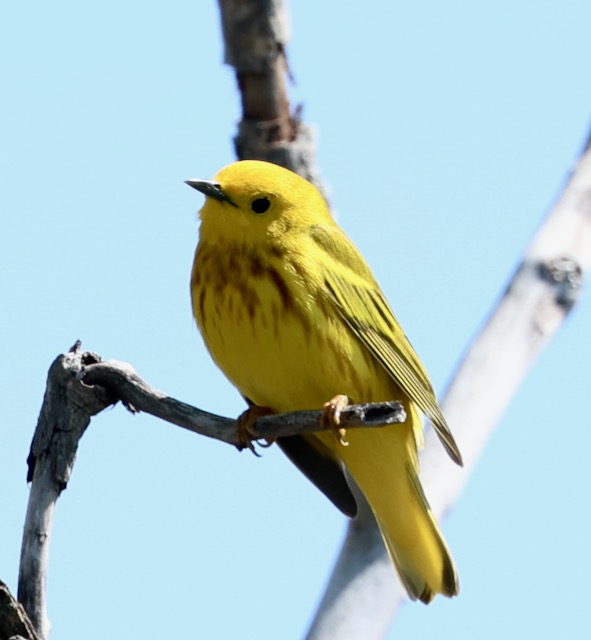
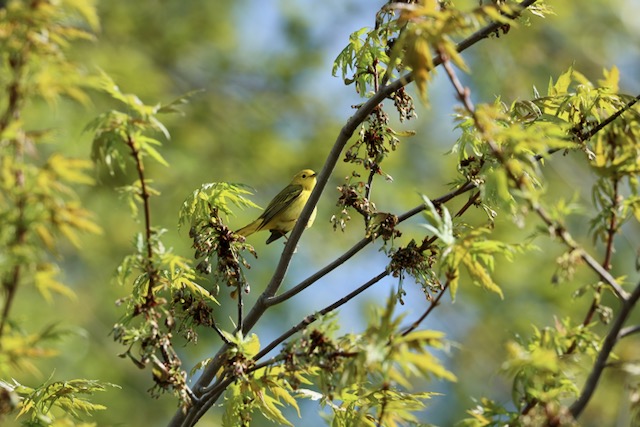
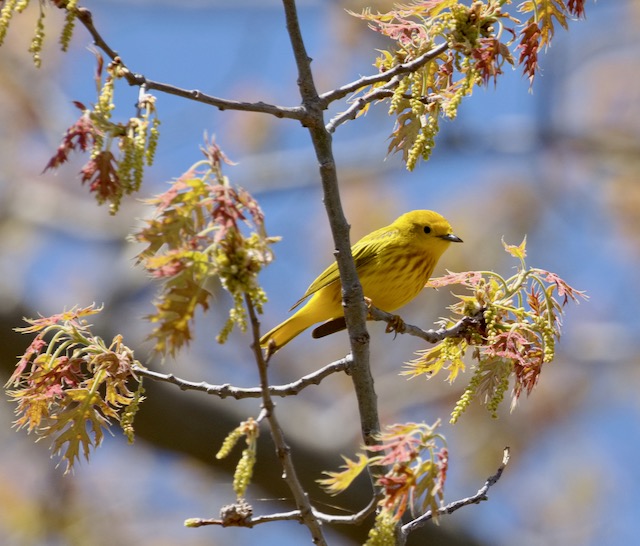
The trees and bushes sometimes provide stopovers for migrating warblers. On this morning, however, the only warblers detected were Yellow Warblers singing and chasing each other across the path. Since Yellow Warblers are likely to nest in the area, these may have been territorial disputes.
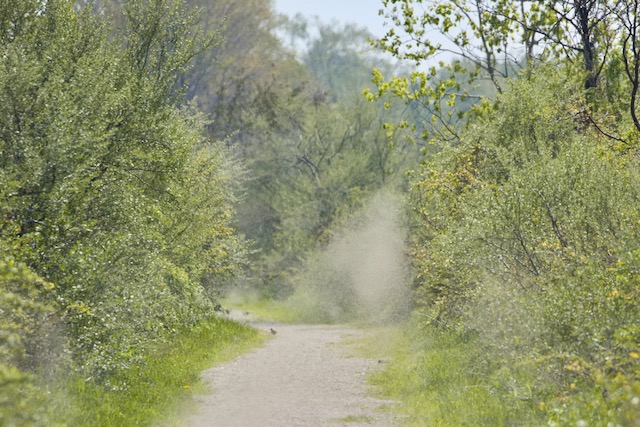
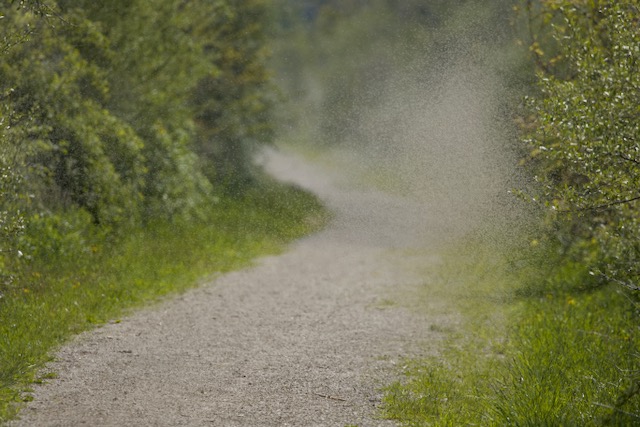
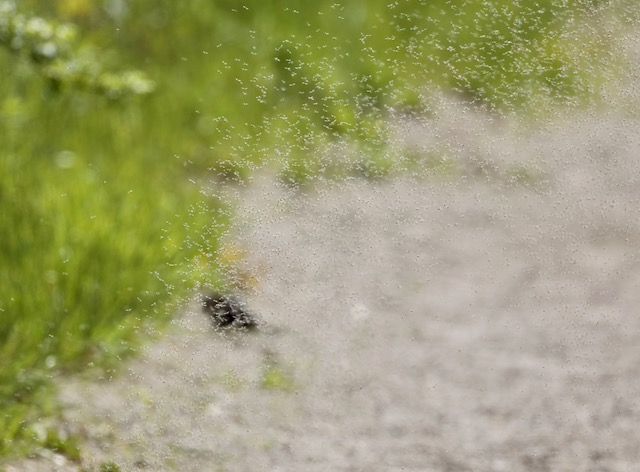
As we proceeded up the path, we saw what looked like smoke in the distance We soon realized that what we were seeing was a cloud of midges! We decided to cut our visit short rather than encounter the advancing cloud of insects. Good for the birds, but not much fun for us…
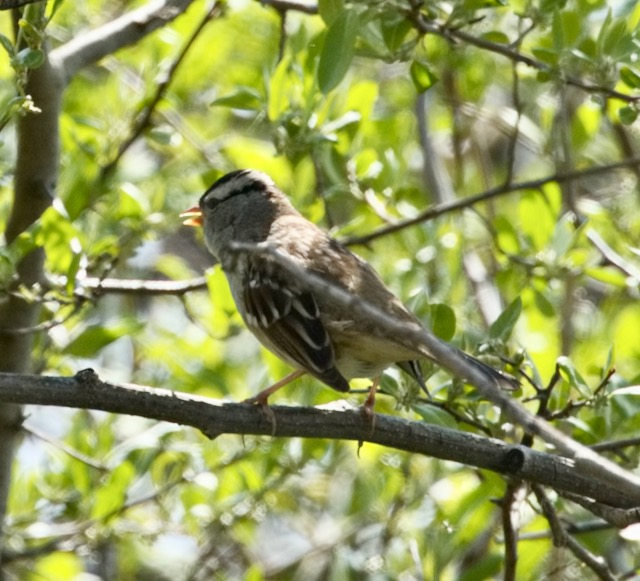
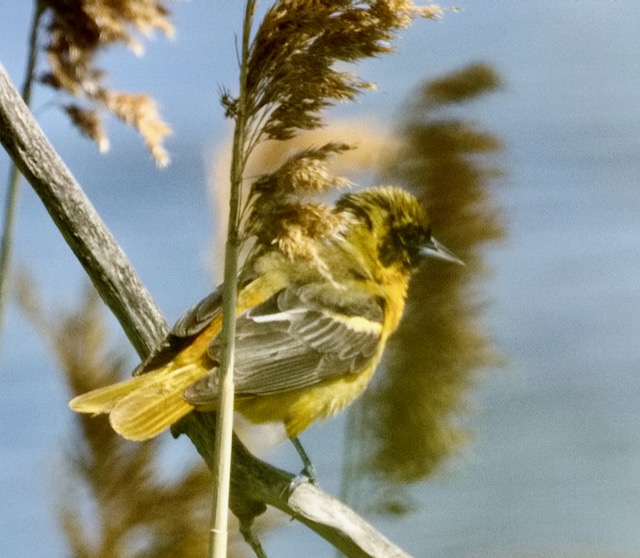
As we departed, we spotted a few more birds
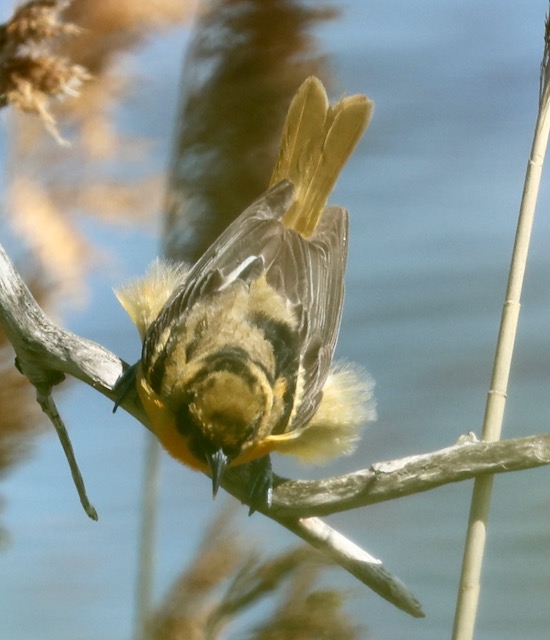
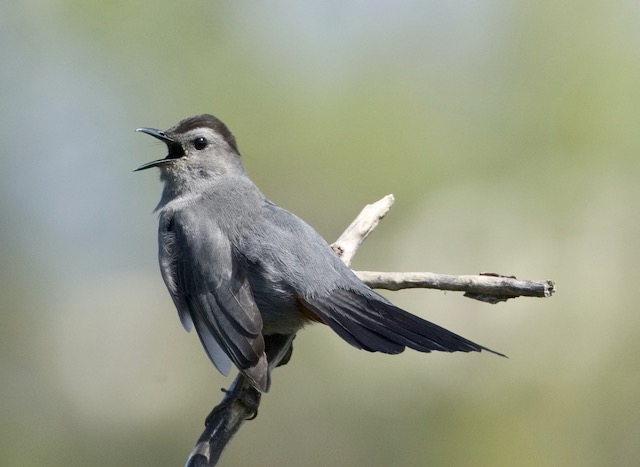
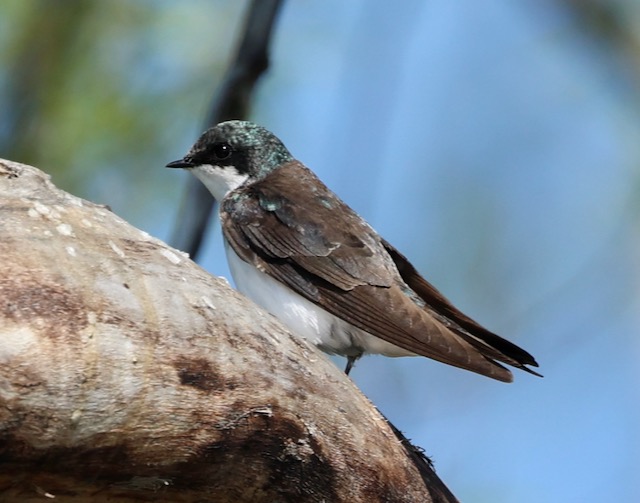
White-crowned SparrowBaltimore Oriole (f)Baltimore Oriole (f)Gray Catbird Tree Swallow (f)
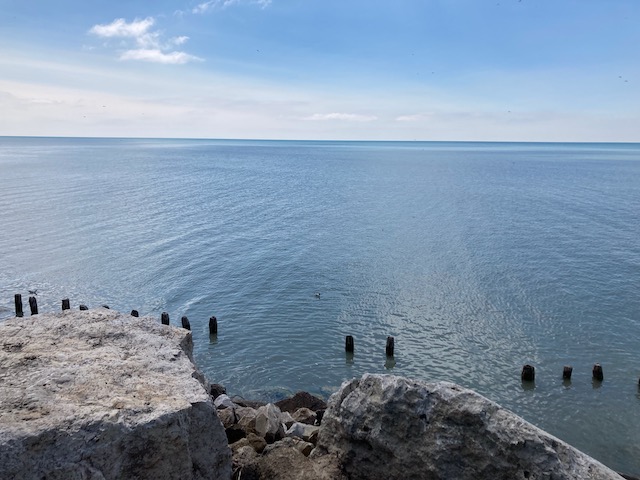
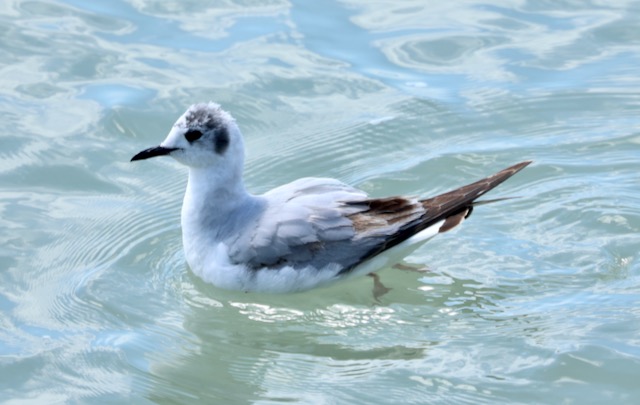
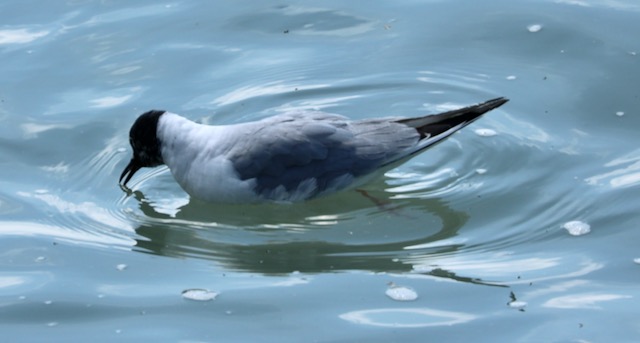
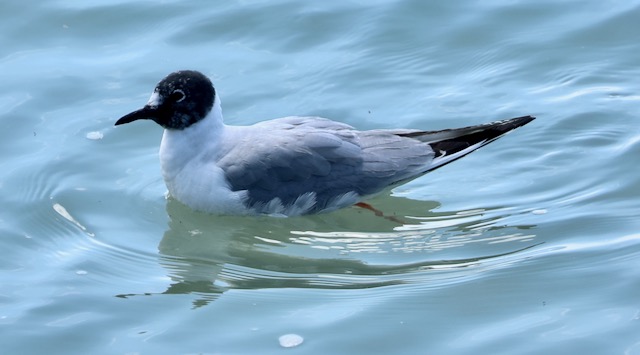
Looking out over the lake, we could see Red-breasted Mergansers lounging far offshore. Closer to shore, were two Bonaparte’s Gulls plucking midges out of the water. These are young gulls transitioning from first winter to first summer plumage. Breeding adults have fully black heads with partial eye rings.
Osprey Update
Over the past week, we noticed a change in the behaviour of the Osprey pair. When the male delivered a fish to the nest, the female stayed on the nest to consume it rather than flying off with it. The male remained close by on an adjacent light tower. This suggested that there were young in the nest, but we could not be certain. Young chicks would be too low in the nest for us to see.
Today, however, there were clear signs that the female was feeding young. As she ripped small pieces from the fish, she occasionally lowered her head into the nest where we could see movement through gaps in the nest. The male remained perched on the nest as protection while the female was preoccupied with eating and feeding. The video from this morning is extremely shaky because of the wind. We’ll try again.
Wandering Bee Flowers
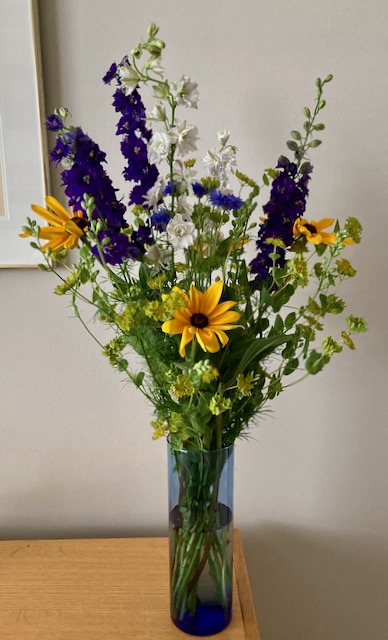
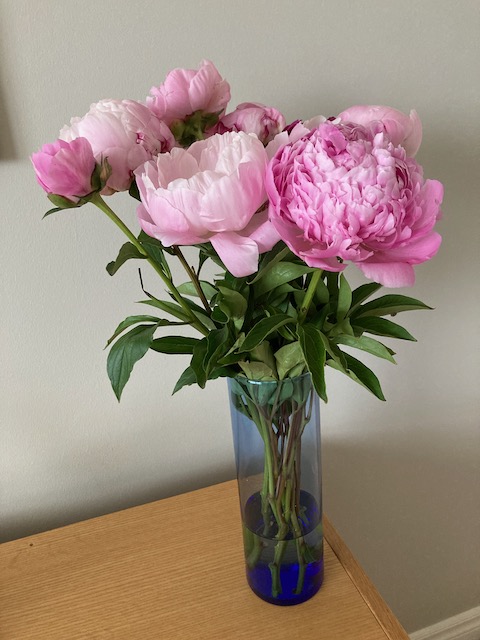
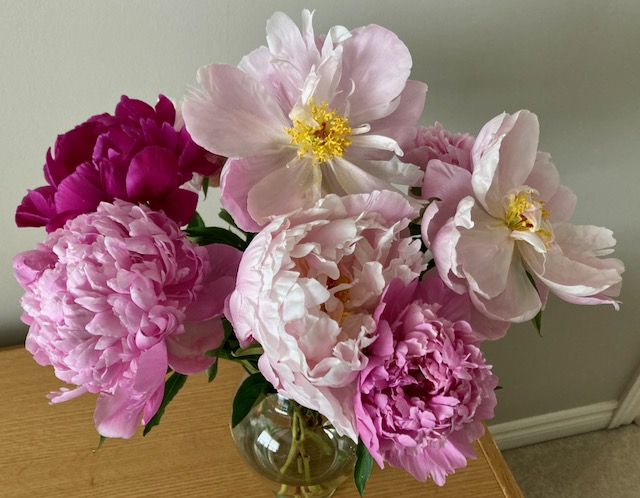
This week, we had a mixed bouquet of Peonies that opened to their full glory over the week.
Music Videos
Recently, I spent some time learning about the late Jimmy Buffett. We all know about his lost shaker of salt.
While never becoming a superstar, he was very successful at touring and merchandizing (parrot caps, Hawaiian shirts). He often adapted the lyrics to suit his audience.
The photo on the left below was taken on April 28 when the foliage on the trees was just emerging. In early May, after several days of rain and well-above-average temperatures, the canopy was already in full leaf.
Although Rondeau is closer to Lake Erie and experiences slightly cooler temperatures than London, the trees in the park already provided lots of hiding places for the birds. Warblers were particularly difficult to see high in the treetops hopping madly after insects.
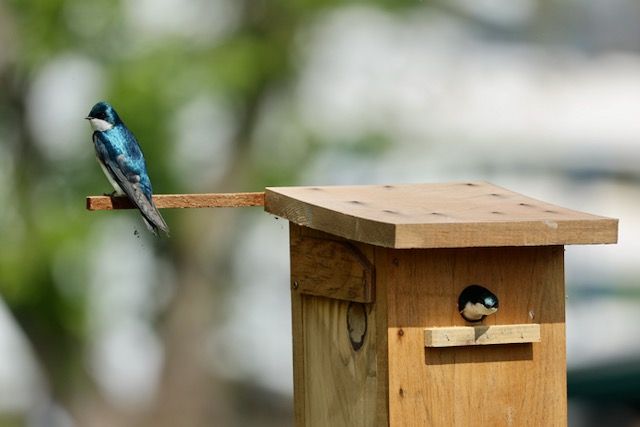
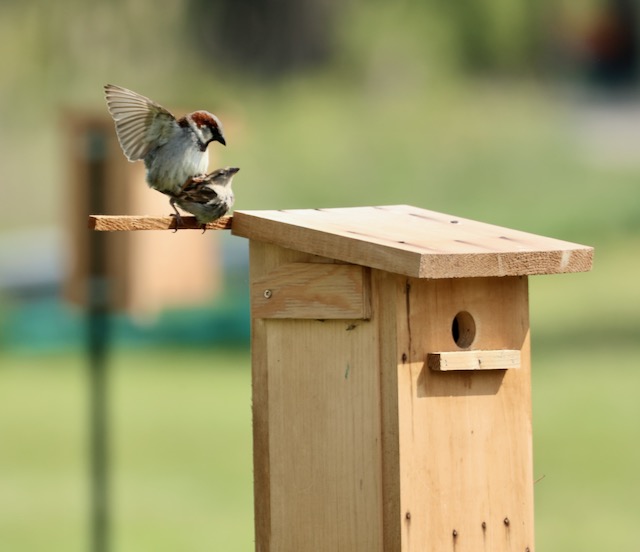
There was a lot of activity at the Purple Martin sanctuary with the non-stop flying and chirping of the martins, Barn Swallows and Tree Swallows. We met a teacher who volunteered at the sanctuary, helping to maintain the nest boxes for Tree Swallows and and the newly constructed shelters for nesting Barn Swallows. This involved regularly evicting House Sparrows that tried to set up house in the Tree Swallow boxes. Since aerial insectivores (swifts, swallows and martins) are in rapid decline, their breeding success takes precedence over that of House Sparrows.
We spent time on different trails in several areas of the the park where we heard and saw a variety of birds.
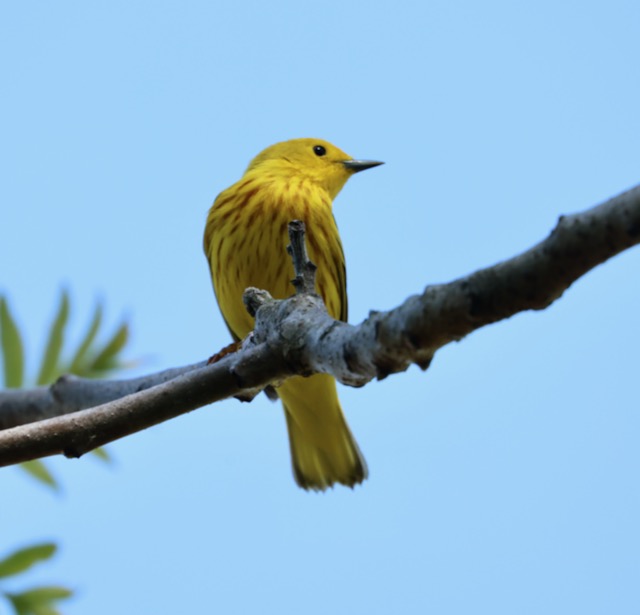
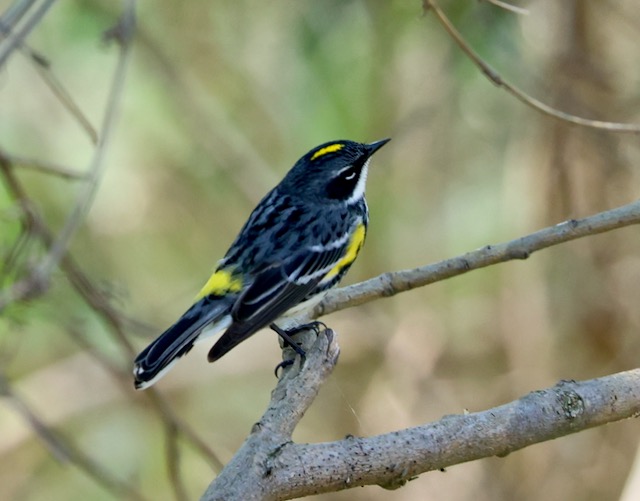
Yellow Warblers sang “Sweet, sweet, I’m so sweet” along every trail. They were easily the most numerous of the birds singing.
Yellow Warbler (m)Yellow Warbler (m)
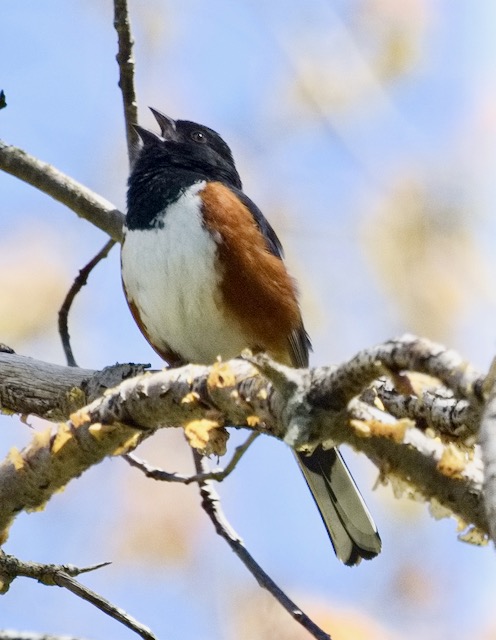
We heard this Eastern Towhee, repeatedly singing its “Drink-your-tea!” song, before we found it high on a bare branch.
This Redstart was also singing from on high.
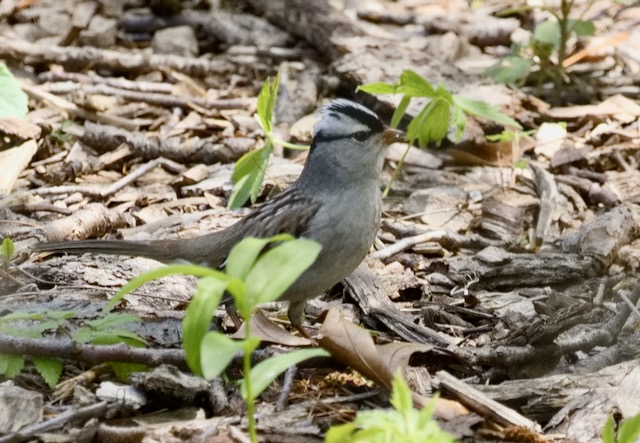
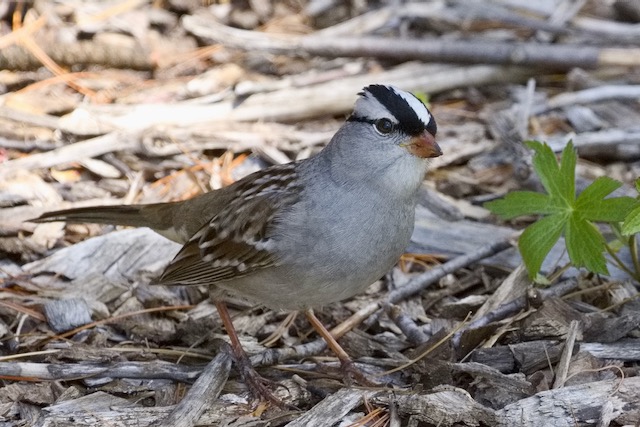
Birds, like these White-crowned Sparrows, that forage on the ground are sometimes easier to see!
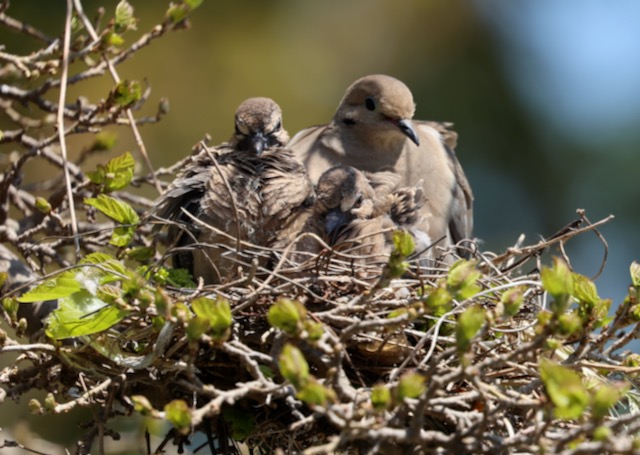
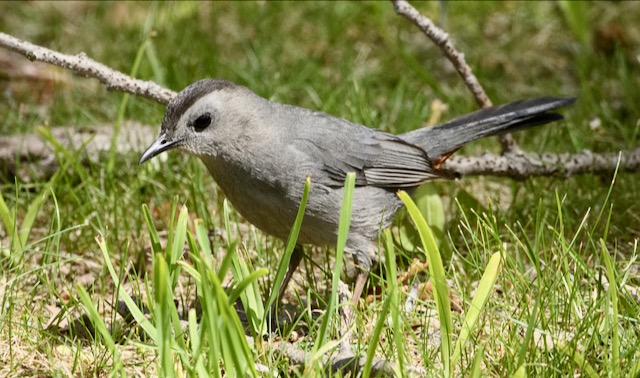
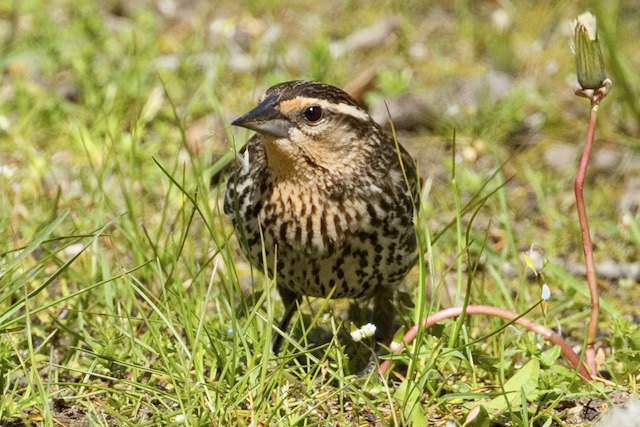
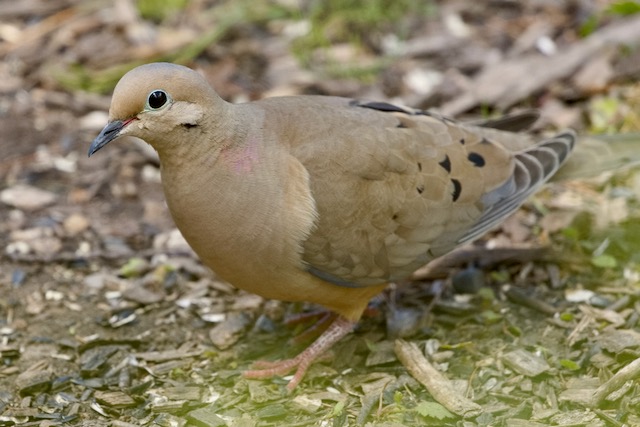
Grey Catbirds often make their cat-meow sounds and mimic other birds from deep within the underbrush, but we also saw them forage on the ground like other birds such as female Red-winged Blackbirds and Mourning Doves.
Red-winged Blackbird (f)Mourning Dove
Some birds were in the open, but far away.
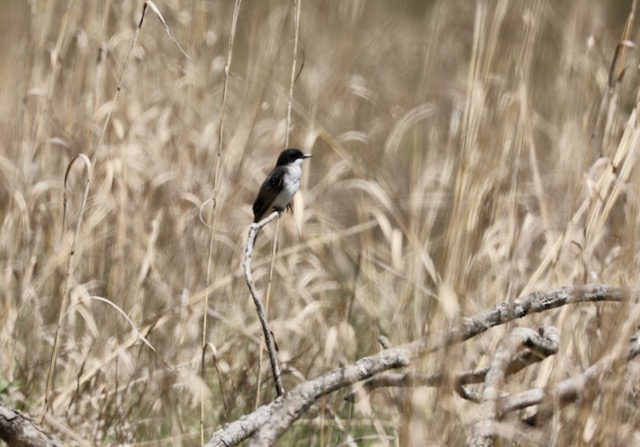
KingbirdIndigo Bunting (f)
If we’re lucky, the bird sometimes comes closer.
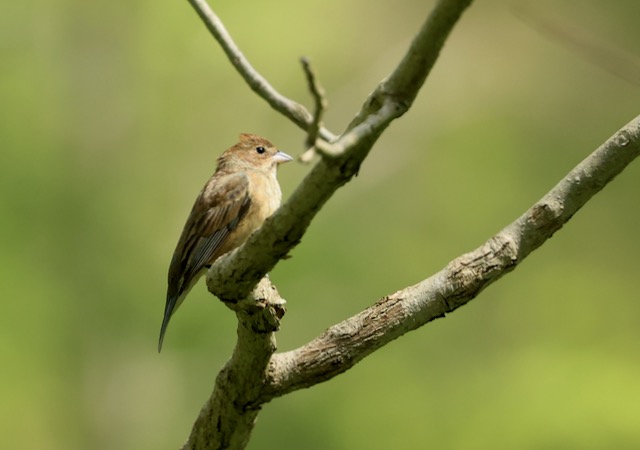
Indigo Bunting (f) We didn’t see the the luminous blue male…
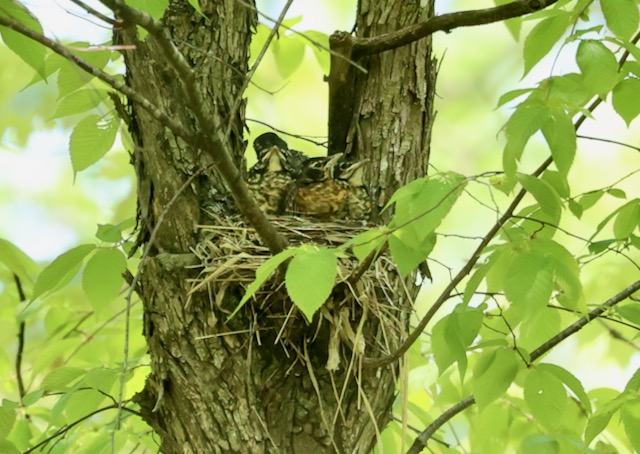
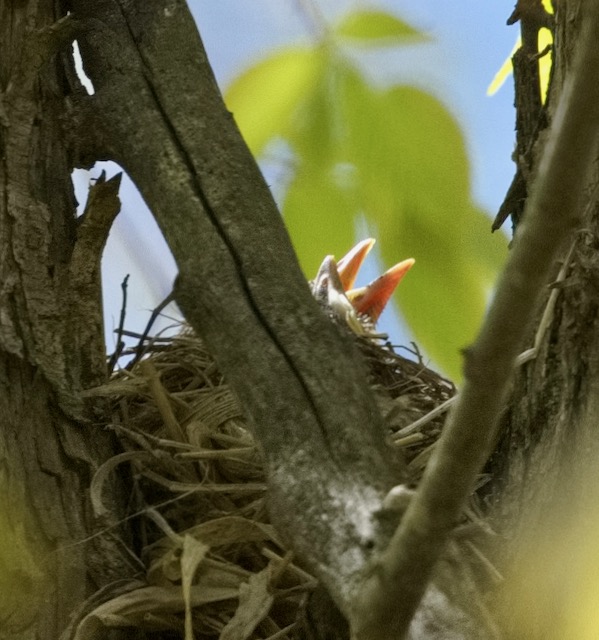
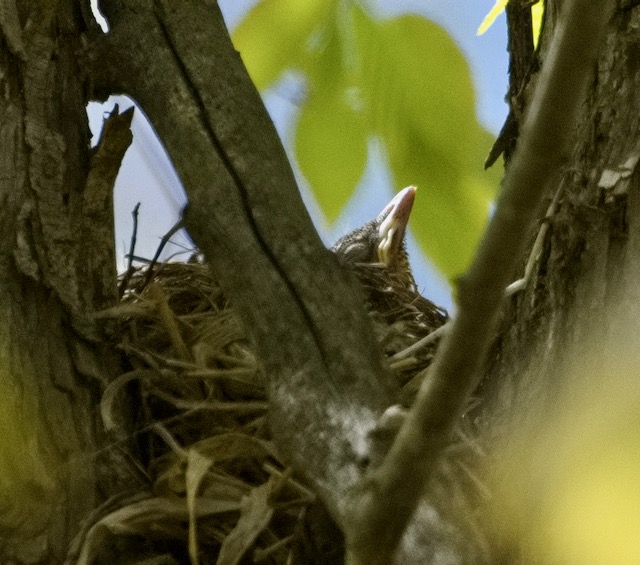
American Robins were already nesting and feeding young.
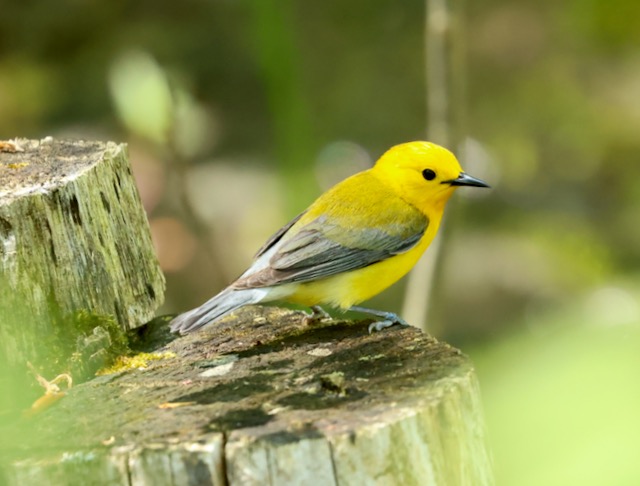
With a little patience and good timing, the Tulip Tree Trail is a reliable place to spot the Prothonotary Warblers that are nesting there.
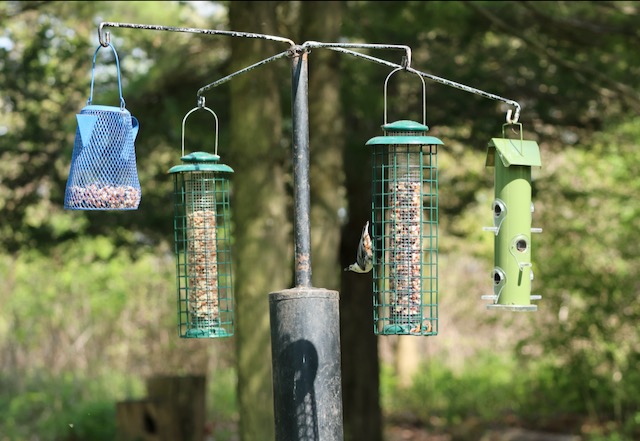
An even more reliable place to see a variety of birds is the bird feeders outside the Visitor Centre.
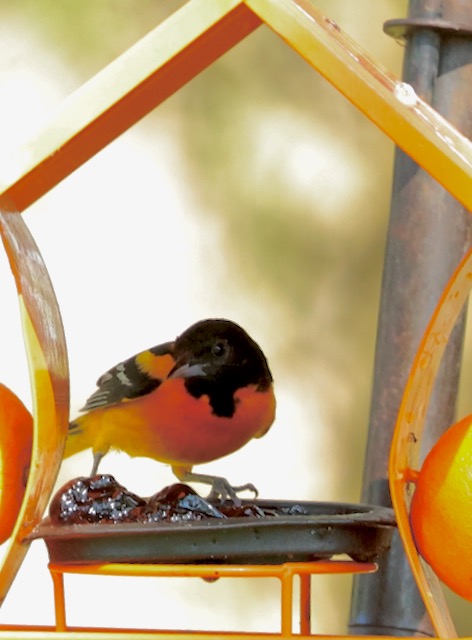
Baltimore Oriole feeders had fresh oranges and jelly for the birds. Jelly was preferred by far. There was an oriole’s nest high in a nearby cottonwood tree.
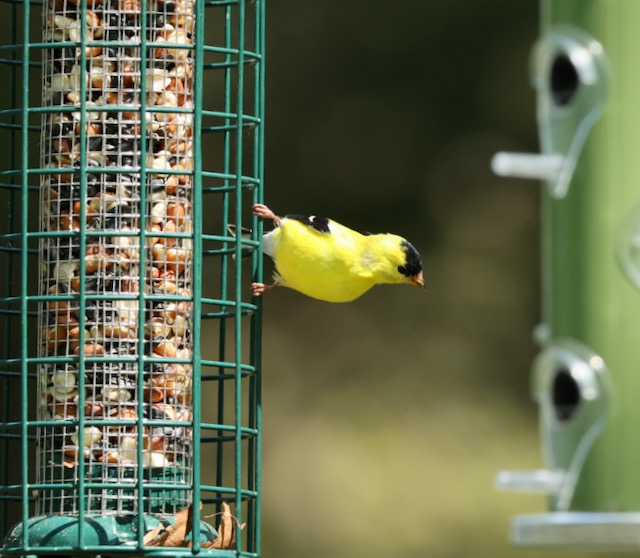
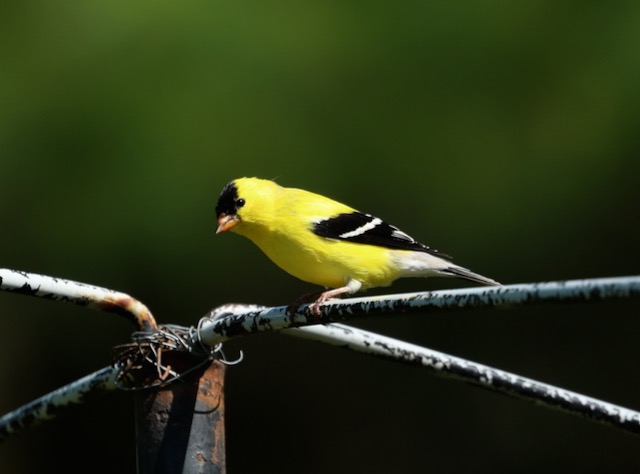
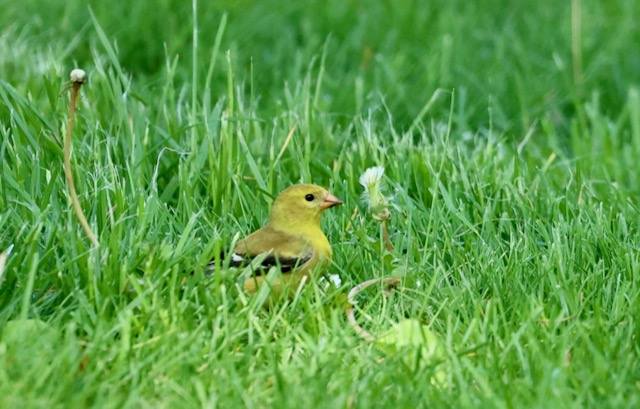
American Goldfinches were frequent feeder visitors.
American Goldfinch (m)American Goldfinch (f)
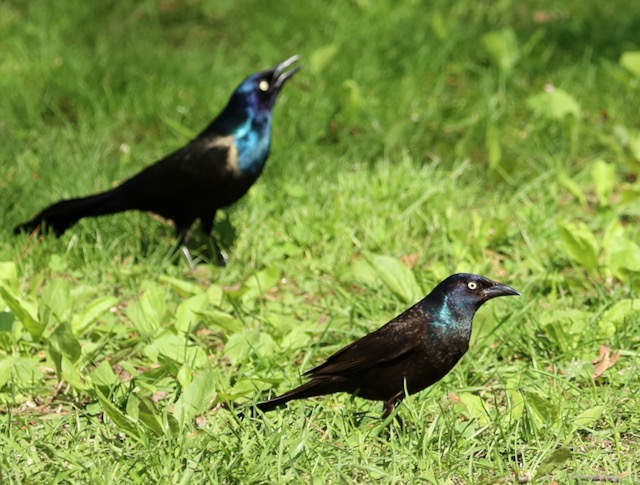
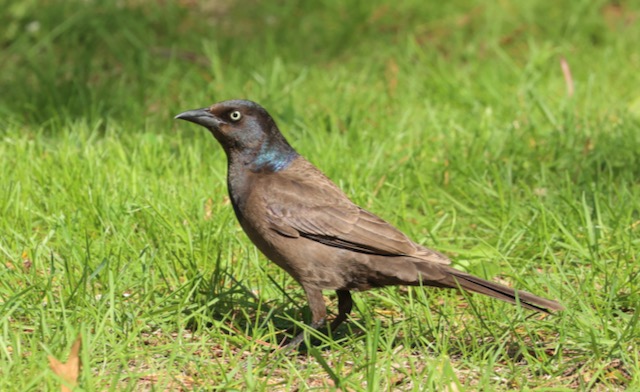
Common Grackles dominated some feeders, but also foraged on the ground
Common Grackles Common Grackle (f)
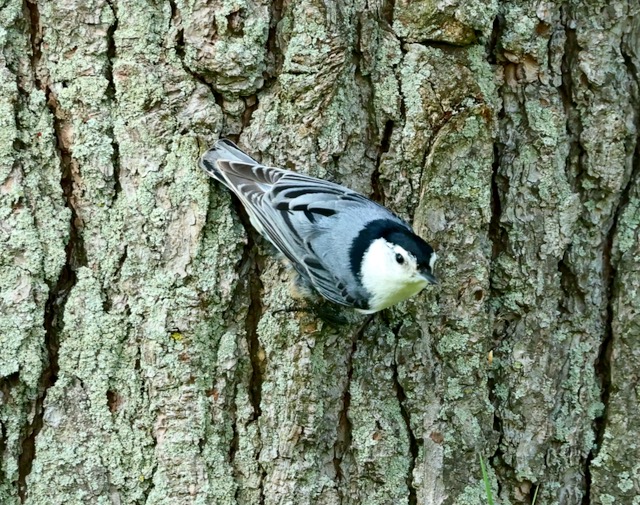
A White-breasted Nuthatch carried seeds from the feeder to cache in the bark of a nearby tree.
Recommended Documentary
For those in Canada, the documentary, “I am the River Magpie”, is available from The Nature of Things, Season 63, on CBC Gem. It is the story of a river in Quebec that was granted legal personhood in a bid to protect it from damming and other degradation. It is a beautifully shot and well-told story.
Osprey Update
We are still awaiting signs of newly-hatched chicks! Glenn recently spliced together a 7-minute video of the Osprey pair changing positions on the nest.
I could not bring myself to listen to any of the versions of Eric Clapton’s “Tears in Heaven”.
Smiling often involves a cost. Charlie Chaplin wrote “Smile” but it is so melancholy. Nat King Cole sings it beautifully and the video is comprised of clips from Charlie Chaplin movies.
I remember when figure skater, Ekaterina Gordeeva, skated to a version of “Smile” in competition.
She was not skating only for herself, Ekaterina Gordeeva said. No. That would have been wrong. Too narrow. Too selfish.
She was skating for everyone who has ever had a personal tragedy in their lives. For everyone who has ever lost someone and has had to start all over again. For everyone who has had to bear the unbearable.
“You must stand up from your knees and go forward,” Katya Gordeeva said. “You must find the strength in your heart, maybe find a person you can live for. A child. A parent. You must go on no matter how impossible it seems.”
So Tuesday night at the Hartford Civic Center, before an emotional sold-out audience of 15,000, there was Katya Gordeeva, standing at center ice, tears streaming down her face. All around her, the applause washed down from the upper reaches of the Civic Center, but it couldn’t wash away those tears.
Nor did she want it to. She had just finished doing what she said she would do. She had just finished skating for her husband and skating partner, Sergei Grinkov, who collapsed and died of a massive heart attack last November during a training session in Lake Placid, N.Y.
“Gangnam Style” is a South Korean neologism that refers to a lifestyle associated with the Gangnam region of Seoul,[12][13] where people are trendy, hip, and exude a certain supposed class. The term was defined in Time‘s weekly vocabulary list as “a manner associated with lavish lifestyles in Seoul’s Gangnam district”.[14] Psy likened Gangnam to Beverly Hills, California, and said in an interview that he intended the title as a joke, claiming that he has “Gangnam Style” when everything about the song, dance, looks, and music video is far from high class:[15]
From our balcony overlooking Harris Park in London, we hear a variety of bird songs and calls. These are usually common birds nesting or passing through – Northern Cardinals, Blue Jays, American Crows, Carolina Wrens, Red-winged Blackbirds, Red-eyed Vireos, Chimney Swifts, American Robins, Canada Geese and others.
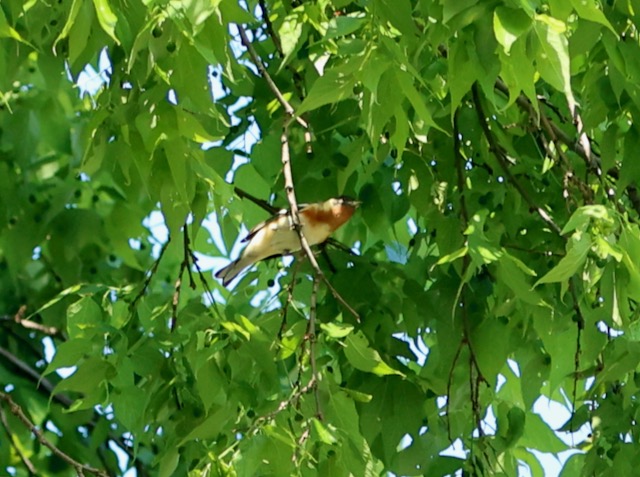
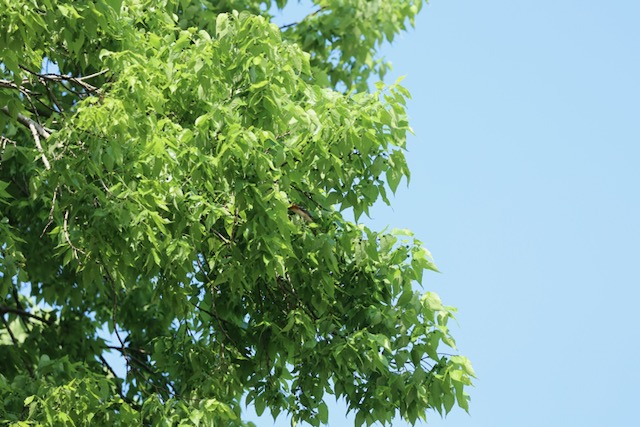
On a recent walk through our neighbourhood and the park, we identified 21 species, mostly by ear. There was one persistent song that we could not initially identify until Merlin suggested Bay-breasted Warbler. Despite the dense foliage, we finally found the bird moving quickly high in a leafy tree. Glenn managed to record the sighting, despite the challenges.
Find the warbler!
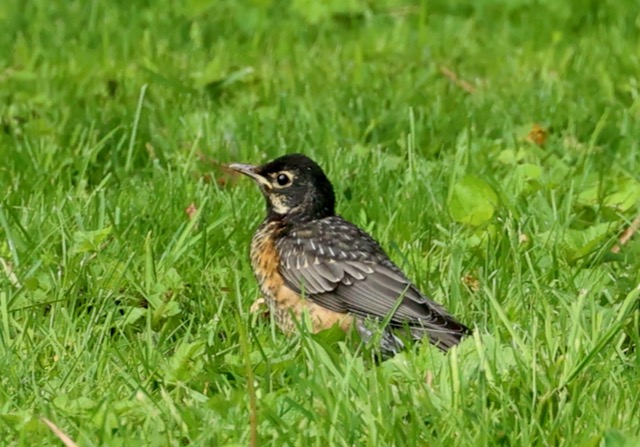
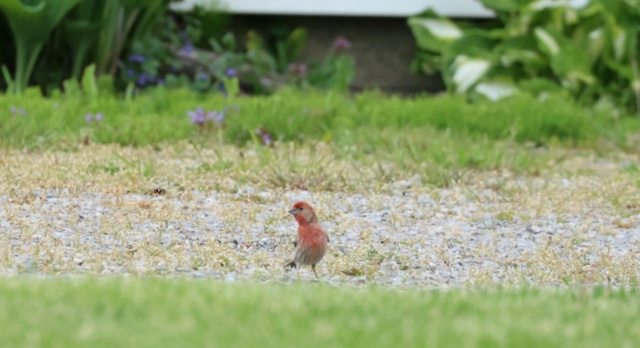
Birds in plain sight are much easier to photograph!
From left to right at feeder: House Finch (f), House Sparrow, Northern Cardinal, Mourning Dove; immature American Robin; adult American Robin
In Shrewsbury, we also heard and saw 21 different bird species that visited the property or foraged along a short stretch of road leading to Lake Erie.
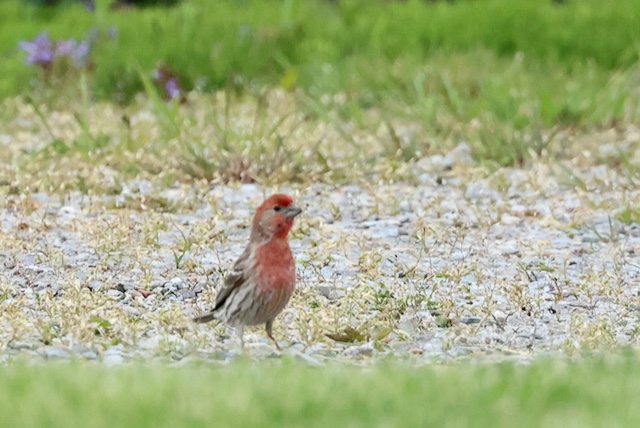
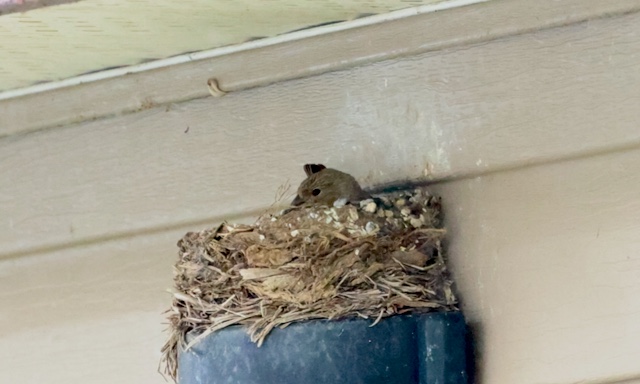
When we arrived at the cottage we were greeted by a pair of House Finches that seemed to be living up to their names by building a nest on a light fixture under the eaves. We usually saw the birds, male and female, calling from overhead wires. They were rarely in the nest, perhaps waiting for us to depart before starting a family?
House Finch (m)House Finch (f)
Our little cottage looked out over a marshy area overgrown with Phragmites (invasive reeds) at the front and a canal at the back. Some birds spent time on the property across the canal that was unoccupied and rather derelict.
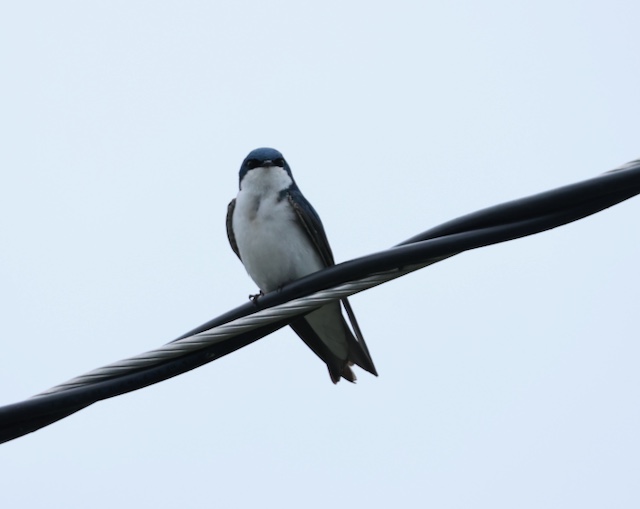
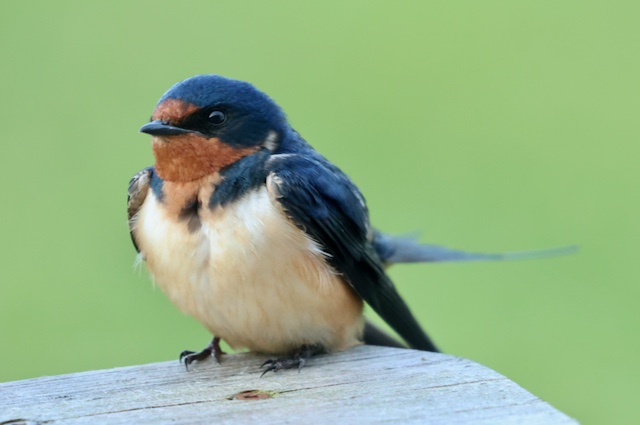
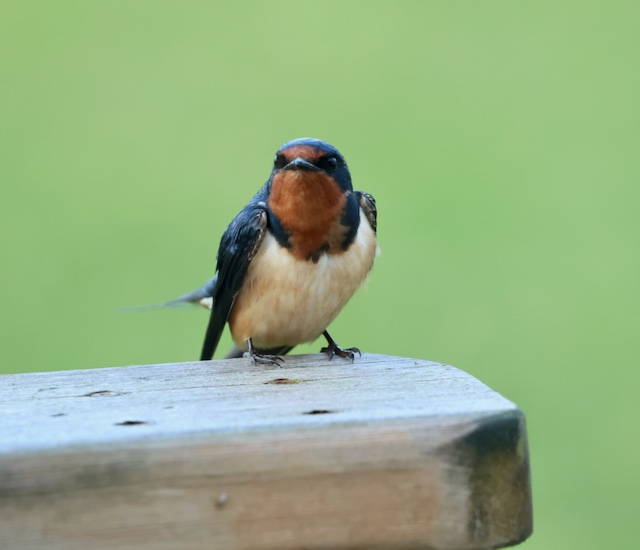
Tree Swallows and Barn Swallows constantly swooped over the marsh and across the cottage’s front lawn. Swallows often perched on the overhead wires and sometimes on the railing at the front of the cottage.
Tree SwallowBarn Swallow
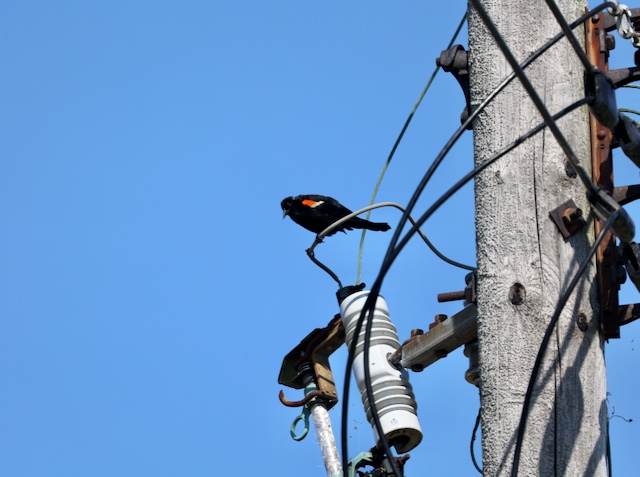
The swallows weren’t the only ones to perch on the overhead wires.
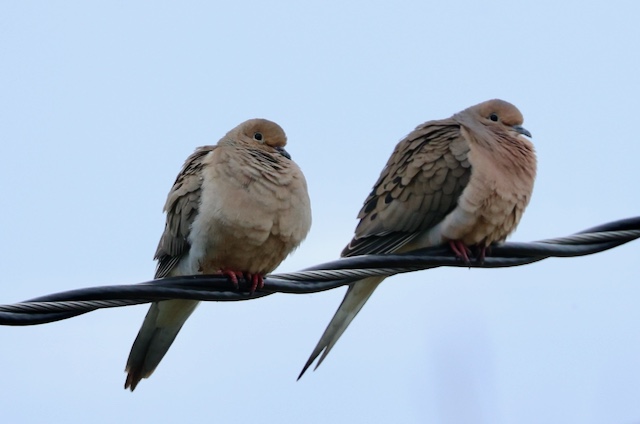
Red-winged BlackbirdMourning Doves
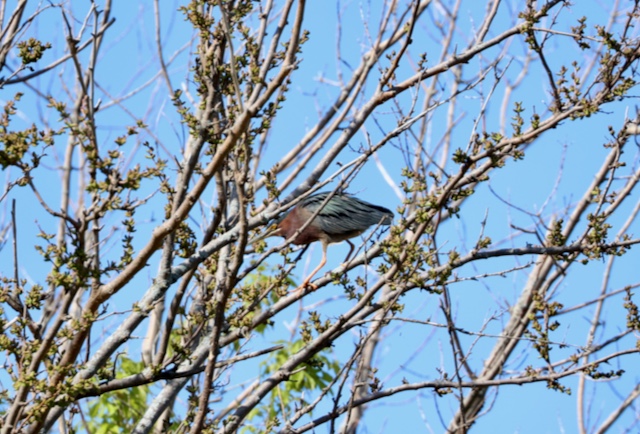
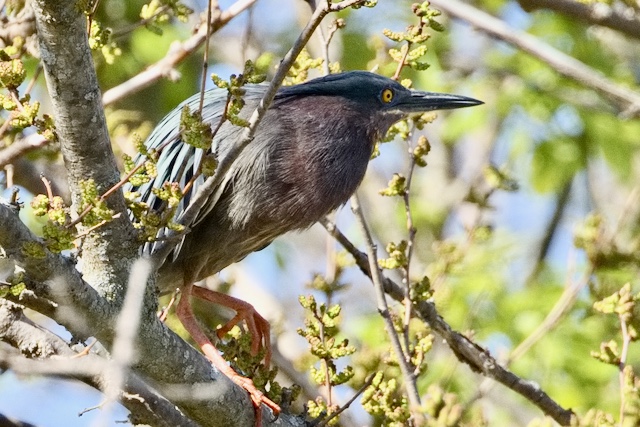
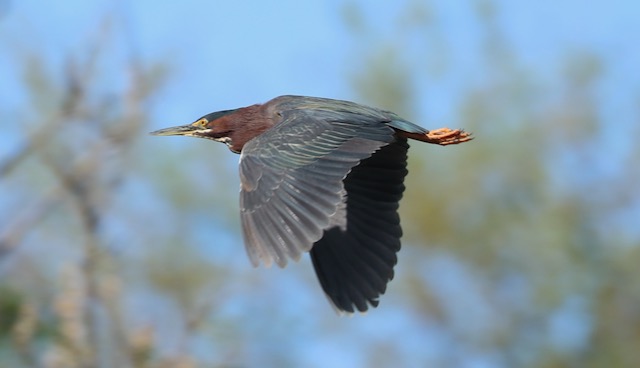
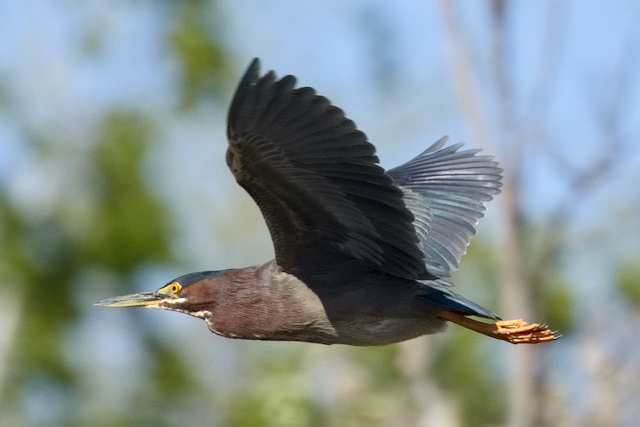
One late afternoon, while spending time on the back deck, we were delighted to see a Green Heron land in the tree on the other side of the canal, followed shortly afterward by another. Both herons perched for some time before flying off along the canal. As unlikely as it may seem, these birds nest in trees and shrubs if they are near wet habitats.
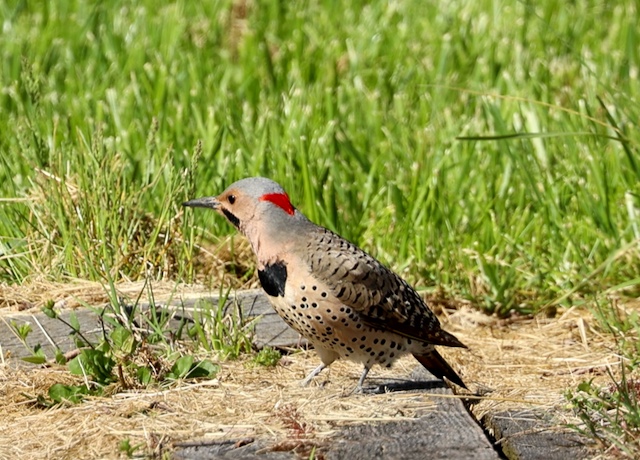
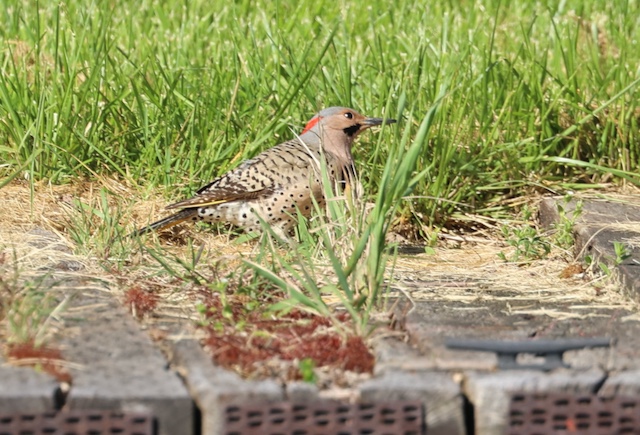
That day, a Northern Flicker also arrived to forage along the edge of the canal. Note the yellow feathers just visible along the edge of the wing and tail feathers in the photo on the right. Northern Flickers in the east are of the Yellow-shafted variety, those in the west are Red-shafted and have other slight plumage differences.
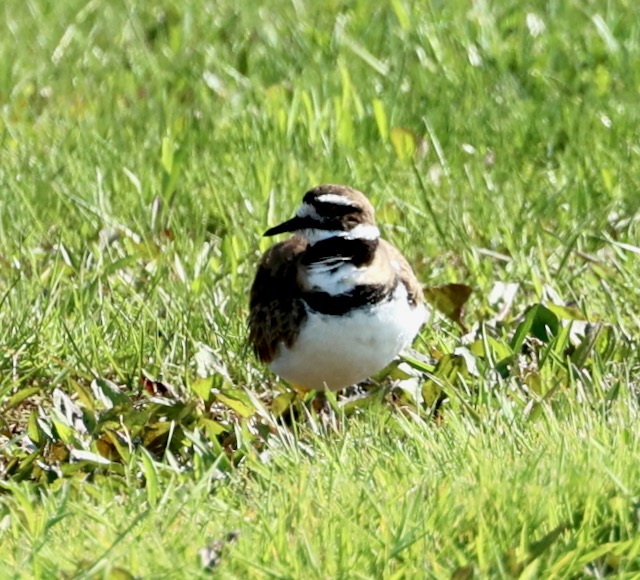
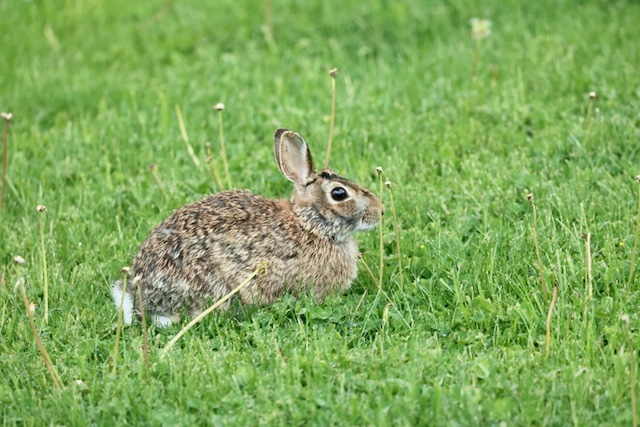
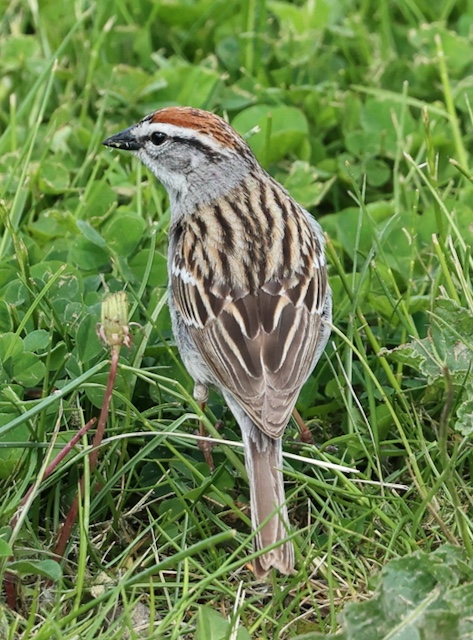
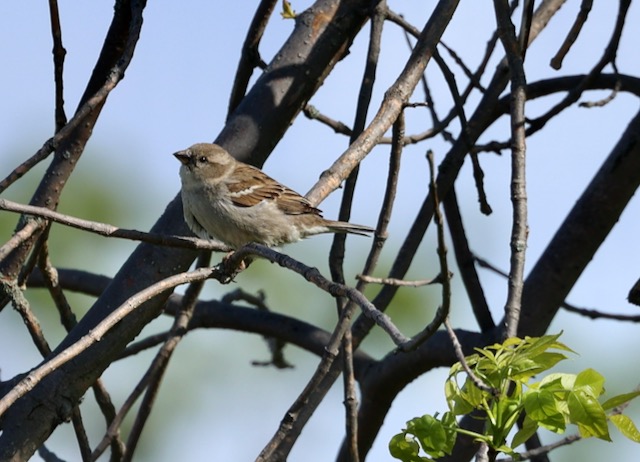
Chipping Sparrows, American Robins, female Red-winged Blackbirds, a White-crowned Sparrow and Killdeer also foraged in the front and back lawns. A Cottontail Rabbit was also a regular visitor. A small flock of House Sparrows lived in a shrub nearby.
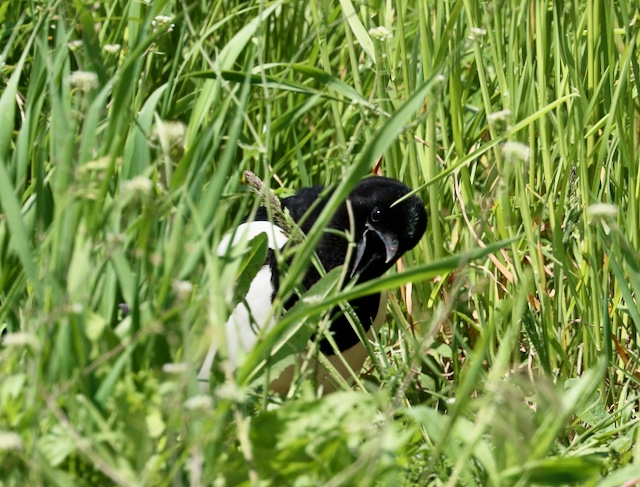
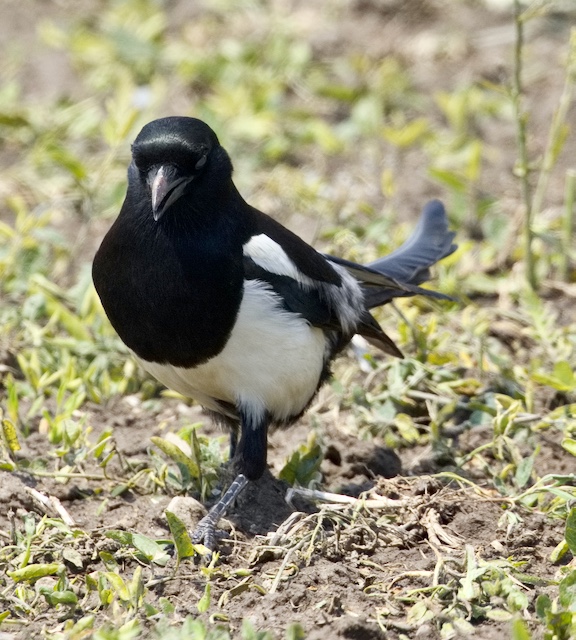
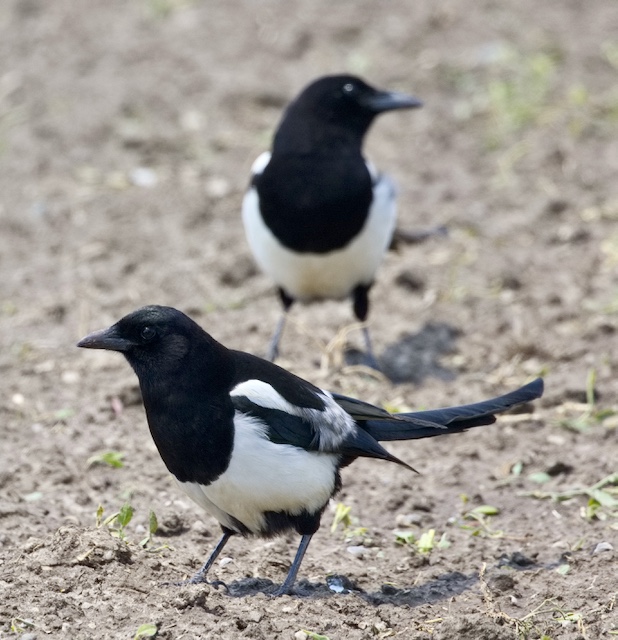
We knew that Shrewsbury was home to a pair of “celebrity birds” – two Black-billed Magpies whose range is normally west of the Great Lakes. They frequented the edge of a cultivated field at the side of a road we travelled to get to Erieau. We frequently saw parked cars and photographers on the roadside. On one occasion, we were greeted by some birders we knew from Toronto.
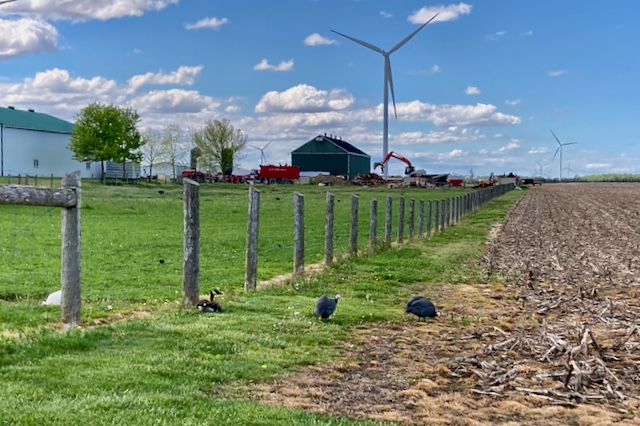
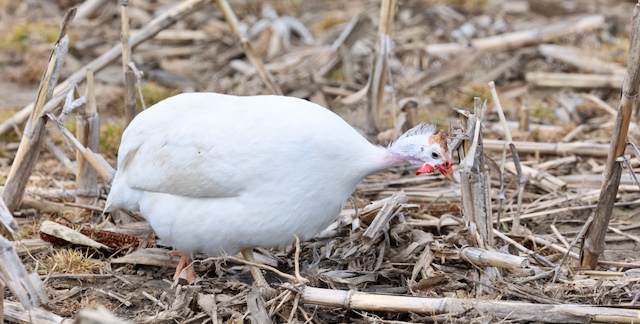
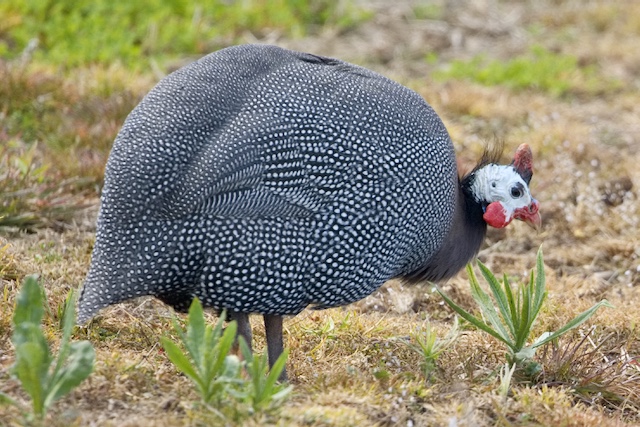
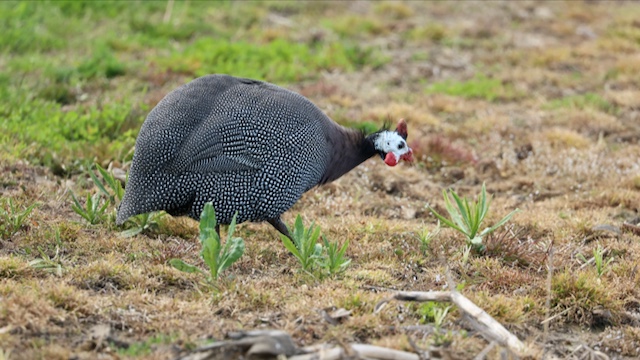
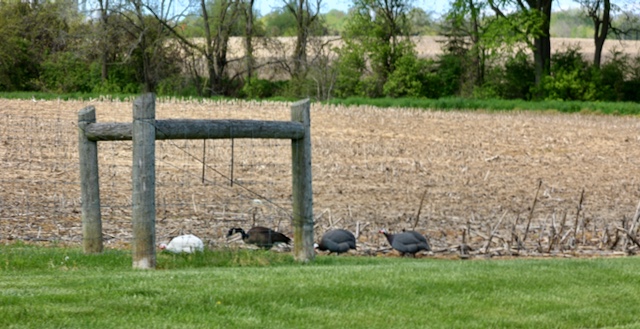
Our most unusual sighting was of three Guineafowl strolling across a high-speed country road accompanied by a Canada Goose! Guineafowl are endemic to Africa; clearly these were escaped captive birds. The Canada Goose was part of the flock and followed the three birds when they continued on their way after foraging in a farm field.
Osprey Update
Our steadfast Osprey pair have settled into the long incubation period. They have gradually added sticks to their nest on the lights. Now only the adult’s head is visible when sitting in the nest. We often see the male stationed on the lights closest to the nest. Often he looks wet and is preening, a sign that he has been fishing. By our calculations, we will be looking for evidence of eggs hatching sometime late next week.
We have had reassurances from the stadium managers that they have no intention of interfering with the nest while the Ospreys are present.
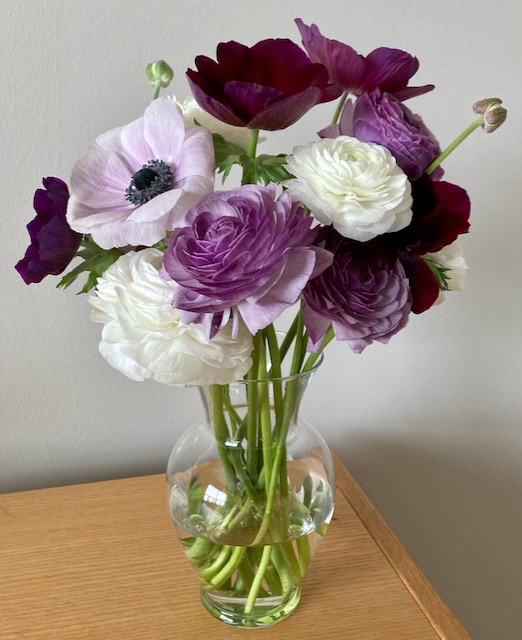
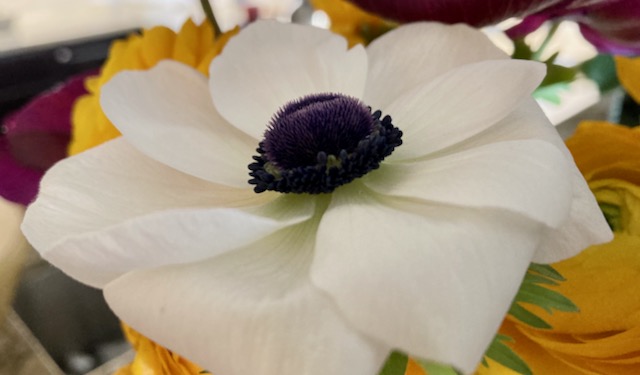
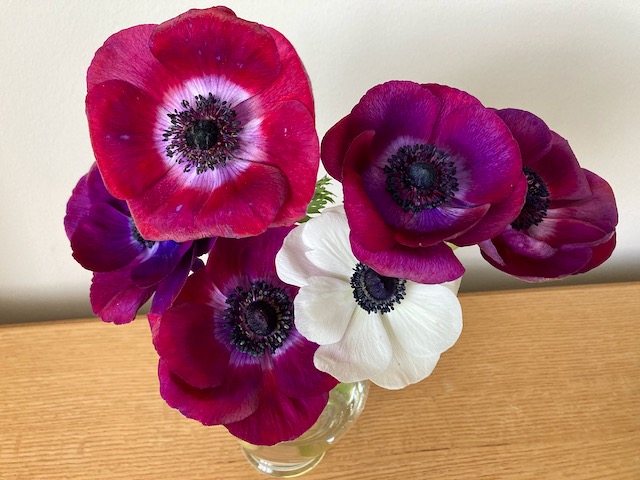
Anemones and Ranunculus
Both anemones and ranunculi are members of the buttercup family. We have been mesmerized by these beauties all week.
Music
I remember watching this episode of The Midnight Special, probably in black-and-white. Gordon Lightfoot, the low-key host, performed a few songs. The list of performers is illogical, spanning several genres (Maria Muldaur, Ravi Shankar, The Guess Who).
For good measure, I added a few more songs from The Guess Who: