Author: New Admin

  • Greenway Park –      August 14, 2025

    Greenway Park – August 14, 2025

    August 14th promised to be another sweltering day. We decided on a morning walk before the worst of the heat.

    Ospreys and other birds

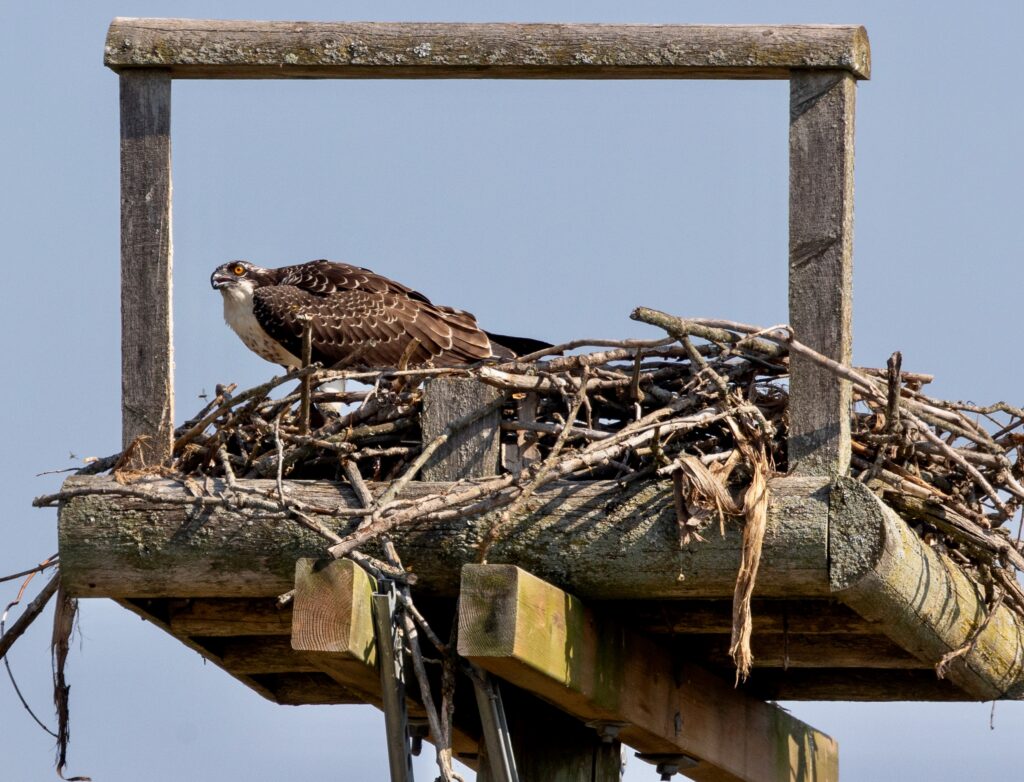
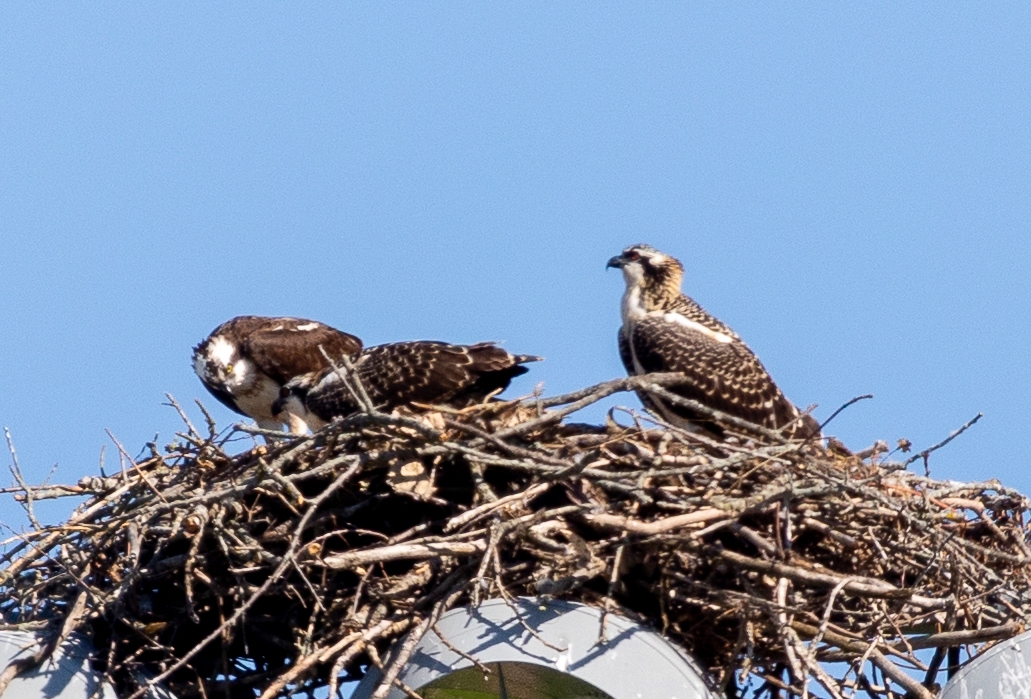
    We wanted to check if there was still a young Osprey on the nest at Greenway. We found one young bird calling urgently to be fed.

    The eyes of immature Ospreys are an orange colour that gradually lightens to the yellow of adult eyes by about October of the year in which the Osprey hatched. Immature Ospreys have dark feathers edged in white, giving them a speckled appearance until the feathers moult and are replaced by dark feathers about 18 months after they fledge.

    A trio of noisy American Crows flew back and forth across the road through the park and finally landed in plain view.
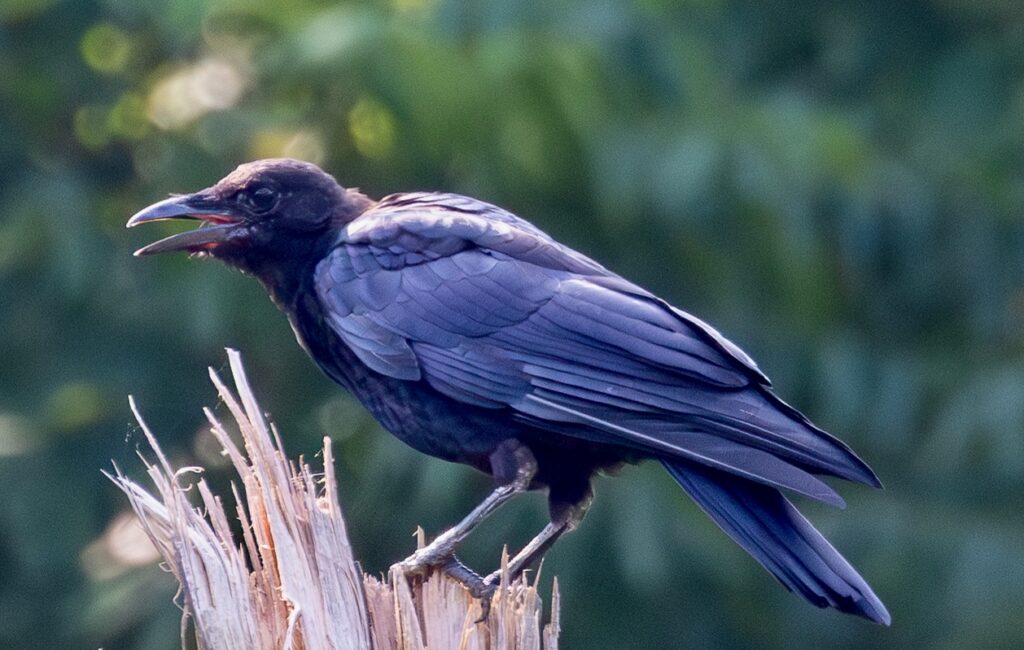
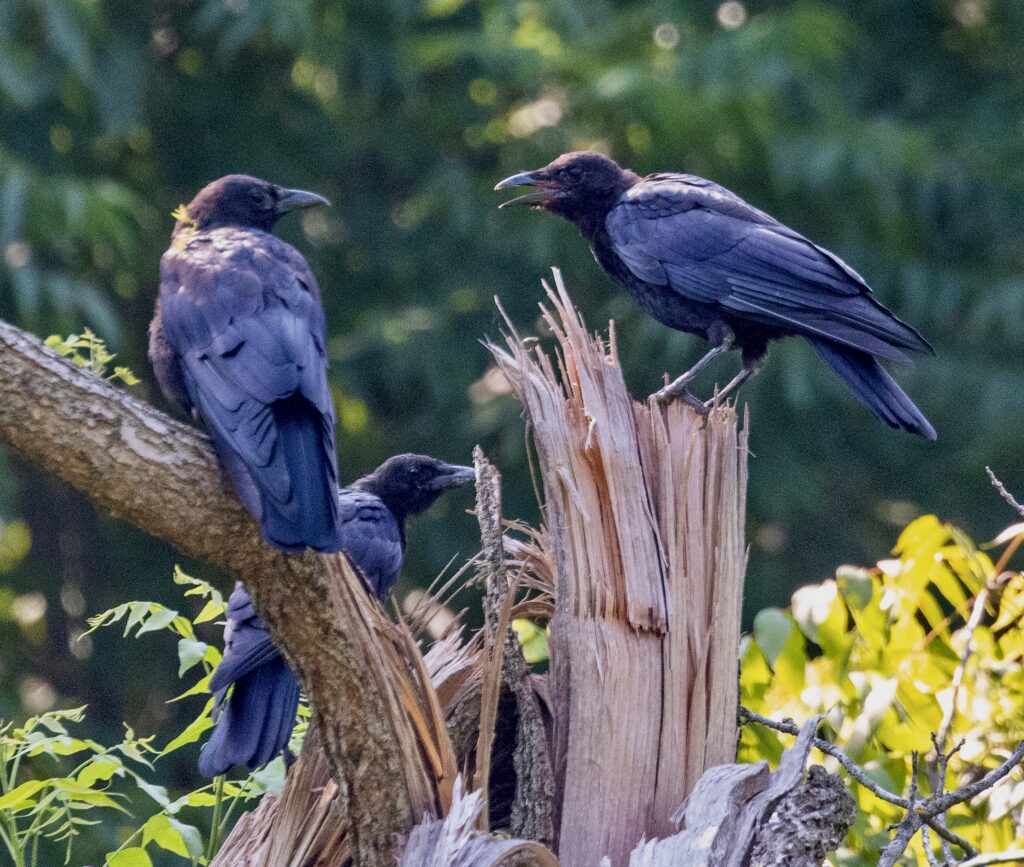
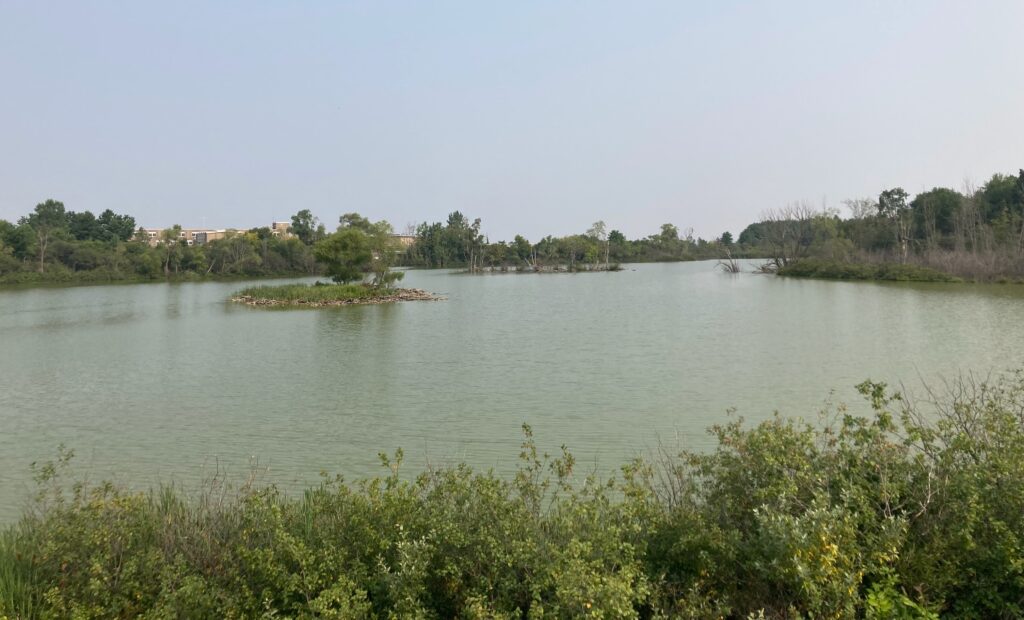
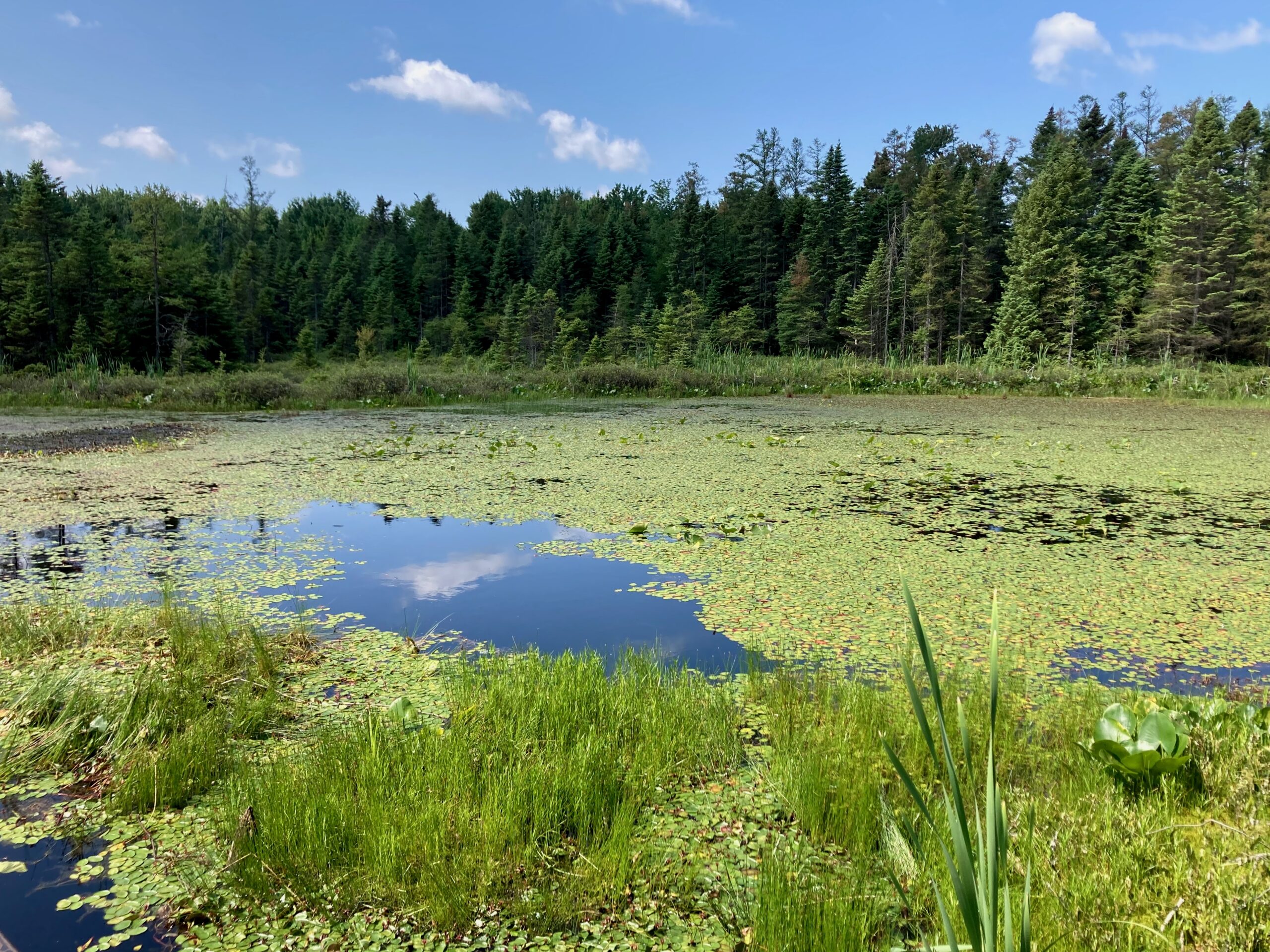
    One of the Coves ponds extends into Greenway Park. In the shallow, sheltered water, we saw two Great Egrets and two Great Blue Herons wading in the distance.

    No so many butterflies…

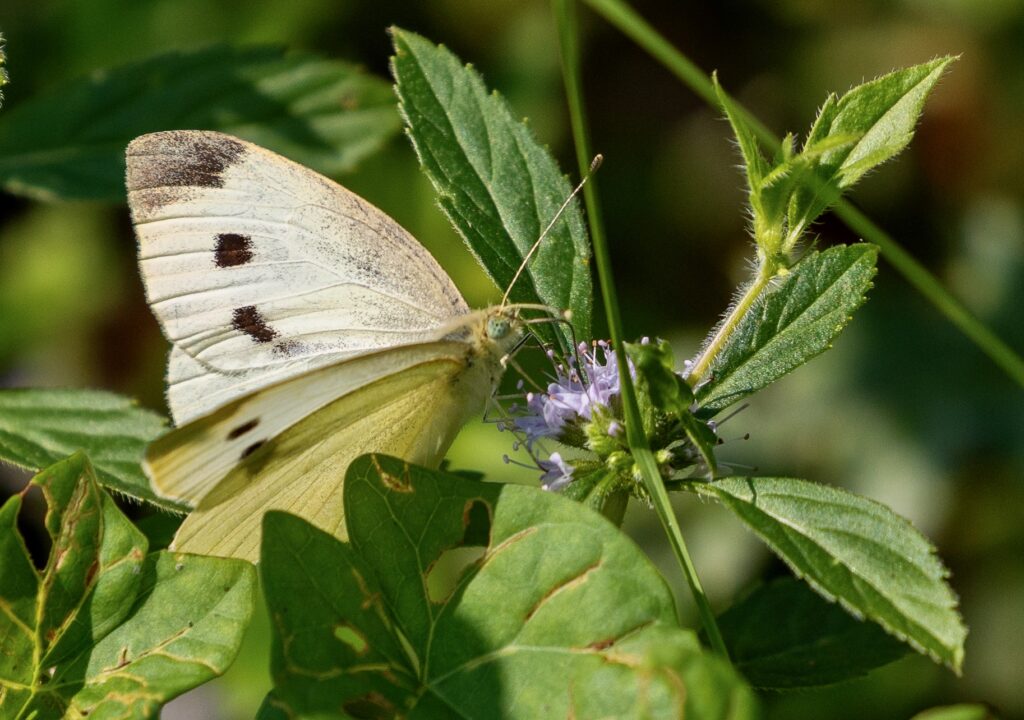
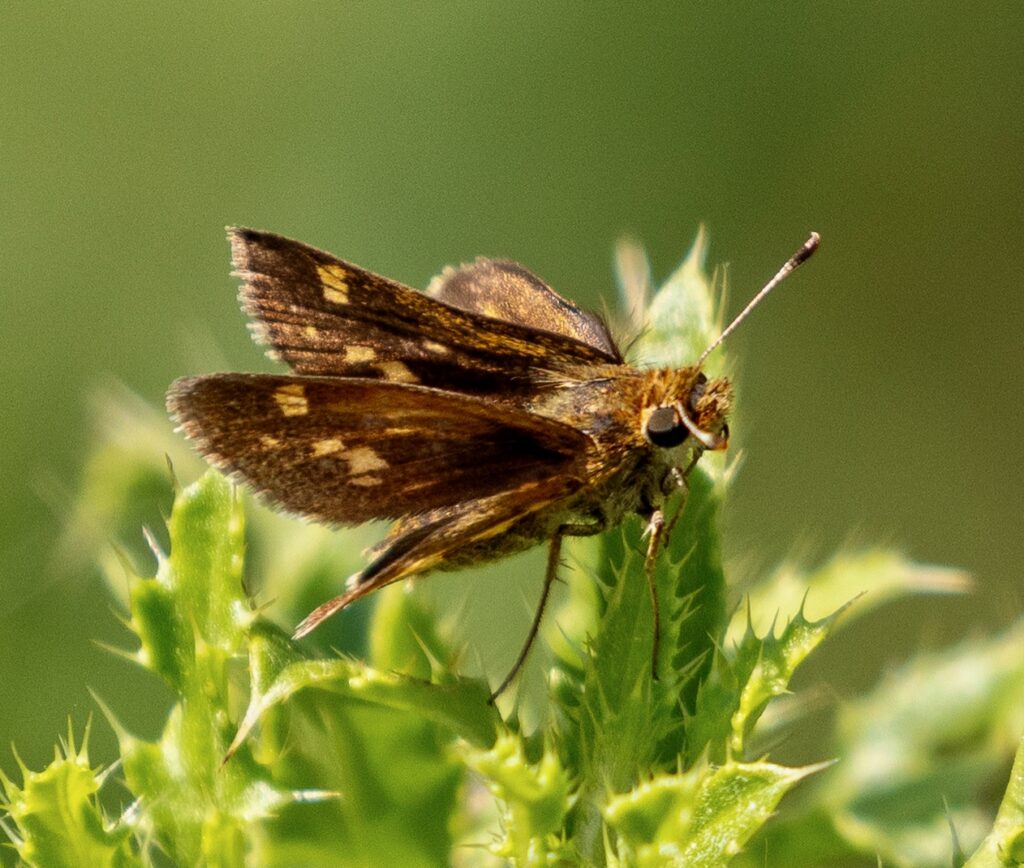
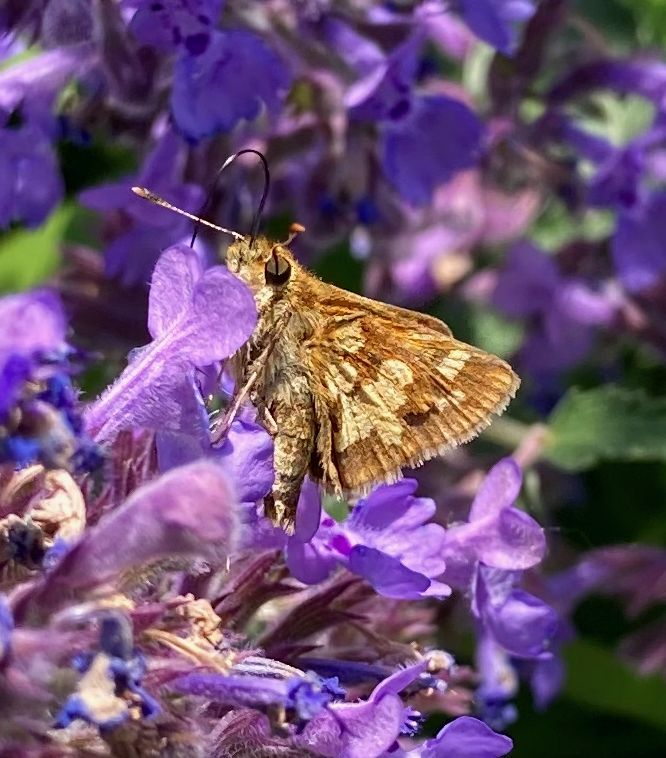
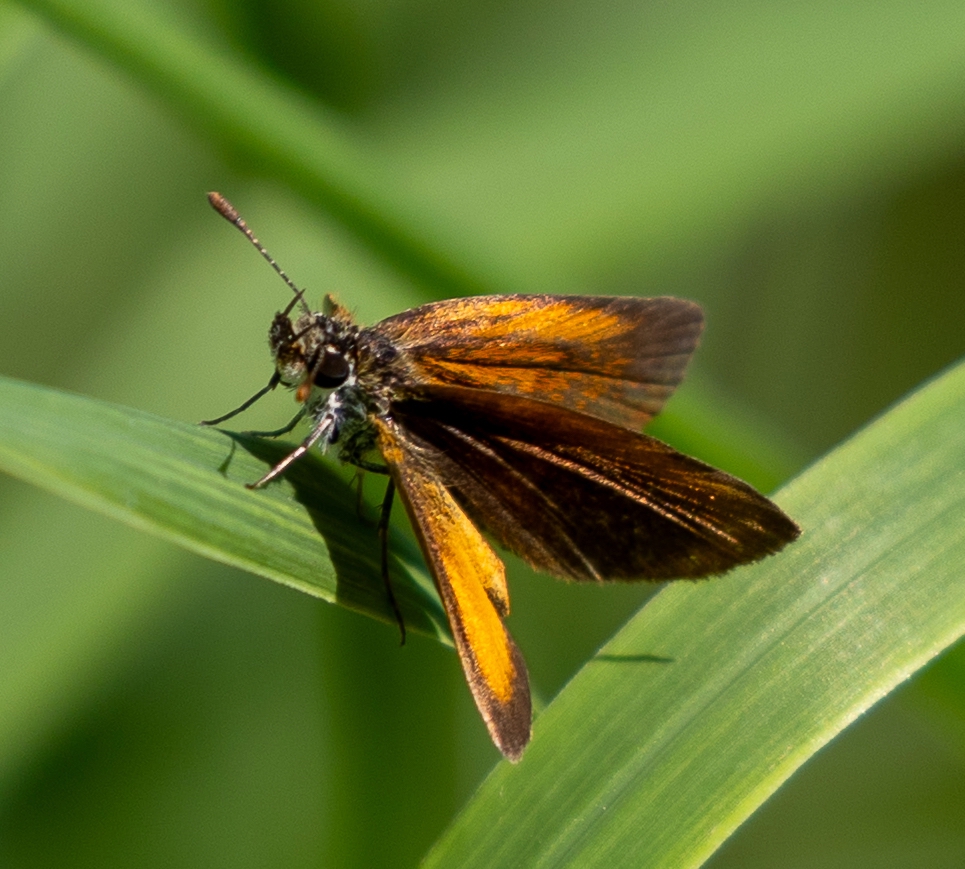
    We thought we might find butterflies along the roadside and sunny paths. There were many Cabbage Whites and a couple of Peck’s Skippers.

    Bees and other flying things

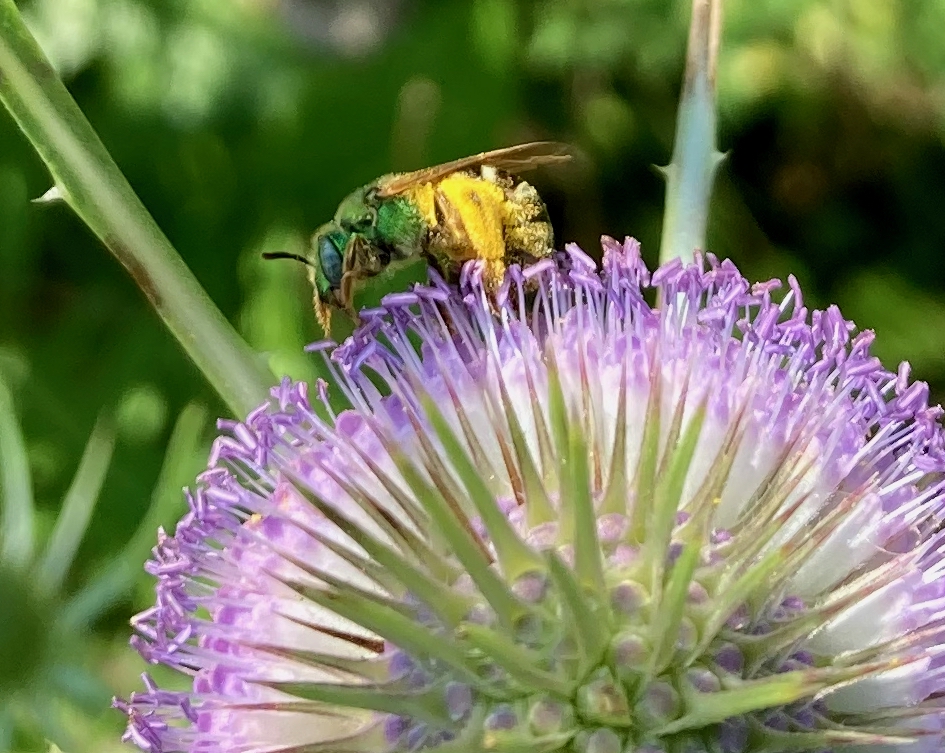
    Bees in all sizes, shapes and colours made up for the scarcity of butterflies…

    Bees, especially wild native bees, are the most important pollinators of food crops. There are about 800 different kinds of bees in Canada and about 400 different kinds in Ontario. Many are only identifiable at the genus level.

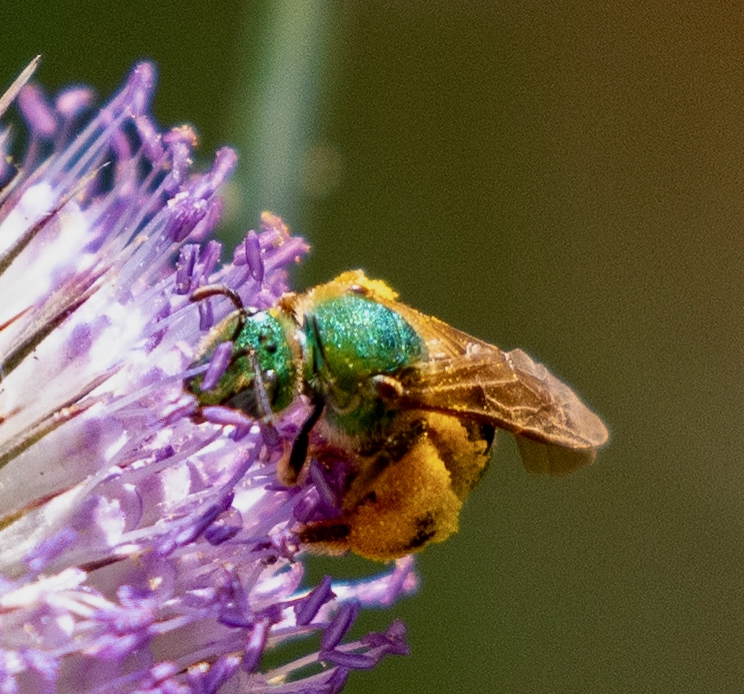
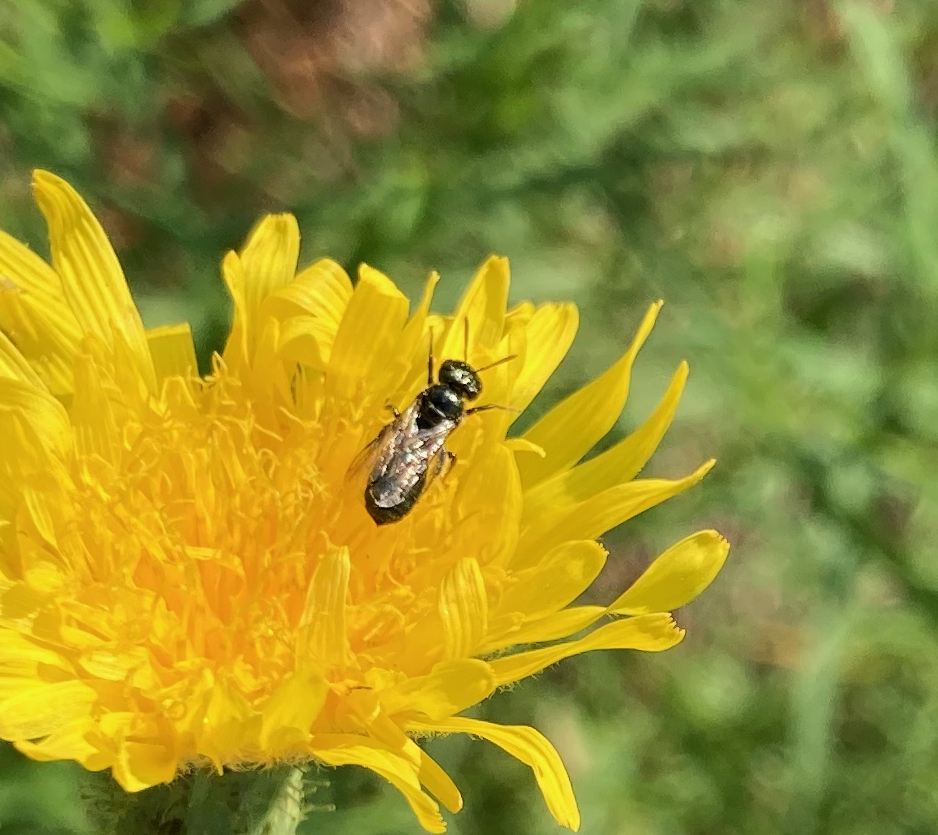
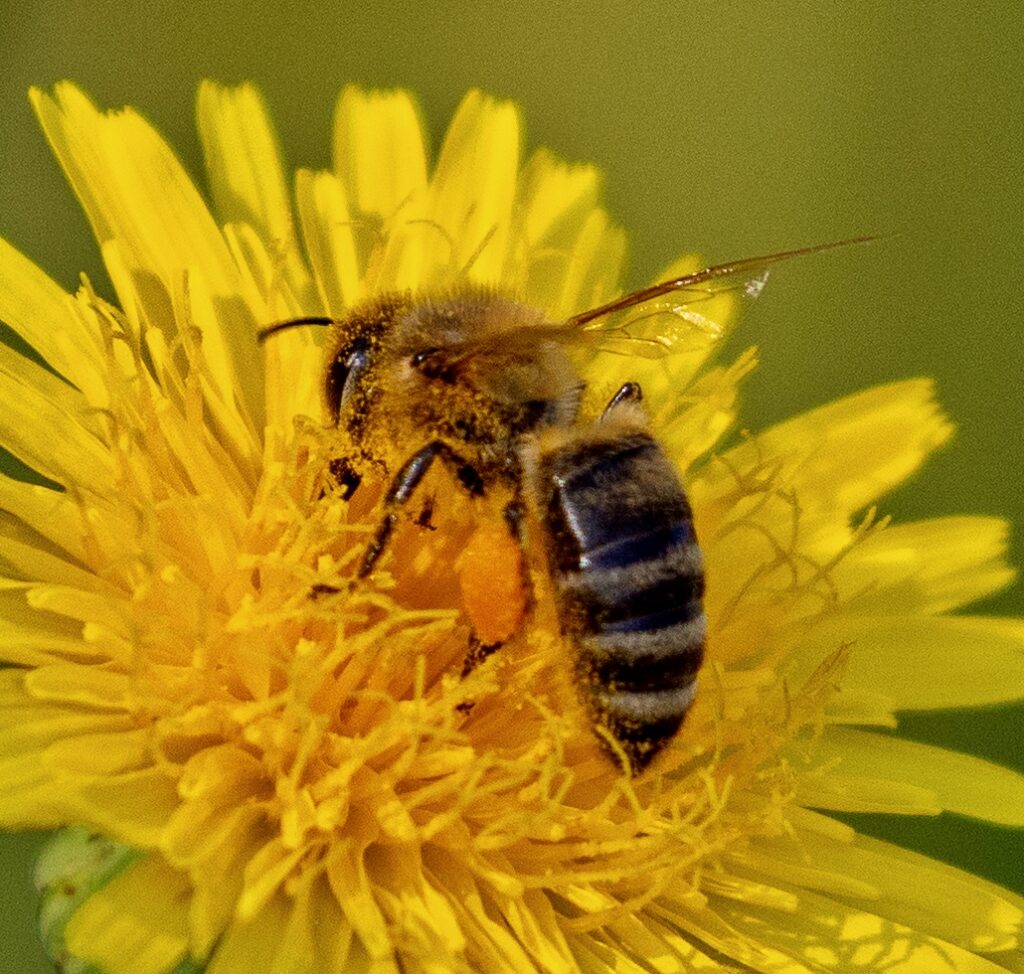
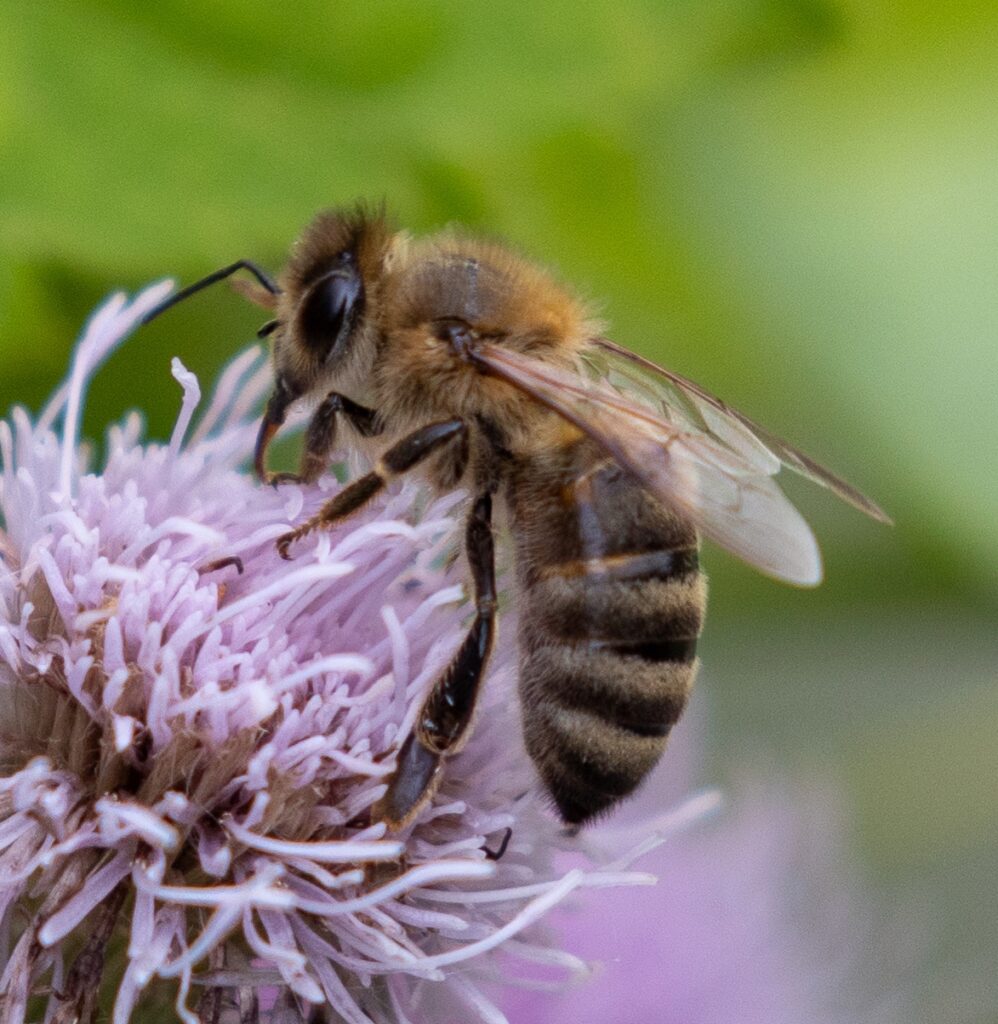
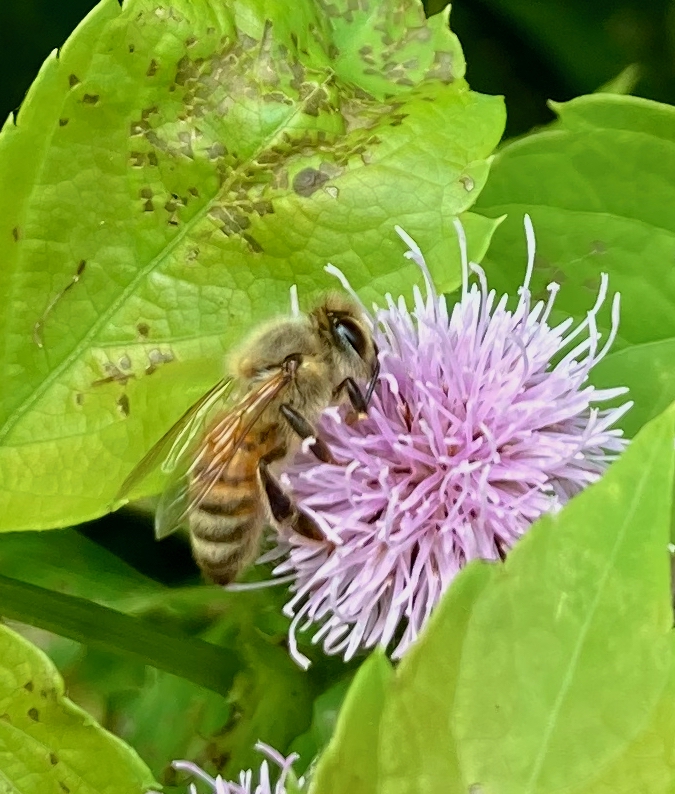
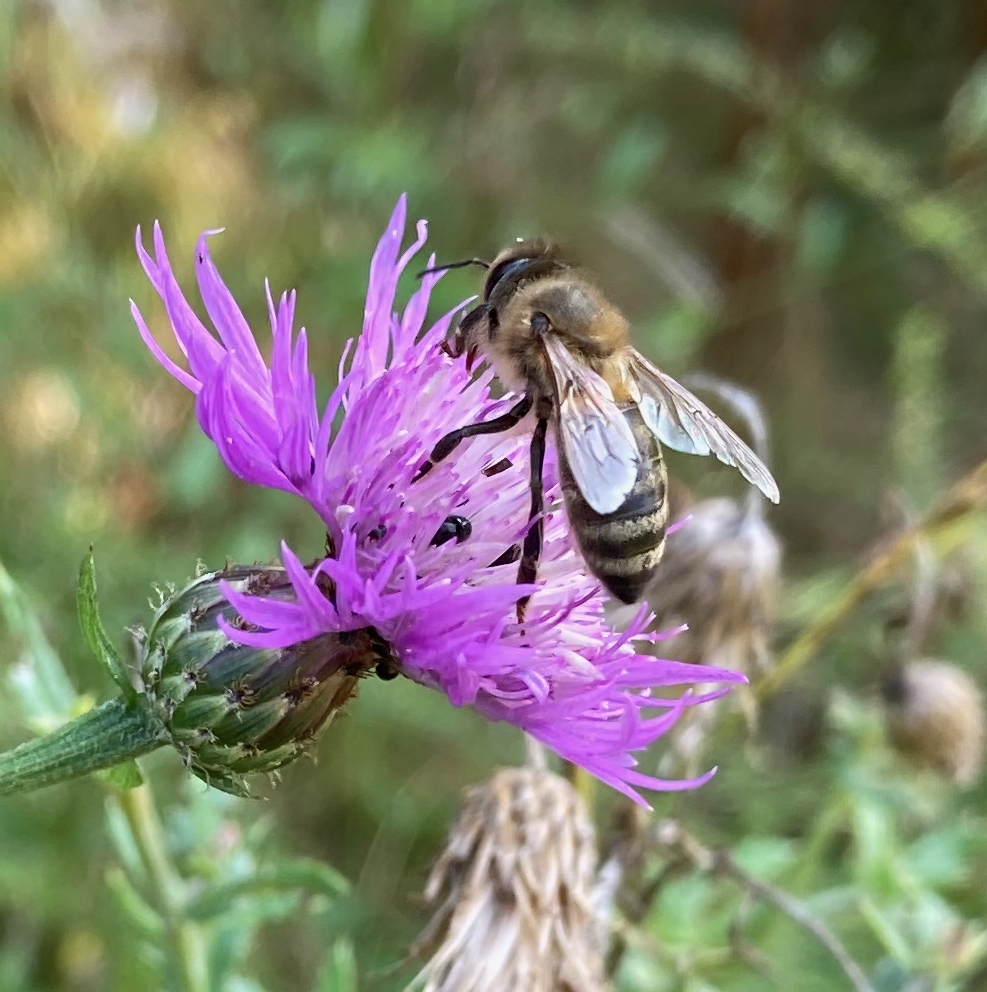
    Western Honey Bee, a small carpenter bee, a type of sweat bee, small carpenter bee, a Bicolored Striped Sweat Bee (3 photos), another small carpenter bee, Common Eastern Bumble Bee (2 photos), Western Honey Bee.
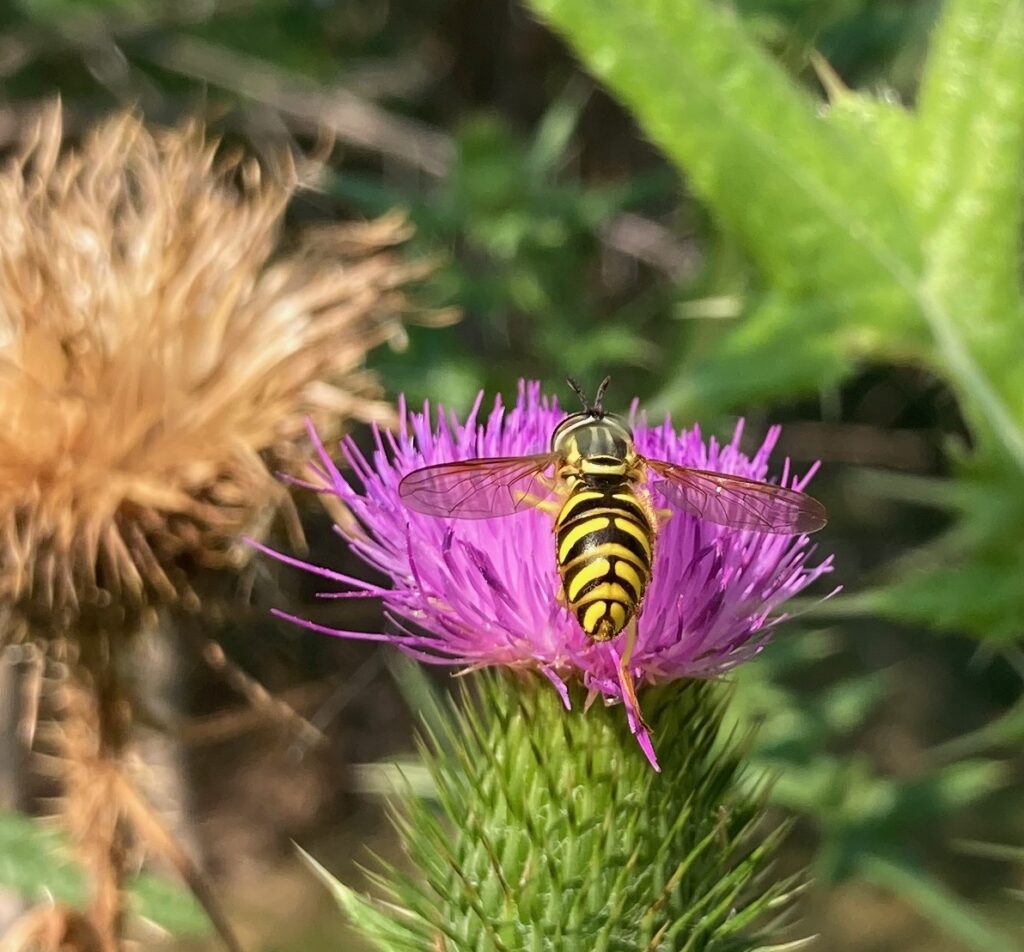
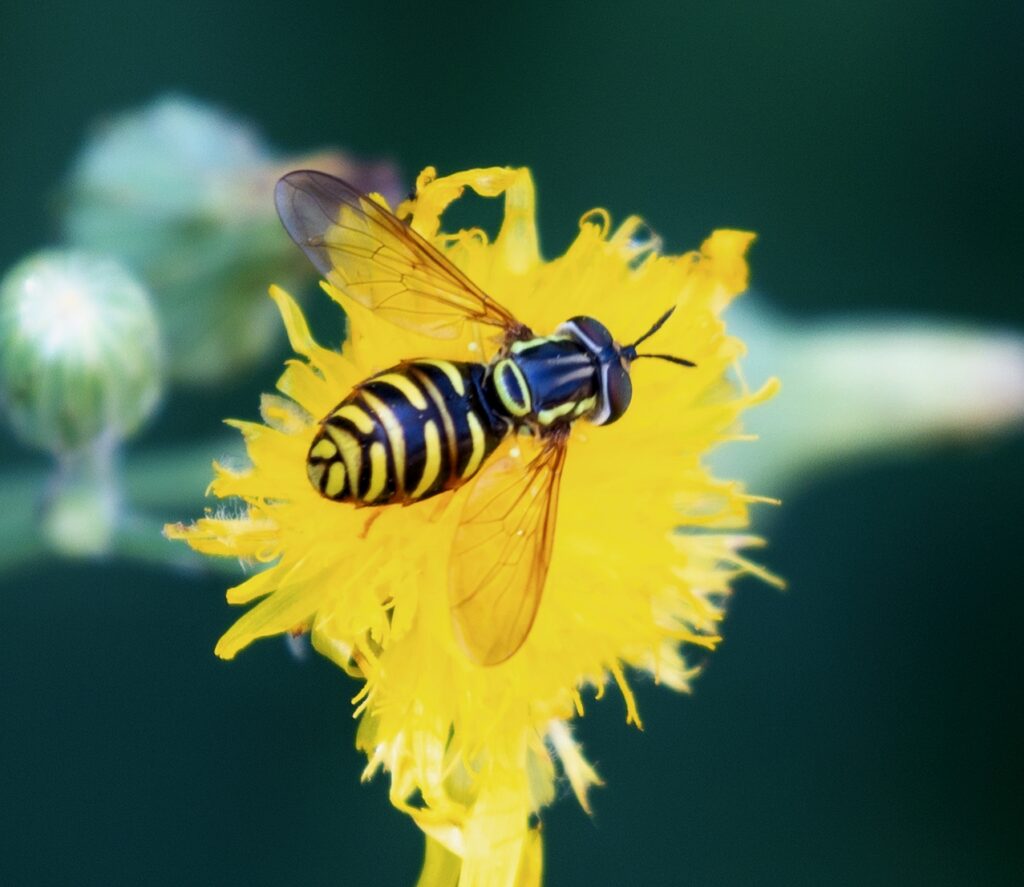
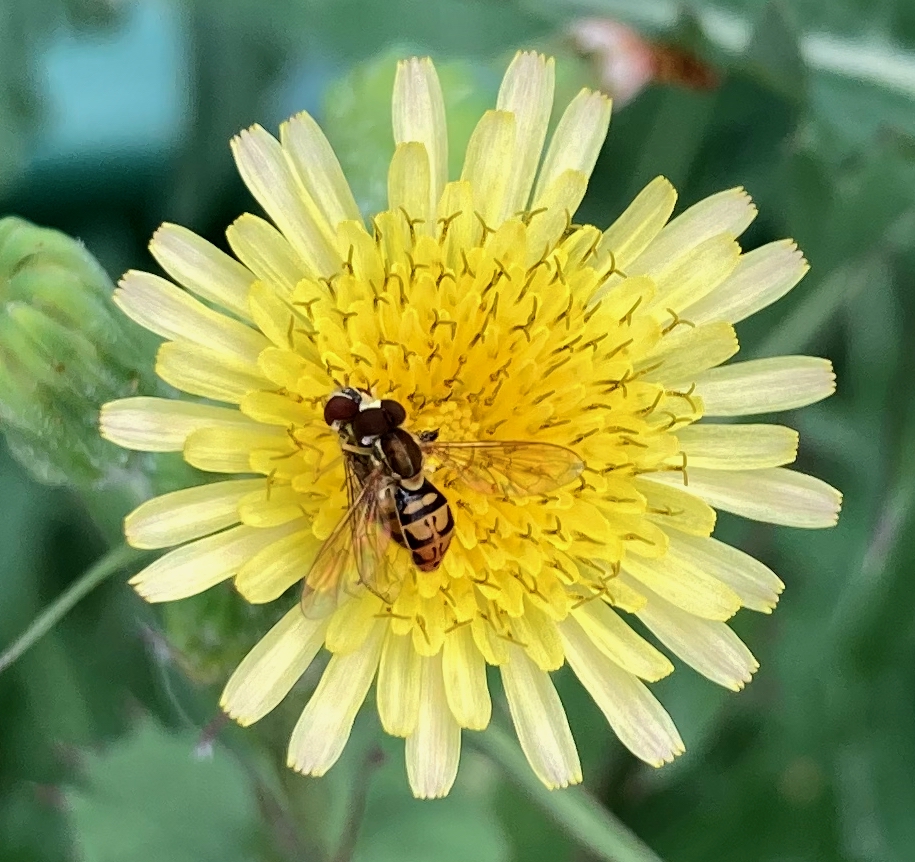
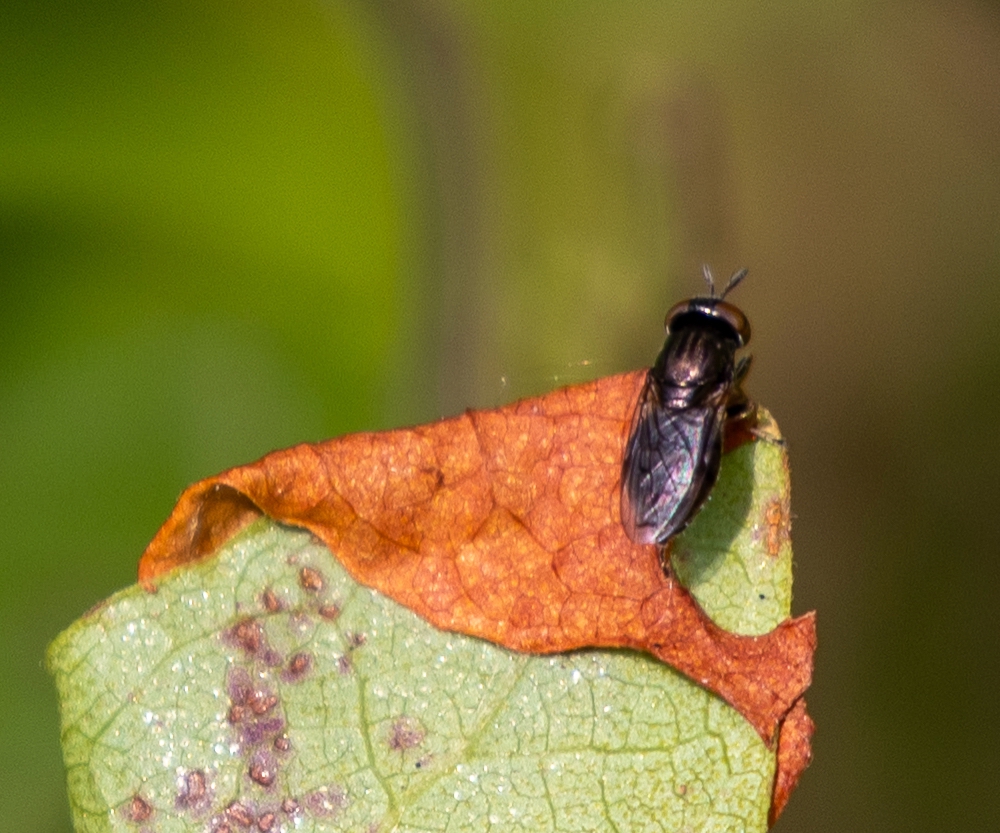
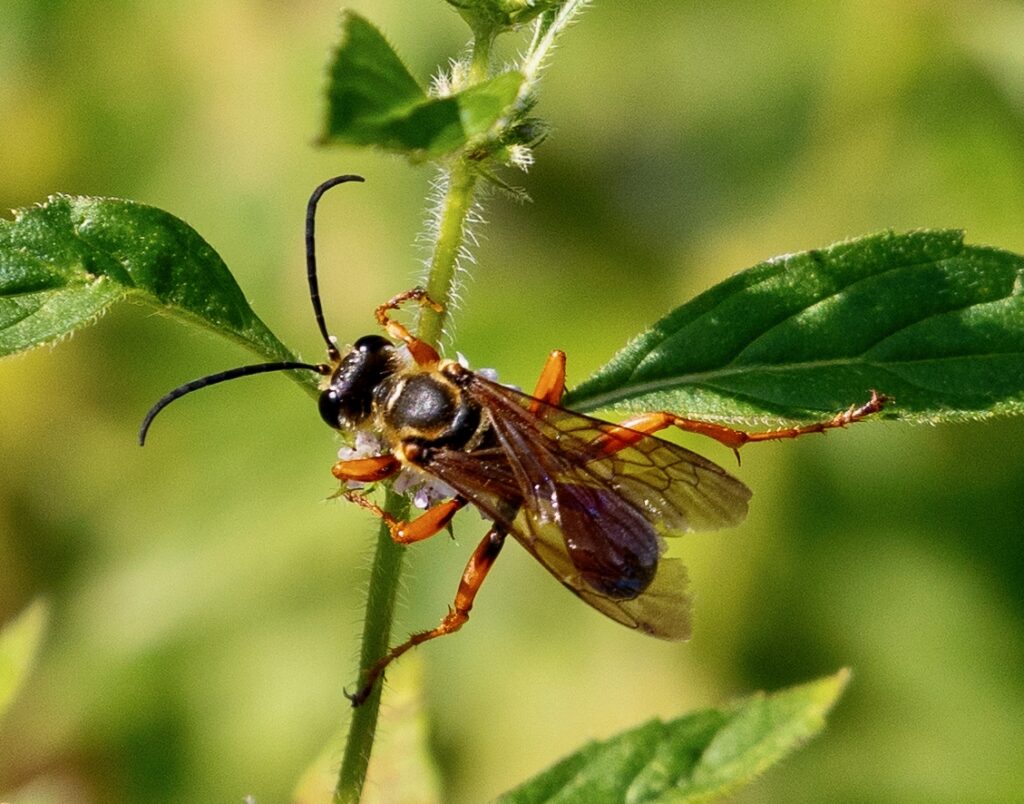
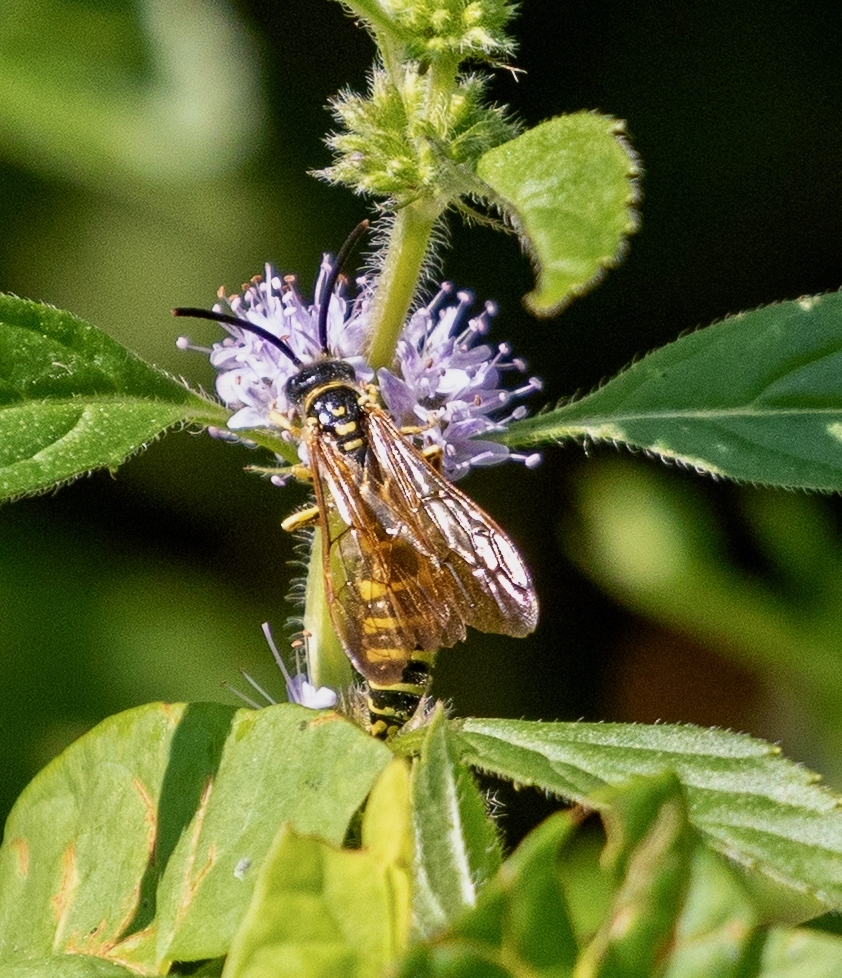
    The first two photos below are wasps (Great Golden Digger Wasp and Five-banded Thynnid Wasp). The last two are meadow flies that mimic the appearance of wasps as a form of defense against predators.
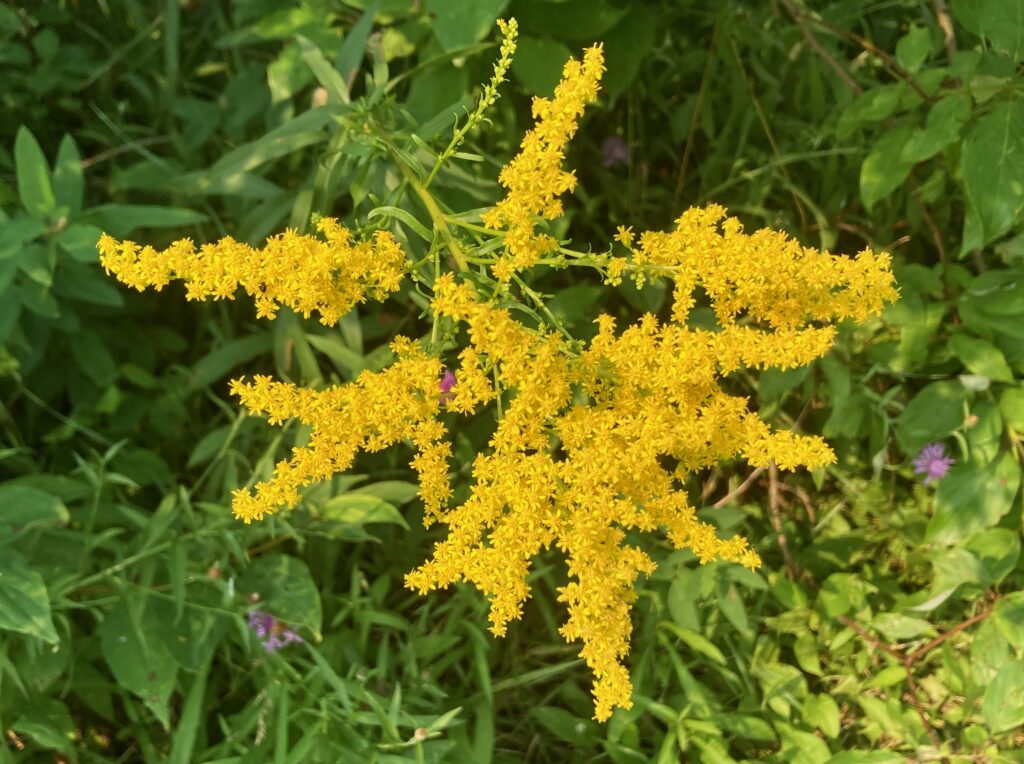
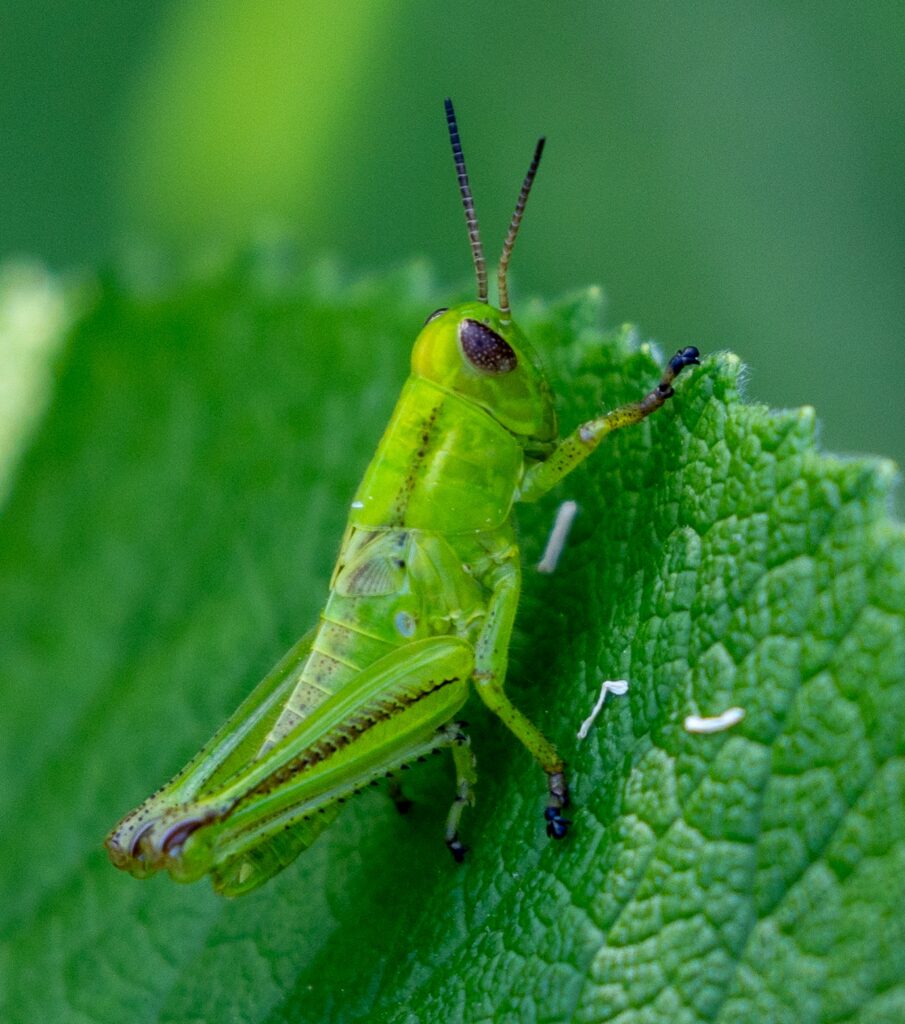
    When we flushed Red-legged Grasshoppers from the path, they sometimes landed in sight. Next, a Hickory Tussock Moth, not yet flying! There were lots of Goldenrod Soldier Beetles on some Common Tansy, but not on the goldenrod that wasn’t yet in bloom.

    A few invasives…

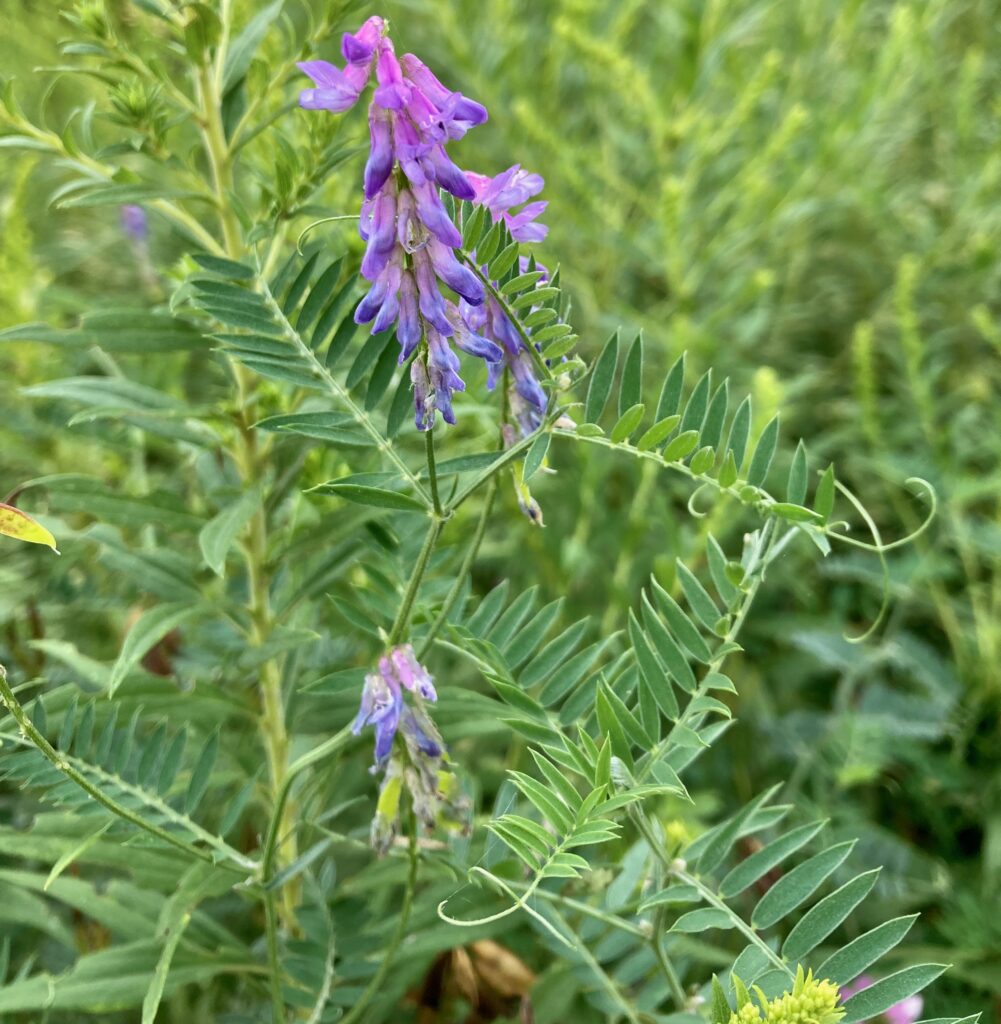
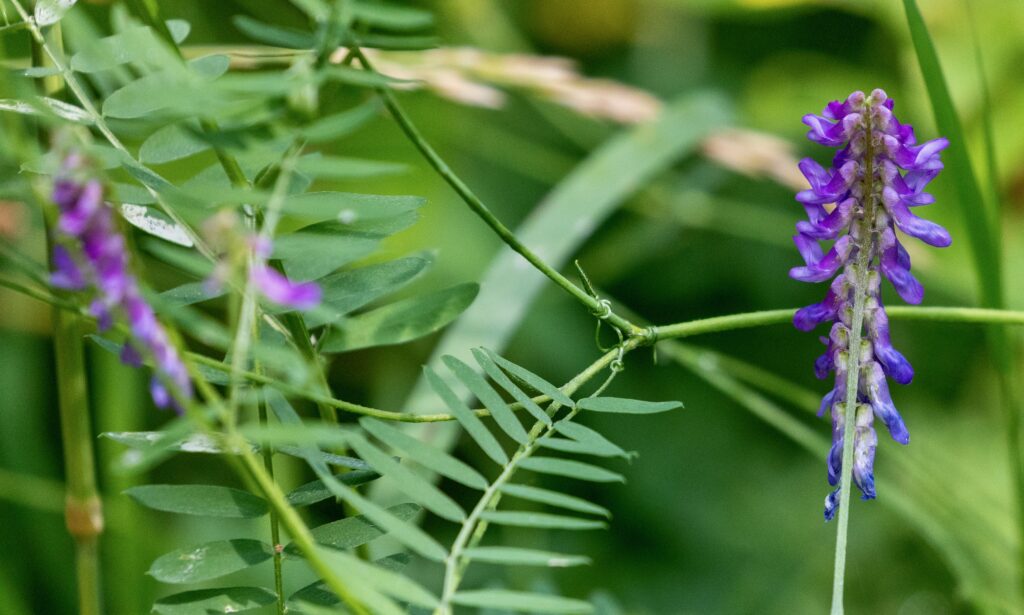
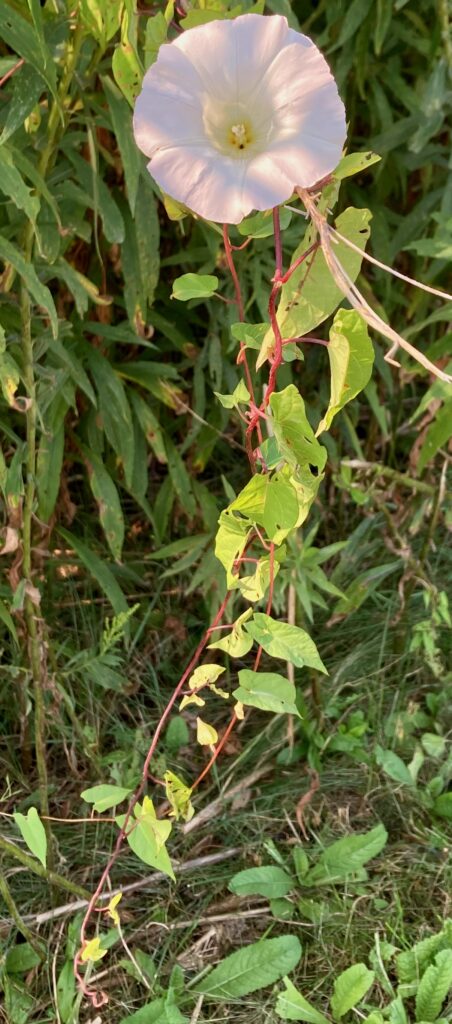
    There are more and more invasive plants taking hold everywhere. Bindweed had covered much of the other vegetation along the road. Sow Thistle is an introduced plant and can affect the yield of field crops. Wild Teasel is also introduced and becomes invasive in some areas. There are five species of invasive Knapweed in Ontario. Even Bird Vetch is introduced, a fast-growing vine that can outcompete native vegetation by impacting sunlight, space, and the availability of nutrients. Sigh.
    Osprey Update

    We have not seen the female Osprey since sending our last post. We assume that she has left for her wintering grounds. The male is still a presence at the ballpark, perched on a light tower, sometimes consuming a fish. Before too long, he will be on his way as well.

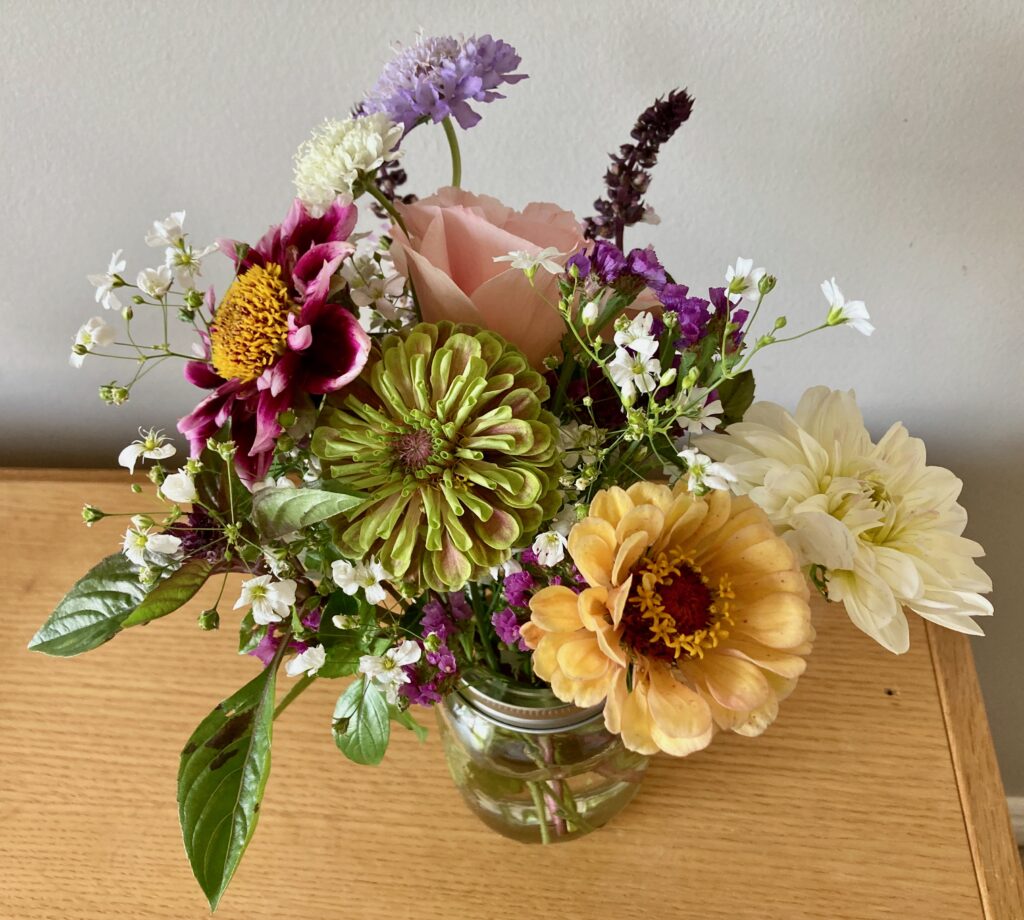
    This week’s flowers

    Reminiscing

    Here is the introduction to the song, “Those Were The Days”,

    … Once upon a time there was a tavern
    Where we used to raise a glass or two
    Remember how we laughed away the hours
    Think of all the great things we would do?

    The song becomes much more joyous. Still, it had me thinking about songs about our better yesterdays. The playlist starts with one of the many versions of “Yesterday” on YouTube.

    Yesterday – All my troubles were so far away … I’m not half the man I used to be

    In My Life – There are places I remember … though some have changed

    Crockodile Rock – I never knew me a better time and I guess I never will … Laa, la-la-la-la-laa

    Old Time Rock and Roll – Today’s music ain’t got the same soul … I like that old time rock and roll

    That Summer – There’s never been another summer … When I have ever learned so much

    The Night They Drove Old Dixie Down – Like my father before me … I will work the land

  • Neighbourhood Walks – June 15th to 30th, 2025

    Neighbourhood Walks – June 15th to 30th, 2025

    The long-range forecasters were right when they predicted a hotter than normal summer for us. We are enduring another heat warning. Daytime highs of 32 to 35 degrees Celsius are predicted, with humidex values of 37 to 42 and overnight lows of 20 to 23 degrees Celsius.

    This is a good time to revisit the somewhat cooler weather of the second half of June.

    In the later days of June, a variety of wildflowers (native and introduced) are in bloom in Harris Park and on the roadsides leading to the park.
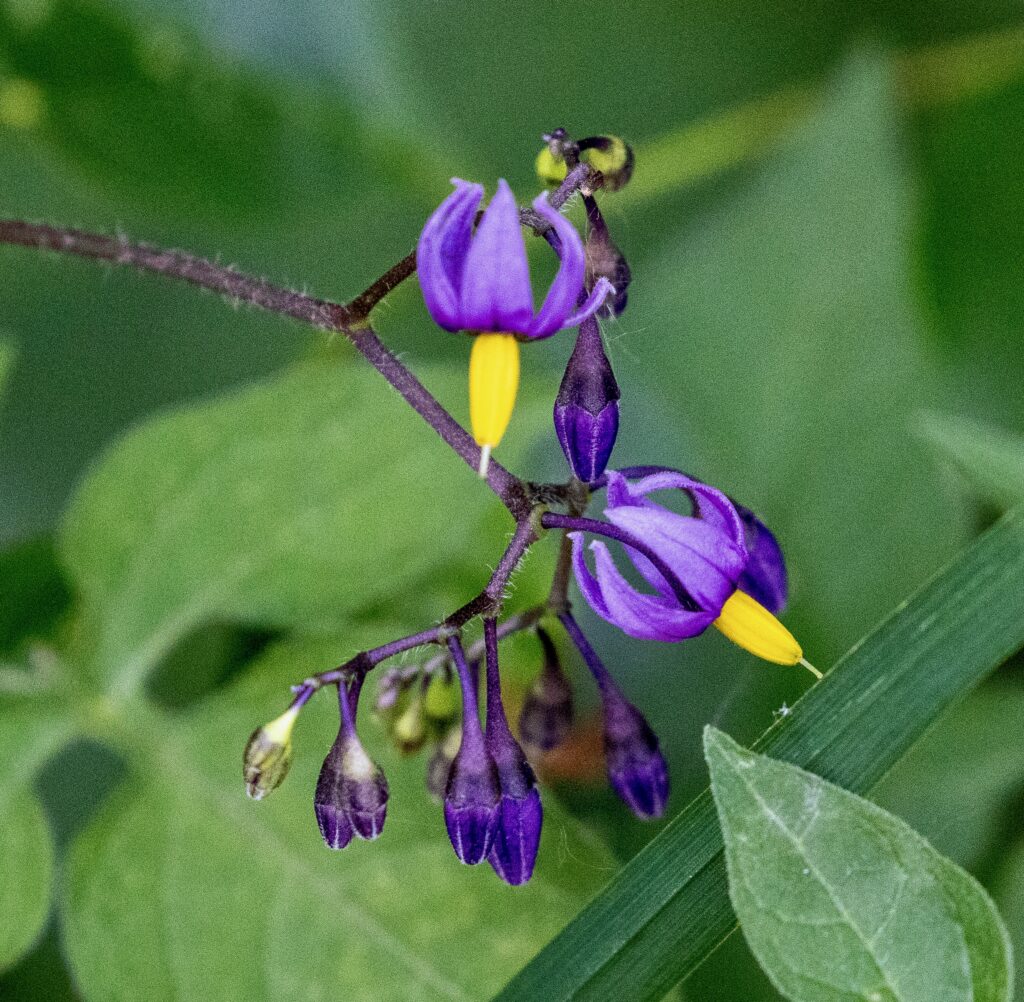
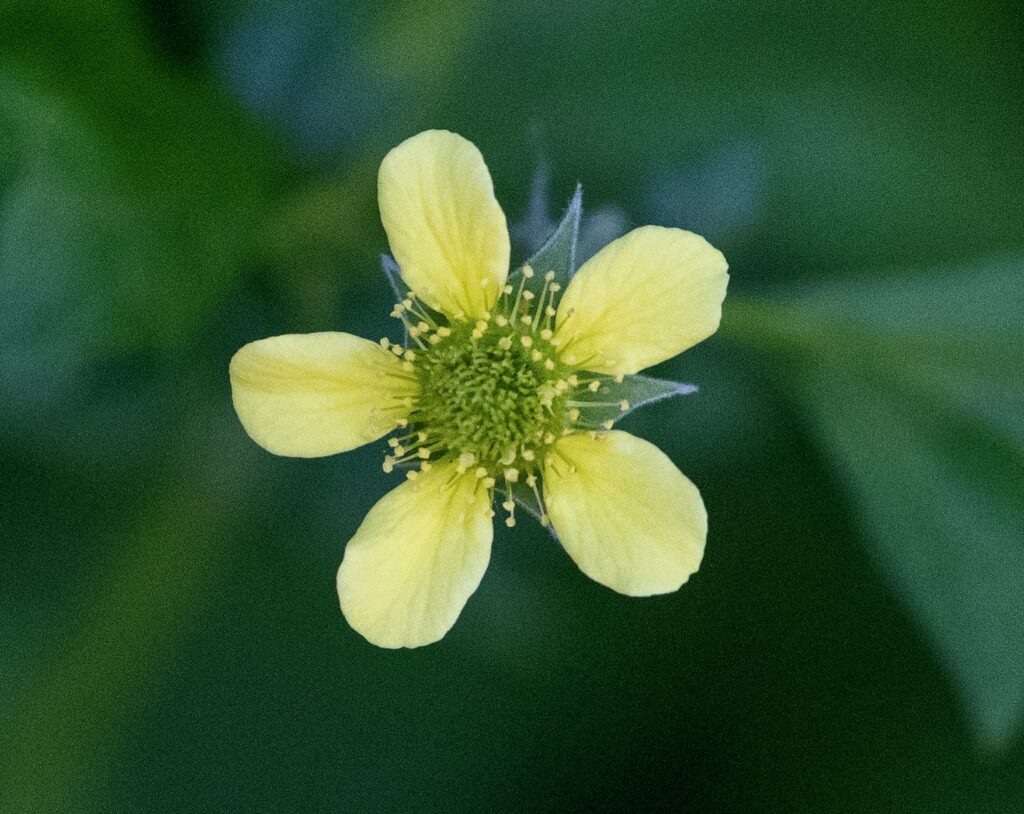
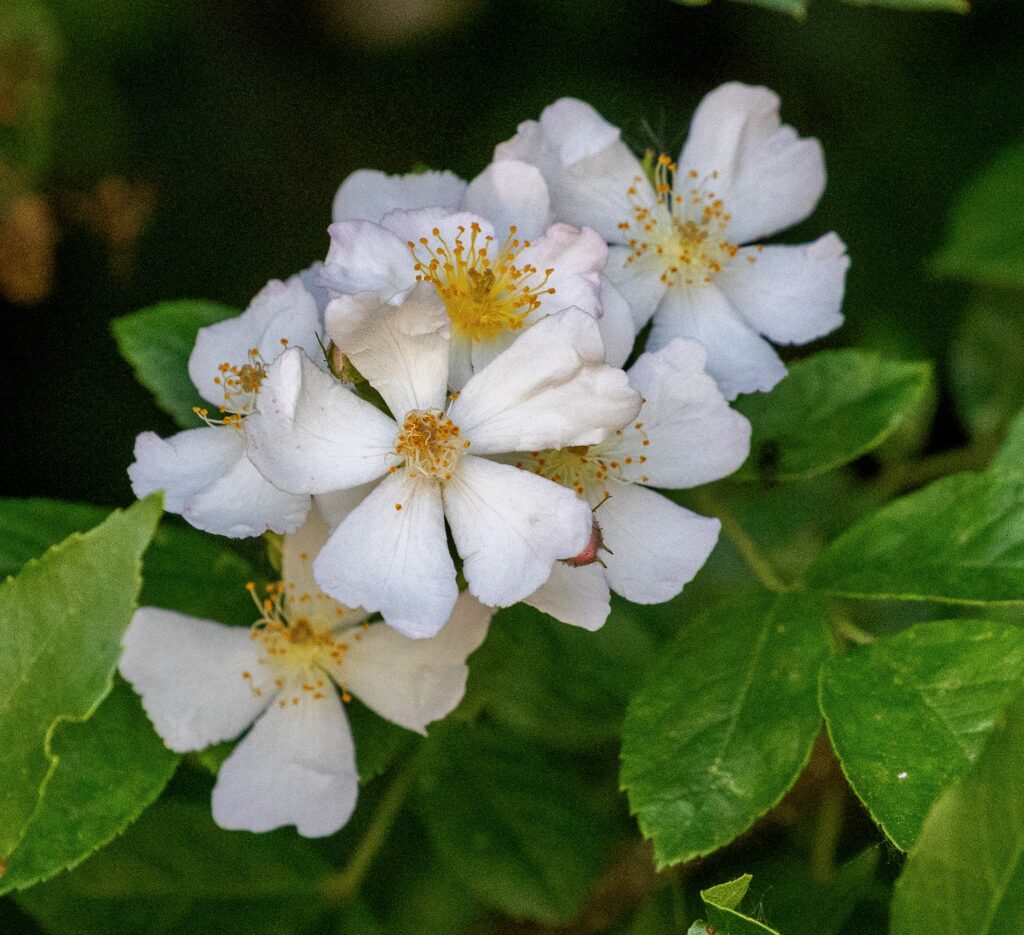
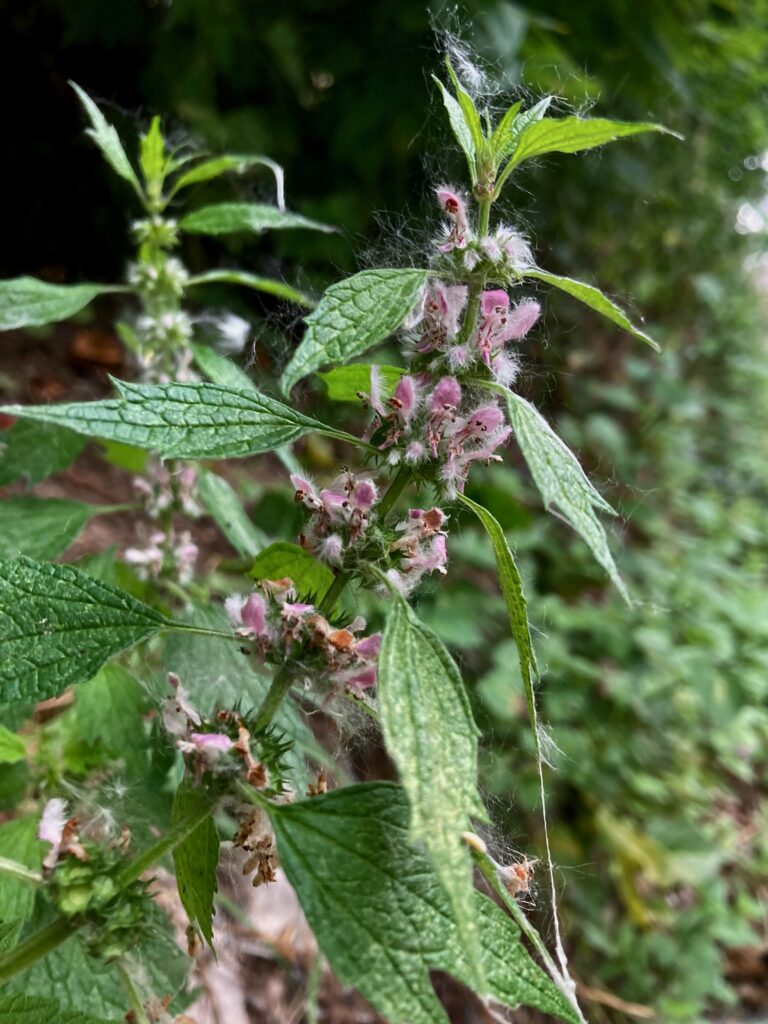
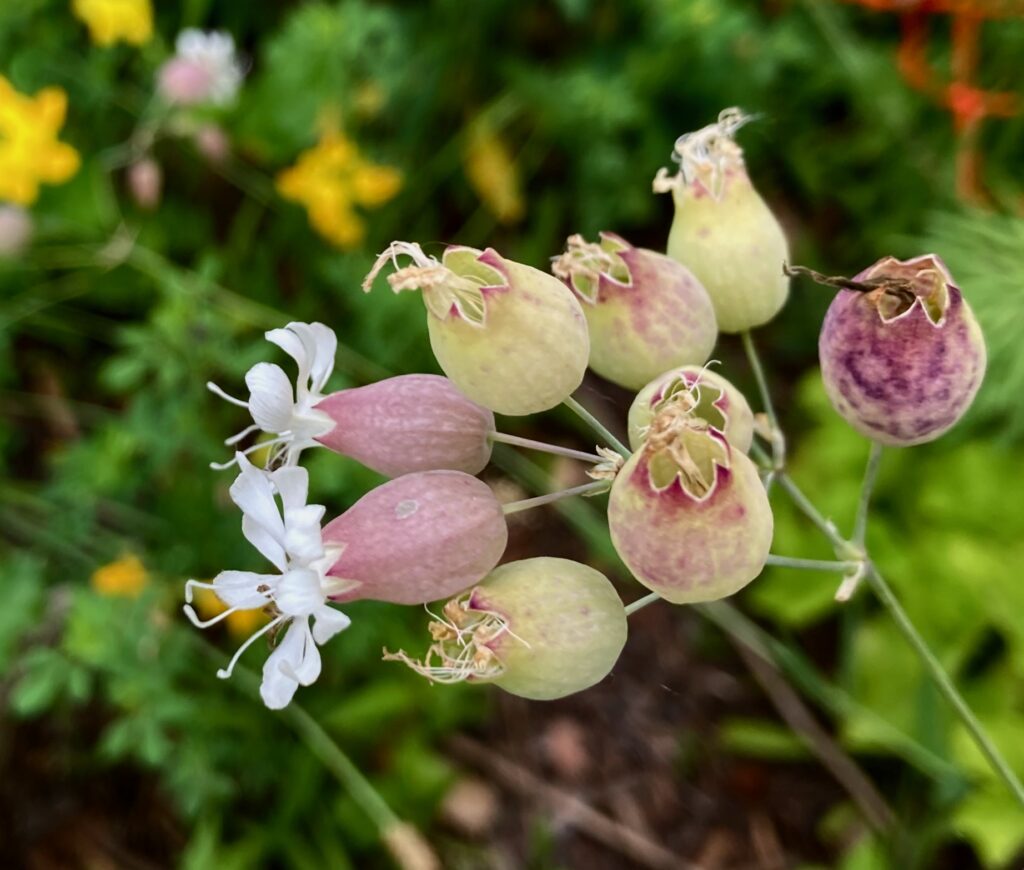
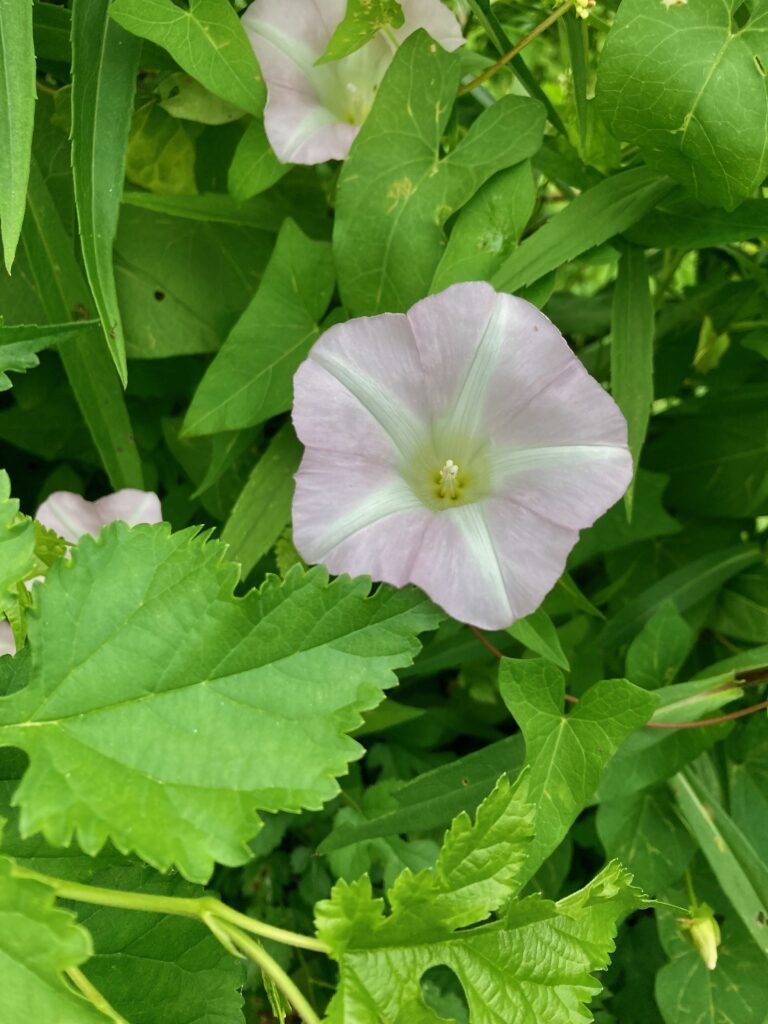
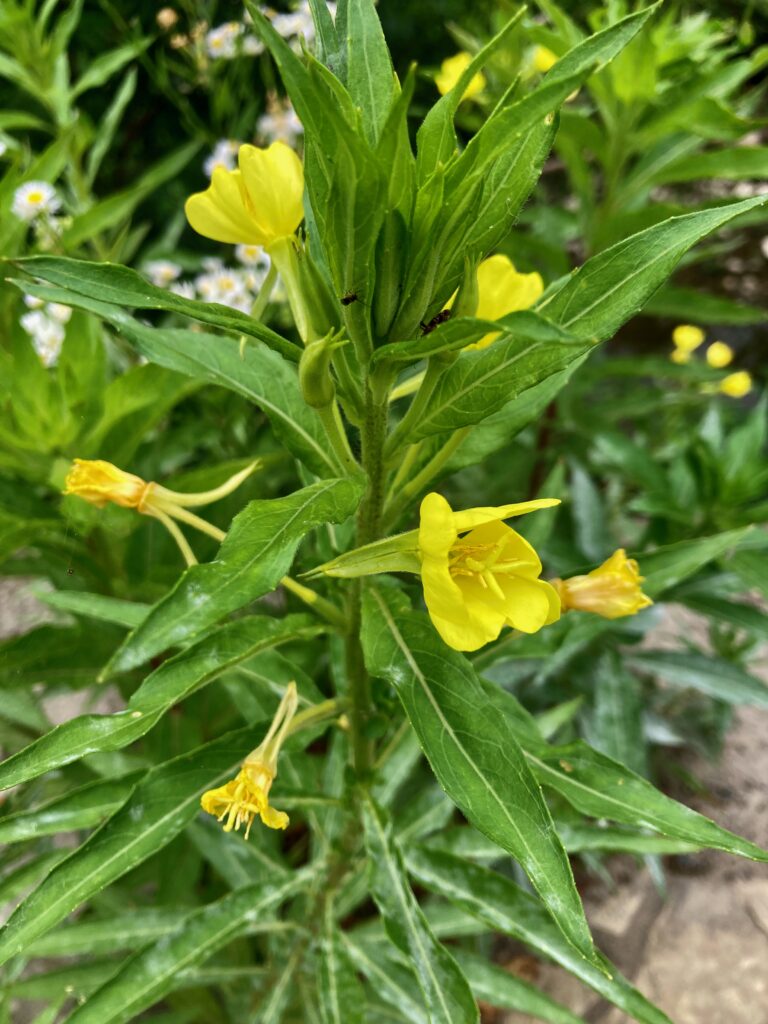
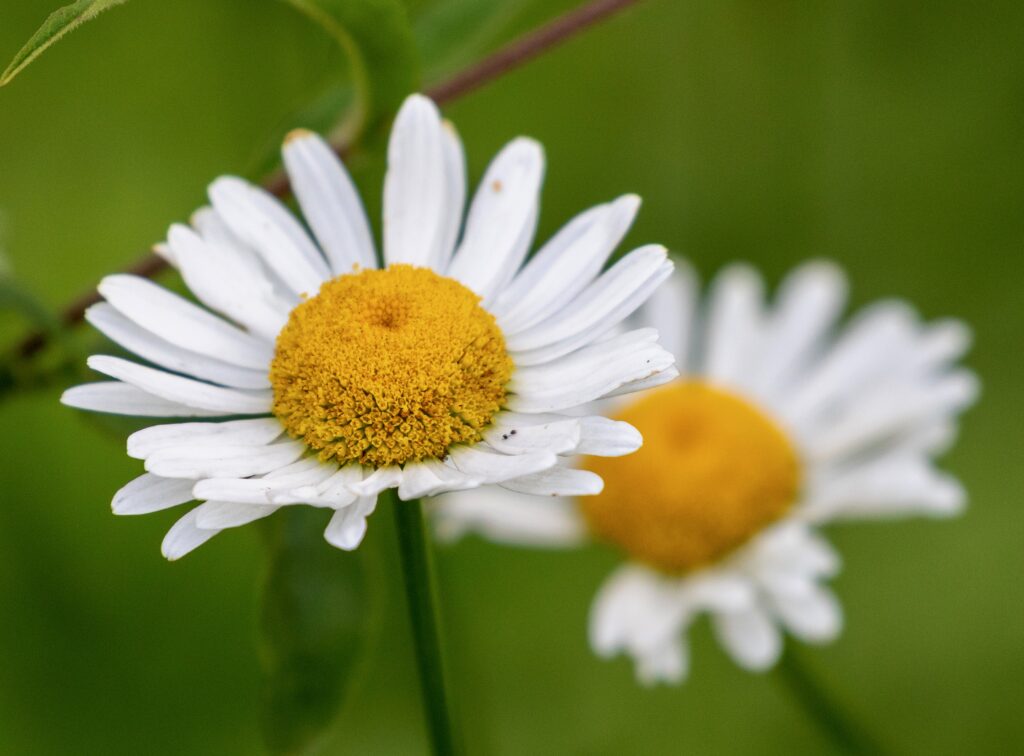
    Bittersweet Nightshade, Yellow Avens, White Avens, Multiflora Rose, Common Milkweed, Common Motherwort, Bladder Campion, Bird’s-foot Trefoil, Field Bindweed, Northern Evening-Primrose, Common Sow-Thistle (two photos), Orange Day-Lily, Oxeye Daisy, Curled Dock, Creeping Thistle.

    Trees and shrubs were in bloom or setting fruit and seeds.

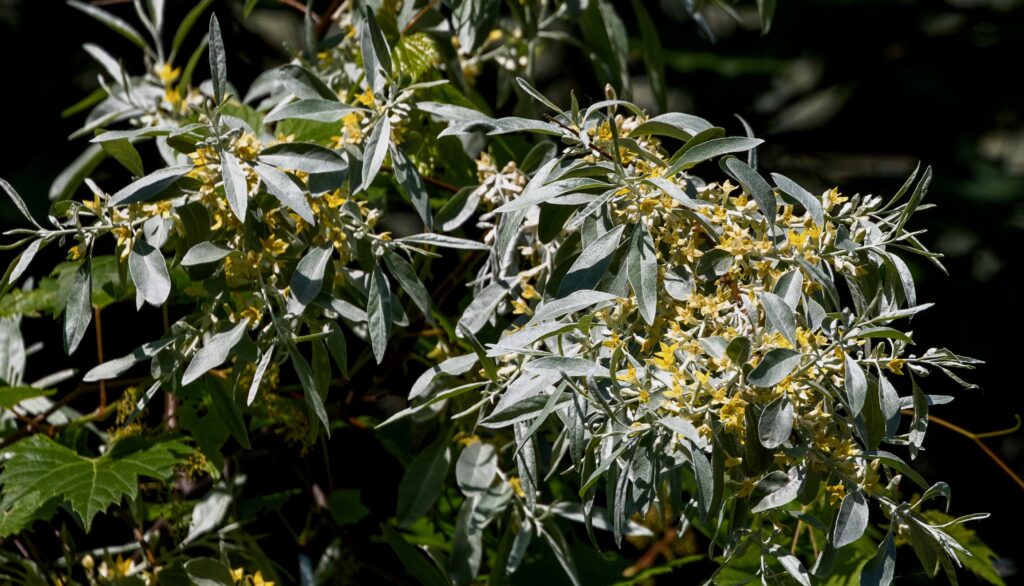
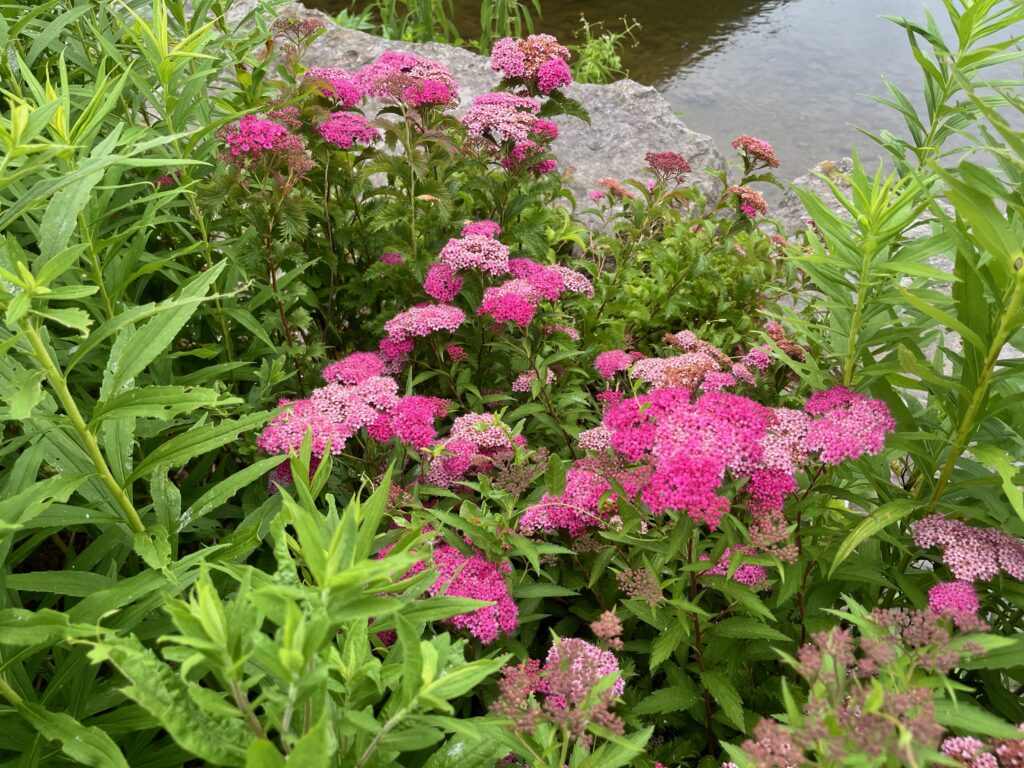
    Autumn Olive (invasive), Small-leaved Linden, Amur Maple (with colourful keys), Serviceberry (with ripening fruit), Japanese Spirea and Common Ninebark (with seeds developing). Serviceberry and Common Ninebark are the only native plants among these.

    Insects are integral to the ecology of plants, whether as protectors, seed dispersers or pollinators. Plants may be food sources and nesting sites for insects. We are always happy to find as many insects as we can.

    Peck’s Skipper, Greenbottle fly, Spotted Pink Lady Beetle, Margined Calligrapher (two photos, two calligraphers), Asian Lady Beetle, Orange Cahill (a type of mayfly), Western Honey Bee (two photos)

    Now that the Canada Geese goslings are almost the size of their parents, and they have developed adult plumage, the size of the flocks has grown.

    Common Grackles still forage along the river, but are no longer busy feeding young. Killdeer nest every year along the riverbank. We hear their cries throughout the day, and often spot one or two on the shore of the river.

    In June, there were still Mallard ducklings, possibly a second brood for the season.

    The female Mallard has a pigment disorder, possibly leucism. According to Wikipedia, “Mallards are among the most common bird species to exhibit aberrant colouration, typically due to genetic mutations. …; leucism in birds often results in ‘cream-coloured’, ‘apricot’ or muted feathers on certain parts of the body.”

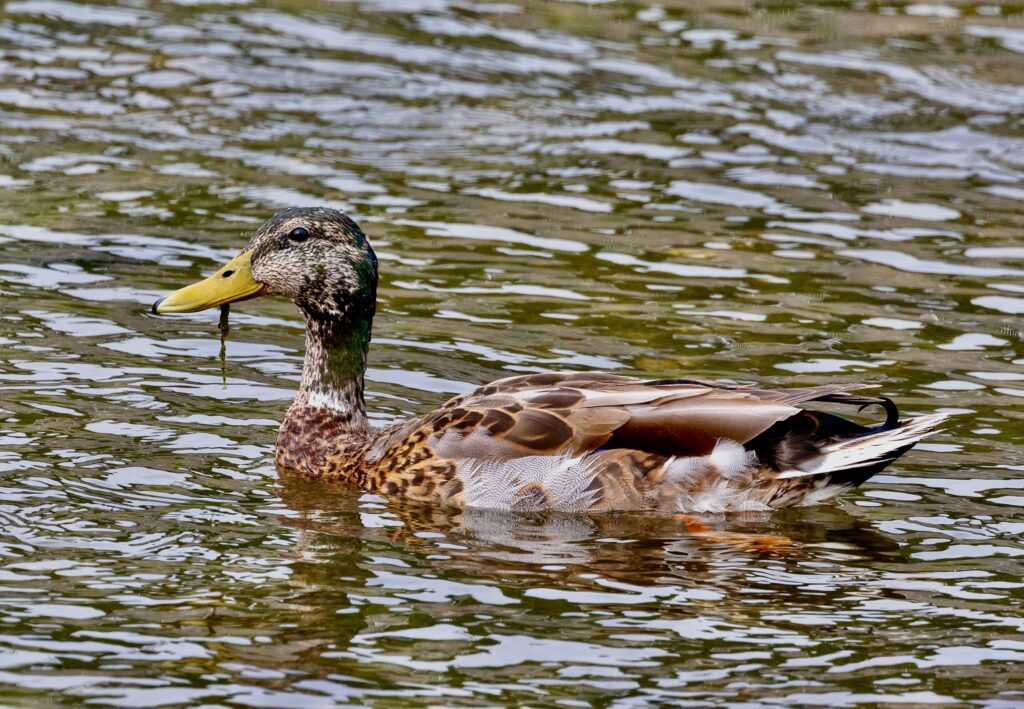
    Male Mallards are moulting, losing their signature glossy green heads and developing non-breeding or eclipse plumage.

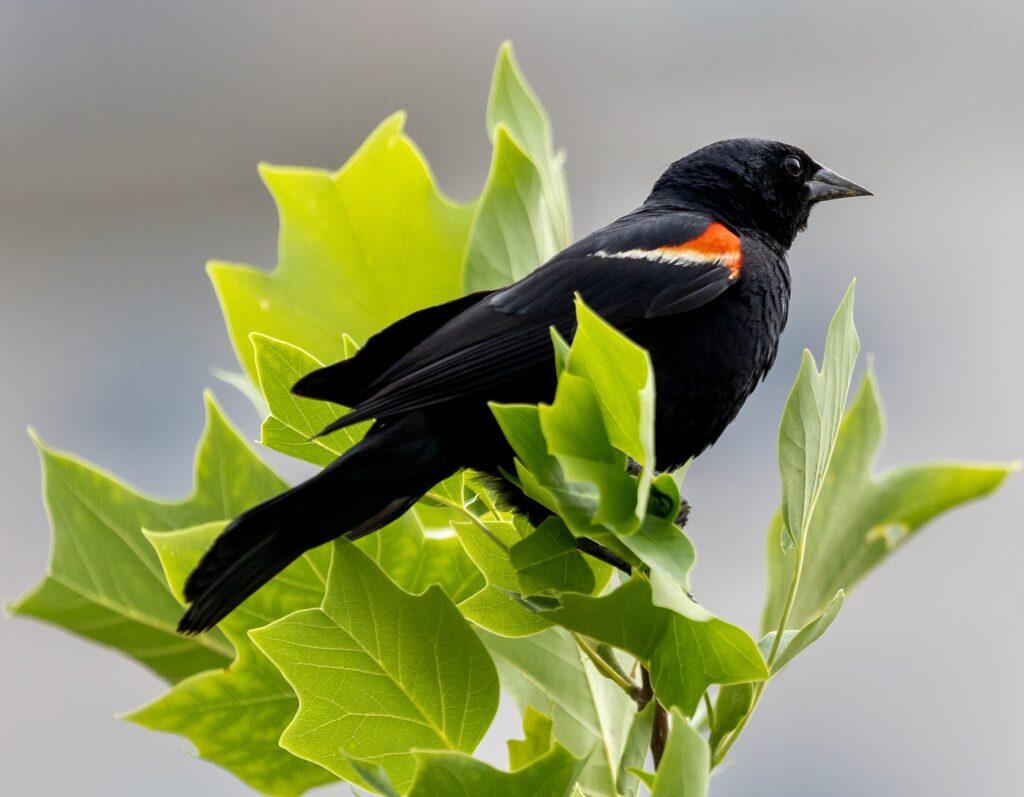
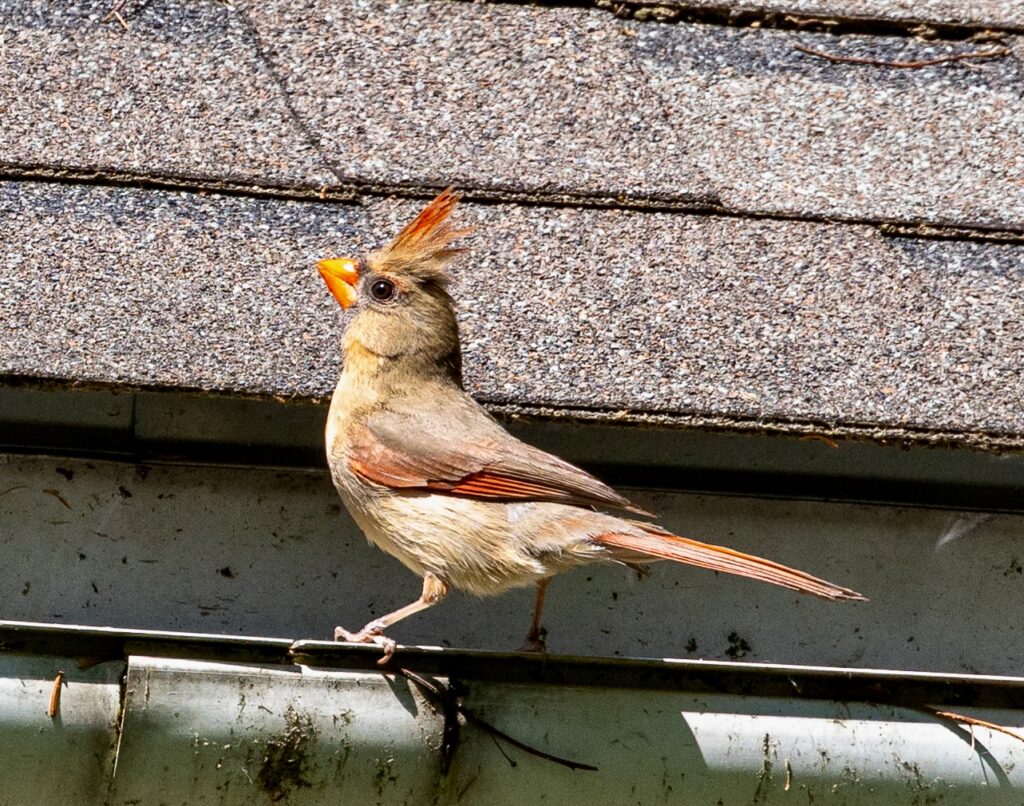
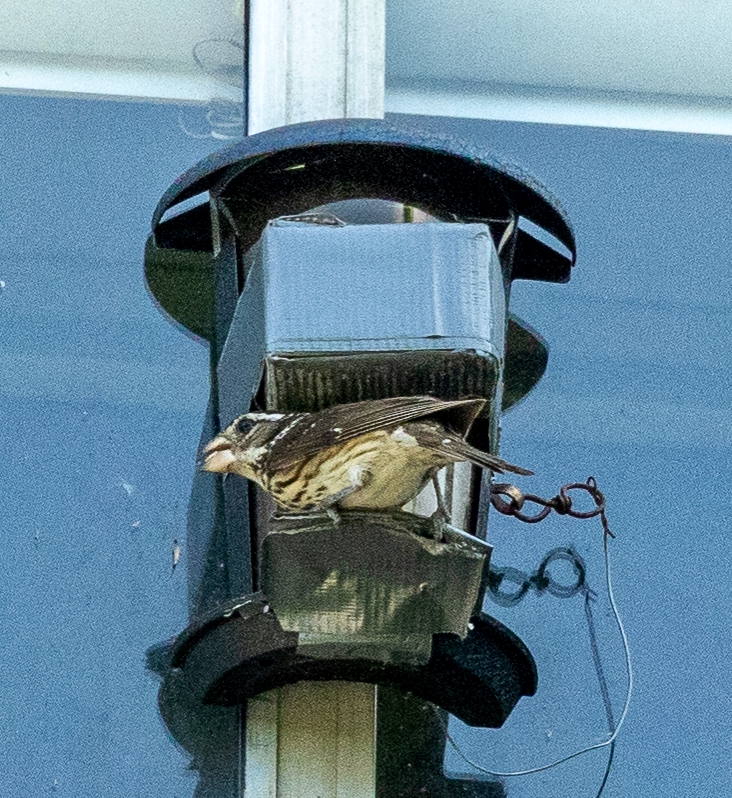
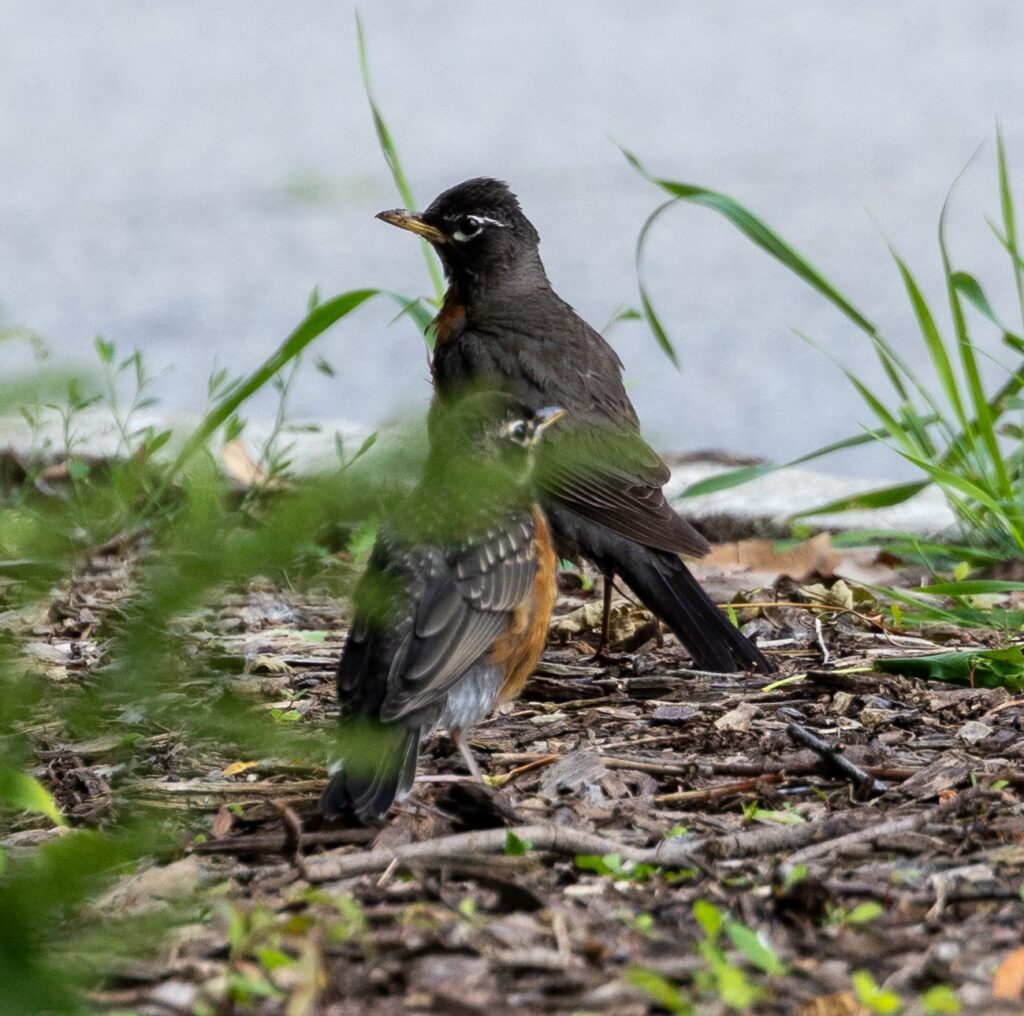
    We heard this Rose-breasted Grosbeak singing and were happy to find him feasting on a ripe mulberry. Perhaps it is his mate at the feeder below. Female Rose-breasted Grosbreaks look nothing like the males! Red-winged Blackbirds are still making their presence known. The female Northern Cardinal was foraging in the eavestrough for insects. In June, some American Robins are still feeding young, probably their second round this year.

    Osprey Update

    It is somehow comforting for us to see the Osprey pair perched on the the stadium lights many mornings. Before long, one or both will start the journey south. Then will begin the long wait until their return in late March.

    Sunflowers from Wandering Bee

    Songs That Made Me Think

    Growing up, I was not really aware of social justice issues. I did not realize that radio stations received complaints from listeners when these songs were aired. Compared to many songs today, these may seem tame.

  • Kirk-Cousins Management Area – August 3, 2025

    Kirk-Cousins Management Area – August 3, 2025

    Although we have had no heat alerts this week, we have had air quality warnings due to wildfire smoke from the western provinces. The risk level of the air quality health risk has been in the moderate range. We can only imagine the impact on wildlife and people experiencing more serious risk levels.

    Kirk-Cousins Management Area

    We had never visited this conservation area that is managed by the Kettle Creek Conservation Authority. There are trails that  loop around a wetland and through forest and meadow habitats that host a variety of plants and animals native to the Carolinian zone. The property has been designated a Provincially Significant Wetland and an Environmentally Significant Area.
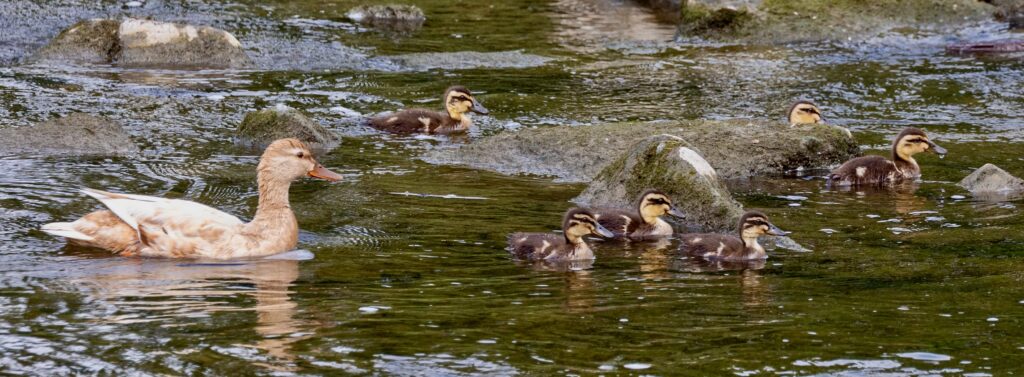
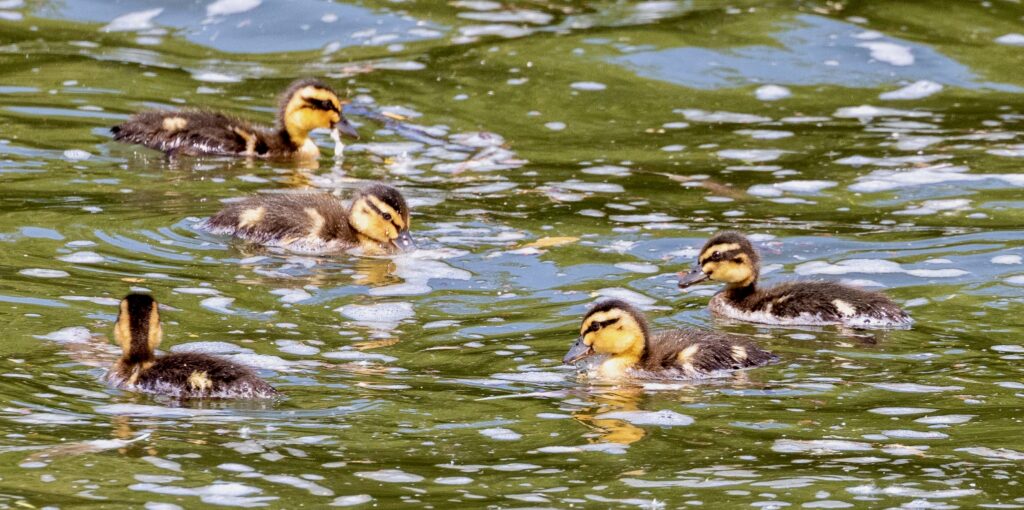
    We only managed to explore part of the meadow habitat and survey the ponds on this first visit. We will have to return, especially during fall/spring migration.

    Thanks to our friends, we have lots of photos of the wildflowers and pollinators we came across. At this time of year, we heard and saw only a few birds, including the Song Sparrow above, but the area is noted as a “birdwatcher’s paradise”.
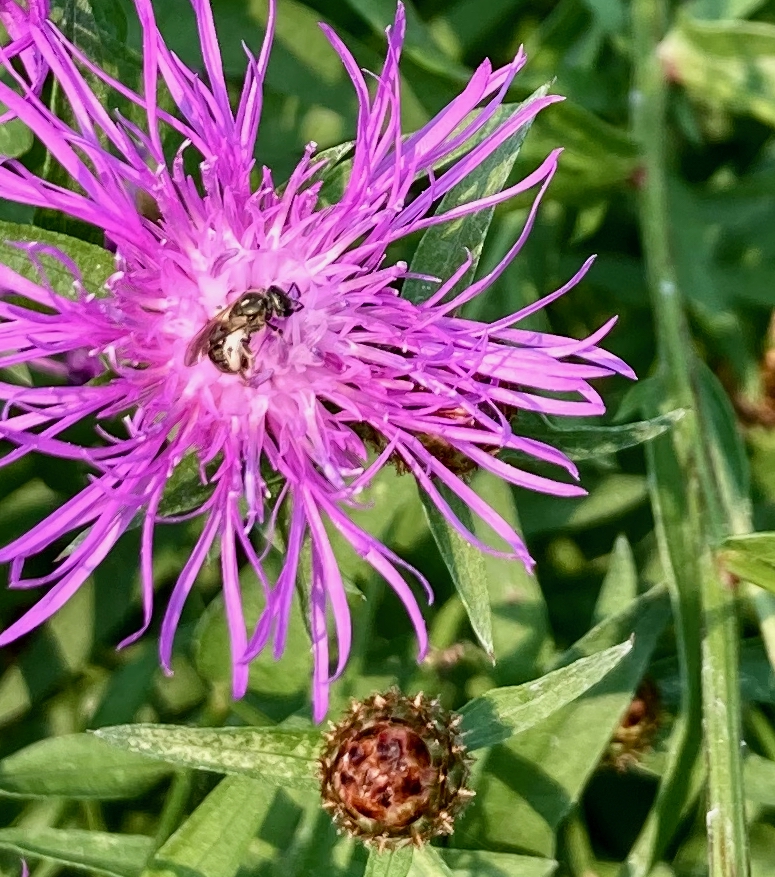
    Knapweed was prolific. Our identification skills are not good enough to differentiate which species of knapweed these are, possibly Brown Knapweed.

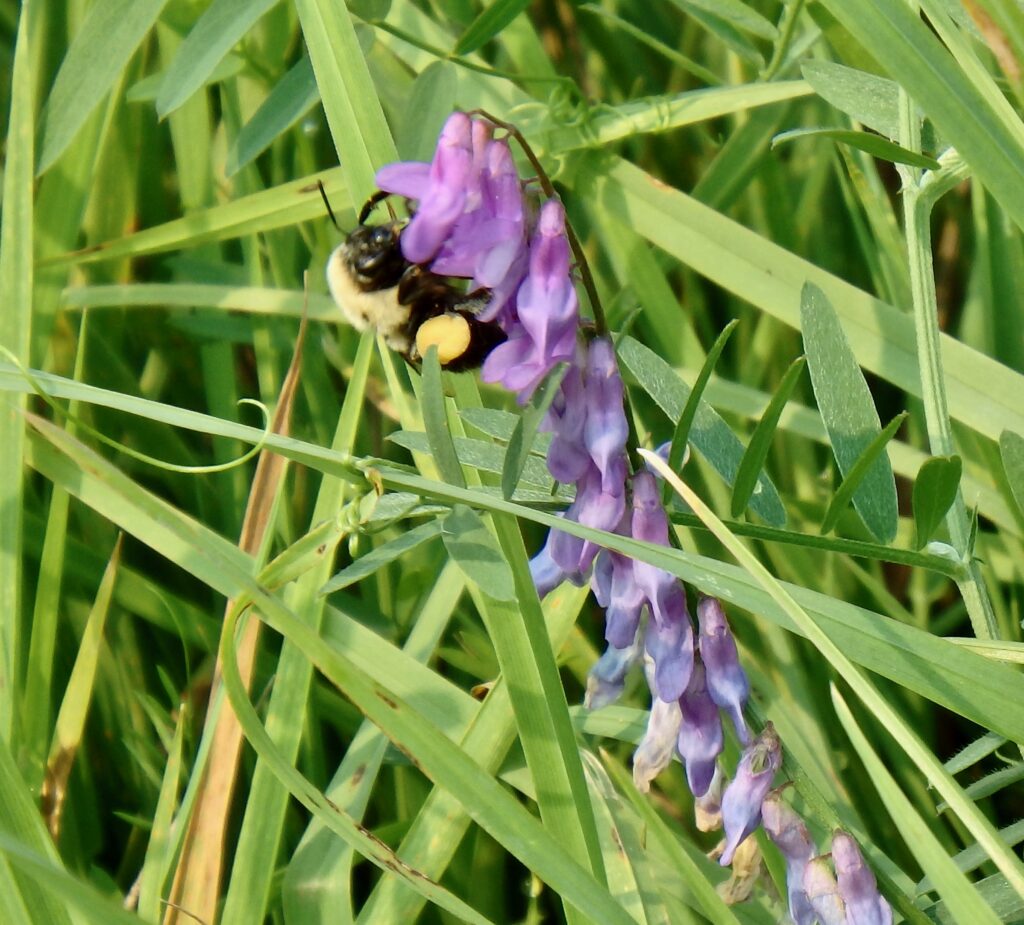
    Native plants and some introduced: Tall Hairy Agrimony, Red Clover, goldenrod, Common Yarrow, Common Milkweed, Showy Tick-Trefoil, Swamp Milkweed, Queen Anne’s Lace (aka Wild Carrot), Bird Vetch (aka Cow Vetch), Purple Loosestrife.

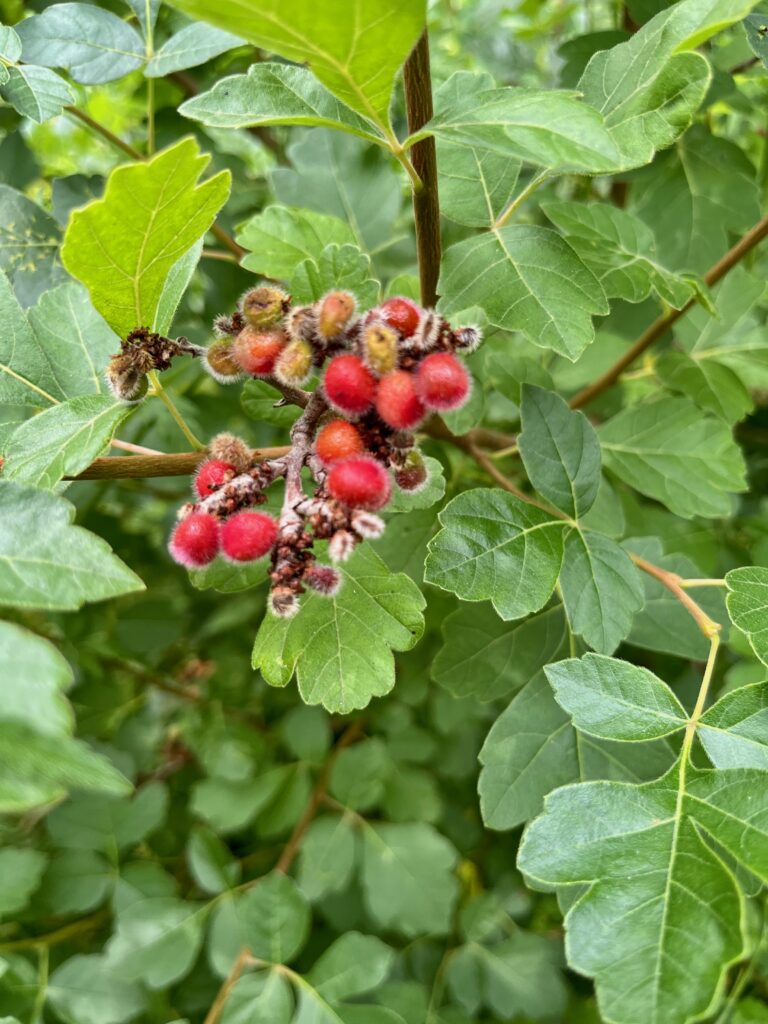
    Some shrubs were still in bloom, but some had produced berries.

    Eastern Red Cedar (aka Estern Juniper), Dogwood (either Red Osier or Tartarian), White Meadowsweet, Alder Buckthorn (three photos) and Milky Conecap fungus.

    The flowers and flowering bushes attracted a variety of pollinators.

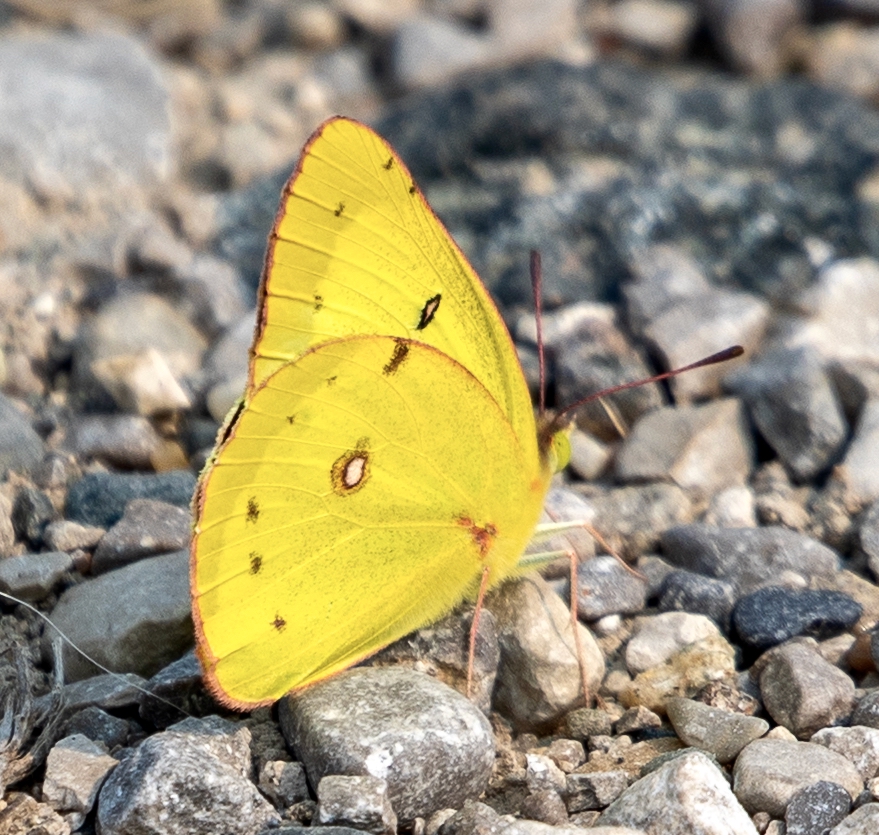
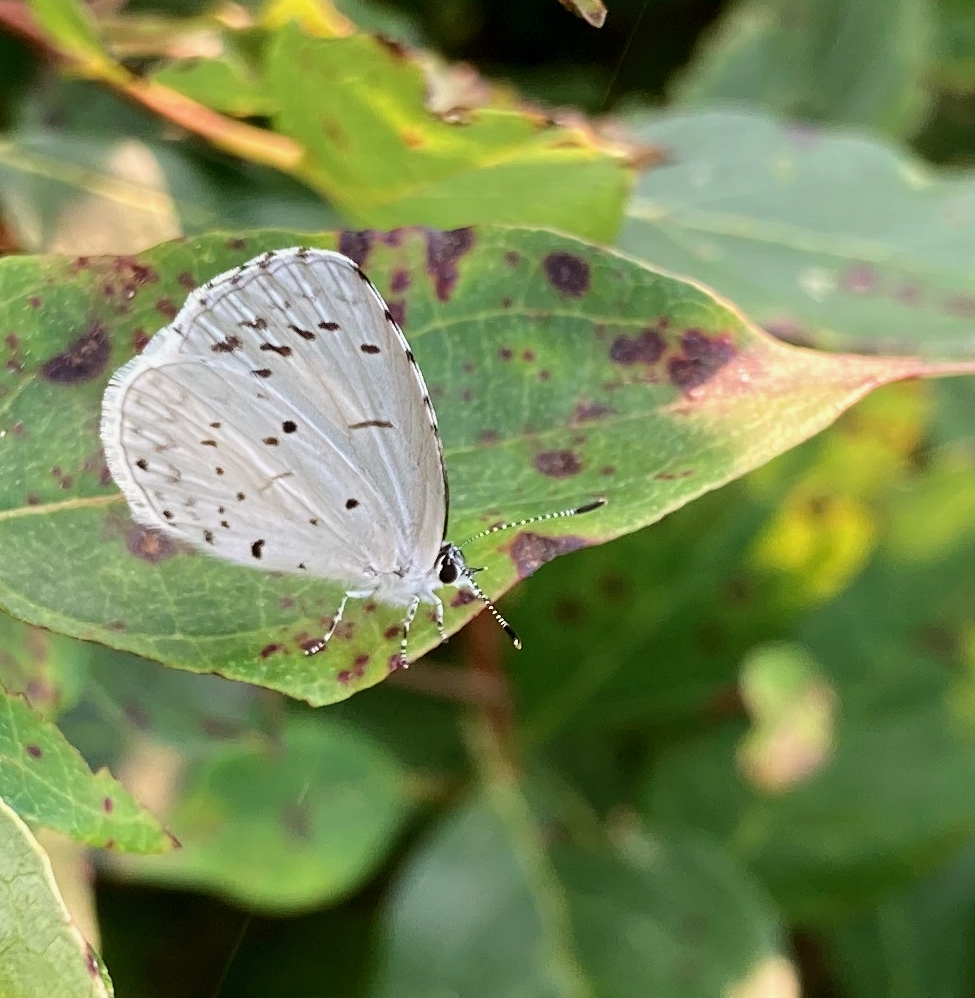
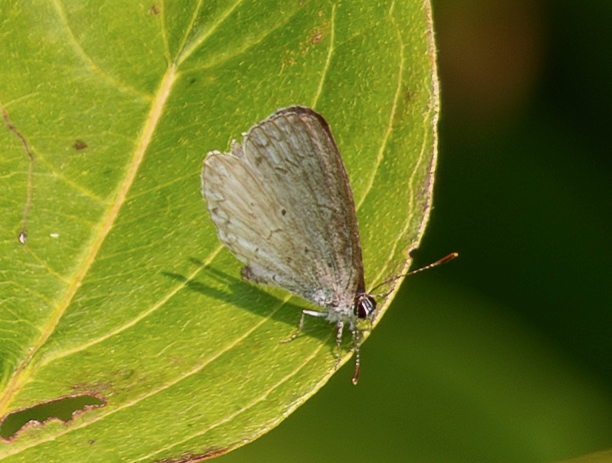
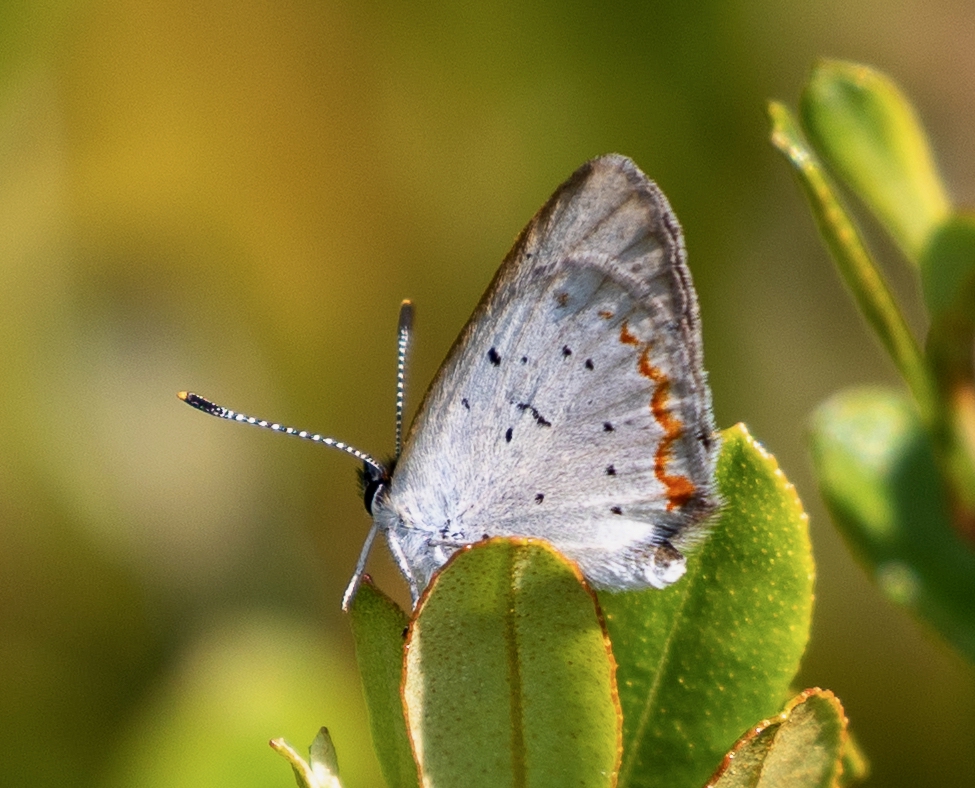
    Clouded Sulphur, Summer Azure, another Holarctic Azure, Soft-lined Wave (moth), Monarch.

    There were tiny bees and flower flies and many Western Honey Bees.

    Western Honey Bees (two photos), Eastern Calligrapher, two kinds of Sweat Bees or Furrow Bees, Common Eastern Bumble Bee, a better look at the Eastern Calligrapher (flower fly)

    Common Whitetail

    Osprey Update

    Our pair are still loyal to their nest site and to each other. We see them most mornings and sometimes through the day on the nest or light tower, with or without fish.

    Flowers!

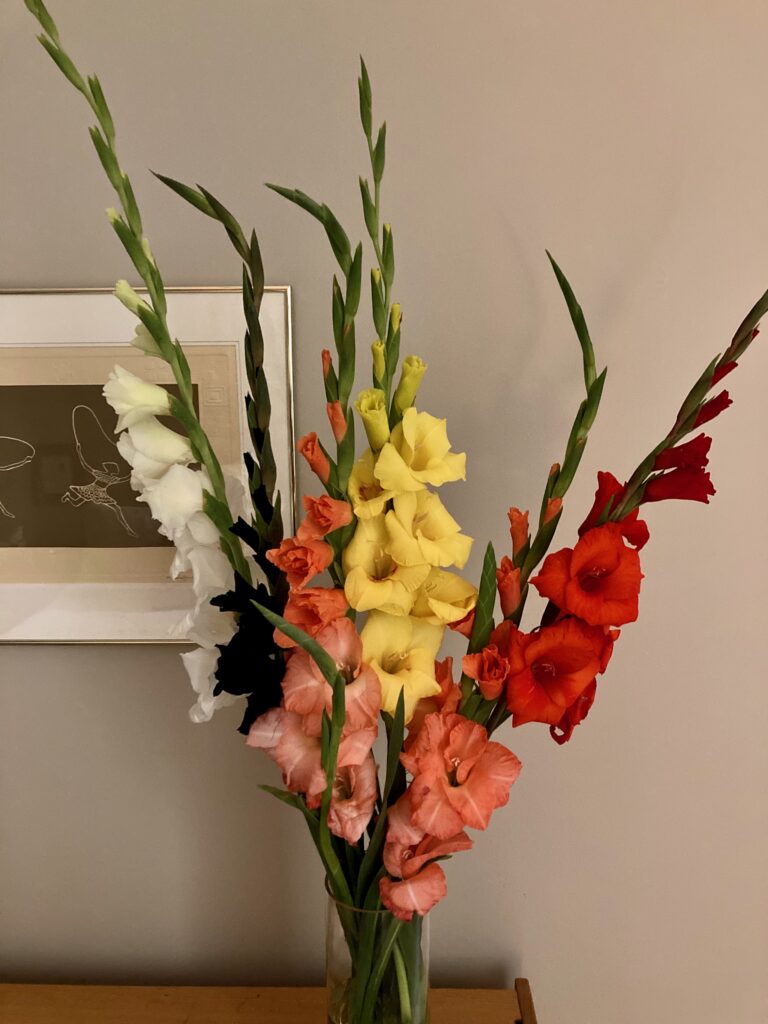
    Thanks to friends we’ve had glorious Gladiolas all week as well as our Wandering Bee bouquet:-=)).

    Upbeat Paul Simon Songs

    When I could find a live performance that I liked, I included it. I had to include Josh Turner’s version of Kodachrome and Late in the Evening. Here is the playlist.

    Tom Lehrer, who died this week, wrote and performed several very funny songs. You should not need my help to find great examples on YouTube.

  • Kilally Meadows –         July 22, 2025

    Kilally Meadows – July 22, 2025

    Kilally Meadows Environmentally Significant Area (ESA) was purchased by the City of London in the early 1970s and is managed by the Upper Thames River Conservation Authority. It encompasses a section of the Thames River corridor, meadows and woods.

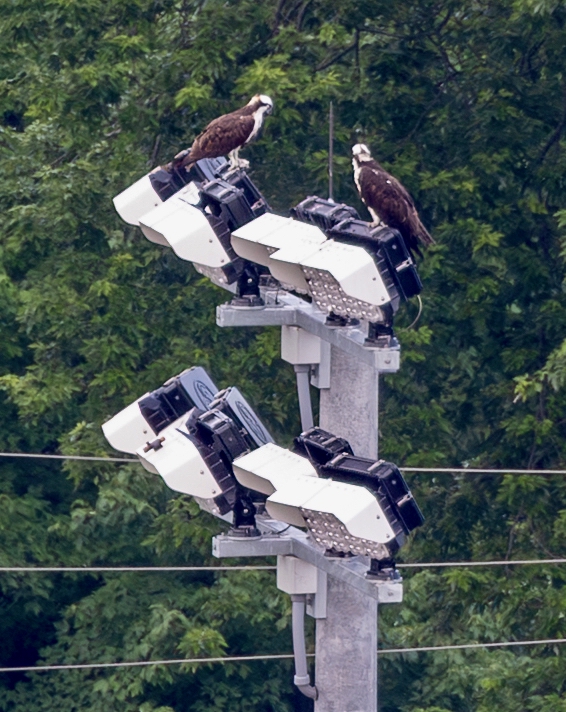
    The platform in the photo above often hosts an Osprey family. This year, a Canada Goose occupied the platform early in the season. Undaunted, the Ospreys built a nest on the lights of the nearby baseball diamond. We were happy to find two juveniles (speckled wings and backs) on the nest with female adult in attendance.

    We didn’t expect to see many other birds, but thought we might find butterflies. We were not disappointed!

    Tawny Emperor

    Question Mark – The Eastern Comma butterfly is a very similar to the Question Mark. These are know as “punctuation butterflies”. We are learning how to distinguish one from the other. The first is to count the number of dark dots on the upper wing that form a line below the largest dot at the front edge of the wing. The Question Mark has four, the Eastern Comma has only three. The butterflies get their names from the small white marks on the dark underwing. The Eastern Comma has only a C-shaped mark, whereas the Question Mark has an additional white dot next the the C.

    A rather tattered Great Spangle Fritillary

    Clouded Sulphur

    Hickory Tussock Moth Larva

    There were damselflies landing on the pebbled path. All were identified as Powdered Dancers. Apparently both male and female Powdered Dancers can be blue or brown, but distinguishing males and females can be difficult. Immature males are brown before turning blue. Older males have a powdery appearance – the source of the damselfly’s name.

    Pollinators at work: Two-spotted Bumble Bee, Transverse-banded Flower Fly

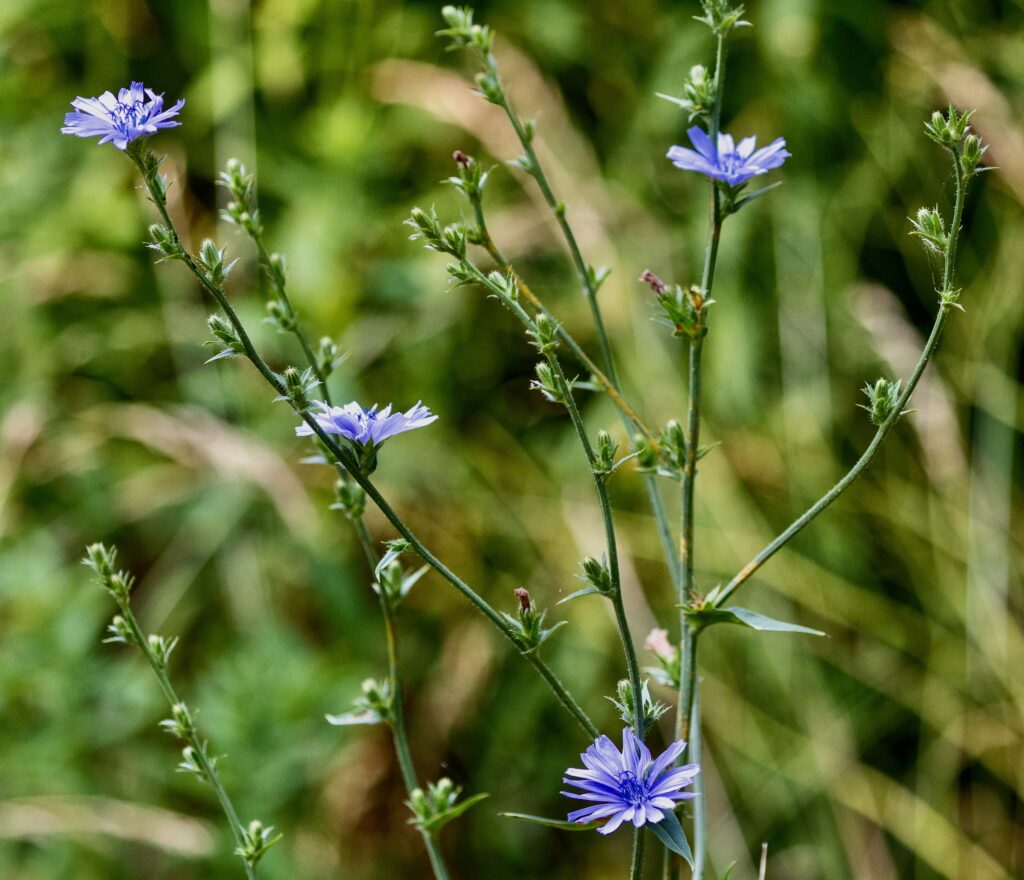
    Just a few wildflowers: Common Soapwort, Culleaf Coneflower, Chickory

    Osprey Update

    Our Ospreys have stayed on. This week, we watched as the male rearranged sticks on the low platform while the female watched from the nest. They seem to be “keeping house” despite the lack of offspring this year. It was a treat to see a nest with two offspring.

    Wandering Bee Flowers

    The bouquets are often aromatic as well as colourful. Last week’s bouquet contained a dill flower, this week’s has sweet basil blossoms.

    Remembering Cleo Laine

    We had the good fortune to see Cleo Laine and John Dankworth in London, Stratford, and Toronto. This is a recording of her famous concert in Carnegie Hall.

    Here is a concert video from a performance in Montreal.

  • Jackson Park, Peterborough,                July 11, 2025

    Jackson Park, Peterborough, July 11, 2025

    We were in Peterborough during sweltering days of high heat and humidity. We managed a morning walk in Jackson Park before the heat became unbearable.

    The park’s trails descend steep slopes treed with White Pine, Balsam Fir and White Cedar into the wide valley of Jackson Creek. We chose trails that afforded shade and a variety of plant life.

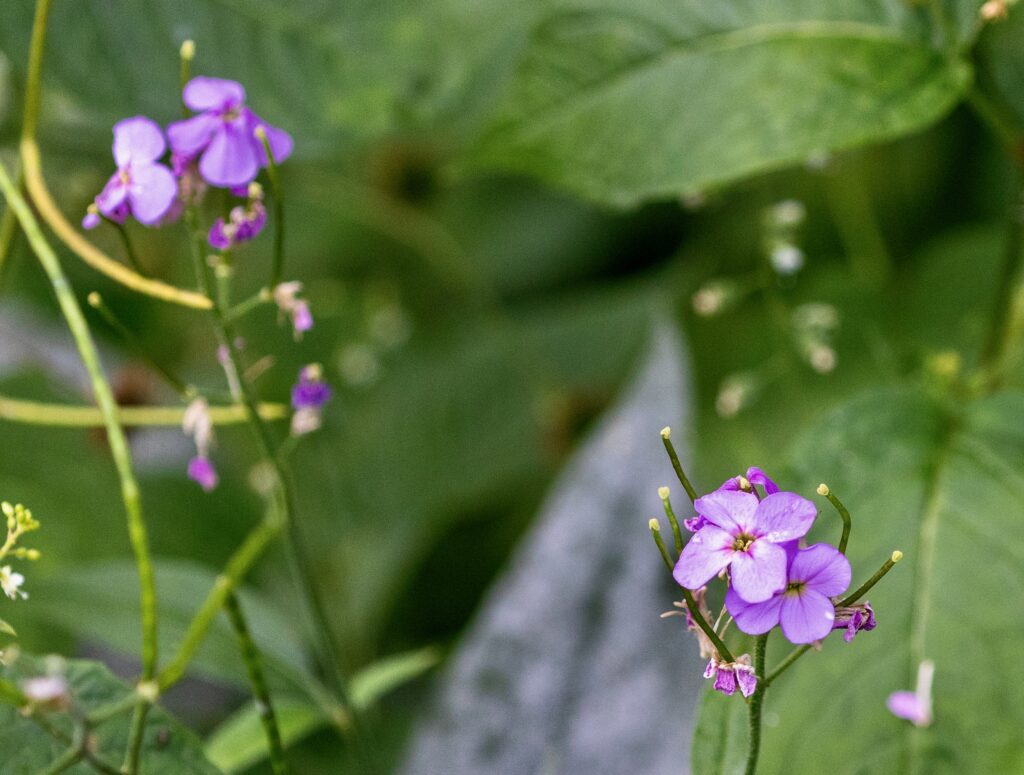
    Below: Fleabane, Chickory, Dame’s Rocket, Spotted Joe-Pye Weed, Creeping Bellflower, Tufted Vetch (aka Bird Vetch), Common Selfheal, Bittersweet Nightshade, Orange Day-Lily

    Broadleaf Enchanter’s Nightshade, Fringed Loosestrife, Water Forget-me-not, Common Selfheal, Purple Loosestrife, Blue-fruited Dogwood

    We heard ten species of birds, but only a Song Sparrow posed for a photograph.

    We had a little better luck with insects!

    Cabbage White butterfly and Confused Eusarca moth. We don’t know why it’s confused…

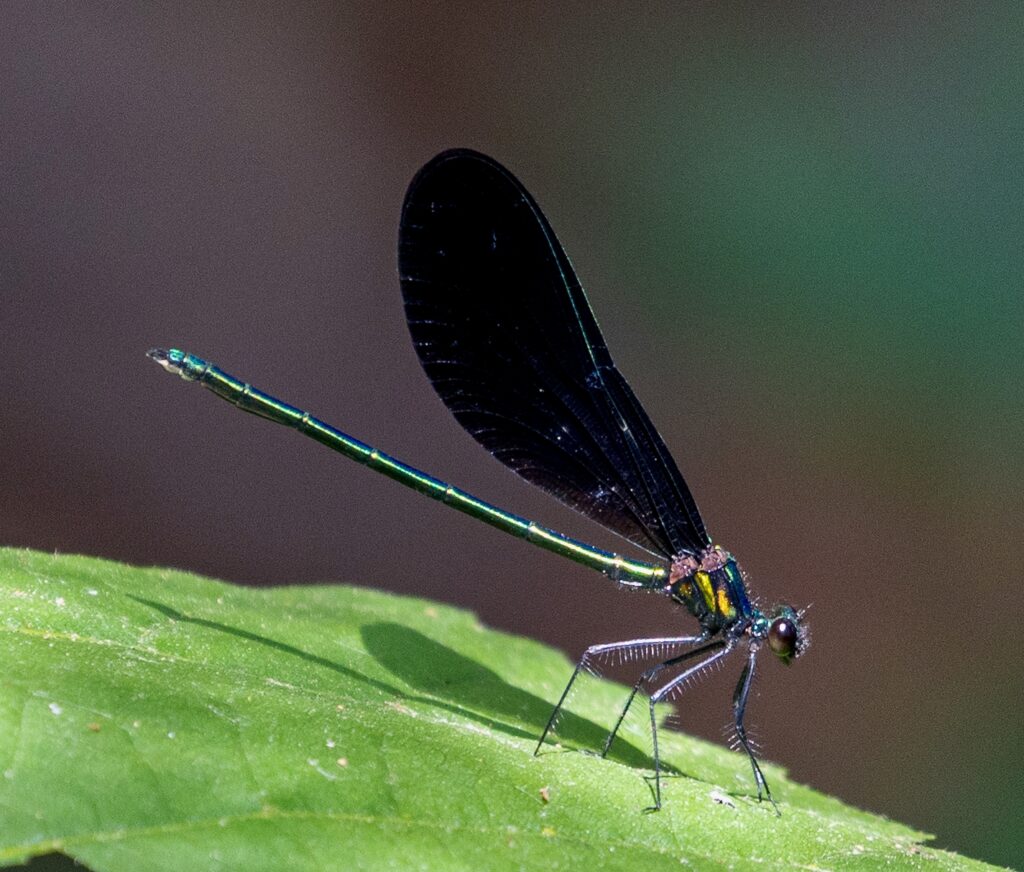
    Ebony Jewelwing damselflies

    Male (left) and female (right)

    Widow Skimmer dragonfly

    Aquarius, a genus of water striders

    Common Eastern Bumble Bee

    Back Home

    We’ve had changing weather since we’ve been home, including some gloriously warm, sunny days with low humidity. The sky is often clear, but sometimes provides visual interest.

    Flowers from Wandering Bee…

    Our Ospreys

    The pair are still protecting their nest site and repelling other Ospreys that come too close. But sometimes a pesky Red-winded Blackbird disrupts a meal. This video was made on Thursday morning. At least sometimes, the male continues to provide fish for the female to enjoy.

    The Gentle Side of Paul Simon

    Many of the songs written by Paul Simon fit this category – soothing, romantic, comforting.

    Next week will feature upbeat songs written by Paul Simon.

  • A Short Walk in Kiwanis Memorial Park – July 9, 2025

    A Short Walk in Kiwanis Memorial Park – July 9, 2025

    We took ourselves east for family visits during the sweltering hot weather of the past week or so. We had time for a morning walk in the park along the Etobicoke Creek that meanders through the Brampton suburbs.

    The meadowlands attracted a variety of butterflies, more than we have seen to date this summer.

    Common Wood-Nymph, Essex Skipper, Monarch, Common Blue

    There were a few other insects along the way: Valiant Long-horned Bee (beloved just for the name!), Carolina Grasshopper, Four-banded Stink Bug Wasp (a species of sand wasp that presumably predates Stink Bugs), and a member of Leafcutter, Mortar, and Resin Bees. Leafcutter bees are solitary bees that may cut or chew leaves or petals into fragments to build nests in hollow twigs or burrows in the ground where they lay their eggs. According to Wikipedia, there are more than 1,500 species of this genera, some of which are prized as crop pollinators.

    A few birds obliged us with photo opportunities, but we missed the Great Blue Heron that flew along the creek.

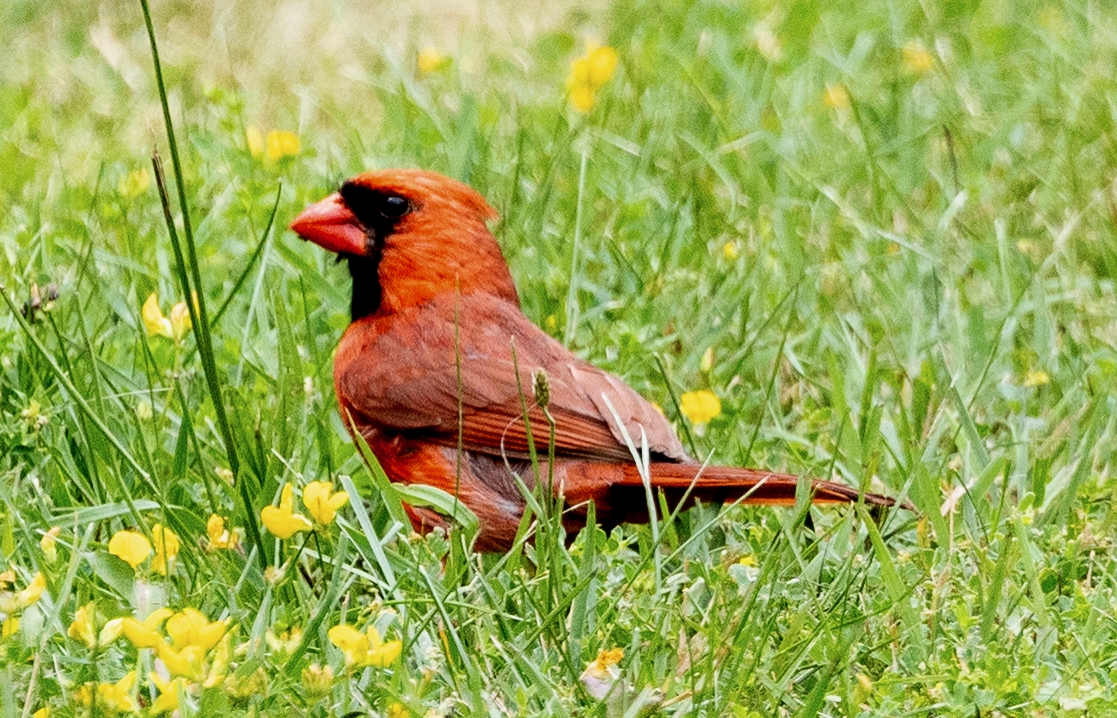
    Northern Cardinal, Cedar Waxwing, Common Grackle, and a drowsly immature House Sparrow..

    A few plants that caught our eyes:

    Creeping Thistle and Bull Thistle

    Teasel

    Scarlet Pimpernel is also known as Poor Man’s Barometer, Poor Man’s Weather-Glass, Shepherd’s Weather Glass or Shepherd’s Clock because the petals only open when the sun shines and close when the sky is dark or overcast. It’s an introduced species that has now naturalized the world over, but we have not yet seen it in the London area.

    Fragrant Sumac is native to southern and eastern Canada. Its fruit is a source of winter fruit for birds and small mammals. In the fall, the leaves turn an attractive orange, red or purple.

    It was productive for a short walk, but we needed to escape the heat and continue on our journey.

    Osprey Update

    We are content to see our Osprey pair most days, spending time or consuming fish on the stadium light tower. In the heat of the day when the air quality deteriorates, they are nowhere in sight. We assume they have found the shelter of a shaded branch somewhere along the river.

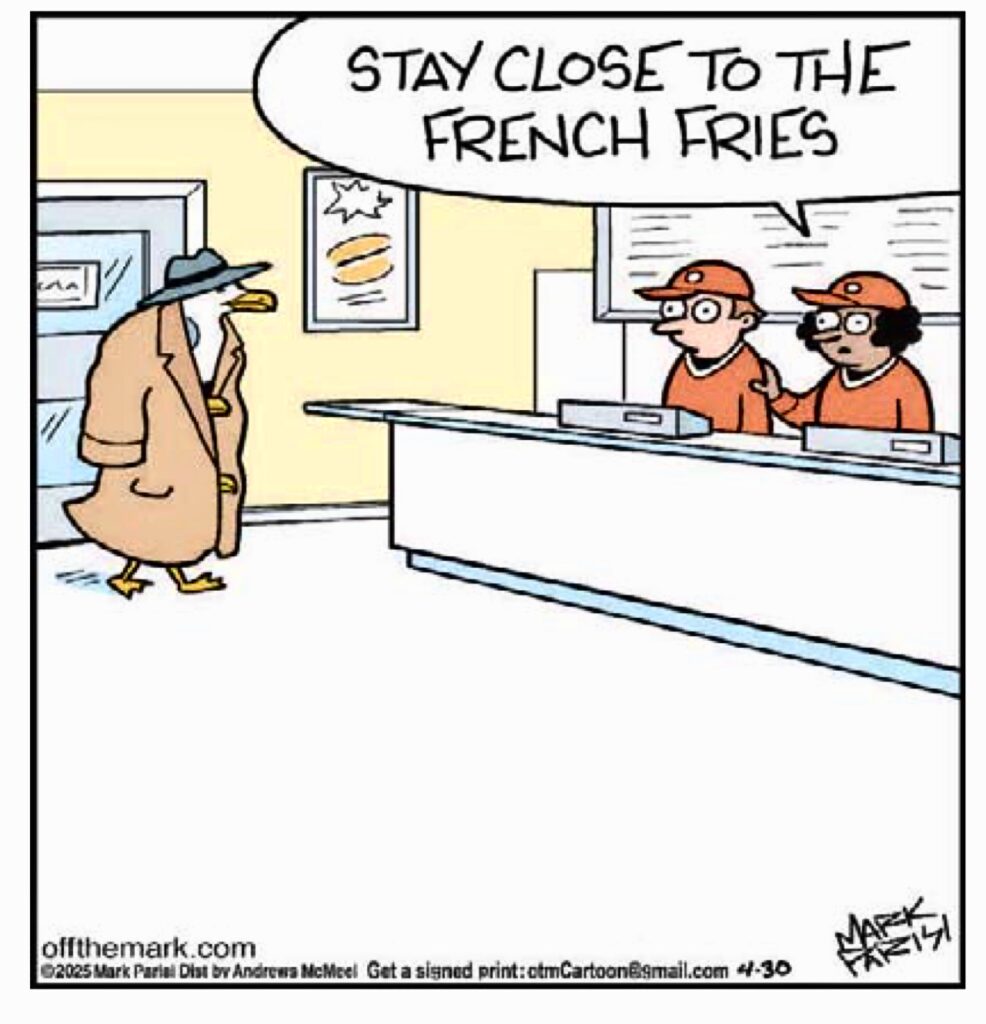
    A Friday Smile…

    The Eagles and Linda Ronstadt

    These two “in concert” videos feature songs from the era when I was very eager for each new album. Yes, the 1970s.

    Eagles – Don Kirshner’s Rock Concert, 1974

    Linda Ronstadt – a playlist from 1977

  • Neighbourhood Walks – April to mid-June, 2025

    Neighbourhood Walks – April to mid-June, 2025

    We’ve been under another heat warning that has keep us inside more that we would have liked. We often take short walks through Harris Park and beyond, sometimes taking photos along the way. These don’t usually make it into our reports. Here is a random selection through the past few months.

    April

    In mid-April, although the trees were bare, Scilla and Sweet Violets covered the bank of the river. They both are introduced species and probably naturalized from the gardens at Eldon House that is situated at the top of the riverbank. Daffodils have made their way down the hill as well.

    In mid-to-late April we visited the magnolia trees that bloom at Eldon House across the road.

    Also in late April, we looked for the trout lilies that bloom on the bank below Eldon House. There were a few Yellow Trout Lilies and a large colony of white Fawn Lilies. These are native spring ephemerals that bloom before the leaves emerge on the trees and obstruct the sunlight. The plants do not produce flowers for the first four to seven years of their lives.

    In the same location as the trout lilies, there are Redbud trees that were in bud in late April. The buds emerge all along the branches of the small trees. Redbuds are native to eastern North America. One authority has said that it is likely that Redbuds were initally found in Canada only on Pelee Island in Lake Erie. Because they have been planted as ornamental trees, Redbuds are now found farther north and west of their original range. Again, the trees on the bank appear to have naturalized from Redbuds in the Eldon House garden.

    May

    By early May, leaves were appearing on the trees.

    The Redbuds were in full bloom. This week, we saw the fruit – flat pods that will turn red and produce seeds – hanging from the branches of the trees at Eldon House. The number of pods on each branch might explain how the trees have spread down the bank over the years.

    We spent most of May exploring other places during the spring migration…

    June

    By early June, the canopy was fully green and new plants were in bloom.

    Ribwort Plantain with halos of flowers.

    Between early and mid-June, Canada Geese goslings were turning into awkward adolscents.

    In mid-June, there was a summer snow storm of sorts when Eastern Cottonwood seeds started to disperse.

    The rest of June will have to wait!

    Flowers…

    …not from Wandering Bee, but from our balcony.

    Great Music from 1971

    All of the songs on this playlist are permanently burned into my memory. Sometimes we are lucky enough to have a great live version. Sometimes the entire audience sings along.

    Recently I learned that the first time Kris Kristofferson heard Janis Joplin’s recording of Me and Bobby McGee was after she had died. Kris and Janis were still very close friends at the time and she had been looking forward to seeing his reaction to her version.

  • Sifton Bog – June 22, 2025

    Sifton Bog – June 22, 2025

    After several days of intense heat and humidity, successive thunderstorms cleared the humidity, at least temporarily. We could see the rain coming down in sheets in the distance on June 27.

    Despite the heat, we decided to visit Sifton Bog during the hottest days on June 22nd.

    Sifton Bog is another of the Environmentally Significant Areas (ESAs) managed by the Upper Thames River Conservation Authority (UTRCA) within the city of London. The bog evolved from a kettle lake that formed about 13,000 years ago as the glaciers retreated. The large blocks of ice that were left behind melted to form an isolated lake.

    According to the UTRCA, “sedges, mosses, and other plants gradually colonized the margins of the lake. Due to the lake’s cool, oxygen-poor conditions, when dead plants sank to the bottom, they did not break down fully, but became compressed as peat as layer upon layer built up. In time, the accumulating peat formed a semi-floating mat that crept from the outer edges of the bog towards the open water at the centre. As the mat became consolidated, Sphagnum mosses, heath plants, and spruce trees grew on the drier hummocks.”

    Redmond’s Pond at the centre of the bog as it appears today.

    Sphagnum moss and other plants that form the bog

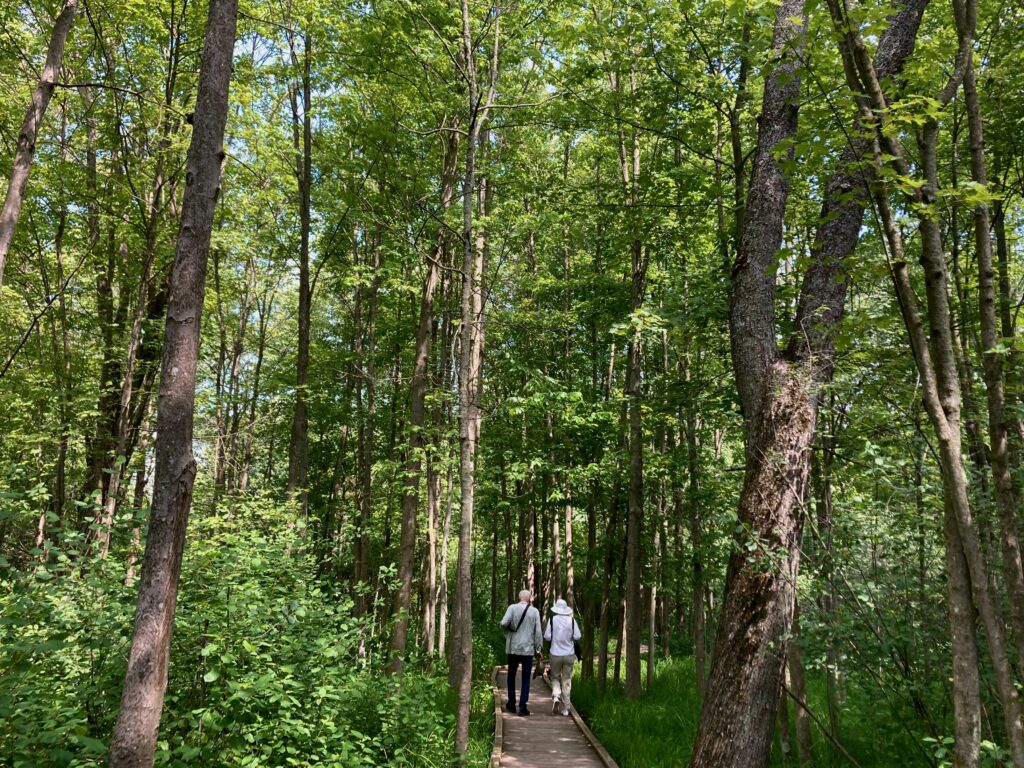
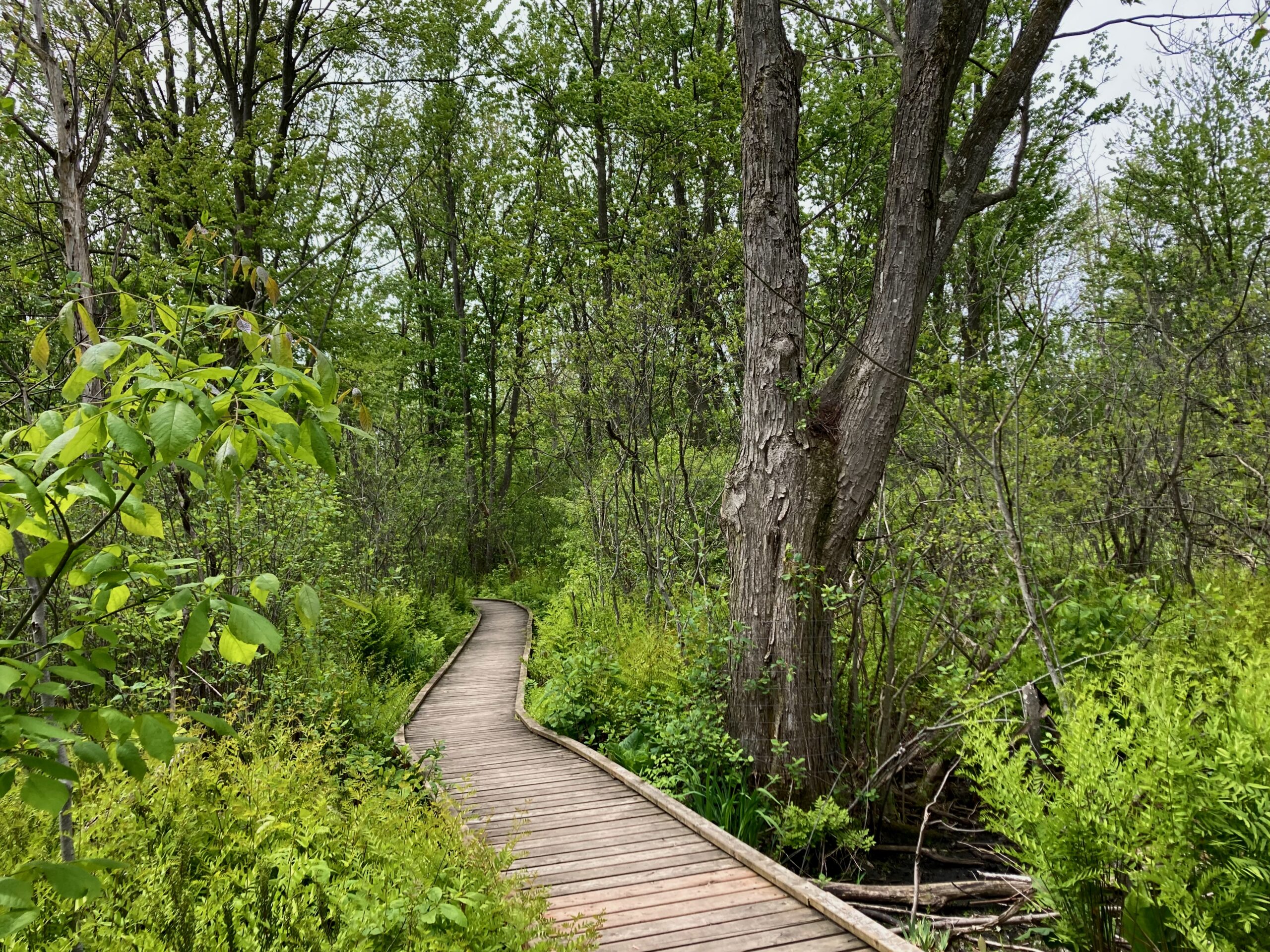
    In the morning, before the sweltering heat was too intense, we headed to Sifton Bog with a visiting friend. Our theory was that we would have the shade of the Red and Silver Maples, White Pine and White Birch as we walked the boardwalk through the swamp surrounding the bog. We thought we would spend a very little time exposed to the sun on the deck overlooking the pond.

    The trees along the boardwalk transition to Black Spruce and Tamarack at the bog’s outer edges. Leatherleaf, Small Cranberry, and Highbush Blueberry bushes also grow in this area.

    Our theory was quickly upended when we encountered two young children and their father, a girl of about six and a boy not more than four years old, both toting cameras. They were interested in everything they saw and quick to point out tadpoles, turtles and frogs lurking in the water. The dad admitted that they were new to exploring nature and seemed happy to learn about the Seek app, the simpler version of iNaturalist for identifying any living thing from a photo.

    In the water: Green Frog, American Bullfrog tadpoles, Midland Painted Turtle

    Dragonflies and damselflies hovered over the water. Dragonflies tend to be larger and bulkier than damselfies and rest with their wings spread out. Damselflies are smaller and slender and rest with their wings folded along their backs.

    Dot-tailed Whiteface dragonfly

    Amber-winged Spreadwing and Eastern Forktail damselflies. The Eastern Forktail was depositing eggs in the water. Nymphs will hatch from the eggs and spend one to three years in the water before emerging in adult form.

    We were particularly happy to find Bog Copper butterflies in flight. These butterflies exist only in acid bogs with cranberry plants. Adults nectar almost exclusively on this host plant. After mating, females lay their eggs on the underside of cranberry leaves near the water. The eggs overwinter with the larvae fully developed inside. Larvae emerge to feed on cranberry leaves before forming a chrysalis. The pupation period is brief so that adults can emerge at the time the cranberry plants bloom in June.

    Our only other butterfly sighting was this Least Skipper.

    Birds were few, but we were delighted to hear a Wood Thrush calling near the trail head. We might have caught a glimpse of it near a distant fallen log in the woods. At the pond, this Song Sparrow lived up to its name.

    The pond and the bog hosts plantlife adapted to the habitat.

    Watershield covers part of the pond.

    Two tiny orchids bloom at this time of year.

    Grasspinks

    Rose Pogonia

    A variety of sedges and rushes and fungi grow in the dampness of the bog.

    Ferns grow in the wet soil of the bog and woodland.

    Insect sightings along the way:

    There was so much to see that we ended up staying much longer than expected…

    Osprey News

    Our Osprey pair continue to spend time together on the nest or the neighbouring light tower. Fish are shared on the nest or tower. Ospreys that venture into their space are quickly chased away.

    Hanging out together on the light tower

    Flowers from Wandering Bee

    A Musical Detour

    Bluegrass is not for everyone. It took me years to start loving it.

    Most of the time around 1970, I was listening to CHUM-FM (what would be called classic rock today). But there were whispers of country music reaching me. The songs on this playlist will be with me forever. We first heard “Fox on the Run” sung by The Good Brothers, a Canadian hippy bluegrass band. “Will The Circle Be Unbroken” is so monumental, it appears twice.

    The 1972 album, Will The Circle Be Unbroken by The Nitty Gritty Dirt Band was a huge success. The band of young musicians collaborated with many famous bluegrass and country-and-western players, including Roy Acuff, “Mother” Maybelle Carter, Doc Watson, Earl Scruggs, Randy Scruggs, Merle Travis, Pete “Oswald” Kirby, Norman Blake, Jimmy Martin, and others, to produce the album of traditional country songs.  Some of the songs appeared in the soundtrack for Oh Brother, Where Art Thou?

  • Meadowlily Nature Preserve – June 12, 2025

    Meadowlily Nature Preserve – June 12, 2025

    June finally brought us some seasonal summer weather until the past few days (June 22nd to 24th) when we endured sweltering temperatures above 30 C and humidex equivalents above 40 C.

    June 16, 2025 and June 20, 2025

    The humidity culmninated in a series of thunderstorms on June 24th that haven’t yet cleared the area.

    Meadowlily Nature Preserve & Meadowlily Woods ESA

    Meadowlily Nature Preserve is a 5.9-ha (14.5 acre) property that was donated to the Thames Talbot Land Trust (TTLT) in 2002. The site is an integral component of Meadowlily Woods, an Environmentally Significant Area (ESA) in the City of London that is manged by the Upper Thames River Conservation Authority. The properties are mainly on the south side of the South Thames River and are comprised of floodplain woods, deep ravines, mature woodlands, and some active and retired agricultural fields that are now meadows. TTLT has worked to re-naturalize manicured areas to encourage the growth of native species adapted to the local conditions.

    Wildflowers bloomed in the sunny patches along the edges of paths and the open meadows. Many of the plants in bloom were introduced and have since naturalized.

    Oxeye Daisy, Fleabane, Meadow Hawkweed, Red Clover, Dame’s Rocket

    White Campion and Bladder Campion were both in bloom.

    White Campion and Bladder Campion

    White Campion is a dioecious flowering plant, meaning that there are male and female flowers on separate plants.

    Male flowers have 10 stamens, female flowers have 5 (or 6) styles that project beyond the calyx.

    Common Ninebark was in bloom, as were Multifora Rose and a Beautybush that must have escaped from a garden or been the remnant of a former garden.

    Bees and flies are both important plant pollinators.

    These are all flies!

    Bees come in many varieties as well.

    The few butterflies we saw did not stop moving. The Ebony Jewelwings were more cooperative.

    We heard only seven bird species and saw only two. American Robins often forage along the paths and on the forest floor. They are still feeding young, possibly their second brood.

    We couldn’t tell if this Song Sparrow had been bathing or was moulting.

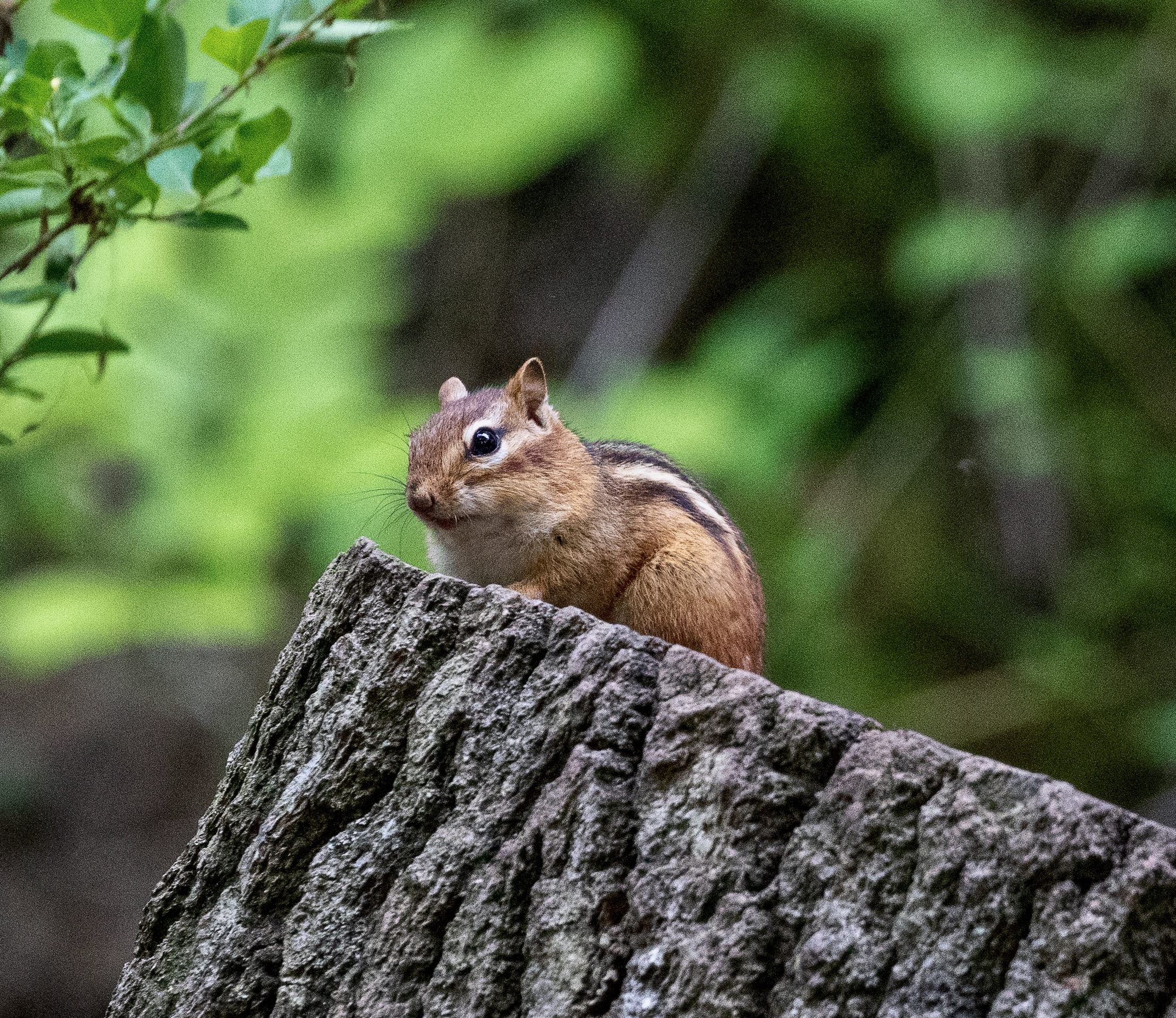
    Chipmunk! Now you see it, now…

    Osprey Update

    We continue to see our Osprey pair sometimes together and sometimes separately, either on the nest or on the neighboring light tower. Once, we saw one consuming a fish on the light tower. For now, they are sticking to home base.

    Wandering Bee Flowers

    Double pleasure again this week!

    So Much Great Music in 1970

    I took many lesser great songs out of this playlist: https://www.youtube.com/playlist?list=PLhsgho1ap5irhSCavK1vtkOa4Kv7HdjcF

  • Pond Mills Conservation Area – May 27, 2025

    Pond Mills Conservation Area – May 27, 2025

    In late May, we went to Pond Mills, part of a larger Environmentally Significant Area (ESA) in London that encompasses several kettle ponds. These ponds were formed when large blocks of ice from retreating glaciers melted and made depressions or kettle holes that collected water and sediment. The Pond Mills trail circuits the South Pond through wet lowlands, open fields and forest.

    Several species of ferns grow in the damp conditions. The most numerous were American Royal Ferns, but there were also Wood Ferns and Sensitive Ferns.

    There was a variety of shrubs in bloom. Some are introduced species that have become invasive, including these honeysuckles (Tartarian and Morrow’s), Autumn Olive and Guelder-Rose.

    Native bushes were also in bloom: Red Osier and Alternate-leaved Dogwood and Common Ninebark, still in bud.

    Some native bushes had already bloomed and were setting fruit: Black Raspberry, Chokecherry, Riverbank Grape

    Aside from Jack-in-the Pulpit, the early spring flowers had disappeared, replaced by plants that bloom into the summer.

    Philadelpia Fleabane, Oxeye Daisy, Herb Robert, Meadow Buttercup, Bitter Wintercress, False Solomon’s Seal, Jack-in-the-Pulpit, Dame’s Rocket, White Campion, Bird’s-eye Speedwell, Ground-ivy (aka Creeping Charlie), Dandelion (gone to seed), and Dwarf Raspberry (aka Dewberry).

    The birds that remain for the summer are now busily tending nests and feeding young. They are often furtive in their attempts to conceal the location of their nests from predators.

    Here is a Gray Catbird foraging in the underbrush and a Common Grackle carrying food to young. American Robins seem less concerned about being seen…

    The ponds attract other birds. This Great Blue Heron might have been on a fishing expedition.

    The Mallard pair were moving through water that was clogged with Eurasian Water-milfoil, an invasive species of aquatic plant that can crowd out native species and disrupt fish habitat.

    Osprey Update – not the best news…

    We are very disappointed to report that there will be no young Ospreys on the nest this year. Last weekend, the Osprey pair began standing on the nest or on a nearby light tower, rather than sitting in the nest. This confirmed our growing fears that the eggs had not hatched and the pair had finally given up efforts to incubate them. We had counted the 35 to 42 days expected for incubation from the time we saw the birds sitting constantly low in the nest. We knew it was well past the time hatching was expected.

    Although they are no longer trying to incubate whatever eggs were in the nest, the Osprey pair have not abandonned the site. We see them regularly standing on the nest or the neighouring tower, usually together. From time to time, they have added sticks and branches to the nest. Another observer of an Osprey nest that Glenn found online has also seen this behaviour in Ospreys whose nests had failed. If we were to anthropomorphise, we might conclude that the birds are holding a vigil for their lost breeding opportunity.

    We’ll see how long they stay. We don’t know, but we imagine that the pair is still dedicated to the location and wish to protect it for future years. Since fish are abundant here, there is no incentive for the birds to migrate so early in the season.

    Photos from June 14 and 15, 2025

    This Week’s Flowers

    Peonies, Sweet Peas and Cornflowers (Batchelor’s Buttons) – what could be better!

    Videos – Remembering Brian Wilson

    I bought my first album by The Beach Boys through my Columbia Record Club subscription in 1966. One year later, I saw The Beach Boys live in Kitchener. I don’t remember the show, but I recognized every song they sang. In 1998, I saw Mike Love and a touring band in a small hotel ballroom. One hightlight was his version of “Back in the USSR”, the song he said was written by The Beatles for the Beach Boys. It was only later on that I realized Brian Wilson was the genius behind The Beach Boys.

    Here is a tiny sample of performances by Brian Wilson, The Beach Boys, and cover bands.