Author: New Admin

  • Canopy Lodge Revisited

    Canopy Lodge Revisited

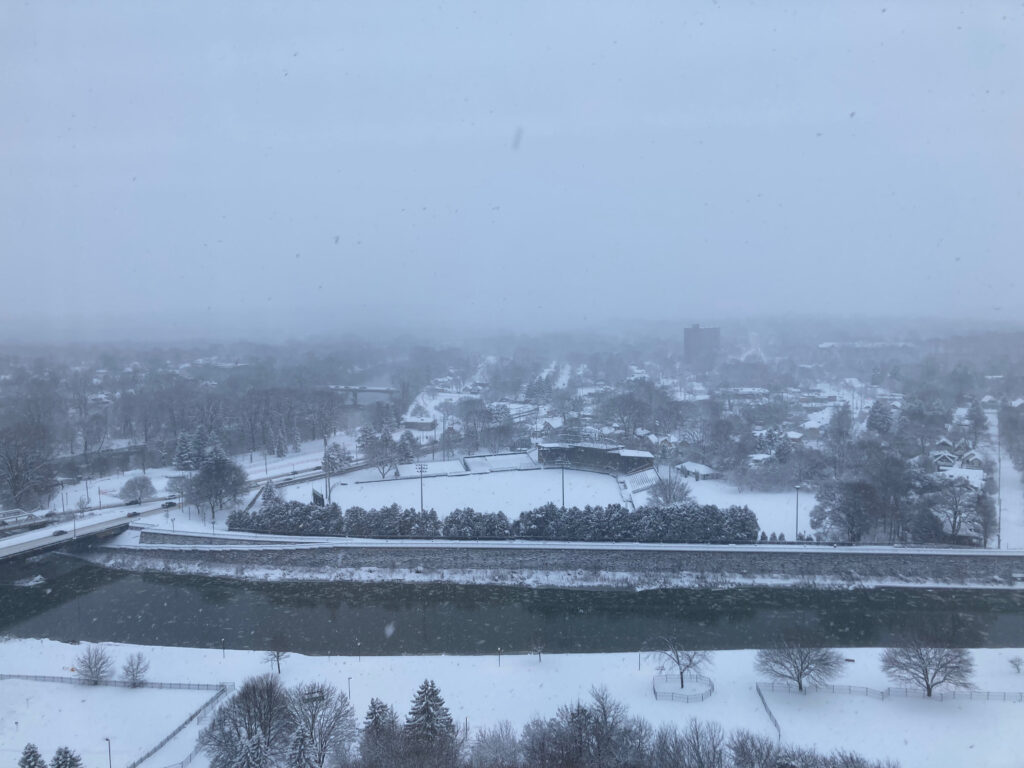
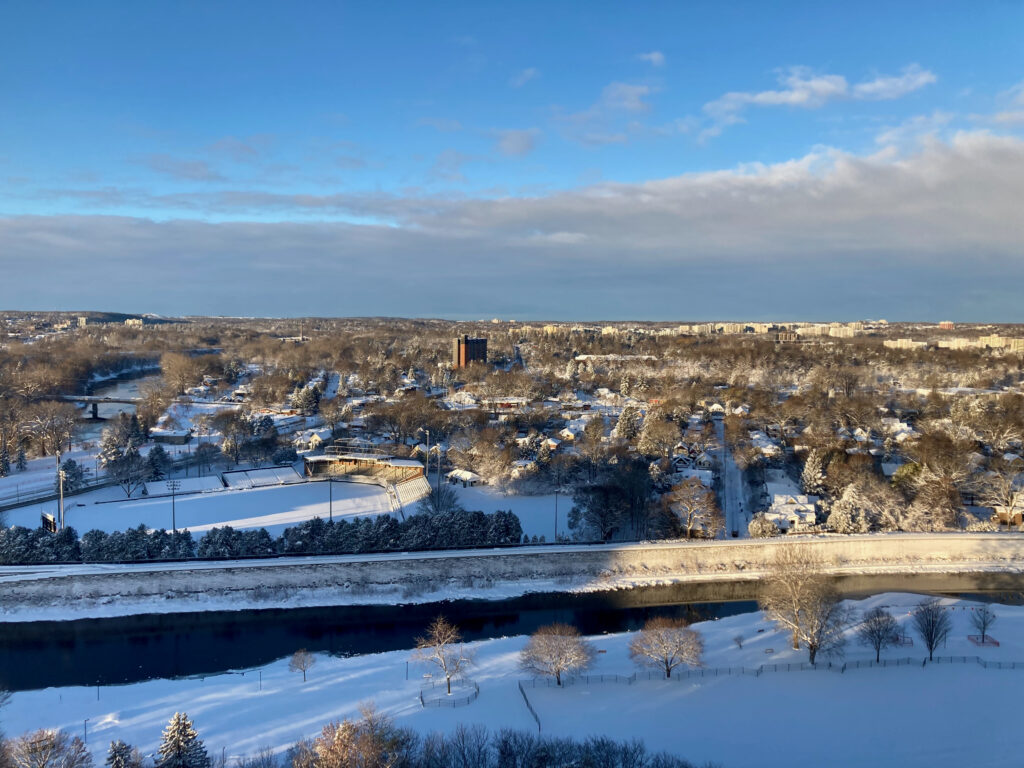
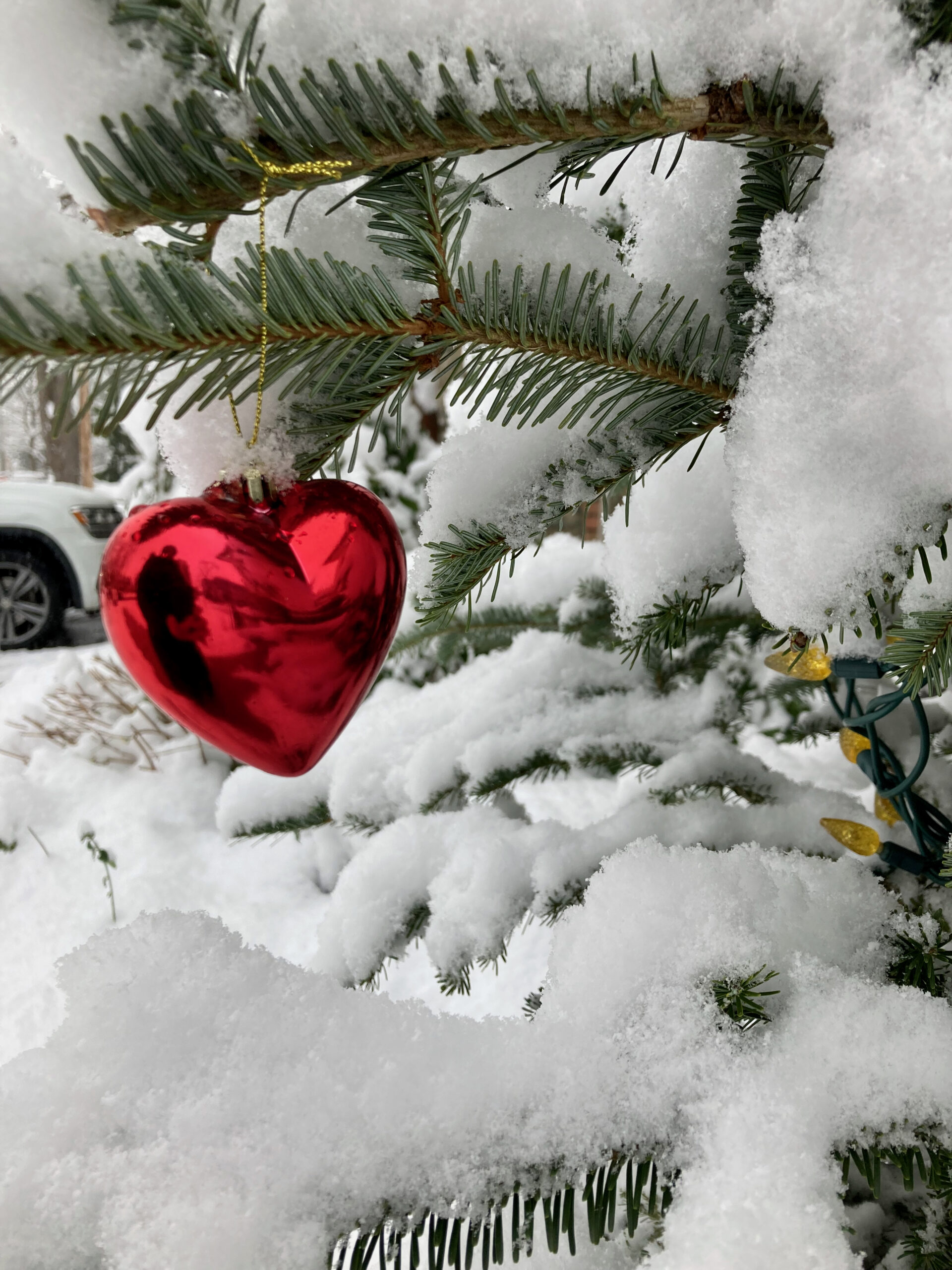
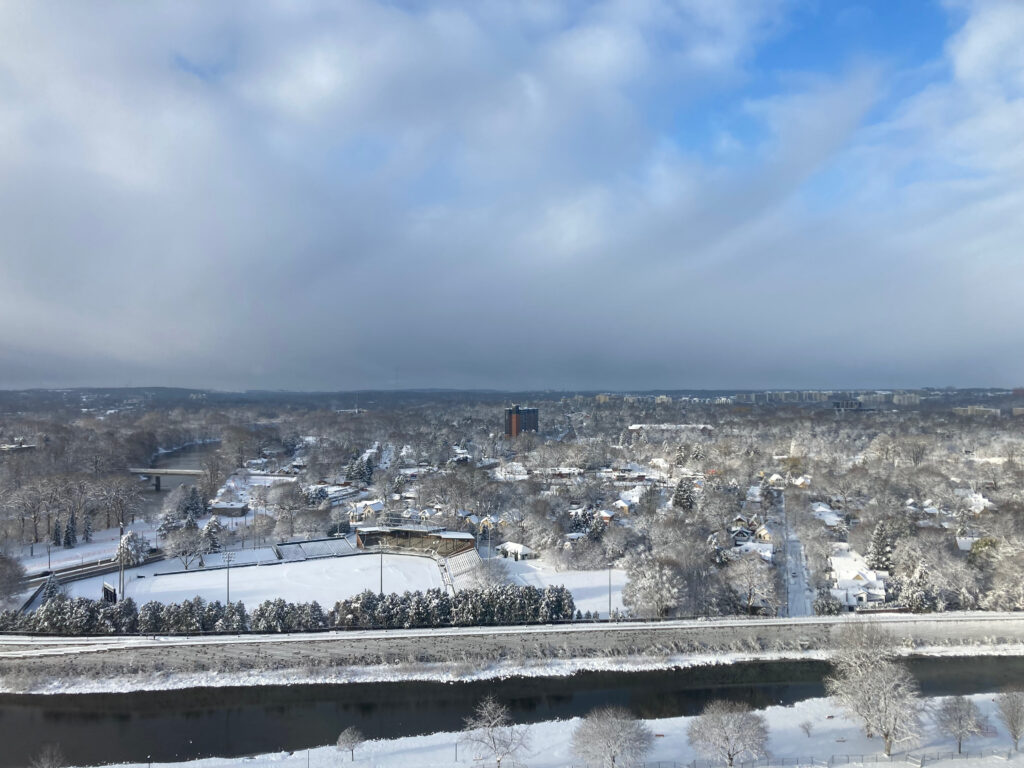
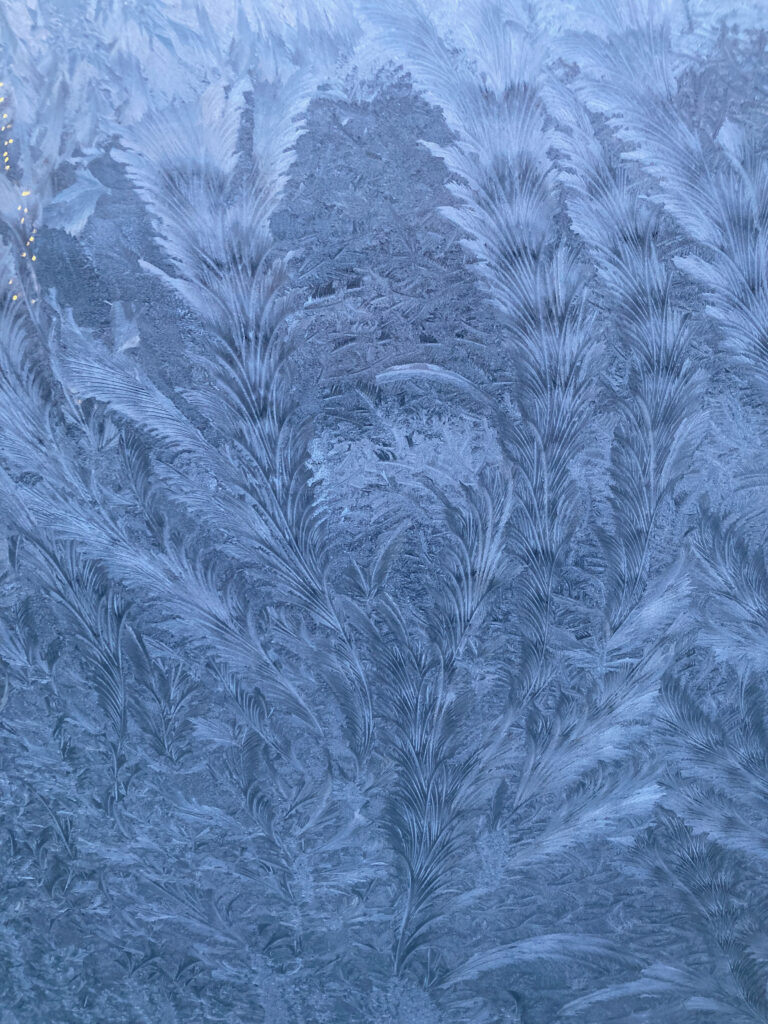
    We are under an extreme cold warning from Environment Canada. Wind chill has been in the minus 20s for most of the week. There are frost feathers on our windows again.

    Before the serious cold set in, Susan was on a walk when she witnessed high drama in the trees along the river. A Bald Eagle flew in and landed in a tree overlooking the water. From it’s perch in a nearby tree, a Red-tailed Hawk shrieked as it dove toward the eagle, forcing it to fly off. The eagle circled the area several times with the hawk in pursuit before it departed down the river. There was a second Red-tailed Hawk flying over the river at the same time. That leads us to think that a pair might be nesting in the area.

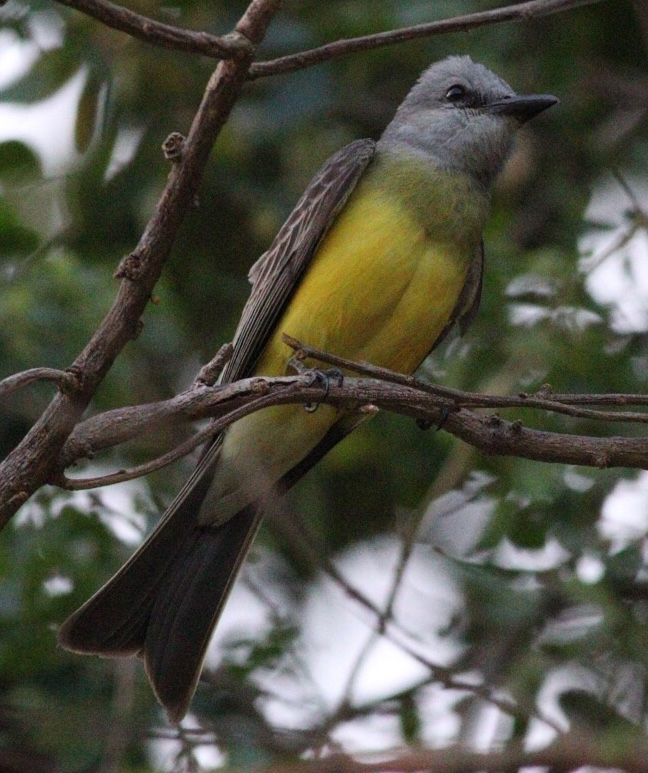
    Canopy Lodge 2019

    Given the cold weather, we’ve decided to continue reviewing our visit to Panama in 2019. On February 9, we were taken from Panama City on the two-hour drive to Canopy Lodge in the mountain valley El Valle de Antón in Coclé Province.
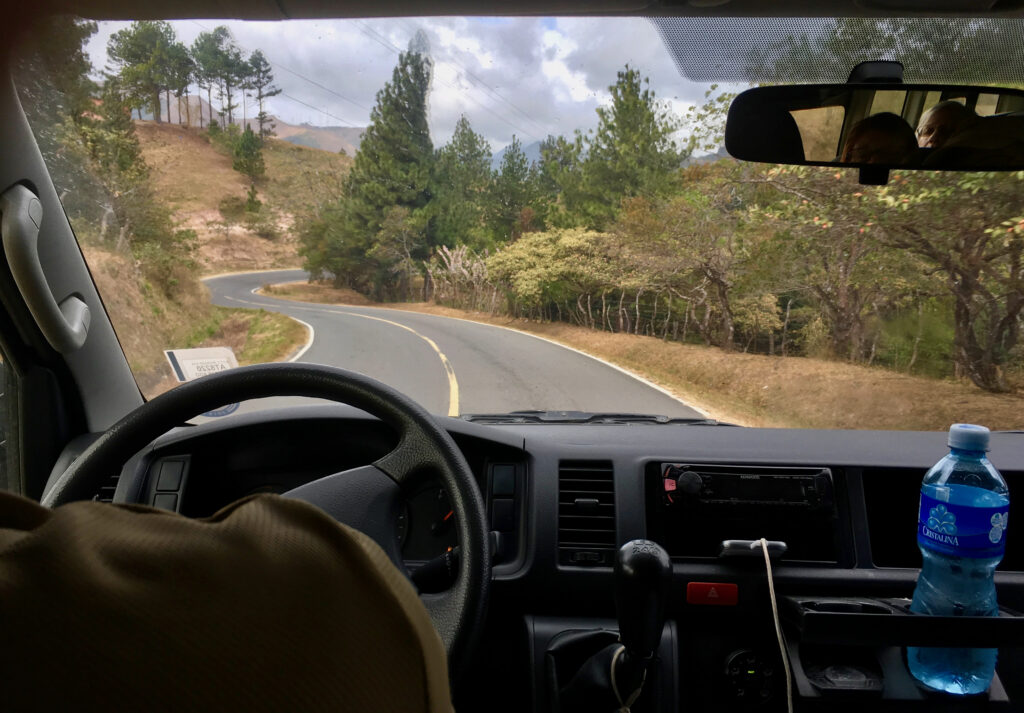
    The lodge is in a comfortable setting amidst the tropical forest. A main attraction of the lodge is the fruit feeder that draws in a variety of bird species and sometimes small mammals. In cooperation with the Cornell Lab, the lodge hosts a feeder cam that is available for viewing at https://www.allaboutbirds.org/cams/panama-fruit-feeders/

    From the comfort of the lodge’s patio, we had our first exposure to many of the local birds: Gray-headed Chachalacas, Chestnut-headed Oropendola, Dusky-faced Tanager, Clay-coloured Thrush.

    The grounds and nearby trees also provided happy bird sightings.

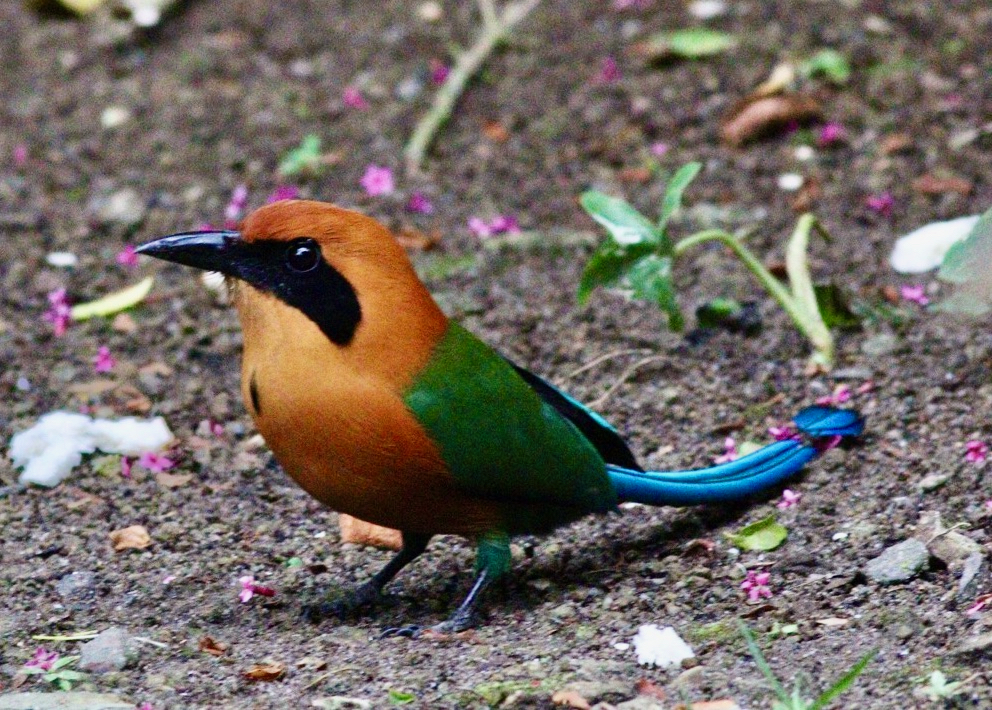
    Thick-billed Euphonia, Barred Antshrike, Rufous Motmot

    Each day, our guides took us to different locations. Their exceptional skill ensured that we saw so much more that we would have if left to our own devices. In addition, we were in the company of a small group of congenial, knowledgeable birders.

    February 10, on a nearby plateau in the mountains, our guides spotted sloths and located hard-to-find birds such as the Sunbittern and Spectacled Owl. They were adept at digiscoping to provide photos of the owl on everyone’s cellphone. Also shown: Smooth-billed Anis and Tawny-crested Tanagers.

    February 11 was an all-day excursion. We were headed for the Pacific Ocean for lunch with several stops along the way. Our morning stops yielded a variety of birds on the ground and in the trees.

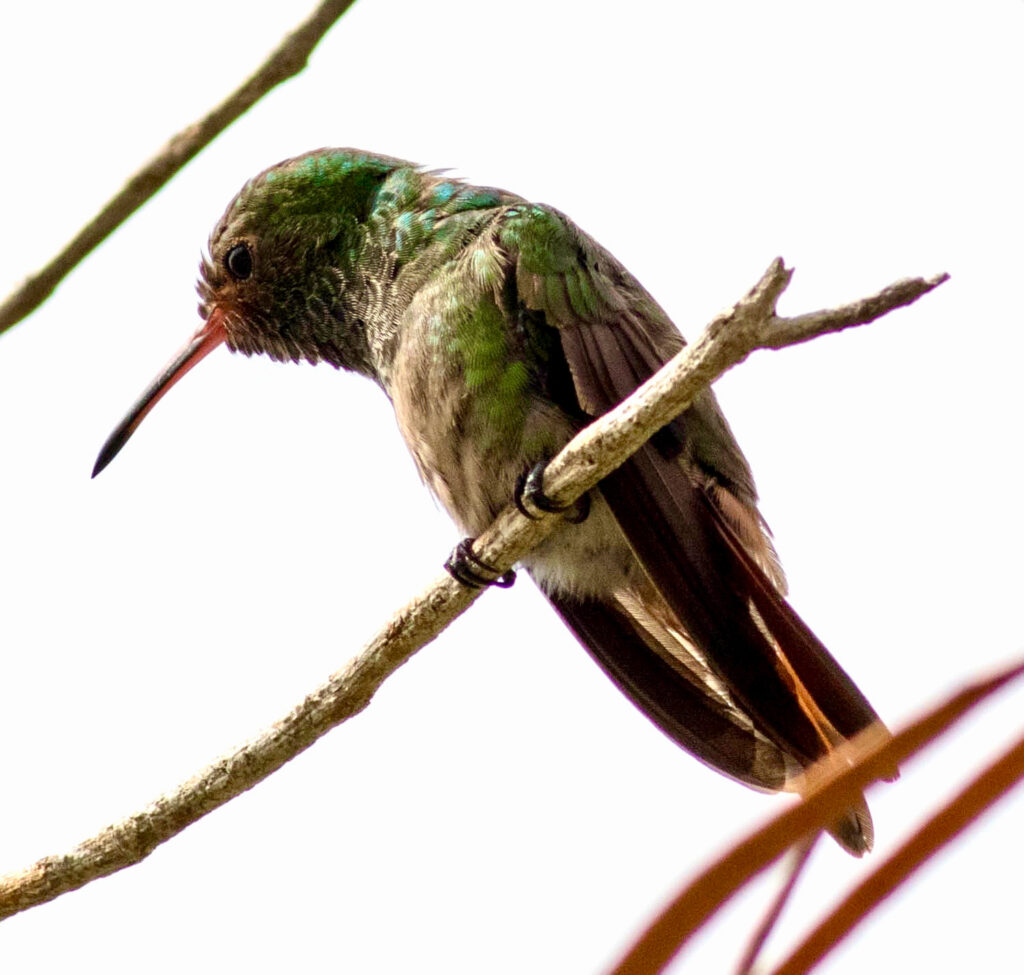
    Crested Oropendolas, Southern Lapwing, Tropical Mockingbird, Wood Stork, Green Kingfisher, Rufous-browed Peppershrike, emerald hummingbird, Squirrel Cuckoo.

    As we drove toward the coast, our driver spotted smoke in the distance and abruptly sped up. As he suspected, there was a grass fire that he knew would attract raptors hunting the small rodents fleeing from the fire.

    Swainson’s Hawk

    Savanna Hawk

    At the ocean, Magnificent Frigatebirds flocked and chased.

    There were a few birds in nearby trees, Blue-grey Tanagers, Straight-billed Woodcreeper, and one familiar migrant, a Summer Tanager.

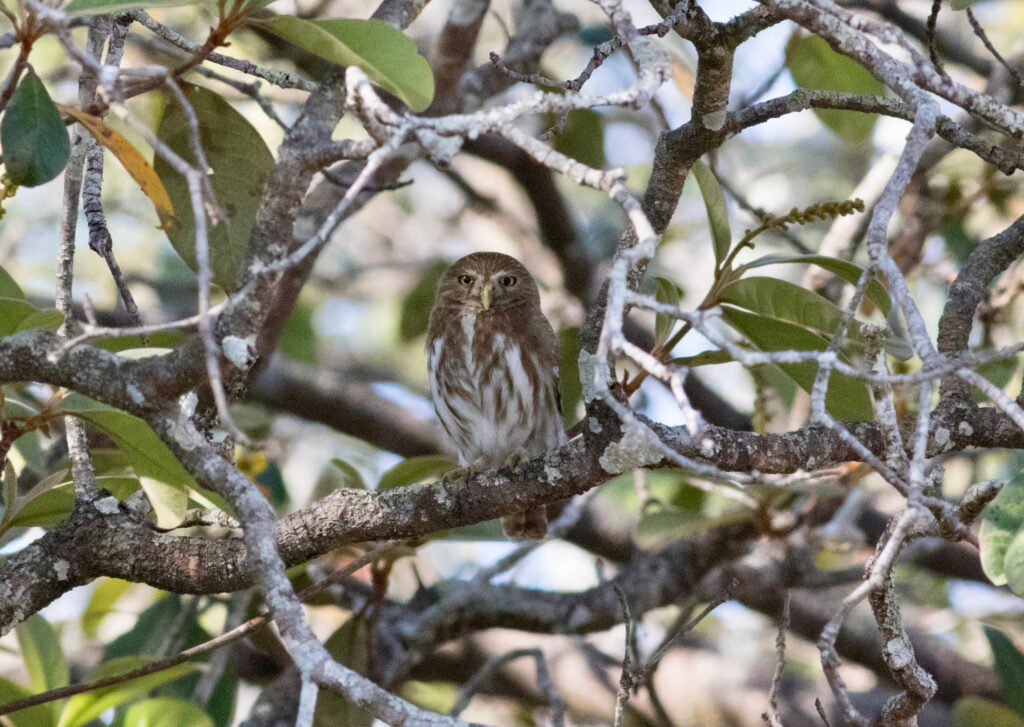
    On our way back to the lodge, our guide stopped for us view a special bird, one of the best of the day, a Ferruginous Pygmy Owl.
    We will likely continue our tour of Panama in coming posts.

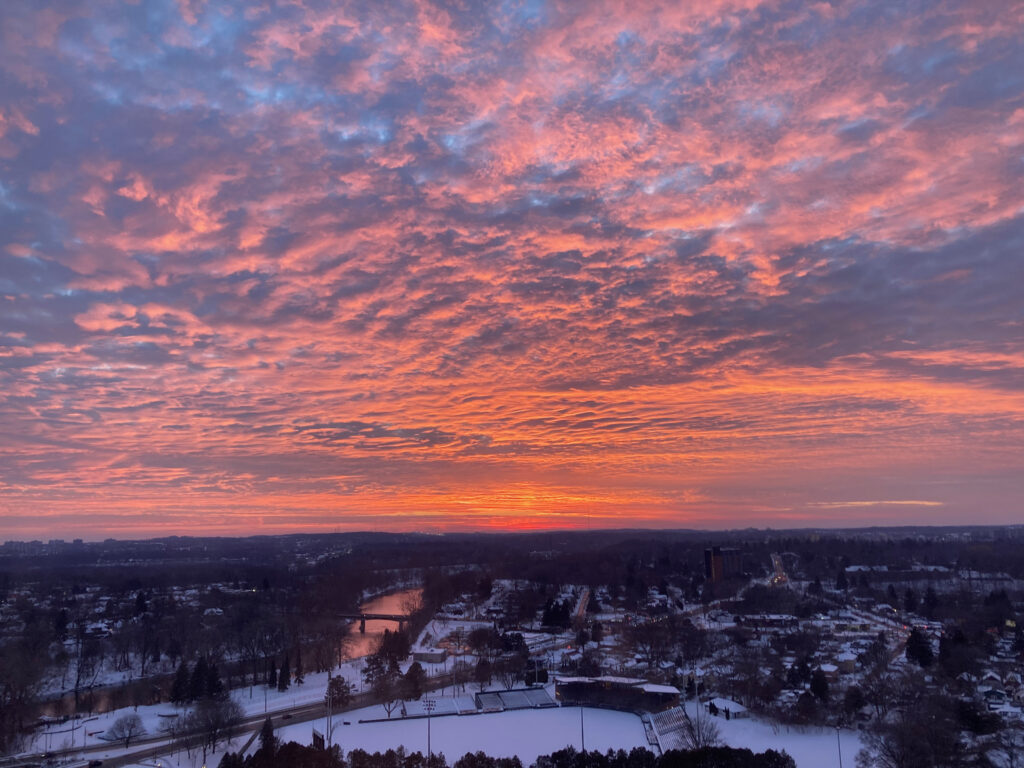
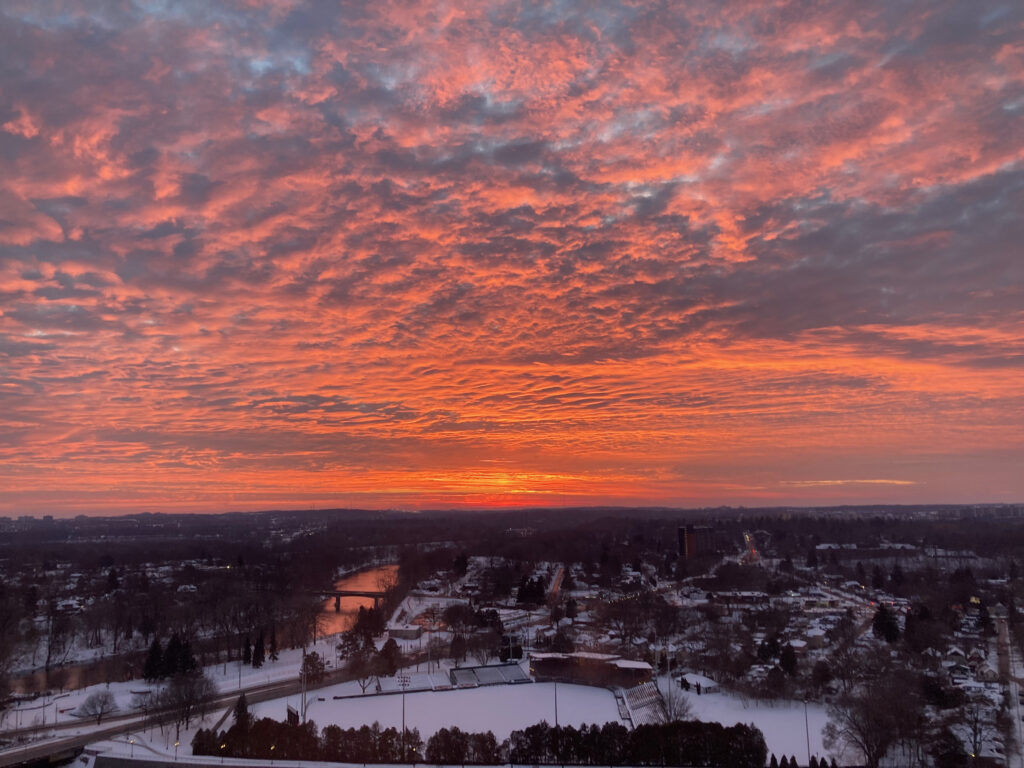
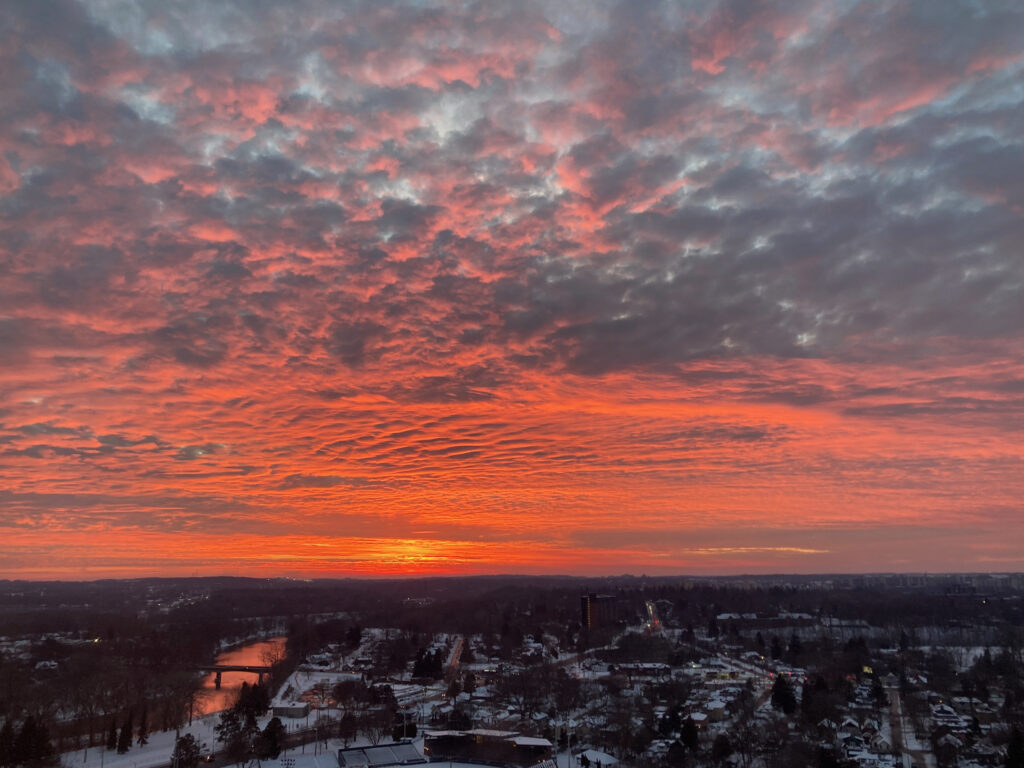
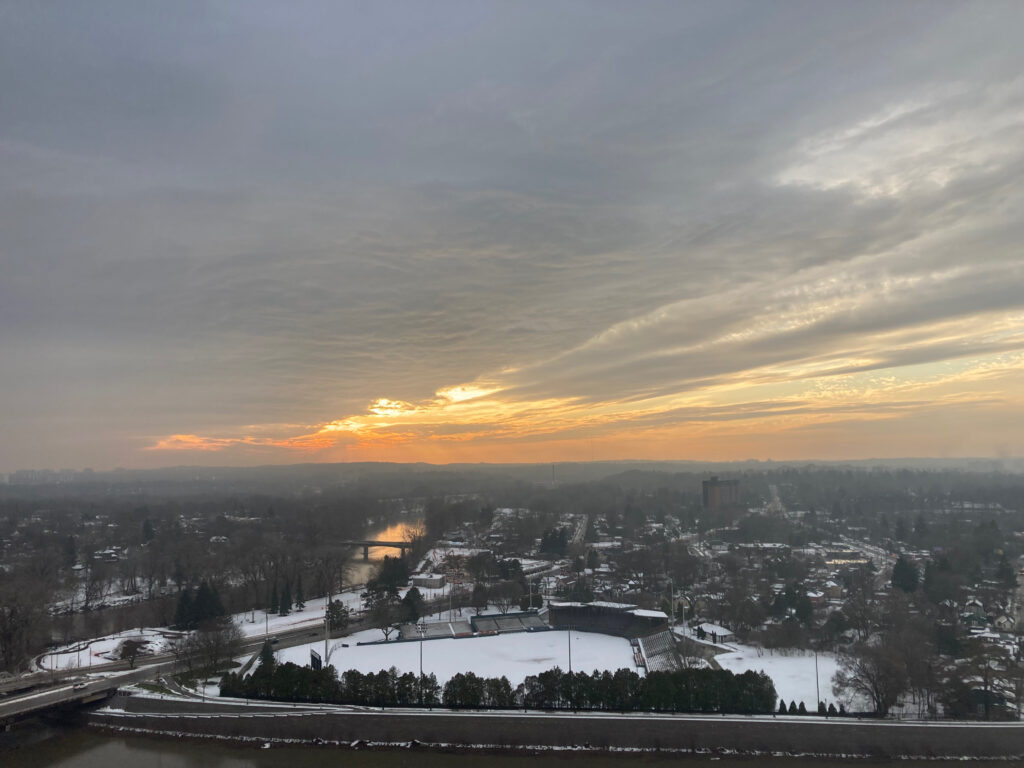
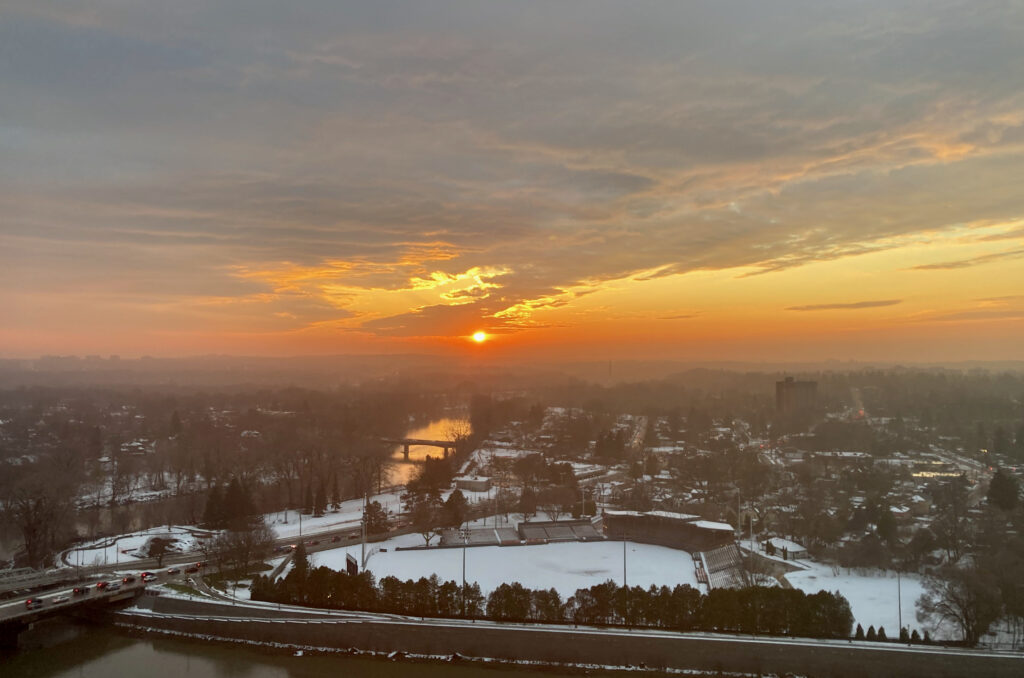
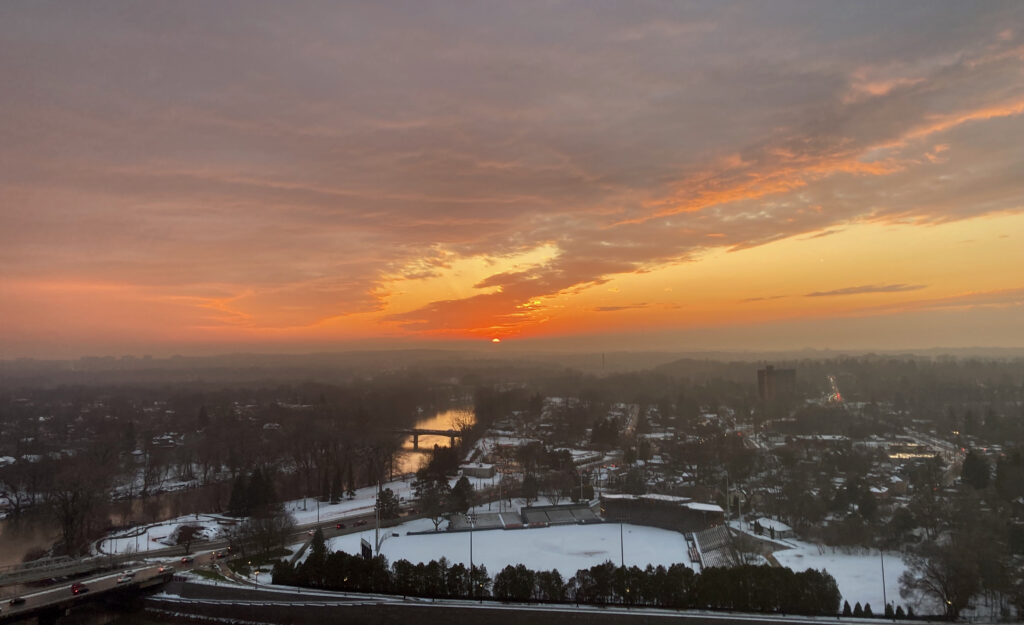
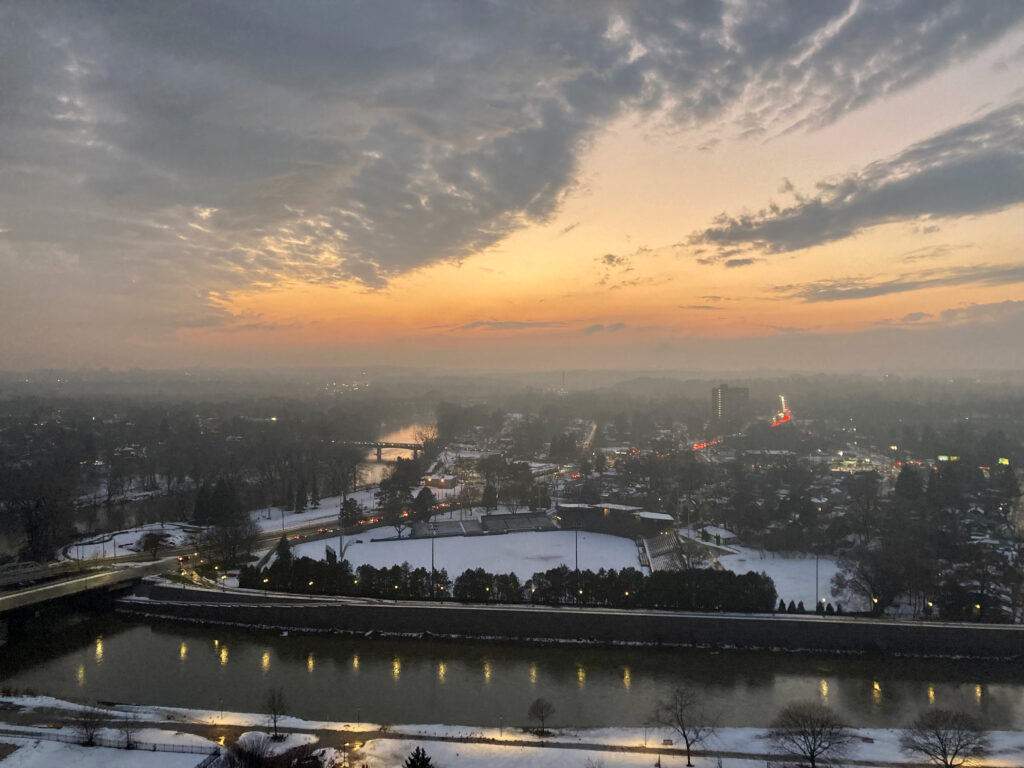
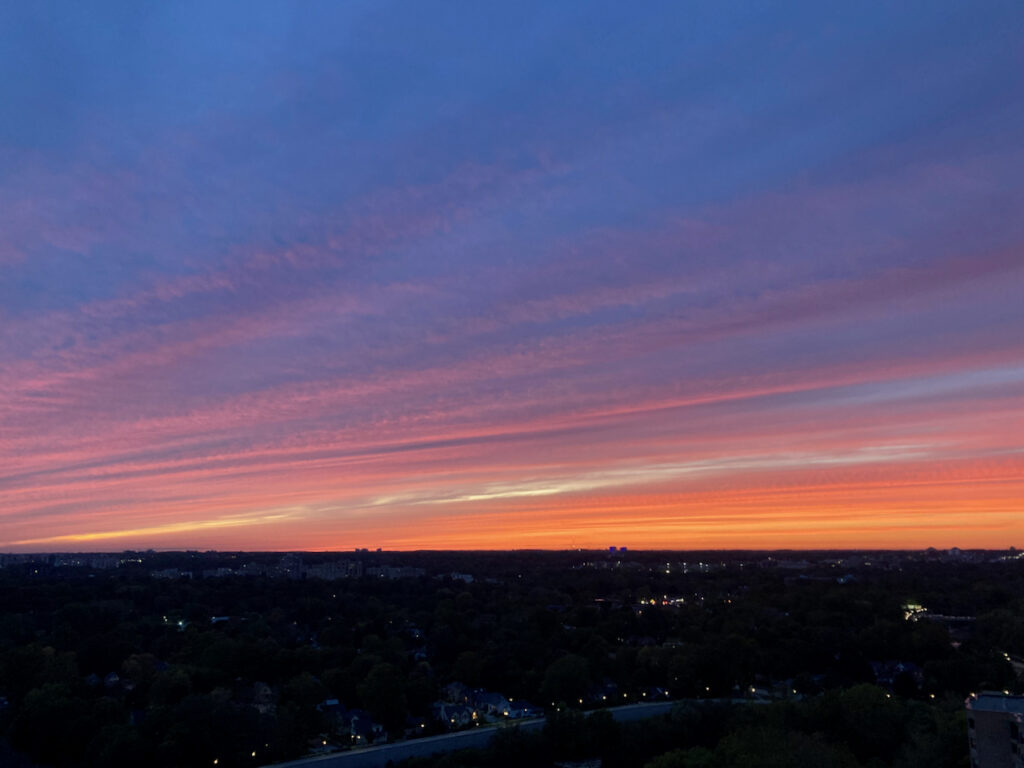
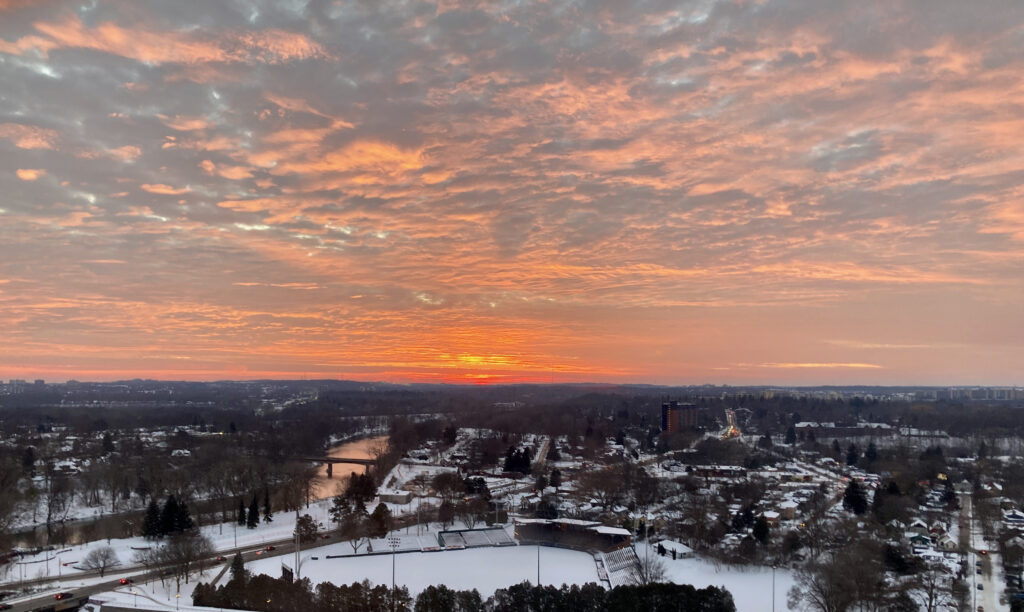
    Sunset Colour Evolving
    Garth Hudson of The Band

    Garth died this week. He was the last surviving member of The Band, one of my favourite bands. I bought almost all of their albums. The movie of their farewell concert, The Last Waltz, featured several top performers and a lot of great music.

    From the movie: Up on Cripple Creek.

    With Ronnie Hawkins: Who Do You Love? “Big time, Bill” refers to Bill Graham who provided the venue. “Take it easy Garth. Don’t you give me no lip” was addressed to Garth, the quietest member of The Band.

    Garth is often hidden in the back, but has a solo in The Shape I’m In.

    On The Band’s self-titled album, the recording sessions involved multiple takes within no overlays. While working on a song, they would fiddle with the choice of singers on each verse. King Harvest being recorded here.

    Joan Baez frequently sang The Night They Drove Old Dixie Down. Here is The Band’s version.

  • Panama City Revisited

    We are in the depths of winter with continuing snow and frigid weather. Our windows have been feathered with frost.

    We crave some colour and reminders of warmer climes. Here are some photos from our time in Panama City in February 2019 before we headed to our birding excursions at the Canopy Family lodges.

    Our hotel overlooked the Panama Canal as it neared the Pacific Ocean.

    The variety of birds along shoreline and in the vegetation along the canal was a revelation to us. We had practiced some tropical bird identification at home and were thrilled to recognize some of the birds we had studied and some new ones.

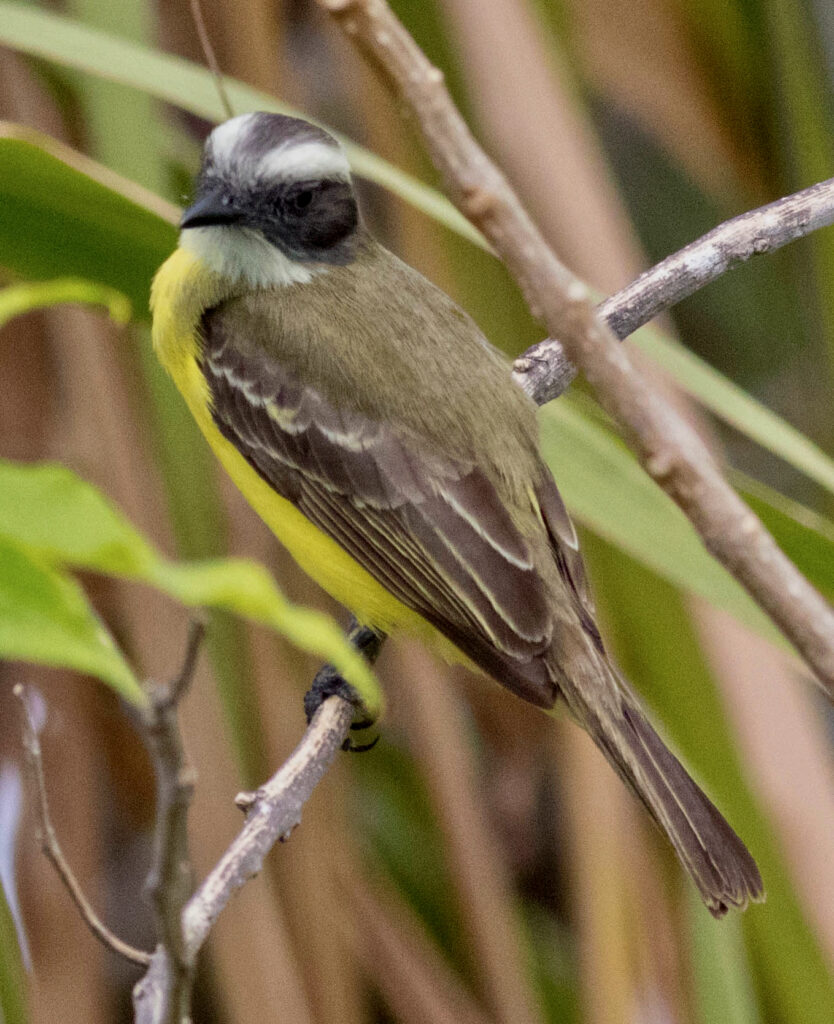
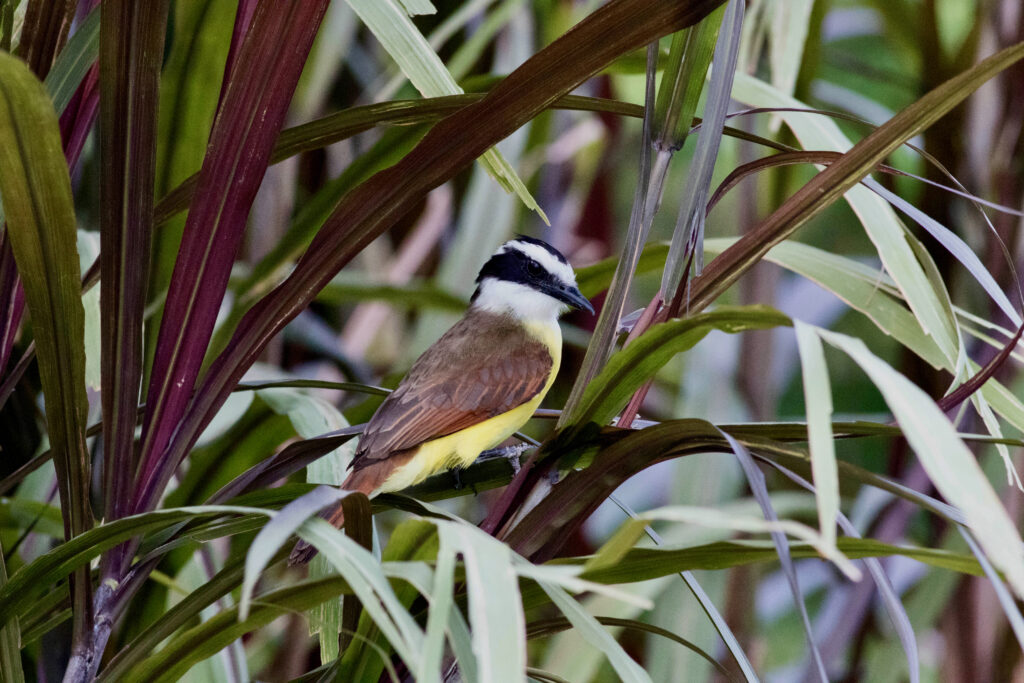
    Plush-crested Jay, Saffron Finches, Tropical Kingbird, Crimson-backed Tanager, Pale-vented Pigeon, Ruddy Ground Dove.

    We were particularly pleased to find different species of hummingbirds resting on branches in clear sight. Panama is home to 59 species of hummingbirds, most of which do not migrate.

    Amazilia, Veraguan Mango, Rufous-tailed and emerald hummingbirds.

    We were also thrilled to find some familiar birds along the shoreline. Whimbrel, Little Blue Heron, Snowy Egret.

    The Amador Causeway was built of rock extracted during the excavations from the Panama Canal. The causeway joins the four small Causeway Islands and acts as a breakwater for the entrance to the Panama Canal. We visited several sites along the causeway to find even more birds.

    The Biomuseo, designed by Frank Gehry, highlights Panama’s natural history. The gardens on its grounds were cultivated to attract a variety of bird species.

    Variable Seedeater, Great-tailed Grackle (f), Barred Antshrike, Amazilia, Garden Emerald, Monarch butterfly, Cattle Tyrant, Tropical Mockingbird.

    Some bird identifications could be tricky:

    A few other sightings along the causeway: Brown Pelican, Great Egret, Magnificent Frigatebird

    Yellow-crowned Night Heron, Red-crowned Woodpecker, Yello Warbler (Mangrove), Barred Antshrike (f), Barred Anstshrike (m), Crimson-backed Tanager, Blue-Grey Tanager, Palm Tanagers

    After a few days in Panama City, we were off to Canopy Lodge in the mountain valley of El Valle de Antón. We may take you there next…

    Warm Music for a Cold Winter

    This playlist contains some of my favourite summer songs.

  • January, 2025

    January, 2025

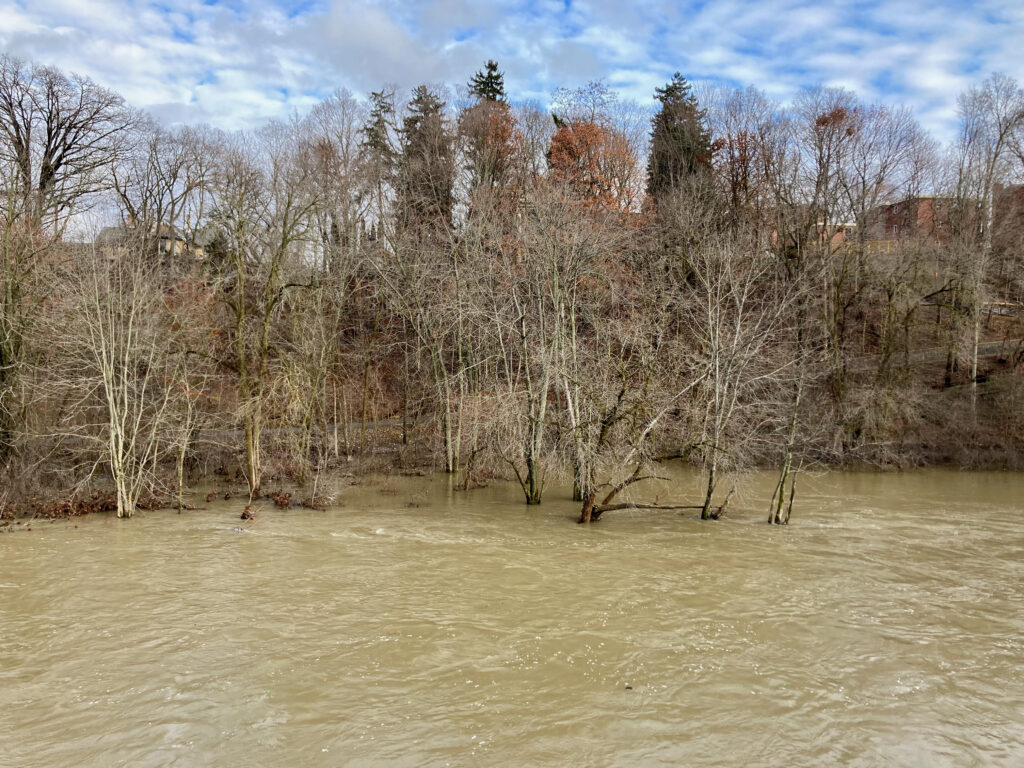
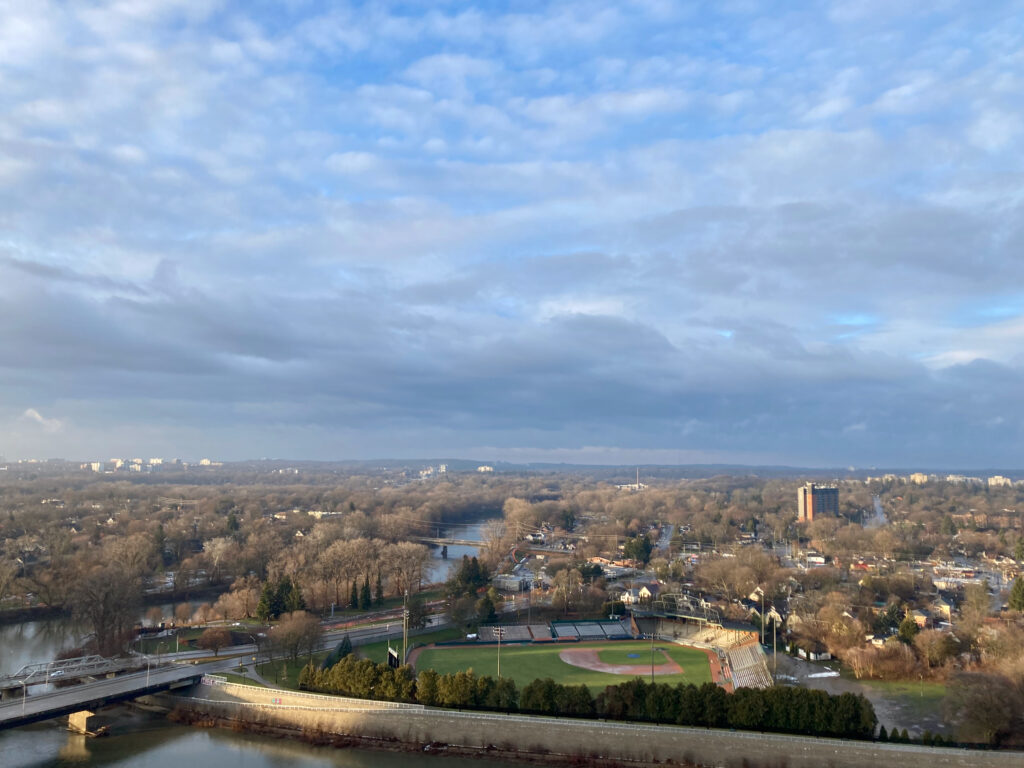
    Late December brought heavy rain and warmer temperatures. The snow melt and rainfall swelled the Thames.

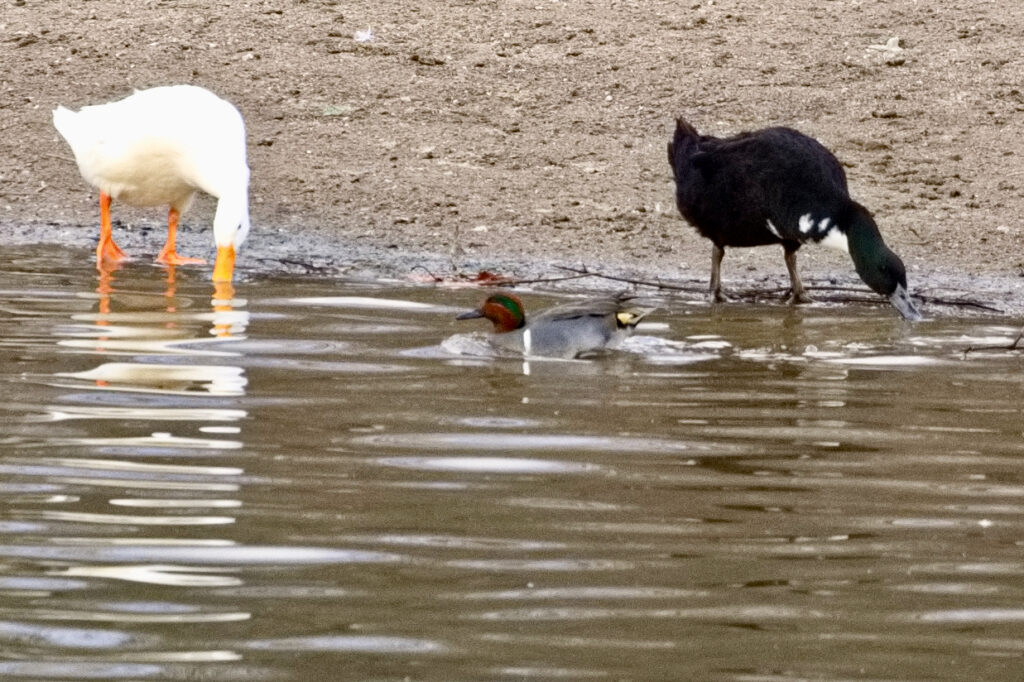
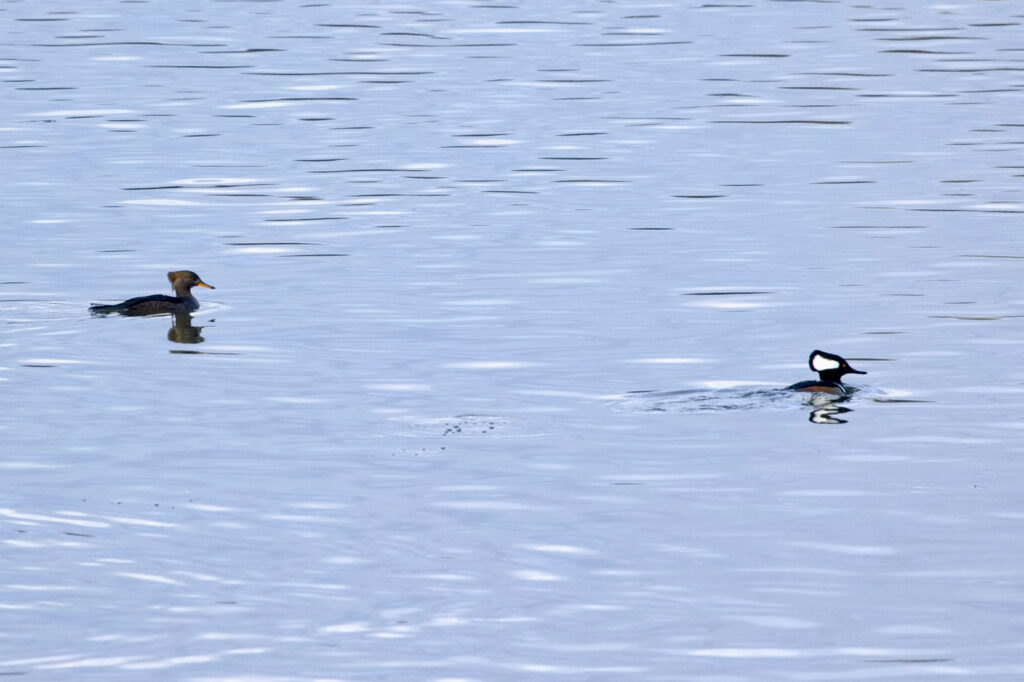
    On a mild December day, we traveled the path along the Thames at Greenway Park. There we found a few wintering ducks on the far side of the fast-flowing river – Common Mergansers, Hooded Mergansers and a few Green-winged Teals.

    It was pleasant to be out in nature where there is beauty, even in winter.

    The new year brought snow and more snow and frequent snow squalls. The snow is beautiful, but creates treacherous walking and driving conditions.

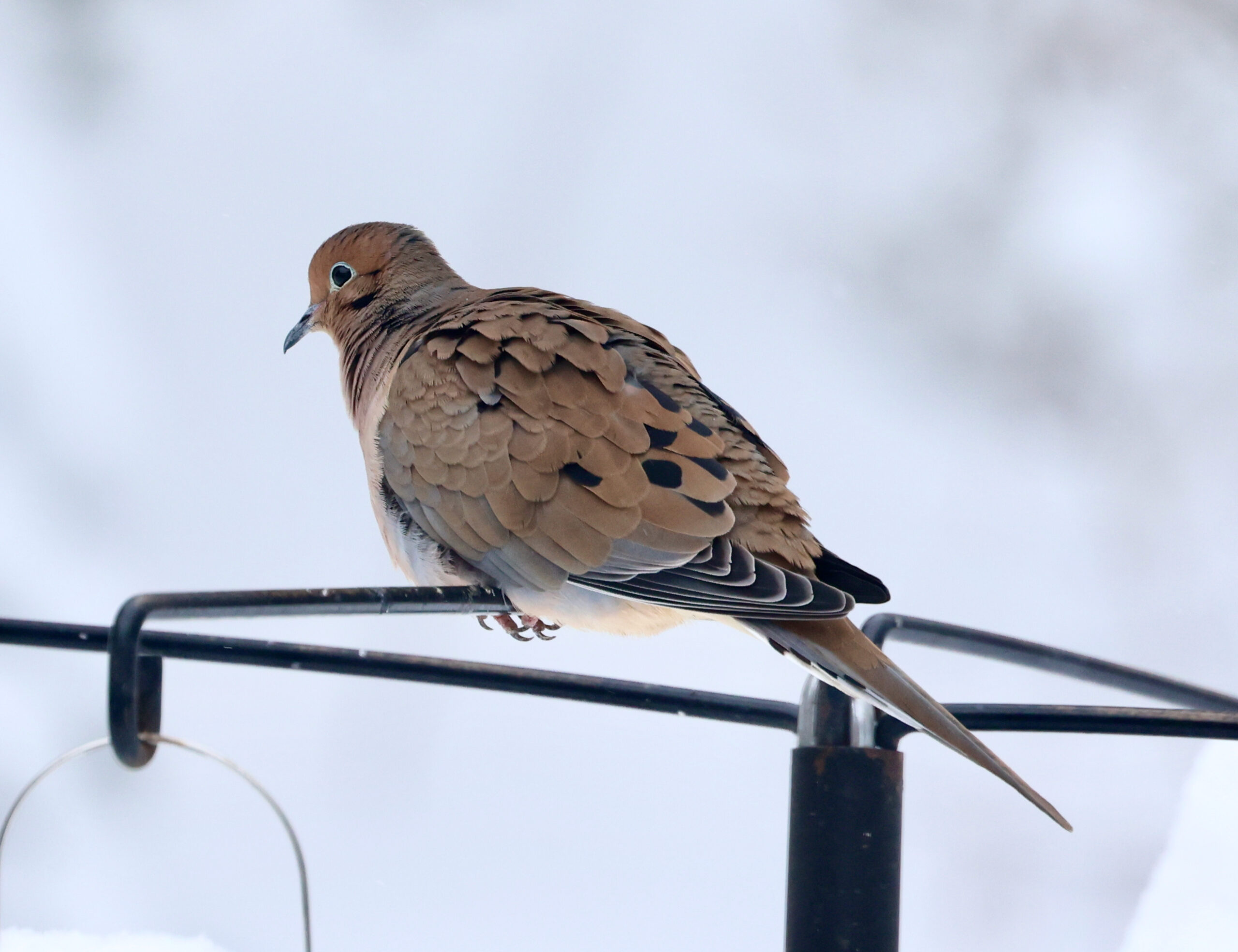
    We haven’t ventured out on the trails yet, but were welcomed by friends to view the visitors to their bird feeders. These photos were taken through window glass that gives them a soft focus. The feeders attract a wide variety of hungry birds: House Finch, Northern Cardinal, Dark-eyed Junco, Blue Jay, Carolina Wren, European Starling, Down Woodpecker, Red-bellied Woodpecker, Mourning Dove. Red-tailed Hawks and Cooper’s Hawks sometimes survey the feeding birds, but most successfully take cover in the trees and bushes.

    Although it’s snowy outside, our tropical plants are happily blooming inside.

    Remembering Peter, Paul and Mary

    Mary died in 2009 and Peter died this month. Their music lives on. Here are five songs to remind you.

    https://www.youtube.com/watch?v=z4KYsaDYrUg&list=PLhsgho1ap5irZ48DFCSV9Og163ZPjB_oy

    https://en.wikipedia.org/wiki/Peter_Yarrow

    https://en.wikipedia.org/wiki/Paul_Stookey

    https://en.wikipedia.org/wiki/Mary_Travers

  • Thames River between Storybook and Greenway

    Birds on the Thames River Between Storybook Gardens and Greenway Park

    If you already know and love seeing “feeder birds”, you may enjoy seeing some less common birds on the water. Fortunately, the Thames River attracts a few additional bird species each winter. These birds share the river with our year-round bird birds.

    London is far from their breeding territories and most members of these species fly further south for the winter. There is enough food for the few who stay in London all winter. Larger numbers stay on the shores of Lake Erie and Lake Ontario.

    While geese and ducks eat vegetation on the shore and in shallow water, these “winter birds” dive for food. It is frustrating to lose sight of a bird just as you are trying to point it out to someone or take a photo. Be patient! They will reappear after a few seconds, perhaps some distance away.

    These and other “funny ducks” can be seen almost any time along the Thames Valley Parkway between Storybook Gardens and Greenway Park. Stop occasionally to look for birds on the water that are not Mallards or Canada Geese. Look for the clean whites on the males. The riverside path is maintained in winter and there is free parking at both ends of this route.

    Common Mergansers

    • Males have green heads, dark wings and clean white bodies.
    • Similar in size ( 54-71 cm) to a Mallard, the largest species in this article.
    • The females may be confused with female Red-breasted Mergansers. Look for a sharp boundary between the brown and white on their necks.

    Common Goldeneyes

    • Males have greenish-black heads with a white oval between the bill and the eyes.
    • They are noticeably smaller (40-51 cm) than Mallards.
    • Their eyes really are golden!
    • The head shape is different from similar birds that may appear.

    Hooded Mergansers

    • The males have magnificent black crests with a large white centres.
    • The crests of the males are flattened after each dive and can become unmanageable in high winds.
    • The females have shorter crests and are less conspicuous.
    • Males and females are about the same size (40-49 cm).

    Buffleheads

    • The males have greenish-black faces and white on the bak of their heads while the females have a white patch on their cheeks.
    • Similar in size (32-40 cm) to a Rock Pigeon, it is the smallest species in this article.
    • They may remind you of bathtub ducks.

    What Are They Eating

    A merganser’s long bill is suited to catching small fish. The sturdy bills of the other two species are suited to crushing shells and exoskeletons. Like most animals, they will eat anything that is easy to catch and fits in their throats.

    Sometimes their eyes are bigger than their stomachs. You may see a bird catch something too big for them to swallow.

    Tips

    With a pair of binoculars, you can see these birds more clearly in the middle of the river or near the far shore. They are wild and not likely to swim near people.

    With a modest telephoto lens, you can take photos that you can study at home to improve your identification skills. Study your photos for birds that do not look the same as the others. Then head to Lake Erie for even more species.

    Keep you eyes on the skies for Bald Eagles.

    All About Birds is an excellent free online guide. It has great photos and lots of information about each species.

    Credits

    This article and all photos are by Glenn Berry. Some of the photos were taken in Toronto’s parks.

  • Changing Weather, Changing Views

    Changing Weather, Changing Views

    Our December snow stayed for a while before being washed away by mild temperatures and rain this week. A flock of Ring-billed Gulls arrived a while ago with the colder weather. They seem to have taken up residence here. This week there were about 100 circling over the river. We didn’t have time to catch a photo of the two adult Bald Eagles that were also circling the river in front of our balcony this week.

    December 6

    December 6

    December 8

    As the temperature rose, we had days of mist and fog, sometimes with so little visibility we couldn’t see the river.

    Misty sunset on December 10, 2024

    For now, the snow is gone. The river has overflowed its banks thanks to the rain and snow melt.

    We are high and dry and happily looking forward to the holidays!

    A Tune for New Year’s Eve

    What are you doing for New Year’s Eve?

  • Wintery Weather – December 6, 2024

    Wintery Weather – December 6, 2024

    Late November brought dwindling colour to the landscape.

    November 23, 2024

    There were just a few remnants of colour.

    Then came the first snow of the season on November 29th and 30th. It was just a dusting, but enough to remove the remaining leaves from the trees.

    November 30

    December 1

    Since December 2nd, there have been sequential snow squalls with intermittent whiteouts and heavy snow accumulation.

    We’ve been able to venture out in the periods of respite that tend to end quickly as a new front brings in more blowing snow and zero visibility. It can be beautiful if you don’t have an urgent need to travel…

    Here are photos taken in Victoria Park in downtown London and at the Covent Garden Market.

    The view from here:

    Since these photos were taken, we have had 27 cm (10 inches) of snow fall. Schools, Western University and some businesses were closed on Thursday and Friday. We still may not have a white Christmas as the temperature is slated to be above freezing for a few days starting on Sunday…

    Winter Blooms

    Although there will be no more bouquets from Wandering Bee for a while, they’ve already supplied us with a waxed amaryllis bulb. This was something new for us – a bulb that will bloom, but not produce roots or grow and produce a new blossom next year. Our orchids have both consented to bloom again this year, so we await the development of their blossoms in the new year.

    Three Christmas Albums

    The musical styles of these albums are so very different from each other.

    There are many styles and languages in the Chieftains album, The Bells of Dublin.

    My favourite first album to play on Christmas morning is Noel by Joan Baez. The musical arrangements are charming.

    Housework is fun when you are listening to A Charlie Brown Christmas.

  • Waning Colours – November 22, 2024

    Waning Colours – November 22, 2024

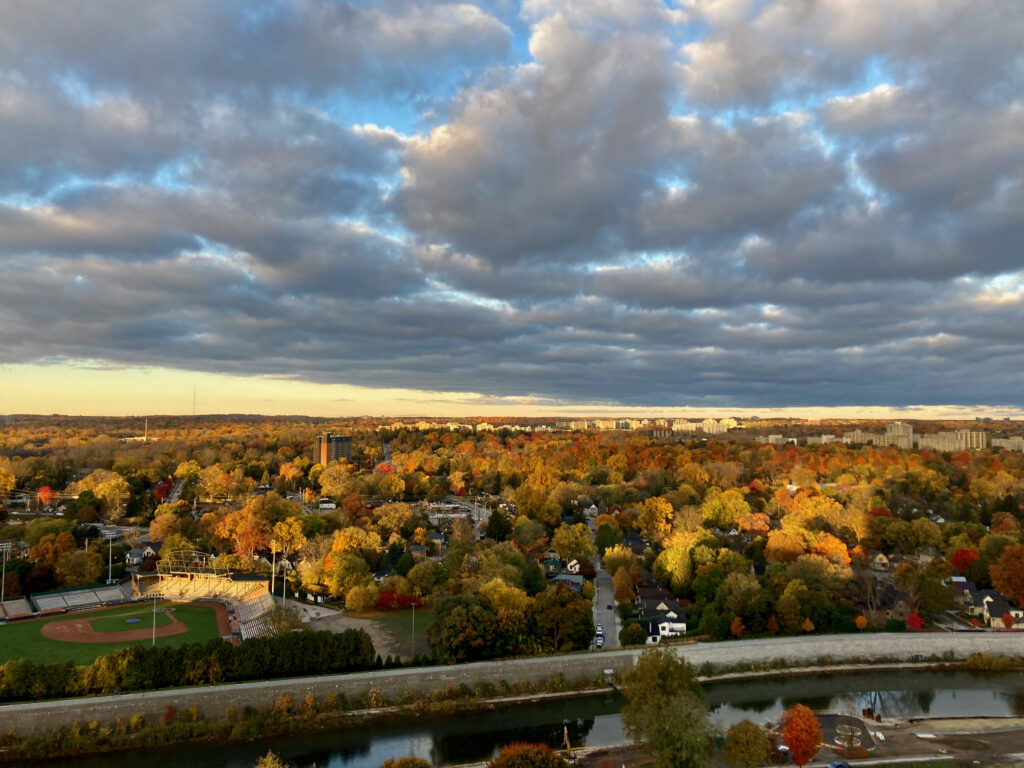
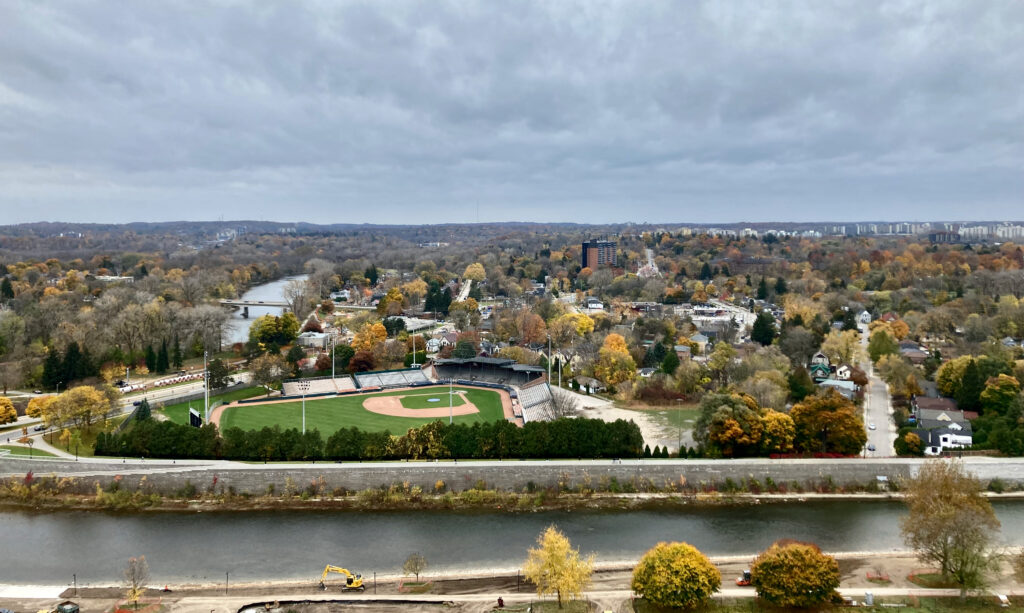
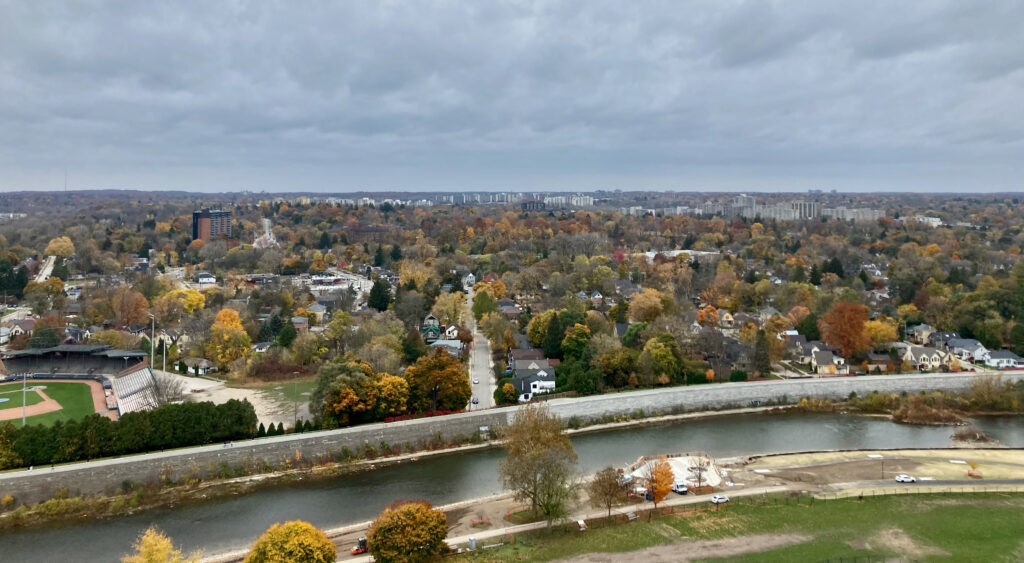
    The view from our balcony is becoming increasingly grey as the trees lose their leaves.

    October 31, 2024

    November 6, 2024

    November 12, 2024

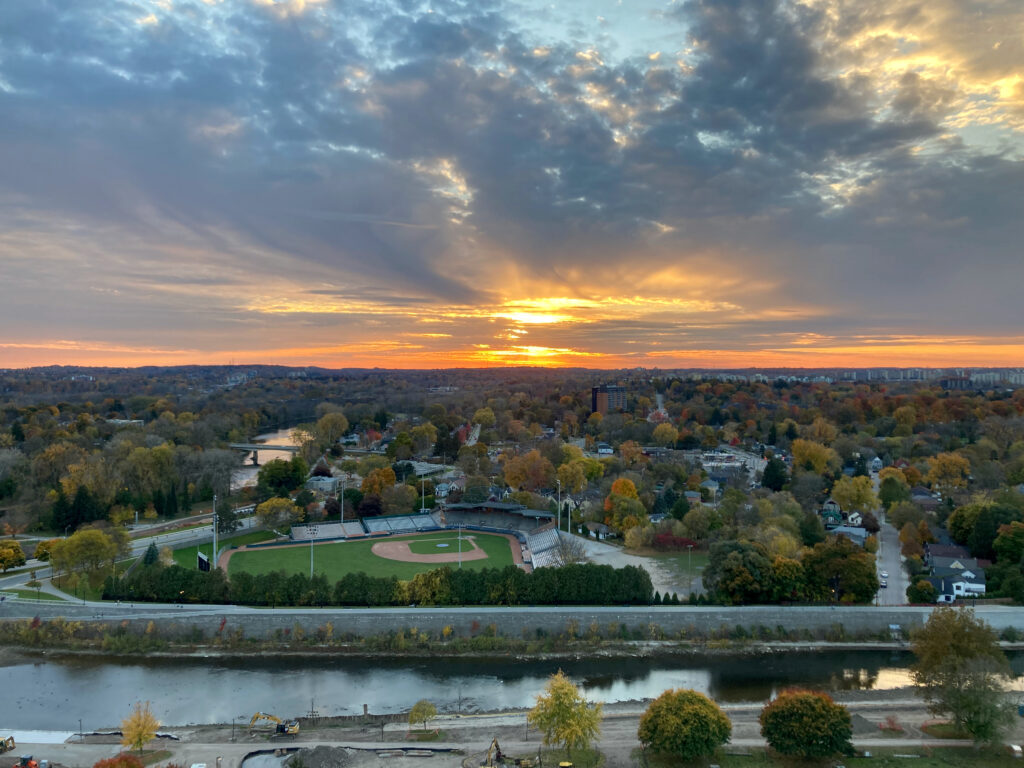
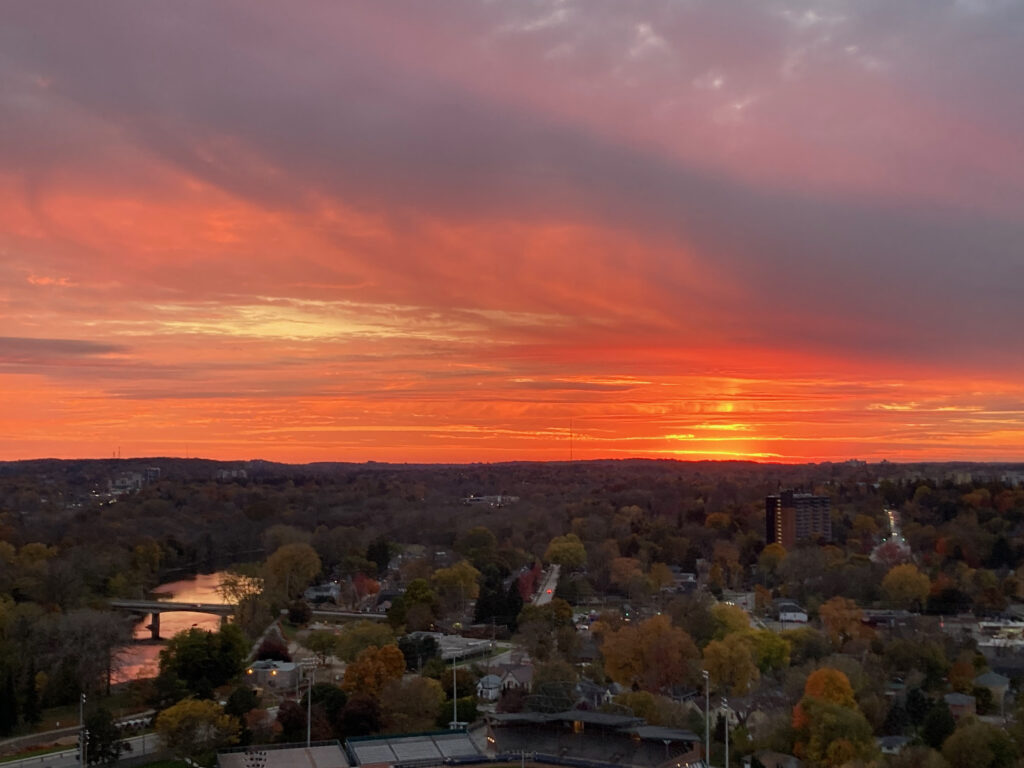
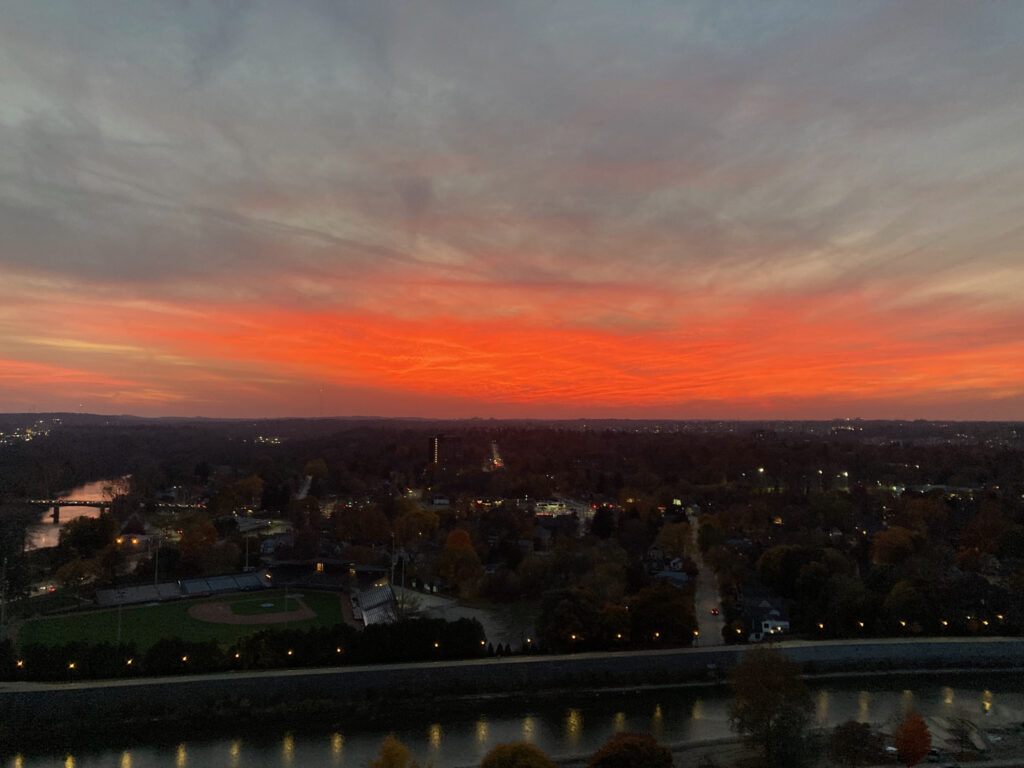
    Sunsets have been less colourful, but still dramatic.

    Although it looks more and more like November, the weather has been exceptionally warm with intermittent clouds and rain. We’ve had frequent mist and sometimes dense fog.

    We don’t only observe life from our balcony. Susan, and sometimes Glenn, find lingering colour on their neighbourhood walks.

    Along the river and the streets…

    At the allotment gardens, there are still a few plants in bloom.

    Foxglove is still blooming in the gardens at Eldon House.

    Songs about Walking

    Some of these songs are dated and may create ear worms. You have been warned.

    Screenshot
  • More Fall Colours

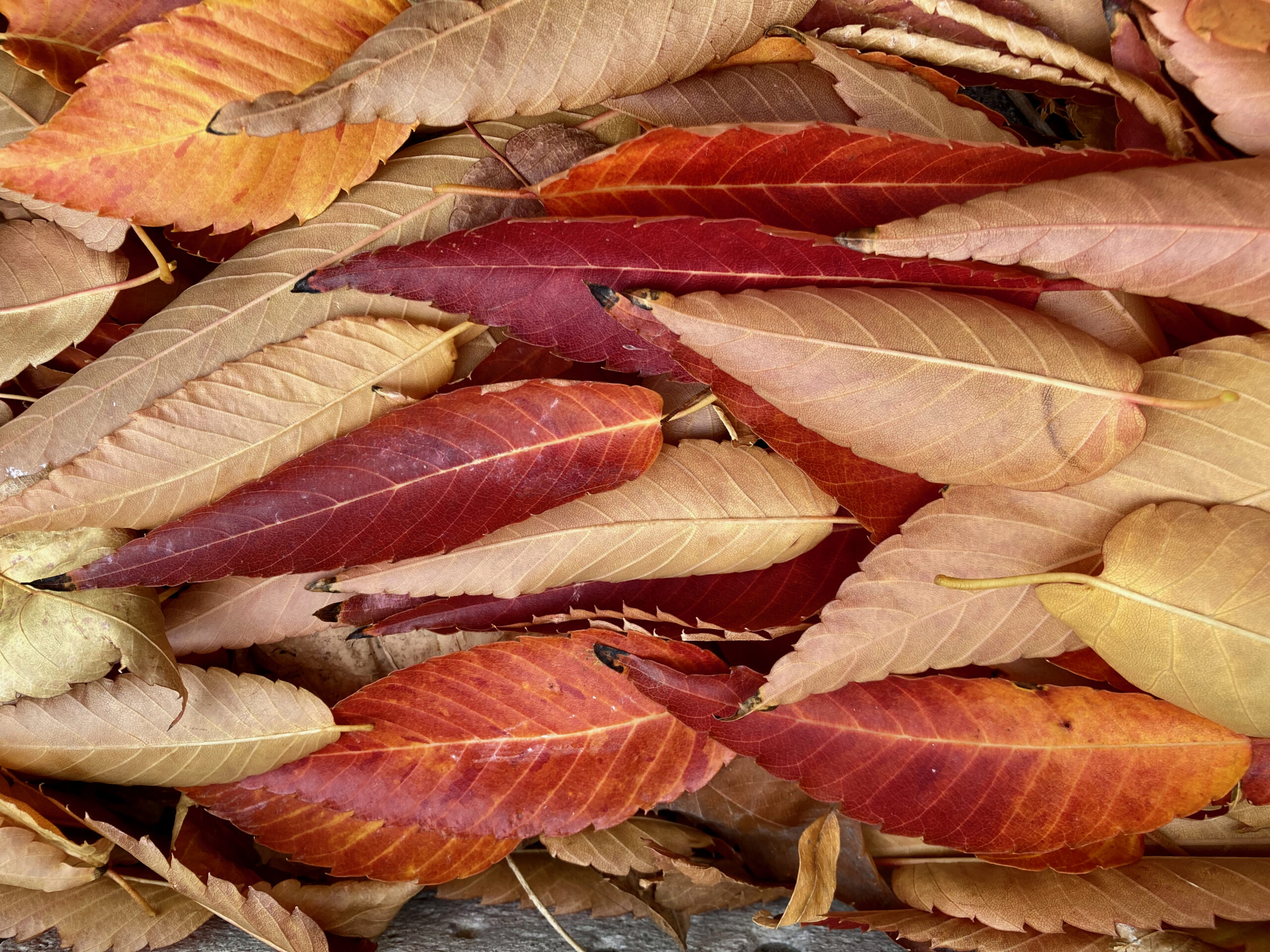
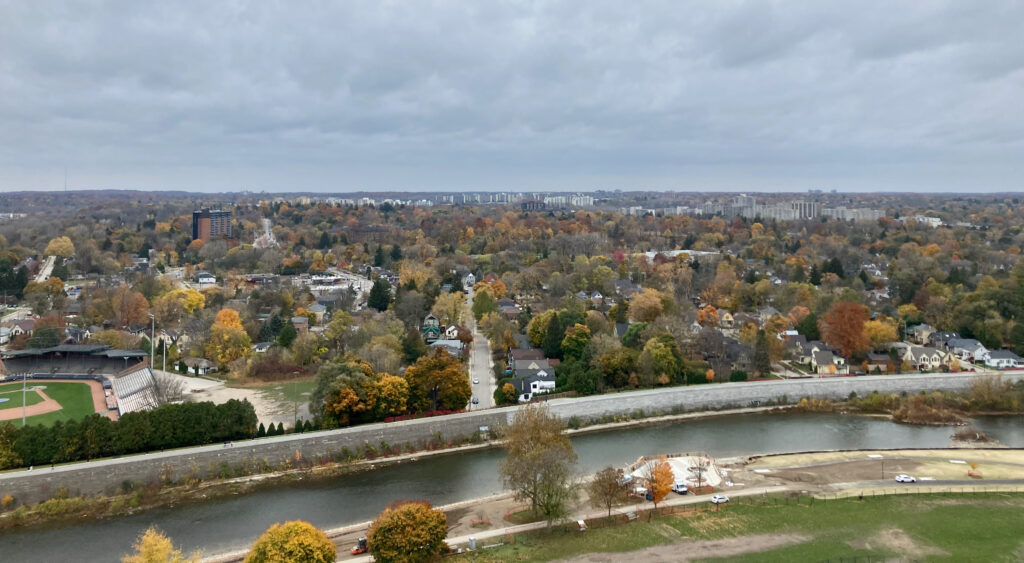
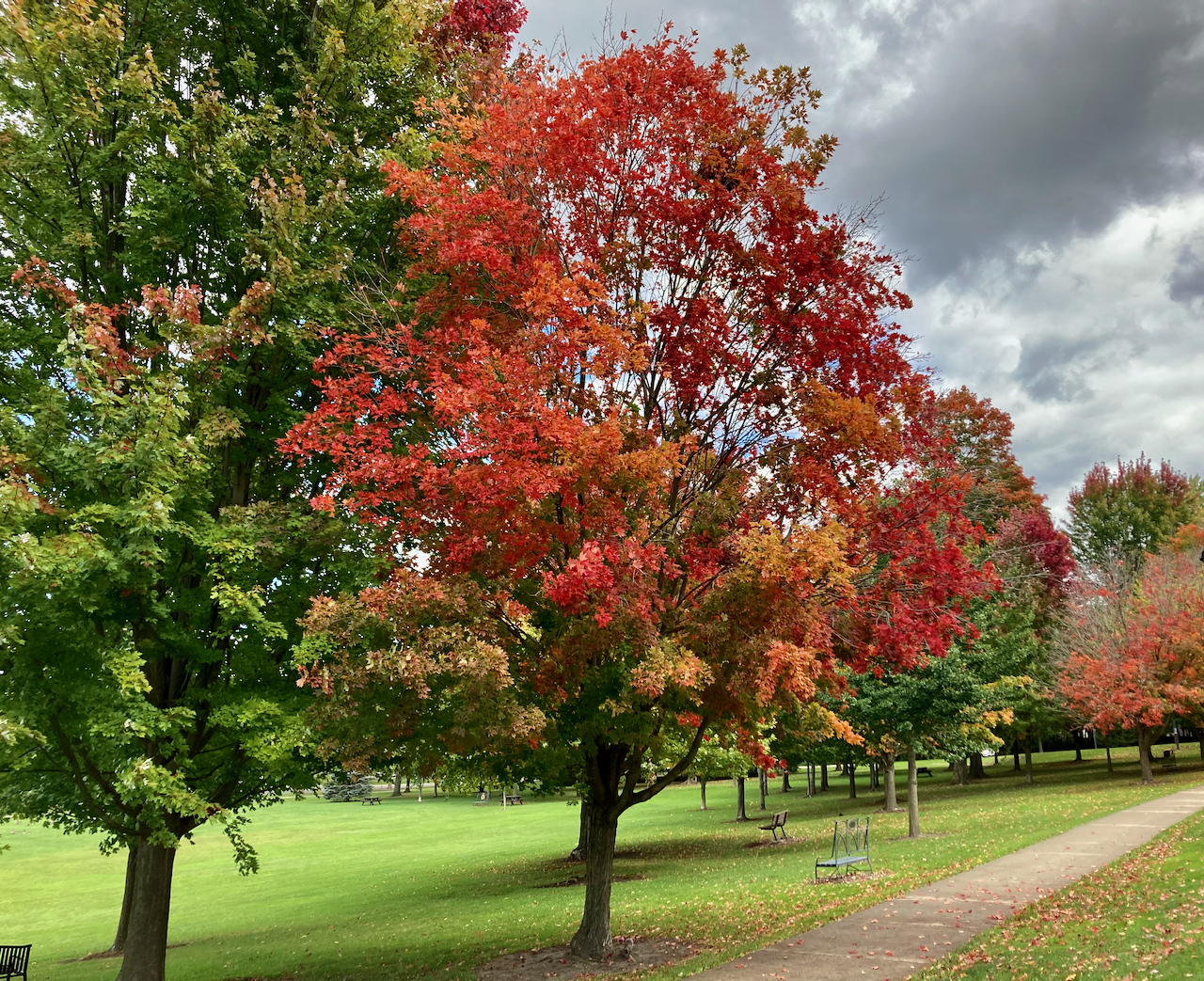
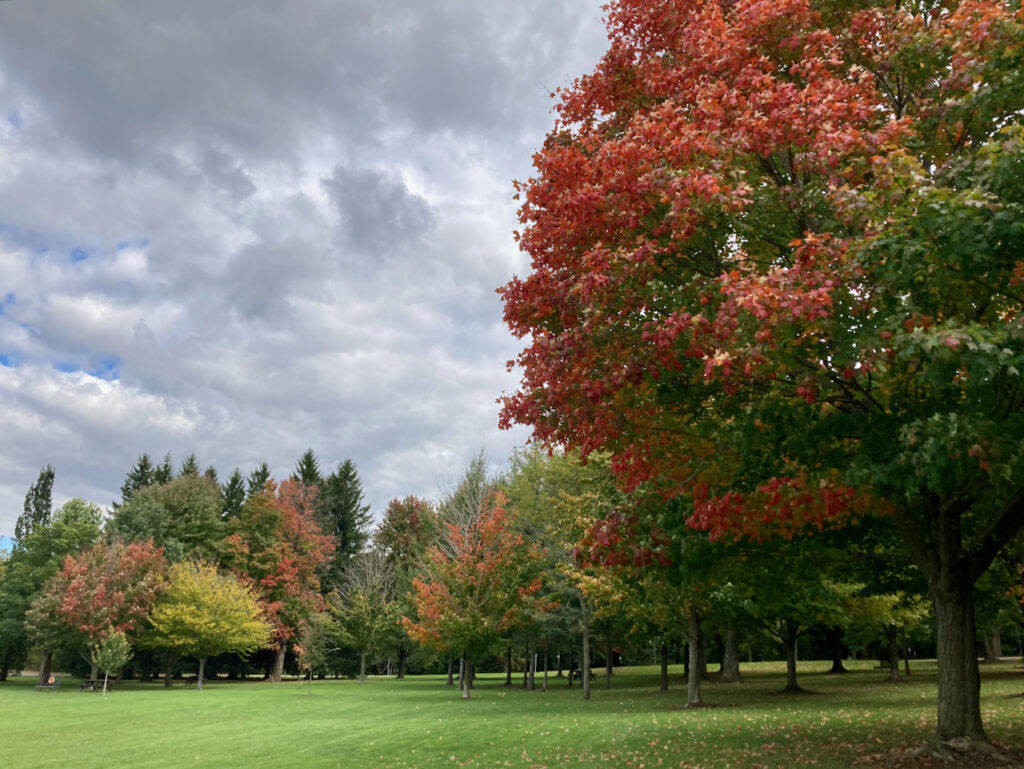
    Our mild fall weather continued over the past two weeks with intermittent days of rain, wind, cooler temperatures and overnight frost. The hours of daylight are diminishing more rapidly as we approach the winter solstice.

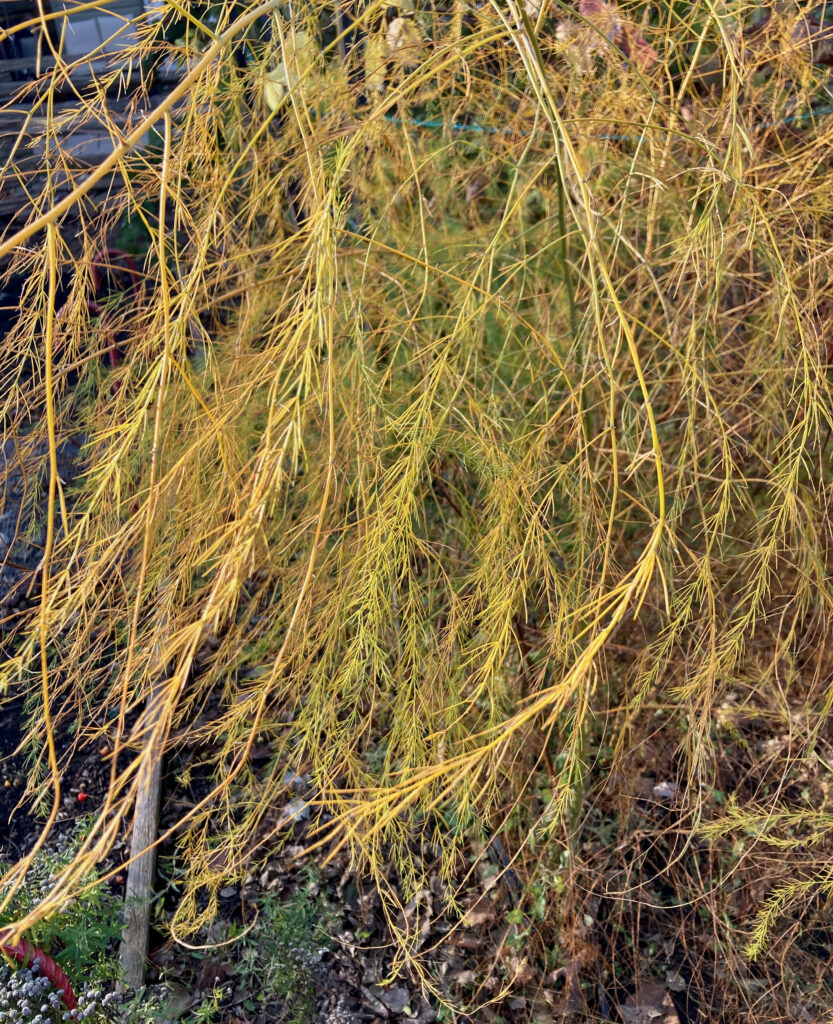
    The canopy has gradually lost its colour as the leaves fade and fall from the trees. In early November, there are still a few precious pockets of colour to relieve the November grey.

    Here is the progression:

    October 23, peak colour:

    October 31, many bare trees for Halloween

    Bronzed Red Oak tree. Oaks hold onto their leaves later than many other species.

    October 27th sunset

    October 30 sunset

    Blossoms

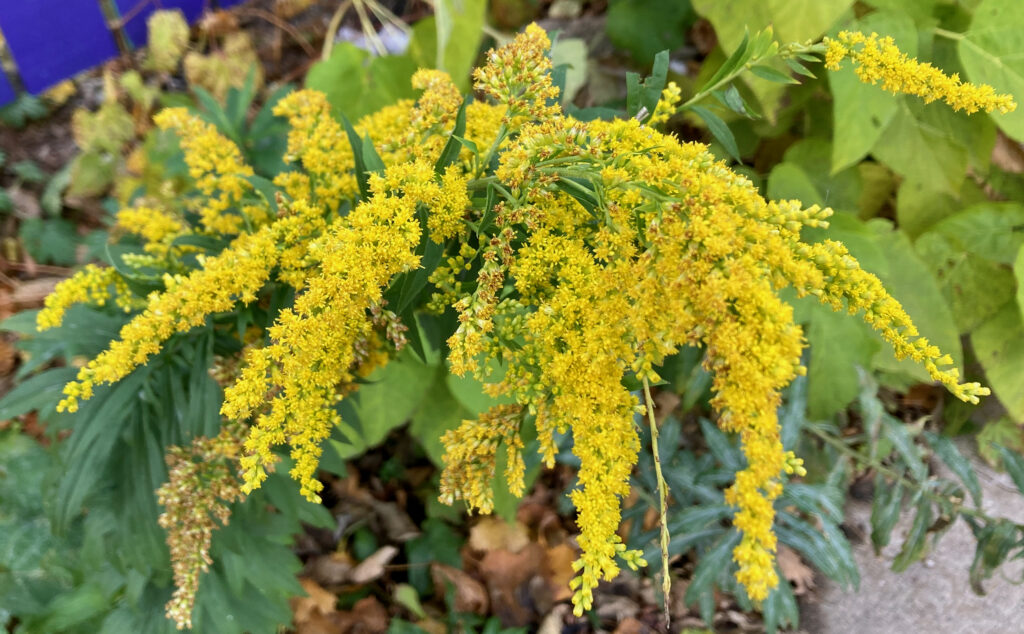
    Our potted basil plants were just in bloom when we decided to clear the balcony before Glenn’s surgery. The cuttings have rooted and the blossoms are showing few signs of fading.

    Lisianthus from Wandering Bee. These blossoms look delicate, but are beautifully long-lasting and easy to care for.

  • Fall Colours

    Fall Colours

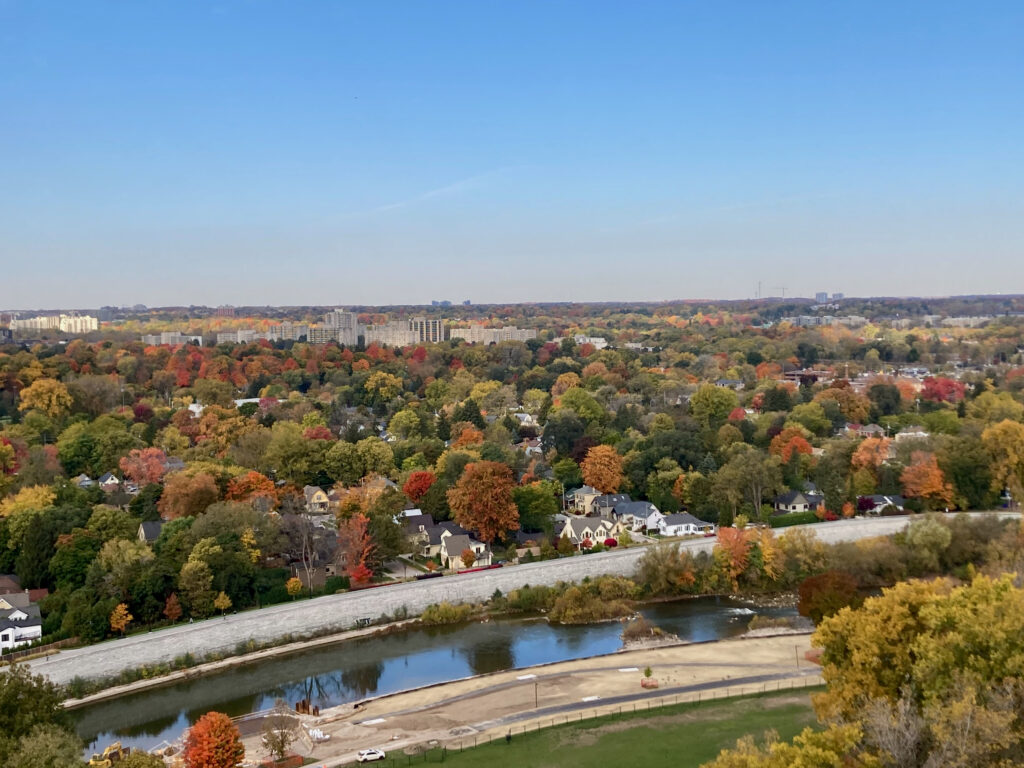
    When we are “confined to barracks” in the coming days, we will have time to enjoy the skies and changing colours from our balcony.

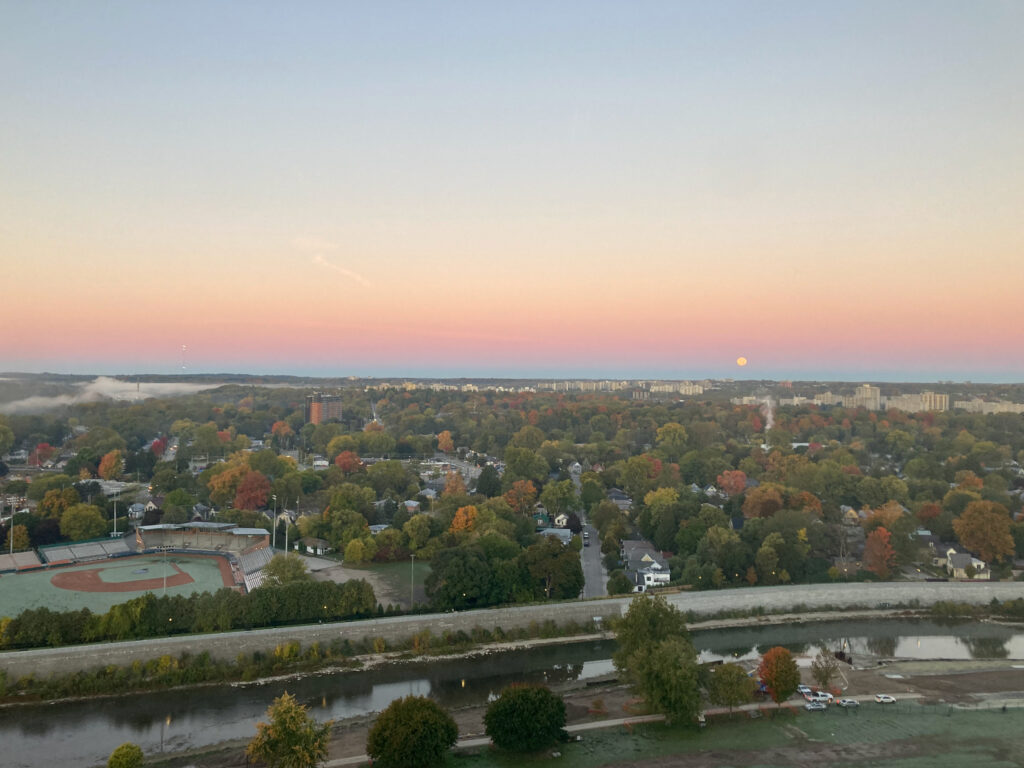
    The October morning skies are often clear. Temperatures overnight are approaching 0C.

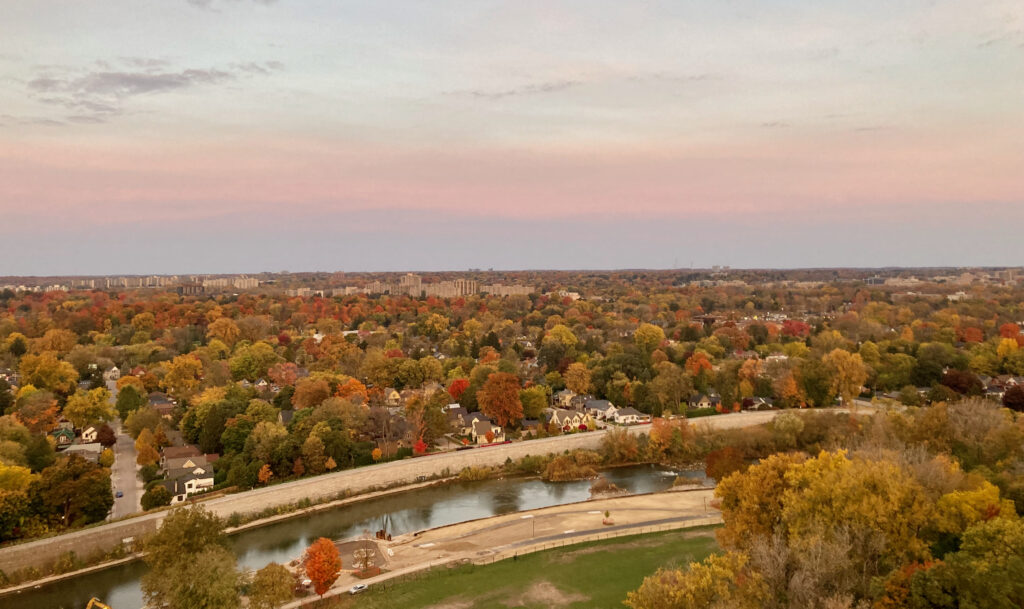
    Clouds often roll in during the day providing colour at sunset.

    Colours changing along the Avon River in Stratford, Ontario

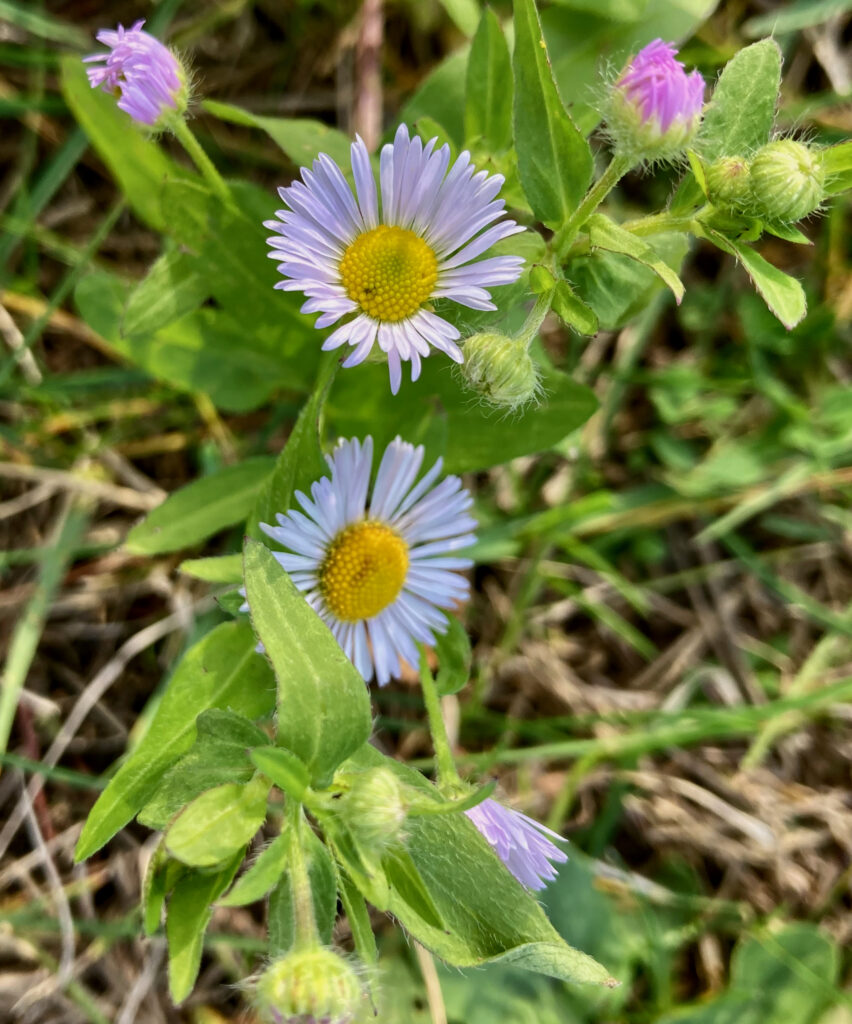
    Fall flowers

    The Beatles (double white album) Side 2

    I had fun with this list. I tried to avoid showing videos I have already shared.

  • Hawk Cliff –         September 27, 2024

    Hawk Cliff – September 27, 2024

    The correct name of the hank-watching location is Hawk Cliff. Hawk Hill is in Toronto.

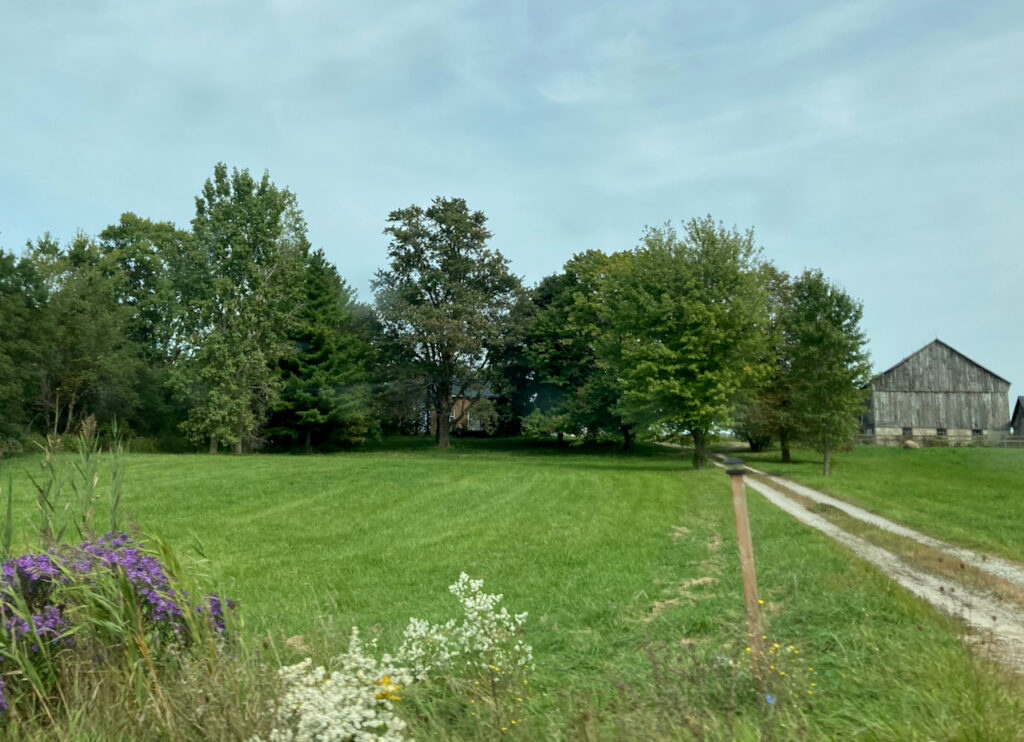
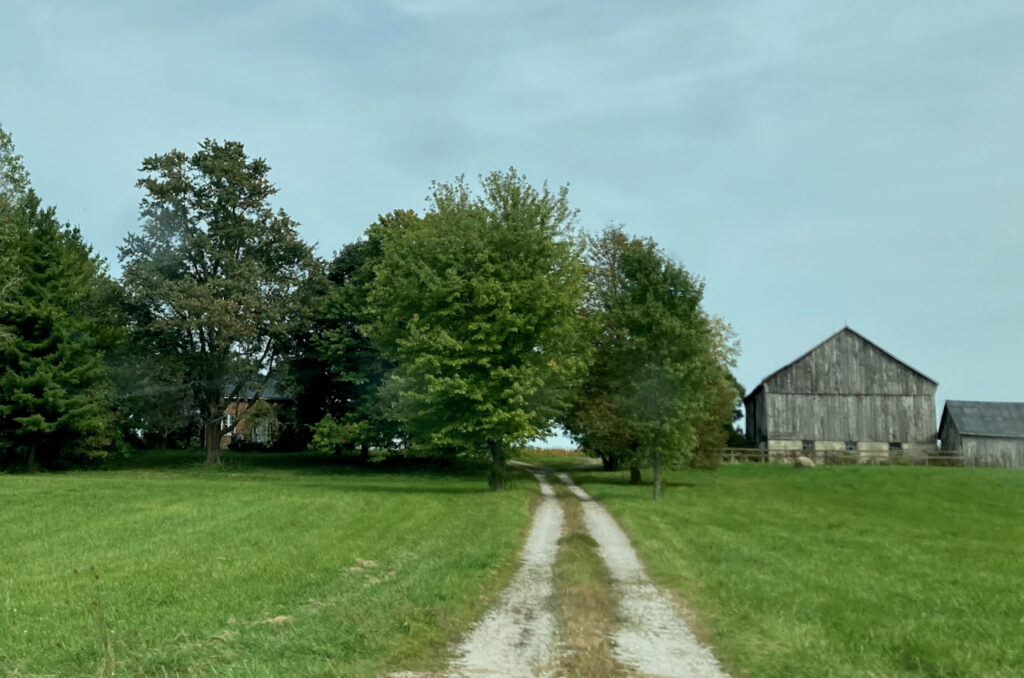
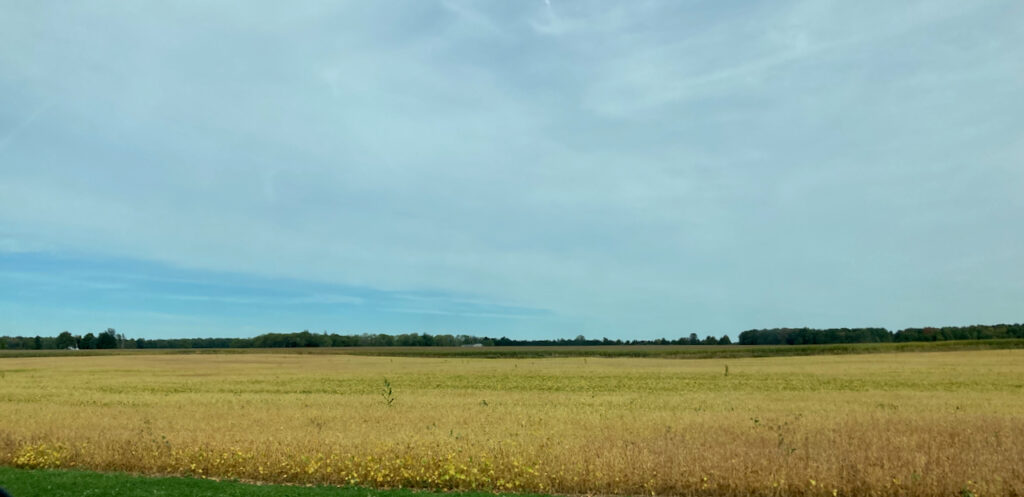
    Hawk Cliff is south of London on the shore of Lake Erie. To get there, we pass through farm country where major crops include corn and soybeans.

    After nesting in Ontario, raptors (birds of prey) migrate to Central and South America in the fall. To conserve energy, they use thermals and updraft air currents to soar high where winds can carry them in the right direction. Since large bodies of water do not produce thermals, raptors flying from farther north in Ontario turn west when they reach the shore of Lake Ontario and then continue along the northern shore of Lake Erie to cross at the Detroit River into the USA.

    Hawk Cliff is ideally situated at the top of a cliff overlooking Lake Erie. From a viewing platform, hawk watchers have an open view of birds approaching from the east. The treed road into Hawk Cliff shelters many songbird species at times during spring and fall migration.

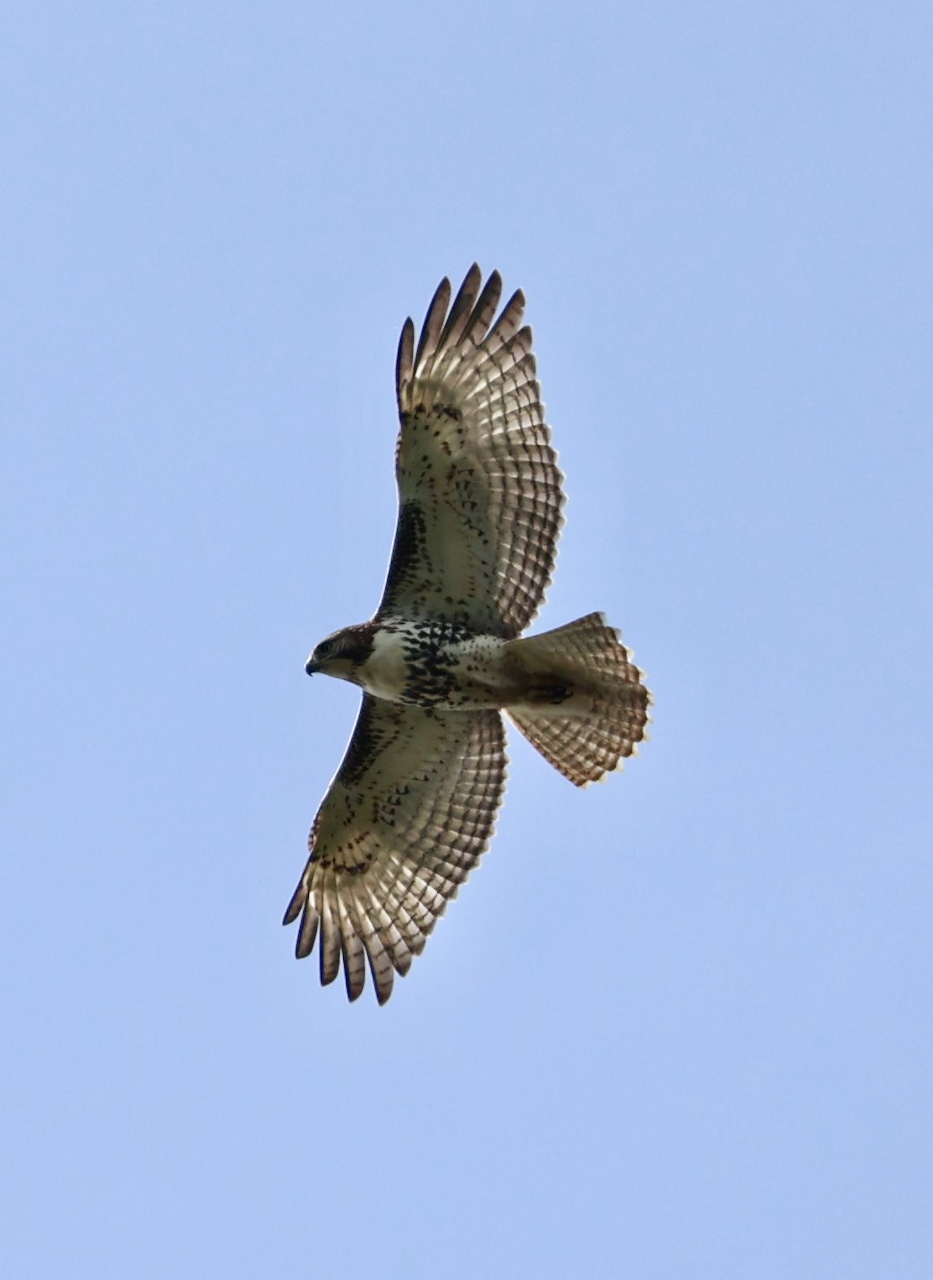
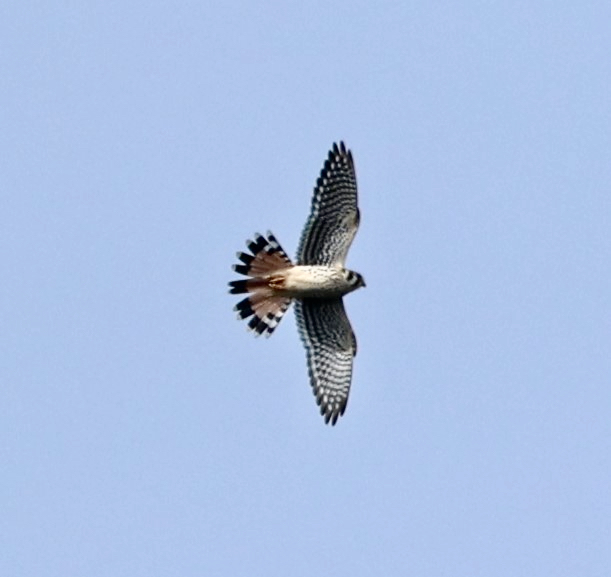
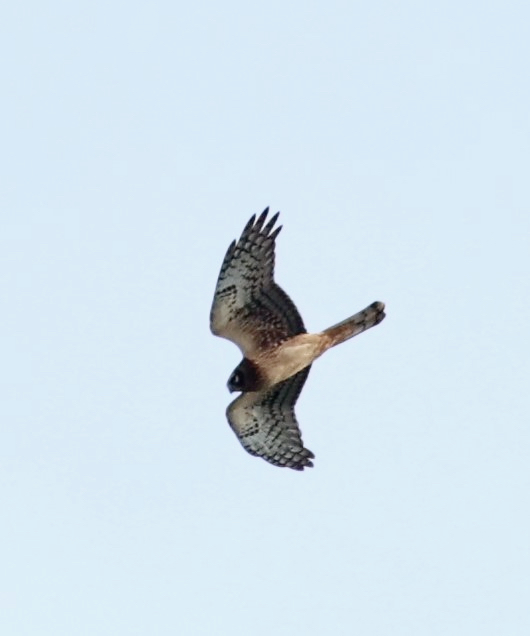
    Although the raptors are often flying so high they appear as mere dots and can only been seen through binoculars, skilled hawk watchers can identify bird species based on shape, flight style and proportions. Dedicated volunteer watchers count the numbers and species of birds passing overhead during the months of migration. The data collected is contributed to the Hawk Migration Association of North America (HMANA) and helps track population trends and the conservation status of each species.

    Our raptor identification skills are not well developed. We still rely on a closer view and photos to confirm what we have seen.

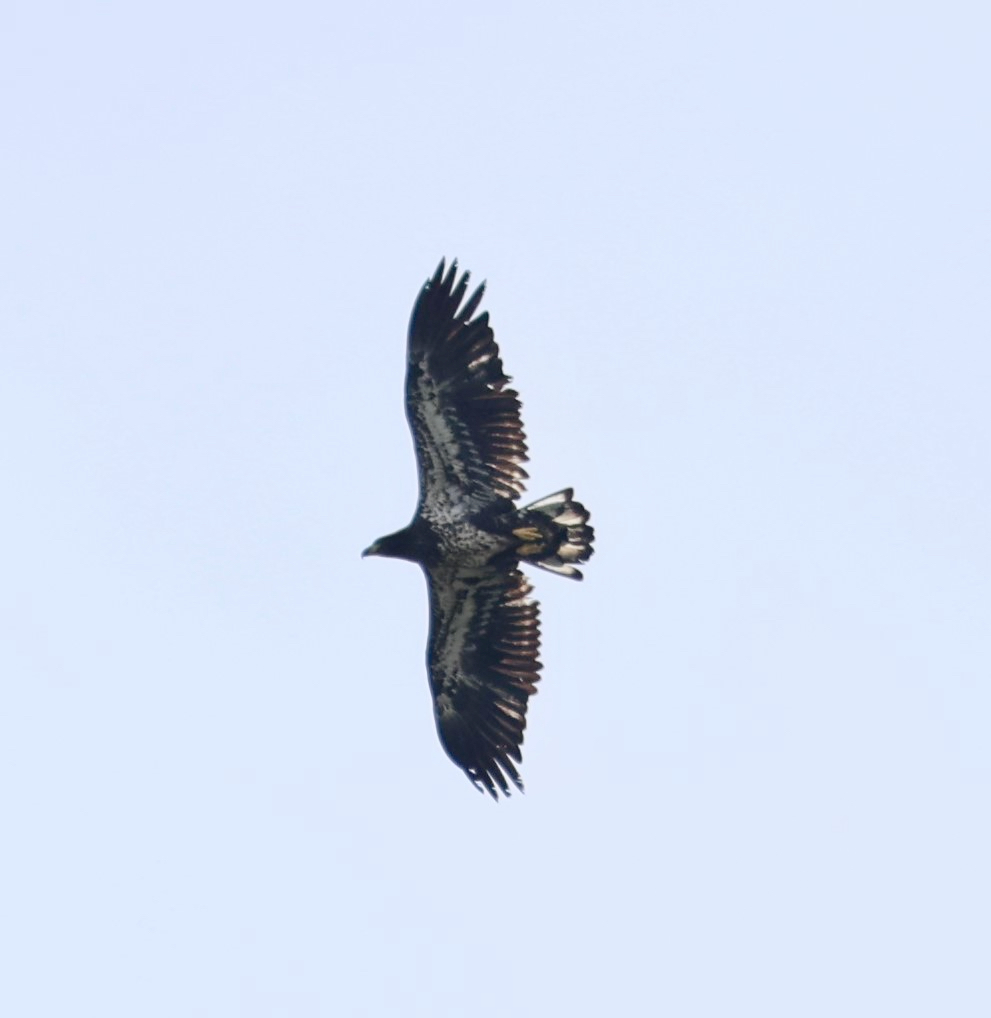
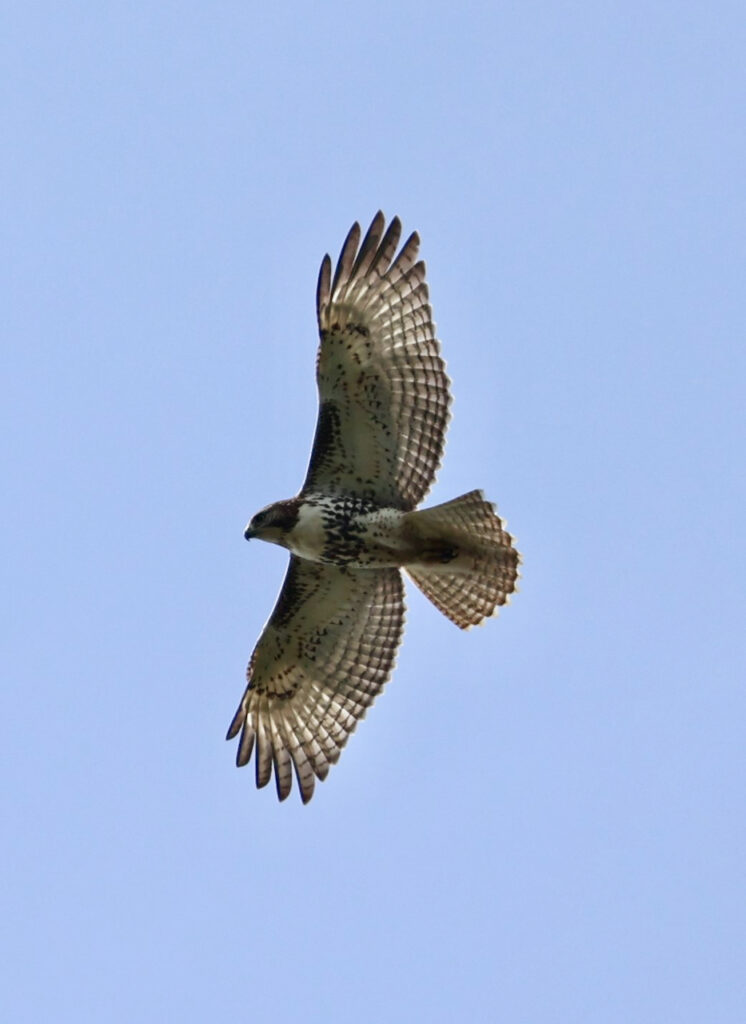
    The Bald Eagles we sighted were likely ones that had nested locally. Below is a second-year juvenile on the left and an adult on the right.

    Below, the eagle with the brownish chest is a first-year juvenile. The juvenile with a speckled white chest is a second-year juvenile.

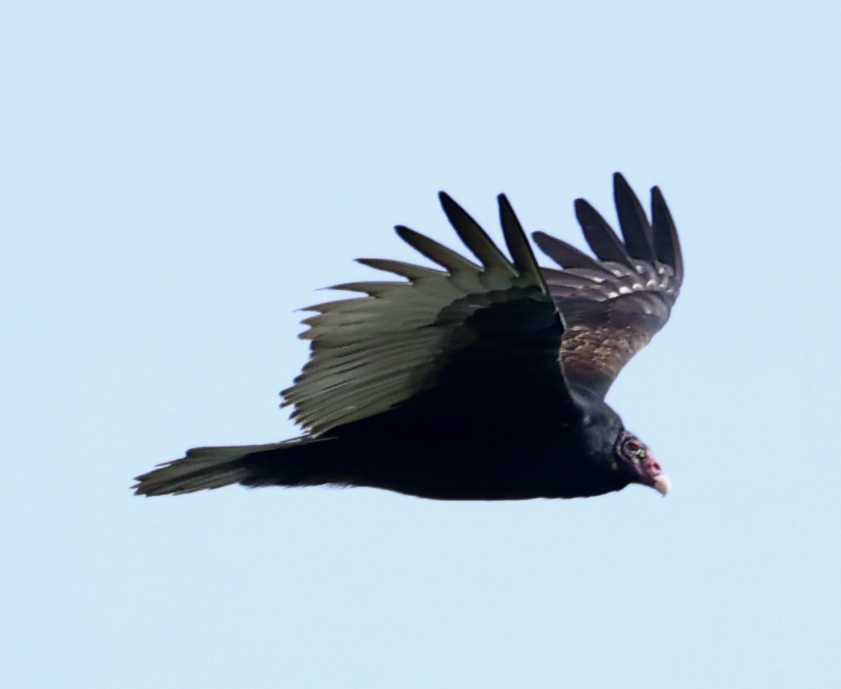
    It was challenging to capture clear photos of birds soaring high overhead, but these made identification possible.

    We heard Blue Jays and Northern Flickers calling. Both stayed well hidden in the trees.

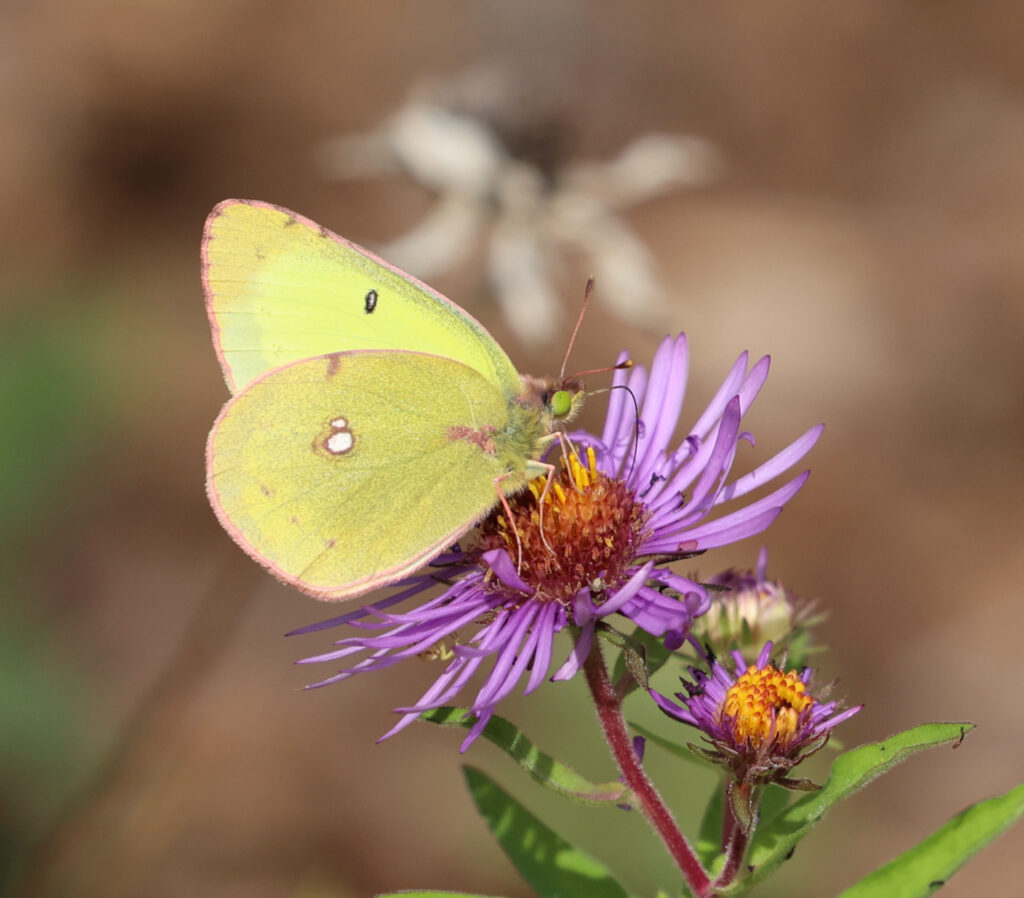
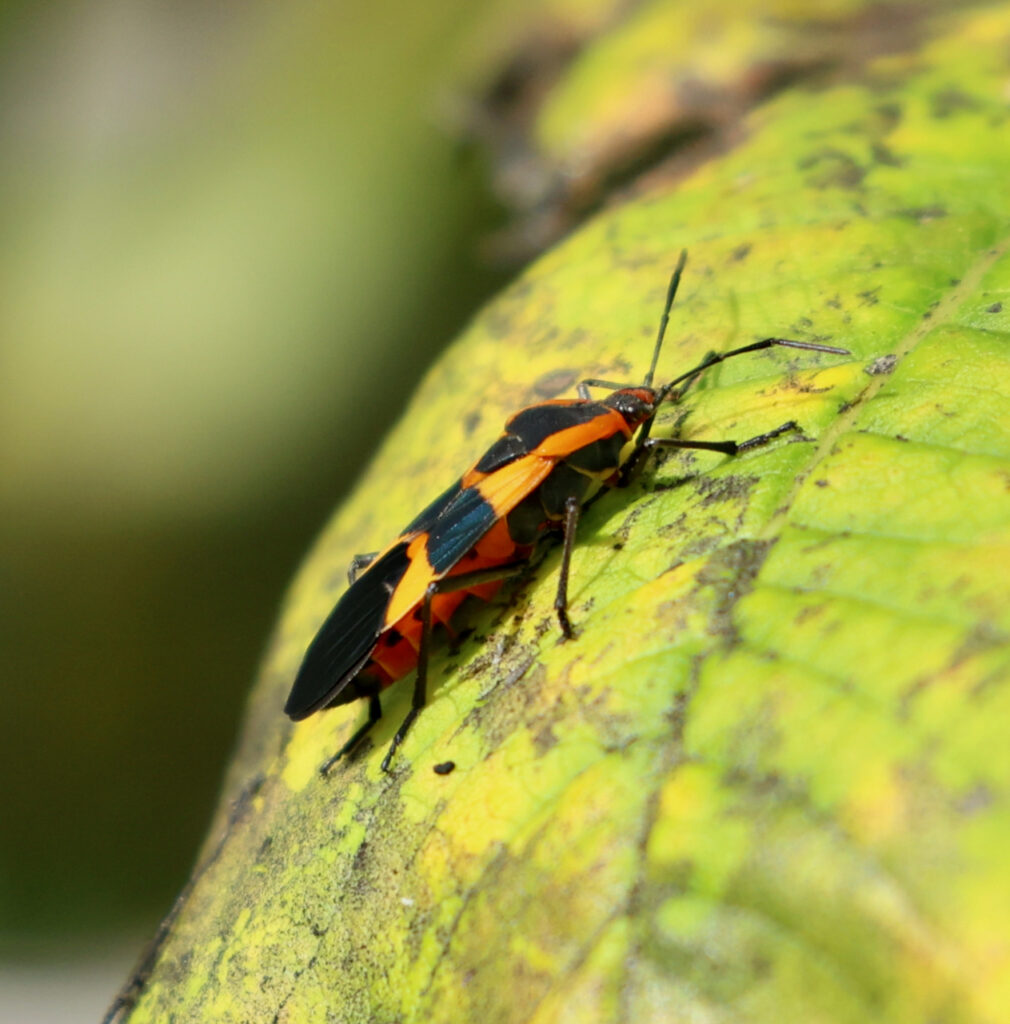
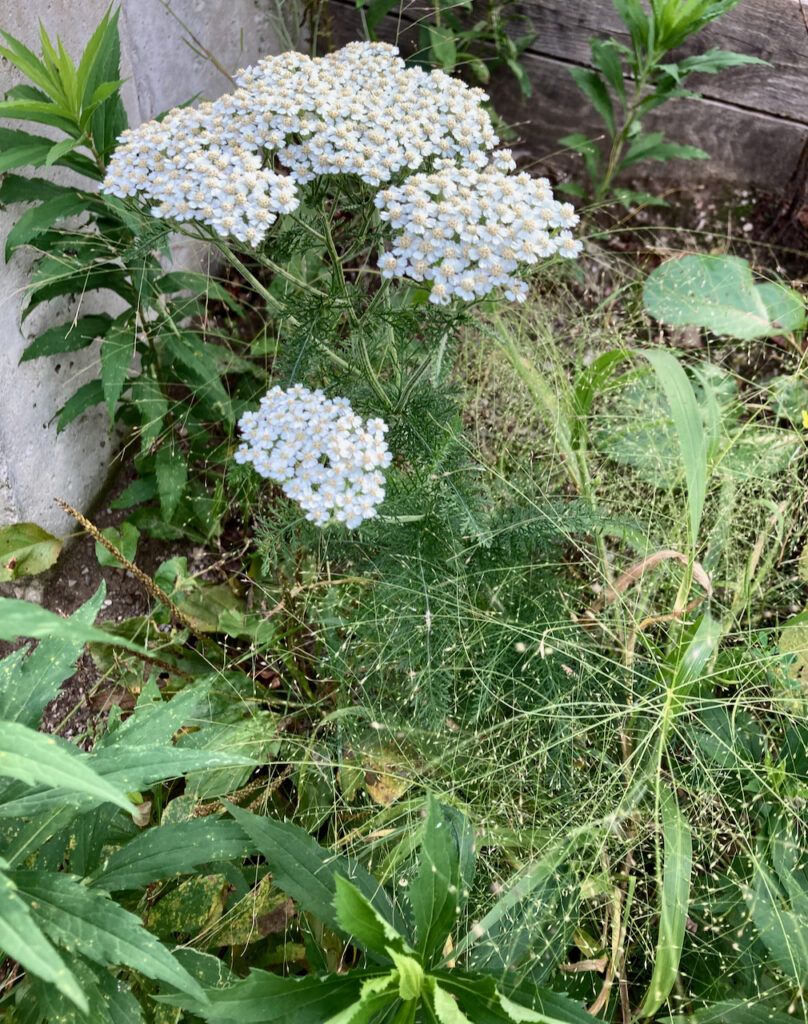
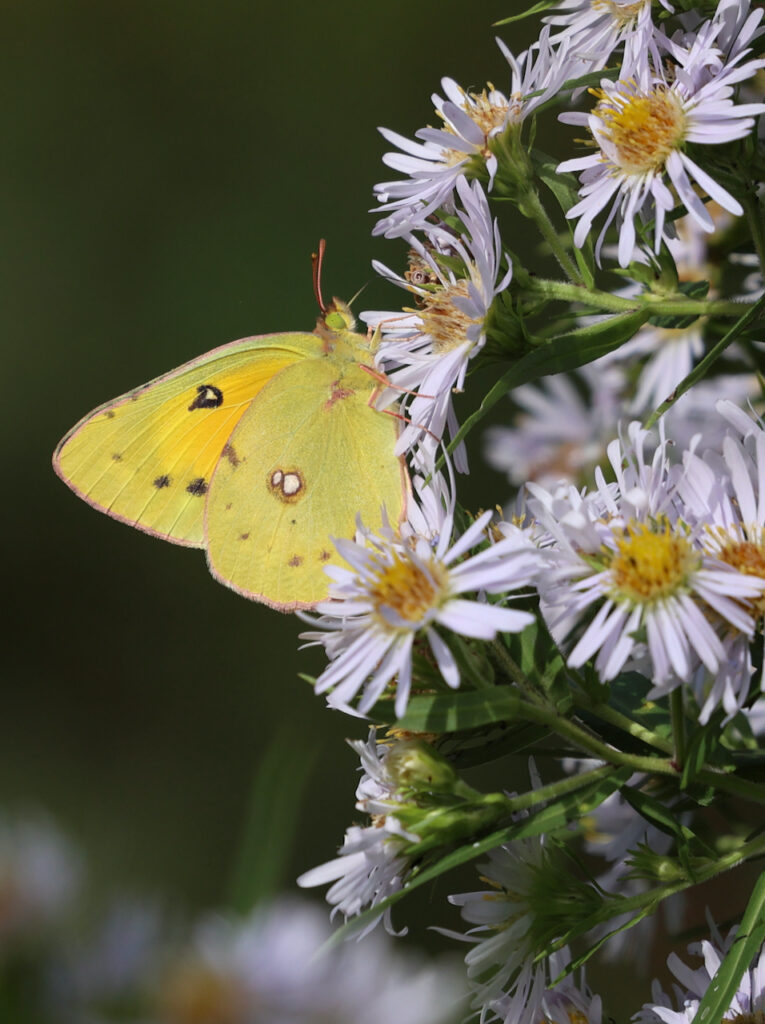
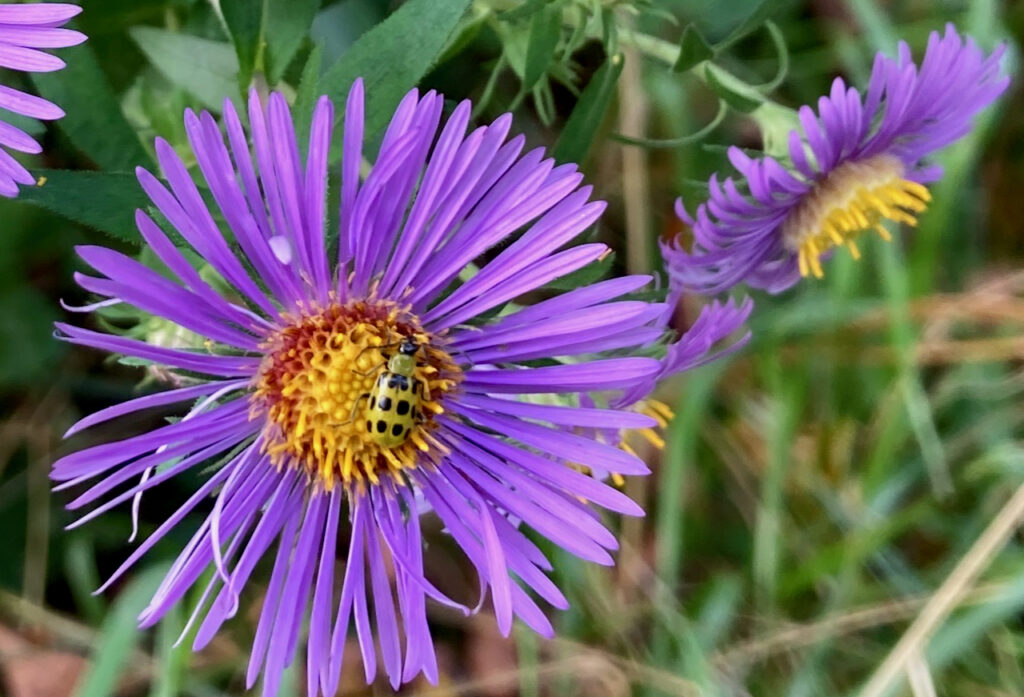
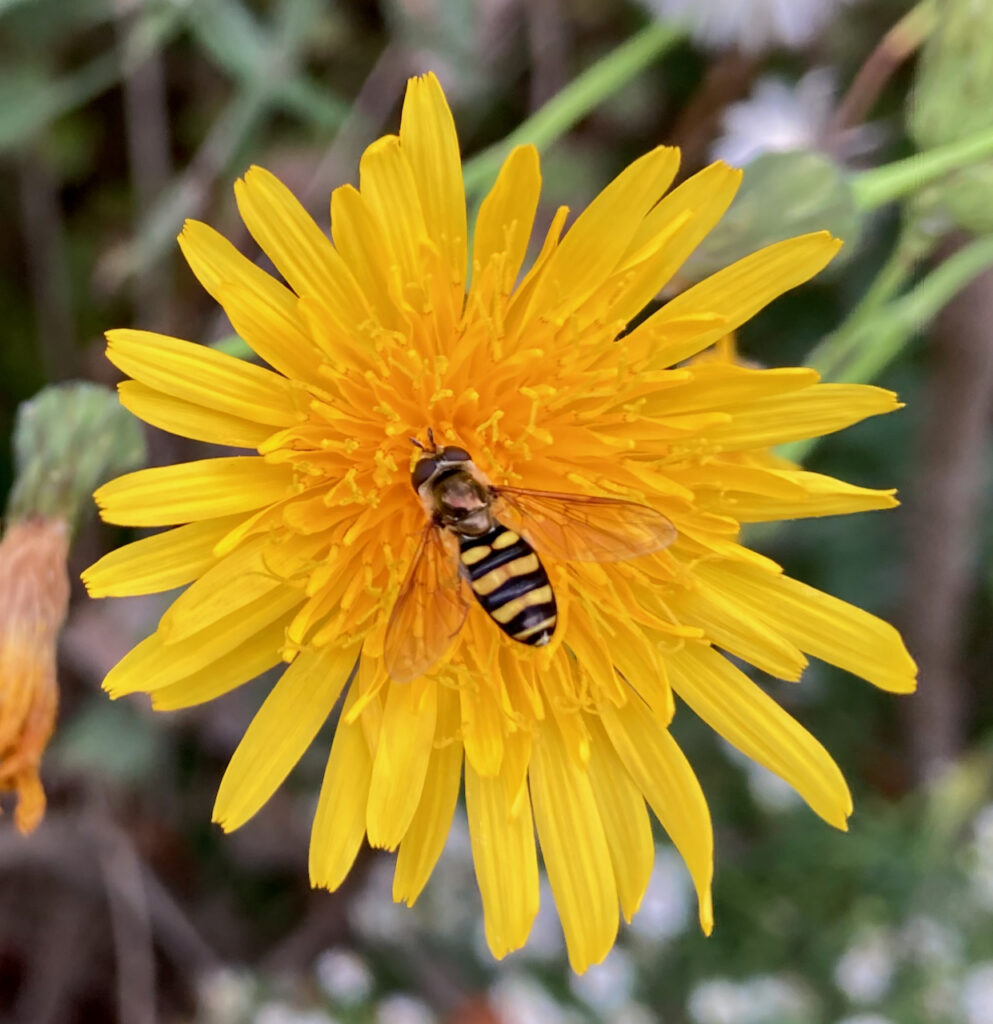
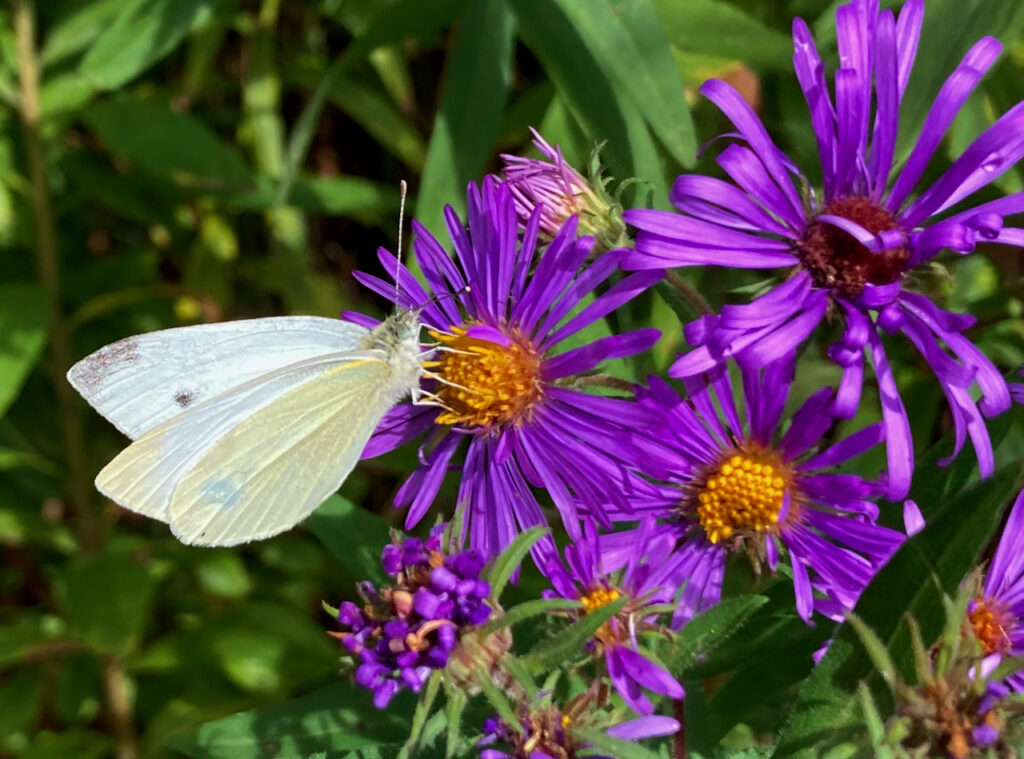
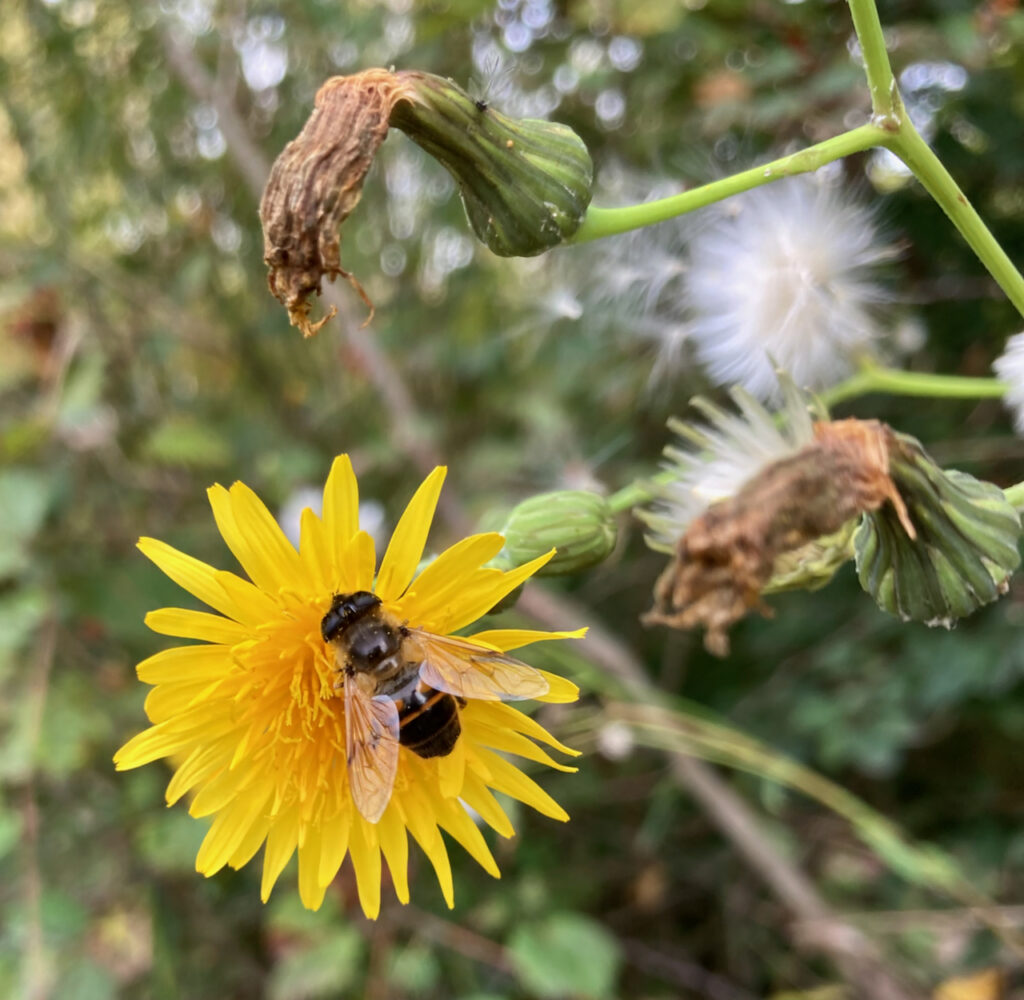
    Along the road, wildflowers, most still in bloom, attracted many pollinators and other insects.

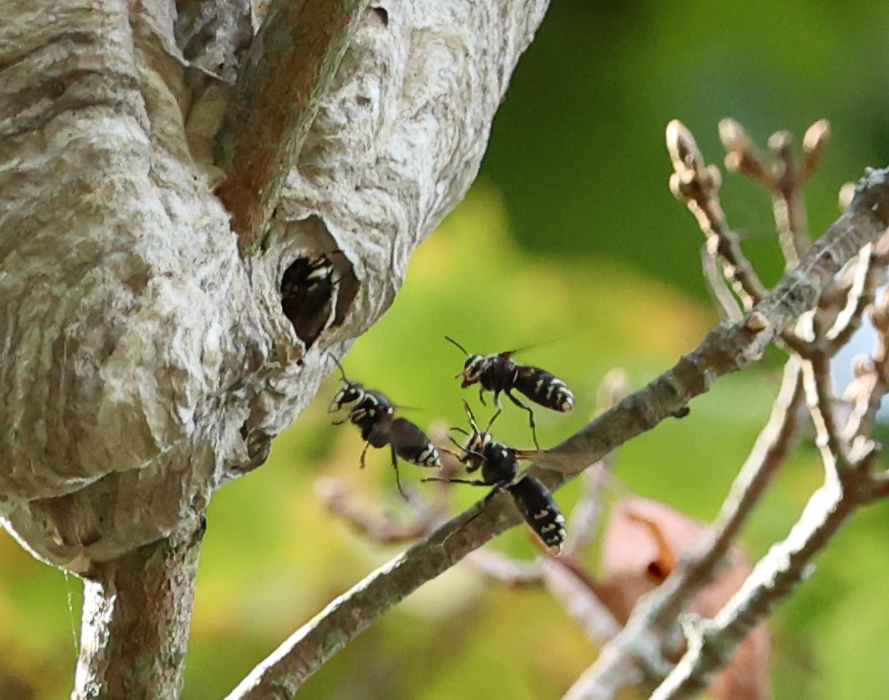
    Our friend pointed out a wasp nest suspended from a tree branch. It turned out to be an active Bald-faced Hornets’ nest. According to Wikipedia, Bald-faced Hornets are actually a type of yellowjacket (social wasps) that are considered beneficial because of the variety of other insects they eat.

    The view from here

    We continue to have stunning sunsets.

    This week’s flowers

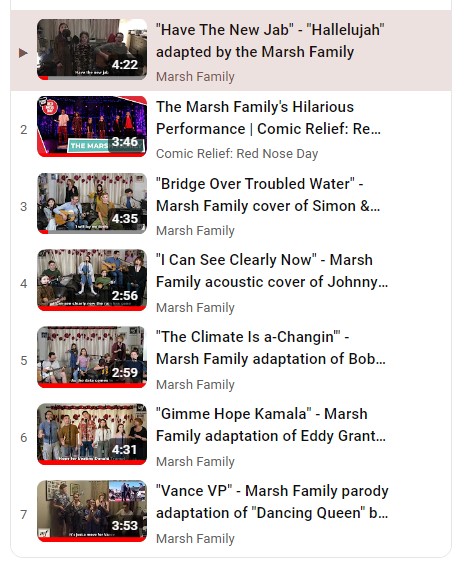
    The Marsh Family

    This family started home recordings during COVID lockdowns. Remember those days?

    They sing some songs with original lyrics, but I love their replacement lyrics.

    The last two in the playlist are political. They ridicule two American politicians in retaliation for their attacks on Britain.